
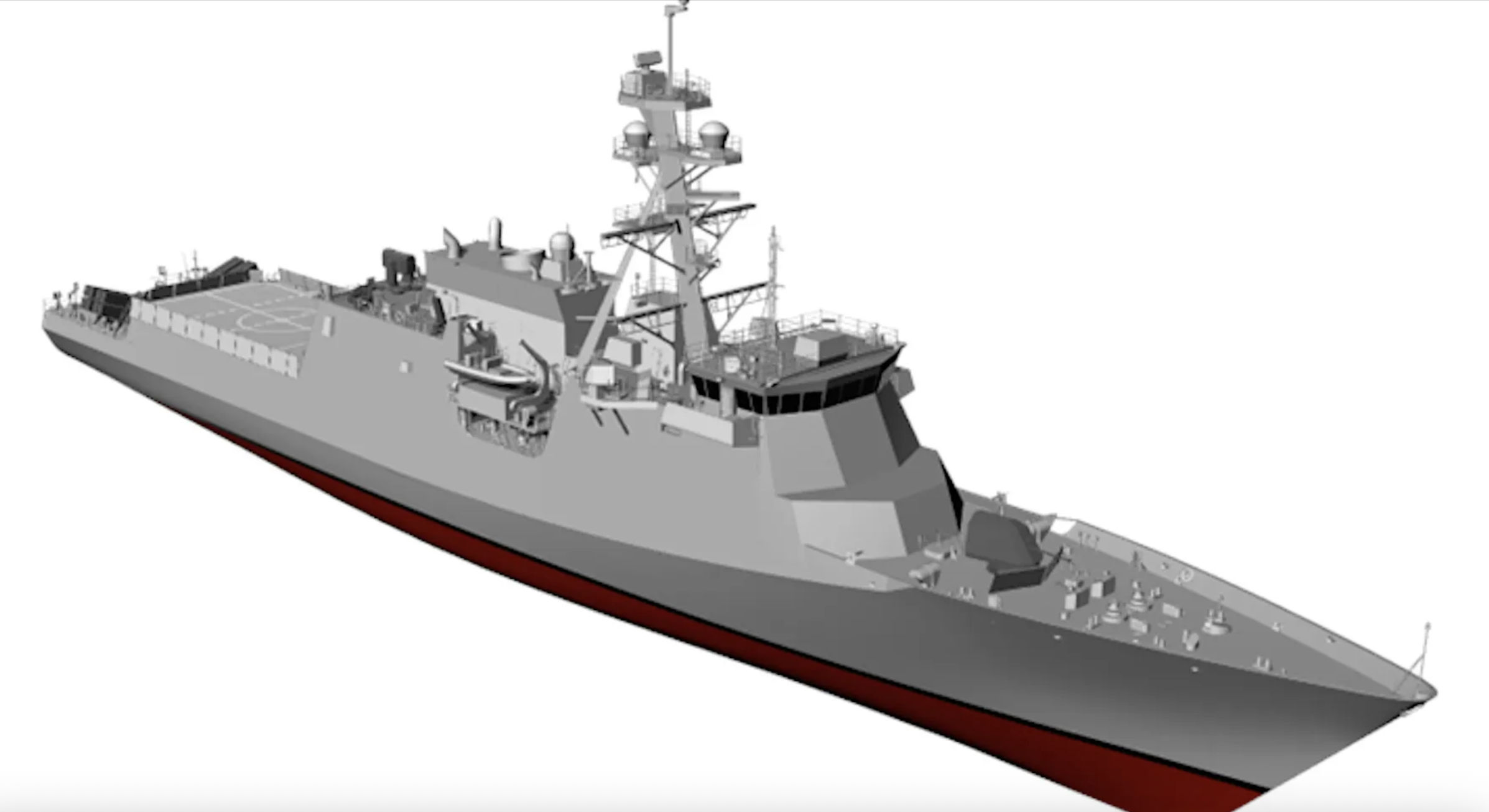
The FF(X) based on the design of the Bertholf class national security cutters.
Force Design 2028 declares they want “To transform the Coast Guard into a more agile, capable, and responsive 21st-century fighting force.”
If you want to be useful as a fighting force, it helps if you speak the same language. To a Coast Guardsman, WMSL may mean Coast Guard Maritime Security Cutter, Large, but to the Navy, the “M” immediately identifies a mine warfare ship. The “L” would probably interpret as “large.” WMSM may imply medium, but they are virtually the same size as the WMSLs.
This is a pet peeve of mine. I have written about it several times, but not recently, and maybe the new administration will see my point if someone presents the case to them.
- Ship Type Designations–The Bertholfs are Minesweepers?, Aug., 2013
- Navy Rethinking Ship Designations–Time for the CG to do so too?, Jan., 2015
There is another reason the Coast Guard might want to consider a change of designation, aside from the fact that the current designations don’t fit either the Navy or NATO’s systems, that is the adaptation of the Bertholf class as the FF(X). If it is a frigate, then the Bertholfs are Coast Guard frigates, WFF.
I suspect the Coast Guard budget would benefit if its wartime military role were more widely recognized.
I would admit they aren’t everyone’s idea of a frigate, so perhaps WPF. I like that designation because the PF designation has a Coast Guard history. 75 ships of the Tacoma class were designated PF or Patrol Frigate and were manned by Coast Guard crews during World War II, and some were transferred to the Coast Guard post war and carried a WPF designation. (We also had some destroyer escorts designated WDE.)
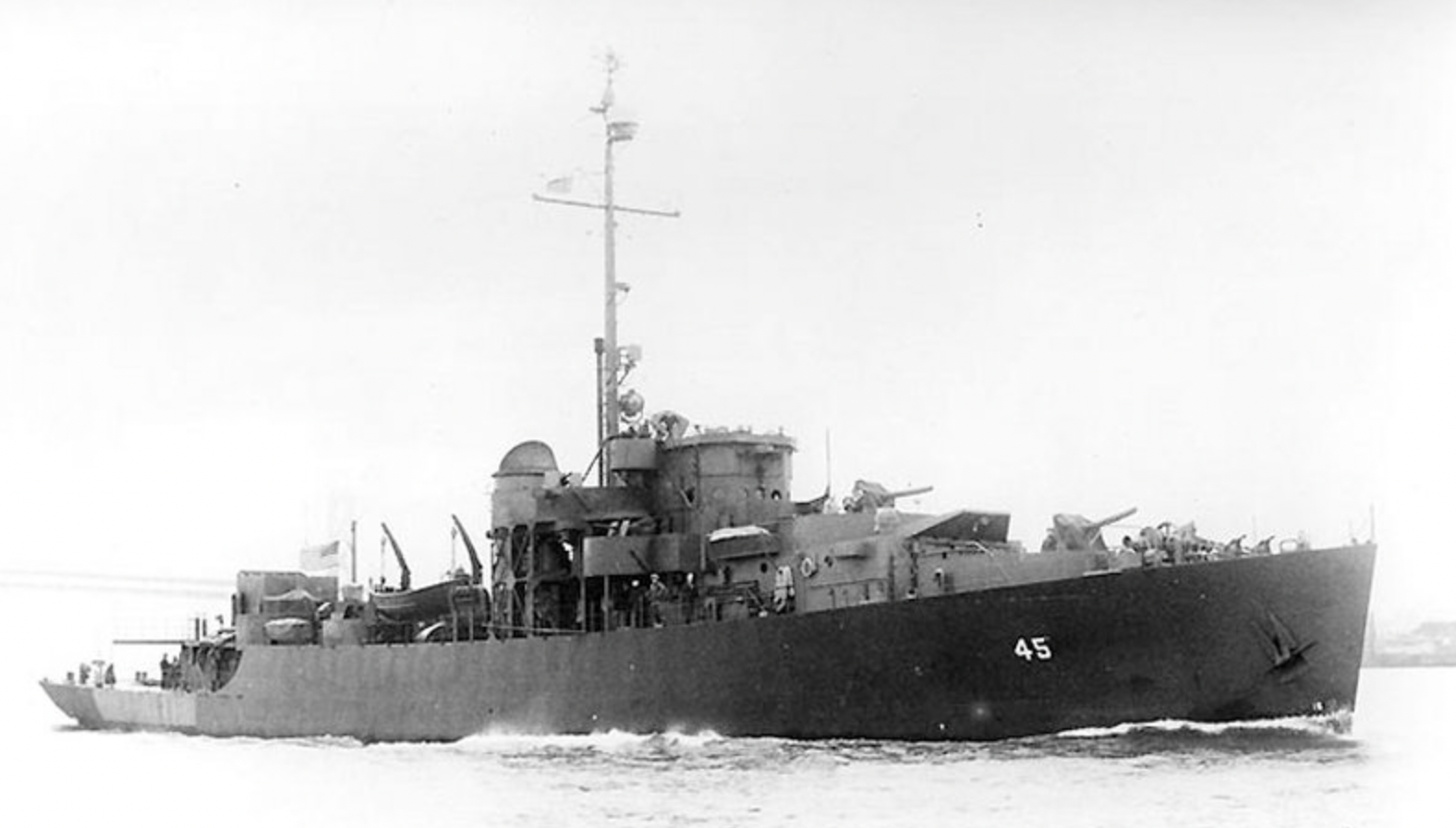
Tacoma class patrol frigate USS Hutchinson (PF-45) Underway, probably circa February 1946, after being converted for weather reporting service. Courtesy of William H. Davis, 1976. U.S. Navy photo NH 84721
There is not really much difference between the capabilities of the Bertholf class and the Argus class ships, so we could use the same designation for them, but if we must differentiate, how about WPL for the Heritage class.
Looking back, prior to the 1965, our large patrol cutters were all designated WPG, Coast Guard Patrol Gunboats, so WPF or WPL would not be a radical change, more a return to the old system, still in effect in the US Navy.

USCGC Duane (WPG-33) in Godthaab Fjord, Greenland in the Spring of 1941. Her mission was to survey the east coast of Greenland in order to identify sites for airfields. Note the SOC-4 seaplane amidships. Photo courtesy of A. D. Baker III from “U.S. Coast Guard Cutters and Craft of World War II” by Robert L. Scheina.

USCGC Wachusett (WPG/WHEC 44) No caption; 28 January 1966; Photo No. 040166-04; photographer unknown.

USCGC Modoc (WPG-46) USCG photo.
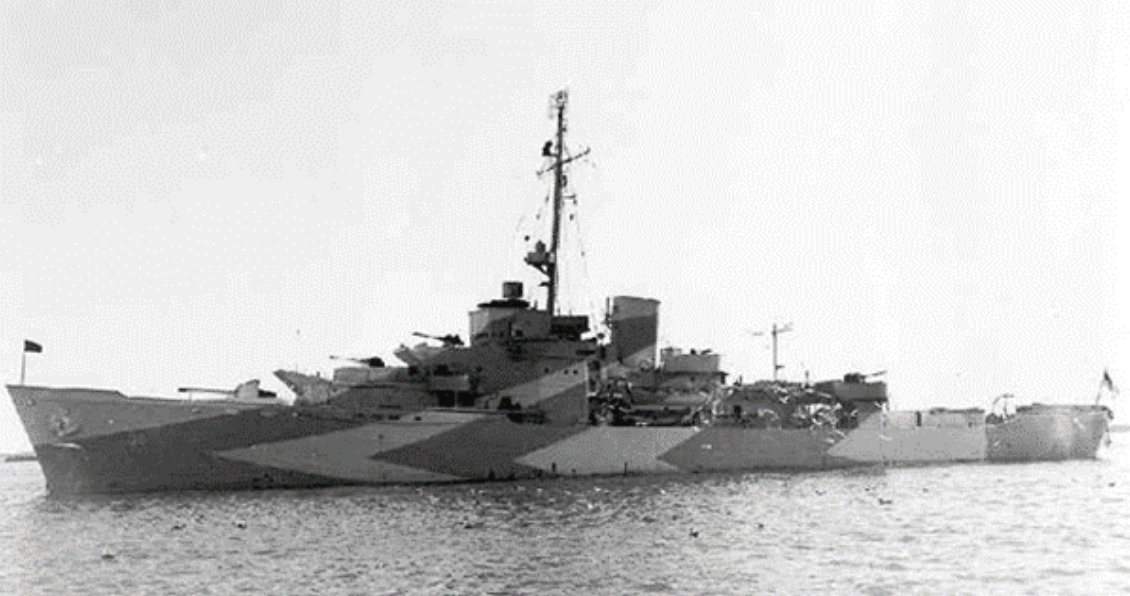
USCG Cutter Ingham WPG 35

USCGC Mohawk (WPG-78) during WWII

USCGC Spencer (WPG-36) in 1942 or 1943. 8 March 1943 German U-boat U-633 was sunk in the North Atlantic south-west of Iceland, in position 58.21N, 31.00W, by depth charges from the US Coast Guard cutter USCGC Spencer. Spencer sank U-175 with assistance of USCGC Duane, on April 17, 1943.
 Chuck Hill's CG Blog
Love the article. I would add that at this point in HiStory the country is about CHANGE . . . at least back to something normal and makes sense.
Also, If the U.S. Navy and USCG pass up this opportunity to develop the ultimate combat retrofit package for the NSC . . . then they are derelict of their duty IMHO.
WPF is better than WTF, which is exactly what Navy crews are going to ask when they get assigned to the first FF(X).
LOL.