

Based on the Coast Guard Historian’s timeline, https://www.history.uscg.mil/research/chronology/
With inspiration from Mike Kelso
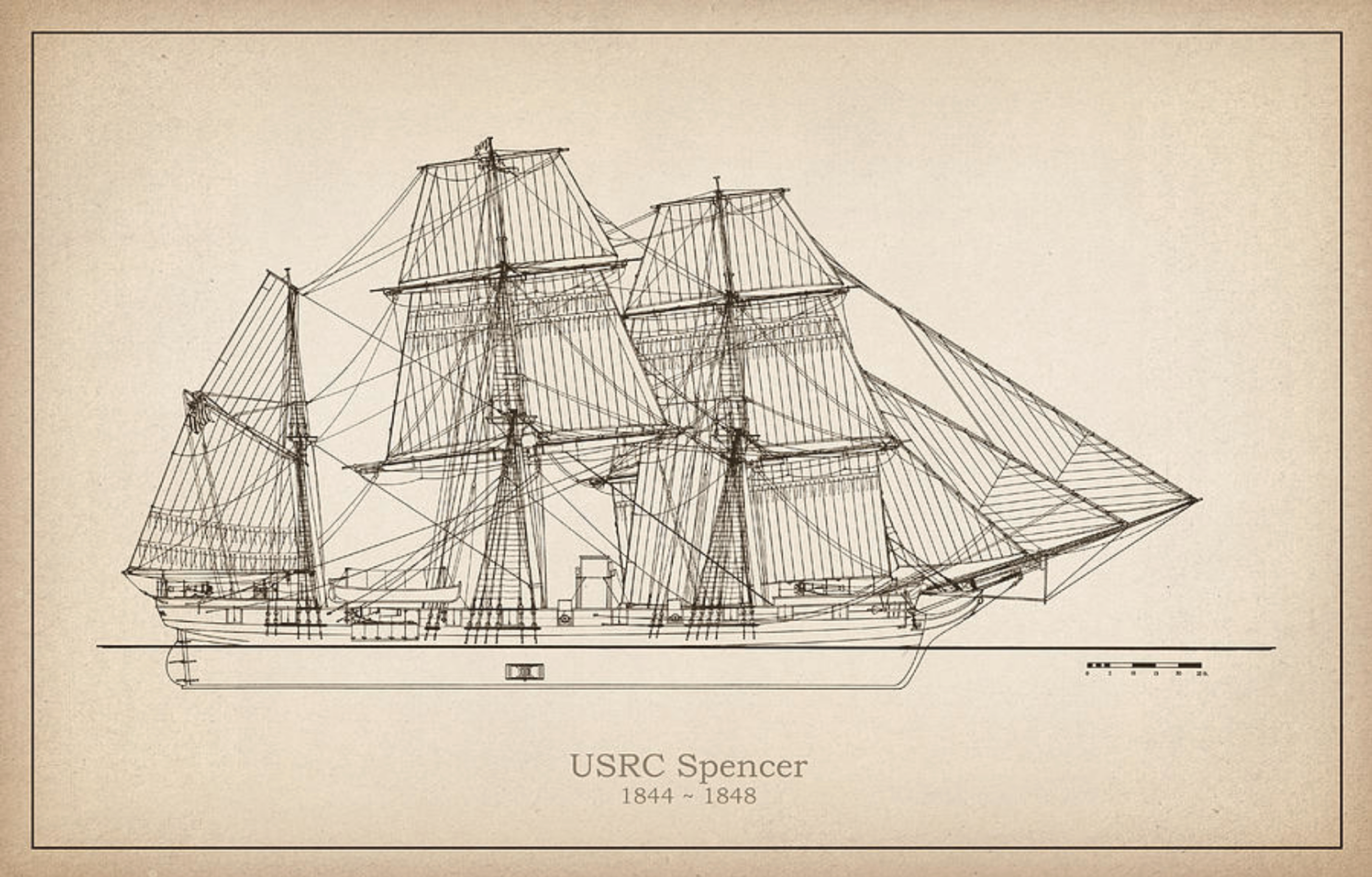
Revenue Cutter Spencer before conversion to Lightship R
1844 Captain Alexander Fraser, head of the Revenue Marine Bureau, reported to Congress on the failure of the service’s first steam cutters Spencer and Legare.

Admiral Russell R. Waesche, Sr., USCG
1916 Second Lieutenant Russell R. Waesche was designated as the first Communications Officer for the Coast Guard, an office established at Coast Guard Headquarters. The office was renamed Chief, Communications Division, soon thereafter. Waesche went on to serve as Commandant 14 June 1936 to 31 December 1945. He was the longest serving Commandant in Coast Guard history.
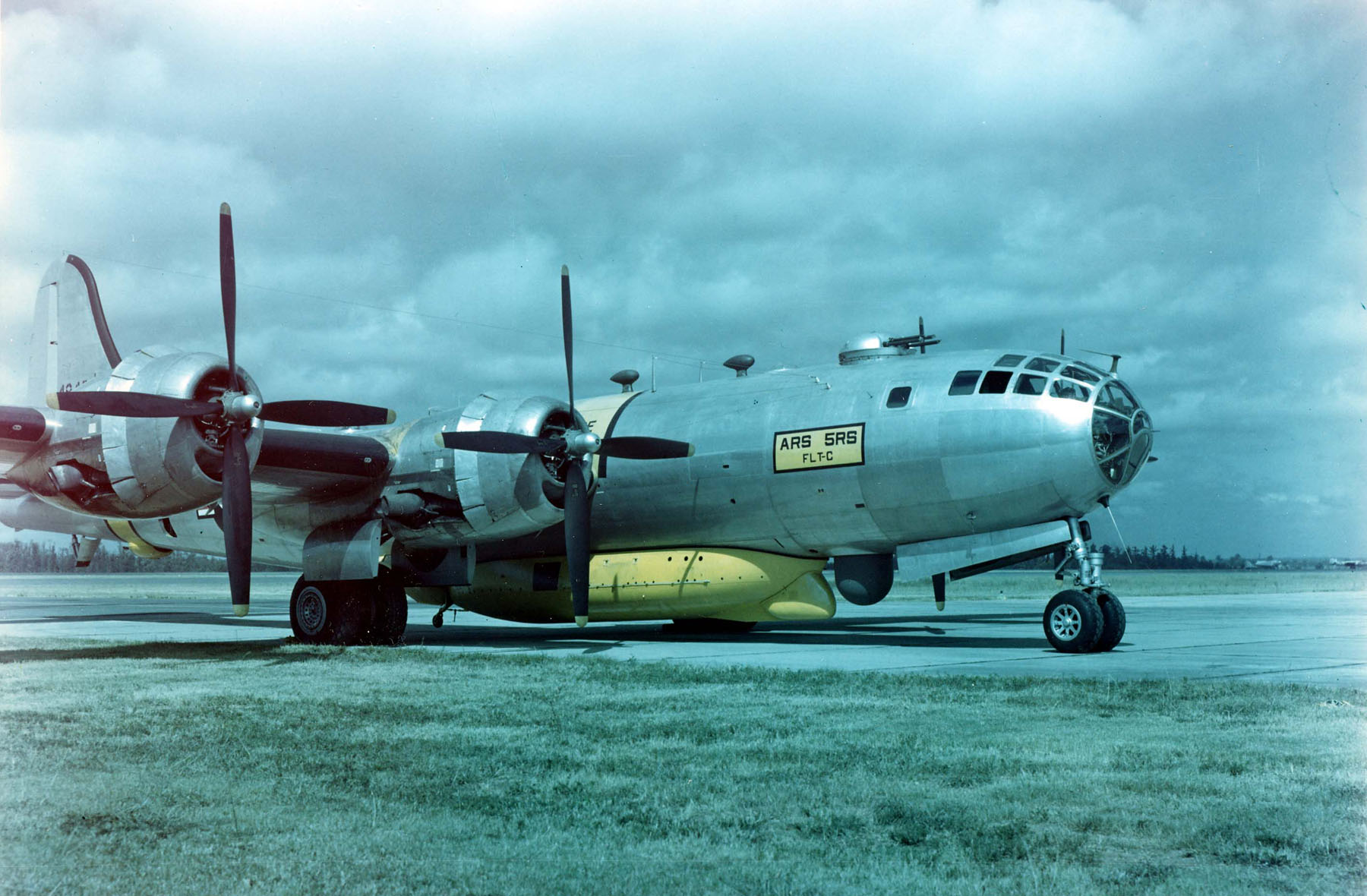
SB-29 “Super Dumbo”, a variant of the B-29 Superfortress, with an air-droppable EDO A-3 lifeboat rigged underneath. Fifteen B-29s and one B-29A were adapted for air rescue duty after World War II. Nicknamed “Super Dumbo” and designated SB-29. When a downed aircrew was spotted in the water, the lifeboat was released from the aircraft. The lifeboat, which descended by parachute, was equipped with watertight compartments, self-righting floatation bladders, an inboard engine, food and water. The SB-29 remained in service throughout the Korean Conflict and into the mid-1950s. Photo: US Air Force
1944 The Office of Air-Sea Rescue was set up in the Coast Guard. The Secretary of the Navy, at the request of the Joint Chiefs of Staff early in 1944, established the Air-Sea Rescue Agency, an inter-department and inter-agency body, for study and improvement of rescue work with the Commandant of Coast Guard as its head.
 Chuck Hill's CG Blog