

Based on the Coast Guard Historian’s timeline, https://www.history.uscg.mil/research/chronology/
With inspiration from Mike Kelso
December 13
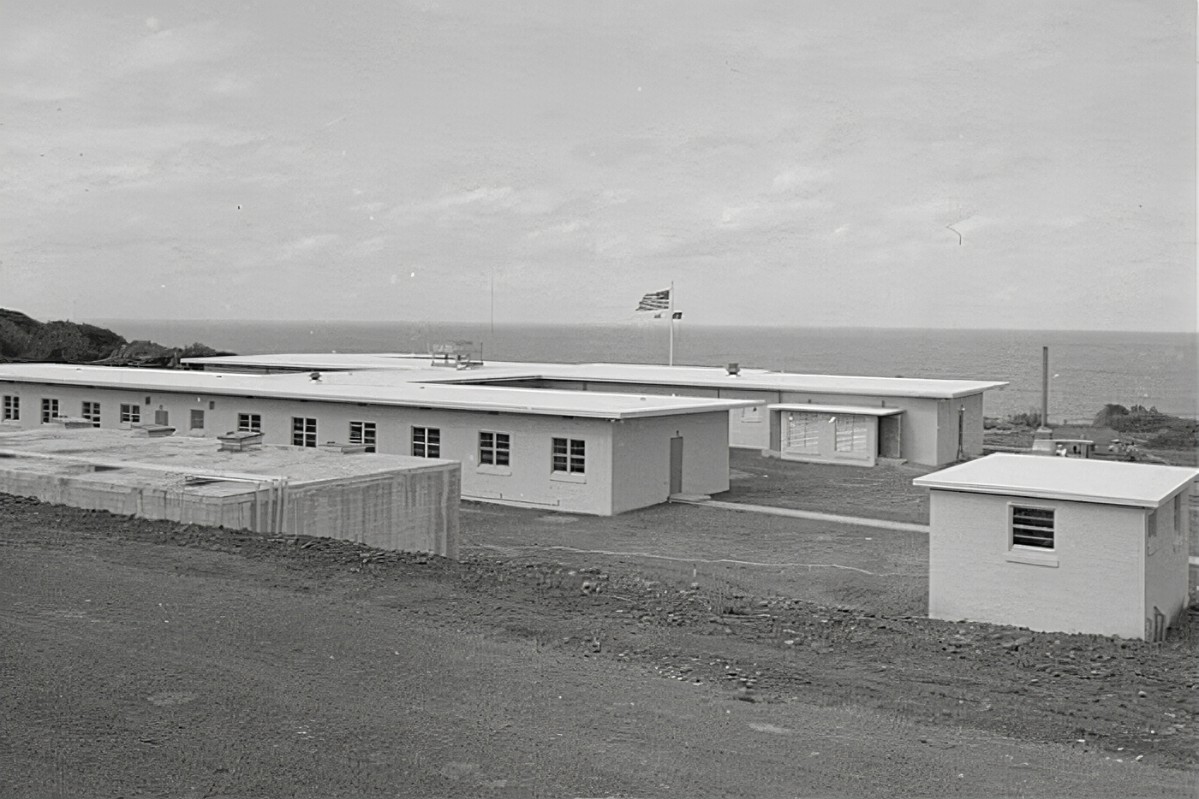
LORAN STATION IWO JIMA
1965 The Treasury Department received “official word” to commence a project to build a number of LORAN stations throughout Southeast Asia in support of the escalating U.S. efforts in the Vietnam War. The LORAN project was code-named “Tight Reign.”

South Korean Navy P-3CK
2014 Coast Guard search and rescue crews were relieved by Republic of Korea assets in their search for 26 crewmembers from the fishing vessel 501 Oryong that capsized November 30, 2014, near Chukotka, Russia, in the Bering Sea. The Coast Guard completed more than 24 searches covering more than 4,576 square miles utilizing two cutters, two helicopters, and multiple airplanes. Coast Guard crews will continue to partner with the Republic of Korea to provide search and rescue planning support. Two Republic of Korea Navy P-3 Orion aircraft joined the search for survivors on December 6, 2014. The Republic of Korea vessel Sam-Bong arrived at the 501 Oryong’s last known position and began their investigation. The Coast Guard offered to assist the Kamchatka Border Guard Directorate and the Republic of Korea with their search for survivors and deployed the following assets: CGCs Munro, Alex Haley, HC-130s from Air Station Kodiak, and two SAR planners from Juneau deployed to Anchorage to work with South Korean Navy P-3 aircrews. The Republic of Korea reported the 501 Oryong, with 60 crewmembers, was hauling in its catch when a wave hit and flooded the vessel’s storage chambers with seawater. Good Samaritans rescued eight crewmembers, but one died of complications, 26 bodies were recovered, and 26 crewmembers were reported missing.
December 14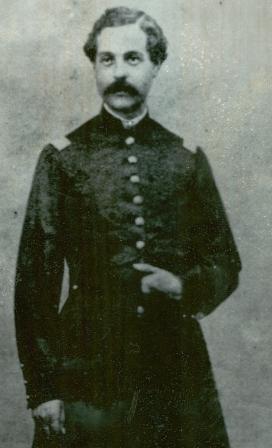
1846 Revenue Captain Alexander Fraser protested in a report to Congress against “unjust imputations” made against the Service for its involvement in the failure of the first steam cutters. He also requested the authority to employ medical aid on cutters and to provide pensions for personnel disabled in service.
1854 Congress authorized the appointment of the first lifeboat station keepers at $200 per year each and superintendents for Long Island and New Jersey serving under Secretary of Treasury who “may also establish such stations at such lighthouses, as, in his judgment, he shall deem best.”

Sea otters. Photo taken under U.S. FWS permit #MA-043219. (Ryan Wolt)
1911 President William Howard Taft proclaimed the Convention entered into between the United States, Great Britain, Japan, and Russia for the preservation of the fur seal and the sea otter. As this treaty prohibited entirely the killing of seals, and sea otters, on the part of the four nations concerned, in the North Pacific Ocean and Bering Sea, it was necessary that the movements of the Revenue Cutter fleet that enforced the agreement “correspond generally” to the progress of the seal herd in its annual northern migration. During the 1912 season the following cutters were assigned: Rush, Manning, McCulloch and Tahoma. This was the first regular patrol in enforcement of the regulations issued pursuant to the International Convention proclaimed on December 14, 1911. Prior to that date Revenue Cutter vessels enforced the regulations of the Paris Tribunal of arbitration decreed August 15, 1893 for the preservation of the fur seal. The patrol of the North Pacific Ocean and Bering Sea was first inaugurated in 1895 for the enforcement of the provisions of the Act of Congress approved April 6, 1894. The cutters Rush, Bear, Corwin, Grant, and Perry were the first cutters assigned to carry out this patrol which commenced in 1895.
1996 The 735-foot M/V Bright Field collided with the New Orleans Riverwalk, causing substantial damage and injuring over 100 people. Coast Guard forces responded.
 Chuck Hill's CG Blog