

Based on the Coast Guard Historian’s timeline, https://www.history.uscg.mil/research/chronology/
With inspiration from Mike Kelso
February 4
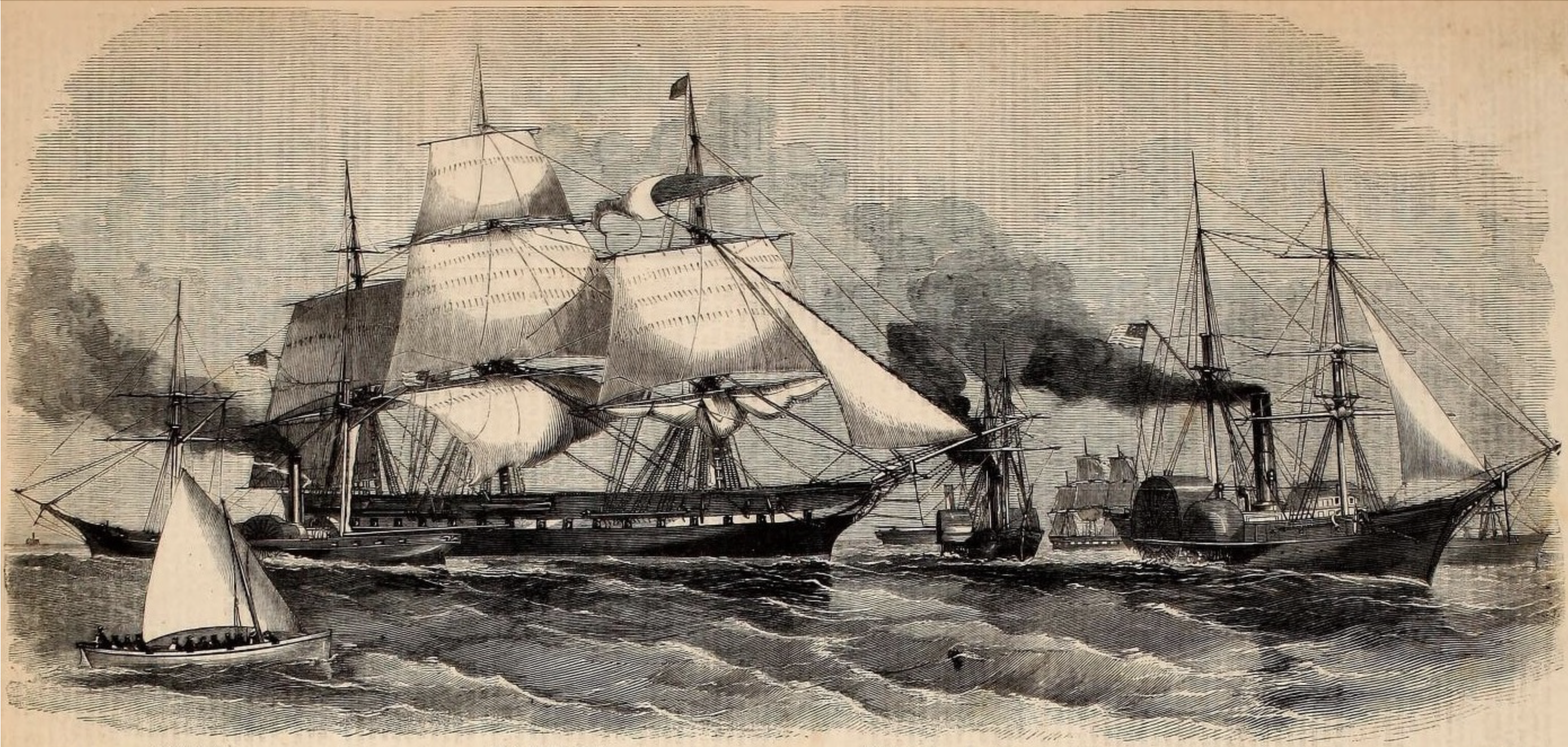
The Paraguay Squadron. Harper’s Weekly, New York, 16/10/1858
1859 The United States signed the “Treaty of Friendship, Commerce and Navigation” with Paraguay at Asuncion after the revenue cutter Harriet Lane, as part of a U.S. Navy expedition, forced the opening of the Paraguay and Parana Rivers.
1863 Commissioned officers of the Revenue Cutter Service were to be appointed by the President by and with advice and consent of the Senate. This act contained the first statutory use of term “Revenue Cutter Service.” Previous laws referred only to “revenue cutters”.
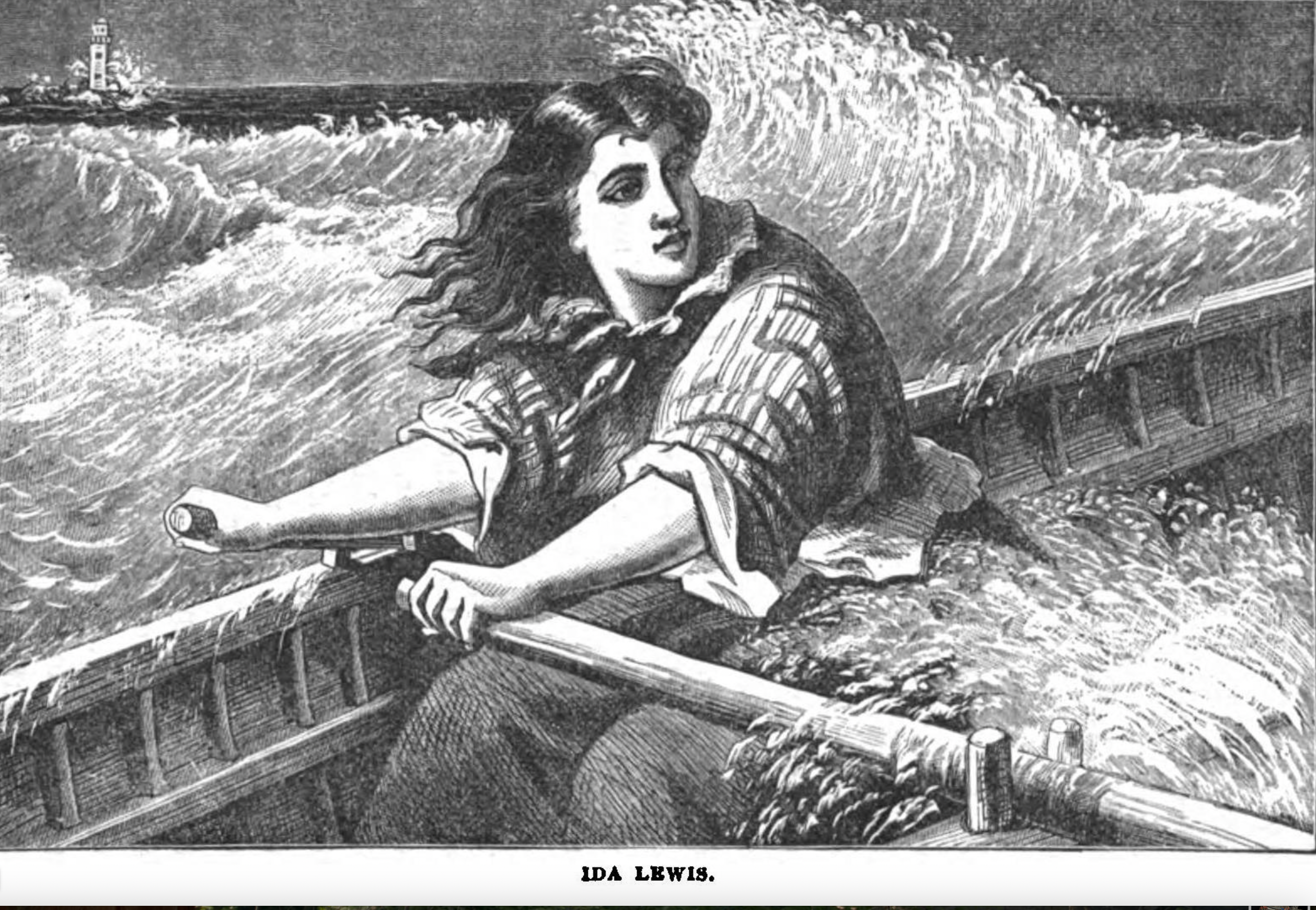
Woodcut of Ida Lewis, light-house keeper, Women of the century By Phebe Ann Hanaford 1876
1881 Keeper Ida Lewis, the head keeper of the Lime Rock Lighthouse, rescued two soldiers from Fort Adams who had fallen through the ice “at the imminent risk of Mrs. Lewis-Wilson’s life.” For her heroic actions she was awarded a Gold Lifesaving Medal. She was officially credited with saving 13 persons during her distinguished career with the U.S. Lighthouse Service “and it is understood that the number was probably much greater.”
1982 Attorney General William Smith declared at a press conference that Operation Tiburon was “the most successful international marijuana interdiction effort to date.” The operation began in November 1980, and accounted for the seizure of 95 vessels. It was a combined operation that included elements of the Coast Guard, the Drug Enforcement Administration, the Customs Service, and various state and local law enforcement agencies.

M/V New Carissa On February 4, 1999, the M/V New Carissa, a 639-foot bulk freight ship of Panamanian registry, went hard aground in heavy seas about 150 yards off a stretch of remote, undeveloped sandy beach three miles north of Coos Bay, Ore. The ship was intentionally ignited to burn the fuel oil and later broke in two. NOAA photo.
1999 The 639-foot freighter New Carissa ran aground north of Coos Bay, Oregon. Coast Guard helicopter crews rescued 23 crewmembers, but the vessel remained firmly aground and attempts to refloat her failed. A unified command made up of Coast Guard and Navy personnel, as well as marine salvors, attempted to prevent a catastrophic oil spill as the ship began breaking apart. The team decided to set the oil on board the New Carissa on fire so it would burn away before being spilled and fouling the shore. It was the largest “in situ” burn ever tried in U.S. waters and it consumed a significant amount of the oil aboard the New Carissa. The Coast Guard’s annual report for that year noted: “While some oil did spill out of the vessel, the unified command’s efforts greatly reduced the potential environmental damage to the Oregon coast.” The ship eventually broke in two and her bow section was towed to sea and sunk by the Navy.

USCGC DILIGENCE returns to Pensacola.
2014 CGC Diligence returned to its homeport of Wilmington, North Carolina, after completing a 49-day patrol in the North Atlantic Ocean in support of Operation Atlantic Venture. The combined efforts of Diligence and the other Coast Guard assets involved in the operation resulted in nearly 75 vessel inspections that identified numerous violations of federal safety and fisheries regulations.
 Chuck Hill's CG Blog