
Based on the Coast Guard Historian’s timeline, https://www.history.uscg.mil/research/chronology/
With inspiration from Mike Kelso
March 13
1882 At 7 P.M., the schooner Annie L. Palmer bound for New York from Baracoa, Cuba, with a cargo of fruit, and a crew of six persons, stranded about two hundred yards off-shore, one mile north of Station No. 16, Fourth District, New Jersey. The patrolman reported it to the keeper. The life-saving crew boarded the vessel by 8 o’clock and found that she had grounded at low water and could not be moved until the tide rose. They ran an anchor to keep the vessel from working farther on, and waited for the flood tide. At half past 2 the next morning, the tide rose and they succeeded in heaving the vessel off. They then took her to a safe anchorage.
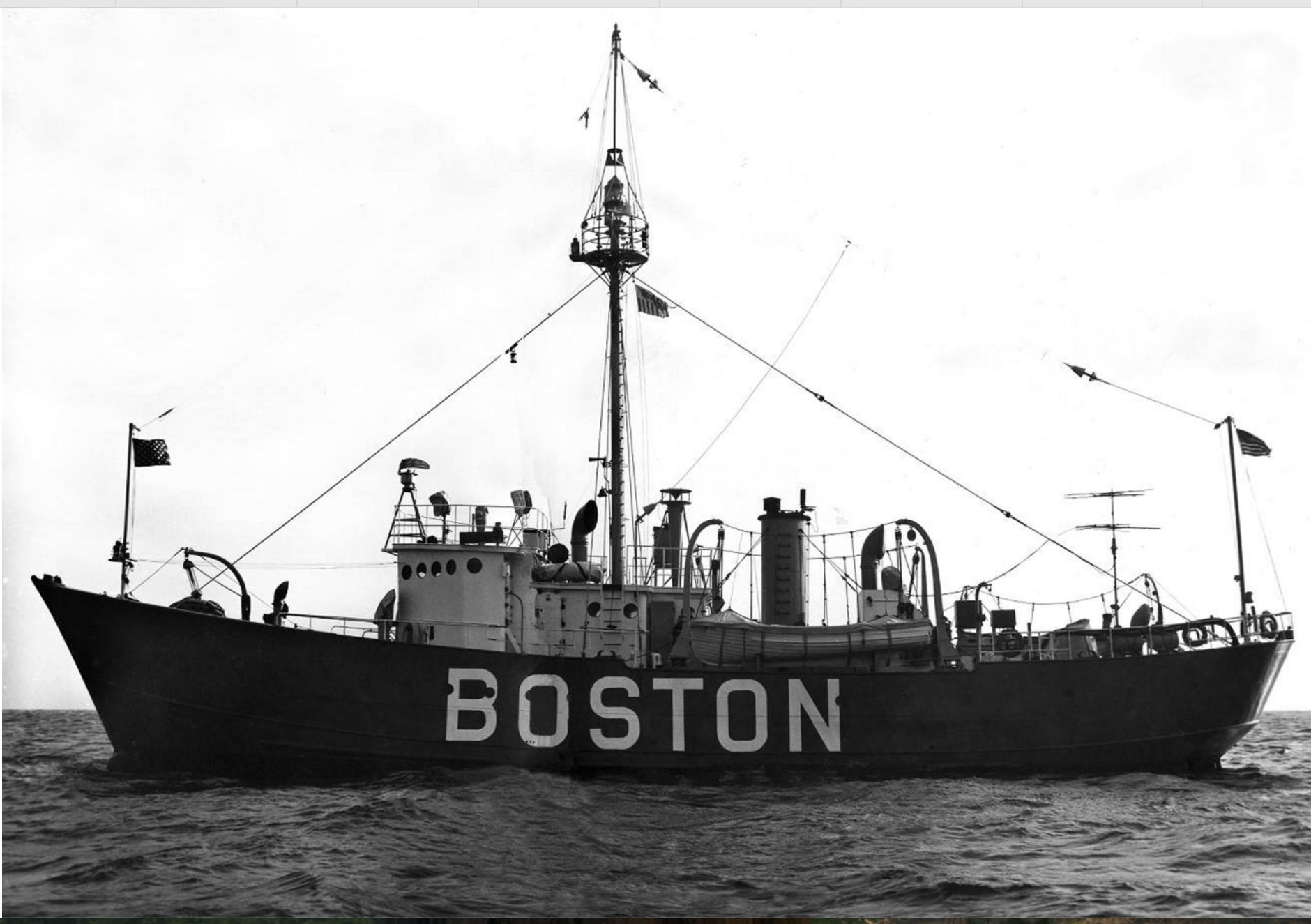
1974 A 200-foot fishing vessel requested evacuation of a crewman, who had severe headaches from a head injury. The vessel was directed to proceed to the vicinity of Boston Light Vessel where upon arrival a motor lifeboat from Coast Guard Station Point Allerton evacuated the patient to Coast Guard Base Boston. A waiting ambulance transported the patient to Brighton Hospital.
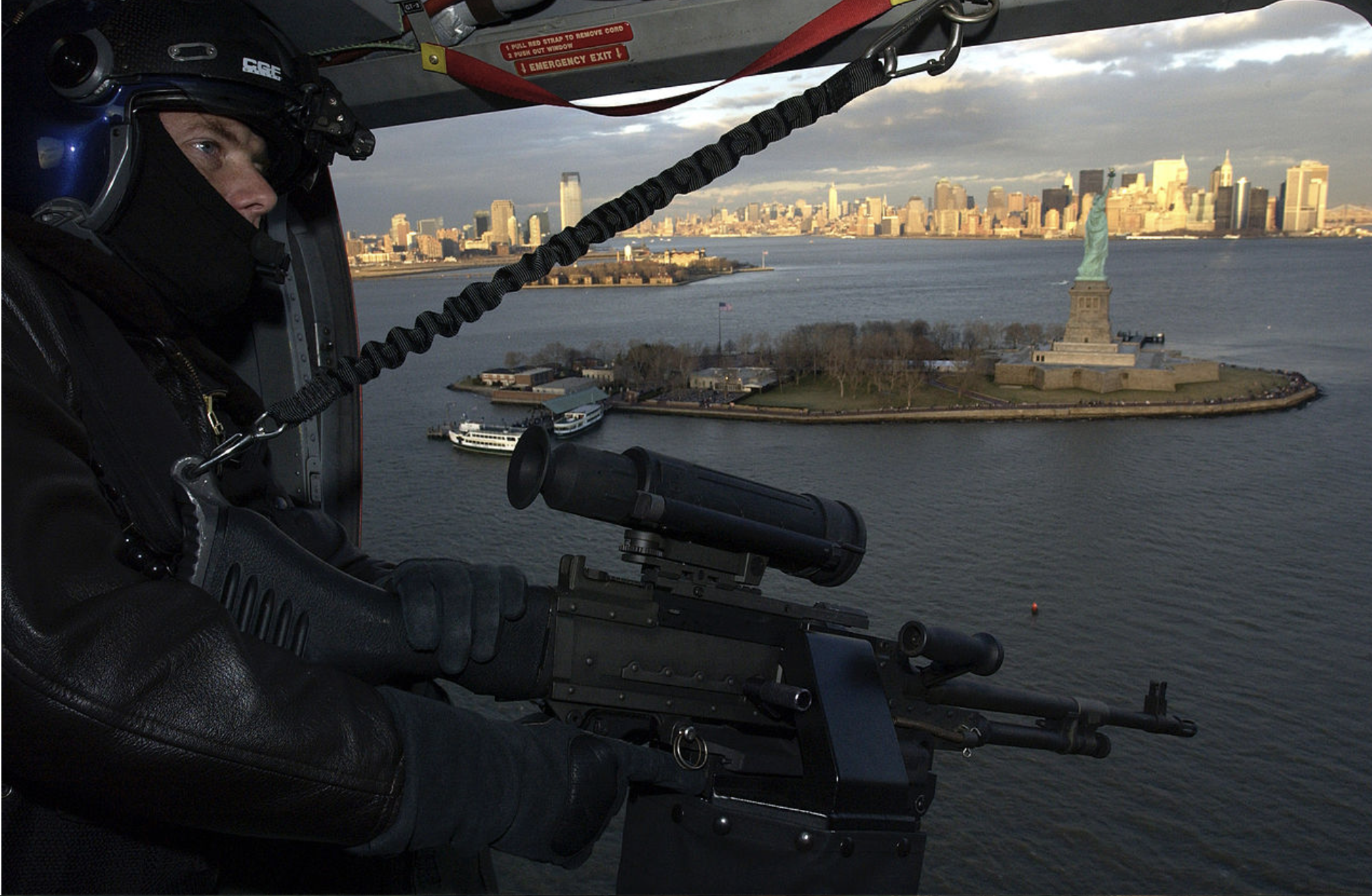
HITRON member from Jacksonville, Fla., mans an M-240 machine gun on board a Stingray MH-68A helicopter during a homeland security patrol around New York City
2000 The Coast Guard announced the successful completion of Operation New Frontier. New Frontier was an evaluation of the use of armed helicopters and high-speed small boats to stop small, high-speed smuggling vessels, referred to as “go-fasts,” that smuggled narcotics to the U.S. Of the six go-fasts detected, all six were captured. CGCs Gallatin and Seneca took part in the evaluations.
 Chuck Hill's CG Blog