

Based on the Coast Guard Historian’s timeline, https://www.history.uscg.mil/research/chronology/
With inspiration from Mike Kelso
March 17
1863 Revenue cutter Agassiz helped defend the Union-held Fort Anderson at New Bern, North Carolina, from a Confederate attack.
1902 All but one of the members of the crew of the Monomoy Life-Saving Station perished during the attempted rescue of the crew of the wrecked coal barge Wadena during a terrible winter gale. The dead included the keeper of the station, Marshall N. Eldridge, and six of his surfmen. Eldridge told his crew before they departed on the rescue that: “We must go, there is a distress flag in the rigging.” The crew of five from the barge also perished. The sole survivor, Seth L. Ellis, was the number one surfman of the Monomoy station. He was awarded the Gold Lifesaving Medal as was the man who rescued him, Captain Elmer Mayo of the barge Fitzpatrick.
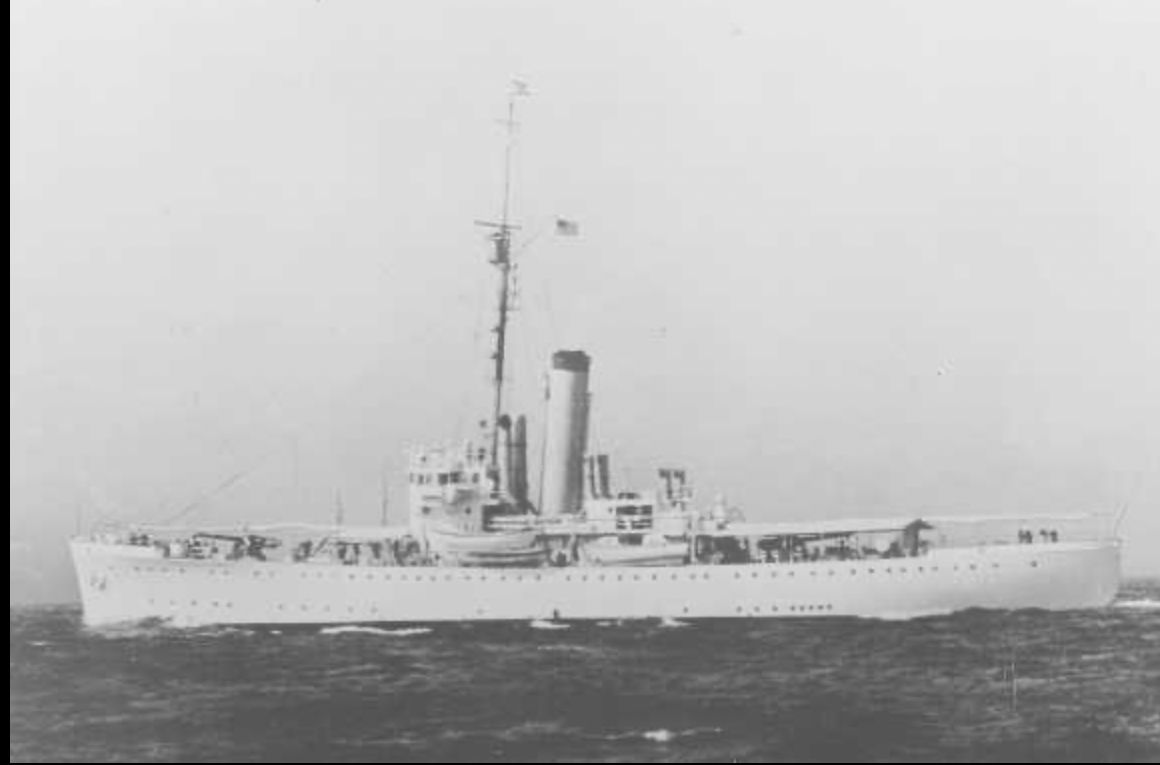
USCGC Cayuga, circa 1936. USCG photo.
1941 CGC Cayuga left Boston with the South Greenland Survey Expedition on board to locate airfields, seaplane bases, radio and meteorological stations, and aids to navigation in Greenland. This was the beginning of the Coast Guard’s preeminent role in Greenland during World War II.
1962 After requesting the evacuation of a seriously injured crewman, the Russian merchant vessel Dbitelny transferred the patient to the Coast Guard LORAN station on St. Paul Island in the Bering Sea. Meanwhile, a Coast Guard aircraft flew a U.S. Navy doctor and a hospital corpsman there to perform an emergency operation. Afterwards, the injured man was flown to Elmendorf Air Force Base, where he was admitted to the U.S. Air Force hospital.
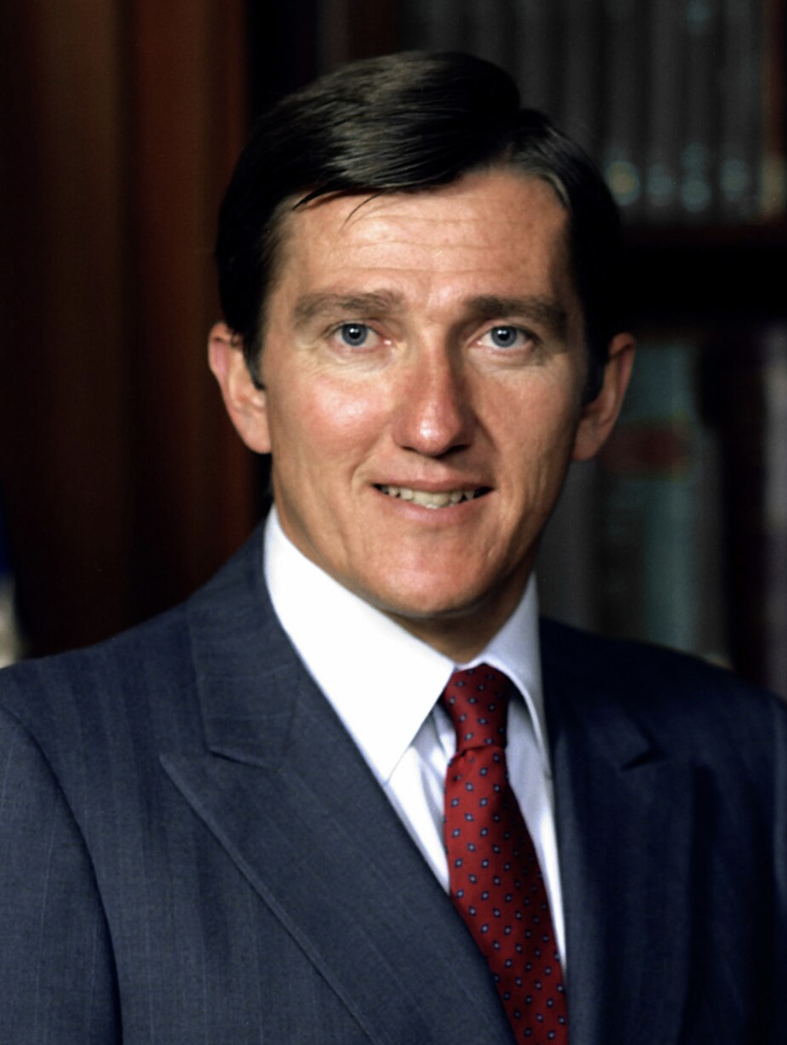
John Lehman, former Secretary of the Navy. (He came to Naval War College when I was there. Very impressive.)
1982 Navy Secretary John Lehman testified before Congress on behalf of the Coast Guard. He characterized the relationship between the Navy and the Coast Guard as being “close and warm.” He also praised the new NAVGARD Board, created in November 1980, to formalize the relationship between the two services.
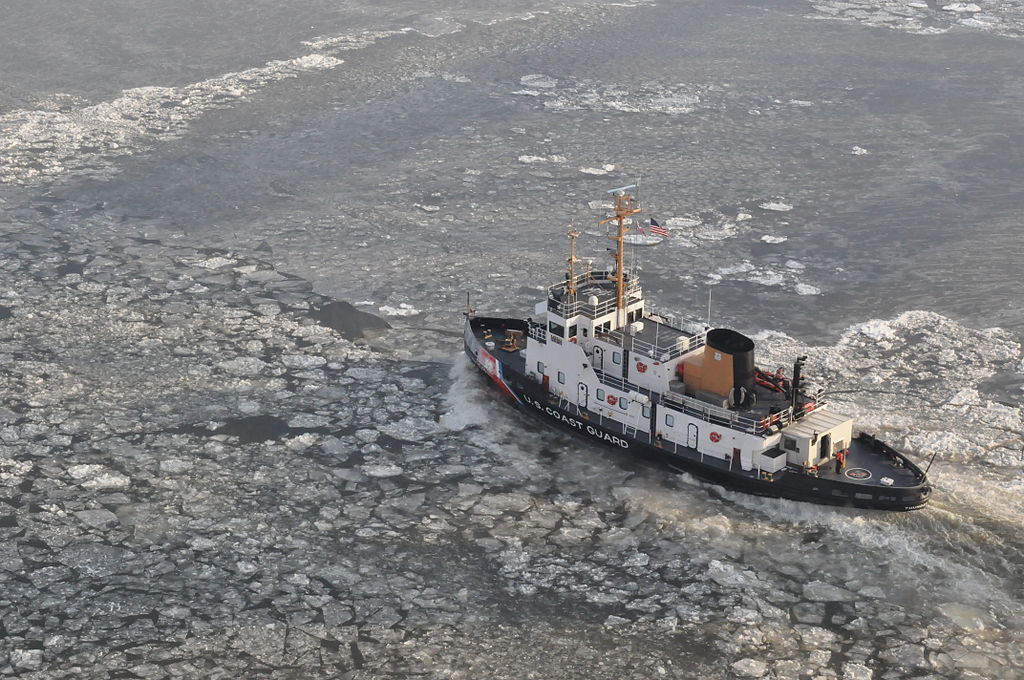
USCGC Thunder Bay (WTGB-108)
2015 Following a 61-day deployment on the Hudson River, CGC Thunder Bay returned to its homeport of Rockland, Maine after conducting icebreaking operations in support of Operation Reliable Energy for Northeast Winters. Thunder Bay deployed mid-January 2015 to coordinate daily ice breaking operations with CGCs Sturgeon Bay, Willow, Elm, and Wire on the Hudson River. In order to keep the channel open to commercial shipping traffic, Thunder Bay conducted operations seven days a week, with only occasional days off. The cutter navigated more than 100 river miles daily and by the end of the season Thunder Bay had sailed nearly 3000 nautical miles, conducted 554 hours of icebreaking, and made 70 vessel and facility break outs, requiring them to operate an additional 13 days beyond their original assignment.
 Chuck Hill's CG Blog