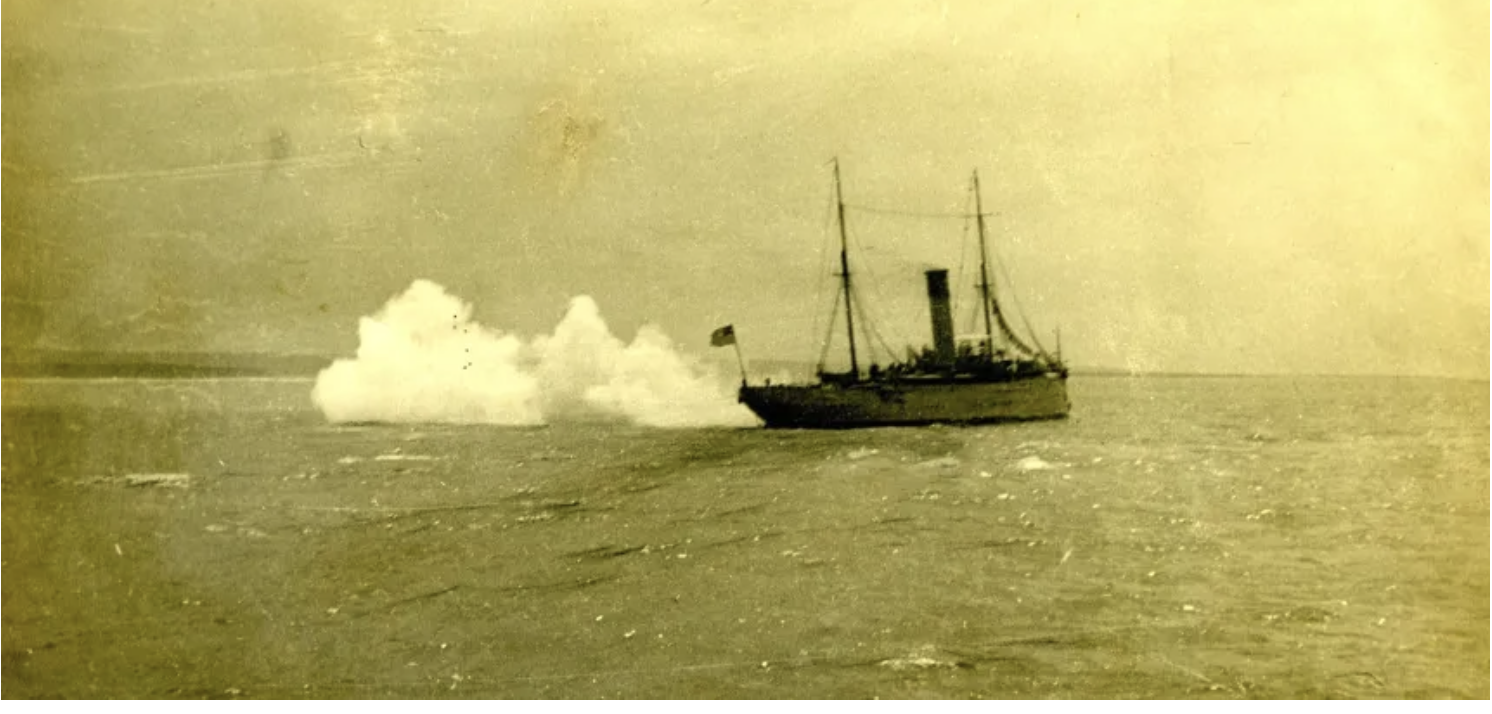
May 12, 1898, USS Manning in engaged off Cabanas, Cuba By Lieut. G. L. Carden, R.C.S. This is the only known photo of a Revenue Cutter in action during the Spanish-American War. (At the time, upon transfer to Navy control, apparently it was common for the USS designation to be substituted.)
Ran across an excellent history of the Cutter Manning and its career from 1898 to 1930 on a site with the unlikely name of laststandonzombieisland. It seems the site looks at a different vintage warship every Wednesday, and there are other cutters featured as well. I will try to cover them as well. The articles are relatively long and well illustrated with photos.
The post talks about the entire generation of cutters, SRC Gresham, USRC McCulloch, USRC Algonquin, and USRC Onondaga as well as USRC Manning.
The Propeller class was emblematic of the Revenue Cutter Service– the forerunner of the USCG– at the cusp of the 20th Century. The USRCS decided in the 1890s to build five near-sisterships that would be classified in peacetime as cutters but would be capable modern naval auxiliary gunboats.
These vessels, to the same overall concept but each slightly different in design, were built to carry a bow-mounted torpedo tube for 15-inch Bliss-Whitehead type torpedoes (although they appeared to have not been fitted with the weapons) and as many as four modern quick-firing 3-inch guns (though they typically used just two 6-pounder, 57mm popguns in peacetime). They would be the first modern cutters equipped with electric generators, triple-expansion steam engines (with auxiliary sail rigs), steel (well, mostly steel) hulls with a navy-style plow bow, and able to cut the very fast (for the time) speed of 18-ish knots.
It talks about how Coast Guard forces were deployed for the Spanish American War and how the vessels were armed.
It reproduces reports from Manning regarding her actions during the war. The ship did a lot of naval gun fire support.
After the Spanish American War she was assigned to the West coast and performed Bering Sea Patrol.
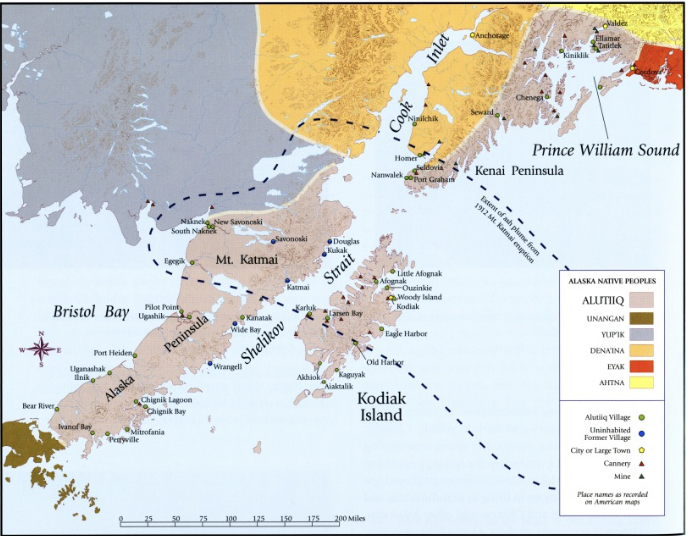
In 1912 she was in port in when the largest volcanic eruption of the 20th century happened on Alaska peninsula to the NW. Manning sheltered over 400 people and provided fresh water from her evaporators (an innovation at the time).
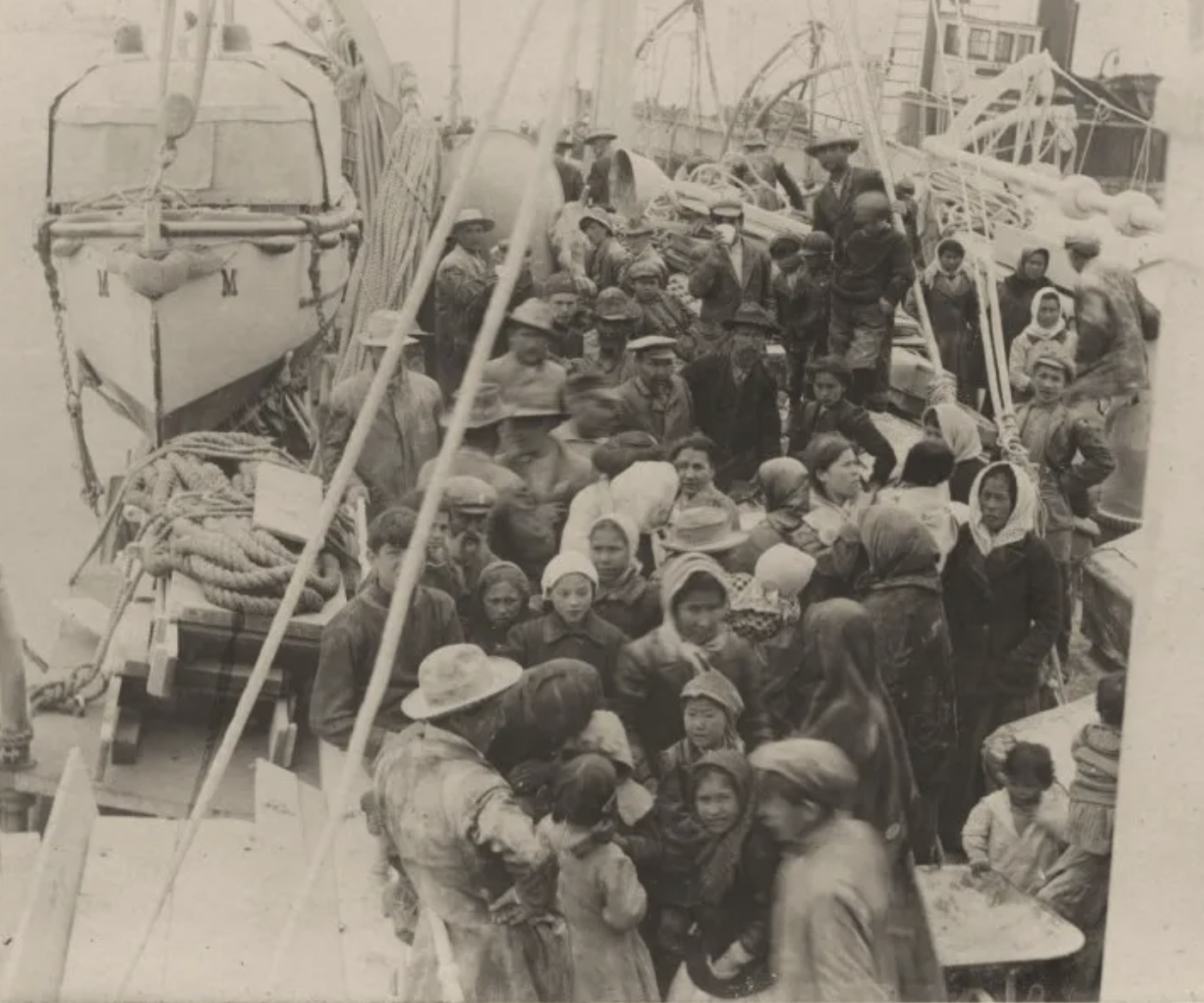
U.S. Revenue Service cutter Manning, crowded with Kodiak residents seeking safety during the 1912 eruption of Novarupta, which resulted in about a foot of ashfall on Kodiak over nearly three days. The photograph was published in Griggs, 1922, and was taken by J.F. Hahn, U.S.R.S.
“Valley of Ten Thousand Smokes and the 1912 Novarupta-Katmai Eruption,” National Park Service:
At Kodiak, 100 miles (160 km) southeast of the eruption center, the air became thick with ash and, for 60 hours, darkness was so complete that a lantern held at arm’s length could scarcely be seen. The terrified townspeople, some temporarily blinded by the sulfurous gas, crowded onto the U.S. Revenue Cutter Manning docked in Kodiak harbor, while one foot of ash (30 cm) smothered their town with three closely spaced periods of ash fall. The weight of the ash collapsed roofs in Kodiak; buildings were wrecked by ash avalanches that rushed down from nearby hill slopes; other structures burned after being struck by lightning from the ash cloud; and water became undrinkable.
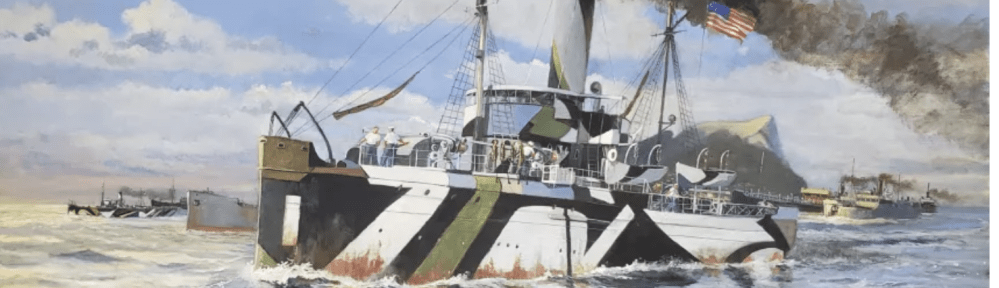
In World War I she was one of six cutters assigned to Gibraltar (Tampa, Algonquin, Seneca, Manning, Ossipee, and Yamacraw) tasked with escorting convoys between there and the British Isles.
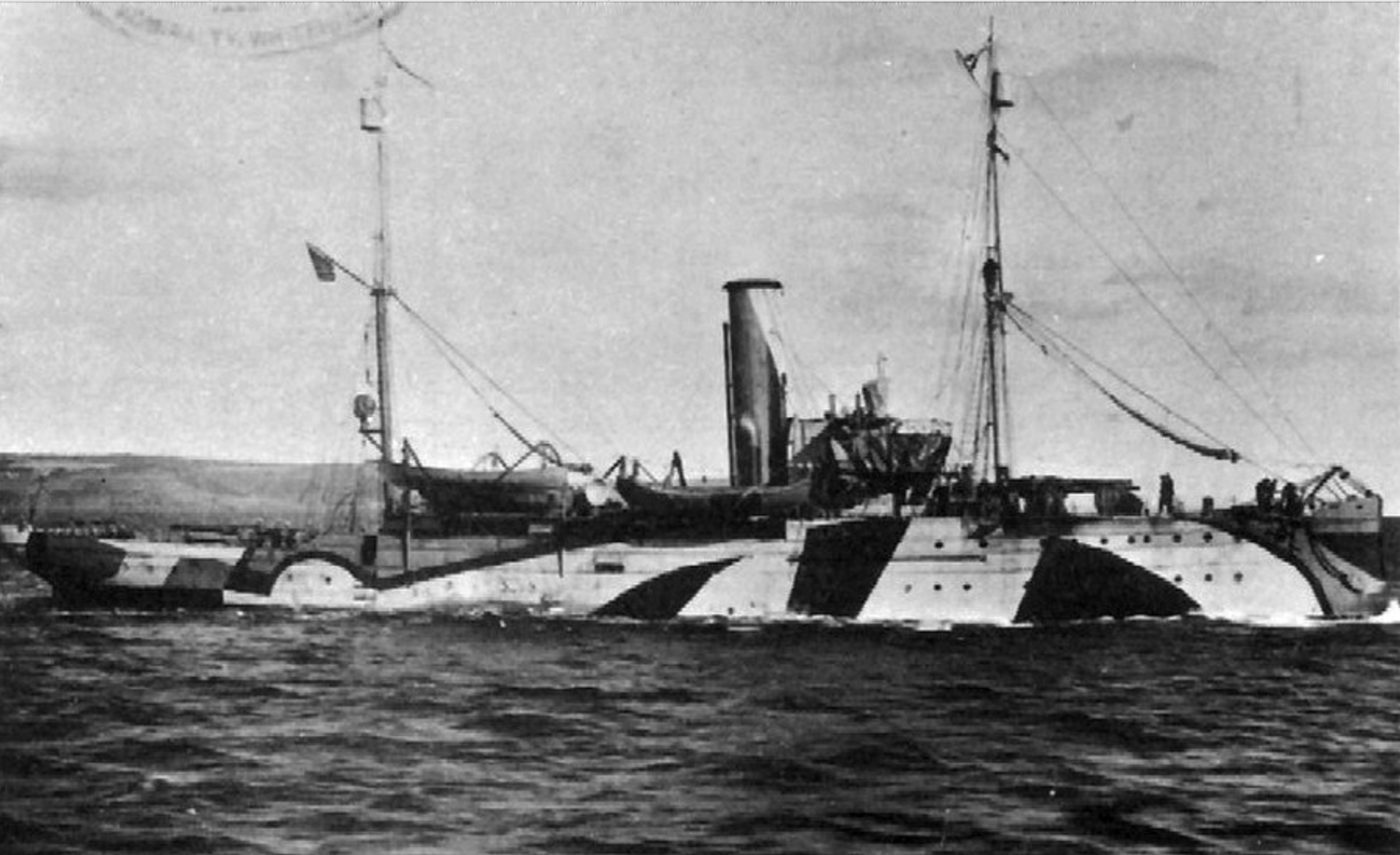
Then USS Manning, probably 1918, as outfitted for convoy duty. She and sister Algonquin were armed with four 4-inch guns with 1,500 shells stored in two magazines fore and aft, two racks capable of carrying 16 300-pound depth charges, and four 30.06 Colt “potato digger” machine guns. A small arms locker would be filled with a pair of .30-06 Lewis guns, 18 .45 caliber Colt pistols, and 15 Springfield rifles. Photo from U.S. Warships of World War I, by P.H. Silverstone
Reverting back to the Treasury Department on 28 August 1919, Manning would remain on the East Coast, spending the next 11 years operating out of Norfolk with her traditional white hull. During this period, she would participate in the reestablished International Ice Patrol, and take part in the “Rum War” against bootleggers, and other traditional USCG taskings.
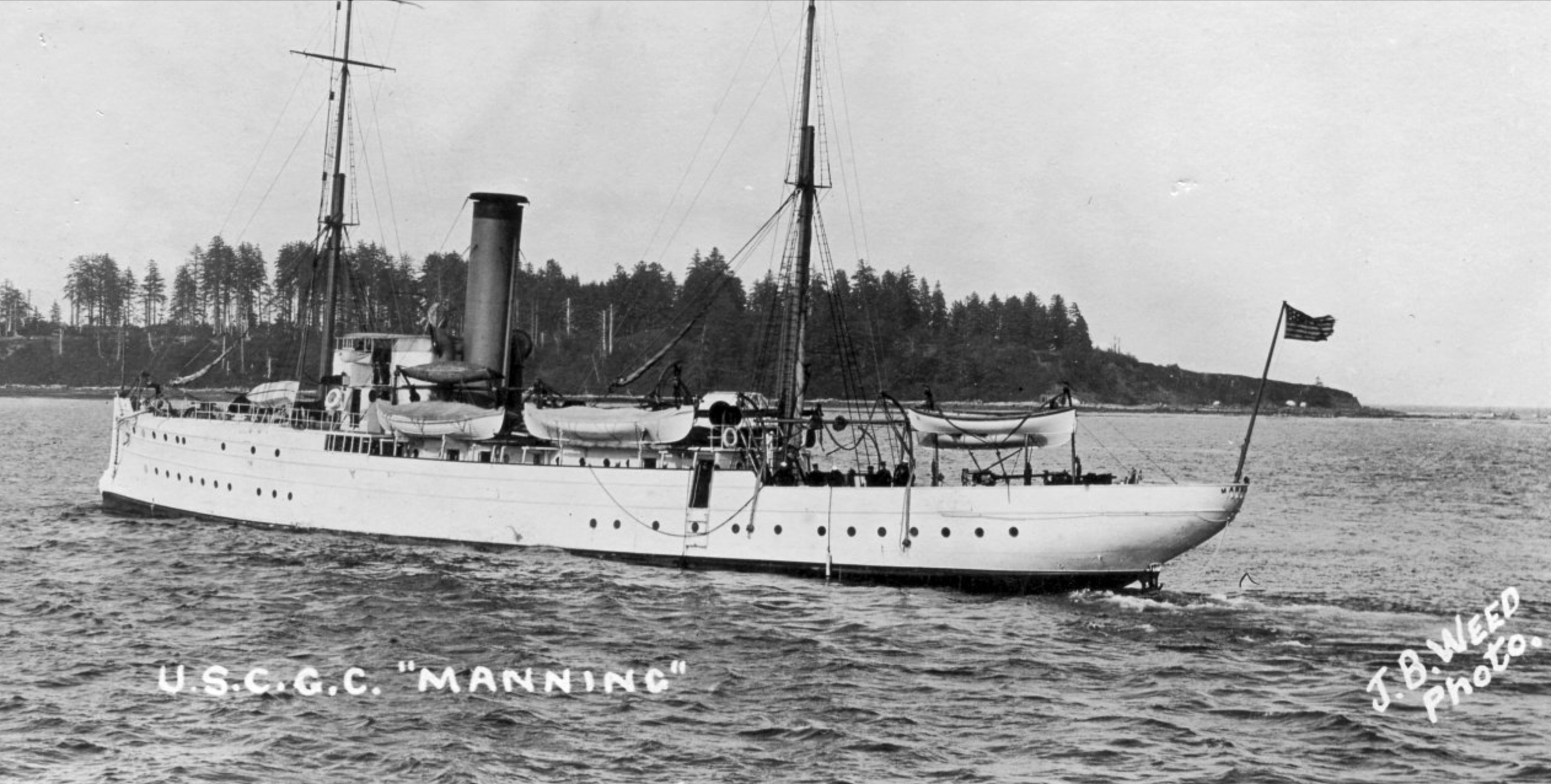
Photo by J. B. Weed from the collection of Arthur Heinickle
Important dates from NavSource:
- The first Manning was built in 1898 by the Atlantic Works, East Boston, MA
- Commissioned USRC Manning 8 January 1898
- Acquired by the Navy 24 March 1898
- Returned to the Revenue Cutter Service 17 August 1898
- Acquired by the Navy again 6 April 1917
- Returned to the Coast Guard 28 August 1919
- Decommissioned 22 May 1930
- Sold in December 1930 to Charles L. Jording of Baltimore, MD
 Chuck Hill's CG Blog