

Based on the Coast Guard Historian’s timeline, https://www.history.uscg.mil/research/chronology/
With inspiration from Mike Kelso
April 9
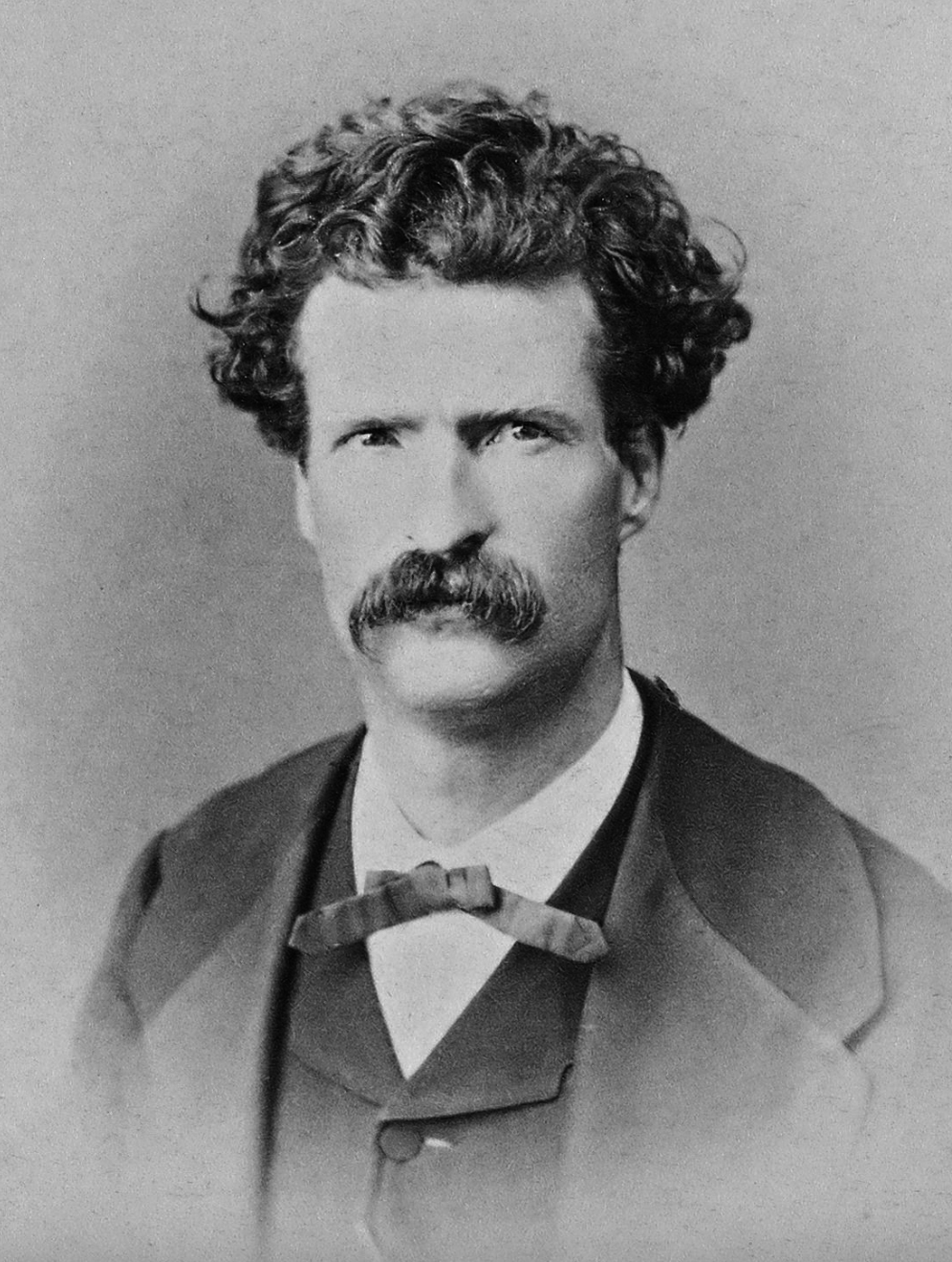
Mark Twain, age 31, 30 September 1867
1859 Samuel Clemens, who later gained fame as a writer under the pseudonym Mark Twain, was issued a steamboat pilot’s certificate.

REVENUE CUTTER LINCOLN
1867 The Senate ratified a treaty to purchase Alaska from Russia. The cutter Lincoln was dispatched with LT George W. Moore, USRM, as the first U.S. agent in the territory.

USCGC Northland, 1944
1941 The United States and Denmark signed an “agreement relating to the defense of Greenland.” The Coast Guard, in part because of its experience in the Arctic environment, was the principal service used to carry out the agreement. The first action seen by U.S. forces in World War II was the seizure of a weather station and a pro-German vessel in Greenland waters by CGC Northland just before the U.S. officially entered the war.
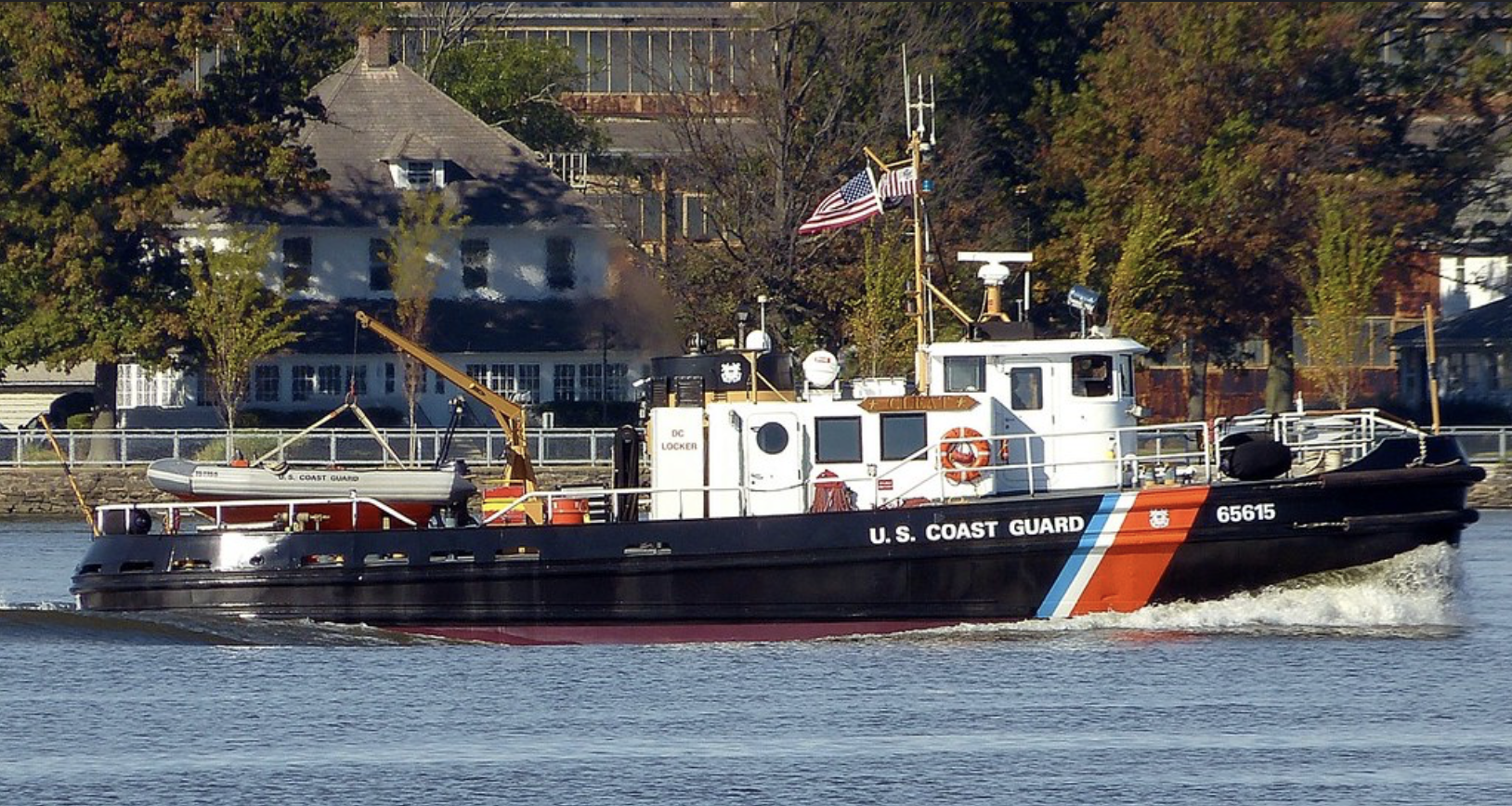
USCGC Cleat (WYTL-65615)
1974 The oil tanker Elias docked at the Atlantic Richfield Terminal in Fort Mifflin, Pennsylvania, caught fire. CG-40412 responded and was first on scene and began SAR for any crew who jumped overboard. CG-40412 crewman Kim Lee remembered: “The response for our crew on 40412 was looking for personnel off the ship Elias that might be in the water. We were first on scene and I called back to base giving the update. The request by us was to shut the Delaware River down to all traffic due to crude oil on fire extending completely across the Delaware River. Captain of the Port (Capt. Goodwin) shut the river down which stopped all vessels traffic in the area. A while had passed and we then received a distress call from the Coast Guard Cutter Cleat and we quickly responded toward the Cleat. The crewmen from the Cleat were in the water and the Cleat was on fire and drifting into the Elias which was totally involved in fire. My crew (Petty officer Joe Friel and Allen Mowbray) began pulling the crew out of the river. We then attached a tow line on the burning Cleat and began towing it toward the middle of the channel. At one point while towing the Cleat our engines on the 40412 stopped because of the ships (Elias) mooring lines in our props. My crew quickly pulled up the mooring lines and cut them apart with a hand ax. Freeing one engine we were able to pull the Cleat to safety and put out the fires on the Cleat. All members of the Cleat crew were accounted for but one engine men who we found still down in the engine room trying to start the Cleat’s main.”
 Chuck Hill's CG Blog