

Based on the Coast Guard Historian’s timeline, https://www.history.uscg.mil/research/chronology/
With inspiration from Mike Kelso
20 April
1871 The Secretary of the Treasury was authorized by Congress to employ crews of experienced surfmen at lifeboat stations at maximum rate of $40 per month, marking the end of the volunteer system. This was the beginning of direct Federal control over life-saving activities.
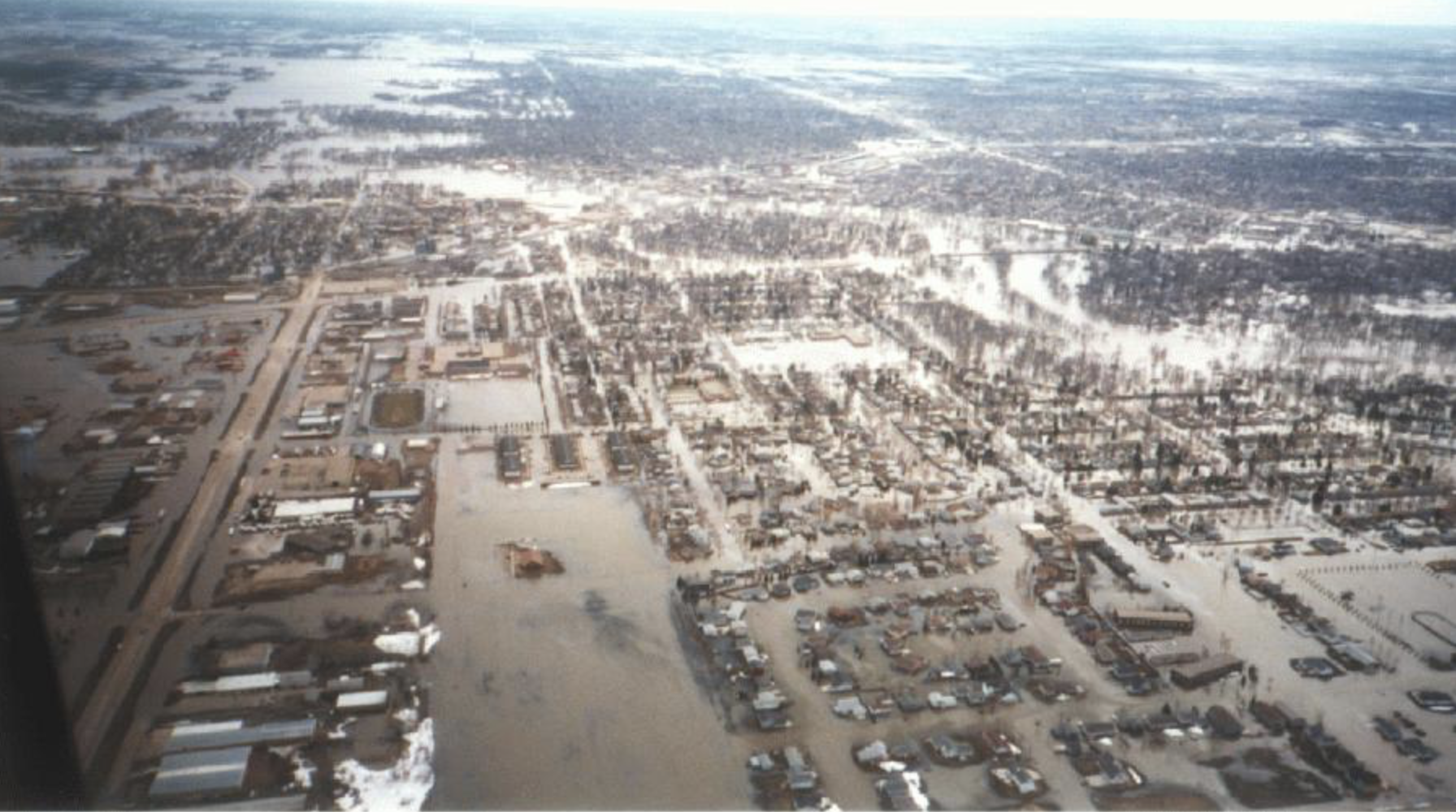
Red River of the North Main Stem, Grand Forks, North Dakota, looking toward Downtown area. Taken from a helicopter during the 1997 Red River Flood, after a levee overtopped and Grand Forks was evacuated. 23 April 1997. U.S. Army Corp of Engineers
1997 Dikes along the Red River in North Dakota gave way causing dangerous floods. The Coast Guard responded to calls for assistance and rescued more than 200 people from danger.
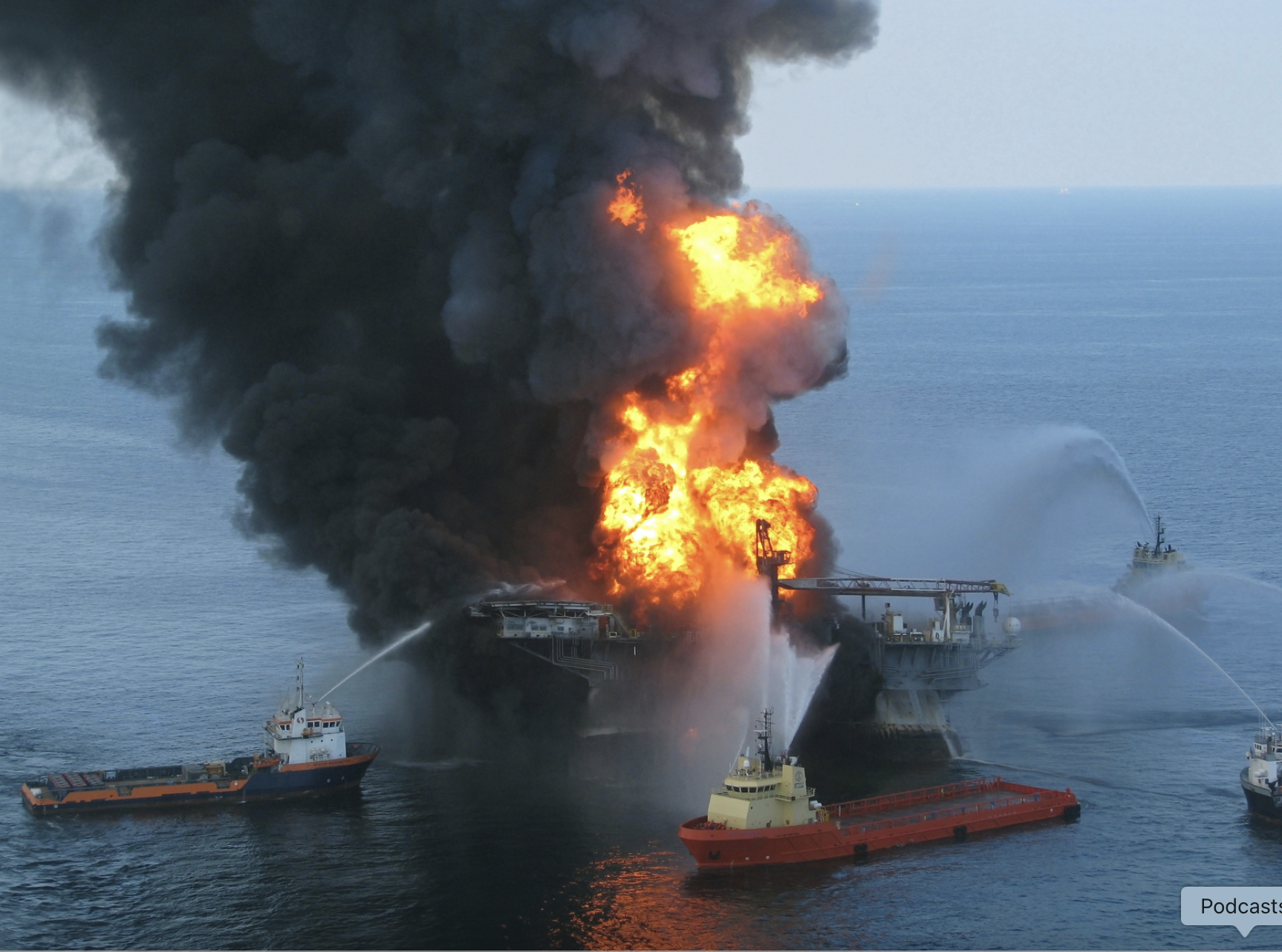
Platform supply vessels battle the blazing remnants of the off shore oil rig Deepwater Horizon. A Coast Guard MH-65C dolphin rescue helicopter and crew document the fire aboard the mobile offshore drilling unit Deepwater Horizon, while searching for survivors. Multiple Coast Guard helicopters, planes and cutters responded to rescue the Deepwater Horizon’s 126 person crew. 20 April 2010. US Coast Guard photo.
2010 The Deepwater Horizon oil rig located more than 50 miles southeast of Venice, Louisiana, suffered massive explosions killing 11 and injuring 16 of its 126 person crew. The oil platform, which burned for more than a day, sank into the Gulf of Mexico on April 22, 2010. An estimated 60,000 barrels of oil gushed each day for 87 days, making the Deepwater Horizon spill and its response unprecedented. The Coast Guard mobilized 14% of its total workforce, active duty and reserve, and its role expanded under the National Contingency Plan which called for the service to direct all response efforts to contain and clean up the oil spill. On April 30th, 2010 Admiral Thad Allen, the Coast Guard Commandant, was appointed as the National Incident Commander (NIC) to oversee the federal response. He retired as Commandant on May 25, 2010, but continued on as NIC in uniform until he formally retired from the Coast Guard on June 30, 2010. He then continued to serve as NIC (as an SES civilian) until October 1, 2010.
 Chuck Hill's CG Blog