
Based on the Coast Guard Historian’s timeline, https://www.history.uscg.mil/research/chronology/
With inspiration from Mike Kelso
June 12

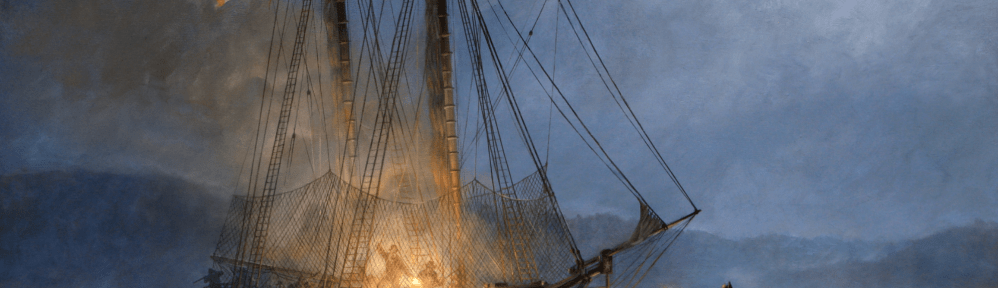
Revenue cutter Surveyor, at anchor in the York River, Virginia, was surprised by a three-barge attack force launched from the Royal Navy frigate HMS Narcissus
1813 Revenue cutter Surveyor, at anchor in the York River, Virginia, was surprised by a three-barge attack force launched from the Royal Navy frigate HMS Narcissus. Outnumbered 50 to 15, the cuttermen wounded seven and killed three of the enemy before the cutter was captured. The British commanding officer of Narcissus was so impressed by “the determined way in which her deck was disputed, inch by inch,” in hand-to-hand combat, he returned to Revenue Captain William Travis, the commanding officer of Surveyor, “the sword you had so nobly used.”
1917 An Act of Congress appropriated $300,000 to enable the U .S. Coast Guard to extend its telephone system to include all Coast Guard stations not then connected as well as the most important light stations with no means of rapid communication. The Life-Saving Service had pioneered the use of the telephone beginning in the 1880s, linking the various stations along the nation’s coast with the new communication device.
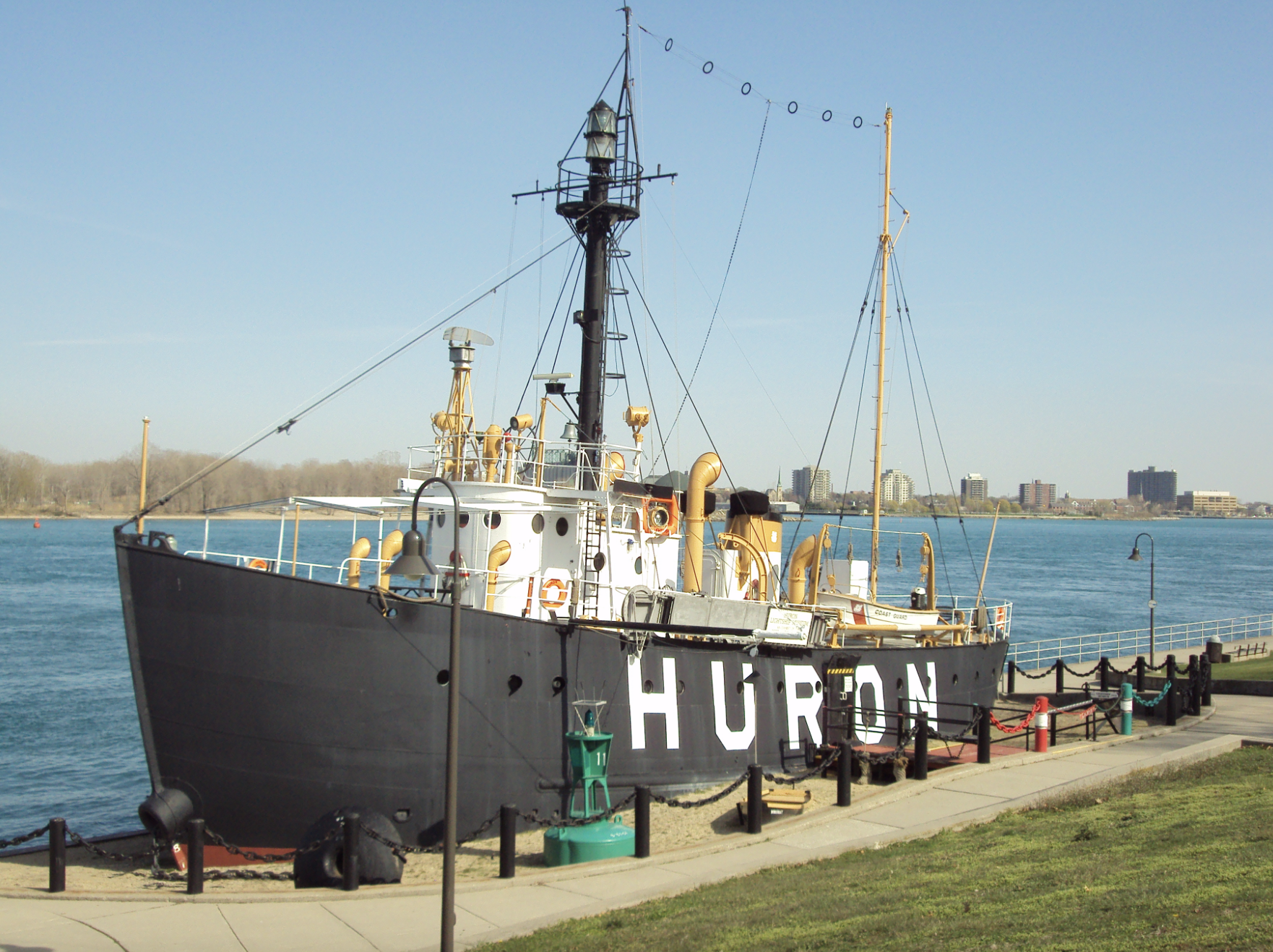
HURON (lightship) now a museum ship- Port Huron, Michigan, 13 April 2012, photo credit: Notorious4life via Wikipedia
1925 Lake Huron Lightship radio fog signal was placed in commission, being the first signal of this kind on the Great Lakes.
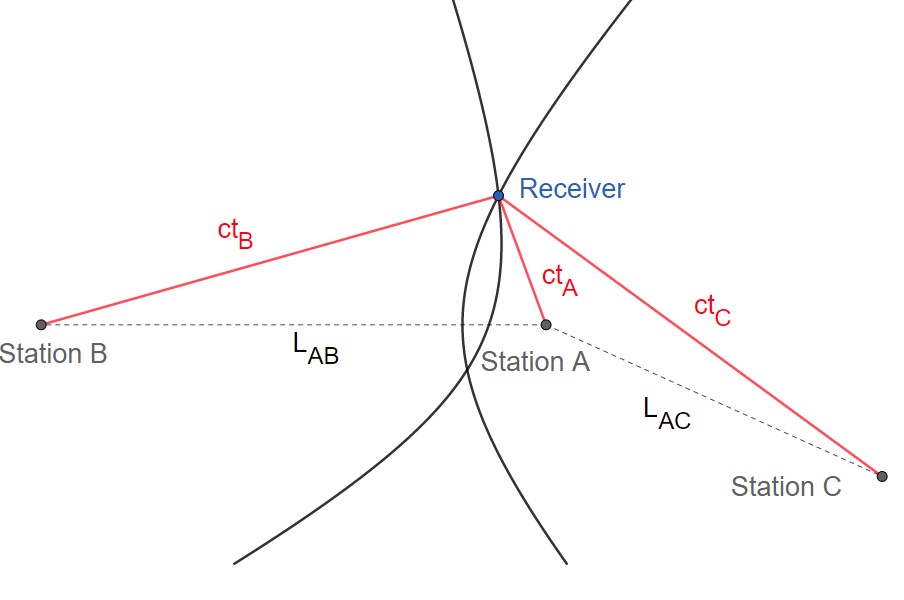
Hyperbolic navigation example (Image: Wikipedia)
1942 The U.S. Navy makes its first operational test with LORAN equipment with a LORAN receiver mounted in a K-2 airship on a flight from Lakehurst Naval Air Station.
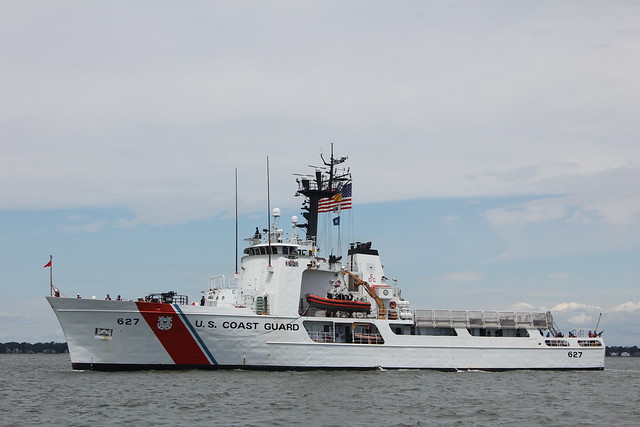
USCGC Vigorous
1975 CGC Vigorous seized the Bulgarian F/V Argonaut off the coast of New England. More than 500 pounds of lobster were reported found aboard the fishing vessel by the Coast Guard boarding party. Lobster was protected from foreign fishing by the Continental Shelf Fishery Resource Law.
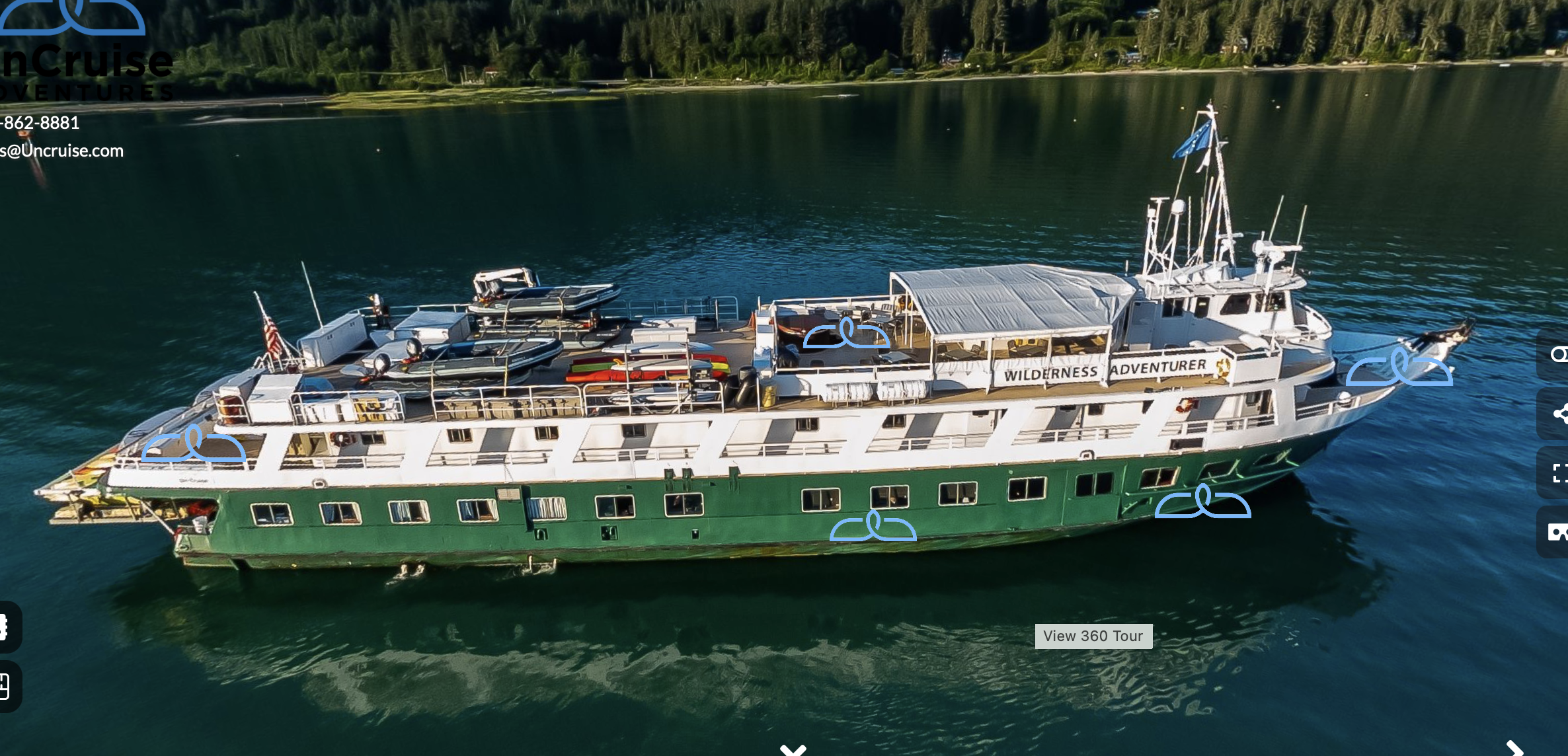
1999 The small cruise vessel Wilderness Adventurer ran aground in Glacier Bay National Park in Alaska. All passengers and crew were safely evacuated from the stranded vessel. The responders from the Alaska Department of Environmental Conservation, Coast Guard, and Glacier Bay Tours and Cruises (which operated the vessel) then successfully refloated her and towed her to drydock. Oil containment booms contained the 300 gallons of fuel that leaked from the vessel. A Coast Guard spokesman later stated “This is the best-run multi-agency operation I’ve seen in my career. It went well. We still have a damaged vessel to take care of, but at least it’s not at the bottom of the ocean in a national park.” The Coast Guard also investigated the accident.
 Chuck Hill's CG Blog