

Based on the Coast Guard Historian’s timeline, https://www.history.uscg.mil/research/chronology/
With inspiration from Mike Kelso
December 20
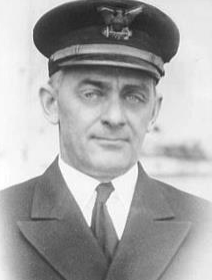
Elmer Stone, Coast Guard Aviator #1
1934 Coast Guard pilot CDR Elmer F. Stone set the world record for amphibian airplane speed. Over a measured three-kilometer course at Langley Field CDR Stone attained a maximum speed of 196.89 miles an hour and an average speed of 191.17 while flying a Grumman JF-2 “Duck” amphibian, besting the previous record set by Alexander P. De Severesky the previous year.
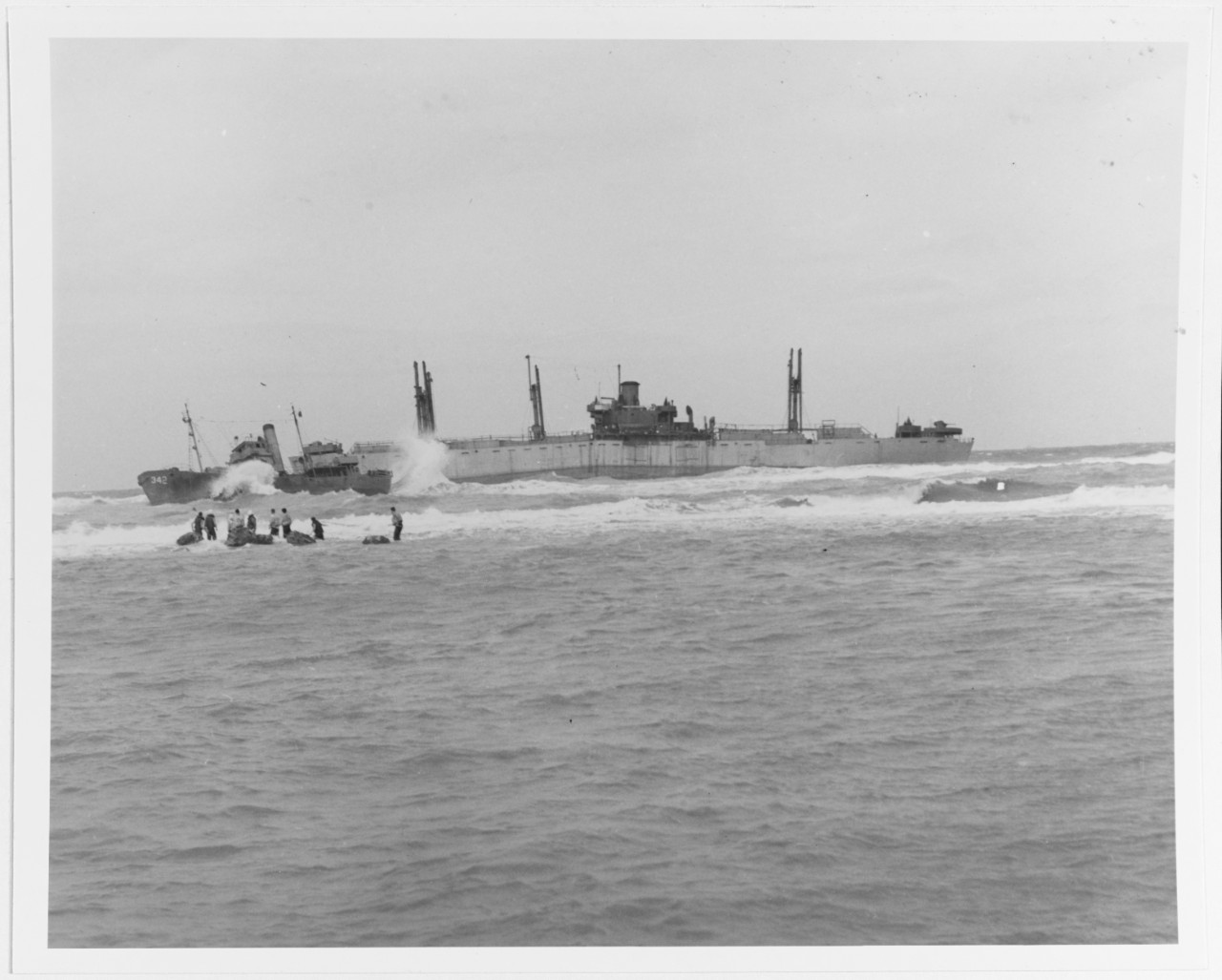
USCGC BODEGA (WYP-342) Aground off Fort Randolph, Canal Zone, on 21 December 1943, with her survivors coming ashore at right. The SS JAMES WITHY COMBE, which she was attempting to assist, is aground in the background.
1943 CGC Bodega grounded off the Canal Zone. No lives were lost.

The crew of the USCGC Alex Haley (WMEC 39) transfers custody of the detained fishing vessel Run Da to a People’s Republic of China Coast Guard patrol vessel in the Sea of Japan, June 21, 2018. The Alex Haley and PRC Coast Guard crews detained the Run Da suspected of illegal high seas drift net fishing. U.S. Coast Guard photo. Petty Officer 1st Class William Colclough
1991 The United Nations adopted General Assembly Resolutions (UNGAs) 44-225, 45-197, and 46-215, thereby establishing a worldwide moratorium on all high seas drift net fishing that was to be in effect by December 31, 1992.

USCGC ALERT departing Astoria for the last time, currently homeported in Cape Canaveral.
2013 CGC Alert returned to its homeport of Astoria, Oregon, following an 81-day deployment. While away Alert covered more than 12,000 miles, conducting a counter-drug enforcement patrol in the Eastern Pacific and a rigorous training assessment by the Afloat Training Group in Everett, Washington. Alert’s crew conducted law enforcement operations off the coast of Central America in early October 2013. An MH-65 Dolphin helicopter crew and a fast response boat crew conducted multiple at sea boardings from Alert, disrupting more than 4,000 pounds of illegal drug shipments. Additionally, Alert’s crew rescued six Ecuadorian fishermen who had spent a week stranded adrift on the open ocean. The crew participated in several community relations events, while taking time to resupply the cutter and provide crew rest. While on a port call in Golfito, Costa Rica, Alert’s crew competed against Costa Rican Coast Guard crewmembers in a soccer tournament. In Puerto Vallarta, Mexico, Alert’s crew helped complete a restoration and painting project for a local park. After two months of conducting maritime law enforcement and search and rescue operations, Alert traveled to Everett to complete three weeks of required training. Every 18 months, Coast Guard cutters undergo Tailored Ships Training Availability to ensure crew proficiency and readiness. Experienced Coast Guard and Navy inspectors evaluated Alert’s ability to respond to situations involving weapons proficiency, seamanship, navigation, damage control, emergency medical treatment, and engineering casualty response. Alert successfully completed 118 drills and exercises with an impressive overall score of 96-percent, earning the coveted “Battle E” award for operational excellence in all mission areas. As per tradition, Alert flew a broom from its port yardarm, signifying a “clean sweep” of certification in all mission areas.
 Chuck Hill's CG Blog
80th Anniversary of the Leyte liberation > United States Coast Guard > My Coast Guard News
Primarily the story of LST-66, hit by Kamikaze.