

Based on the Coast Guard Historian’s timeline, https://www.history.uscg.mil/research/chronology/
With inspiration from Mike Kelso
March 4
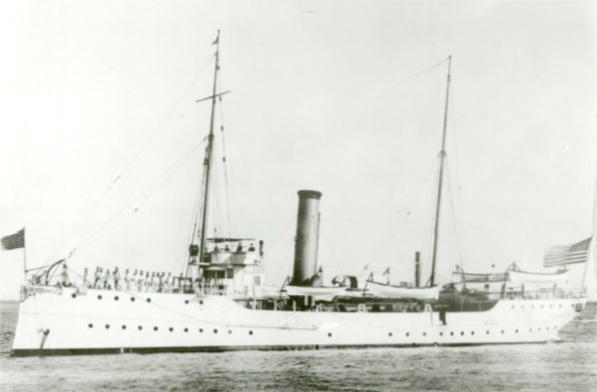
Algonquin, no caption/date; Neg. No. 148-2; Marine Photo Shop-Joe D. Williamson photo.
1907 Congress appropriated $30,000 for installing wireless telegraphs on not more than 12 revenue cutters. USRC Algonquin as the first cutter fitted with the new technology with money appropriated from this act.
1915 Secretary of the Treasury was authorized by Congress to detail cutters to enforce anchorage regulations in all harbors, rivers, bays, and other navigable waters of United States.
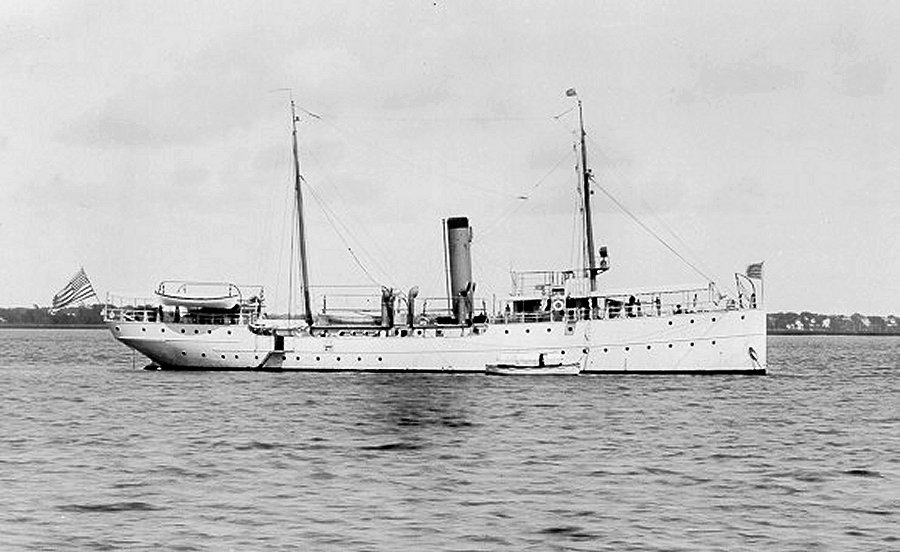
USCGC Yamacraw, c. 1914.
1917 Ten crewmen of CGC Yamacraw perished in the line of duty while trying to rescue the crew of the grounded steamer Louisiana near Ocean City, Maryland. The Treasury Department labeled their loss “the most disastrous incident of this kind ever recorded in the annals of the Coast Guard, or of either of its forbears, the Revenue-Cutter Service and Life-Saving Service.” The Coast Guardsmen who gave up their lives were: Gunner Ross Harris, Master-at-Arms R. J. Grady, Quartermaster M. L. Kambarn, Seaman G. V. Jarvis, Ordinary Seaman M. L. Austin, Ordinary Seaman D. Fulcher, Ordinary Seaman R. L. Garrish, Ordinary Seaman R. E. Simmons, Ordinary Seaman T. L. Midgett, and Boy First Class J. A. Dugger.
1925 An Act of Congress (43 Stat. L., 1261), for the first time, provided for disability retirement within the Lighthouse Service.
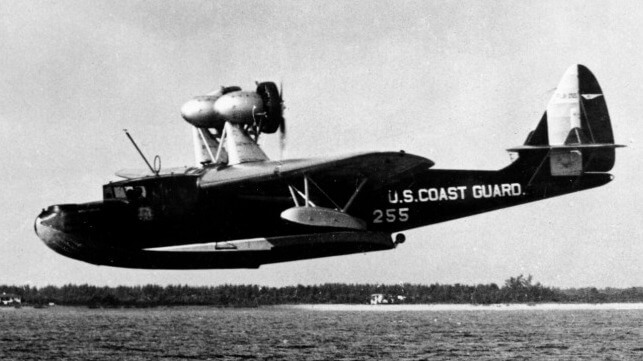
The U.S. Coast Guard SAR aircraft Arcturus (USCG)
1929 Congress appropriated $144,000 for seaplanes and equipment for Coast Guard.
1952 An air detachment consisting of three helicopters and necessary personnel established as the first unit of its type on a test basis (at AIRSTA Brooklyn) began operating in support of port security operations.
1977 ENS Janna Lambine, USCG, graduated from naval aviation training at NAS Whiting Field, Milton, Florida, becoming the first female pilot in the Coast Guard.
 Chuck Hill's CG Blog
to read a full accout on the USRC Yamacraw disaster follow this link:https://www.cgenlistedmemorial.org/uscgc-yamacraw/