
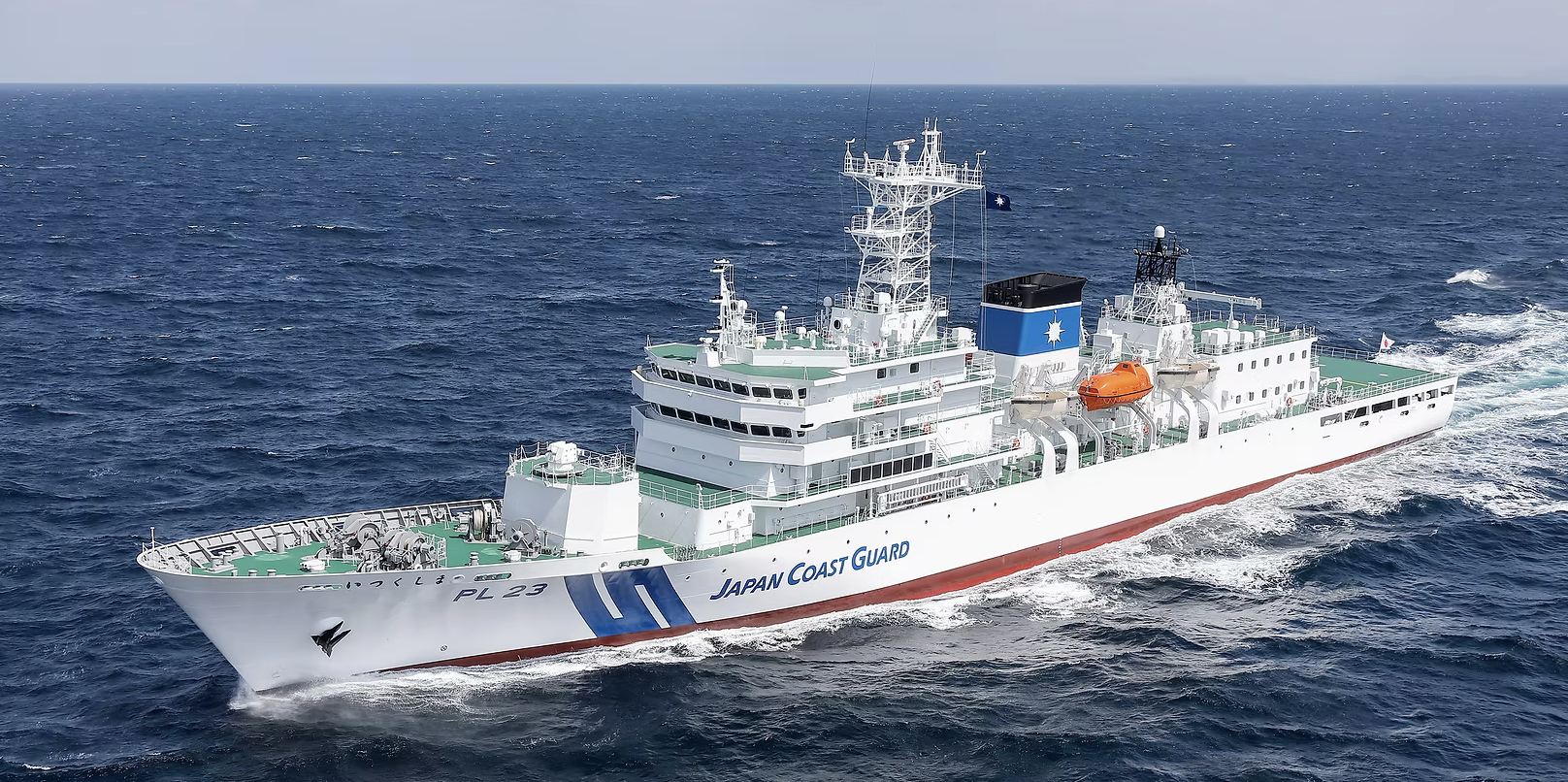
Japan Coast Guard’s new training ship Itsukushima. Note the dual bridge.
Photo: Japan Coast Guard
Below is a District NW news release.
In 1990 we celebrated the 200th anniversary of the Coast Guard and hosted ships from Japan, Mexico, and the Soviet Union in San Francisco. My impression of the Japan Coast Guard ship was extremely favorable.
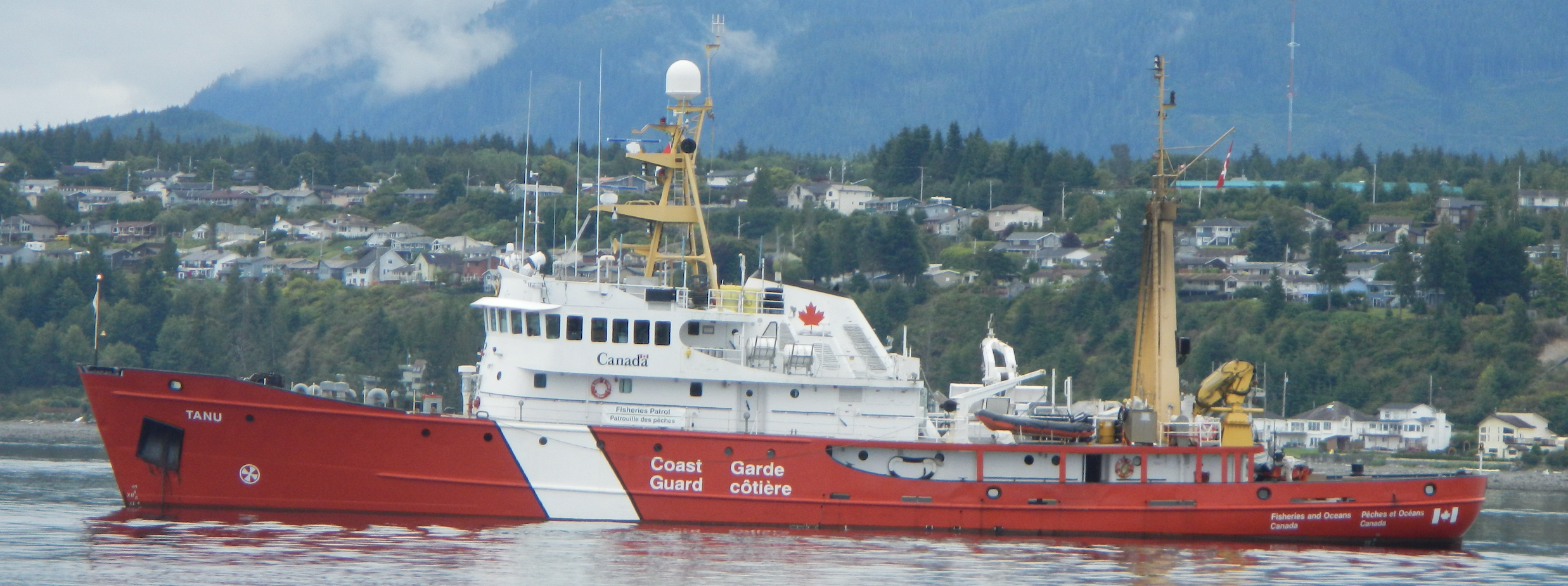
CCGS Tanu, 17 August 2019, Photo by Jordanroderick via Wikipedia
CCGS Tanu is a 925 ton 171 foot long fisheries patrol vessel with a crew of 15, completed in 1968.
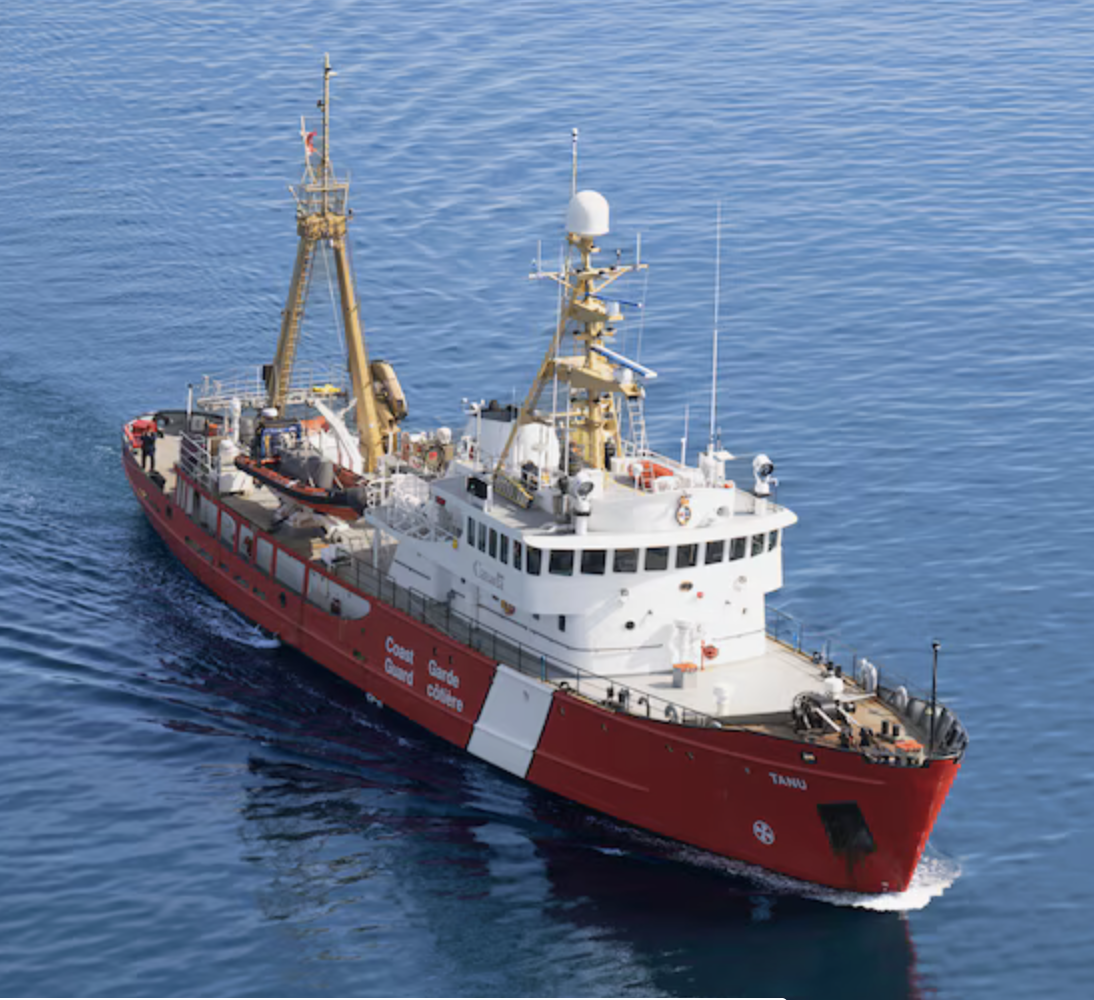
Canadian Coast Guard Ship Tanu transits the Strait of Juan de Fuca during a joint search and rescue exercise, May 21, 2026. The U.S. Coast Guard, Japan Coast Guard and Canadian Coast Guard conducted a trilateral search and rescue exercise to enhance interoperability, communication, and coordination among the three nations during complex maritime emergencies. (U.S. Coast Guard photo by Seaman Jade Moen)
Cape Calvert is a Cape class motor lifeboat. essentially the same as USCG 47 foot Motor Lifeboats.
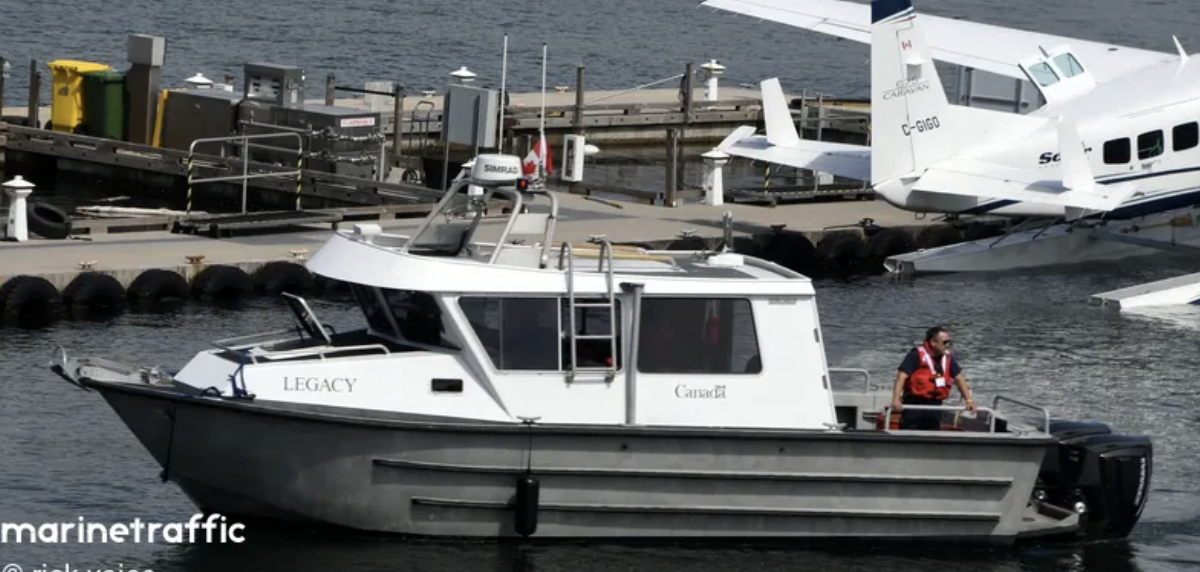
Canadian CG boat Legacy
CCG Legacy (MMSI 316035702) is an outboard powered 10 meters (33 feet) long with a beam of 4 meters
May 26, 2026
U.S., Canadian, and Japanese Coast Guards complete joint search and rescue exercise in Strait of Juan de Fuca
SEATTLE – The U.S. Coast Guard, Japan Coast Guard and Canadian Coast Guard conducted a trilateral search and rescue exercise in the Strait of Juan de Fuca near Victoria, British Columbia on May 21.
The joint operation aimed to enhance interoperability, communication, and coordination among the three nations during complex maritime emergencies.
During the exercise, crews responded to a simulated sailing vessel in distress, requiring multi-national coordination to locate, recover and transport mock casualties. The scenarios tested joint communication, search pattern execution, and the safe transfer of personnel between vessels from different nations.
Working alongside the Japan Coast Guard’s largest and most technically advanced training vessel, Itsukushima, the exercise yielded a unique opportunity to forge partnerships alongside future Japan Coast Guard officers. The crew of the Itsukushima collaborated with U.S. and Canadian personnel, exchanging best practices and strengthening the longstanding maritime partnership between the three Pacific Rim countries.
“This exercise represents a critical opportunity for our nations to train together in the demanding environment of the Pacific Northwest,” said Douglas Samp, Coast Guard Pacific Area Search and Rescue Program Manager. “Search and rescue is a universal language. By working deck-to-deck and in the air with our partners from Canada and Japan, we ensure that when a real emergency occurs, our combined response is swift, seamless, and effective.”
Participating units included:
United States Coast Guard:
- Coast Guard Cutter Osprey (WPB-87307)
- 45-foot Response Boat–Medium from Coast Guard Station Port Angeles
- MH-65 Dolphin helicopter from Coast Guard Air Station Port Angeles
Canada Coast Guard:
- Joint Rescue Coordination Center Victoria
- Motor Lifeboat Cape Calvert
- Canadian Coast Guard Ship Tanu
- Canadian Coast Guard Ship Legacy
Japan Coast Guard:
- JCG Vessel Itsukushima
The conclusion of the successful exercise demonstrated the ability of the three Coast Guards to collectively respond and effectively operate together in complex maritime emergencies.
The Japan Coast Guard and United States Coast Guard continue to strengthen our enduring partnership through SAPPHIRE; the Solid Alliance for Peace and Prosperity with Humanity and Integrity on the Rule-of-law based Engagement. SAPPHIRE embodies the integrity and shared values of both nations as we work seamlessly together to enhance maritime domain awareness, uphold international standards, and ensure a stable, free, and open maritime environment across the region.

