“Veteran Sailor On Why … Ships Can Be Most Vulnerable In Port And How To Change That” –The War Zone

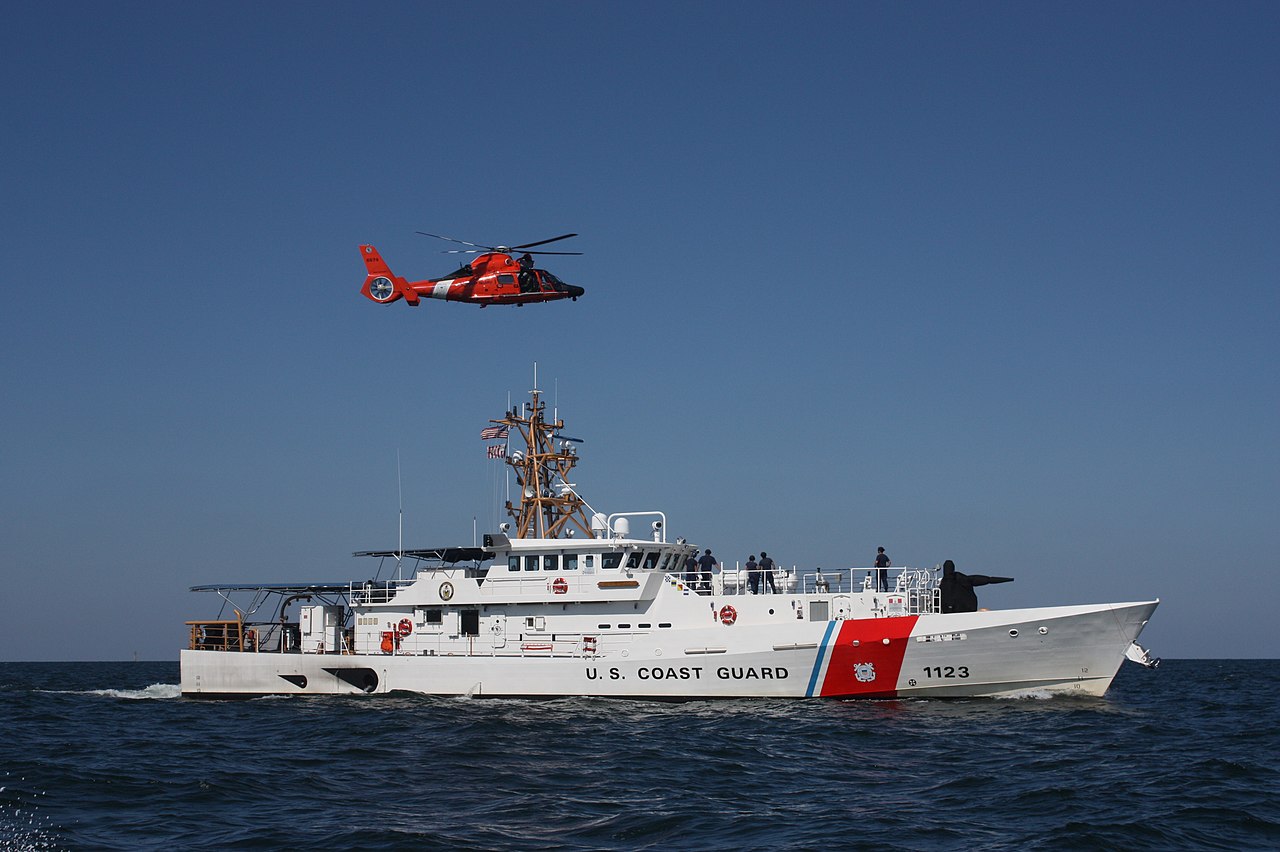
USCGC BENJAMIN DAILEY (WPC-1123). This ship was lost to an in-port fire. Commissioned July 4, 2017, decommissioned September 6, 2022.  Photo by Bigshipdriver

The War Zone has an interesting post about the vulnerability of conventionally powered ships during yard periods with a focus on the loss of USS Bonhomme Richard and the contrasting policies applied to nuclear powered ships.
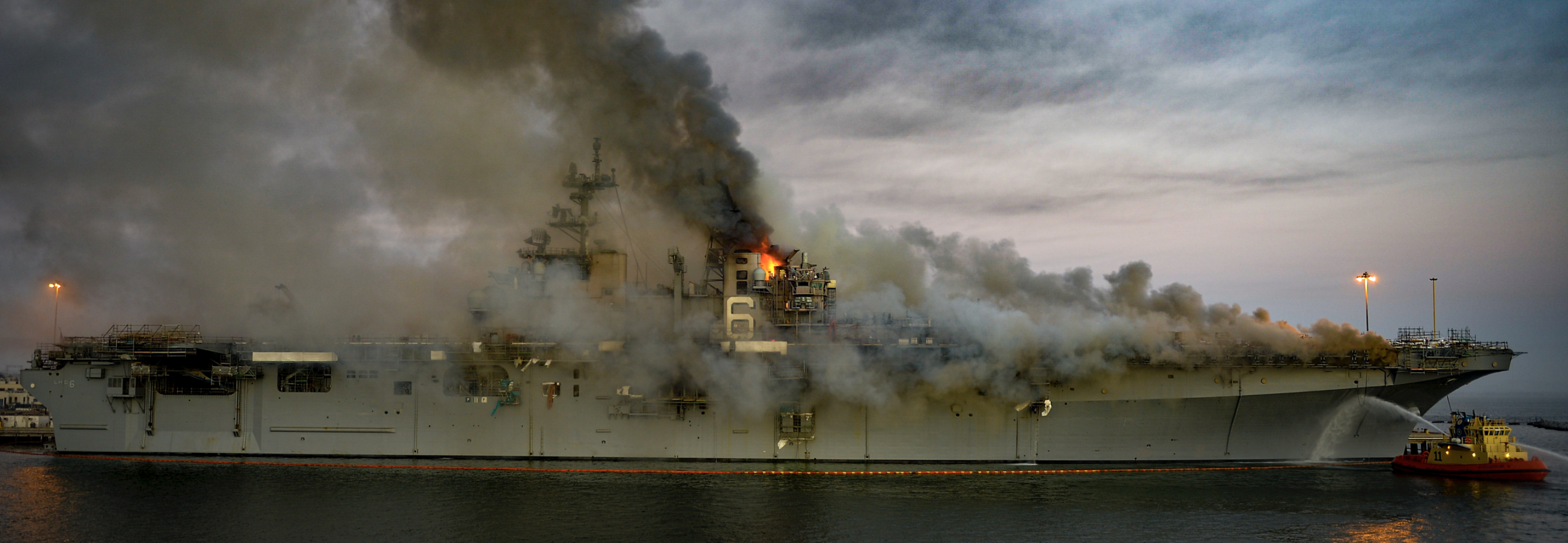
SAN DIEGO (July 12, 2020) The U.S. Navy amphibious assault ship USS Bonhomme Richard (LHD-6) on fire at Naval Base San Diego, California (USA), on 12 July 2020. On the morning of 12 July, a fire was called away aboard the ship while it was moored pier side at Naval Base San Diego. Base and shipboard firefighters responded to the fire. Bonhomme Richard was going through a maintenance availability, which began in 2018. The fire was extinguished on 16 July.

Coast Guard ships are subject to the same hazards and potentially might benefit from the same safeguards.


“HELGE INGSTAD REPORT ENGLISH 2021” –YouTube

A recent Marine Link report, “Norway Naval Officer Goes on Trial Over Oil Tanker Collision,” included the video above. Thought you might find it interesting.

Sure, there was a lot of sophisticated equipment that they apparently couldn’t get to work but it also looks like a lot of basics missing as well.

Was a collision alarm ever sounded?

The crew of 137 was extremely small for such a sophisticated ship. Did this mean there was no messenger and/or lookout assigned the bridge watch that might have been used to reestablish communications? It almost certainly means there was minimal redundancy in the skills of the crew.

Did the ship have sound powered phones for emergency communications?

There was a failure to close watertight fittings as spaces were evacuated.

The whole thing looks like a cautionary tale. Don’t put too much faith in high tech. Certainly use it, but don’t forget the basics of good damage control.