This Day in Coast Guard History, March 23

Based on the Coast Guard Historian’s timeline, https://www.history.uscg.mil/research/chronology/
With inspiration from Mike Kelso

March 23

95 foot Cape Class WPB

1974  The 40-foot sailing vessel Lorisel II reported she was aground one mile southeast of North Rock, Bahamas, off the eastern shore of Bimini.  An HU-16 aircraft and CGC Cape Shoalwater were dispatched to assist.  The aircraft located the vessel and a local island boat was diverted to remove two women and a child from Lorisel IICape Shoalwater re-floated the vessel, returned the passengers, and the Lorisel II got underway with no apparent damage.

2001  Two Coast Guardsmen, BM2 Scott Chism and SN Christopher Ferreby, gave their lives in the line of duty when their small boat CG-214341 capsized on Lake Ontario.  Their loss led to important changes in the small boat community’s training, equipment, and operations.

From: U.S. COAST GUARD Newsfeed unofficial, Facebook page, March 23, 2015 

Date: February 8, 2002
Coast Guard releases Station Niagara report
GREAT LAKES — The final action report on the Station Niagara rescue boat accident of March 23, 2001 that resulted in the death of two crewmembers has been released by the Commandant of the Coast Guard and has been posted to the Ninth District web page.
“This report is a reminder to everyone in the Coast Guard of the dangers we face every day,” said Rear Admiral James D. Hull, Ninth Coast Guard District Commander. “We have suffered through this tragic loss, and we will never forget their sacrifice. Our thoughts and prayers continue to be with the families and friends of Petty Office Scott Chism and Seaman Chris Ferreby.”
“We have learned from the circumstances of this accident and are implementing changes to make our jobs safer,” said Hull. “But, we cannot avoid the fact that what we do is inherently dangerous. “
FINAL ACTION MESSAGE ON STATION NIAGARA CG-214341 CAPSIZING, R 081306Z FEB 02 COMDT COGARD WASHINGTON DC//G-WKS//
R 081306Z FEB 02
FM COMDT COGARD WASHINGTON DC//G-WKS//
TO AIG 4934
COMLANTAREA COGARD PORTSMOUTH VA//AO/AOF/AOFT//
COMPACAREA COGARD ALAMEDA CA//PO/POF/POFT//
COMCOGARD MLC PAC ALAMEDA CA//K//
COMCOGARD MLC LANT NORFOLK VA//K//
BT
UNCLAS //N05100//
SUBJ: FINAL ACTION MESSAGE ON STATION NIAGARA CG-214341 CAPSIZING AND SUBSEQUENT FATALITIES ON 23 MARCH 2001
1. SYNOPSIS. ON 23 MARCH 2001 AT 1941 CG-214341, A NONSTANDARD FOAM COLLAR BOAT (FCB) WAS UNDERWAY FROM COAST GUARD STATION NIAGARA TO CONDUCT A LAW ENFORCEMENT MISSION IN THE NIAGARA RIVER FOR THE PURPOSE OF INTERDICTING ILLEGAL MIGRANTS. A THREE-PERSON BOAT CREW/ARMED LAW ENFORCEMENT TEAM AND ONE BREAK-IN CREW MEMBER WERE ON BOARD THE VESSEL. IMMEDIATELY UPON DEPARTURE, THE COXSWAIN OF THE BOAT DEVIATED FROM THE PATROL PLAN AND TOOK THE VESSEL NORTH INTO LAKE ONTARIO TO FAMILIARIZE THE BREAK-IN CREW MEMBER WITH THIS PORTION OF THE STATIONS AREA OF OPERATION. THE BOAT EXPERIENCED STEEP, FOUR-FOOT WAVES FROM THE NORTH SHORTLY AFTER ENTERING LAKE ONTARIO. ON SCENE WINDS WERE REPORTED FROM THE NORTHWEST AT 10 KNOTS, THE AIR TEMPERATURE WAS 37 DEGREES AND THE WATER TEMPERATURE WAS 36 DEGREES. THE COXSWAIN SUCCESSFULLY NAVIGATED THE BOAT APPROXIMATELY 1,000 TO 1,500 YARDS NORTH OF BUOY NO. 3 (ABOUT 3,000 TO 3,500 YARDS NORTH OF THE MOUTH OF THE NIAGARA RIVER) IN LAKE ONTARIO, TURNED THE VESSEL AROUND AND PROCEEDED BACK SOUTH IN THE DIRECTION OF THE NIAGARA RIVER. AT SOME TIME SHORTLY BEFORE 2000 AND ON THE RETURN TRIP SOUTH, APPROXIMATELY 50 YARDS NORTH OF BUOY NO. 3, THE COXSWAIN OVERTOOK A WAVE, SURFED DOWN THE FRONT OF THAT WAVE AND BURIED THE BOW OF CG-214341 IN THE BACKSIDE OF ANOTHER WAVE. THE VESSEL THEN SLOWLY ROLLED OVER TO STARBOARD AND ALL FOUR CREW MEMBERS SAFELY ABANDONED THE VESSEL WITHOUT INJURY. THE VESSEL MISSED ITS FIRST COMMUNICATIONS CHECK AT 2001. RESCUE EFFORTS WERE INITIALLY HAMPERED BY THE COXSWAINS DECISION TO PROCEED NORTH INTO LAKE ONTARIO WITHOUT ADVISING CG STATION NIAGARA OF HIS DEVIATION FROM HIS PREVIOUS FLOAT PLAN. THE WILSON, NY FIRE DEPARTMENTS BOAT CREW RECOVERED ALL FOUR CREWMEN AT 0027 SATURDAY, 24 MARCH 2001. TWO OF THE CREWMEN WERE IN CARDIAC ARREST WHEN RECOVERED AND SUBSEQUENTLY DIED DESPITE THE HEROIC AND PROFESSIONAL EFFORTS OF LOCAL EMS PERSONNEL TO RE-WARM AND RESUSCITATE THEM. THE OTHER TWO CREWMEN RECOVERED AND HAVE RETURNED TO DUTY.
2. CAUSAL FACTORS. THE MISHAP ANALYSIS BOARD AND TESTIMONY AT THE COMMANDANTS BOAT SAFETY BOARD REVEALED VARIOUS PRIMARY CAUSES AND CONTRIBUTING FACTORS TO THIS MISHAP.
A. PRIMARY CAUSES:
(1) THE COXSWAINS INABILITY TO SAFELY MANEUVER THE BOAT IN THE EXISTING SEA CONDITIONS;
(2) THE COXSWAIN DEVIATING FROM THE INTENDED AREA OF OPERATION WITHOUT NOTIFYING THE STATION OF THE CHANGE, THUS HINDERING THE SAR RESPONSE AND DELAYING RESCUE; AND
(3) THE CREWS EXTENDED EXPOSURE TO THE COLD WATER. THIS WAS A RESULT OF THEIR DECISION TO ATTEMPT TO REACH A NEARBY BUOY AND CLIMB OUT OF THE WATER ON IT, INSTEAD OF USING THE OVERTURNED HULL OF THE BOAT, WHICH WAS MOVING ERRATICALLY IN THE CHOPPY SEAS. THE BUOY WAS UP-CURRENT. VIGOROUS SWIMMING ATTEMPTING TO REACH IT CAUSED WATER INTRUSION INTO SOME OF THE DRY SUITS, AS DID THE COXSWAINS USE OF A NECK RING DEVICE. TOGETHER, THESE FACTORS ACCELERATED THE ONSET OF HYPOTHERMIA.
B. CONTRIBUTING FACTORS. WHILE NOT THE IMMEDIATE CAUSE OF THE MISHAP AND FATALITIES, THE FOLLOWING FACTORS WERE IMPORTANT LINKS IN THE CHAIN OF ERRORS THAT RESULTED IN THIS MISHAP.
(1) EQUIPMENT FAILURE/SHORTFALL:
(A) LACK OF AN EMERGENCY POSITION INDICATING RADIO BEACON (EPIRB) FOR EITHER THE PERSONNEL OR THE BOAT, OR SOME OTHER METHOD TO AUTOMATICALLY SIGNAL DISTRESS AND POSITION.
(B) INSUFFICIENT NUMBER OF PERSONAL ISSUE COLD WEATHER UNDERGARMENTS (BOTH LAYER ONE (POLYPROPYLENE) AND LAYER TWO (POLYESTER FLEECE)) FOR ALL BOAT CREW MEMBERS.
(C) LACK OF A COAST GUARD STANDARD OR PROCESS FOR DETERMINING SUITABILITY OF NON-STANDARD BOATS FOR OPERATION IN VARIOUS ENVIRONMENTAL CONDITIONS.
(D) FAILURE OF THE SOLE MK 79 SIGNALING KIT TO BE MAINTAINED IN AN OPERABLE CONDITION.
(2) TRAINING FAILURE/SHORTFALL:
(A) LACK OF AN ADEQUATE AND EFFECTIVE FORMAL TRAINING PROGRAM FOR NON-STANDARD BOAT OPERATIONS.
(B) LACK OF KNOWLEDGE, SKILL AND/OR MOTIVATION TO PROPERLY DON AND VENT ANTI-EXPOSURE SUITS AND TO PROPERLY LAYER UNDERGARMENTS.
(3) PERSONNEL ERROR/SHORTFALL:
(A) FAILURE TO REPLACE THE BATTERY IN THE CG-1 STROBE DURING THE REGULAR INSPECTION IN RESPONSE TO THE NOTED DISCREPANCY.
(B) A GENERAL TENDENCY TO ACCEPT KNOWN NATIONAL DISTRESS SYSTEM COVERAGE GAPS AS THE COST OF DOING BUSINESS.
(C) FAILURE TO ENSURE THAT SUFFICIENT SAR/PYRO VESTS WERE ON BOARD PRIOR TO GETTING UNDERWAY.
(4) LEADERSHIP:
(A) FAILURE OF THREE OF THE FOUR CREWMEN TO WEAR SAR/PYRO VESTS.
(B) CHAIN OF COMMANDS FAILURE TO ACHIEVE A COMMON UNDERSTANDING OF THE LEVEL OF RISK FOR VARIOUS MISSIONS (ROUTINE MISSIONS WERE ASSUMED TO BE LOW RISK MISSIONS), AND OF REPORTING/AUTHORIZATION REQUIREMENTS FOR LAW ENFORCEMENT MISSIONS.
(C) COAST GUARD GROUP BUFFALOS LACK OF AWARENESS OF ON- GOING STATION OPERATIONS.
(D) DEVELOPMENT OF AN QUOTE UNOFFICIAL STANDARD UNQUOTE WITHIN THE BOAT COMMUNITY TO NOT WEAR SAR/PYRO VESTS FOR LAW ENFORCEMENT AND AIDS TO NAVIGATION MISSIONS.
(E) FAILURE TO PROPERLY MANAGE THE MAINTENANCE AND OPERATION OF A LARGE NON-STANDARD BOAT FLEET (CONFIGURATION, MODIFICATION, TRAINING, ASSESSMENT, ETC.).
3. ADDITIONAL FINDINGS/LESSONS LEARNED.
A. ROUTINE DOES NOT EQUAL LOW RISK; OPERATIONAL RISK MANAGEMENT (ORM) MUST CONSIDER THE WHOLE SYSTEM. DURING THE COURSE OF THE INVESTIGATION, STATION NIAGARAS MISSION ON THE NIGHT OF 23 MARCH 2001 WAS CHARACTERIZED BY MULTIPLE SOURCES AS ROUTINE. THE ASSERTION THAT IT WAS A ROUTINE MISSION WAS STATED AGAIN IN RESPONSE TO THE MISHAP BOARDS DESCRIPTION OF THE MISSION AS HIGH RISK. IT IS IMPORTANT TO UNDERSTAND THAT ROUTINE AND HIGH RISK ARE NOT MUTUALLY EXCLUSIVE. IN THE CONTEXT OF CURRENT TOUR LENGTHS (ACTUAL TOURS ARE OFTEN SHORTER THAN NOMINAL TOURS), RAPID PROMOTIONS, JUNIOR WORK FORCE AND NEW BOAT DESIGNS, IT IS VERY POSSIBLE THAT MANY OF OUR ROUTINE EVOLUTIONS THAT PRESENTED LOW RISK FIVE YEARS AGO NOW POSE MODERATE TO HIGH RISK. HAD THE ENTIRE CHAIN OF COMMAND FROM DISTRICT COMMANDER TO COXSWAIN STARTED WITH A BLANK PAGE AND APPLIED ORM TO THIS PARTICULAR MISSIONS CHALLENGES (NIGHTTIME, LAW ENFORCEMENT, COLD AIR AND WATER TEMPERATURES, SHARED PPE) AND CONSIDERED THE EXISTING BOAT FORCE SYSTEM (CAPSIZING STATISTICS, JUNIORITY, RESEARCH AND DEVELOPMENT CENTERS RISK ANALYSIS), THE RIVER LAW ENFORCEMENT PATROL MAY HAVE BEEN CANCELLED, DEFERRED UNTIL DAYLIGHT, OR AT LEAST UNDERTAKEN WITH ADDITIONAL CARE. ORM MANDATES THAT THE WHOLE SYSTEM, NOT JUST THE INDIVIDUAL MISSION PROFILE, BE CONSIDERED.
B. TURNOVER AND JUNIORITY THWART TEAM COORDINATION TRAINING(TCT)/ORM SKILL RETENTION; COMMANDERS MUST CONSTANTLY ASSESS CREWS. ORM/TCT MUST BE ACCOMPLISHED ON A CONTINUOUS BASIS. THOUGH IT IS REQUIRED BI-ANNUAL TRAINING, A WAY TO MEASURE THIS TRAININGS SUCCESS, OTHER THAN THE END OF THE YEAR MISHAP REPORTS, WILL BE ESTABLISHED. A WEB-BASED MEASUREMENT TOOL FOR TCT/ORM, RECENTLY DEVELOPED AND PROTOTYPED, WILL BE IMPLEMENTED SOON. UNITS SHOULD USE THIS TOOL TO HELP ASSESS PROFICIENCY IN THE ABILITY TO APPLY TCT/ORM ON THE JOB. ORM AND TCT ADVOCATE THE GAR/SPE MODELS AS TWO OPTIONS FOR RISK ASSESSMENT. WHICHEVER TOOLS ARE CHOSEN, THEY SHOULD BE USED AS DICTATED BY GROUP/STATION COMMANDING OFFICERS OR OINC. STAN TEAMS SHOULD CONTINUE TO EVALUATE THIS REQUIREMENT, AND A SIMILAR EVALUATION SHOULD BE PART OF READY FOR OPERATIONS INSPECTIONS.
4. CORRECTIVE ACTIONS. THE ANALYSIS OF THIS MISHAP IDENTIFIED SELECT ACTIONS THAT ARE DIRECTLY LINKED TO PRIMARY CAUSAL FACTORS IN THIS MISHAP AND COULD SIGNIFICANTLY REDUCE THE POTENTIAL FOR FUTURE LOSS.
A. COMMANDANT (G-OCS) SHALL:
(1) ADVANCE FUNDING EFFORTS THROUGH THE NORMAL BUDGET PROCESS TO PROVIDE PERSONAL ISSUE ANTI-EXPOSURE SUITS AND UNDERGARMENTS TO EACH BOAT CREW MEMBER AT APPROPRIATE UNITS.
(2) ENSURE THAT THE CREW BRIEF SECTION OF THE COMMUNICATIONS AND WATCHSTANDER GUIDE IS UPDATED TO REFLECT THAT A FLOAT PLAN SHOULD BE FILED WITH THE WATCHSTANDER BY BOAT CREWS, AND THAT IT INCLUDES PROCEDURES TO FOLLOW IF THERE WILL BE A DEVIATION.
(3) MODIFY BOAT CREW QUALIFICATION GUIDE VOL. 1 CREW MEMBER, COMDTINST M16114.10A TO REQUIRE CREWMAN TO ACTUALLY DON AND MANIPULATE EVERY PIECE OF SURVIVAL GEAR THE UNIT IS REQUIRED TO CARRY, IN THE CONDITIONS FOR WHICH THEY WERE DESIGNED.
(4) MODIFY BOAT CREW TRAINING MANUAL, COMDTINST M16114.9 TO REQUIRE ALL BOAT CREW POSITIONS TO SHOW PROFICIENCY, ON AN ANNUAL BASIS, IN SURVIVAL TECHNIQUES IF LOST OVERBOARD OR INVOLVED WITH A CAPSIZING (I.E. ANNUAL WET DRILLS).
B. COMMANDANT (G-OPL) AND (G-OPN) SHALL WORK WITH G-OCS TO IDENTIFY APPROPRIATE SURVIVAL EQUIPMENT, INCLUDING SIGNALING EQUIPMENT, FOR CREW MEMBERS ON LAW ENFORCEMENT AND AIDS TO NAVIGATION MISSIONS, AND ENSURE THAT MARITIME LAW ENFORCEMENT AND AIDS TO NAVIGATION SCHOOLS RE-ENFORCE THE REQUIREMENTS TO WEAR THE EQUIPMENT.
C. COMMANDANT (G-OCU) SHALL REVIEW THE ORDNANCE MANUAL FOR APPROPRIATENESS AND AVAILABILITY OF THE MK-79 AS SURVIVAL EQUIPMENT, AND SHALL APPRAISE THE USE OF COMMERCIAL PYRO THAT MEETS FEDERAL STANDARDS. AS THIS REVIEW PROCEEDS, G-OCU SHALL IMMEDIATELY IMPLEMENT CHANGES TO THE MK 79 PREVENTATIVE MAINTENANCE SYSTEM TO INCLUDE A METHOD TO ASCERTAIN WHETHER THE MK 79 TUBE CAN ACCEPT A FLARE CARTRIDGE.
D. THE COAST GUARD MUST CONTINUE EFFORTS TO SYSTEMATICALLY STANDARDIZE AND IMPROVE NON-STANDARD BOAT OPERATIONS. LISTED BELOW ARE ADDITIONAL ACTION ITEMS IDENTIFIED DURING THE MISHAP ANALYSIS THAT COULD REDUCE THE POTENTIAL FOR SIMILAR MISHAPS FROM OCCURRING. THE CHIEF OF STAFF HAS DIRECTED THAT DESIGNATED OFFICES TAKE THESE FOR ACTION.
(1) COAST GUARD ATLANTIC AREA (AO) AND PACIFIC AREA (PO) SHALL RE-EMPHASIZE THE DISTRICT COMMANDERS ROLE AND RESPONSIBILITIES FOR MANAGING AND SUPPORTING ALL FACETS OF NON- STANDARD BOAT OPERATIONS AND MAINTENANCE.
(2) COMMANDANT (G-O) SHALL ENSURE THAT MEMBERS PERFORMING SMALL BOAT OPERATIONS ARE EITHER OUTFITTED WITH PERSONAL LOCATION DEVICES (I.E. PERSONAL RADIO BEACONS, EPIRBS, OR SIGNAL BEACONS TO AID IN THEIR LOCATION), OR THAT THEIR BOATS ARE EQUIPPED WITH A FLOAT-FREE EPIRB SYSTEM.
(3) COMMANDANT (G-OCS) SHALL:
(A) DEVELOP A STAND-ALONE SURVIVAL AND SAFETY ANNEX FOR THE RESCUE AND SURVIVAL SYSTEMS MANUAL.
(B) WORK WITH STAN TEAMS TO DEVELOP A STANDARD COLD WEATHER SURVIVAL ASSESSMENT MODULE TO BE INCLUDED IN THE SAR SYSTEMS PORTION OF THE ASSESSMENT.
(C) WORK WITH COMMANDANT (G-SCT) TO REVISE STANDARD LOST COMMUNICATIONS DOCTRINE TO RECOGNIZE THE NEED FOR MORE CONSERVATIVE DOCTRINE FOR HIGH-RISK OPERATIONS. REQUIREMENTS FOR NIGHT AND INCLEMENT WEATHER SHOULD BE TIGHTENED.
(D) COORDINATE WITH COMMANDANT (G-OCA) AND COMMANDANT (G- W) COUNTERPARTS TO DETERMINE A REALISTIC REPLACEMENT CYCLE FOR PPE. NOTE: THE EXCEPTIONALLY HIGH TURN OVER RATES AT STATIONS, THE CONSUMABLE NATURE AND HIGH COST OF GEAR WILL COMPOUND THE FISCAL IMPACT OF THIS ISSUE.
(E) IMPLEMENT AN ADDITION TO THE RESCUE AND SURVIVAL SYSTEMS MANUAL, COMDTINST M10470.10D THAT REQUIRES THE SPECIFIC VISUAL AND PHYSICAL CHECKING OF THE MK-79 FLARE KITS ASSEMBLY AND THREADS, CONTINGENT UPON COMMANDANT (G-OCU) REVIEW OF ORDNANCE MANUAL FOR APPROPRIATENESS AND AVAILABILITY OF MK-79 AS COLD WEATHER SURVIVAL EQUIPMENT.
(F) INVESTIGATE DEVELOPING STANDARD TETHER LINES WITH D- RING CONFIGURATION FOR CARRYING IN EACH SUIT.
(G) REVIEW AND ADOPT THE NON-STANDARD BOAT OPERATORS HANDBOOK, D13INST M16114, FOR INCLUSION INTO THE COMDTINST M16114 SERIES.
(H) REVIEW CURRENT COAST GUARD PUBLICATIONS AND DIRECTIVES FOR ACCURACY AND CONSISTENCY WITH RESPECT TO COLD-WATER SURVIVAL INFORMATION.
(I) INVESTIGATE THE FEASIBILITY OF EQUIPPING CREW SURVIVAL VESTS WITH CHEMICAL LIGHT STICKS.
(J) ENSURE THAT EVALUATION AND MEASUREMENT OF TCT/ORM IS A STANDARD PART OF STAN TEAM ASSESSMENTS AND READY-FOR-OPERATIONS INSPECTIONS.
(4) COMMANDANT (G-OPR) SHALL WORK WITH THE NATIONAL SEARCH AND RESCUE SCHOOL TO CONSIDER INCLUDING A CASE STUDY OF THE NIAGARA MISHAP IN THE SENIOR SAR SUPERVISORS COURSE AND OTHER APPROPRIATE COURSES AT TRACEN YORKTOWN.
(5) COMMANDANT (G-AND) SHALL IMPLEMENT THE NATIONAL DISTRESS RESPONSE SYSTEM MODERNIZATION PROJECT (NDRSMP) TECHNOLOGIES AS QUICKLY AS FEASIBLE, PARTICULARLY ASSET TRACKING COMPONENTS.
(6) COMMANDANT (G-WKS) HUMAN FACTORS DIVISION SHALL WORK WITH COMMANDANT (G-WKH) TO MODIFY/SIMPLIFY THE DATA REPORTS FORMS A-E FOR THE FLIGHT SURGEONS MISHAP ANALYSIS IN THE SAFETY AND ENVIRONMENTAL HEALTH MANUAL.
(7) COMMANDANT (G-WKW) SHALL MODIFY STANDARD CRITICAL INCIDENT STRESS RESPONSE PROTOCOLS TO IDENTIFY INDIVIDUALS WHO NEED COUNSELING. THE INITIAL RESPONSE SHOULD QUERY FLAG OFFICERS TO HELP DETERMINE WHICH MEMBERS OF SENIOR LEADERSHIP SHOULD BE OFFERED COUNSELING.
BT

F/V ALASKA RANGER

2008  Two Coast Guard helicopters worked with the F/V Alaska Warrior to save 42 of 47 crewmen from the sinking F/V Alaska Ranger in an Easter Sunday blizzard amidst 20-foot waves.  There was flooding in aft steerage of Ranger and the doors would not close.  The ship’s shell was rusty and flat-bottomed, built for Gulf of Mexico.  It was located 120 miles west of Dutch Harbor in the Bering Sea.  CGC Munro’s HH-65 Dolphin pulled five fishermen from the water, three of whom had to be cut free from the netting and ropes.  The HH-60 Jayhawk from St. Paul Station in the Pribiloff Islands lifted 15 sailors out of the sea and onto the sister ship, F/V Alaska WarriorWarrior also saved 22 lives on its own.  The crew of Munro received the Coast Guard Unit Commendation and aviators LT Brian J. McLaughlin, LT Timothy L. Schmitz, LT Steven M. Bonn, LT Greg S. Gedemer, Petty Officer 2nd Class O’Brien Hollow, Petty Officer 2nd Class Robert R. DeBolt, and Petty Officer 2nd Class Alfred V. Musgrave received Air Medals.

2012  The 9th Coast Guard District concluded Operation Taconite, its annual ice-breaking operation in the western Great Lakes, thereby officially bringing the 2011-2012 icebreaking season to a close.  Under control of Coast Guard Sector Sault Ste. Marie, Michigan, Operation Taconite was carried out in Lake Superior, the St. Mary’s River, the Straits of Mackinac, and northern Lake Huron.  Operation Taconite began December 21, 2011.  Working together during this year’s ice-breaking season were crews aboard U.S. Coast Guard Cutters Mackinaw, Alder, Hollyhock, Mobile Bay, Neah Bay, Katmai Bay, Biscayne Bay, and Thunder Bay, the latter being temporarily assigned to the Great Lakes from its homeport of Rockland, Maine.  Together these eight cutters spent 1,668 hours breaking ice and assisted more than 60 vessels.

“Coast Guard Cutter Spencer completes service life extension program” –CG-9

Coast Guard Cutter Spencer, at Coast Guard Yard in Baltimore, prepares for sea trials at the conclusion of its service life extension work. U.S. Coast Guard photo.

Below is a news release from the Acquisition Directorate (CG-9).

As can be seen in the accompanying photo, the 76mm Mk75 gun and Mk92 fire control systems have been removed, replaced by a 25mm Mk38, presumably a Mod3. The AN/SLQ-32 antennas remain. There is now, apparently, no multi-function/air search radar capability.

All six ships chosen for SLEP were “B Class” 270s built by Robert Derecktor Shipyard. Unlike the four “A Class” ships they are able to operate MH-60 helicopters.

USCGC Spencer had been home-ported in Portsmouth VA, but I suspect she like USCGC Harriett Lane will be transferred to the Pacific Area.


Coast Guard Cutter Spencer completes service life extension program

Coast Guard Cutter Spencer, a 270-foot Famous-class medium endurance cutter, departed Coast Guard Yard in Baltimore on March 8, 2025, having successfully completed its 20-month service life extension program (SLEP).

Managed by the Coast Guard’s In-Service Vessel Sustainment (ISVS) Program, the SLEP ensures mission readiness, improves reliability and reduces maintenance costs of the Coast Guard’s operational fleet. The program extends the service life of legacy cutters by replacing obsolete, unsupportable or maintenance-intensive systems, enabling the cutter to continue meeting mission demands in the most cost-effective manner.

The SLEP for the medium endurance cutters includes updates and replacements of electrical power generation and distribution systems, main diesel propulsion engines, and gun weapon systems. Spencer is the first of six medium endurance cutters scheduled to receive all major system overhauls including new main propulsion engines. This intensive work, which began in July 2023, will allow the cutter to operate for an additional decade, sustaining operational capability as the Coast Guard transitions to the offshore patrol cutter (OPC) fleet.

“These cutters have been essential for Coast Guard operations for over four decades, conducting missions from drug interdiction and fisheries enforcement to search and rescue,” said Kenneth King, ISVS program manager. “Investing in their sustainment is critical to ensuring these cutters remain operationally relevant and capable of executing the service’s most demanding missions until the next generation – the OPCs – are fully deployed.”

Five additional medium endurance cutters – Legare, Campbell, Forward, Escanaba and Tahoma – will complete SLEPs by 2030. Seneca and Harriet Lane previously served as prototypes for the electrical and structural work but did not receive new engines. Harriet Lane also served as the prototype for the MK38 gun weapon system.

For more information: In-Service Vessel Sustainment Program page and Offshore Patrol Cutter Program page

This Day in Coast Guard History, March 22

Based on the Coast Guard Historian’s timeline, https://www.history.uscg.mil/research/chronology/
With inspiration from Mike Kelso

March 22

1794  Congress declared that no American citizen may carry slaves from the United States to another nation or between foreign nations.

Elmer Stone, Coast Guard Aviator #1

1917  Third Lieutenant Elmer Stone, USCG, graduated from Pensacola Naval Aviation Training School, thereby becoming the service’s first aviator.  Third Lieutenant Stone was designated as Naval Aviator #38 and later Coast Guard Aviator #1.

1919  The Acting Secretary of the Treasury advised that light keepers and the officers and crews of vessels were not entitled to the benefits of the Public Health Service free of charge after retirement.

1969  ENC Morris S. Beeson, on CGC Point Orient, was killed in action during a boarding in Vietnam.

ENC Morris S. Beeson, on CGC Point Orient

A Note from The Virtual Wall

While the majority of US naval units were drawn from the Navy, the Coast Guard provided a number of smaller ships well suited to coastal patrol and close-in support for the riverine forces. Chief Petty Officer Beeson was killed in a small boat operation south of Chu Lai. The incident is described in the USNAVFORV History for March 1969:

“On the 22nd the small boat from the USCGC POINT ORIENT was checking fishing craft close inshore 56 miles north of Qui Nhon. While proceeding to board the three sampans caught in a restricted zone heavy automatic weapons fire was received from three positions to the north and west. A crewman was struck and killed instantly by the first burst of fire. In the incident three of the five sampans hailed by the small boat stopped their engines instead of evading up the river with the other two. Because restricted area violators had frequently been evading, the incident appeared to be a deliberate ambush with the sampans luring the small boat close to the shore line.”

The incident occurred at Tam Quan Point which forms the northern border of Tam Quan harbour, Binh Dinh Province.

Beeson Hall, the USCG Division 12 headquarters in Da Nang, was the only Coast Guard facility named for any of the Squadron One Coast Guardsmen killed in action in Vietnam.

2003  Three Iraqi sailors were captured in the northern Persian Gulf, the first Enemy Prisoners of War (EPOWs) taken by Coast Guard forces deployed in support of Operation Iraqi Freedom.  The 24-member crew of USCGC Adak (WPB-1333) plucked the Iraqi sailors from the sea after they had jumped overboard when their patrol boat was destroyed by coalition forces.  The EPOWs were taken aboard Adak and later transferred to an undisclosed location.

“Coast Guard offloads over $517.5 million in illicit drugs interdicted in Eastern Pacific Ocean” –D7

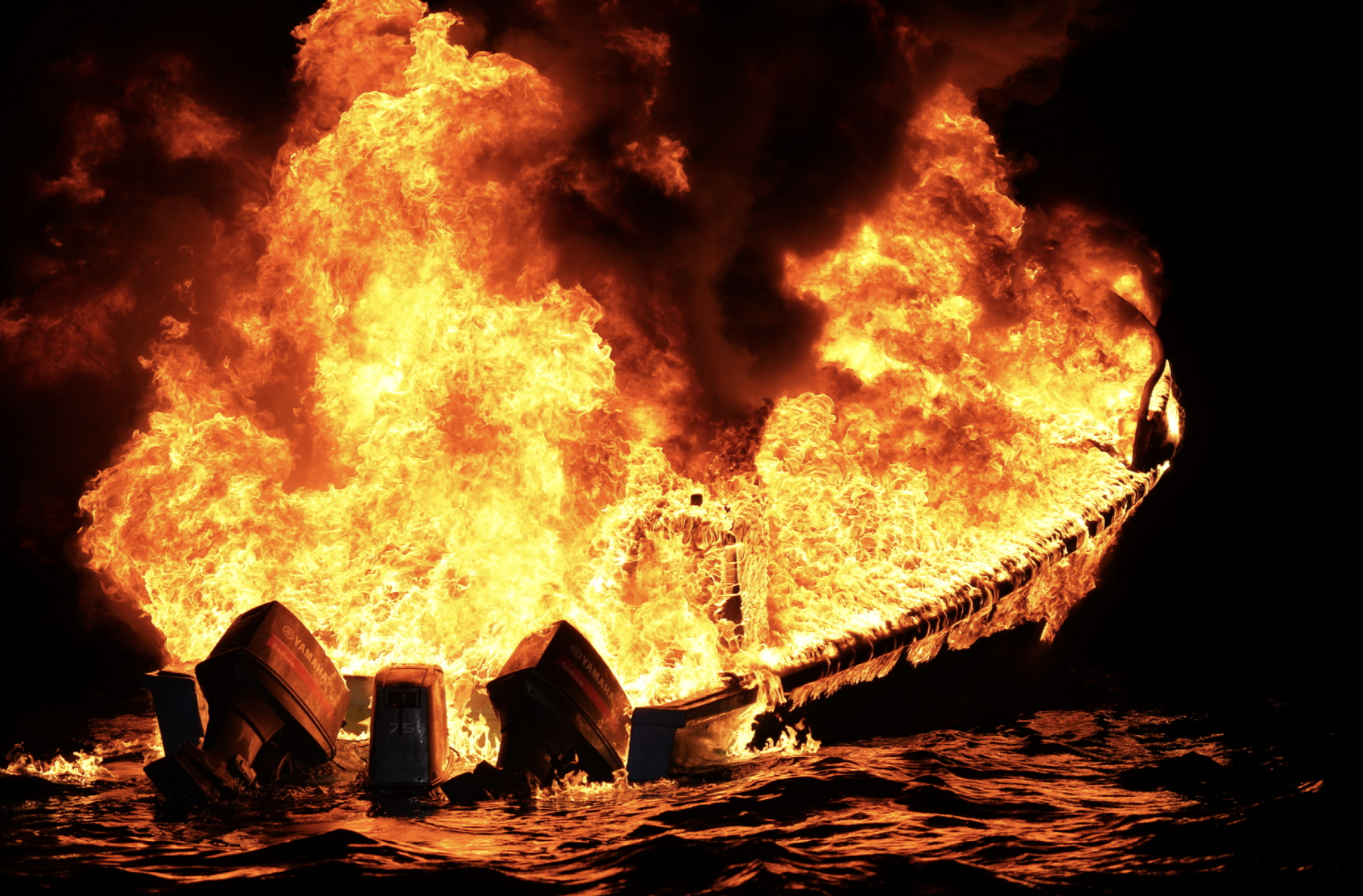
An engine cowling rests against an MH-65 dolphin helicopter at Port Everglades, on March 20, 2025. After attempts to stop a non-complaint vessel failed, the Coast Guard’s Helicopter Interdiction Tactical Squadron was authorized to use force, including disabling fire. (Coast Guard photo by Petty Officer 3rd Class Nicholas Strasburg)

Below is a news release from District Seven. I don’t pass along every ship’s off load of  drugs because they have gotten to be routine, but this patrol was anything but routine.

  • For one ship to interdict 12 drug smugglers in a single patrol is unusual.
  • This interdiction of four go-fast vessels operating in company moving almost as if in formation was unusual.

“On Feb. 19, Stone’s embarked UAS crew detected multiple suspicious vessels approximately 110 miles south of the Galapagos Islands, Ecuador. Stone’s embarked HITRON aircrew employed airborne use of force tactics to compel the non-compliant vessels to stop, and their boarding teams interdicted four go-fast vessels, apprehending eight suspected smugglers and seizing approximately 10,885 pounds of cocaine.”

  • Success of the UAS was notable.
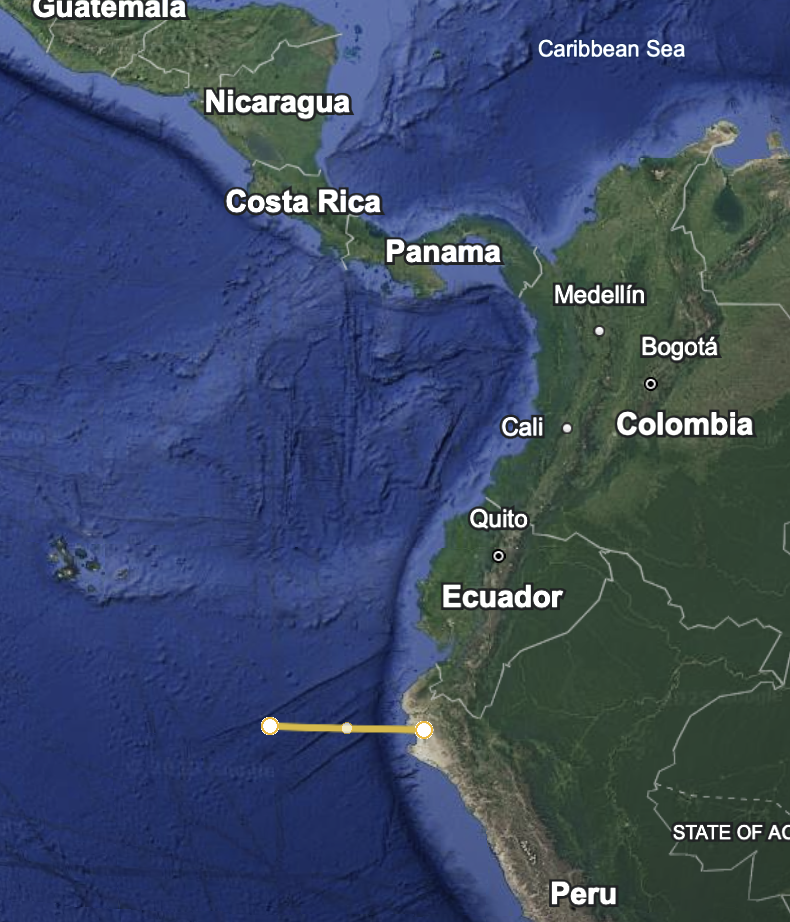
  • The location of that interdiction is unusual in that it is probably at least 500 nautical miles west of Ecuador and well South of Colombia, the country we normally think of as the source for cocaine.

(Could the four vessels intercepted Feb. 19 have been on the way to meet a larger vessel offshore? –either to transfer the load or to refuel?)

The photo above, at the head of this post, was the first thing that really got my attention, but apparently, that cowling was not unique.

USCGC Stone (WMSL-758) delivers $517.5 million in illicit drugs interdicted in Eastern Pacific Ocean. Along side are displayed cowlings of outboard motor disabled by the Airborne Use of Force crew from the Coast Guard’s Helicopter Interdiction Tactical Squadron (HITRON) based in Jacksonville, FL.


March 20, 2025

Coast Guard offloads over $517.5 million in illicit drugs interdicted in Eastern Pacific Ocean

MIAMI – The crew of U.S. Coast Guard Cutter Stone offloaded approximately 45,600 pounds of illicit narcotics worth more than $517.5 million at Port Everglades, Thursday.

The seized contraband was the result of 14 interdictions in international waters of the Eastern Pacific Ocean, and 35 suspected smugglers were transferred ashore to face federal prosecution in U.S. courts.

“You heard it said before that the Coast Guard’s national security cutters are game changers in the counter-drug mission, but they still require a crew of men and women willing to serve on or over the sea, and place themselves in harm’s way,” said Capt. Jonathan Carter, commanding officer of Stone. “I’m incredibly proud of our crew’s performance and their efforts to combat narco-terrorism this deployment. In one exceptional case, the crew interdicted four go-fast vessels in 15 minutes, seizing nearly 11,000 pounds of cocaine that will never be mixed with deadly fentanyl to threaten American lives here at home.”

On Dec. 21, Stone’s embarked aircrew from Coast Guard Helicopter Interdiction Tactical Squadron detected a suspicious vessel in international waters approximately 321 miles west of Ecuador. Stone’s boarding team interdicted the go-fast vessel, apprehended three suspected smugglers and seized over 1,630 pounds of cocaine.

On Dec. 22, a maritime patrol Dash-8 aircrew detected a suspicious vessel in international waters approximately 180 miles southeast of the Galapagos Islands, Ecuador. Stone’s embarked HITRON aircrew and boarding team interdicted the low-profile go-fast vessel, apprehended three suspected smugglers and seized approximately 12,220 pounds of cocaine.

On Jan. 9, a maritime patrol Dash-8 aircrew detected a suspicious vessel in international waters approximately 148 miles west of Salinas, Ecuador. Stone’s embarked HITRON aircrew and boarding team interdicted the go-fast vessel, apprehended three suspected smugglers and seized approximately 2,370 pounds of cocaine.

On Jan. 28, Stone’s embarked unmanned aircraft system (drone) crew detected a suspicious vessel in international waters approximately 459 miles south of Manzanillo, Mexico. Stone’s boarding team interdicted the vessel, apprehended five suspected smugglers and seized approximately 3,885 pounds of cocaine.

On Jan. 30, Stone’s embarked UAS crew detected a suspicious vessel in international waters approximately 715 miles off Mexico. Stone’s boarding team interdicted the vessel, apprehended two suspected smugglers and seized approximately 3,800 pounds of cocaine.

On Jan. 31, Stone’s embarked UAS crew detected a suspicious vessel in international waters approximately 630 miles off Mexico. Stone’s embarked HITRON aircrew employed airborne use of force tactics to compel the non-compliant vessel to stop, and the boarding team apprehended three suspected smugglers and seized more than 2,565 pounds of cocaine.

On Feb. 12, Stone’s embarked UAS crew detected a suspicious vessel in international waters approximately 655 miles south of Mexico. Stone’s embarked HITRON aircrew employed airborne use of force tactics to compel the non-compliant vessel to stop, and the boarding team apprehended three suspected smugglers and seized more than 3,640 pounds of cocaine.

On Feb. 18, Coast Guard Cutter Mohawk’s crew detected and boarded a sailing vessel approximately 70 miles northwest of Isla Malpelo, Colombia. Mohawk’s boarding team apprehended three suspected smugglers and seized approximately 635 pounds of cocaine.

On Feb. 19, Stone’s embarked UAS crew detected multiple suspicious vessels approximately 110 miles south of the Galapagos Islands, Ecuador. Stone’s embarked HITRON aircrew employed airborne use of force tactics to compel the non-compliant vessels to stop, and their boarding teams interdicted four go-fast vessels, apprehending eight suspected smugglers and seizing approximately 10,885 pounds of cocaine.

On Feb. 25, Mohawk’s crew detected and interdicted a suspicious vessel approximately 230 miles south of Costa Rica. Mohawk’s boarding team apprehended three suspected smugglers and seized approximately 1,600 pounds of cocaine and 330 pounds of marijuana. Costa Rican authorities took custody of the fishing vessel, suspects and bulk contraband for prosecution.

On March 10, Stone’s embarked HITRON aircrew detected a suspicious vessel in international waters approximately 270 miles southeast of the Galapagos Islands, Ecuador. The HITRON aircrew employed airborne use of force tactics to compel the vessel to stop, and Stone’s boarding team interdicted the go-fast vessel, apprehending two suspected smugglers and seizing approximately 3,980 pounds of cocaine. The transfer of custody from this case will occur at a later date.

“The fight against drug trafficking and transnational criminal organizations doesn’t begin at our U.S. maritime borders,” said Cmdr. David Ratner, commanding officer of Mohawk. “Our efforts to defend Americans at home begins with denying drug traffickers access to maritime routes and disrupting the flow far out at sea where we operate alongside interagency and strategic regional partners like Costa Rica.”

The following assets and crews were involved in the interdiction operations:

Detecting and interdicting illicit drug traffickers on the high seas involves significant interagency and international coordination. Joint Interagency Task Force-South, in Key West, conducts the detection and monitoring of aerial and maritime transit of illegal drugs. Once an interdiction becomes imminent, the law enforcement phase of the operation begins, and control of the operation shifts to the U.S. Coast Guard for the interdiction and apprehension phases. Interdictions in the Eastern Pacific Ocean are performed by members of the U.S. Coast Guard under the authority and control of the Eleventh Coast Guard District, headquartered in Alameda, California.

The Coast Guard continues increased operations to interdict, seize and disrupt transshipments of cocaine and other bulk illicit drugs by sea. These drugs fuel and enable cartels and transnational criminal organizations to produce and traffic illegal fentanyl, threatening the United States.

Each of these interdictions initiate criminal investigations by federal law enforcement partners. Several were tied to the transnational criminal organizations responsible. Drug evidence from these cases is linked to cartels recently designated as foreign terrorist organizations by the U.S. government, including Sinaloa and Cartel Jalisco Nueva Generaciόn. These interdictions denied those criminal organizations more than half a billion dollars and provide critical evidence for their total elimination.

USCGC Stone is one of four 418-foot Legend-class national security cutters homeported in Charleston, South Carolina under U.S. Coast Guard Atlantic Area Command. The U.S. Coast Guard Maritime Law Enforcement Academy where Coast Guard boarding officers train to conduct these missions, in Charleston, celebrated its 20th anniversary on March 14.

For breaking news, follow us on X (formerly Twitter). For additional information, find us on Facebook and follow us on Instagram.

Make a difference on land, at sea or in the air with the Coast Guard. Visit GoCoastGuard.com to learn more about active duty and reserve, officer and enlisted opportunities. Information on how to apply to the U.S. Coast Guard Academy can be found here.

This Day in Coast Guard History, March 21

Based on the Coast Guard Historian’s timeline, https://www.history.uscg.mil/research/chronology/
With inspiration from Mike Kelso

March 21

1791  Hopley Yeaton of New Hampshire was commissioned as “Master of a Cutter in the Service of the United States for the Protection of the Revenue.”  He is often listed as the first commissioned seagoing officer of the United States.  His commission was signed by George Washington and attested to by Thomas Jefferson.  However, seven other commissions for officers of the Revenue Cutter Service were signed on the same date.  Yeaton’s claim to being first is tied to the fact that he is at the top of the list of officers.  He commanded the Revenue cutter Scammel, stationed in Portsmouth, New Hampshire and the list is based on the cutters’ homeports from north to south.  Thus, Yeaton was first on the list, having command of the cutter in the northernmost port.

Elmer Stone, Coast Guard Aviator #1

1916  On this date Third Lieutenant Elmer Stone, USCG became the first Coast Guard officer ordered to flight training.  He reported on April 1, 1916 to Pensacola Naval Aviation Training School.

2013  CGC Midgett, returned to its homeport of Seattle, Washington, after its 75-day counter-narcotics patrol in the eastern Pacific Ocean.  While on patrol in the eastern Pacific in late February, the crew successfully interdicted a 30-foot fishing vessel that was carrying 1,100 pounds of cocaine hidden inside the vessel.  Midgett’s boarding team confiscated the drugs and detained the suspected smugglers.  Midgett’s crew also visited Bahia Malaga, Colombia, for a partnership exercise with the Colombian Navy. The ship hosted the Colombian Navy’s chief of staff, pacific operations commander, and several other senior personnel for a tour of the ship.  After departing Seattle in early January 2013, Midgett and its 170-member crew first underwent a three-week drill in San Diego that included more than 300 training exercises in navigation, medical response, damage control, engineering, combat systems, seamanship, and anti-terrorism force protection.  The crew’s successful performance earned them several battle readiness awards as well as certification by shipboard training teams.

U.S. Coast Guard Cutter Polar Star (WAGB 10) sits moored at the U.S. Antarctic Program’s NSF McMurdo Station in Antarctica during Operation Deep Freeze, Feb. 16, 2025. Operation Deep Freeze is one of many operations in the Indo-Pacific in which the U.S. military promotes security and stability across the region. (U.S. Coast Guard photo by Petty Officer 2nd Class Briana Carter)

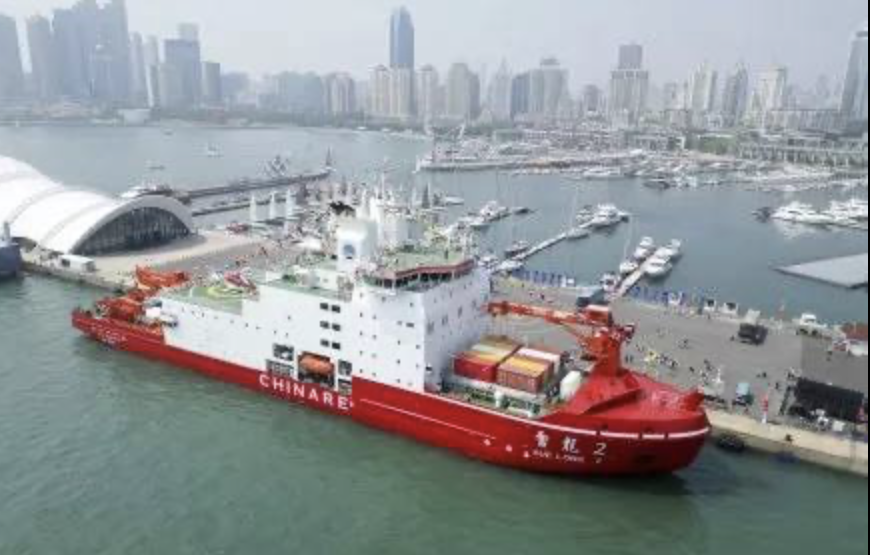
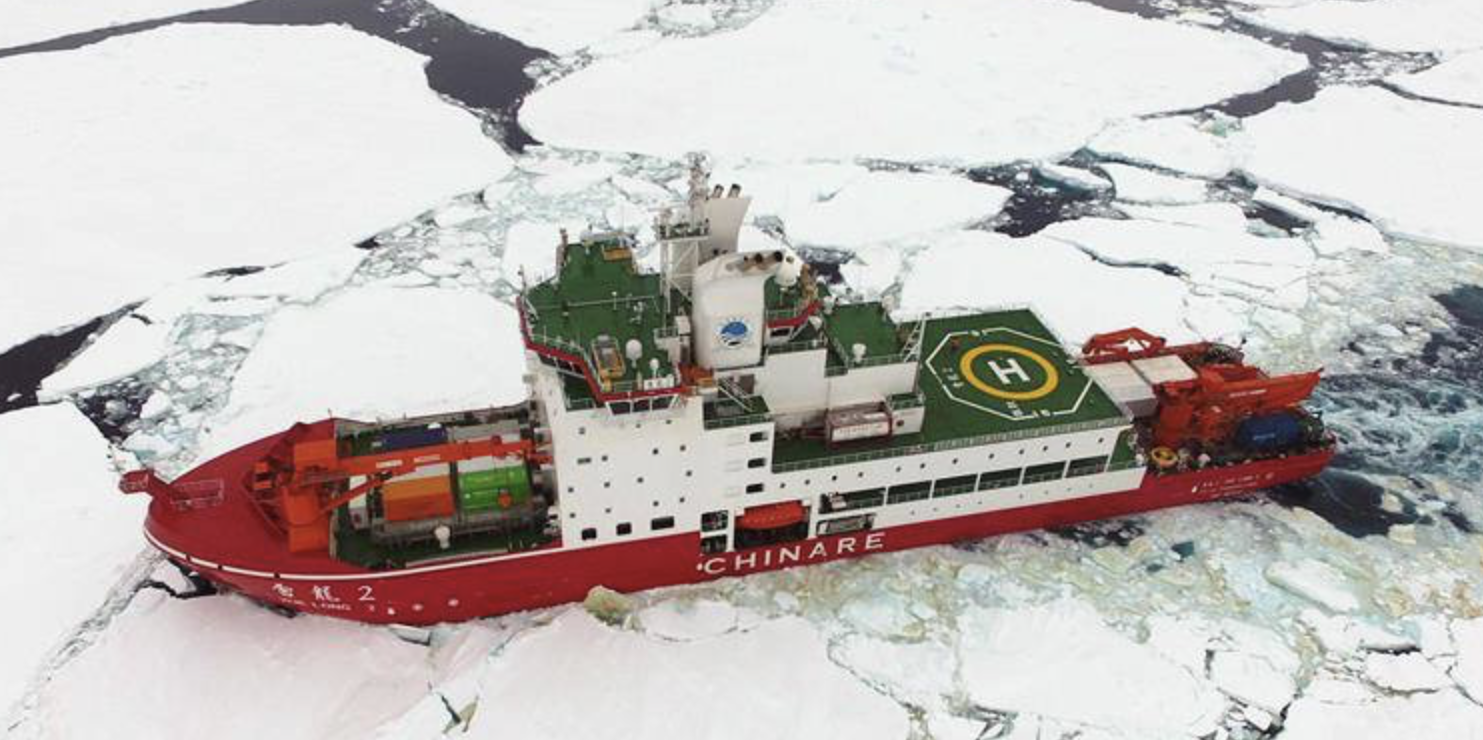
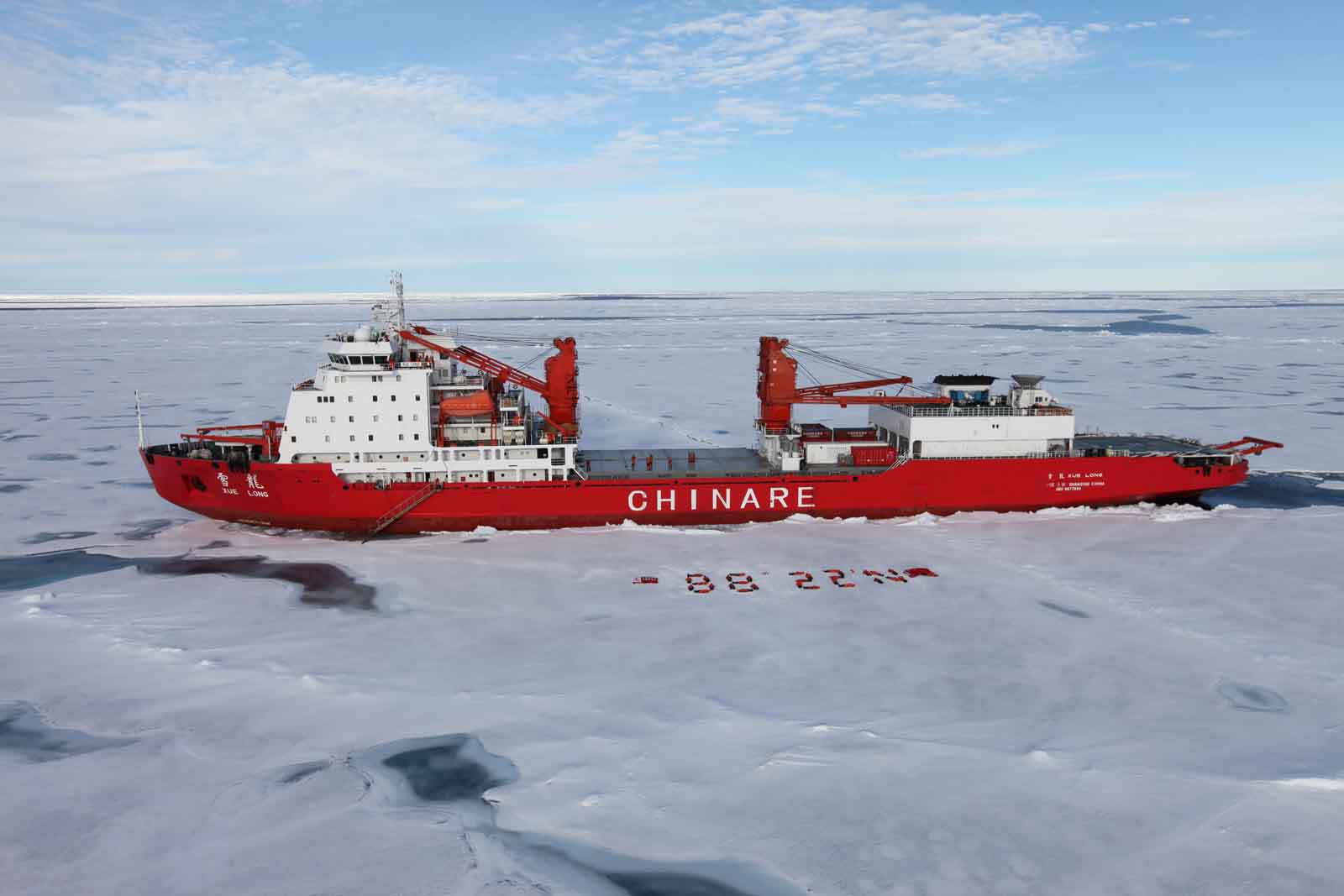
2014  CGC Polar Star returned to its homeport of Seattle, Washington, following a 108-day deployment in support of Operation Deep Freeze 2014.  Polar Star originally departed Seattle on December 3, 2013 and made port calls in Honolulu, Sydney, Australia, McMurdo Station, Antarctica, and Tahiti, French Polynesia.  Having completed a reactivation that began four years ago, this deployment marked the first time in six years that a U.S. icebreaker provided support to Operation Deep Freeze. In January 2014, Polar Star departed Sydney to assist in the rescue effort of two ships, the Russian vessel Akademik Shokalsiky and the Chinese vessel Xue Lon.  Both of these vessels were beset in 15 feet of sea ice near Commonwealth Bay, Antarctica.  While Polar Star was en route to assist, the shifting ice conditions allowed the two ships to break free from the ice prior to the Coast Guard icebreaker’s arrival.  In Antarctica, Polar Star broke a navigable shipping lane through 12 miles of ice in McMurdo Sound, encountering ice up to 10 feet in thickness.  The shipping channel was used by the tanker ship Maersk Peary to deliver approximately three-and-a-half million gallons of fuel to McMurdo.  The channel was also used by the cargo ship Maersk Illinois to deliver more than 500 containers of supplies to operate McMurdo and South Pole stations for the next 12 months.  The crew of the Polar Star also delivered and deployed nearly one mile of fuel hose to Marble Point, an air station 20 miles west of McMurdo. In February 2014, prior to departing Antarctica, Polar Star hosted Coast Guard VADM Peter Neffenger, then-Deputy Commandant for Operations, who visited Antarctica to observe the operations of the U.S. Antarctic Program.

USCGC Naushon (WPB-1311) to be Decommissioned March 21, 2025

USCGC Naushon (WPB-1311)

Got the announcement below from a former crew member, Mark Herrick. 

He wondered if this was the last WPB110 to be in commission with the CG–we know some are in service with other navies and coast guards including the Ukrainian Navy. Two others might still be in Coast Guard service, Mustang (WPB-1310) home-ported in Seward and Liberty (WPB-1334) home-ported in Valdez. I googled both but found no mention of decommissioning.


The Homer-based USCG Cutter NAUSHON will be decommissioned on Friday. If you want to take a tour of the vessel before it leaves Homer, public tours are available starting TODAY!
Tours of the Naushon will take place:
March 19-21 4-6pm
March 22nd 10am-12pm and 2-6pm
Tours of the ship will be available on a first come, first served basis.
All are invited to attend the decommissioning ceremony on Friday the 21st, which will start at 1200 noon (following the sounding of the ship’s bells) and will be held at the Homer Spit near the cutter’s homeport mooring at 4373 Freight Dock Rd, Homer, AK, 99603.

“Canada’s HMCS Margaret Brooke embarks on historic Antarctic mission” –The Watch

2022. HMCS Margaret Brooke finished warm weather trials on the ships cooling systems. HMCS Harry DeWolf conducted an Op Caribbe with the USCG.

NORTHCOM’s online magazine, “The Watch” reports,

For the first time, a Royal Canadian Navy (RCN) vessel will circumnavigate South America and visit Antarctica, as the HMCS Margaret Brooke marks the debut of Operation Projection 2025. The Harry DeWolf-class vessel left Halifax, Nova Scotia, on January 10, 2025, on the historic four-month mission.

So presumably she is in or near the Antarctic now.

“…National Research Council scientists will join the ship in Punta Arenas, Chile, for a two-week tour south of the Antarctic circle…”

The US Coast Guard would consider HMCS Margaret Brooke a light icebreaker because her 12,000 HP, same as the old Wind Class, falls below their 20,000HP lower limit for a “medium icebreaker.” As an Arctic Offshore Patrol Vessel, this is not a type the US Coast Guard has identified a requirement for.

In addition to a helicopter she reportedly is equipped with a vertical take-off and landing drone. 

This Day in Coast Guard History, March 20

Based on the Coast Guard Historian’s timeline, https://www.history.uscg.mil/research/chronology/
With inspiration from Mike Kelso

March 20

Schooner I’m Alone

1929  The most notable incident from which international complications resulted during the Prohibition era was that of the schooner I’m Alone of Nova Scotia, a vessel built for the rum trade.  She had successfully plied this trade for over four years when she appeared off the Texas coast and was picketed by the cutter Wolcott in the spring of 1929.  Boatswain Frank Paul marked her at 10.8 miles from shore and signaled her to heave to.  Several blanks were fired and this brought the vessel to a stop.  Captain Randall of the schooner allowed the Boatswain on board, there was a discussion, but when he returned, I’m Alone continued on her way.  The chase resumed and shots were fired into her rigging.  On the second morning, some two hundred miles south of the U.S., the cutter Dexter came up to assist and proceeded to fire into the runner, sinking the vessel.  One of her crew was drowned.  Repercussions were heard immediately from Canada, Britain, and France, as the drowned seaman was French.  The initial complaint was that of the position of the schooner at the point of contact.  Her captain maintained she was only a 7-knot vessel and she was anchored about 15 miles out in safe waters.  The second infraction was that the pursuit was not a continuous one; the intervention of Dexter muddied this question.  Since the speed of the suspect vessel is a consideration in determining how far out it might be seized, it should be noted that I’m Alone managed to stay ahead of Wolcott, a nearly new cutter capable of at least 11 knots, for over 24 hours.  As I’m Alone was sunk, the captain’s statement that her engines were in need of repair also could not be proven.  In any case, the international round of diplomatic niceties did not cease until 1935 when the United States backed off and compensation was paid to the crew of the schooner.

USCGC Wolcott, Type: 100-foot
LOA: 99’8” / 30.38m – LOD: 99’8” / 30.38m – Beam: 23’0” / 7.01m – Draft: 10’9” / 3.28m – Displacement: Gross 173 Net Tons 105, Speed: 12 knots maximum (original spec) – Built by: Defoe Boat & Motor Works of Bay City, Michigan. – Year Launched: July 1926

USCGC Dexter

USCGC Dexter 3″/23 gunnery practice. This was the Weapon Dexter used to sink the I’m Alone.

1941  Sabotage was discovered on an Italian vessel at Wilmington, North Carolina.  The Coast Guard investigated all Italian and German vessels in American ports and took into “protective custody” 28 Italian vessels, two German and 35 Danish vessels.  Coast Guard boarding teams discovered that their crews had damaged 27 of the Italian ships and one of the German ships.  The Coast Guard also took into custody a total of 850 Italian and 63 German officers and crew.  Two months later these vessels were requisitioned for service with the United States by order of Congress for the Latin American trade.

This Day in Coast Guard History, March 19

Based on the Coast Guard Historian’s timeline, https://www.history.uscg.mil/research/chronology/
With inspiration from Mike Kelso

March 19

1943  British Steamer Svend Foyne was a victim of an iceberg collision off the southern tip of Greenland.  One hundred forty-five persons were rescued by the Coast Guard and others.  The International Ice Patrol was suspended during this period (1942-1945) of World War II.

Coast Guard manned Destroyer Escort USS Menges, after hit by  a German Acoustic Homing Torpedo, May, 1944

1945  The first all-Coast Guard hunter-killer group ever established during the war searched for a reported German U-boat near Sable Island.  The group was made up of the Coast Guard-manned destroyer escorts USS Lowe, Menges, Mosley, and Pride, and was under the overall command of CDR R. H. French, USCG.  He flew his pennant from Pride.  Off Sable Island the warships located, attacked, and sank the U-866 with the loss of all hands.  Interestingly, the Menges had been a victim of a German acoustic torpedo during escort-of-convoy operations in the Mediterranean in 1944.  The torpedo had detonated directly under her stern, causing major damage and casualties, but she remained afloat.  She was later towed to port and the stern of another destroyer escort, one that had been damaged well forward, was welded onto the Menges.  She then returned to action.

USS Pride (DE-323), Coast Guard manned destroyer escort

Appearing very different from its last Greenland visit in 1884, the USS Bear returned in 1944. Unlike in 1884, the Bear relied on a Coast Guard crew during World War II. As part of the Greenland Patrol, it cruised Greenland’s waters and, in October 1941, brought home the German trawler Buskø, the first enemy vessel captured by the U.S. in WWII. (Coast Guard photo)

1963  The famous cutter Bear sank off the coast of Nova Scotia on this date while under tow from Halifax to Philadelphia were she as slated to be “put out to pasture” as a floating museum-restaurant.  The two men who were aboard the old cutter were rescued after a Coast Guard aircraft dropped a raft to the accompanying tug.

1989  M/V Aoyagi Maru ran aground on a reef in Lost Harbor, Alaska.  USCGC Rush rescued the crew of 19. She was declared a total loss after being gutted by fire when 1,200 pounds of explosives were ignited to burn off the 100,000 gallons of fuel left aboard and her cargo of 74,000 pounds of rotting cod.

This Day in Coast Guard History, March 18

Based on the Coast Guard Historian’s timeline, https://www.history.uscg.mil/research/chronology/
With inspiration from Mike Kelso

March 18

1909  Stations Holly Beach and Hereford Inlet, New Jersey: the schooner C.B. parted its chain while weighing anchor.  She set a distress signal which was discovered by the lookouts at both stations.  The surfboats proceeded to the scene and surfmen swept for the chain and assisted in securing it on board.

USCGC Ingham (WPG-35) underway in heavy seas, circa 1941-1944, location unknown.
US Coast Guard photo # 2000225945

1943  USCGC Ingham rescued all hands from the torpedoed SS Matthew Luckenbach. (Ingham was the most decorated vessel in the Coast Guard fleet and was the only cutter to ever be awarded two Presidential Unit Citations.)

131107-N-WX059-125 PEARL HARBOR (Nov. 7, 2013) The Bangladesh Navy Ship (BNS) Somudra Joy (F-28) arrives at Joint Base Pearl Harbor-Hickam for a scheduled port visit. From 1972 to 2012 the ship was known as the U.S. Coast Guard Hamilton-class high endurance Cutter USCGC Jarvis (WHEC-725). (U.S. Navy photo by Mass Communication Specialist 2nd Class Sean Furey/Released)

1967  The 378-foot high endurance cutter Hamilton, first in her class, was commissioned.  This was the first class of major vessels in the U.S. government’s inventory that were powered by jet turbines. (By then the first five WMEC210s, all CODAG powered, had already been commissioned. The turbines on the 378s were literal Jet engines, being the same engines used on the Boeing 707s)

95 foot Cape Class WPB

1991  CGC Cape Hatteras (WPB 95305) was decommissioned.  She was the last 95-foot patrol boat in the Coast Guard.  She was then transferred to Mexico.

1996  The single-hulled barge San Gabriel buckled and split open in rough seas, rupturing two tanks and spilling 210,000 gallons of oil in the Houston Ship Channel near Galveston, Texas.  Coast Guard Marine Safety Unit (MSU) Galveston established a joint command structure with local agencies and private contractors to isolate and then clean up the spill.  Personnel from the Gulf Strike Team, MSO Houston, MSO New Orleans, Aviation Training Center Mobile, and the 8th District supplemented MSU Galveston.  The majority of the spill was cleaned up in three days.

U.S. Coast Guard Cutter THETIS (WMEC-910) , US Navy photo ID:J3103SPT95001725 / DNST9800595

2000  CGC Thetis seized F/V Viviana II which was grossly overloaded with 234 Ecuadorean migrants.  The vessel and the migrants were turned over to the Ecuadorean Navy.

Panamanian motor vessel Gatun during the largest drug bust in United States Coast Guard history (20 tons of cocaine) off the Coast of Panama. Exhibit 10 (2 of 3) from the U.S. Government’s Memorandum of Law in Support of Pretrial Detention in the case of Joaquin “Chapo” Guzman, described as 19,000 kilograms of cocaine aboard a maritime vessel en route from Colombia to Mexico seized March 18, 200

2007  The Coast Guard made the largest cocaine seizure in its history to date when CGCs Hamilton and Sherman seized 42,845 pound of cocaine aboard the Panamanian-flagged M/V Gatun off the coast of Panama.  Gatun was first located by a HC-130 on March 17.