
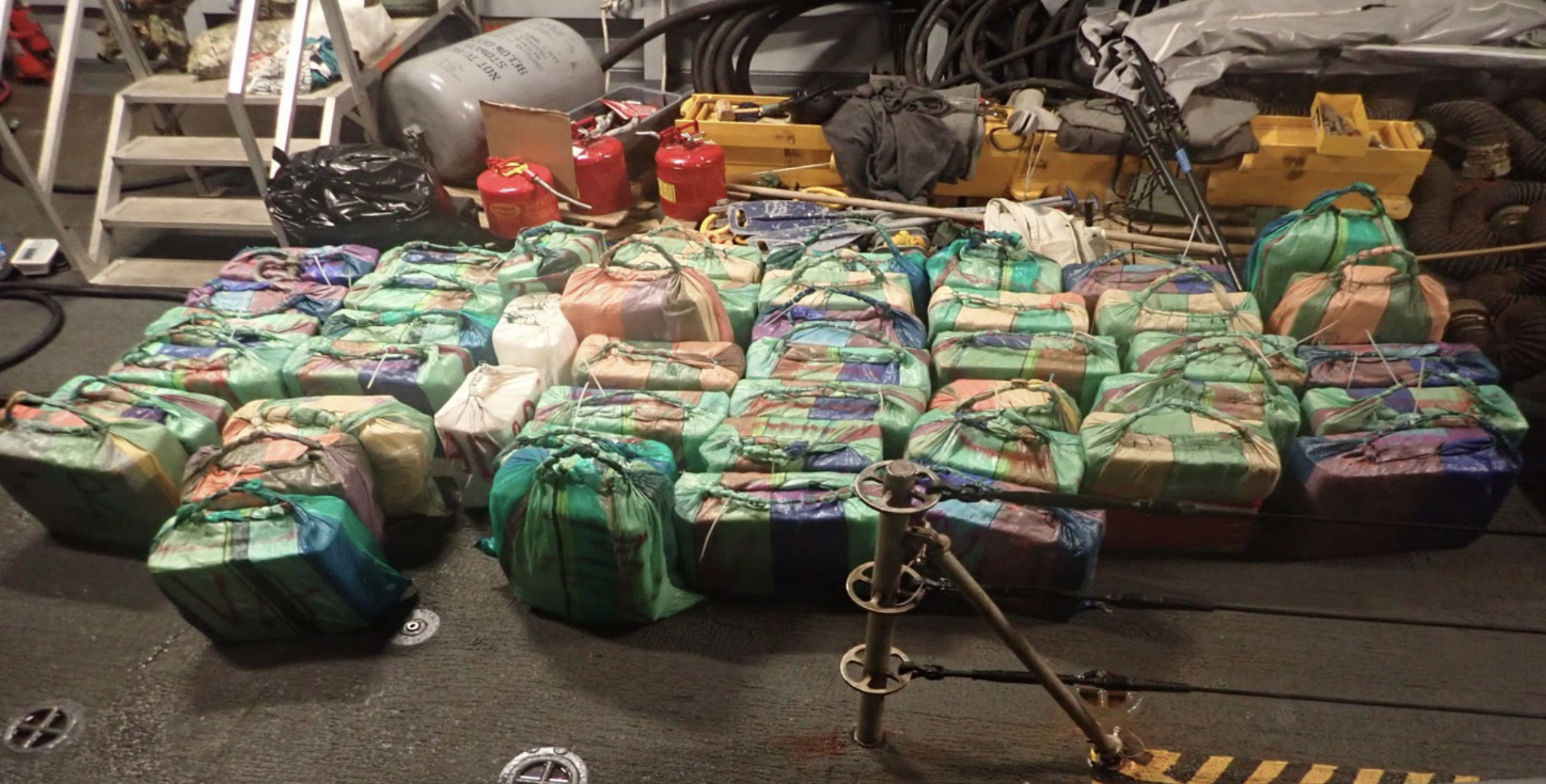
Narcotics seized during the interdiction of a suspected drug-smuggling vessel approximately 100 miles south of the Dominican Republic, Oct. 5, 2026. The crew of USS Minneapolis-Saint Paul and an embarked U.S. Coast Guard tactical law enforcement team interdicted the vessel, seizing approximately 3,622 pounds of cocaine, with an estimated combined value of $27 million. (U.S. Coast Guard photo)
Below is a District SE news release.
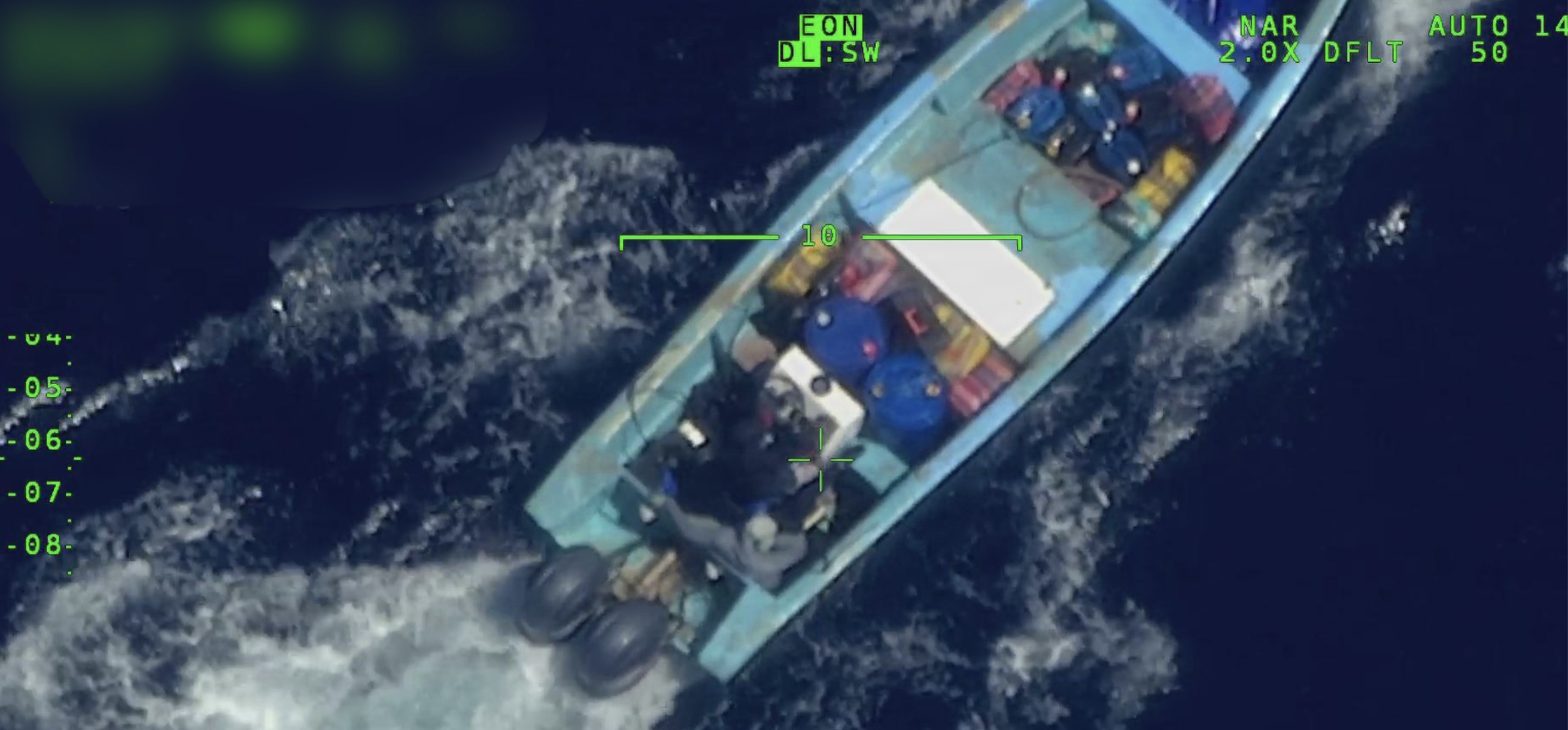
A Royal Netherlands Navy maritime patrol aircraft detects a go-fast vessel suspected of drug smuggling in the Caribbean Sea, Oct. 5, 2026. The crew of Coast Guard Cutter William Trump (WPC 1111) interdicted the vessel, resulting in the transfer of approximately 857 pounds of cocaine and two suspected drug smugglers to the Dominican Republic Navy for further processing. (U.S. Coast Guard photo courtesy of Joint Interagency Task Force – South)
Note, Tahoma is not make any interdictions this patrol. I think she would have had better luck if she had been sent to the Eastern Pacific.
This report highlights what I see as something less than the best allocation of resources. It seems the Coast Guard continues to allocate more resources to drug interdiction in the Caribbean than to the Eastern Pacific. This despite the fact that,
- More drugs are trafficked in the Eastern Pacific than in the Caribbean.
- Allies assist in drug interdiction in the Caribbean including the Dutch, Canadians, and British, as a Royal Netherlands Maritime Patrol Aircraft did in this case.
- The Navy seems to be more inclined to assist in the Caribbean than the Eastern Pacific, with Freedom class LCS based in Mayport, like USS Minneapolis-Saint Paul (LCS-21) that made the seizure of the drugs Tahoma was transporting.
- The CG has at least 20 Webber class WPC assigned to District SE and at least five more in the Heartland District that are effective drug interdiction platforms, quite capable of operating in the Caribbean.
I can see why this happens. Atlantic Area has more large patrol ships (23) than Pacific Area (9) and sees the Caribbean as their responsibility, while the Eastern Pacific is seen as Pacific Areas responsibility, even though Atlantic Area ships are closer to the Eastern Pacific drug transit zones than Pacific Area ships.
This imbalance could be at least partially addressed by aligning Atlantic Area’s AOR with that of the Navy’s Atlantic Fleet including the 4th Fleet/SOUTHCOM AOR. That would still leave Pacific Area with about 84% of the US EEZ.
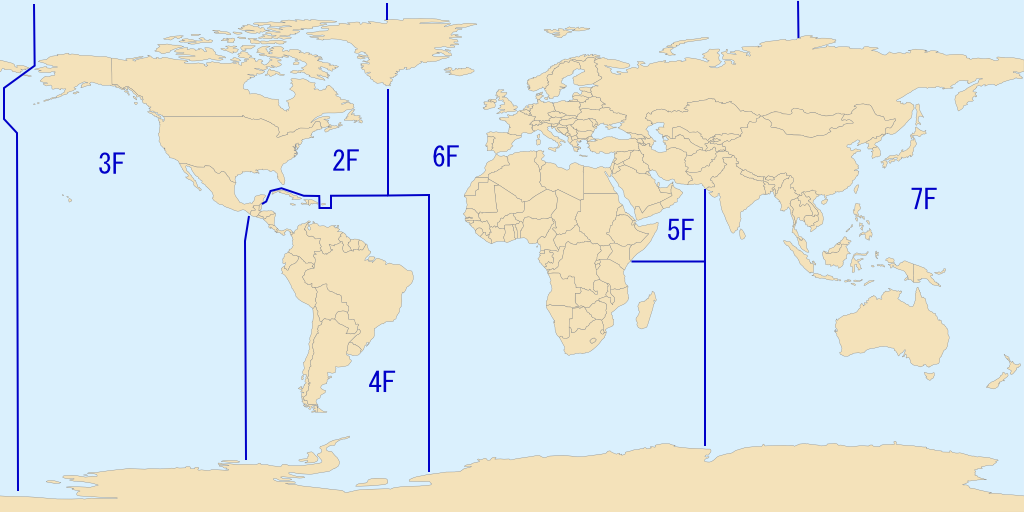
US navy fleets areas of responsibility. Source Wikipedia.
Coast Guard offloads over $27 million in cocaine at Port Everglades
Southeast Public Affairs – SoutheastPublicAffairs@uscg.mil
MIAMI — U.S. Coast Guard Cutter Tahoma’s crew offloaded approximately 3,622 pounds of cocaine and four detainees, Wednesday, in Port Everglades.
The offload is from two interdictions resulting in the seizure of the illicit narcotics and the apprehension of four detainees in the Caribbean Sea.
Federal agents took custody of the four detainees, pending further investigation.
“This interdiction was due to the coordinated efforts of Joint Interagency Task Force – South, U.S. Customs and Border Protection, Coast Guard Southeast District, along with our international partners throughout the Caribbean Sea,” said Lt. John Colucci, commanding officer of William Trump. “I’m incredibly proud of the crew of CGC William Trump in their ability to carry out this high-risk mission in a safe, efficient, and professional manner. Their success directly prevented illicit narcotics from reaching our shores and disrupted the operations of transnational-criminal organizations throughout the western hemisphere.”
The following assets and crews were involved in the interdiction operations:
- Coast Guard Cutter Diligence
- Coast Guard Cutter William Trump
- USS Minneapolis-Saint Paul
- U.S. Coast Guard Tactical Law Enforcement Team – Pacific, LEDET 105
- A Royal Netherlands Navy maritime patrol aircraft
- A U.S. Customs and Border Protection maritime patrol aircraft
- Joint Interagency Task Force – South
- Southeast District watchstanders
The offload highlights the Coast Guard’s continued efforts to interdict illicit narcotics, disrupt transnational criminal organizations and prevent dangerous drugs from reaching American communities.
The U.S. Coast Guard works alongside local, state, federal and international partners to detect, deter and disrupt maritime drug trafficking. Through persistent operations and coordinated law enforcement efforts, Coast Guard crews help protect the nation’s maritime borders and prevent illicit narcotics from entering the United States.
Coast Guard Cutter Tahoma is a U.S. Coast Guard cutter responsible for conducting maritime law enforcement, search and rescue, and other missions in support of the Coast Guard’s national security and maritime safety objectives.

