This Day in Coast Guard History, November 17/18

Based on the Coast Guard Historian’s timeline, https://www.history.uscg.mil/research/chronology/
With inspiration from Mike Kelso

November 17

Portrait of Hamilton authoring the first draft of the U.S. Constitution in 1787

1791  Secretary of Treasury Hamilton fixed the value of rations at a “generous” 12 cents per day for each man in Revenue Marine.

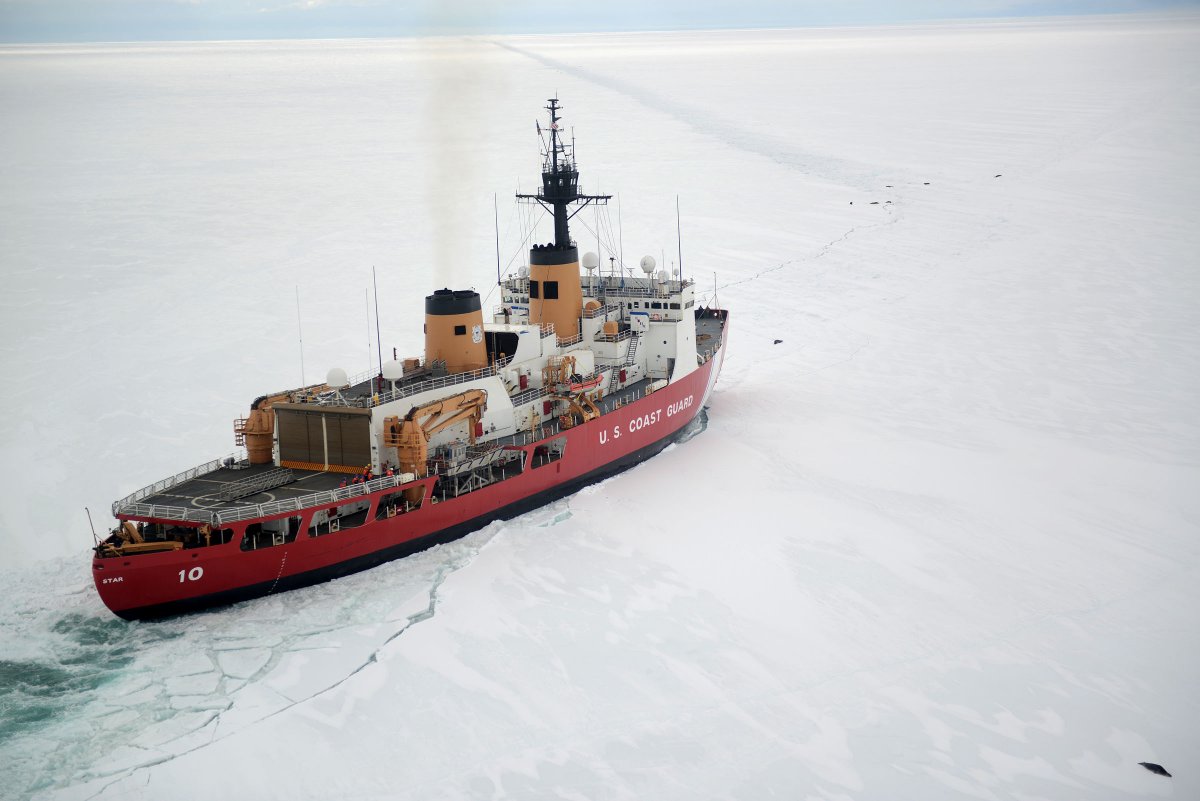
The Coast Guard Cutter Polar Star cuts through Antarctic ice in the Ross Sea near a large group of seals as the ship’s crew creates a navigation channel for supply ships, January 16, 2017. The resupply channel is an essential part of the yearly delivery of essential supplies to the National Science Foundation’s McMurdo Station.US Coast Guard photo by Chief Petty Officer David Mosley

1973  The “Largest Icebreaker in the Western World,” CGC Polar Star, was launched.

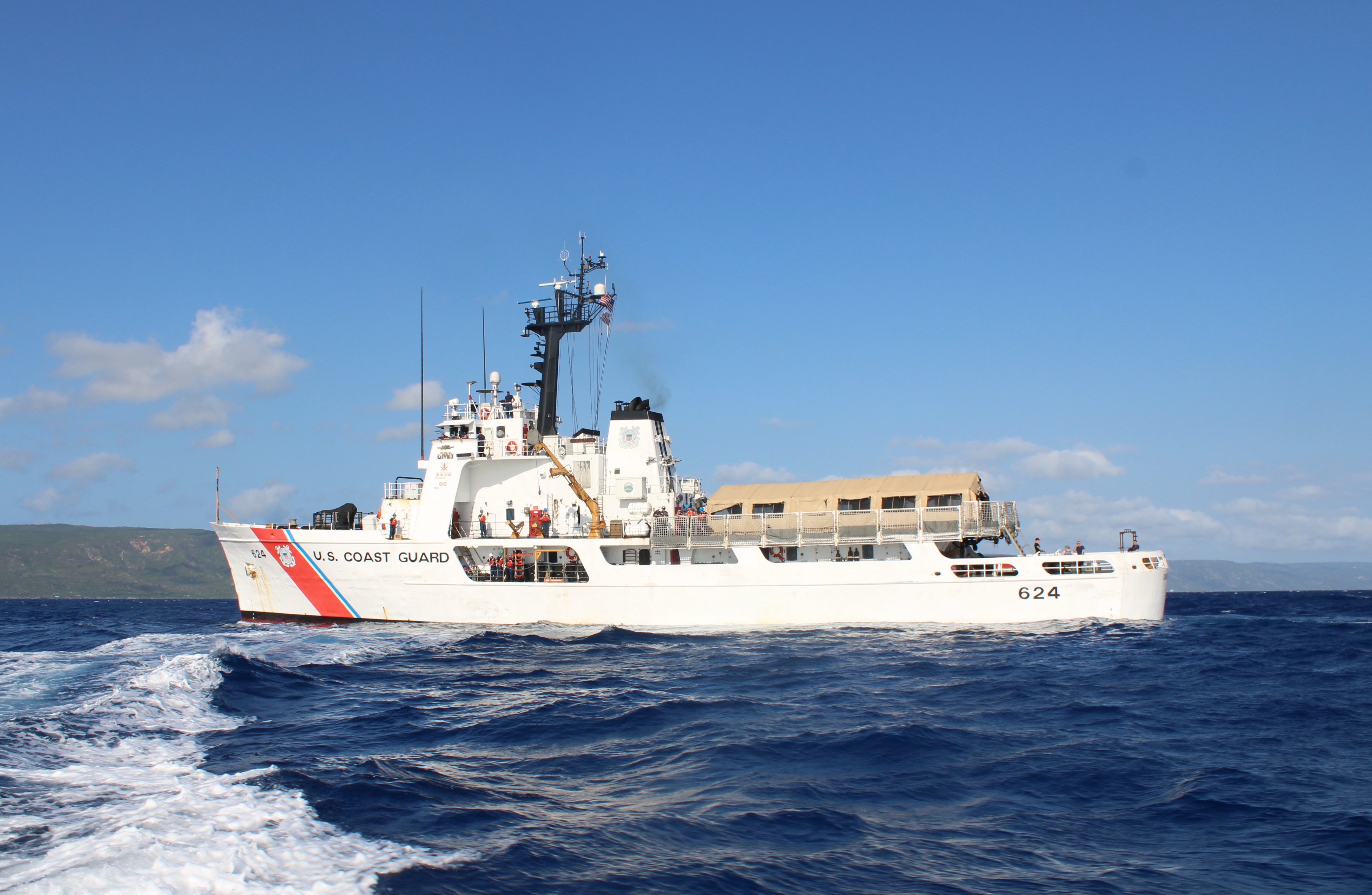
U.S. Coast Guard Cutter Dauntless (WMEC 624) and crew patrol, March 4, 2024, off the coast of Haiti. Dauntless deployed for two months to support Operation Vigilant Sentry while conducting maritime safety and security missions. (U.S. Coast Guard photo by Lt.j.g. Olivia Gonzalez) Note the shelter on the flight deck.

1982  President Ronald Reagan visited the CGC Dauntless and awarded the cutter and crew the Coast Guard Unit Commendation for their work during the period of July 1980 to July 1982.  President Reagan wrote in the Record of Inspections: “Aboard ‘Dauntless’ – a proud ship with an impressive crew.”  This was the first visit by a U.S. president aboard a cutter in 19 years.

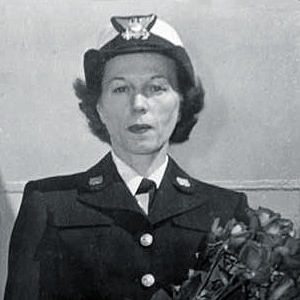
Edith Munro, US Coast Guard, mother of Douglas Munro.


1983  LT Edith Munro, USCGR, a World War II SPAR veteran and the mother of Coast Guard hero Douglas Munro, passed away at the age of 88.

November 18

1953  Heavy rains in the Coquille, Coos, and Willamette River Valleys of western Oregon caused flooding of the lowland areas and isolation of some towns through the blocking of highways by slides and high water, necessitating the evacuation of families and livestock.   A Coast Guard relief detail of boats, men, and aircraft participated in relief assistance measures, cooperating with the Red Cross and civil authorities. (The river flooded again 1964 and 1996.)

1999  The 605-foot Russian freighter Sergo Zakariadze, loaded with a cargo of cement dust, ran aground at the entrance to San Juan harbor, Puerto Rico.  Coast Guard Strike Team, MSO San Juan, Greater Antilles Section, among others, responded to the accident.

“Coast Guard Cutter Stratton returns to California following 110-day Arctic deployment” –CG News

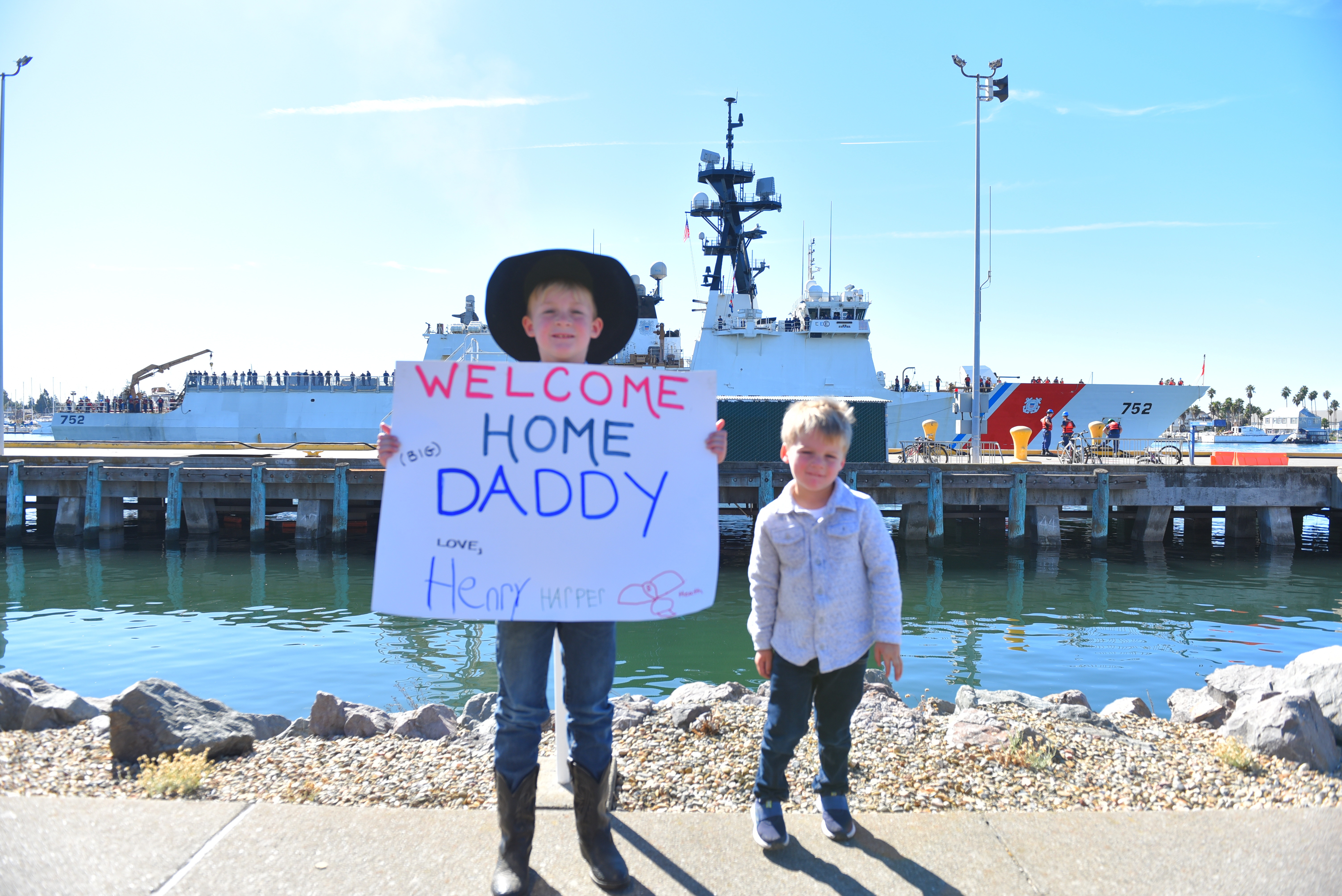
Harper and Henry Helsabeck hold up a sign to welcome home their dad, Lt. Cmdr. Jason Helsabeck, operations officer, Coast Guard Cutter Stratton (WMSL-752), home to Alameda, Calif., Nov. 4, 2024. The Stratton’s crew returned home from a months-long Bering Sea Patrol where the crew conducted fisheries law enforcement to protect living marine resources. (U.S. Coast Guard photo by Chief Petty Officer Levi Read/released)

Below is a Coast Guard news release.

I would note some differences between this patrol and my, 1974 to 1990, experience on Alaska Patrol.

  • They passed through the Bering Strait and patrolled in the Chukchi Sea whereas we seldom got as far North as the Bering Strait.
  • The patrols are longer than I remember, “This was Stratton’s second 110-day Alaska patrol in 2024.”
  • “Stratton conducted the first at-sea refueling evolutions for a national security cutter in the high latitudes.”
  • “…deck landings qualifications with Air Station Kodiak’s MH-60 helicopter (emphasis applied, not the smaller H-65s–Chuck) air crews operating near the Alaskan towns of Utqiagvik (formerly known as Barrow, population 4,927, the most northerly point in Alaska–Chuck) and Kotzebue (population 3,102) above the Arctic Circle.”
  • There were encounters with the Russian Navy.
  • There was more cooperation with Canada, “Stratton hosted three Royal Canadian Navy members during the patrol, enhancing U.S. and Canadian interoperability.”
  • There was engagement with the local communities, “…community relations engagements in the remote Alaskan communities of Savoonga (on St. Lawrence Island, population 835), Teller (population 249, near the Bering Strait and endangered by climate change), and Brevig Mission “(population 388 in 2010). This is something the Canadians have been doing for a long time with their first nation villages, but I think it is relatively recent for the USCG.

These cutters are pushing the envelope, going where US Navy surface combatants virtually never go.


Nov. 15, 2024

Coast Guard Cutter Stratton returns to California following 110-day Arctic deployment

ALAMEDA, Calif. — The crew of Coast Guard Cutter Stratton (WMSL 752) returned to its Alameda homeport on Nov. 4, after completing a 110-day patrol in the Arctic Ocean, Chukchi Sea and Bering Sea.

Stratton departed Alameda on July 18 and patrolled the Alaskan Inside Passage to Juneau, Alaska, throughout the Gulf of Alaska, the Bering Sea and into the Arctic Ocean. The crew supported U.S. strategic interests in the high latitudes and ensured the safety and compliance of domestic fishery operators. This was Stratton’s second 110-day Alaska patrol in 2024.

During the patrol, Stratton’s crew tracked and observed two Russian Federation Navy surface action groups transiting through U.S. waters above the Arctic Circle. Stratton patrolled under Operation Frontier Sentinel, an operation designed to meet presence with presence when strategic competitors operate in and around U.S. waters. The Coast Guard’s presence strengthens the international rules-based order and promotes the conduct of operations in a manner consistent with international law and norms.

While patrolling the Arctic, Stratton conducted the first at-sea refueling evolutions for a national security cutter in the high latitudes. The at-sea refueling extended patrol times in the Arctic and enabled persistent Coast Guard presence in the remote region.

Stratton conducted 20 boardings of commercial fishing vessels and foreign trans-shipment vessels enforcing safety and fishing regulations. Alaska’s fisheries are some of the nation’s largest providers of seafood and are a critical component of the U.S. economy. The Coast Guard’s efforts in ensuring safe fishing practices are essential to support this vital industry.

Stratton’s crew also conducted search and rescue (SAR) operations while deployed to the region. Stratton responded to the fishing vessel Galatea, which was adrift in a storm without propulsion due to a severed engine cooling line. Stratton crew deployed to the fishing vessel, repaired the casualty, and safely escorted Galatea to Dutch Harbor.

Stratton also responded to the 738-foot cargo tanker Pan Viva beset by a storm north of Dutch Harbor. After losing propulsion, the vessel was in danger of running aground in seas greater than 30’ and 90-mile-per-hour winds. Stratton provided operational oversight to Pan Viva as Coast Guard MH-60 helicopter air crews evacuated non-essential personnel and commercial tugs aided the vessel.

Throughout the patrol, Stratton conducted 334 deck landings qualifications with Air Station Kodiak’s MH-60 helicopter air crews operating near the Alaskan towns of Utqiagvik and Kotzebue above the Arctic Circle, to Cold Bay and Dutch Harbor in the Bering Sea. Stratton’s coordination of these flight operations provided training opportunities for the crews to enhance their SAR capabilities in the remote areas of Alaska, which tripled the number of shipboard-qualified pilots in the Alaska region.

“I am extremely proud of the resilience and professionalism of Stratton’s crew who’ve spent eight of the last ten months at sea in Alaska, conducting missions to safeguard our nation and people throughout two deployments to the region,” said Capt. Brian Krautler, Stratton’s commanding officer. “We met foreign presence in the Arctic, demonstrating our ability and resolve to protect our most challenging border and we found new ways to extend our presence, devising means to refuel at sea in the high latitudes. We boarded U.S. and foreign vessels to ensure compliance with legal and safety regulations, we enhanced SAR capabilities through rigorous flight training and conducted important search and rescue cases in our most demanding area of operations.”

Stratton also met with the Royal Canadian Navy leadership during a port call in Victoria, Canada, to discuss strategic interests and cooperative efforts in the region. Stratton hosted three Royal Canadian Navy members during the patrol, enhancing U.S. and Canadian interoperability.

Additionally, Stratton conducted community relations engagements in the remote Alaskan communities of Savoonga, Teller and Brevig Mission. During these engagements, crew members met with tribal and city council leadership, volunteered at elementary schools, provided training in water and boating safety, participated in community-wide events including a high-latitude half-marathon, and learned about Inupiat culture, aiding in the service’s understanding of the communities and how to optimize support for remote Alaskan villages.

Commissioned in 2012, Stratton is one of ten commissioned legend-class national security cutters and one of four homeported in Alameda. National security cutters are 418-feet long, 54-feet wide, and have a 4,600 long-ton displacement. They have a top speed of 28 knots, a range of 12,000 nautical miles, and can hold a crew of up to 170. Stratton routinely conducts operations throughout the Pacific, where the cutter’s combination of range, speed, and ability to operate in extreme weather provides the mission flexibility necessary to conduct vital strategic missions.

Stratton’s namesake is Capt. Dorothy Stratton, who led the service’s all-female reserve force during World War II. Dorothy Stratton was the first female commissioned officer in the Coast Guard and commanded more than 10,000 personnel. The ship’s motto is “we can’t afford not to.”

Late addition: This trackline was from a gCaptain report on the deployment. Note the ship did not spend any significant time out the Aleutians chain. 

This Day in Coast Guard History, November 16

Based on the Coast Guard Historian’s timeline, https://www.history.uscg.mil/research/chronology/
With inspiration from Mike Kelso

USCGC Itasca as HMS Gorlsston

1929  CGC Itasca slid down the ways of the General Engineering and Drydock Company in Oakland, California.  Ms. Jean Lyans christened the new 250-Lake Class cutter.  Ms. Lyans was nominated for the task by Representative Homer Hoch, of Kansas, a “great friend of the Coast Guard.”  The Lake-Class cutters, ten in all, were designed in-house by the Coast Guard and were propelled by a turbine-driven electric motor.  All ten were transferred to the Royal Navy under Lend Lease in the spring of 1941.

USS Serpens (AK-97)

The U.S.S. Serpens Monument at Arlington National Cemetery is dedicated to those who lost their lives when the U.S.S. Serpens was destroyed. The 14,250-ton ammunition ship exploded off Lunga Baech, Guadacanal, British Solomon Islands on the night of Jan. 29, 1945 and was the largest single disaster suffered by the U.S. Coast Guard in World War II. (U.S. Army photo by Rachel Larue/released)

1950  The Serpen’s monument in Arlington National Cemetery was dedicated on November 16, 1950.  The monument was placed on the gravesite of those who lost their lives on the night of January 29, 1945 when USS Serpens was destroyed off Lunga Beach, Guadalcanal. This was the largest single disaster suffered by the Coast Guard in World War II.

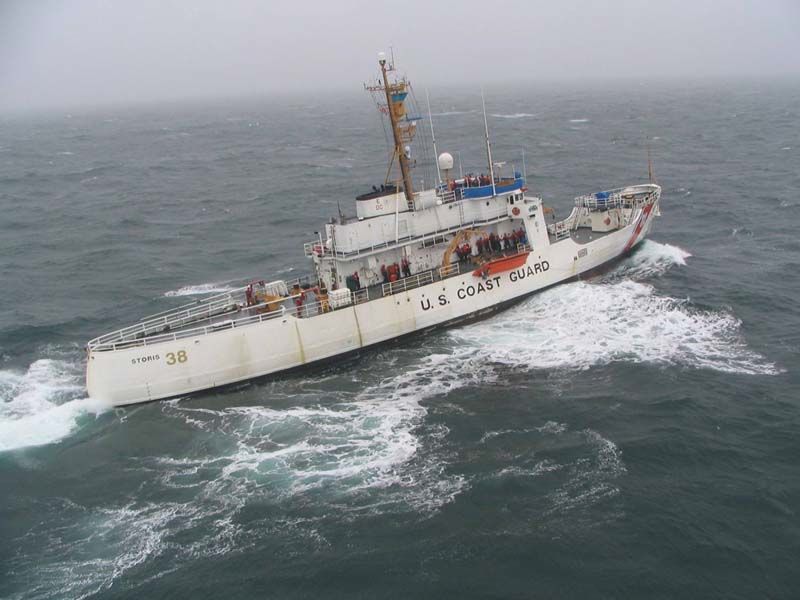
USCGC Storis

1992  CGC Storis became the cutter with the longest service in the Bering Sea, eclipsing the U.S. Revenue Cutter Bear which had held that distinction since 1929.  Bear was decommissioned in 1929 after serving in the Bering Sea for 44 years and two months.

This Day in Coast Guard History, November 15

Based on the Coast Guard Historian’s timeline, https://www.history.uscg.mil/research/chronology/
With inspiration from Mike Kelso

November 15

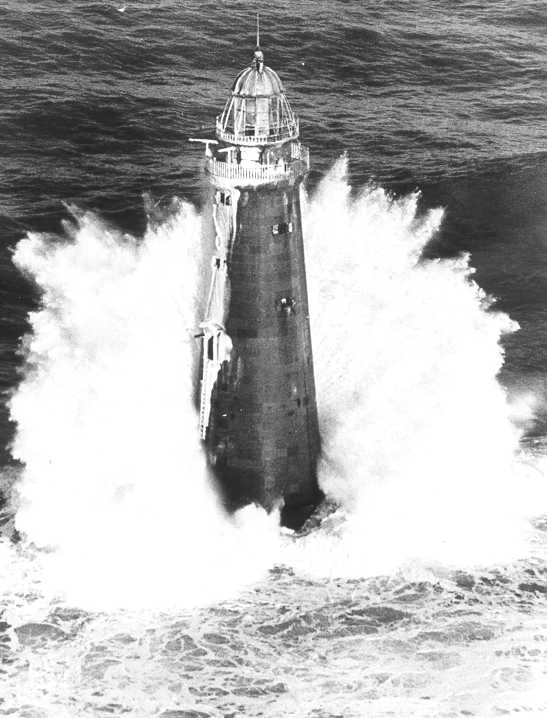
Minot’s Ledge ighthouse in a storm

1860  The light in the massive stone Minot’s Ledge Lighthouse, which was built on the original site of the one lost in 1851, was exhibited.  Work on the new lighthouse commenced in 1855 and finished in 1860.  “It ranks, by the engineering difficulties surrounding its erection and by the skill and science shown in the details of its construction, among the chief of the great sea-rock lighthouses of the world.”

1929  The SS Briton came ashore at Point Abino, Lake Erie, and was in danger of breaking up.  Coast Guard patrol boat CG-164, under the command of BMC Clarence C. Kimball, safely rescued all 27 persons on board the stricken vessel.

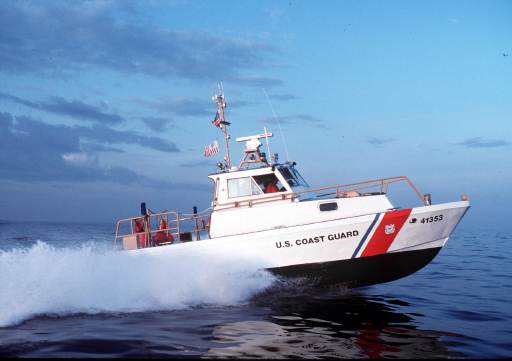
USCG 41-foot Utility boat

1977  Coast Guard UTB-41332 from Station Cape Disappointment capsized in the Columbia River during a night training exercise.  The UTB sank after the current swept it past the Columbia River Lightship.  Three Coast Guardsmen were killed in the accident: BM3 Greg Morris, BM3 Ray Erb, and SN Albin Erickson.

 “Twenty minutes into a night navigation exercise at Cape Disappointment, Washington, Coast Guard utility boat 41332 tracked off course, strayed into breaking surf, and capsized, trapping eight of its 10-person crew inside a dark, slowly flooding cabin. Over the next hour, the survivors fought their way underwater to the outside. Three students lost their lives.”

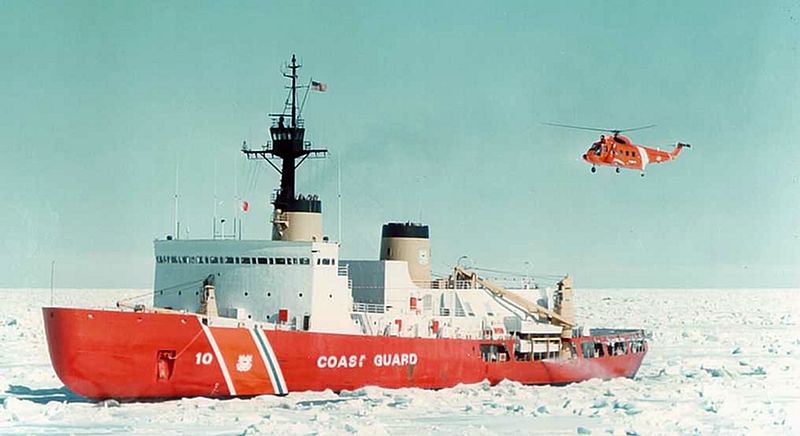
USCGC Polar Star. USCGC photo.

1977  CGC Polar Star departed Seattle en route Antarctica for ice tests and operational tasking in connection with Operation Deep Freeze.  Polar Star recently completed installation of modified propellers and open water engineering trails in the Seattle area.


“French Navy’s New Offshore Patrol Vessels to Feature Anti-Drone Detection System.” –Navy News/Army Recognition

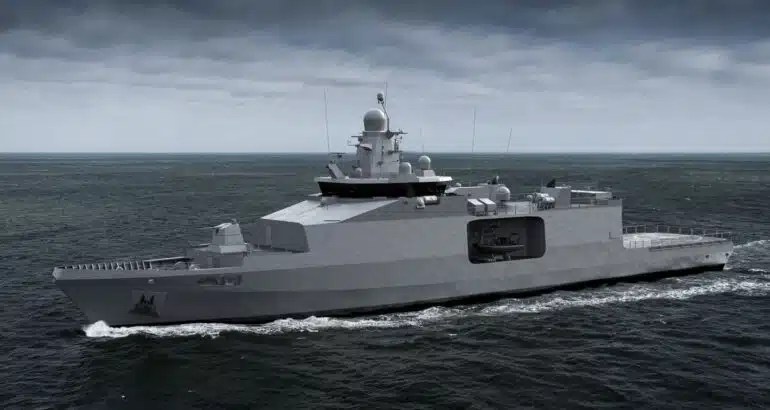
A model of the future French Navy’s Offshore patrol vessel at Euronaval 2024 in Paris, France. (Picture source: Army Recognition) Click on the photo to enlarge.

Army Recognition’s Navy News reports,

“According to a PR published by Cerbair on November 5, 2024, the French Navy’s new offshore patrol vessels, commissioned by the French Defense Procurement Agency (DGA) in 2023, will soon benefit from enhanced protection against drone threats. The French Navy ordered a fleet of seven vessels that will incorporate CERBAIR’s navalized radio frequency (RF) detection system, ensuring a level of security against increasingly sophisticated drone threats. This strategic move is a culmination of years of collaboration among CERBAIR, the French Navy, and key defense industry partners such as Naval Group, CMN, Piriou, and Socarenam shipyards.”

The USCG is also concerned about drone threats. The post seems to be talking an electronic warfare system. The National Security Cutters, Offshore Patrol Cutters, and 270 foot WMECs all have or will have electronic warfare systems. Their effectiveness (or not) against drones is not clear.

Probably the most effective thing the US Coast Guard could do against drones in the short term is to trade the 25mm guns they have in Mk38 mounts for 30mm guns that have airburst ammunition available. That could provide a capability on the OPCs, the SLEPed WMEC270s, and most importantly the FRCs as the units most likely to encounter this threat.

There are two different 30mm chain guns. Both fire airburst ammunition. The 25mm may be better than the 30mm M230/914 family that use the lower velocity 30x113mm round for countering surface threats, but we know the 30mm Mk44 Bushmaster II/XM813 is significantly better than the 25mm against surface targets as well as air targets.

The Army Recognition post included a new photo of a model of the new class of Offshore Patrol Vessels, so thought we might take another look at the program.

These seven ships, which will perform coast guard like missions, were ordered almost exactly a year ago, 17 November 2023 and are expected to be delivered from 2026 to 2030. Three additional ships are expected to be delivered 2031,2032, and 2033.

Artist impression of the Patrouilleur Hauturier OPV underway. Naval Group image.

Wikipedia reports these vessels will be 92 metres (302′) long and will have a fully loaded tonnage of approximately 2,400 tons. They will have a range of 6,000 nautical miles @12 knots with maximum speed of 21 knots. 

“They will be able to accommodate 84 people on board (crew and passengers combined). They will be able to take on board the Navy’s EDO NG and ECUME NG (RHIBs–Chuck). The hangar and the aft deck will be able to accommodate the future Guépard Marine (H160M Cheetah helicopter–Chuck) or a VSR700 type helidrone .

The patrol boats will be equipped with the RapidFire Naval close-quarters weapon system, designed by Nexter and Thales around its 40 CTC telescoping ammunition cannon, equipped with an optronic fire control system, a range of 4,000 m and a rate of fire of 200 rounds/min. They will be equipped with Thales’ Bluewatcher hull sonar as part of their mission to support nuclear deterrence.” (Force Protection for French ballistic missile submarines–Chuck)

I did a post about the gun in 2016.

Late addition. Naval News has a post about this new class. It includes the video below.

“Icebreaker ‘Aiviq’ to Join U.S. Coast Guard Before End of Year to Bolster Arctic Presence” –gCaptain

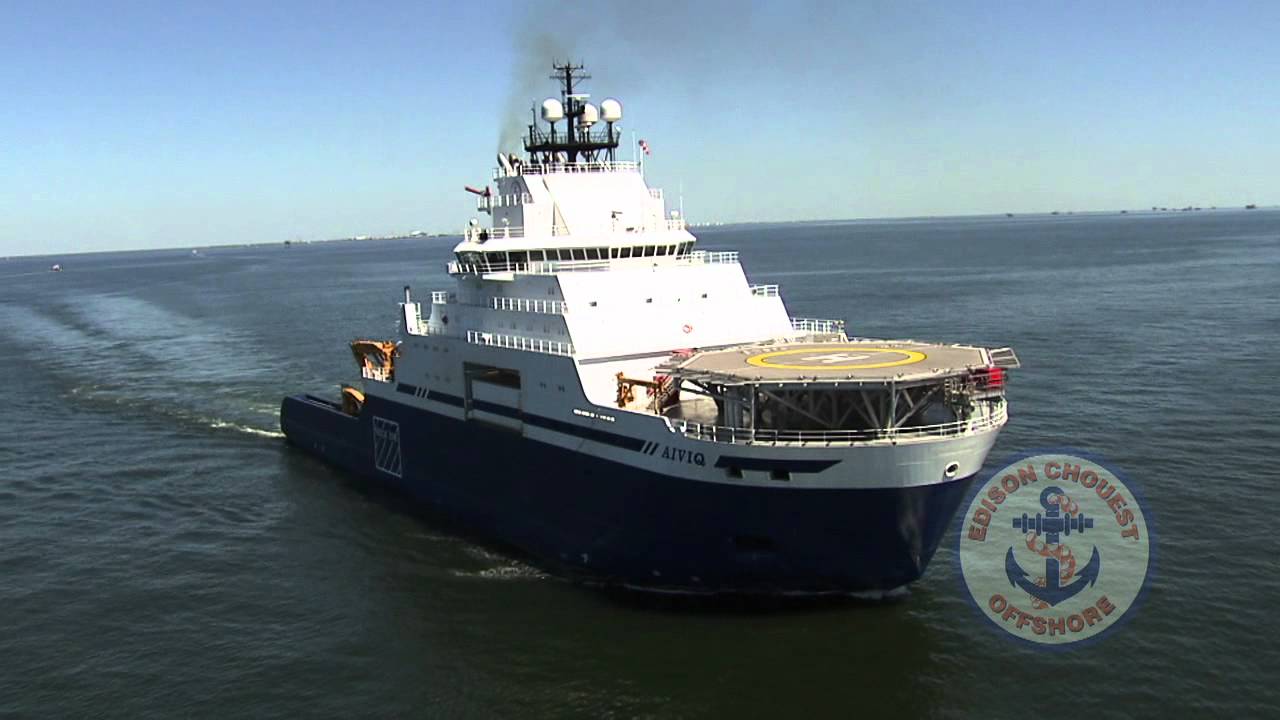
Icebreaking Anchor Handling Vessel Aiviq

gCaptain reports, 

Commercial Polar icebreaker Aiviq will join the U.S Coast Guard inventory before the end of the calendar year, officials announced during a Congressional hearing on Capitol Hill…“We are making tremendous strides. It’s painted about a quarter of the way in Coast Guard icebreaker red and it’s underway today with a team from the owners doing an evaluation and we’ll get on the vessel in the coming weeks,” confirmed VADM Thomas Allan, in front of the House Subcommittee on Transportation and Infrastructure…“It will be in the Coast Guard inventory before the end of this calendar year and we will be sailing that up into the Arctic in 2026,” expanded VADM Allan.

An earlier post recounts “The Icebreaker Aiviq Saga.”

In October 2015 we learned that Shell had abandoned its ambitions to drill in the Arctic and that Aiviq was up for sale and that construction had been suspended on a second icebreaking AHTS, meaning it might also be available. I suggested, “This might be an opportunity for the Coast Guard to obtain one or two reasonably capable medium icebreaker in the near term on favorable terms.” Icebreaker Bargain?

This Day in Coast Guard History, November 14

Based on the Coast Guard Historian’s timeline, https://www.history.uscg.mil/research/chronology/
With inspiration from Mike Kelso

November 14

Coast Guard helicopter hovers over scene as Coast Guard and others fight fire aboard the coastal tanker Dynafuel and the Norwegian freighter Fernview following collision at sea ten Miles off New Bedford, Mass., this morning.

1963  Coast Guard air and surface rescue craft responded immediately when the freighter Fernview and the tanker Dynafuel collided in Buzzards Bay. Fernview sliced into Dynafuel’s stern. While helicopters removed the injured aboard the stricken ships, surface craft extinguished the fires.  Coast Guard units had completed the evacuation of all aboard the disabled vessels before the Fernview backed away and Dynafuel capsized and sank. Five crewmen aboard the tanker were lnjured but all 62 aboard the two vessels were rescued.

(Photos show and HU-16E, an H-52, USCGC White Sage (WLM-544), two Active class WMEC125s, a WPB95. and a 40 footer)

A United States Coast Guard (USCG) Port Security Unit (PSU) boat crew pictured while undergoing a tactical training exercise.

1990  PSU 302, staffed by reservists from Cleveland, Ohio, arrived in the Persian Gulf in support of operation Desert Shield.  They were stationed in Bahrain.

HH-60J Air Station Astoria

1991  An HH-60J Jayhawk from Aviation Training Center Mobile participated in a search and rescue operation off the coast of Alabama, the first such case conducted by an HH-60J, which was just beginning to enter Coast Guard service.

Response Boat, Medium (RB-M). Photo from Vigor

2008  The Coast Guard received a report of a homemade migrant vessel heading north towards the Marquesas Keys 30 miles west of Key West, Florida.  An RB-M was dispatched from Sector Key West to intercept the vessel, with a smaller special purpose boat capable of making shallow water pick-ups following the RB-M to the scene.  A Special Purpose Craft – Law Enforcement (SPC-LE) was also dispatched to assist.  The RB-M arrived first on scene to find the small, outboard-driven vessel about two miles southwest of the Marquesas Keys making an attempt to go ashore.  Though the vessel proved to be fairly agile and was quickly closing the distance to shore, the RB-M used its speed and maneuverability to “shoulder” the vessel, keeping it in deeper water until it could be disabled.  Using a boat hook, the RB-M crew disconnected the fuel line to the outboard engine, rendering it inoperable.  The fourteen migrants aboard were then safely removed from the vessel.

“Coast Guard to hold rescheduled commissioning and ribbon-cutting ceremony for newest air station in more than 25 years” –D11

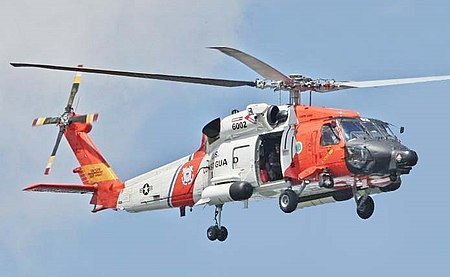
The first MH-60T medium range recovery helicopter to operate out of new Air Station Ventura lands on the station’s ramp on June 8, 2024. U.S. Coast Guard photo.

Below is a District eleven (California) media advisory. More information about the air station and the MH-60T program in this earlier post. The ribbon cutting was originally to have been done June 18. I’ve seen no explanation for the delay. There has been an aviation detachment in the LA/Long Beach area for some time. With the addition of Ventura, there will be five CG air stations in District Eleven, San Diego (MH-60T), Ventura (MH-60T), San Francisco (MH-65), Sacramento (C-27J), and Humbolt Bay (MH-65).

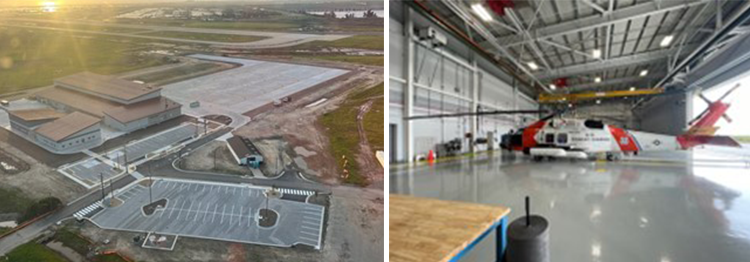
The new Coast Guard Air Station Ventura and its MH-60T hangar is located at Naval Base Ventura County in Point Mugu, California. U.S. Coast Guard photos.

Nov. 12, 2024

Editor’s Note: Media are asked to RSVP by 5 p.m., Tuesday, Nov. 12 by contacting District 11 public affairs at 206-815-6689 or PADETLA@USCG.MIL.

WHAT: Commissiong and ribbon-cutting ceremony for Coast Guard Air Station Ventura

WHO:

  • Vice Adm. Andrew J. Tiongson, commander, Coast Guard Pacific Area
  • Rear Admiral Joseph R. Buzzella, commander, Coast Guard District 11
  • Rear Adm. Mike E. Campbell, director, Coast Guard Acquisition Programs and Program Executive Officer
  • Cmdr. Amanda Sardone, commanding officer, Coast Guard Air Station Ventura

WHEN: Nov. 13, 2024 at 10 a.m. to 11 a.m.

WHERE: Naval Base Ventura County Point Mugu: 190 Third St., Point Mugu, CA 93042.

SAN PEDRO, Calif. — The Coast Guard is scheduled to hold a commissioning and ribbon-cutting ceremony for Coast Guard Air Station Ventura at Naval Base Ventura County in Point Mugu, Wednesday. The ceremony will mark the official establishment of the newest Coast Guard air station in more than 25 years.

Recently, the aircrew of Air Station Ventura conducted three rescues:

  • Oct. 13, 2024: Air Station Ventura medevac a 63-year-old woman suffering from abdominal pain from the Cruise Ship Grand Princess
  • Oct. 17, 2024: Air Station Ventura conducted hoist from vessel in 10-foot seas for a diver suffering decompression sickness near Anacapa Islands in Channel Islands.
  • Oct. 31, 2024: Air Station Ventura medevac a man suffering from seizures from Cruise Ship Celebrity Radiance 90-miles from Air Station Venture.

The air station serves a crucial role in protecting the maritime region from Orange County to San Luis Obispo County including the vital ports of Los Angeles and Long Beach. Its missions will include 24/7 emergency response; search and rescue; drug and migrant interdiction; law enforcement; and marine safety and environmental protection. The permanent presence of the Coast Guard in Ventura County provides enhanced security and quicker response times to emergencies, benefiting both the local community and maritime industries.

Air Station Ventura features:

  •  $70 million state-of-the-art, 43,000 square-foot hangar facility
  • 12,000 square-foot administration facility and berthing facility
  • One MH60-T Jayhawk helicopter and expected to receive two more
  •  Approximately 100 Coast Guard personnel

District 11 now consists of four active air stations ranging from Humboldt Bay down to San Diego.

This Day in Coast Guard History, November 13

Based on the Coast Guard Historian’s timeline, https://www.history.uscg.mil/research/chronology/
With inspiration from Mike Kelso

November 13

USLSS Station Rockaway Point, NY

1883  The sloop Madge Schults capsized as she was passing in through Rockaway Inlet, about half a mile distant from the Rockaway Point Station (Third District).  The only crewman of the sloop clung to the bottom of his craft and made signals for help.  They were seen by the lookout at the station and the life-saving crew went off in their boat.  He was taken from the water and landed on Barren Island.

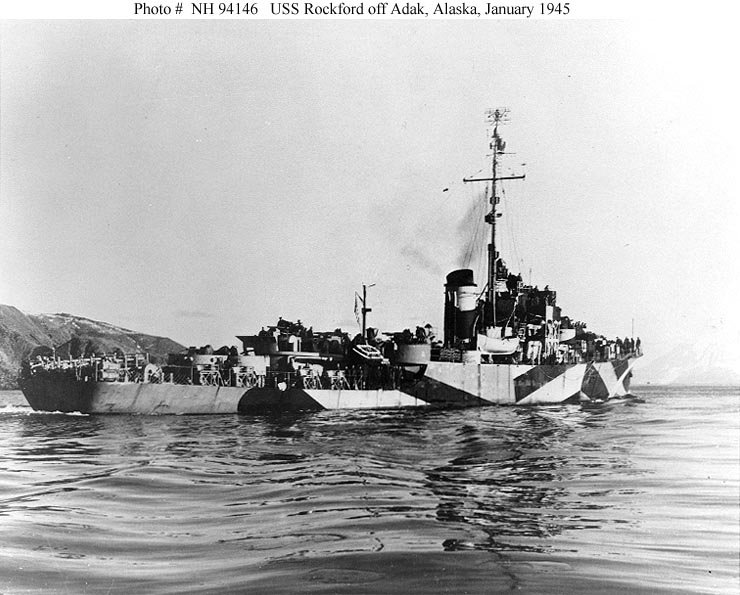
USS Rockford (PF-48) off Naval Operating Base Adak, Alaska, 30 January 1945. Her camouflage paint is Measure 32, Design 16d. Courtesy of the U.S. Naval Institute Photo Collection. U.S. Navy photo NH 94146

1944  The Coast Guard-manned frigate USS Rockford and the Navy minesweeper USS Ardent attacked and sank the Japanese Navy submarine I-12 mid-way between Hawaii and California.  There were no survivors.  In sinking I-12, Ardent and Rockford unwittingly avenged the atrocity I-12 had perpetrated on October 30, 1944 when, after sinking the Liberty Ship John A. Johnson, the submarine rammed and sank the lifeboats and rafts and then machine-gunned the 70 survivors.

Antenna of USCG Rescue 21 system at Cape Hatteras National Seashore. 

2005  The first rescue using the new Rescue 21 command, control and communications system took place off Ocean City, Maryland.  All three persons on board a swamped 20-foot fishing boat were safely rescued.

A Coast Guard C-27J Spartan crew, assigned to Coast Guard Air Station Sacramento, flies over San Francisco, California, during area of responsibility familiarization training, Monday, Feb. 6, 2018. The C-27Js are outfitted with weather radar and communications equipment capable of supporting transport and other Coast Guard missions. Coast Guard photo by Lt. Scott Handlin

2014  The first Alenia C-27J to complete the Coast Guard’s regeneration process arrived at the C-27J Asset Project Office in Elizabeth City, North Carolina, where it was to be used to train and qualify Coast Guard aircrew and maintenance personnel, as well as develop flight and maintenance procedures for Coast Guard-specific mission profiles.  Ultimately the aircraft would receive the equipment and systems needed to perform the full spectrum of Coast Guard missions.

This Day in Coast Guard History, November 12

Based on the Coast Guard Historian’s timeline, https://www.history.uscg.mil/research/chronology/
With inspiration from Mike Kelso

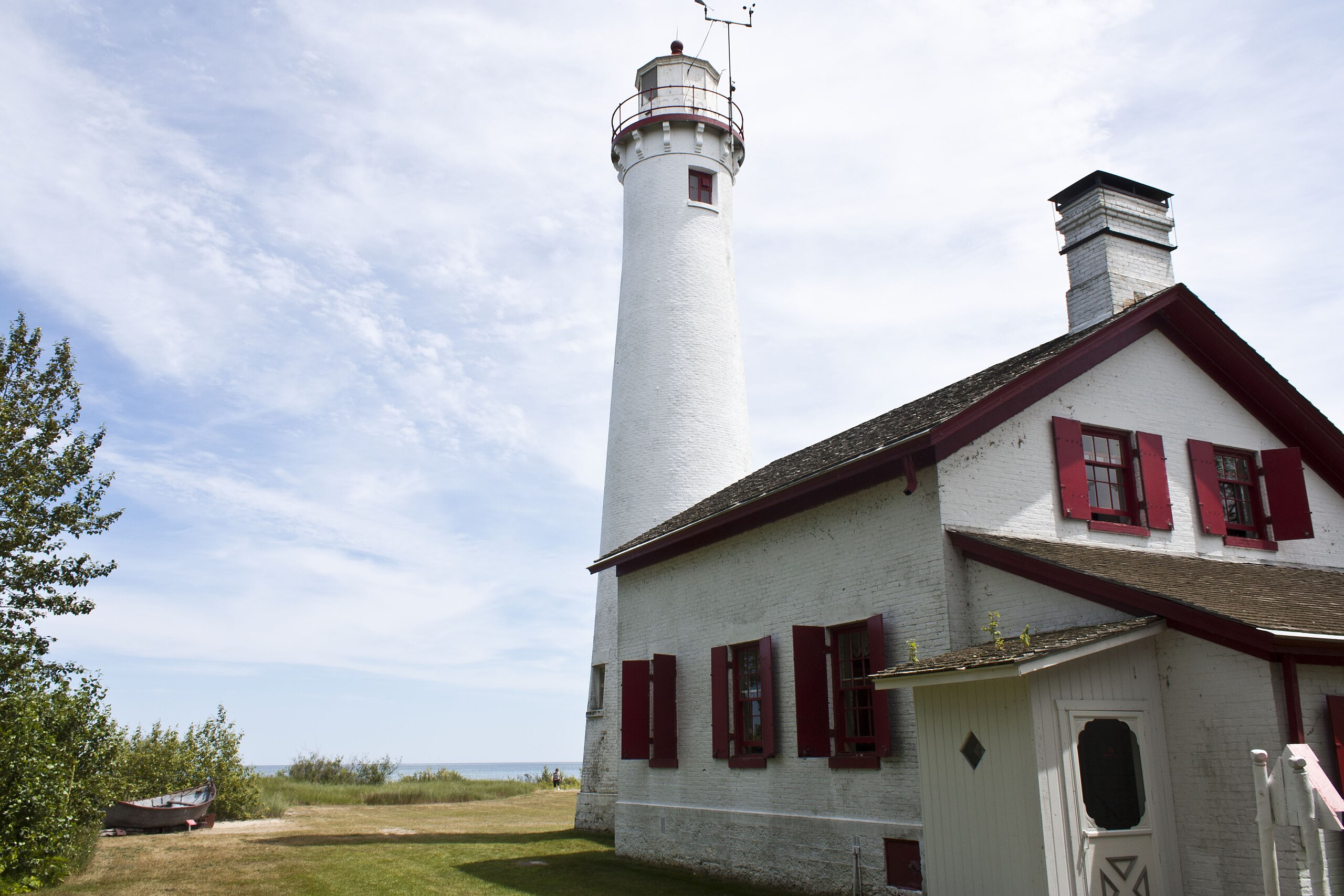
View of the Sturgeon Point Lighthouse in Harrisville, Michigan. The lighthouse was completed in 1870. Photo credit: Dylan L. Tanner

1882  On November 11, the steam-barge H.C. Schnoor struck on the bar off Alcona (MI) at 11 o’clock at night about three hundred yards from the shore (on Lake Huron).  A strong southeast gale prevailed at the time, and there was a heavy sea.  At 8 o’clock in the morning of the next day (November 12) a team came with the news from Alcona to Station No. 5, Tenth District, (Sturgeon Point), about four miles and a half from the scene of the disaster.  After a half-hour for preparation, the keeper was on the road with two teams, one bearing the wreck ordnance and the other the surfboat.  An hour later they arrived and launched the surfboat.  The surf, however, was so heavy that they failed to get alongside the barge and they were obliged to return.  The wreck-gun was then used.  The gear, having been set up, the mate was brought ashore by the breeches-buoy.  As the crew was obliged to work from a point of land so narrow that they could not spread sufficiently to keep the lines apart, they twisted.  The heavy current caused the lee part of the whip-line to foul with the hawser.  Before the lines could be cleared, however, the wind changed and beat down the sea.  The surfboat was launched and took the captain (who had been on shore at Alcona) and the mate back to the barge.  The immediate danger ended with the subsidence of the sea.  The life-saving crew returned to the station.