“Chinese Maritime Safety Officers Beat Vietnamese Fishermen During South China Sea Interdiction, Say Officials” –USNI

Personnel from the China Maritime Safety Administration board and attack the crew of the Vietnamese fishing vessel QNg 95739 TS. Screenshot of a Maritime Safety Administration video released by SCSPI on Sept. 29, 2024. 

The US Naval Institute News Service reports an incident in which personnel of the China Maritime Safety Agency boarded a Vietnamese fishing vessel. The boarding was resisted by the Vietnamese fishermen (see the video below) and when the Chinese agents came aboard, they severely beat the fishermen with metal rods.

This is just another example of the Chinese attempting to intimidate their perceived enemies by using brutal, but usually less than deadly force. There have been conflicts with India and the Philippines at similar levels of violence. Chinese fishermen have also responded with similar levels of violence when being boarded by South Korean Coast Guard.

I am surprised this was done by the China Maritime Safety Agency rather than by the China Coast Guard. This may reflect an attempt by the Maritime Safety Agency to enhance its status in the Chinese government, perhaps even an effort to prove its continued relevance.

Where this happened is not stated. Presumably it was inside China’s self-declared Nine Dash Line, but outside China’s internationally recognized Exclusive Economic Zone (EEZ) and probably within Vietnam’s EEZ.


This Day in Coast Guard History, October 9

Based on the Coast Guard Historian’s timeline, https://www.history.uscg.mil/research/chronology/
With inspiration from Mike Kelso

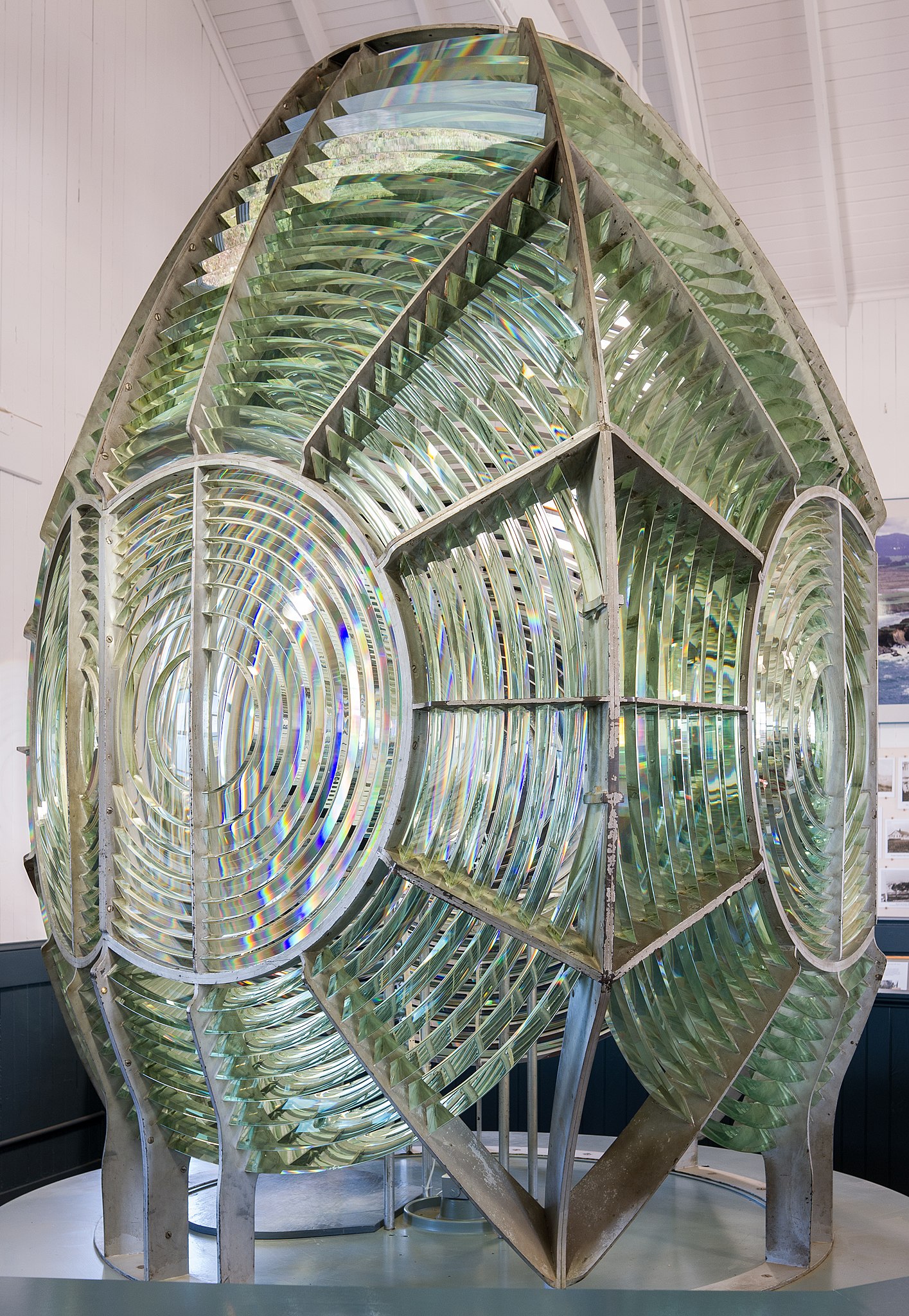
Fresnel Lens at Point Arena Lighthouse Museum, Point Arena Lighthouse, Mendocino County, California. Taken on 25 March 2012 by Frank Schulenburg

1852  The Lighthouse Board, which administered the lighthouse system until July 1, 1910, was organized. “This Board was composed of two officers of the Navy, two officers of the Engineer Corps, and two civilians of high scientific attainments whose services were at the disposal of the President, and an officer of the Navy and of the, Engineers as secretaries. It was empowered under the Secretary of the Treasury to “discharge all the administrative duties” relative to lighthouses and other aids to navigation. The Secretary of the Treasury was president of the Board, and it was authorized to elect a chairman and to divide the coast of the United States into twelve lighthouse districts, to each of which the President was to assign an army or navy officer as lighthouse inspector.” (The Lighthouse Board revolutionized coastal navigation.)

1858  The Secretary of the Treasury appointed a three-man board of U.S. Revenue Marine officers to consider a lifeboat design best adapted for life-saving work.

PC-590 Sea Trials. Source, Bob Daly/PC-1181/NavSource.

1945  Coast Guard manned patrol vessel USS PC-590 grounded and sank in typhoon off Okinawa.  All hands were rescued.

Okinawa, 9 October 1945. PC-590 breaking up in Typhoon Louise. Source: CDR John B. Payne, USNR, Ret. and NavSourcce.

1982  The first rescue using COSPAS/SARSAT occurred on this date when the trimaran Gonzo capsized 300 miles east of Cape Cod.  Gonzo’s ELT distress transmission was picked up by the Soviet COSPAS satellite and the sailing ship’s coordinates were transmitted to the U.S.  A Coast Guard HC-130 and a Canadian Air Force aircraft were directed to the scene and USCGC Vigorous safely rescued the three crewmen.  The new “space-age” satellite search-and-rescue system was a joint U.S., Canadian, French and Soviet project that at this time utilized a single Soviet satellite.

The components and operation of the Cospas-Sarsat system

1993  Crews from seven 8th District units and several civilian vessels joined forces in response to an explosion and fire aboard the 660-foot bulk-liquid carrier OMI Charger near the Houston Ship Channel.  She had no fuel aboard when the explosion occurred the night of October 9.  CGC Point Spencer served as the command platform and personnel and boats from ATON Team Galveston joined the response effort, which included fire-fighting, SAR, and pollution response assistance.  The fire was extinguished five hours after the initial explosion.  Two of the tanker’s crewmen were killed in the blast.  Personnel from the Gulf Strike Team arrive on scene on October 10 and determined that the vessel’s fuel was still all aboard.  It was removed prior to the vessel being towed to port where it was declared a total loss.  A joint Coast Guard and National Transportation Safety Board met to investigate the explosion.

OMI Charger. From Wikipedia: “On October 9, 1993, while the tanker was anchored at Boliver Roads near Galveston, Texas, work began on sealing a previously discovered leak in a cargo tank. When a crew member lit an arc welder inside a tank, it ignited gasoline vapors, causing a tremendous explosion which killed three crew members and injured seven. The subsequent fire burned for five hours, and the ship was a total loss.”

“Interview with the Chief of the Colombian Navy” –Naval News

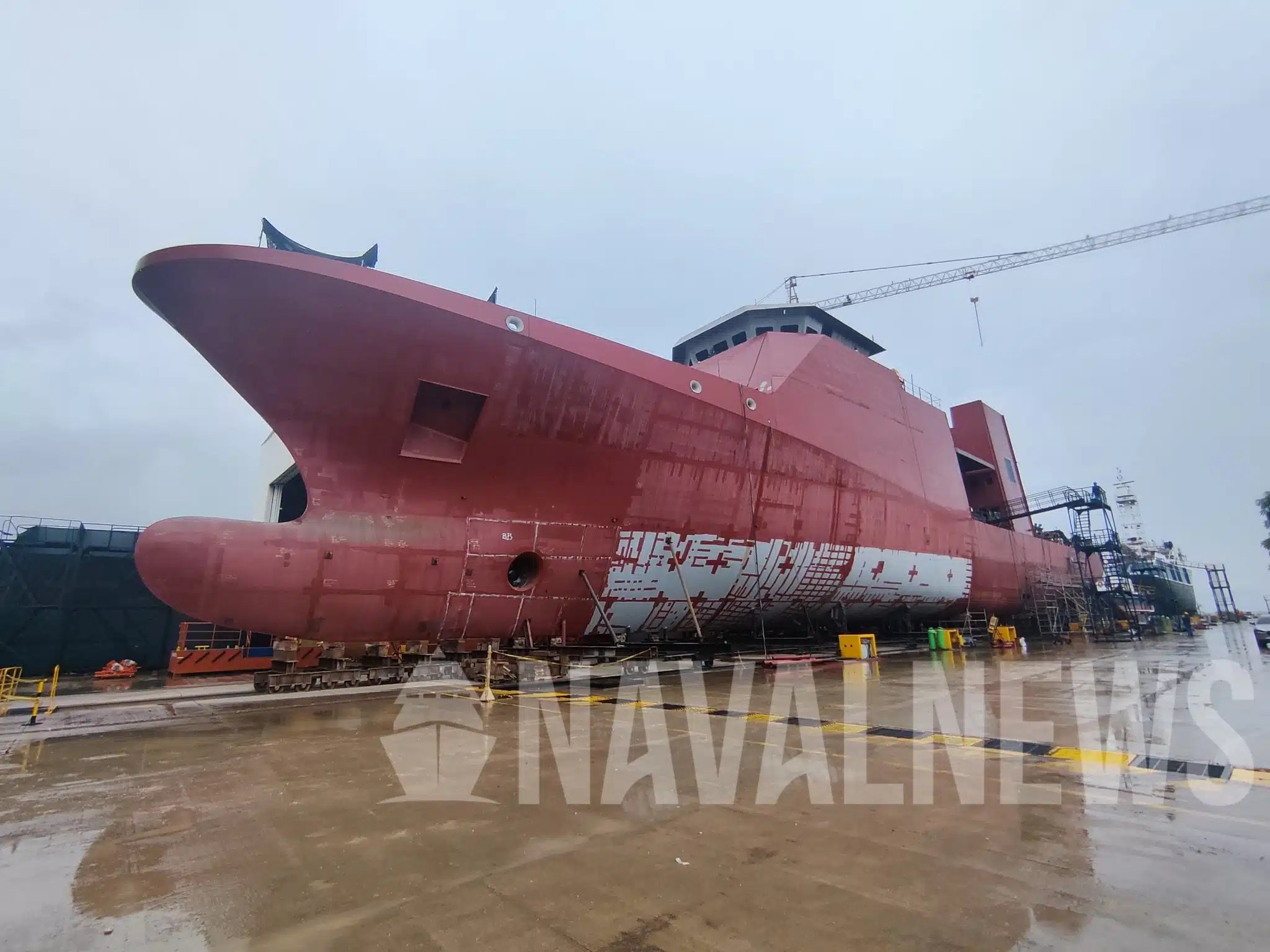
The 93-meter Offshore Patrol Vessel (OPV) is the first OPV that was designed and built by national means in Colombia

Naval News has an excellent interview with Vice Admiral Juan Ricardo Rozo Obregon, Chief of the Colombian Navy. It covers many topics of common interest with the US Coast Guard.

He mentions an intelligence sharing system I was not aware of.

Currently, we have developed capabilities in information systems and software development, reaching a high degree of technological independence. This autonomy has allowed the creation of advanced technological solutions with our own resources, reflected in the digitalization and automation of processes. An important example of these advances is the development of the Orion Platform, which integrates drug trafficking information from more than 62 countries worldwide, registering alerts and operational results with real-time visualization and monitoring.

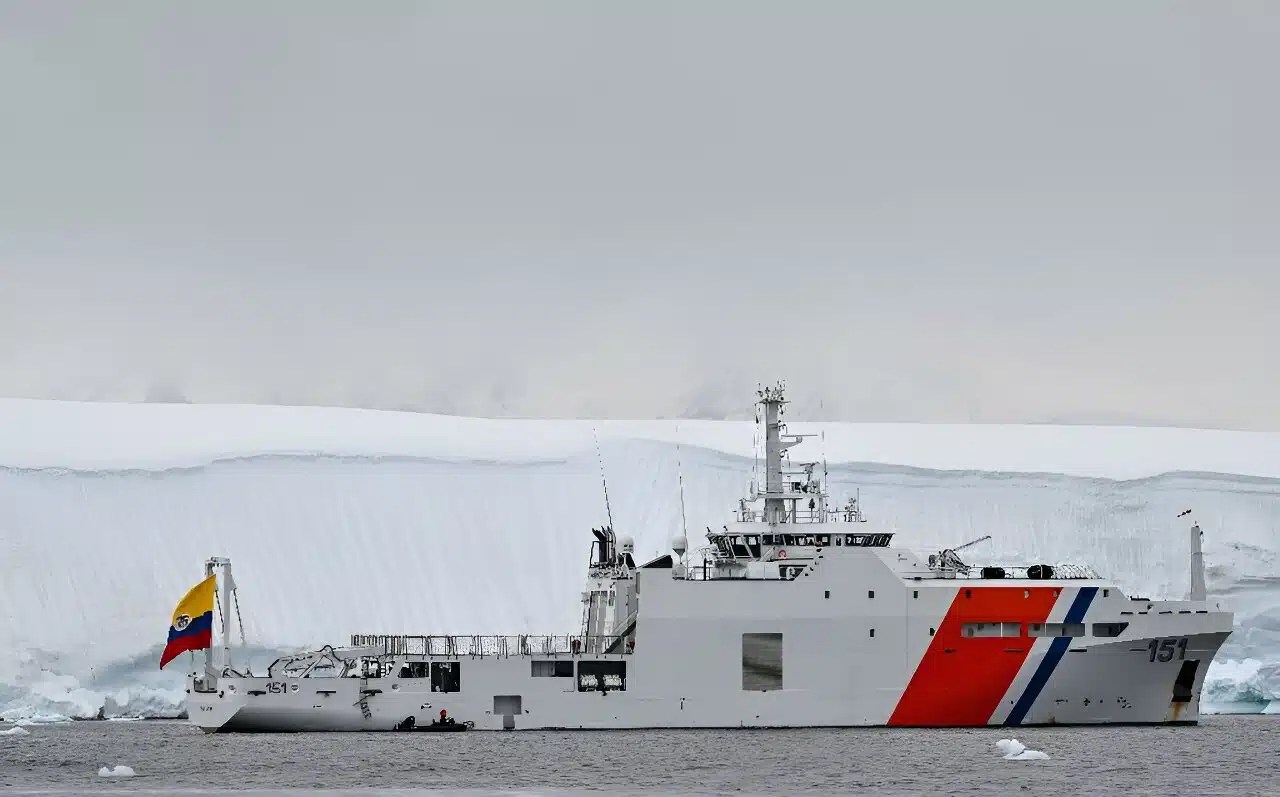
Simon Bolivar, Arctic-capable Research Ship (Colombian Navy photo)

Also discussed is Colombian Navy support of Antarctic research.

Illustration of the Colombian Navy’s future SIGMA 10514 frigate (Damen picture)

An accompanying illustration of one of the five Damen designed light frigates Colombia is building gives us a bit more indication of how they will be armed. There is a 76mm on the bow, a 16 cell vertical launch system, quad cruise missile launch tubes between the bridge and the stacks, and a BAE 40m Mk4 well aft on top of the hangar. They will probably have ASW torpedo tubes as well.

This Day in Coast Guard History, October 8

Based on the Coast Guard Historian’s timeline, https://www.history.uscg.mil/research/chronology/
With inspiration from Mike Kelso

1847  To reduce the expenditures of the Treasury Department, Secretary of the Treasury Robert J. Walker ordered a reduction of the complements on revenue cutters.

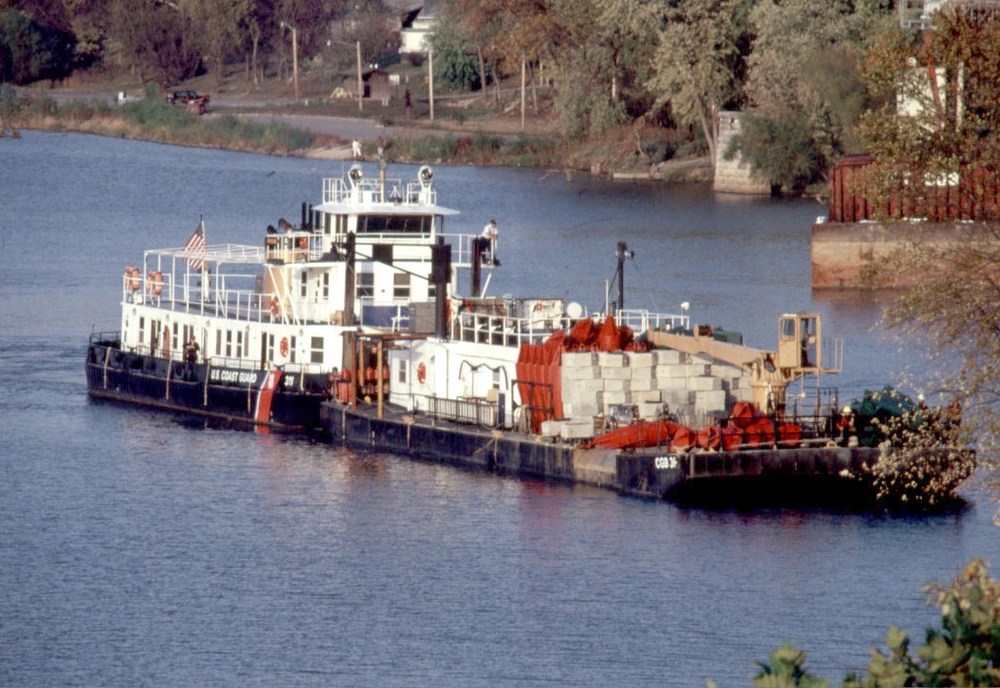
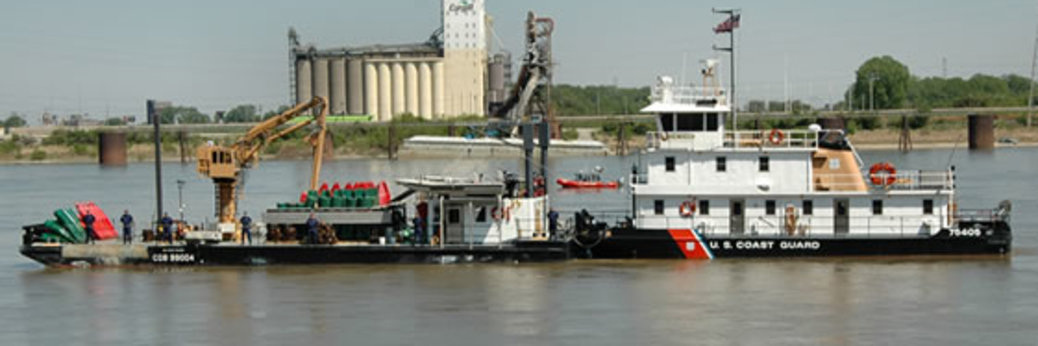
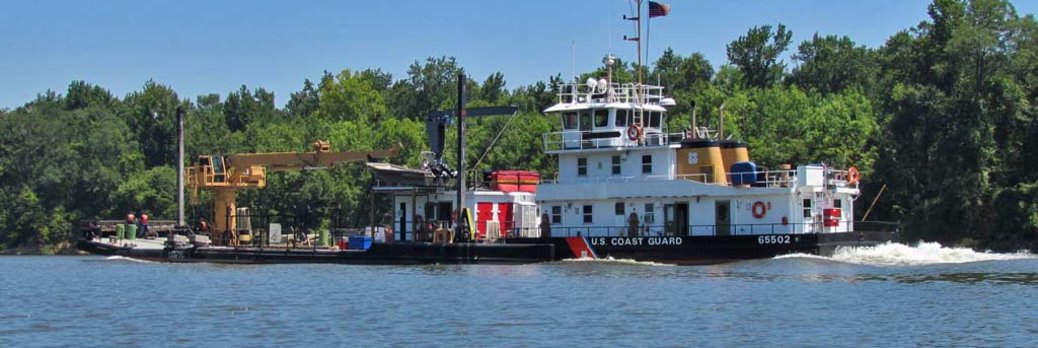
Kaskaskia River, IL (Oct. 10, 1990)–The Coast Guard Cutter Sumac (WLR-311) on Kaskaskia River in Illinois. Photo by PA2 Robin Ressler

1986  Coast Guard units evacuated flood victims from the St. Louis area using punts, helicopters and trucks after the Mississippi and Missouri rivers flooded.  In all, 150 Coast Guardsmen participated in the emergency flood relief efforts.  Coast Guard units that sent relief teams were: MSO St. Louis; Base St. Louis; CGCs Sumac, Cheyenne, and Cimarron; ATON Facility Leavenworth, Kansas; 2nd District office; and Air Stations New Orleans and Traverse City.

USCGC Cheyenne

USCGC Cimarron

“Coast Guard Polar Security Cutter (Polar Icebreaker) Program: Background and Issues for Congress, Updated October 2, 2024” –CRS

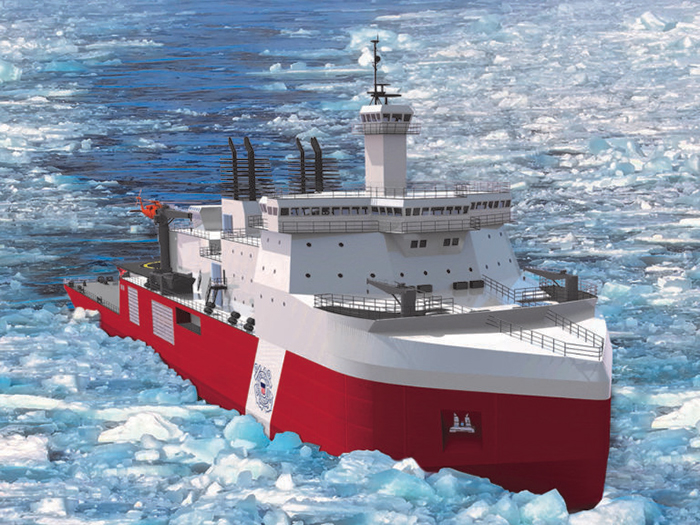
USCG Polar Security Cutter [Image courtesy Halter Marine / Technology Associates, Inc.]

The Congressional Research Service has once again updated their look at the Polar Security Cutter (heavy icebreaker) program. Also included are looks at the Great Lakes and Commercial Icebreaker procurement efforts. (See the latest version here.)

I have reproduced the summary below.

The news here is that there is so little news.

  • Polar Security Cutter, “The Coast Guard’s proposed FY2025 budget requests no procurement funding for the PSC program.”
  • Commercially available Polar Icebreaker, “The Coast Guard’s proposed FY2025 budget requests no procurement funding for the CAPI program.”
  • Great Lakes Icebreaker, “The Coast Guard’s proposed FY2025 budget requests no procurement funding for the program.”
  • Arctic Security Cutter (the Medium Icebreaker), the PSC is “to be followed at some later point (emphasis applied–Chuck) by the acquisition of new Arctic Security Cutters (ASCs)…

GAO has been saying the Coast Guard cannot possibly build the Polar Security Cutters for the price currently contracted. The shipyard has been building some sample sections. I suspect that part of the reason is to find a more realistic estimate of how much they will cost. “If substantial cost growth occurs in the PSC program, it could raise a question regarding whether to grant some form of contract relief to the PSC shipbuilder.”

Note, there is still no publicly available information from the 2023 Fleet Mix study, other than the required number of icebreakers. Why not?


SUMMARY

Required number of polar icebreakers. A 2023 Coast Guard fleet mix analysis concluded that the service will require a total of eight to nine polar icebreakers, including four to five heavy polar icebreakers and four to five medium polar icebreakers, to perform its polar (i.e., Arctic and Antarctic) missions in coming years.

Current operational polar icebreaker fleet. The operational U.S. polar icebreaking fleet currently consists of one heavy polar icebreaker, Polar Star, and one medium polar icebreaker, Healy. A second Coast Guard heavy polar icebreaker, Polar Sea, suffered an engine casualty in June 2010 and has been nonoperational since then. Polar Star and Polar Sea entered service in 1976 and 1977, respectively, and are now well beyond their originally intended 30-year service lives. The Coast Guard plans to extend Polar Star’s service life until the delivery of at least the second Polar Security Cutter (PSC; see next paragraph).

Polar Security Cutter (PSC). The Coast Guard Polar Security Cutter (PSC) program aims to acquire four or five new PSCs (i.e., heavy polar icebreakers), to be followed at some later point by the acquisition of new Arctic Security Cutters (ASCs) (i.e., medium polar icebreakers). The Coast Guard in 2021 estimated PSC procurement costs in then-year dollars as $1,297 million (i.e., about $1.3 billion) for the first ship, $921 million for the second ship, and $1,017 million (i.e., about $1.0 billion) for the third ship, for a combined estimated cost of $3,235 million (i.e., about $3.2 billion). The PSC program has received a total of about $1,731.8 million in procurement funding through FY2024. The Coast Guard’s proposed FY2025 budget requests no procurement funding for the PSC program. One oversight issue concerns the accuracy of the PSC’s estimated procurement cost, given the PSC’s size and internal complexity as well as cost growth in other Navy and Coast Guard shipbuilding programs. If substantial cost growth occurs in the PSC program, it could raise a question regarding whether to grant some form of contract relief to the PSC shipbuilder. Another oversight issue concerns the delivery date for the first PSC: the Coast Guard originally aimed to have the first PSC delivered in 2024, but the ship’s estimated delivery date has been delayed repeatedly and may now occur no earlier than 2029.

Commercially available polar icebreaker (CAPI). The Coast Guard’s proposed FY2024 budget requested, and the FY2024 Department of Homeland Security (DHS) Appropriations Act (Division C of H.R. 2882/P.L. 118-47 of March 23, 2024) provided, $125.0 million in procurement funding for the purchase of an existing commercially available polar icebreaker (CAPI) that would be modified to become a Coast Guard medium polar icebreaker. The ship the Coast Guard intends to purchase and modify is Aiviq, a U.S.-registered ship that was originally built to serve as an Arctic oil-exploration support ship, and which has an icebreaking capability sufficient for the ship to serve following modification as a Coast Guard medium polar icebreaker. The Coast Guard’s proposed FY2025 budget requests no procurement funding for the CAPI program. The Coast Guard’s FY2025 Unfunded Priorities List (UPL) includes an item for $25.0 million in procurement funding for the ship.

Great Lakes icebreaker (GLIB). The Coast Guard’s FY2024 budget initiated a program for procuring a new Great Lakes icebreaker (GLIB) that would have capabilities similar to those of Mackinaw, the Coast Guard’s existing heavy GLIB. The FY2024 DHS Appropriations Act (Division C of H.R. 2882/P.L. 118-47 of March 23, 2024) provided $20.0 million in procurement funding for the GLIB program. The Coast Guard’s proposed FY2025 budget requests no procurement funding for the program. The Coast Guard’s FY2025 UPL includes an item for $25.0 million in procurement funding for the program.

This Day in Coast Guard History, October 7

Based on the Coast Guard Historian’s timeline, https://www.history.uscg.mil/research/chronology/
With inspiration from Mike Kelso

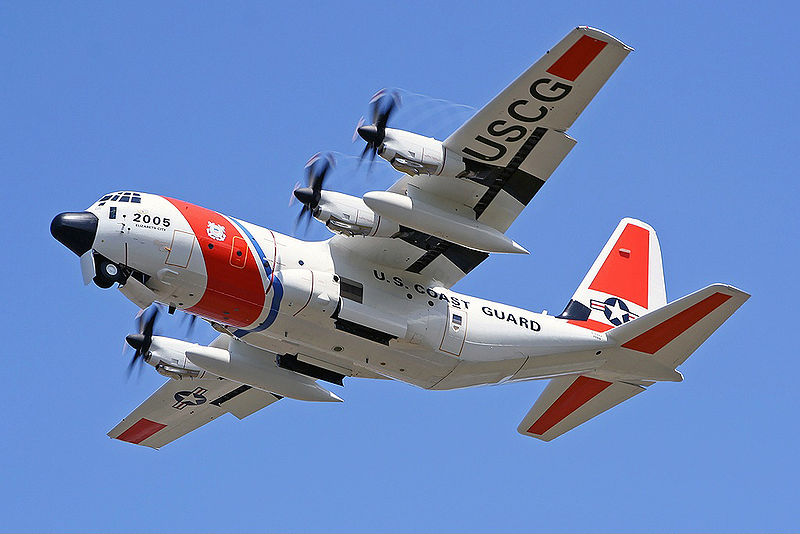
1986  An HC-130 from Air Station Elizabeth City located the disabled 44-foot Polish sailing vessel Gaudeamus with six Polish citizens aboard about 400 miles east of New York.  A motor vessel was on scene with Gaudeamus when it was found by the HC-130 and remained there until CGC Taney arrived the next day and took the boat in tow.  CGC Cape Henlopen rendezvoused with Taney and took over the tow to Newport, Rhode Island.  The Polish Embassy sent the Coast Guard a diplomatic note extending the thanks of the Polish government for the Coast Guard’s assistance in this case.

Former USCGC Taney now a Museum Ship in Baltimore

This Day in Coast Guard History, October 6

Based on the Coast Guard Historian’s timeline, https://www.history.uscg.mil/research/chronology/
With inspiration from Mike Kelso

October 6

1881  At daylight the crew of Station No. 1, First District (Carrying Point Cove, West Quoddy Head, Maine), sighted a schooner at anchor some four miles east-southeast of the station.  She did not appear to be in distress, and as no signal was made it was supposed she had simply anchored to await the abatement of the winds, which at the time was blowing strong from the northwest.  The keeper ordered a close watch on the schooner, in case she should signal for assistance.  At 11 a .m. the lookout observed a boat leave her side and attempt to reach land, but the gale was too much for it and the effort had to be abandoned.  The boat returned to the schooner.  Upon arriving alongside, the keeper found the schooner to be Eclipse, of Eastport, Maine and that she had encountered a heavy squall the afternoon previous. It had split her sails and started her leaking badly.  In this condition they had anchored her during the night, about two miles from the land, her crew, three in number, being almost exhausted by their efforts to keep her free.  The life-saving crew at once turned to and pumped her out and made temporary repairs on the sails, and then worked her up into a safe harbor.

Astronaut Commander Bruce E. Melnick, USCG

1990  NASA astronaut and Coast Guard CDR Bruce Melnick (Academy class of 1972) made his first space flight when he served as a Mission Specialist aboard the space shuttle Discovery on Space Shuttle Mission STS-41, which flew from CDR Bruce Melnick October 6-10, 1990.  Discovery deployed the Ulysses spacecraft for its five-year mission to explore the polar regions of the sun.  CDR Melnick was the first Coast Guardsman selected by NASA for astronaut training.

STS-41 Discovery — October 1990 — Mission Specialist 1 — Ulysses/Inertial Upper Stage solar probe deployment
STS-49 Endeavour — May 1992 — Mission Specialist 2 — Intelsat VI hand-retrieval and repair

This Day in Coast Guard History, October 5

Based on the Coast Guard Historian’s timeline, https://www.history.uscg.mil/research/chronology/
With inspiration from Mike Kelso

October 5


Members of the US Coast Guard Auxiliary anti-submarine forces, colloquially referred to as the “Corsair Fleet”

1938  The newly established “Coast Guard Reserve” (what would become the Coast Guard Auxiliary) enrolled its first members.

Consolidated PBY-5A Catalina. US Navy photo.

1943  Patrol Squadron 6 (VP-6 CG) was officially established.  This was an all Coast Guard unit.  Its home base was at Narsarssuak, Greenland, code name Bluie West-One.  It had nine PBY-5As assigned.  CDR Donald B. MacDiarmid, USCG, was the first commanding officer.  As additional PBYs became available, the unit’s area of operation expanded and detachments were established in Argentia, Newfoundland and Reykjavik, Iceland, furnishing air cover for Navy and Coast Guard vessels.   Hundreds of rescue operations and aerial combat patrols were carried out during the 27 months the squadron was in operation.

1969  For extreme and heroic daring on the morning of October 5, 1969, while on authorized leave, Coast Guardsman James P. Grier rescued two persons and attempted to rescue a third from drowning in the waters of the Atlantic Ocean at Rockport Harbor, MA.  For his actions the Coast Guard awarded Petty Officer Grier a Gold Life-Saving Medal.

This Day in Coast Guard History, October 4

Based on the Coast Guard Historian’s timeline, https://www.history.uscg.mil/research/chronology/
With inspiration from Mike Kelso

October 4

1918  There was an explosion at the T.A. Gillespie Company munitions yard in Morgan, New Jersey. Coast Guardsmen from Perth Amboy responded.  When fire threatened a trainload of TNT, these men repaired the track and moved the train to safety, thus preventing further disaster.  Two Coast Guardsmen were killed in this effort.

“Before retiring October 1, 1951, Rear Admiral Joseph E. Stika, USCG, nears the end of over 43 years service in the Coast Guard as he makes one of his last official military appearances at the re-commissioning of the world’s largest, strongest, and fastest battleship, the USS IOWA, in San Francisco, August 25. Admiral Stika (extreme left), who is both Commander Western Area and Commander Twelfth Coast Guard District, is shown here with (left to right) Fleet Admiral Chester W. Nimitz, USN; Mrs. William S. Beardsley (wife of and representing Governor Beardsley of Iowa); Mrs. William R. Smedberg III (wife of the USS IOWA’s captain); and Captain William R. Smedberg III, USN, Commanding Officer of the USS IOWA (BB-61).”; photo dated 28 August 1951.

From Wikipedia: Among many others involved in rescue operations were US Coast Guardsmen stationed across the Raritan River in Perth Amboy. Twelve received Navy Crosses for their heroic actions in the aftermath of the explosion, and two died in the effort. The award citations indicate that during the conflagration, they risked death when they moved a train loaded with TNT that was threatened by the fire. One Navy Cross recipient was Joseph Stika, who later became a vice admiral.

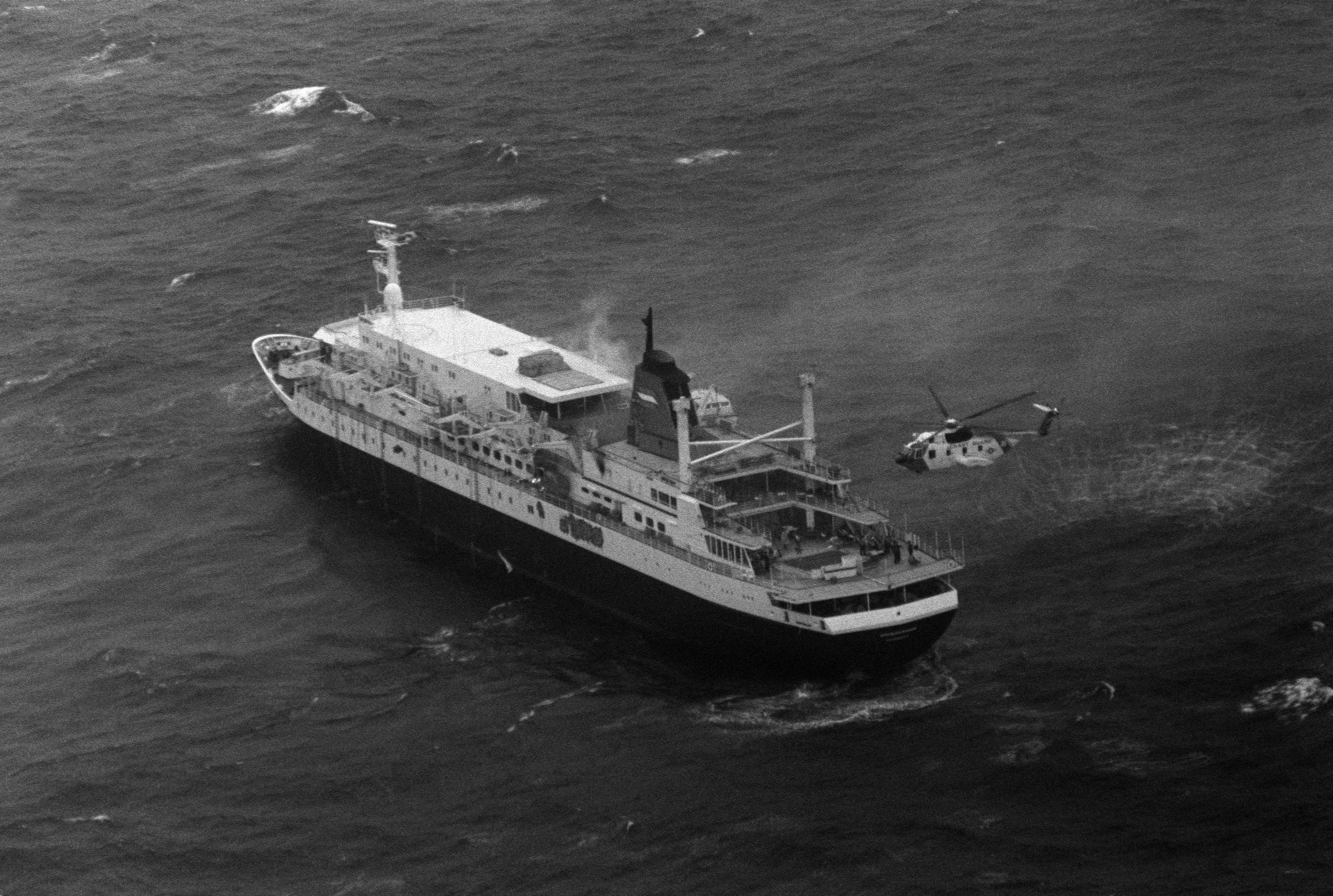
A US Coast Guard HH-3F Pelican helicopter hovers near the stern of the luxury liner PRINSENDAM in the Gulf of Alaska.

1980  A fire broke out on the Dutch cruise vessel Prinsendam off Ketchikan, Alaska.  Coast Guard helicopters and the cutters BoutwellMellon, and Woodrush responded in concert with other vessels in the area and rescued all of the passengers and crew without loss of life.

“The rescue is particularly noteworthy because of the distance traveled by the rescuers, the coordination of independent organizations, and the fact that all 520 passengers and crew were rescued without loss of life or serious injury.”

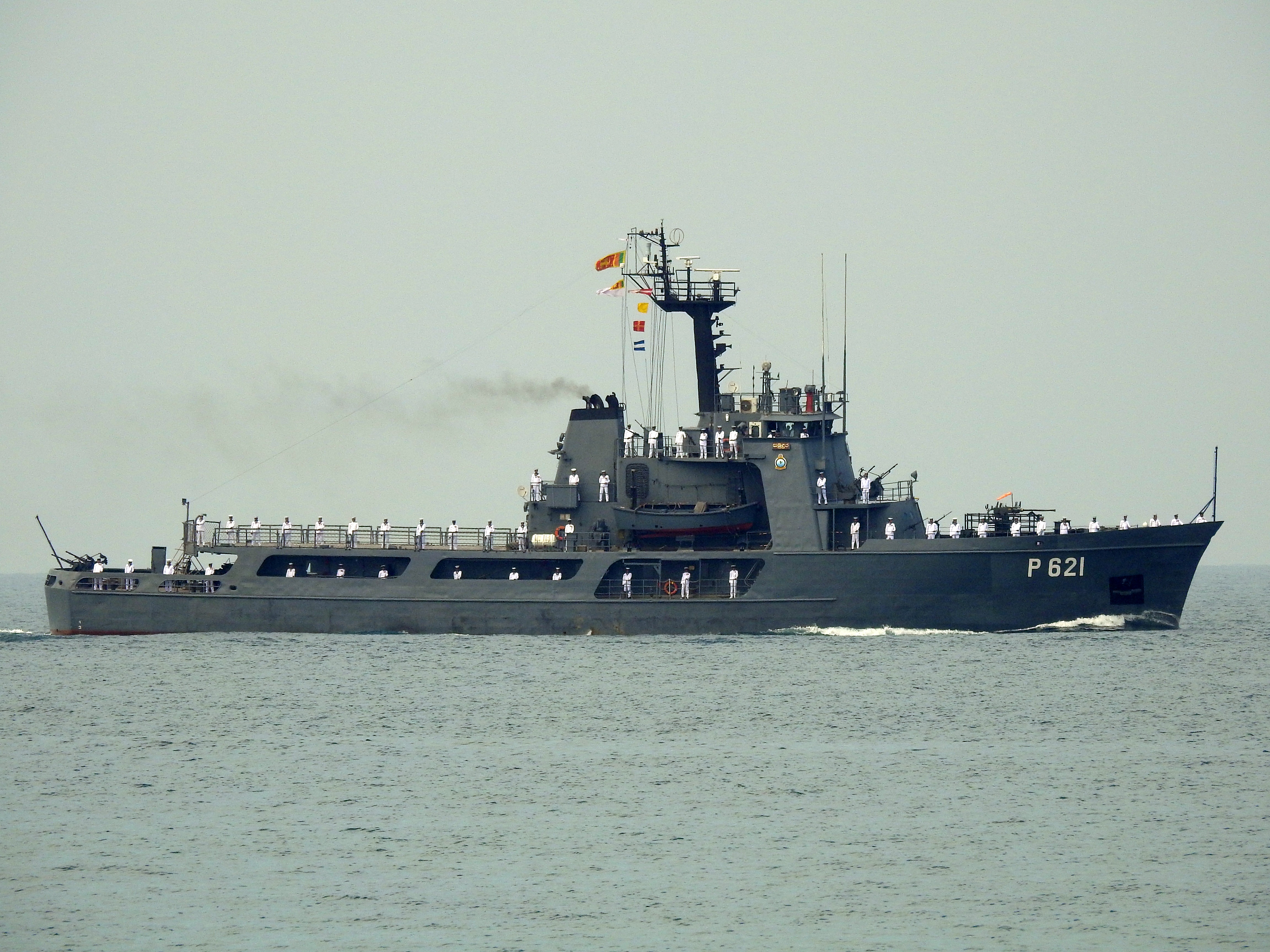
Former USCGC Courageous, now Sri Lanka Navy Ship Samudura P621. Photo by Rehman Abubakr

1995  Hurricane Opal swept through the Gulf of Mexico and made landfall in Destin, Florida.  Coast Guard units provided relief efforts, surveyed damage, and restored aids to navigation.  The CGC Kodiak Island (WPB1341) contacted the CGC Courgeous and requested assistance.  The Kodiak Island was battling 10 to 12-foot waves 100 miles west of Gasparilla, Florida, and experiencing flooding and a loss of steering control due to a hydraulic fluid leak.  A HC-130 from AIRSTA Clearwater flew to the scene to provide assistance and the Courageous went to escort the Kodiak Island to Group St. Petersburg.

2014  CG District Seven reported an individual in a self-propelled homemade hydro-pod bubble craft activated his Emergency Position Indicating Radio-beacon and SPOT device. An Air Station Clearwater HC-130 aircraft vectored in an MH-60 helicopter that hoisted the individual, and an Automated Mutual-Assistance Vessel Rescue System vessel recovered his craft. The individual was treated at Air Station Clearwater by Emergency Medical Services for extreme fatigue and released.

U.S. Coast Guard crews stopped Reza Baluchi (seen sticking his head out of his bubble craft) during his journey from Florida to Bermuda. 25 April 2016

This was not the last we would hear of this guy.

“U.S. Coast Guard Cutter Healy departs Seattle for fall 2024 Arctic deployment” –CG News

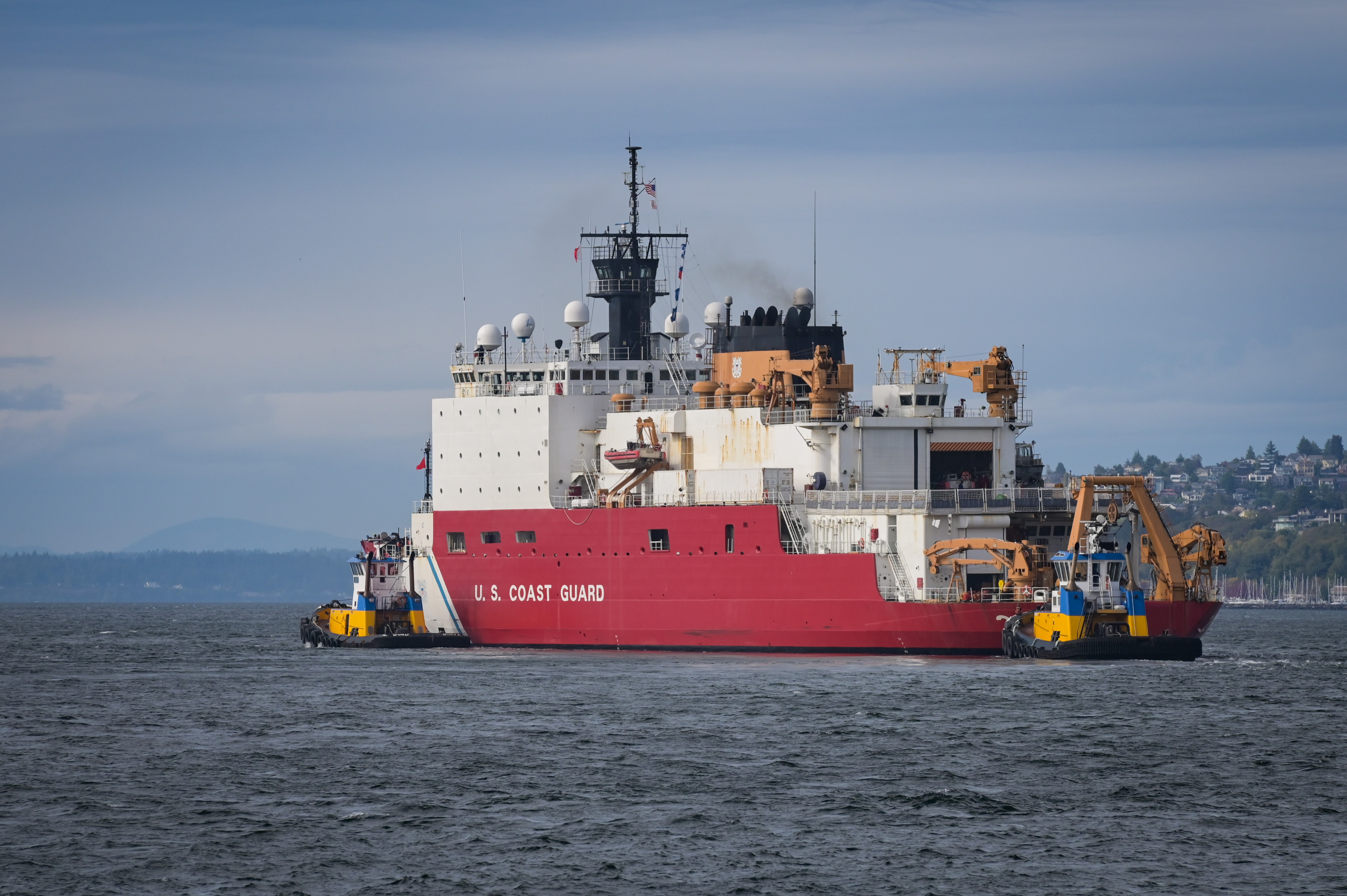
U.S. Coast Guard Cutter Healy (WAGB 20) transits with assist tugs through Elliott Bay near Seattle following its departure from Base Seattle, Oct. 1, 2024. The crew of the Healy are scheduled to resume their scientific mission that was cut short due to an onboard fire in late July. (U.S. Coast Guard photo by Petty Officer 1st Class Steve Strohmaier)

Below is a Coast Guard New release. (More photos at the link.)

Oct. 2, 2024

SEATTLE — U.S. Coast Guard Cutter Healy (WAGB 20) departed Seattle Tuesday, beginning their months-long Arctic deployment. Healy’s earlier science mission was cut short due to an onboard electrical fire. The Healy returned to Seattle for a thorough inspection and repairs.

The crew will support scientists conducting three distinct science missions during Healy’s fall 2024 Arctic deployment. Other science of opportunity across a broad spectrum of disciplines will also be supported as time and weather allow.

The first mission supports the Arctic Port Access Route Study (PARS). During this mission, the cutter will perform bathymetric mapping in the Chukchi and Beaufort Seas. The Coast Guard has initiated an Arctic PARS to analyze current vessel patterns, predict future vessel needs, and balance the needs of all waterway users by developing and recommending vessel routing measures for the Arctic. The Arctic PARS may lead to future rulemaking or international agreements that consider coastal communities, fishing, commercial traffic, military needs, resource development, wildlife presence and habit, tribal activities, and recreational uses.

For the second mission, Healy will embark 20 early career polar scientists and their mentors on an Arctic Chief Scientists Training Cruise sponsored by the National Science Foundation and University-National Oceanographic Laboratory System. These early career scientists will conduct multidisciplinary research, including mapping to fill critical bathymetric gaps and scientific sampling across various disciplines, in addition to developing skills in shipboard leadership, coordination, and execution.

The final mission of the deployment will support other science of opportunity to include sea floor mapping for the National Oceanic and Atmospheric Administration Office of Coast Survey.

“We are thrilled to support numerous diverse research objectives in the northern polar region this fall. In an era of increasing vessel traffic, our work will contribute to navigation safety in a region where existing soundings are sparse,” said Capt. Michele Schallip, Healy’s commanding officer. “We are elated to have been able to reschedule our opportunity to help inspire future principal investigators in the Early Career Scientist mission. Healy’s crew, port engineering staff, and General Electric Verona worked diligently during our inport to ensure the cutter is ready to safely operate in the remote, unforgiving Arctic environment.”

Healy is the United States’ largest polar icebreaker and the Coast Guard’s only icebreaker explicitly designed to support Arctic research. The platform is ideally specialized for scientific missions, providing access to the most remote reaches of the Arctic Ocean. Healy is designed to break 4.5 feet of ice continuously at three knots and can operate in temperatures as low as -50 degrees Fahrenheit.