“Austal USA Cuts Steel on Yard’s First Offshore Patrol Cutter, First OPC Argus to Sail in Winter” -USNI

Future USCGC Pickering (Image: Austal USA)

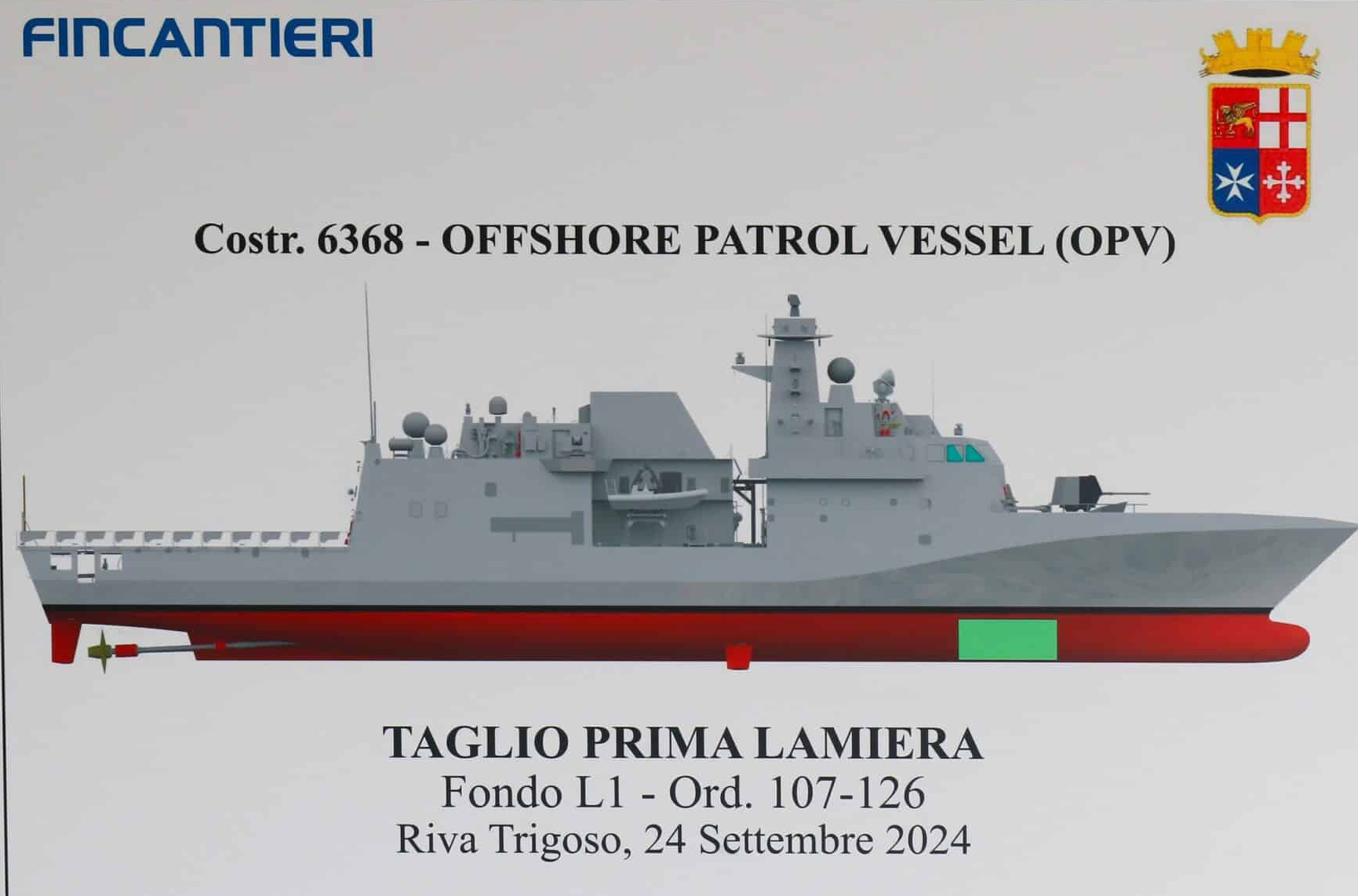
The US Naval Institute news service reports Austal has begun to cut steel for the future USCGC Pickering, the first of eleven Offshore Patrol Cutters contracted to be built by Austal if all options are exercised.

The first four OPCs (915-918) are being built by Eastern. Rear Admiral Campbell, Acquisitions Directorate (CG-9), went on to say of Argus (915) the first of the four, “Dock trails start probably in January and get underway in the early spring and the acceptance trails in [the] third quarter of [Fiscal Year 2025],”

It will be interesting to see if the fourth Eastern OPC (918) is actually delivered before the first Austal OPC (919).

Below is the Acquisitions Directorate’s news release about the event.


Production begins for the Coast Guard’s fifth offshore patrol cutter

The Coast Guard joined Austal USA on Aug. 29 at the contractor’s facility located in Mobile, Alabama, to mark the start of production of the fifth Offshore Patrol Cutter (OPC), Coast Guard Cutter Pickering. Pickering is the first of up to 11 cutters that will be delivered to the Coast Guard through the Stage 2 contract with Austal USA and the fifth OPC to enter production.

Pickering is named after a Revenue Cutter of the same name, built in 1798. That vessel was named in honor of the second Secretary of War, Timothy Pickering. Pickering, who later served as Secretary of State before becoming a U.S. senator and member of the House of Representatives from Massachusetts, advocated for and oversaw the construction of the first frigates built to enforce tariff and trade laws and to prevent smuggling. The cutter is the third Coast Guard vessel to carry the Pickering name. In addition to the Revenue Cutter Pickering, the Coast Guard operated a concrete-hull floating base in the 1920s. The newest addition to the Pickering legacy is expected to be delivered to the Coast Guard in late 2027.

OPCs play an important role in addressing the Coast Guard’s long-term need for cutters that can deploy independently or part as a task group. The OPC will provide a capability bridge between the national security cutter, which patrols the open ocean in the most demanding maritime environments, and the fast response cutter, which serves closer to shore. The ships will feature state-of-the-market technology and will replace the service’s 270-foot and 210-foot medium endurance cutters, which are becoming increasingly expensive to maintain and operate. OPCs are a part of the Department of Homeland Security’s layered security strategy, performing a variety of missions such as responding to disasters, rescuing mariners, performing drug interdictions, uncovering smuggling activities and enforcing fisheries laws.

For more information, visit the Offshore Patrol Cutter Program page.

“Runaway costs and design delays: Are Coast Guard’s new icebreakers worth it?” –The Sandboxx

Xue Long 2 on sea trials. Photo by PRIC.

The Sandboxx has a brief look at the problems the US has had in fielding replacement icebreakers.

What I think they leave out of the article is that while the Chinese seem to be planning heavy icebreakers including possibly nuclear-powered ones, the Chinese icebreakers built so far are nowhere near as powerful as Polar Star or the Polar Security Cutter. Mostly they have been ice capable research ships. Their only Chinese built medium ice breaker, Xue long-2, is smaller and a third less powerful than Healy. The three Chinese icebreakers currently in the Arctic include the much smaller 5,600-ton, 8,600 HP (6.4KW) Polar Class 6 Ji Di, smaller than the old Wind class icebreakers.

Aerial view of China’s icebreaker Ji Di berthing at the pier of Qingdao Olympic Sailing Center on July 3 in Qingdao, Shandong Province of China.
© Sun Qimeng/VCG via AP, “China and Russia to Expand Scientific Cooperation in Arctic: Report” –Newsweek

By some counts the US, and most notably Canada, have more icebreakers than China. All of China’s icebreaker construction is not directed at the Arctic. They also have interests in Antarctica (which I find more troubling), and they have ports that ice over requiring domestic icebreaking.

The Sandboxx also describes the 8,500 ton Project 23550 ice class patrol vessels as Russia’s “… first “combat icebreaker,” a small, agile, and armed-to-the-teeth escort ship with launchers installed for anti-ship and cruise missiles.” That is hyperbole. It has provision for placing two containers on the stern. Those containers could contain cruise missiles, but any ship that can mount containers in a position where the space above the container is unobstructed could have a similar capability. Other than being armed with containers, they are armed very much like a Coast Guard cutter. They have a single medium caliber gun, either 76mm or 100mm. They have no surface-to-air missile system other than perhaps man portable air defense systems (MANPADS) and no CIWS of any kind. Furthermore, they are not Russia’s first armed icebreaker. Russia has had armed icebreakers since at least WWII, including the Project 23550’s predecessors, the Ivan Susanin class, eight ships completed 1973 to 1982, four of which are still in service. I went aboard one of them in San Francisco, when they came to help celebrate the 200th anniversary of the beginning of the US Coast Guard.

It would not be too difficult for the US to build counterparts to the Project 23550s for the US Coast Guard or Navy, especially after the recent ICE Pact agreement with Canada and Finland. Ships don’t have to be as capable as the Polar Security Cutters to be useful. The Chinese are proving that.

Polar Star is Home–Finally

Polar Star at Mare Island Dry Dock LLC undergoing the fourth phase of its five-year Service Life Extension Project. U.S. Coast Guard photo by Cmdr. Jeremy Courtade.

Below are two news releases, first one from Coast Guard News, the second from the Acquisitions Directorate (CG-9).

The Coast Guard has been working very hard to make sure that Polar Star can meet her annual commitment to open a path for resupply of the Antarctic Base at McMurdo, but it has to have been hard on the crew. They just completed the fourth phase of a five-part Service Life Extension Program (SLEP), but unlike the single phase SLEPs and MMAs we are seeing with the buoy tenders and medium endurance cutters at the Coast Guard Yard, here the crew stays aboard. After 138 days on the resupply mission, instead of returning to Seattle, their homeport, they went to Vallejo, California, where they spent about 140 days. Altogether, 285 days away from homeport, and over a one-year period, more days in Vallejo than in homeport.

Polar Star has only one more of these to go, but it looks like the Crew of USCGC Healy is going to go through the same 5-year SLEP cycle, where they will spend more time in Vallejo than in their homeport. This is just wrong. There are only two yards on the West Coast that can accommodate ships of this size. The Navy, with its huge presence, is a strong competitor for the use of the one in Seattle. By contrast the Bay Area has virtually no Navy presence. It is likely the Icebreakers will have to use the yard in Vallejo for almost all their drydocking. Maybe it is time to change their homeport to somewhere in the San Francisco Bay Area, maybe even Vallejo.

Improvements are planned for Base Seattle, largely on the assumption that the Polar Security Cutters (PSC) will be based there, but they can expect to run into the same problem. Given the greater size of the PSCs and the long-term probability the Navy presence in Seattle will remain large and may well increase, the problem is not going away. The dry dock in Vallejo was built to accommodate battleships. It is big enough.


U.S. Coast Guard Cutter Polar Star (WAGB 10) (left) sits moored next to U.S. Coast Guard Cutter Healy (WAGB 20) at Coast Guard Base Seattle, Aug. 25, 2024. The Polar Star and Healy are routinely deployed to Arctic and Antarctic locations to support science research or help resupply remote stations. (U.S. Coast Guard photo by Lt. Chris Butters)

Aug. 28, 2024

Coast Guard heavy icebreaker returns to Seattle following Antarctic deployment, months-long Service Life Extension Project in California

SEATTLE — The U.S. Coast Guard Cutter Polar Star (WAGB 10) and crew returned to Seattle, Sunday, after 285 days away from the cutter’s home port.

Following a 138-day deployment to Antarctica supporting Operation Deep Freeze 2024, the Polar Star reported directly to Mare Island Dry Dock (MIDD) LLC. in Vallejo, California, to commence the fourth phase of a five-year Service Life Extension Project (SLEP).

The work completed at MIDD is part of the in-service vessel sustainment program with the goal of recapitalizing targeted systems, including propulsion, communication, and machinery control systems, as well as effecting significant maintenance to extend the cutter’s service life.

Polar Star’s SLEP work is completed in phases to coordinate operational commitments such as the cutter’s annual Antarctic deployment. Phase four began on April 1, 2024, targeting three systems:

  • Boiler support systems were recapitalized, including the electrical control station that operates them.
  • The heating, ventilation and air conditioning (HVAC) system was refurbished through the overhaul of ventilation trunks, fans and heaters that supply the cutter’s berthing areas.
  • The flooding alarm system was redesigned, providing the ability to monitor machinery spaces for flooding from bow to stern.

Additional work not typically completed every dry dock included removing and installing the starboard propulsion shaft, servicing and inspecting both anchor windlasses, inspecting and repairing anchor chains and ground tackle, cleaning and inspecting all main propulsion motors and generators, installation of an isolation valve to prevent seawater intrusion into the sanitary system, and overhauling the fuel oil purifier.

Phase four of Polar Star’s SLEP took place over approximately 140 days and represented a total investment of $16.8 million. By replacing outdated and maintenance-intensive equipment, the Coast Guard will mitigate lost mission days caused by system failures and unplanned repairs. The contracted SLEP work items and recurring maintenance is taking place within a five-year, annually phased production schedule running from 2021 through 2025.

The Coast Guard is investing in a new fleet of polar security cutters (PSC) that will sustain the service’s capabilities to meet mission needs in both the Arctic and Antarctic regions. The SLEP allows Polar Star to continue providing access to the Polar regions until the PSCs are operational and assume the high latitude missions. Polar security cutters will enable the U.S. to maintain defense readiness in the Polar regions; enforce treaties and other laws needed to safeguard both industry and the environment; provide ports, waterways and coastal security; and provide logistical support – including vessel escort – to facilitate the movement of goods and personnel necessary to support scientific research, commerce, national security activities and maritime safety.

“Completing a dry dock availability is a positive milestone, and despite challenges due to being away from home port, our crew’s energy and resilience inspires me every day,” said Capt. Jeff Rasnake, Polar Star’s commanding officer. “The amount of time and effort put into Polar Star and its mission is truly remarkable. The dedication and teamwork displayed across all stakeholders exemplifies the Coast Guard’s flexibility and commitment to ensuring the continued success of Operation Deep Freeze as well as strengthened partnerships among nations invested in the Antarctic latitudes. I look forward to observing how this crew will continue to grow as a team and to discovering what we can accomplish together.”

Along with the rigorous maintenance schedule, Polar Star held a change of command ceremony on July 8, 2024, in Vallejo, where Rasnake relieved Capt. Keith Ropella as the cutter’s commanding officer. Rasnake served as the deputy director for financial management procurement services modernization and previously served as Polar Star’s executive officer. Ropella transferred to the office of cutter forces where he will oversee the management of the operational requirements for the cutter fleet and develop solutions for emerging challenges facing the afloat community.

Polar Star is the Coast Guard’s only active heavy polar icebreaker and is the United States’ only asset capable of providing year-round access to both polar regions.

Commissioned in 1976, the cutter is 399 feet, weighing 13,500 tons with a 34-foot draft. Despite reaching nearly 50 years of age, Polar Star remains the world’s most powerful non-nuclear icebreaker with the ability to produce up to 75,000 horsepower. Polar Star’s SLEP is important to the survival of the Antarctic mission and crucial to the well-being and success of Polar Star and crew during these long missions.


Coast Guard completes fourth phase of service life extension work on Polar Star

Coast Guard Cutter Polar Star completed the fourth phase of its five-year Service Life Extension Project (SLEP) at the Mare Island Dry Dock LLC in Vallejo, California. The cutter departed the San Francisco Bay Area on August 22, for its homeport in Seattle.

The SLEP, a key initiative within the Coast Guard’s In-Service Vessel Sustainment (ISVS) Program, aims to extend the service life of the Polar Star by modernizing targeted systems, including propulsion, communication, and machinery control systems. Concurrent with the SLEP work, crews conducted significant maintenance efforts to ensure the cutter remains capable of operating within some of the most extreme environmental conditions on earth.

SLEP work on the Polar Star is conducted in phases to align with the cutter’s operational commitments, such as the cutter’s annual Antarctic deployment. Phase four began on April 1, 2024, focusing on the following systems:

  • Heating, ventilation and air conditioning systems were refurbished with ventilation trunks, fans and heaters to improve air circulation and maintain comfortable living environment for the ship’s crew during extended deployments.
  • Boiler support systems were recapitalized, including the electrical control station that operates them to generate reliable heating and steam supply to the water maker.
  • The flooding alarm system was redesigned to enable the crew’s ability to monitor the ship’s machinery spaces for flooding from bow to stern.

Additional work completed during this phase, beyond routine dry dock maintenance, was critical to ensuring the Polar Star’s operational readiness. This included significant overhauls and inspections of key propulsion and anchoring systems that are essential for the cutter’s operational performance.

Kenneth King, Program Manager for the ISVS Program, commented on the milestone, saying, “I am tremendously proud of the joint In-Service Vessel Sustainment Program, the Long Range Enforcer Product Line team and their significant efforts in completing Phase 4. Our dedicated professionals continue to exemplify our service’s core values to ensure Polar Star meets its multifaced missions in the polar regions until the arrival of the Polar Security Cutter Fleet.”

For more information:In-Service Vessel Sustainment Program page and Polar Security Cutter Program page.

“Coast Guard Cutter Campbell returns home following 73-day patrol in Windward Passage” –CG News

USCGC Campbell (WMEC-909)

Below is a news release from Coast Guard News,

I found this paragraph interesting and encouraging.

While deployed, Campbell served in the lead role as commander, task unit for multiple assets operating in the Windward Passage and coordinated the employment of Coast Guard Cutters Venturous (WMEC 625), Isaac Mayo (WPC 1112), Joseph Napier (WPC 1115) and Robert Yered (WPC 1104).

It is making good use of the talent on scene rather than attempting to coordinate everything from the district.


Aug. 29, 2024

NEWPORT, R.I. — The crew of the Coast Guard Cutter Campbell (WMEC 909) returned to their home port in Newport, Wednesday, following a 73-day migrant interdiction patrol in the Windward Passage.

Campbell deployed in support of Homeland Security Task Force – Southeast (HSTF-SE) and Operation Vigilant Sentry (OVS) while underway in the Seventh Coast Guard District’s area of responsibility. During patrol, Campbell’s crew conducted maritime safety and security missions while working to detect, deter and intercept unsafe and illegal maritime migration ventures bound for the United States.

While deployed, Campbell served in the lead role as commander, task unit for multiple assets operating in the Windward Passage and coordinated the employment of Coast Guard Cutters Venturous (WMEC 625), Isaac Mayo (WPC 1112), Joseph Napier (WPC 1115) and Robert Yered (WPC 1104).

During the patrol, Campbell’s crew cared for and repatriated 11 Haitian migrants. In addition, the combined presence of U.S. Coast Guard assets in the Windward Passage supported the interdiction and deterrence of 643 migrants throughout Campbell’s deployment.

“I am continuously impressed by the professionalism and work ethic demonstrated by the many other U.S. Coast Guard crews on cutters and aircraft that are constantly operating in the Windward Passage,” said Cmdr. Jonathan Harris, commanding officer of Campbell. “Teamwork is one of our greatest strengths on Campbell, and that was a key factor in preventing unsafe migrant ventures on board overcrowded vessels in these waters.”

To ensure operational readiness for this mission, the crew of Campbell trained extensively while underway with Coast Guard Air Station Clearwater and Coast Guard Air Station Cape Cod. Campbell conducted bow hoisting, flight deck hoisting, helicopter launches and landings. These exercises were aimed at preparing for medical emergencies and improving response times when working with aviation assets.

HSTF-SE serves as the Department of Homeland Security lead for operational and tactical planning, command and control, and acts as a standing organization to interdict unlawful maritime migration attempts with federal, state and local partners. HSTF-SE continues to enhance enforcement efforts in support of OVS, which is the 2004 DHS plan to respond to mass maritime migration in the Caribbean Sea and the Florida Straits.

Campbell is a 270-foot, Famous-class medium endurance cutter. The cutter’s primary missions are counter-narcotics operations, migrant interdiction, living marine resources protection, and search and rescue in support of U.S. Coast Guard operations throughout the Western Hemisphere.

For more information on how to join the U.S. Coast Guard, visit GoCoastGuard.com to learn about active duty, reserve, officer, and enlisted opportunities. Information on how to apply to the U.S. Coast Guard Academy can be found here.

For more, follow us on FacebookInstagram and X.

Atlantic Area Cutter Back in the Eastern Pacific Drug Transit Zone

The crew of Coast Guard Cutter Escanaba (WMEC 907) poses for a group photo on the cutter’s flight deck during a contraband offload, Aug. 23, 2024, alongside select personnel from Coast Guard Cutters Spencer (WMEC 905), Legare (WMEC 912), Coast Guard Helicopter Interdiction Tactical Squadron, Pacific Area Tactical Law Enforcement Team, and Coast Guard Atlantic Area Command while moored to the pier in Fort Lauderdale, Florida. Escanaba conducted a 46-day counter-drug patrol in the Eastern Pacific Ocean. (U.S. Coast Guard photo by Petty Officer 2nd Class Brandon Hillard)

Below is a news release from Coast Guard News.

Two things of note in what would normally be a routine report:

First, despite the fact that most Atlantic Area cutters are closer to the Eastern Pacific drug transit zone than those based on the West coast, recently they have been too busy with migrant interdiction to do drug enforcement in the Pacific. This patrol marks a return to previous practice of having LANTAREA cutters, as well as those from the Pacific Area, working the drug problem in the Pacific.

Second, reading the caption of the photo above, you may note that the crew included “...select personnel from Coast Guard Cutters Spencer (WMEC 905), Legare (WMEC 912)…” Spencer and Legare are at the Coast Guard yard as the first and second of six Bear class WMEC270s that will receive full Service Life Extension Program (SLEP) upgrades.  The crews are reassigned after the ships enter SLEP, so it appears some were temporarily assigned to Escanaba to make up for shortfalls in the crew. The shortfalls may have been exacerbated because the patrol was over the summer transfer season.


 Aug. 29, 2024

Coast Guard Cutter Escanaba completes 46-day counter-drug patrol in Eastern Pacific Ocean

PORTSMOUTH, Va. — The crew of the Coast Guard Cutter Escanaba (WMEC 907) returned home to Portsmouth, Wednesday, following a 46-day counter-drug patrol in the Eastern Pacific Ocean.

While deployed, crew members supported the Coast Guard Eleventh District, headquartered in Alameda, California, and Joint Interagency Task Force – South, headquartered in Key West, Florida.

During the patrol, Escanaba’s crew disrupted illegal narcotics smuggling, interdicting 3,408 pounds of cocaine and 4,418 pounds of marijuana valued at nearly $50 million during two separate interdictions. The drugs were offloaded in Port Everglades, Florida on Aug. 23. Additional information about Escanaba’s drug offload, including photos and video, can be found here.

Escanaba’s drug seizures contributed directly to furthering Coast Guard objectives to combat transnational criminal organizations and enhance regional stability and security.

While at sea, Escanaba’s crew was assisted by members of Helicopter Interdiction Tactical Squadron (HITRON), based in Jacksonville, Florida and members of Tactical Law Enforcement Team (TACLET) Pacific – Law Enforcement Detachment (LEDET) 107, based in San Diego, California.

HITRON crew members delivered air support for the use of force and enhanced long-range detection capabilities while deployed aboard Escanaba. The TACLET Pacific LEDET supplied skilled boarding personnel critical for mission execution and served as a force multiplier for other law enforcement activities.

“The crew of Escanaba and our shipmates from HITRON and TACLET are to be commended for executing a demanding mission with professionalism and precision,” said Cmdr. Jared Silverman, commanding officer of Escanaba. “In concert with the Coast Guard’s partner agencies and with support from Joint Interagency Task Force – South, the accomplishments of Escanaba serve as a reminder of how vital this mission is.”

Escanaba is a 270-foot, Famous-class medium-endurance cutter homeported in Portsmouth, Virginia. The cutter’s primary duties are counter-narcotics operations, migrant interdiction, living marine resources protection, and search and rescue in support of U.S. Coast Guard operations throughout the Western Hemisphere.

For information on how to join the U.S. Coast Guard, visit GoCoastGuard.com to learn about active duty, reserve, officer, and enlisted opportunities. Information on how to apply to the U.S. Coast Guard Academy can be found here.

For more, follow us on Facebook, Instagram and X.

Another APKWS Based System, “EAGLS: US Army gets new anti-drone systems featuring laser-guided 70mm rockets” –Interesting Engineering

Mooresville, NC, July 22, 2024 – MSI Defense Solutions has delivered the first 70mm centric Counter-UAS system acquired by the Department of Defense for use by the United States Army. Through the Rapid Acquisition Authority (RAA), MSI was awarded a contract for six EAGLS™ (Electronic Advanced Ground Launcher System) counter-UAS systems, including associated engineering and maintenance support. The contract was awarded by Naval Air Systems Command (NAVAIR) to support forward deployed forces facing emerging and persistent Uncrewed Aerial Systems (UAS) threats.

Interesting Engineering reports,

The US Army has received the six MSI Defense Solutions’ (MSI) Electronic Advanced Ground Launcher Systems (EAGLS) to improve its counter-drone capabilities.

In April, the US Army’s Naval Air Systems Command (NAVAIR) announced the order for a firm-fixed-price contract with MSI with a not-to-exceed value of $24,186,464.

Aside from the fact that the Naval Air Systems Command (NAVAIR) does not belong to the US Army, there is good information here, about systems that might find their way onto US Coast Guard assets. (Anything that can be mounted on a road going 4×4 vehicle can be mounted on a ship, and I think we have, or should have, a counter UAS capability requirement.)

USCGC Charles Moulthrope (WPC-1141) prior to departure for PATFORSWA.

Those radars on top of the truck cab may look familiar.

The purchase seems to show confidence that APKWS can be used effectively against Unmanned Air Systems. The more modest Vampire system is already being used in Ukraine.

A close-up of the modified CROWS II fitted with the LAND-LGR4 launcher and the added sensor or other system (silver/gray rather than tan). US Army

APKWS, like most 70mm guided rocket systems, is a modification of the Hydra 70mm (2.75″) unguided rocket, which is available with a variety of warheads and fuses, including a proximity fuse.

The system can do more than just counter UAS. This is a system we could put any cutter, WPB size and up, and have most of the effective range and hitting power of a 76mm and at three times the effective range of a 25mm Mk38 Mod2/3 with minimal footprint and support requirements.

“Coast Guard Cutter Harriet Lane returns home following 68-day Operation Blue Pacific Patrol in Oceania” and More On Her SLEP

U.S. Coast Guard Cutter Harriet Lane. (U.S. Coast Guard photo by Senior Chief Petty Officer Charly Tautfest)

Below is a Coast Guard news release.

These Pacific deployments are starting to become routine, but Harriet Lane only arrived in their new homeport, Pearl Harbor, December 13, 2023, and completed her first Pacific patrol April 9, 2024.

Over the last two days I was able to talk to the leadership at the Coast Guard Yard. There will be more about that later, but there was some discussion about the Harriet Lane. She was intended to be the second prototype WMEC270 Service Life Extension Program (SLEP) prototype, with electronic and electrical services improvements and replacement of the gun and fire control with the 25mm Mk38, but while in the yard they learned that the ship would change homeport, to somewhere in the Pacific. This prompted additional improvements in habitability and environmental controls, 57 additional work items in total. Despite the expanded scope of work, she was delivered on time.

The rationale for the removal of the 76mm and Mk92 fire control system was that the Navy was no longer supporting either system. The systems were becoming unsupportable. Nevertheless, looks like we will have 76mm and Mk92 on WMEC270s until 2035 unless they also decide to remove the systems from 270s that will not go through SLEP. (That is a question I probably should have asked.) Meanwhile the Coast Guard Yard has a 76mm support facility that does work for foreign services as well as the US Coast Guard. (Removal of these systems would also reduce manning requirements.)

L3 Harris Mk20 mod1 Electro Optic Sensor System. (Picture source Navy Recognition)

If the Mk92 is the real problem, it might be replaced by the L3 Harris Mk20 electro-optic system, also used on the NSC and OPC. The Mk20 could provide better anti-surface fire control than the Mk38 Mod3’s on mount systems. It would also provide an additional search sensor.


Aug. 26, 2024

Editors’ Note: Click here to download video.

HONOLULU – The crew of Coast Guard Cutter Harriet Lane (WMEC 903) returned to Honolulu Friday following a 68-day patrol in support of Coast Guard District Fourteen’s Operation Blue Pacific in Oceania.

The Harriet Lane crew departed Joint Base Pearl Harbor-Hickam in June and traveled more than 13,400 nautical miles spanning from the Hawaiian Islands to Tonga. Patrolling in support of Operation Blue Pacific, the cutter’s crew worked alongside Pacific Island Countries to forge and advance relationships with like-minded allies and partners who share a common vision for maritime governance.

The crew’s efforts included enhancing maritime domain awareness, combatting illegal fishing activities across Oceania, and participating in exercises to bolster partner capacity and interoperability. Leveraging bilateral maritime law enforcement agreements with Tuvalu, Tonga, Samoa and the Cook Islands, the Harriet Lane crew conducted six boardings alongside Pacific Island partners in their respective exclusive economic zones (EEZs). Additionally, Harriet Lane law enforcement teams conducted four fishery boardings on the high seas in concert with the Western and Central Pacific Fisheries Commission.

During Harriet Lane’s patrol, the crew made port calls in Tonga, American Samoa, Samoa, the Cook Islands and French Polynesia. While offshore Niue, the Harriet Lane crew hosted key leaders for a maritime roundtable discussion, offered local high students a tour of the cutter, and sent personnel ashore to assist with community service endeavors.

While transiting home, the Harriet Lane crew conducted the medevac of a 53-year-old fishing vessel crewman experiencing stroke-like symptoms approximately 480 miles offshore Oahu.

“This patrol was another resounding success for the crew of Harriet Lane and reinforces the Coast Guard’s commitment to delivering as a trusted partner across Oceania,” said Cmdr. Nicole Tesoniero, commanding officer, Cutter Harriet Lane. “This patrol took us to the far reaches of the South Pacific that most crew could have never dreamed of seeing and they continue to serve as model ambassadors for our unique mission set. In the final days of our patrol, Harriet Lane answered the call to render aid to a local fisherman in need of medical assistance nearly 500 miles from Oahu. While every aspect of this mission is incredibly rewarding, the knowledge that we were able to assist a member of the local community in a moment of need truly resonated with the crew. I am proud of their tremendous commitment to operational success and look forward to watching Harriet Lane’s impact continue to grow.”

Commissioned in 1984, Cutter Harriet Lane is a 270-foot medium endurance cutter homeported in Honolulu to support Coast Guard missions in the Pacific region. The service’s medium endurance cutter fleet supports a variety of Coast Guard missions including search and rescue, law enforcement, maritime defense, and protection of the marine environment.

Operation Nanook

The Arleigh Burke-class guided-missile destroyer USS Delbert D. Black (DDG 119) sails alongside the U.S. Coast Guard Cutter Northland (WMEC 904) and the Royal Canadian Navy offshore patrol vessels HMCS Margaret Brooke (AOPV 431) and HMCS Harry DeWolf (AOPV 430) during Operation NANOOK, Aug. 18, 2024. OP NANOOK is the Canadian Armed Forces’ annual series of Arctic exercises designed to enhance defense capabilities, ensure the security of northern regions, and improve interoperability with Allied forces. (U.S. Navy Photo by Mass Communication Specialist 3rd Class Rylin Paul)

Below is a 2nd Fleet news release regarding the Canadian lead NANOOK exercise.

The Coast Guard has been participating in Operation NANOOK since at least 2010 initially with a buoy tender, but since 2020 with WMEC270s like Northland, and in 2021 with both a WHEC270 and a Fast Response Cutter.

Of the five ships that participated in the exercise, USS Delbert D. Black (DDG 119), Royal Canadian Navy’s Harry DeWolf-Class Offshore Patrol Vessels, HMCS Margaret Brooke (AOPV 431) and HMCS Harry DeWolf (AOPV 430); the Royal Danish Navy’s Knud Rasmussen-Class Patrol Vessel, HDMS Lauge Koch (P572); the U.S. Coast Guard Cutter, USCGC Northland (WMEC 904), all were offshore patrol vessels except the DDG. The Canadian and Danish ships were ice strengthened. The US ships were not.

Since the exercise took place in August the weather was probably about as mild as it gets at these high latitudes. It is not clear if the exercise included operations above the Arctic Circle.


NORFOLK, VIRGINIA, UNITED STATES

08.27.2024

Story by Petty Officer 2nd Class Anderson W Branch

Operation NANOOK 2024, an annual exercise led by the Canadian Armed Forces (CAF) and supported by the U.S. 2nd Fleet and U.S. Coast Guard, successfully concluded on August 26, 2024.

The exercise, which is the largest of its kind in the Arctic, highlighted the ability of multinational forces to interoperate effectively in the challenging northern environment, further strengthening the long-standing partnership between Canada and the United States.

Vice Adm. Doug Perry, Commander of U.S. 2nd Fleet, emphasized the importance of this partnership, stating, “Our partnership with Canada is built on a foundation of mutual respect and shared interests, particularly when it comes to securing the Arctic region. OP NANOOK demonstrated the strength of our collaboration and our shared commitment to maintaining stability in these strategic waters.”

Perry added, “The challenges posed by the Arctic environment require us to be adaptable and resilient. This year’s exercise has shown that our combined forces are more than capable of meeting those challenges head-on.”

OP NANOOK has consistently served as a critical platform for enhancing polar interoperability among Allied forces, and this year was no different. The exercise saw participation from the Royal Canadian Navy, the U.S. Coast Guard, the U.S. Navy, and the Royal Danish Navy. These forces engaged in a variety of complex maritime operations, including Maritime Interdiction Operations, gunnery exercises, search and rescue simulations, and fleet maneuver drills in the frigid waters near Nuuk, Greenland.

“This exercise is a testament to the strength and unity of our alliances,” said Perry. “Each year, OP NANOOK brings our nations closer together, enhancing our ability to operate effectively in the Arctic and ensuring that we are prepared for any contingency.”

The participation of the U.S. 2nd Fleet in OP NANOOK underscores the fleet’s commitment to Arctic operations as part of a broader strategy to ensure homeland defense and security in the northern regions. Earlier this year, the 2nd Fleet demonstrated its global readiness during Arctic operations in Steadfast Defender 2024, further solidifying its role as a key player in Arctic defense.

“Training in the North is particularly crucial as it increases our understanding of the unique operational and sustainment challenges experienced in the Arctic. By seizing every opportunity to train in this environment, we also further solidify our partnership among NATO allies while ensuring our readiness for future operations” emphasized Royal Canadian Rear Adm. David Patchell, Vice Commander of U.S. 2nd Fleet. “The importance of interoperability and shared experiences between NATO countries cannot be overstated. Through regular joint exercises in the Atlantic and Arctic regions, we continuously enhance our capabilities and strengthen our bond.”

As the Arctic continues to gain strategic importance, the U.S. Navy remains committed to working closely with its Arctic allies to ensure environmental stewardship and maintain stability in the region. The completion of OP NANOOK 2024 has provided participating forces with invaluable experience and has further reinforced the collective deterrence capability of allied and partner nations.

Participating units included the Royal Canadian Navy’s Harry DeWolf-Class Offshore Patrol Vessels, HMCS Margaret Brooke (AOPV 431) and HMCS Harry DeWolf (AOPV 430); the Royal Danish Navy’s Knud Rasmussen-Class Patrol Vessel, HDMS Lauge Koch (P572); the U.S. Coast Guard Cutter, USCGC Northland (WMEC 904); and the U.S. Navy’s USS Delbert D. Black (DDG 119).

With the conclusion of OP NANOOK 2024, participating units have returned to their respective homeports, better equipped to face the evolving challenges of the Arctic and to continue protecting shared interests in this increasingly vital region.

U.S. 2nd Fleet, reestablished in 2018 in response to the changing global security environment, develops and employs maritime forces ready to fight across multiple domains in the Atlantic and Arctic in order to ensure access, deter aggression and defend U.S., allied, and partner interests.

Change is Coming, “Coast Guard delivers first MH-60T to new Air Station Ventura” –News Release

The first MH-60T medium range recovery helicopter to operate out of new Air Station Ventura lands on the station’s ramp on June 8, 2024. U.S. Coast Guard photo.

Below is information from the Acquisitions Directorate (CG-9) website. The first new Coast Guard Air Station in 25 years, and a money saving approach that will organically produce 36 aircraft and transition eight air stations from MH-65 to MH-60T operations.

The new airstation replaces a Coast Guard Airstation San Francisco detachment that operated two H-65s out of a leased hangar at Point Mugu.


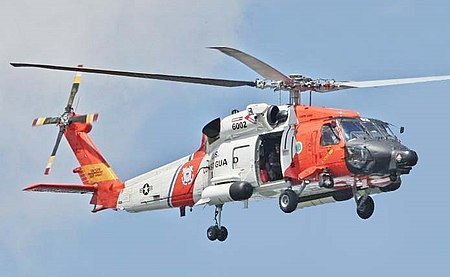
The Coast Guard on June 8 delivered an MH-60T medium range recovery helicopter to the service’s first new air station in 25 years, Air Station Ventura, located at Naval Base Ventura County in Point Mugu, California. CGNR 6055 is the first of three MH-60T Jayhawk helicopters that will be delivered to the air station; all will be derived from Navy hull conversions completed by the Aviation Logistics Center (ALC) in Elizabeth City, North Carolina.

This is the third delivery under the MH-60T Acquisition/Sustainment Program, which started as a service life extension program (SLEP) for the Coast Guard’s fleet of 45 Jayhawks. The program has since expanded to include increments for fleet growth as the service transitions to an all-MH-60T fleet.

Converted Navy hulls are one of the two hull sources being used in the program, along with newly manufactured hulls from the original equipment manufacturer, Sikorsky Aircraft Corp. Low-flight-hour Navy HH-60H and SH-60F Seahawk hulls are structurally converted into the MH-60T configuration. The program also includes replacement of critical dynamic components, such as main rotor blades, and new electrical wire harnesses. All aircraft production – the assembly and installation of dynamic components on the hulls – is completed at ALC.

The deliveries to Air Station Ventura are the first under Increment 2, the first fleet growth phase of the program, which will organically produce 36 aircraft and transition eight air stations from MH-65 to MH-60T operations. Converted Navy hulls will form the majority of the aircraft to be produced under Increment 2, according to Reid Adams, program manager for the MH-60T Acquisition/Sustainment Program. He noted that Navy conversion hulls are cost effective, saving the Coast Guard at least $5 million per aircraft compared to purchasing new hulls. ALC also has developed efficiencies that have shaved months off the Navy conversion process; each conversion can now be completed in under one year.

“We were able to utilize completed Navy hull conversions that were already in storage to facilitate the Ventura stand-up; this allowed the program to save one year on the ability to stand up Ventura,” Adams said.

Crew members inspect the folding rotors on CGNR 6055 at Air Station Ventura. U.S. Coast Guard photo.


The MH-60T delivered to Air Station Ventura includes main and tail rotor fold-capability, enabling the helicopter to be deployed and hangared aboard the national security cutter, as well as future offshore patrol cutters and polar security cutters. This is the first Jayhawk with this feature since the 1990s, when the smaller MH-65s were deployed. With the move to an all-MH-60T fleet, this capability is essential for aircraft that will be used to support cutter operations.

This is the third Navy conversion hull delivered to the fleet under the MH-60T Acquisition/Sustainment Program; the first went to Aviation Training Center Mobile in 2021 and the second to Air Station Clearwater in 2022, both in support of SLEP activities on the legacy fleet of 45 MH-60Ts and now incorporated as Increment 1 of the expanded acquisition/sustainment program. Thirteen additional Navy hulls are in various stages of work from structural conversion to completed and in storage.

Each conversion of Navy HH-60H and SH-60F Seahawk hulls takes over 1,500 separate maintenance cards for mechanics to follow. U.S. Coast Guard photo.


“The next 13 hulls will be used to fulfill the SLEP or fleet growth demands, as required; with the new hulls now in the mix, the program anticipates the majority of the converted Navy hulls to be utilized for fleet growth purposes,” Adams said. Three new hulls have been delivered of the 45 currently on order with Sikorsky.

Ventura marks the Coast Guard’s first permanent air station in the region since 2016. Prior to breaking ground for Air Station Ventura in 2021, the service conducted aviation operations from a forward-operating base at Naval Base Ventura County supported by Coast Guard Air Station San Francisco.

Air Station Ventura features a $70 million state-of-the-art 43,000-square-foot hangar and a 12,000-square-foot administration and berthing facility. At full capacity it will house three MH-60T Jayhawk helicopters and approximately 100 personnel, significantly enhancing the Coast Guard’s capabilities in the region.

The new Coast Guard Air Station Ventura and its MH-60T hangar is located at Naval Base Ventura County in Point Mugu, California. U.S. Coast Guard photos.


For more information: MH-60T Acquisition/Sustainment Program page.

New Japan Coast Guard Base Ship?

Alex Luck
@AlexLuck9
“Japan intends to procure a very large coast guard hull suitable for supporting helicopter ops and extended EEZ deployments as a “mobile base”, to be commissioned towards 2030.
Reminder that size growth of coast guard assets is a general trend.”

Pulled from X, no idea of the source or validity.

Thanks to Sven for bringing this to my attention.