This Day in Coast Guard History, March 15

Based on the Coast Guard Historian’s timeline, https://www.history.uscg.mil/research/chronology/
With inspiration from Mike Kelso

March 15

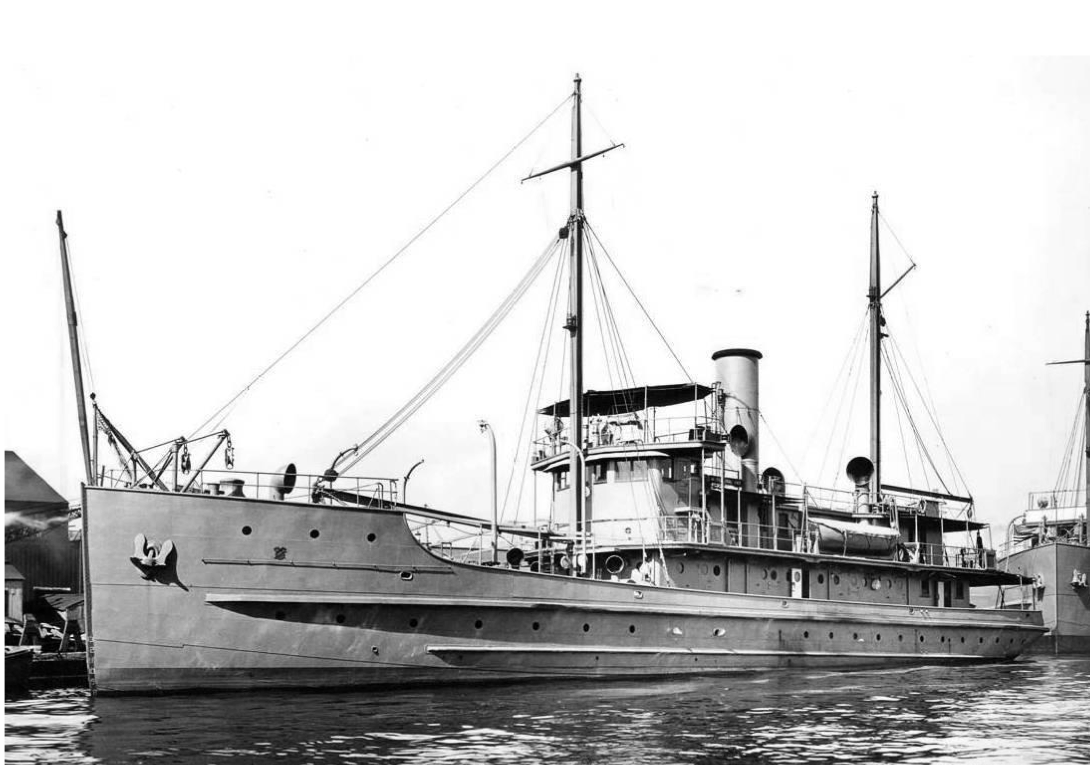
US AMP (Army Mine Planter) GEN. JOHN P. STORY was built in 1919 for the Army Corps of Engineers, and was transferred to the USLHS in 1922 and renamed USLHT ACACIA (pic.5). With twin screws, a length-over-all of 172 ½ ft., she displaced 1130 tons. She was further renamed USCGC ACACIA (WAGL 200) after the USLHS was merged into the USCG on September 1, 1939. Also as part of the merger, the 9th LHD became part of the 7th CG District. The unarmed ACACIA was the only buoy tender sunk by a U-boat during WWII, on March 15, 1942.

1942  The 172-foot tender CGC Acacia was en route from Curacao, Netherlands West Indies to Antigua, British West Indies, when she was sunk by shellfire from the German submarine U-161.  The entire crew of Acacia was rescued.  She was the only Coast Guard buoy tender sunk by enemy action during the war.

Map of Manus and Los Negros during World War II. Source: Building the Navy’s Bases in World War II, Volume II.

1944  Coast Guardsmen participated in the invasions of Manus in the Admiralties and Emirau (St. Mathias Islands).

iceberg patrol

PB-1G, CG-77249, on runway in Argentia, Newfoundland, running up engines, International Ice Patrol, 15 February 1954. Photo No. 021554-01. Original caption states: “U.S. Coast Guard plane, PB-1G (B-17), taking off on a 9-hour patrol.”

1946  For the first time, Coast Guard aircraft supplemented the work of the Coast Guard patrol vessels of the International Ice Patrol, scouting for ice and determining the limits of the ice fields from the air.

1983  The Coast Guard retired its last HC-131A Samaritan.

1991  F/V Alaskan Monarch became trapped in the ice-encrusted Bering Sea near St. Paul, Alaska and was in danger of being swept onto the breakwater rocks outside St. Paul Harbor.  CGC Storis and an HH-3 from AIRSTA Kodiak, under the command of LT Laura H. Guth, responded.  After a flight of 600 miles, including a winter crossing of the Alaska Peninsula and 400 miles of open water, Guth and her crew rescued four of the six-man crew before waves crashed over the vessel and swept the two remaining crewmen into the frigid water.  They both were quickly pulled from the water safely.

1997  Operation Gulf Shield began. This operation was a counterpart to the counter-narcotics Operation Frontier Shield.

“Security changes coming to Direct Access (DA) March 17” –MyCG

Figured I should pass this along since it affects retirees too and they might not see it otherwise.
March 14, 2025

Security changes coming to Direct Access (DA) March 17

By Kathy Murray, Senior Writer, MyCG

The Coast Guard will implement multi-factor authentication (MFA) for Direct Access (DA) on Mar. 17 to improve DA’s overall cybersecurity posture.

This will change how you log into DA in the following ways:

  • Coast Guard members with Common Access Cards (CAC) will now use CAC credentials and follow the prompts to access DA.
  • Non-CAC users (retirees, annuitants, beneficiaries, and CAC users who work for other government agencies and don’t have a CGOne Network Account) will be required to perform a one-time password reset once MFA has been implemented on Mar. 17. At a later date, you will be required to log in using one-time passcodes (OTP) validated through a mobile phone authenticator application, phone call or text (SMS) message. Information will be posted on the DA login screen when this feature becomes available.

Attention Non-CAC Users: The Coast Guard is sending you guidance with pre-generated passwords via email addresses on file within DA. But the Pay and Personnel Center (PPC) estimates that there are more than 25,000 retirees and annuitants that have not saved email contact information or security questions and will not receive this guidance. If you are a non-CAC user in receipt of this article, you are encouraged to log into DA now to ensure your contact information is current. In addition, with tax filing season coming up, it’s worth downloading tax forms as soon as possible. System-wide password resets could cause delays in receiving help desk assistance after Mar. 17.

On Mar. 17, a notice with brief instructions on how to obtain a pre-generated password and perform a password reset will be located on the DA homepage for those who have not received an email. But please be aware that you will need manual assistance to reset your password, which will put you in a in line with all the DA users in a similar position.

Please note, all technical issues with DA (such as password resets) will now be completed by Product Support Service Desk. They can be contacted at 800-821-7081, Monday – Friday (6:30AM-6:30PM, EST). All other requests will continue to be handled by the PPC Customer Care Help Desk who can reached via email at PPC-DG-CustomerCare@uscg.mil or by phone at 866-772-8724.

Additional Security: As an added layer of security, you will receive email notifications any time your bank account information changes or is modified in any way. This is done to keep you informed and alert you to take any action necessary for any unauthorized changes.

Please review ALCOAST 105/25 for the complete details on the implementation of MFA here.

For additional help check out the user guides and self-service options for DA at the PPC website.

We need your help! Are you in contact with a retiree, annuitant, or beneficiary (non-CAC user)? If so, send them a link to this article to help maximize awareness.


This Day in Coast Guard History, March 14

Based on the Coast Guard Historian’s timeline, https://www.history.uscg.mil/research/chronology/
With inspiration from Mike Kelso

March 14

1819  The March 23, 1819 edition of the New York Evening Post reported: “The Artegan Privateer GENERAL ARTIGAS was yesterday brought into this port.  The ARTIGAS sailed from Baltimore about 5 months ago, commanded by Captain Ford, with a complement of 60 men and 10 guns.  They took no prizes, though they boarded a number of Portuguese vessels but permitted them to proceed unmolested.  She touched at St. Domingo, there parted her cable in a gale, then proceeded on her cruise.  She sprung a leak and then put into the Chesapeake, the crew then mutinied and nearly the whole of them left the vessel and went on shore.  She was taken possession of by the Cutter MONROE, March 14, 1819.”

1909  At Gloucester, Massachusetts, a launch became disabled 3/4-mile southeast of the life-saving station.  Surfmen manned the power lifeboat and started to assist.  On the trip out a schooner was discovered anchored in a dangerous berth 1-3/4 miles southeast of the station.  Surfmen put a towline on the schooner, and, with her sails drawing, she was towed into a safe anchorage.

Typical North Vietnamese Trawler photographed from an operation Market Time patrol plane, 20 June 1966. This trawler was later forced aground by the USCGC POINT LEAGUE and an estimated 250 tons of weapons were taken.

1967  CGC Point Ellis destroyed an enemy trawler in Vietnam.

1987  Coast Guard helicopters rescued the crew of the sinking Soviet freighter Komsomolets Kirgizii  220 miles off the coast of New Jersey during a gale.  A HC-130 was first on the scene and stood by the listing freighter until HH-3s from Air Station Cape Cod arrived and saved the freighter’s entire 37-person crew.  As a result of their efforts, President Ronald Reagan presented the Coast Guardsmen with awards at a ceremony at the White House.

This Day in Coast Guard History, March 12

Based on the Coast Guard Historian’s timeline, https://www.history.uscg.mil/research/chronology/
With inspiration from Mike Kelso

March 12

1955  Effective this date, all foreign and domestic ships were required to give 24-hour advance notice to the local U.S. Coast Guard Captain of the Port before entering U.S. ports.  This order was designed to improve the U.S. Coast Guard’s port security program without “material inconvenience” to shipping.

The 82-foot patrol boats of Squadron One (RONONE) deploying from Subic Bay in the Philippines to the theater of operations in Vietnam. (U.S. Coast Guard)

1965  This date marked the beginning of the U.S. Navy’s Operation Market Time.  The operation was designed to interdict the river and coastal water supply lines of Communist forces in South Vietnam.  The initiation of this campaign led to the Navy’s request for Coast Guard vessels and crews to participate in river and coastal patrols during the Vietnam War.

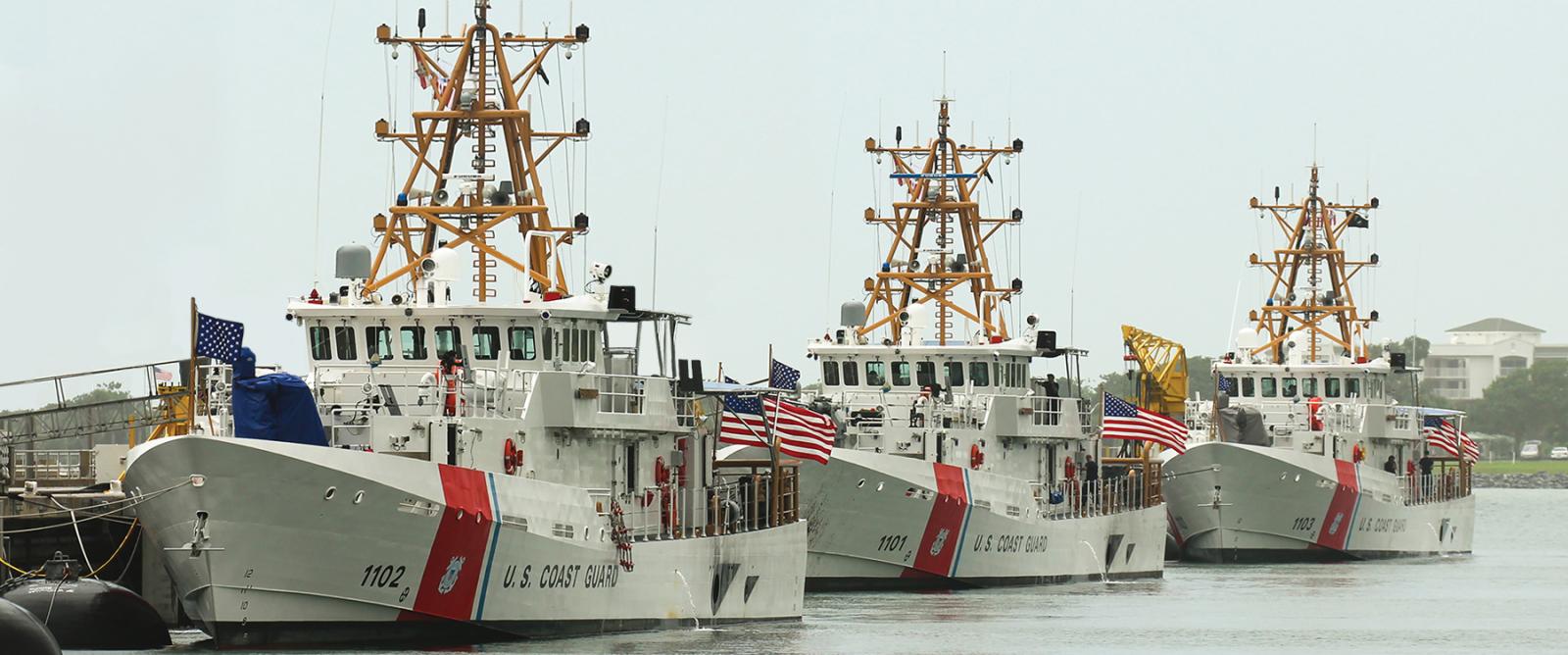
The first three fast response cutters—the USCGC Richard Etheridge (WPC-1102), Bernard C. Webber (WPC-1101), and William Flores (WPC-1103).
U.S. COAST GUARD

2012  Coast Guard Commandant Admiral Robert Papp participated in a ceremony at Bollinger Shipyards in Lockport, Louisiana, to dedicate the new Fast Response Cutter fleet.

“U.S. Coast Guard cutter arrives in Papua New Guinea, embarks law enforcement officers to conduct joint maritime patrol” –News Release

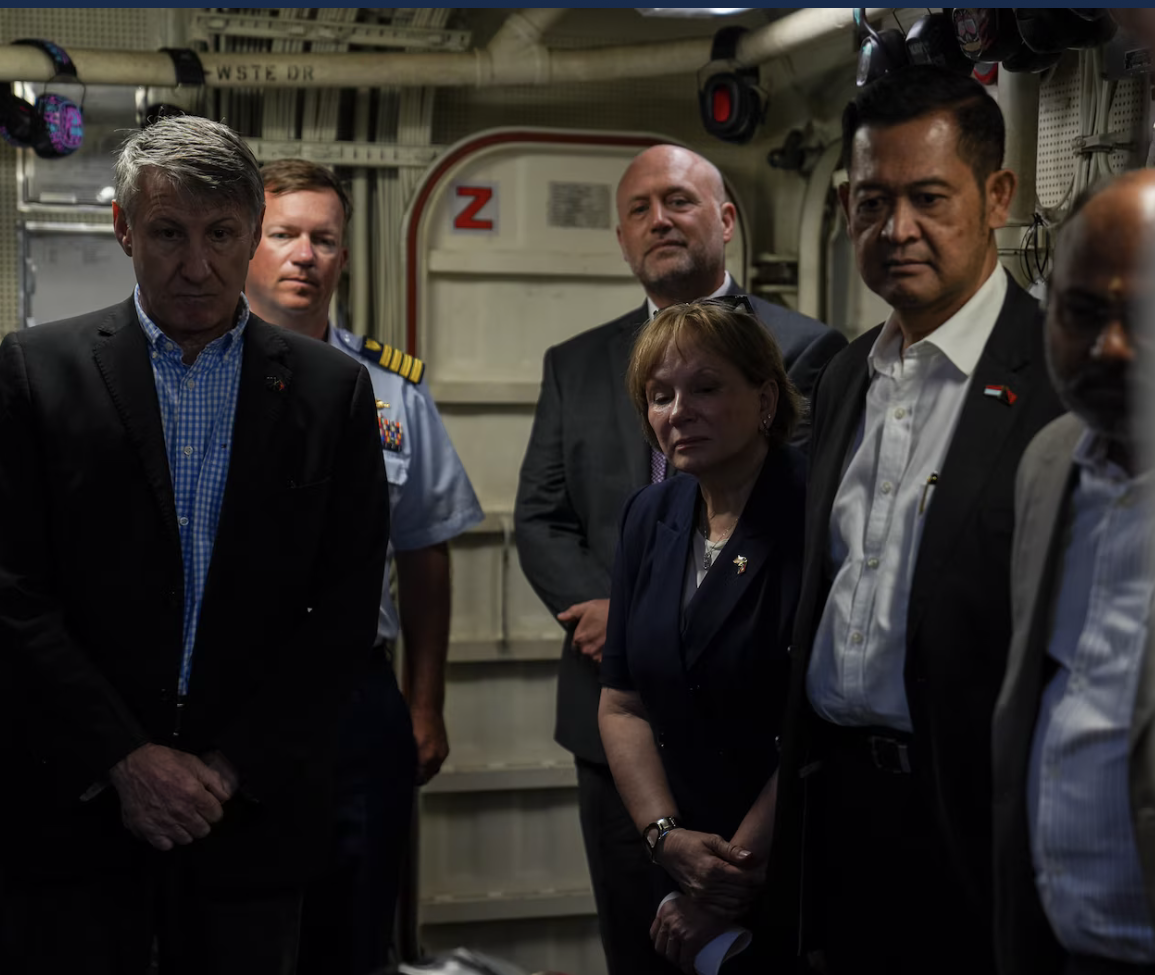
Officials from multiple agencies stand in the engine control room of the Coast Guard Cutter Midgett (WMSL 757) in Papua New Guinea Mar. 6, 2025. Papua New Guinea lies in the heart of key shipping routes, where freedom of navigation for the transport of global goods and fisheries and deep-sea resources abounds. The Coast Guard and Papua New Guinea collaborate to mitigate shared maritime challenges and threats, promoting regional security and stability within Oceania. (U.S. Coast Guard photo by Petty Officer 3rd Class Jennifer Nilson)

Below is a Coast Guard news release.

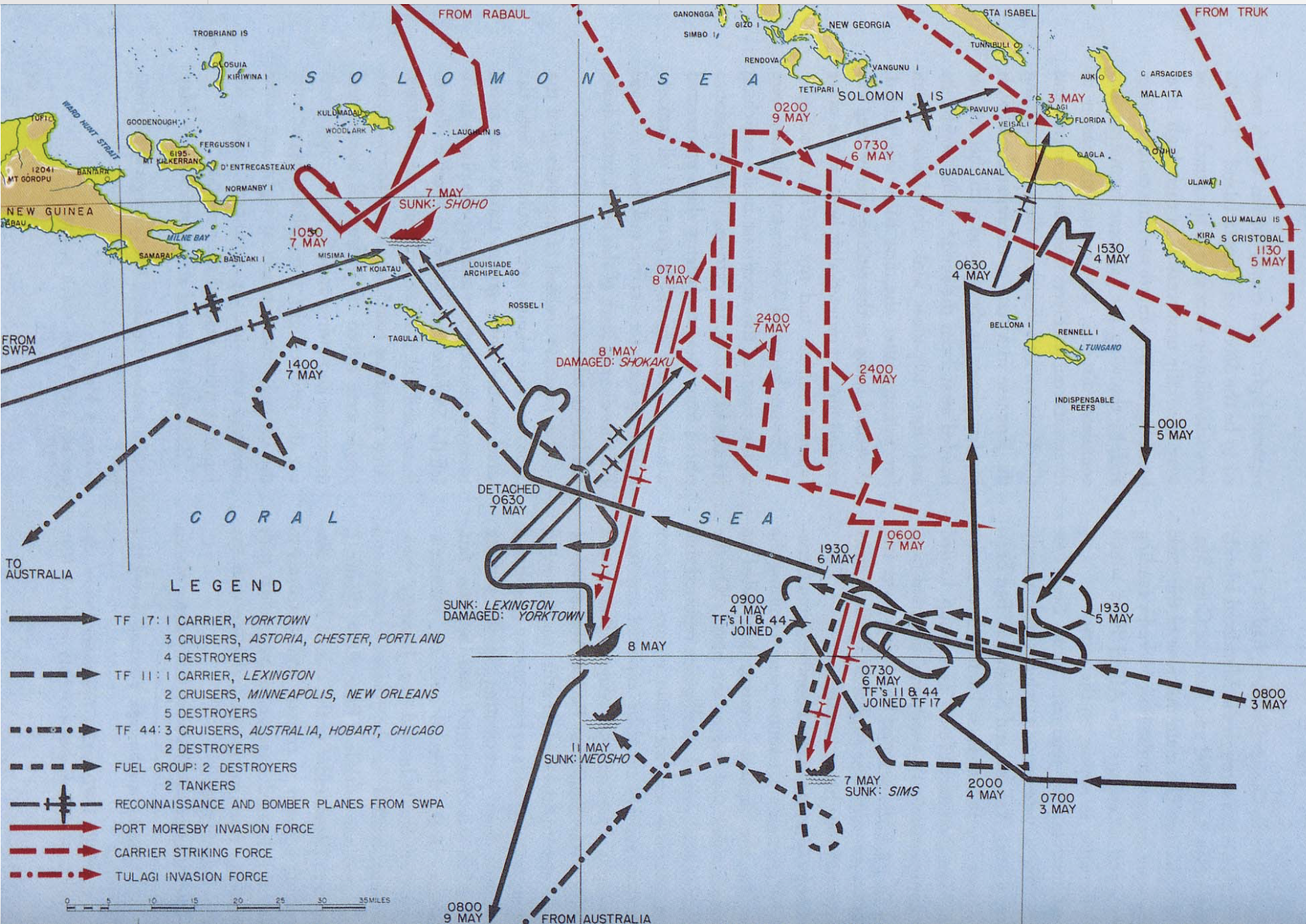
For those with an interest in World War II history. The Battle of the Coral Sea turned back a Japanese force that had planned to attack Port Moresby on the East end of New Guinea.

Battle of Coral Sea. United States Army Center of Military History. The Campaigns of MacArthur in the Pacific, Volume I. Reports of General MacArthur., p. 48, Plate 14. Port Moresby, NewGuinea is in the upper left; Guadalcanal, Tulagi and other Solomon Islands in the upper right; Australia to the South and West

March 12, 2025

U.S. Coast Guard cutter arrives in Papua New Guinea, embarks law enforcement officers to conduct joint maritime patrol

PORT MORESBY, Papua New Guinea — At the invitation of the Papua New Guinea government, the U.S. Coast Guard Cutter Midgett (WMSL 757) arrived in Port Moresby, Thursday, to embark Papua New Guinean law enforcement officers. This visit directly supports Papua New Guinea’s leadership in the Pacific Islands and its commitment to maritime security, specifically in combatting illegal, unreported, and unregulated fishing.

Midgett’s presence reinforces the U.S. Coast Guard’s commitment to deeper relations with Pacific Island nations and regional stability. This collaborative effort marks the first time a national security cutter, the U.S. Coast Guard’s most capable law enforcement cutter, will conduct bilateral maritime law enforcement operations in Papua New Guinea’s Exclusive Economic Zone (EEZ), under the existing bilateral agreement that was singed in May 2023.

This joint patrol will represent a tangible demonstration of the bilateral agreement between the United States and Papua New Guinea, strengthening maritime governance within the Pacific and deterring illegal activities within Papua New Guinea’s EEZ to promote the sustainable use of marine resources.

Midgett, commissioned in 2019 and homeported in Honolulu, is the eighth Legend-class national security cutter. These 418-foot vessels are equipped with advanced technology and a range of capabilities, making them ideally suited to support a wide range of missions, including maritime security, law enforcement, and search and rescue operations. Midgett’s deployment to Oceania highlights the United States’ enduring commitment to promoting a peaceful, secure, prosperous, and resilient Pacific Islands region.

This Day in Coast Guard History, March 13

Based on the Coast Guard Historian’s timeline, https://www.history.uscg.mil/research/chronology/
With inspiration from Mike Kelso

March 13

1882  At 7 P.M., the schooner Annie L. Palmer bound for New York from Baracoa, Cuba, with a cargo of fruit, and a crew of six persons, stranded about two hundred yards off-shore, one mile north of Station No. 16, Fourth District, New Jersey.  The patrolman reported it to the keeper.  The life-saving crew boarded the vessel by 8 o’clock and found that she had grounded at low water and could not be moved until the tide rose.  They ran an anchor to keep the vessel from working farther on, and waited for the flood tide.  At half past 2 the next morning, the tide rose and they succeeded in heaving the vessel off.  They then took her to a safe anchorage.

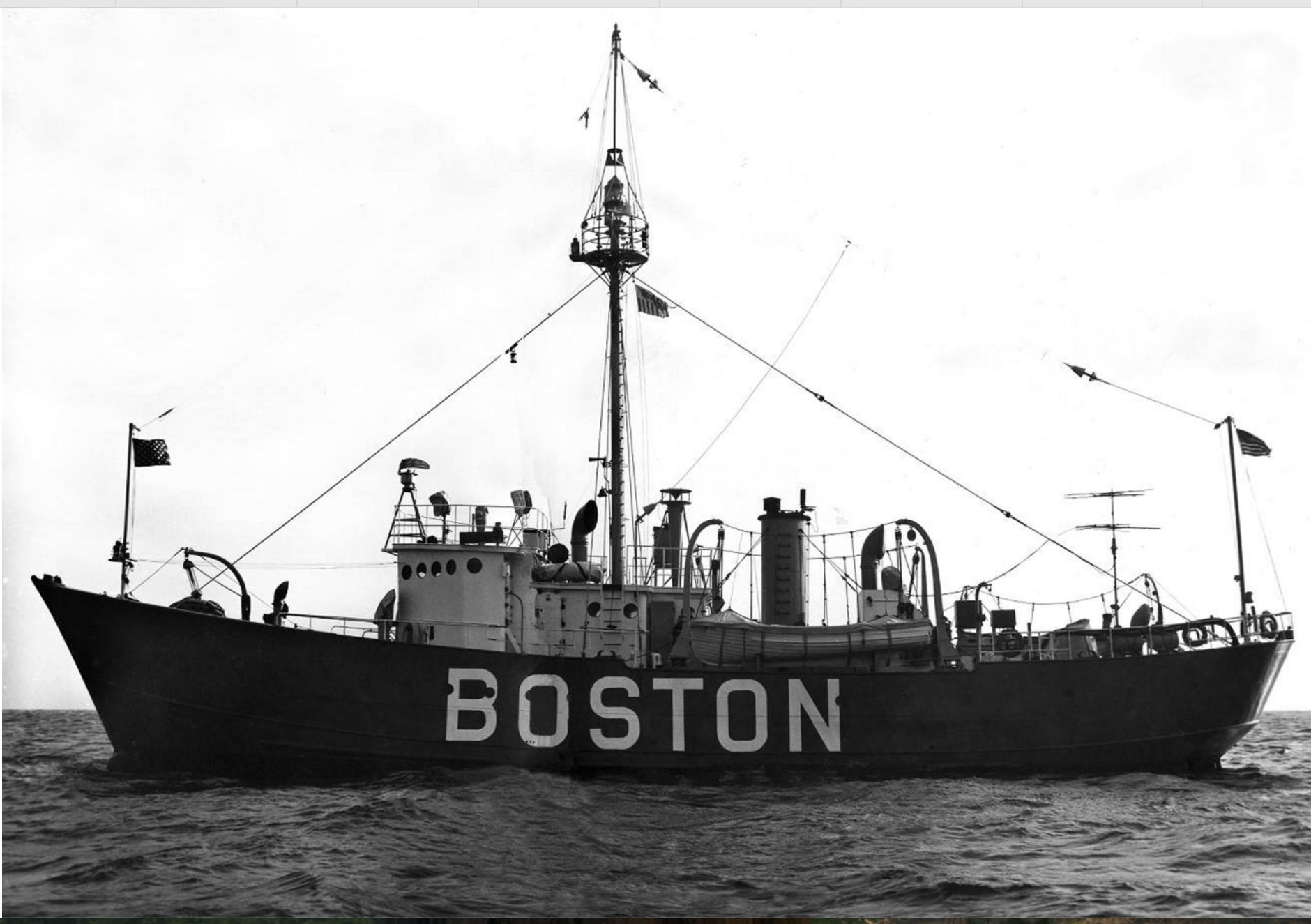
1974  A 200-foot fishing vessel requested evacuation of a crewman, who had severe headaches from a head injury.  The vessel was directed to proceed to the vicinity of Boston Light Vessel where upon arrival a motor lifeboat from Coast Guard Station Point Allerton evacuated the patient to Coast Guard Base Boston.  A waiting ambulance transported the patient to Brighton Hospital.

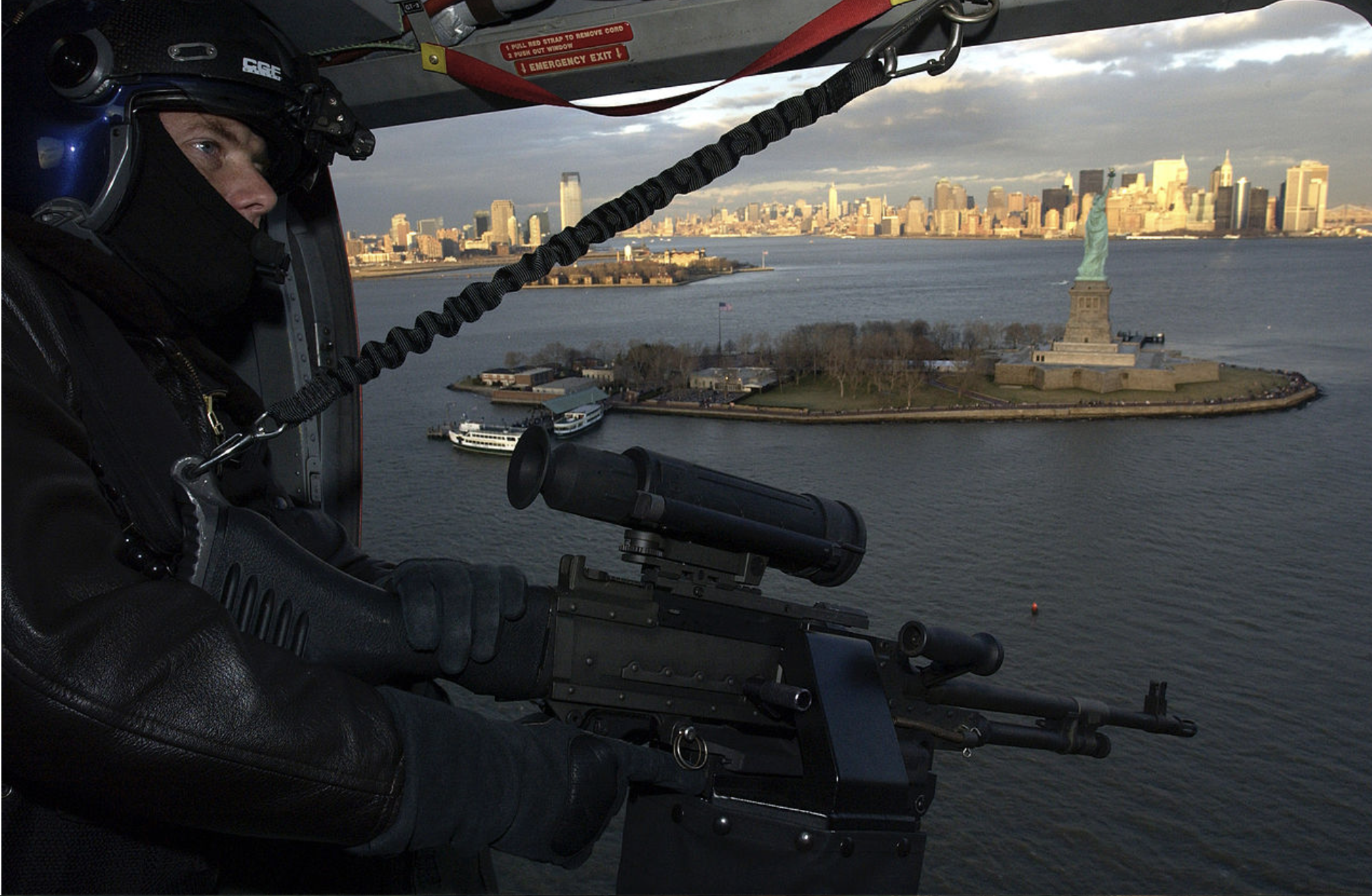
HITRON member from Jacksonville, Fla., mans an M-240 machine gun on board a Stingray MH-68A helicopter during a homeland security patrol around New York City

2000  The Coast Guard announced the successful completion of Operation New FrontierNew Frontier was an evaluation of the use of armed helicopters and high-speed small boats to stop small, high-speed smuggling vessels, referred to as “go-fasts,” that smuggled narcotics to the U.S.  Of the six go-fasts detected, all six were captured.  CGCs Gallatin and Seneca took part in the evaluations.

“Brazil to start the construction of 11 new NPa500MB offshore patrol vessels” –Navy News

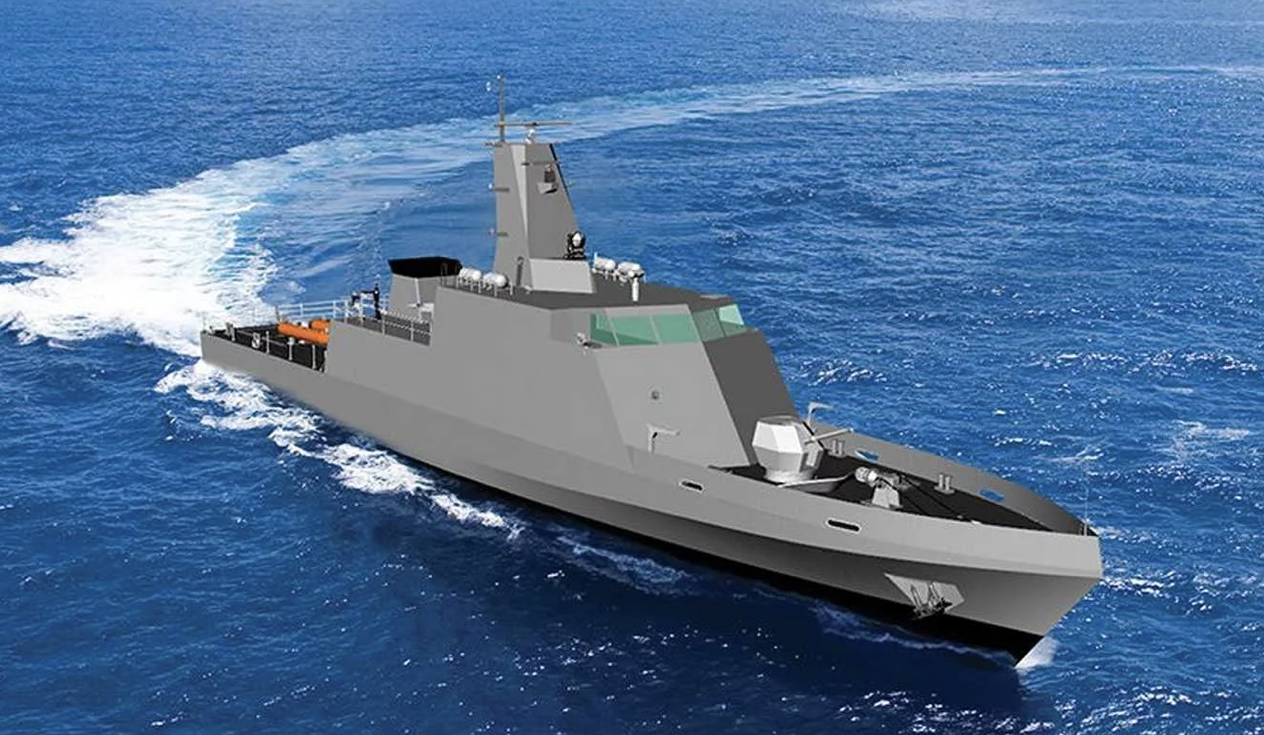
The planned total cost for the eight NPa500MB OPVs is estimated at 2.8 billion reais (~476 million USD), while three other vessels will be specifically configured for mine countermeasures operations. (Picture source: Emgepron)

Army Recognition’s Navy News reports,

“…February 24, 2025, the Brazilian Navy’s Naval Systems Design Center (CPSN) delivered the basic engineering plan for the 500-ton offshore patrol vessel (NPa500MB) to Emgepron, a state-owned company responsible for naval projects, in late January. This step is part of the Patrol Vessel Acquisition Program (PRONAPA), which involves the domestic construction of 11 offshore patrol vessels (OPVs) with a high percentage of locally sourced components. These vessels are designed for the surveillance and protection of the Exclusive Economic Zone (EEZ), search and rescue operations, and combating illegal activities such as illegal fishing.

Brazil has the tenth largest EEZ in the world at 3,830,955 km sq., about one third that of the US, less than Canada, Japan, or New Zealand, but more than Chile, Kiribati, or Mexico.

Brazil has no Coast Guard. The Brazilian Navy operates 22 vessels they refer to as offshore patrol vessels. Only three are what the USCG would call medium endurance cutters. Four are near 40 year old former Royal Navy 890 ton 14 knot steel hulled minesweepers. 12 are 217 tons full load, 152’7″ (46.5 m), 26.5 knot patrol craft commissioned 1993 to 2009.

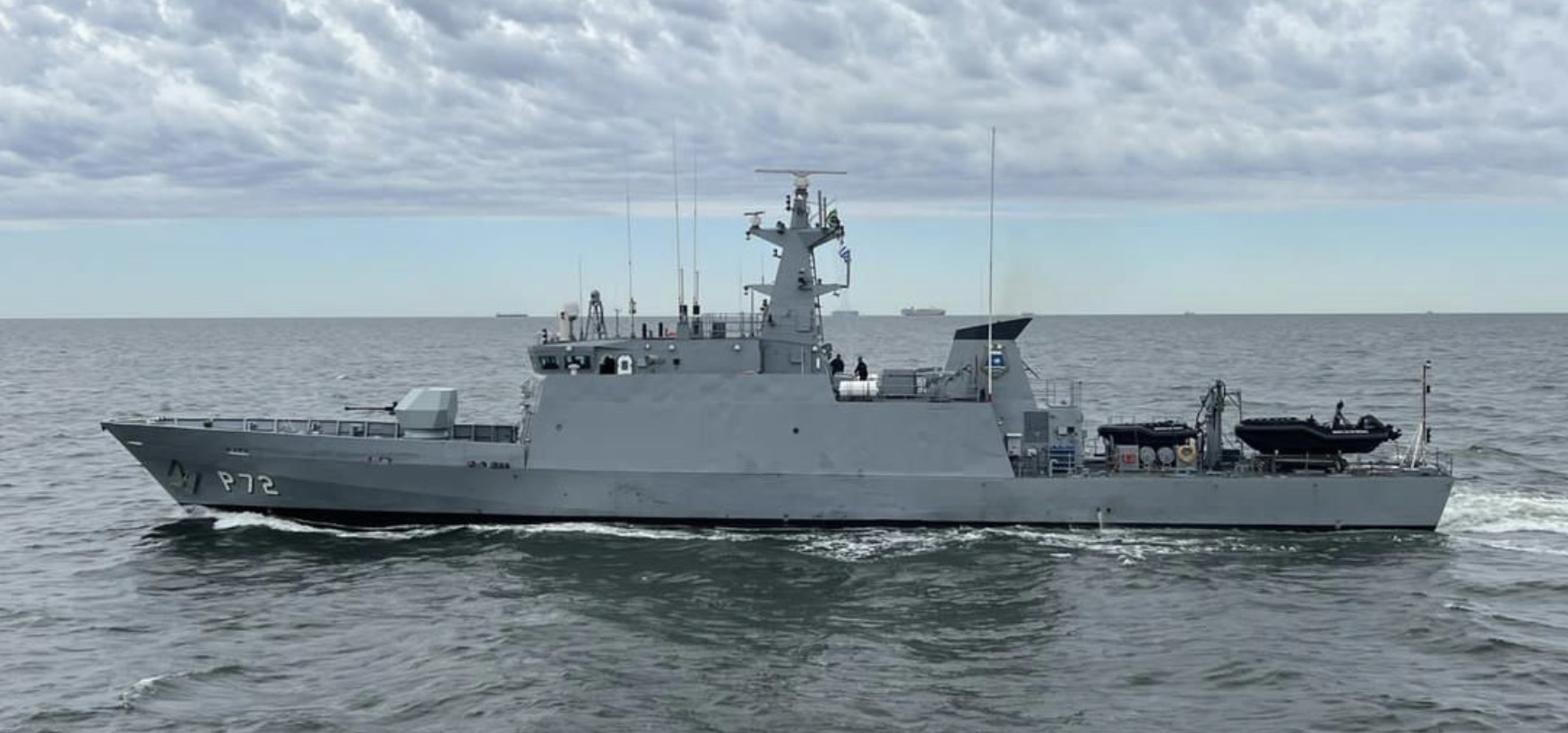
The remaining three are 500 ton, 182’5″, 21 knot Macaé class. Two vessels of this class are still building.

Macaé class patrol craft Navio-Patrulha Maracanã (P72) – 2023

If the Brazilian patrol vessel fleet were to provide the same coverage as the US Coast Guard in proportion to the size of their EEZ, they would need 12 large patrol ships (over 1000 tons) and about 20 smaller patrol craft. (They may be supplementing their patrol force with other classes of vessels.)

The new design appears to be an evolutionary outgrowth of the Macaé class since it is only slightly larger and has similar layout and performance: overall length of 58.9 meters (193’3″), a beam of 9.0 meters (29’6″), a maximum draft of 2.5 meters (8’2″), and a displacement of 564 tons

Presumably the Brazilian Navy sees the Macaé class as successful, but the new ships do not appear to be a significant improvement over the Macaé class. As I noted earlier (How Long Should an OPV be? Is There a Minimum?) I believe a length of at least 80 meters is the minimum for a truly fully capable OPV. In addition to better range, endurance, and seakeeping, the additional length allows incorporation of features that appear to be becoming standard on OPVs, including multiple, more capable, 8 to 11 meter RHIBs (perhaps a stern ramp), space for containerized mission modules and unmanned systems, and a flight deck and hangar for at least UASs.

The Macaé class was based on the 400 ton, 55 meter French P400 class patrol vessel. The French came to believe they needed a larger vessel and have begun replacing their P400 class with vessels with the 80 meter POM. Perhaps Brazil should again look to France and base their next OPV on the more capable POM.

Is the Coast Guard Going to Bring a Knife to a Gun Fight? A Gun to a Missile Fight?

The first three fast response cutters—the USCGC Richard Etheridge (WPC-1102), Bernard C. Webber (WPC-1101), and William Flores (WPC-1103). Credit U.S. COAST GUARD. In case of a maritime terrorist attack, Webber class Fast Response Cutters are likely to be the most potent response the Coast Guard would be able field. 

Why is it that the Coast Guard has not mounted missiles or torpedoes on their ships since about 1991?

Currently the US Coast Guard’s most powerful weapons are the 57mm Mk110 and the 76mm Mk75. Do they assure that the Coast Guard will be able to take actions inherent in Coast Guard missions, including the ability to forcibly stop any vessel–any vessel— regardless of size? Will the larger cutters mounting these weapons even be in the vicinity when needed? When called upon, will the units on scene have any effective weapons?

I don’t think so.  In fact, we are less capable of doing so than we were in the 1930s.

When asked about this in 2020, then Commandant, Admiral Fagan, is reported to have said essentially, “For the present time, the U.S. Coast Guard is satisfied with keeping the current ‘gun and no missiles’ weapons fit the same and exercising the White-Hull Humanitarian symbol of Search and Rescue and Maritime Law Enforcement wherever and whenever the large Coast Guard Cutters sail into far off seas.”

My response at the time was here. I recognize some advantage in being seen as non-threatening, but few people would mistake even a missile armed Cutter for an invading force, and torpedoes are useless against targets on land. Coast Guard cutters overseas missions are primarily law enforcement. In the future, cutters may be in gray zone conflicts with the aggressive China Coast Guard–the largest coast guard fleet in the world, which usually operates cutters in groups. We don’t want USCG cutters to look like they can be pushed around.

Looking helpless may not inspire confidence in our allies.
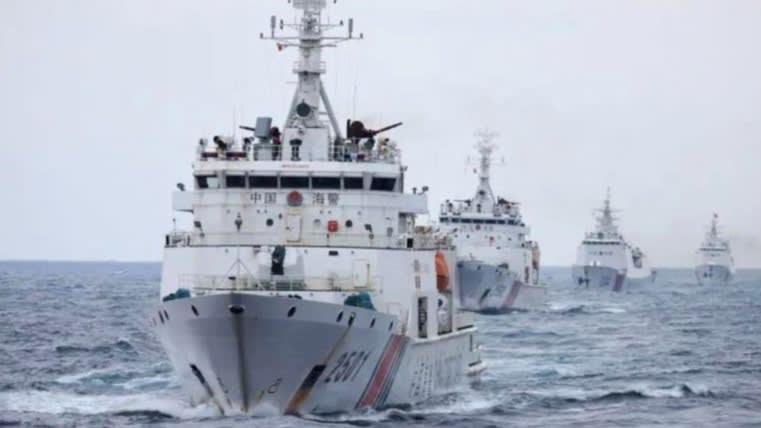
This Chinese coast guard ships armed with 76mm and 30mm guns© Kyodo

Wartime:

It seems likely that, if the US has a conflict with China, one of the first things the Coast Guard will have to do is seize all Chinese owned/flagged/manned vessels in US waters. Naturally some will resist. The Coast Guard will need to be able to overcome any resistance without asking for help from other armed services because they will be busy elsewhere.

As the conflict develops, it it likely the Coast Guard will be involved in blockade operations and otherwise tasked with hunting down Chinese controlled shipping that might be carrying agents, special forces, mines, or even containerized missile launchers.

We are not just talking about small vessels here. Some are over a thousand feet long and there are hundreds of them.

Law Enforcement/Counter-Terrorism:

Coast Guard vessels patrol boat size and larger are not just SAR assets. They are law enforcement units and in wartime combatants. Included in their peacetime law enforcement role is counter terrorism.

Wise men learn from the mistakes of others. Consider the lessons to be learned from the response to attacks on 9/11 and the North Hollywood shootout.

9/11: We knew about kamikazes. We knew airplanes loaded with fuel could be used as weapons. We knew that big planes were more destructive than small ones.

Domain awareness failed when the aircraft turned off or changed their transponder codes. Communications between FAA and NORAD were poor. Interceptors were too few and too far between. Interceptors once launched were sent in the wrong directions. Managers focused on the first attack, which was then already over, refused to receive a report of the second attack in progress.

Too many layers of decision making between detection and action. For timely action, best if the unit that detects an attack can respond immediately, and Coast Guard units are likely to be the first to recognize a maritime terrorist attack.
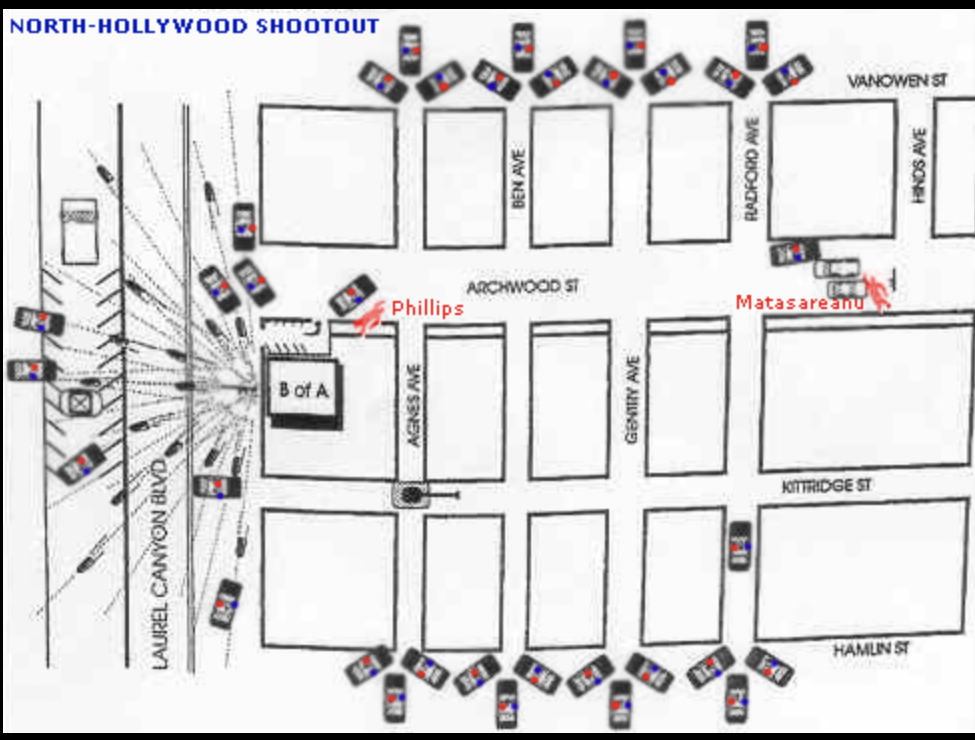
North Hollywood Shootout:

“The North Hollywood shootout, also known as the Battle of North Hollywood, was a confrontation between two heavily armed and armored bank robbers, Larry Phillips Jr. and Emil Mătăsăreanu, and police officers in the North Hollywood neighborhood of Los Angeles on February 28, 1997.

In this case the response to the crime was prompt but inadequate. At the time, the police on patrol were generally armed with only the classic 38 Special revolver, 9mm handguns, and a few shotguns. The bank robbers armor was impervious to these weapons. The robbers carried automatic rifles with high capacity magazines with up to 100 rounds. The two robbers fired approximately 1100 rounds. Some police officers even reequipped themselves with weapons from a local firearms dealer.

An inventory of the weapons used by the two bank robbers:

  • A Bushmaster XM-15 converted illegally to fire full auto with two 100-round Beta Magazines and fitted with a M16A1-style handguard
  • A Heckler & Koch HK-91 semi automatic rifle with several 30-round magazines
  • A Beretta 92FS with several magazines
  • Three different civilian-model Norinco Kalashnikov-style rifles converted illegally to fire full auto with several 75- to 100-round drum magazines and 30-round box magazines

The police were ultimately successful because of the overwhelming response. Over 300 law enforcement officers from various forces had responded to the citywide tactical alert, but they were really not prepared to confront just two men who were armed or protected in ways they did not expect. The perpetrators, Phillips was shot 11 times, including his self-inflicted gunshot wound to the chin, while Mătăsăreanu was shot 29 times. Twelve police officers and eight civilians were injured.

If terrorist sage a maritime attack, it is unlikely to be what the Coast Guard has trained for. Coast Guard capabilities are public knowledge. Ballistic protection to protect terrorist operators or shooters against common Coast Guard weapons is relatively easy.

Terrorist can easily put protected firing positions and strong points on a ship, even if the Coast Guard has not done it.

Tests have shown that 25mm Mk38 rounds may not even penetrate a quarter inch of aluminum.

Even relatively small terrorist controlled vessels could be armed with a variety of weapons more destructive than the .50 caliber machine gun or the 25mm gun. RPGs (rocket propelled grenades) are common, but there are recoilless rifles, heavy machine guns, anti-tank and anti-aircraft guns up to 152mm, and anti-tank guided missiles that would also work well against a cutter, that are widely distributed.

Here are two examples. Both are widely available, compact, and hard hitting. The options are almost endless.
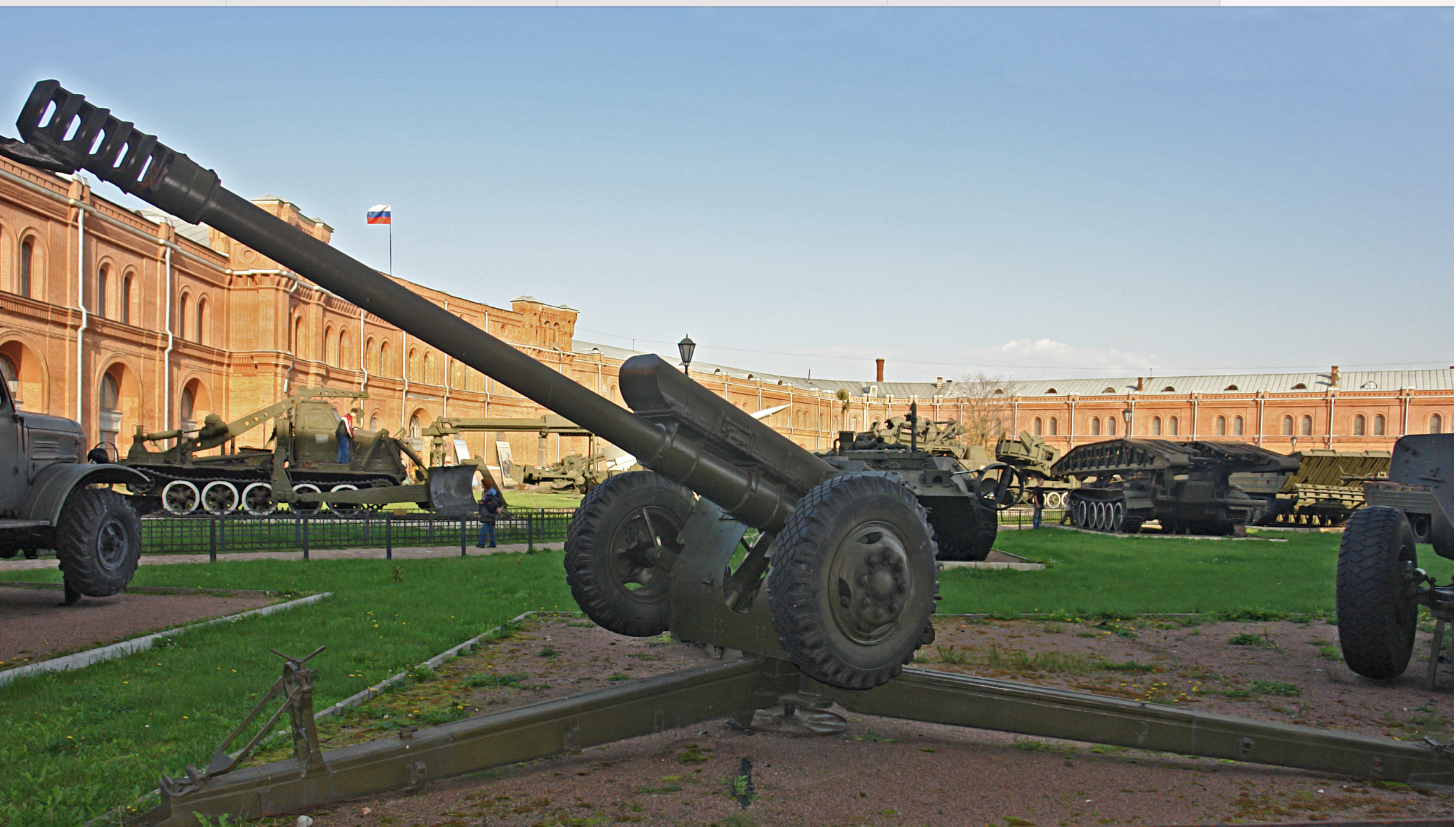
122mm howitzer D-30 (2A-18) Chief Designer F. F. Petrov (1960) Maximum range: 15300 meters Rate of fire: 6 – 8 rounds per minute Mass: 3200 kg Shell mass: 22 kg. Photo credit George Shuklin

The 122-mm howitzer D-30

 … is a Soviet howitzer that first entered service in 1960. It is a robust piece that focuses on the essential features of a towed field gun suitable for all conditions. The D-30 has a maximum range of 15.4 km (9.6 mi) or 21.9 km (13.6 mi) using rocket-assisted projectile ammunition.

With its three-leg mounting, the D-30 can be rapidly traversed through 360 degrees. Although no longer manufactured in the countries of the former Soviet Union, the D-30 is still manufactured internationally and is in service in more than 60 countries’ armed forces.
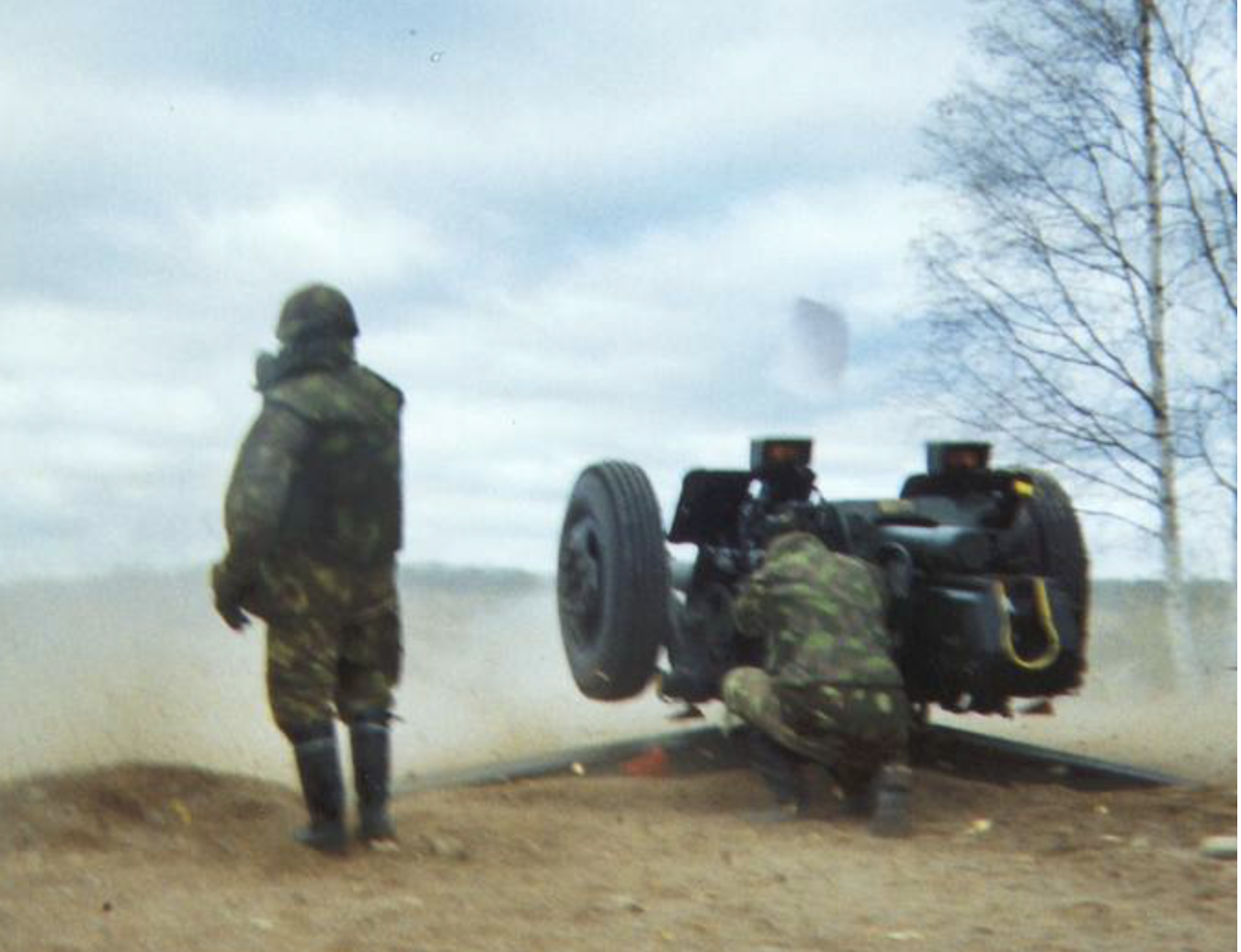
Finnish D-30 in direct fire during a training exercise. Photo credit: Jaakko Pulkkinen
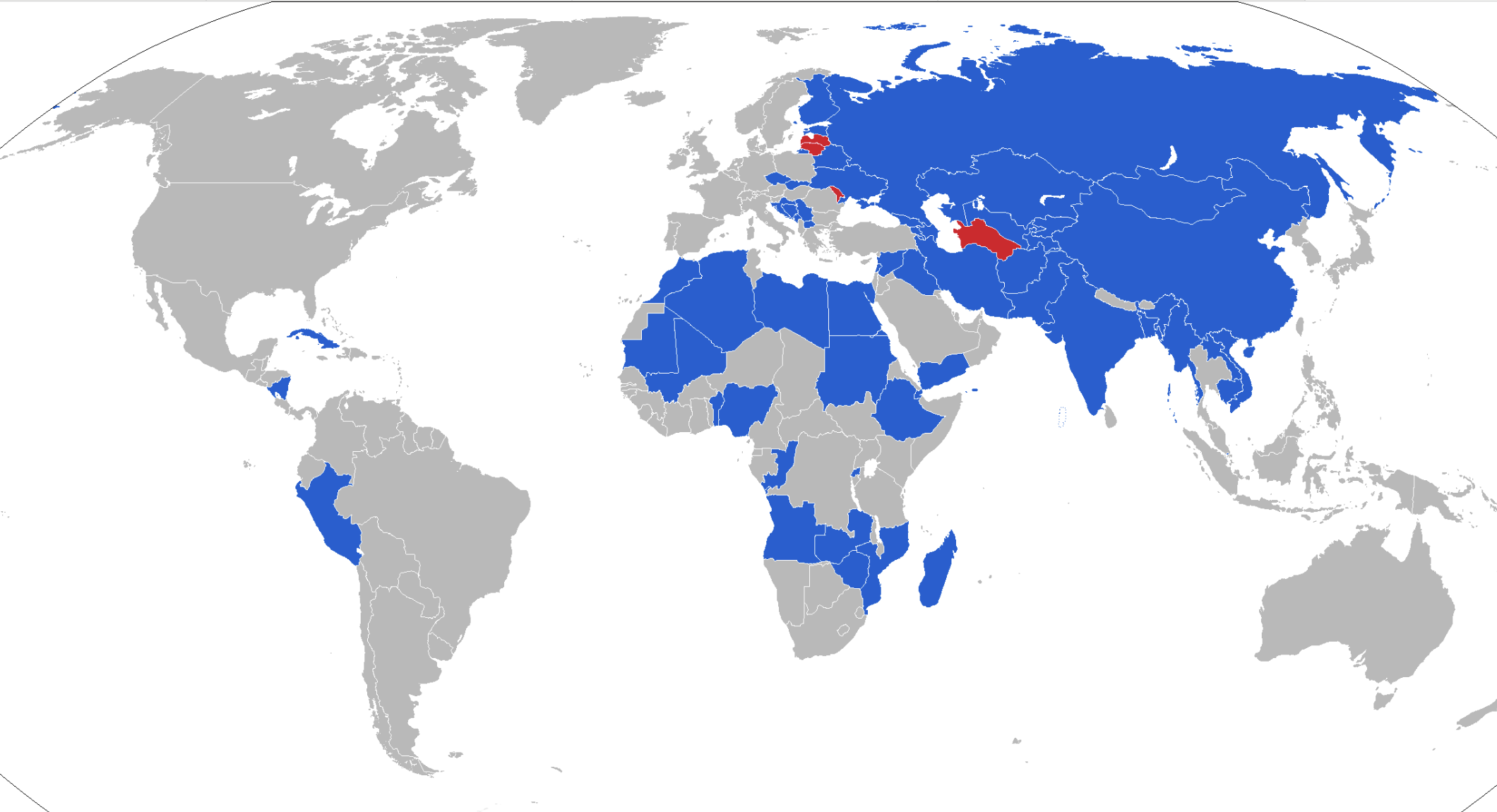
Map of D-30 operators in blue with former operators in red. From Wikipedia. Credit: Jurying

9M133 Kornet:
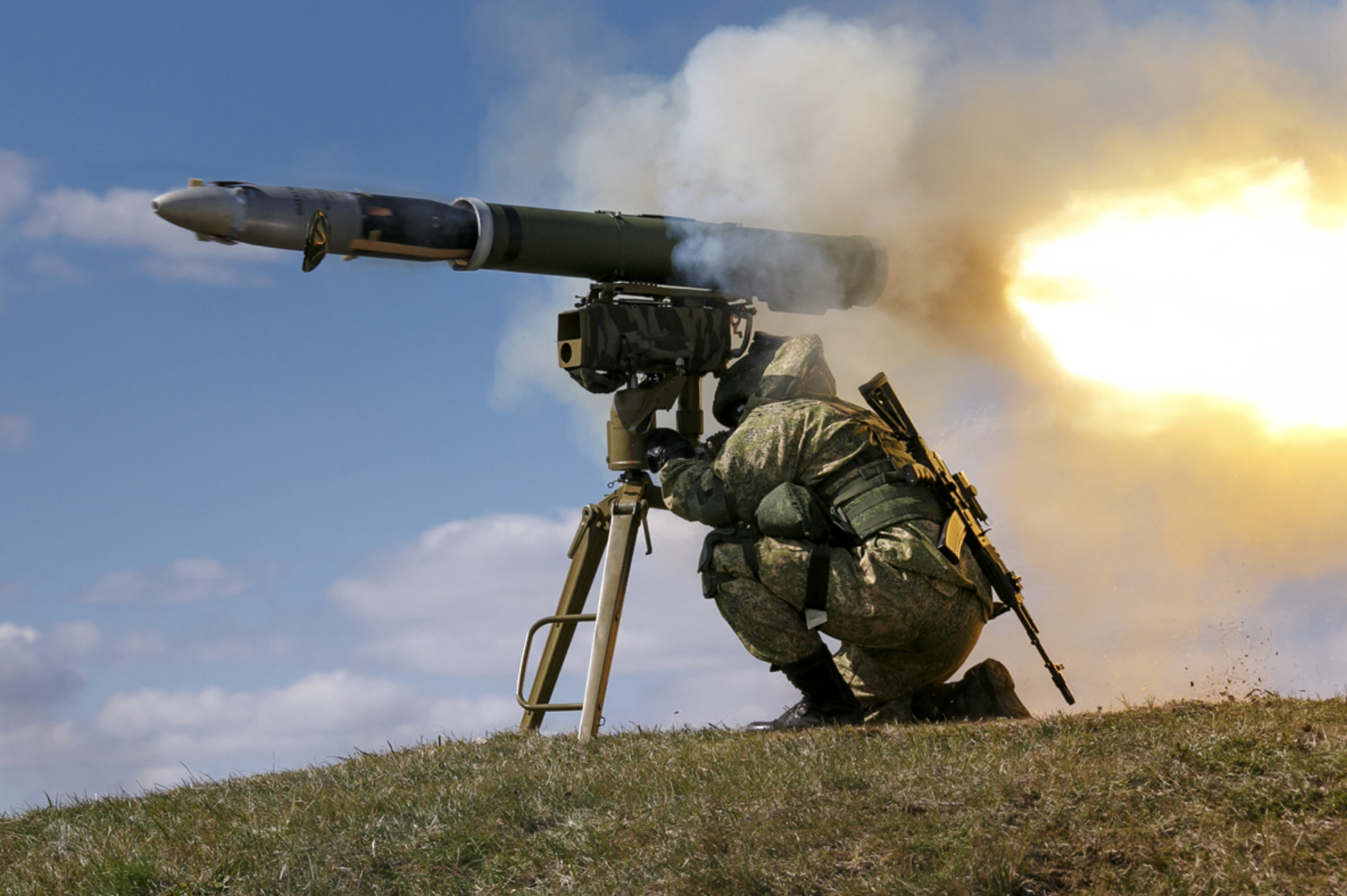
9M133 Kornet. Control check of cadets of the Training Center for Combat Use of Missile Troops and Artillery of the Ground Forces of the Western Military District (Moscow Region).

The 9M133 Kornet (Russian: Корнет; “Cornet”, NATO reporting name AT-14 Spriggan, export designation Kornet-E) is a Russian man-portable anti-tank guided missile (ATGM) intended for use against main battle tanks. It was first introduced into service with the Russian army in 1998.

The Kornet is among the most capable Russian ATGMs. It was further developed into the 9M133 Kornet-EM, which has increased range, an improved warhead, and equipped with an automatic target tracker (fire-and-forget capability).

The Kornet has been widely exported and is produced under license in several countries. It was first used in combat in 2003 and has since been used in many conflicts.
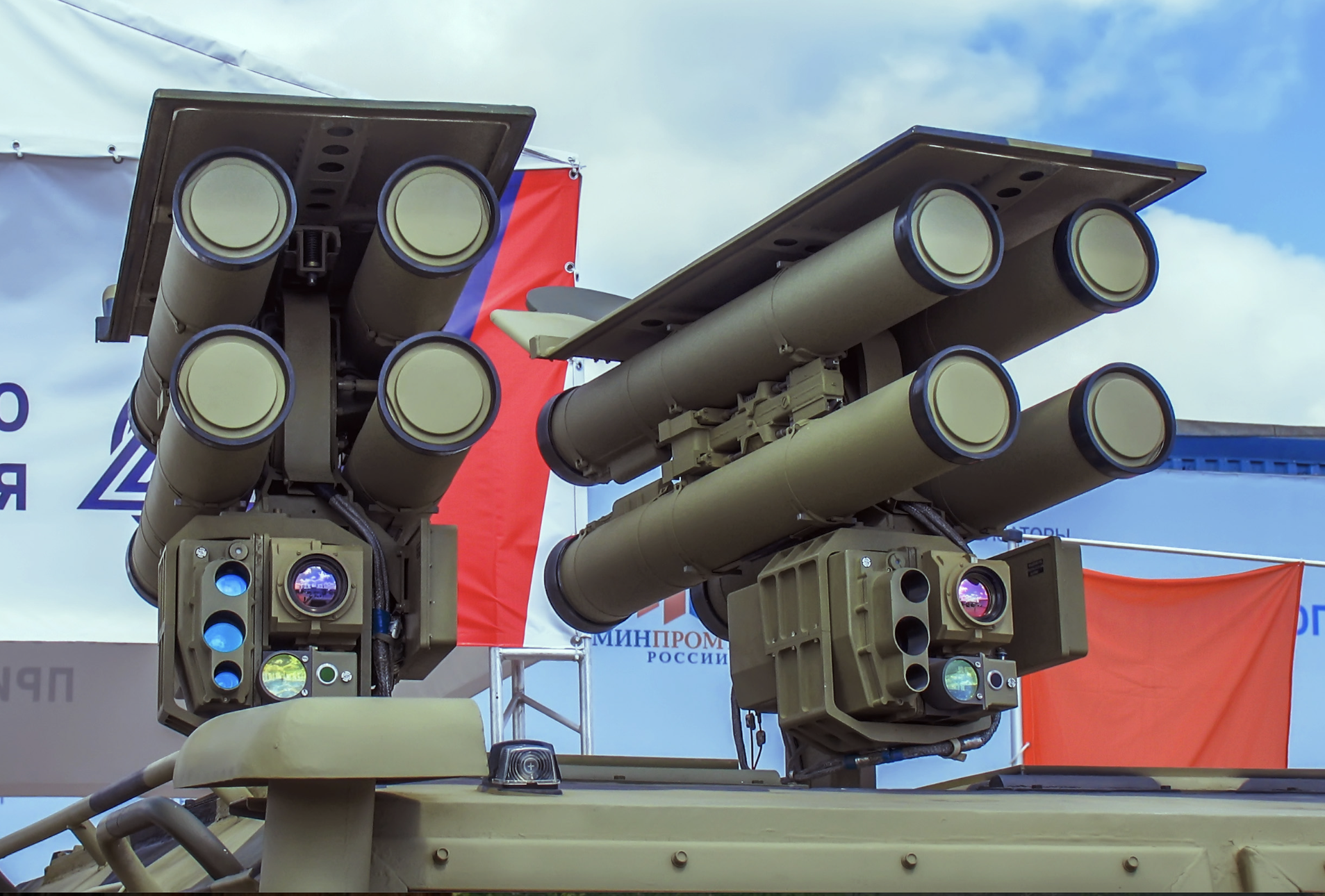
Kornet-EM missiles truck mounted Kornet-D launcher. Credit: Mike1979 Russia. Looks like this could be easily mounted in a container.
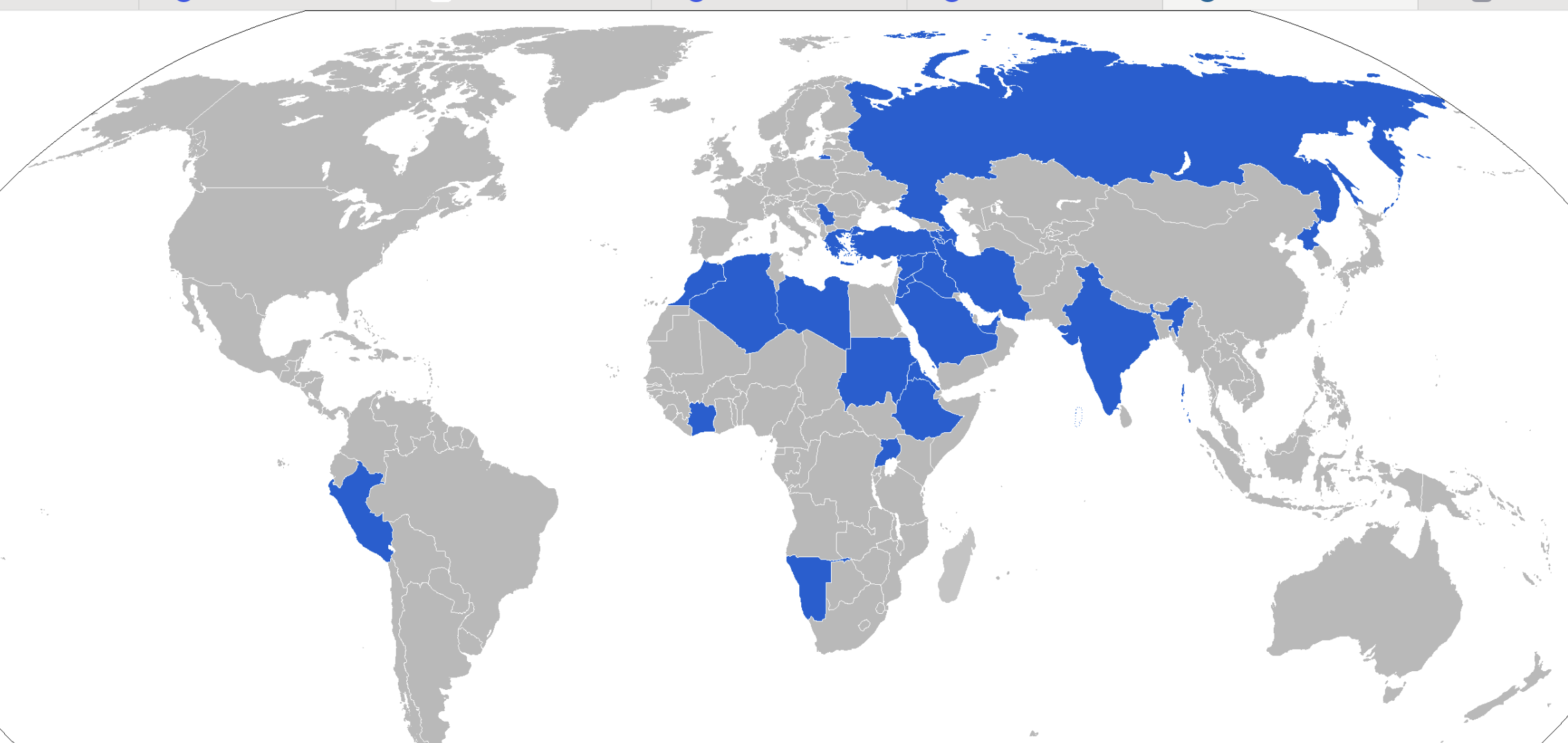
Map with 9M133 operators in blue. Author: Jurryaany

NON-STATE USERS:

This Day in Coast Guard History, March 11

Based on the Coast Guard Historian’s timeline, https://www.history.uscg.mil/research/chronology/
With inspiration from Mike Kelso

March 11

U.S.R.C. Gresham, flagship of the patrol fleet, America’s Cup races, 1901, Library of Congress. Yes, this is the same Gresham referred to below. She was decommissioned 7 April 1944, then almost 47 years old. 

1934  USCGC Gresham’s small boat crew defeated a team from the Royal Navy cruiser HMS Danae (5,603 tons full load) in a surfboat race over a two-mile course laid out in Mobile Bay.  Gresham and the City of Mobile had been hosting the British warship since March 8, 1934.

USCGC Itasca as HMS Gorlsston

1941  Congress passed the Lend-Lease Act.  Under the auspices of Lend-Lease all 10 of the Coast Guard’s famous Lake-class cutters were transferred to the Royal Navy.  Three were lost in action against Axis forces.  These 250-foot cutters had been designed by the Coast Guard Constructor RADM Frederick A. Hunnewell and featured a slightly raked stem and a cruiser stern.  Their innovative turbine-electric drive power plant was developed by Coast Guard CAPT Quincy B. Newman.  These were the first ships to have alternating current, synchronous motor for propulsion – the whole ship ran off the main turbine.  The auxiliary generators were tied into the main generator electrically, after sufficient speed was attained.  At that point, no steam was required to drive the turbines on the auxiliary generators.  The propulsion plant achieved remarkable efficiency.

USCGC Long Island. Photo from DAKOTA CREEK INDUSTRIES, INC. | P.O. Box 218 | Anacortes, WA 98221

2010  USCGC Long Island returned to its homeport of Valdez, Alaska, after providing patrol support to the 2010 Winter Olympics in Vancouver.  Long Island conducted patrols, boardings, and professional exchanges with Navy cruisers, destroyers, multi-agency aircraft and other Coast Guard units such as high endurance cutters, patrol boats, Maritime Safety and Security Teams, and the Maritime Security Response Team. The crew transited more than 2,500 miles roundtrip for the mission including underway maintenance and port calls to Washington state, Canada and Southeast Alaska.  They conducted periodic law enforcement boardings to ensure vessels were in compliance of all U.S. laws and regulations to assist their Canadian counterparts.  The Coast Guard was the lead for all U.S. maritime military naval forces supporting the 2010 Winter Olympics and had the dual responsibility of supporting Canadian Maritime operations while contributing to the larger Canadian government communications effort in promoting public confidence and security.  Vancouver, British Columbia, hosted the 2010 Olympics from February 12-28, 2010.