This Day in Coast Guard History, October 30

Based on the Coast Guard Historian’s timeline, https://www.history.uscg.mil/research/chronology/
With inspiration from Mike Kelso

USCGC Chincoteague (WAVP-375) in 1964, date unknown. US Coast Guard photo

1956  CGC Chincoteague, manning Ocean Station Delta in the North Atlantic, received a distress message that the German freighter Helgs Bolten was taking on water and wished to abandon ship as soon as possible.  After reaching the scene some hours later, the cutter found that the high winds and 25-foot seas made it impossible to launch lifeboats.  Two inflatable lifeboats, therefore, were passed by shot line to the freighter, and the 33 crewmen aboard were removed to the cutter unharmed. Chincoteague then stood by the drifting vessel for seven days, while commercial tugs made salvage attempts.  All of the survivors returned on board the cutter to Norfolk, Virginia, while a tug towed Helg Bolten to the Azores.
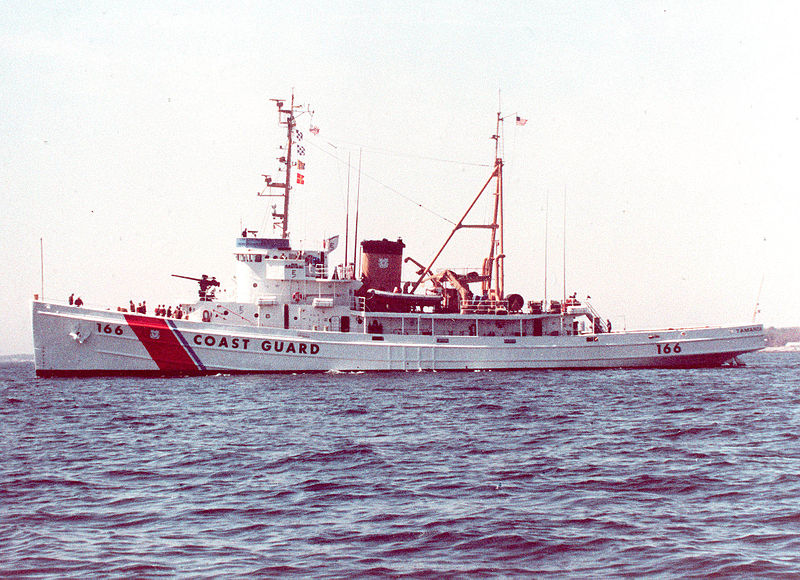
USCGC Tamaroa (WMEC-166), underway 1 May 1990, one year before she would sail into a vicious Halloween storm that later was dubbed “The Perfect Storm.” Her crew saved seven lives then. US Coast Guard photo.

1991  CGC Tamaroa attempted to rescue the three persons on board the disabled sailing vessel Satori 75 miles south of Martha’s Vineyard during a severe winter storm.  Tamaroa launched an RHI which was damaged by the tossing Satori as it drew near the sailing vessel but a Coast Guard  HH-3F, CG-1493, also participating in the rescue, hoisted the three on board Satori and the RHI’s crew to safety.  Tamaroa was then diverted to rescue the crew of a downed Air National Guard H-60.  (See October 31 entry below).

USCGC DILIGENCE

2014  CGC Diligence returned to her homeport of Wilmington, North Carolina following a 45-day patrol in the Caribbean Sea. While on patrol, Diligence served as the operational commander for all Coast Guard assets supporting Operation Southeast Watch in the Windward Pass between Cuba and Haiti.  As the operational commander, Diligence maintained an overt presence in the Windward Pass to prevent and respond to any overloaded or unseaworthy vessels with persons attempting to reach the United States shoreline.  The crew aboard Diligence also conducted counter-narcotics operations in support of Operation Unified Resolve in San Juan, Puerto Rico.  Crew members conducted two inspections of vessels suspected of smuggling narcotics and patrolled the region to counter the flow of illicit traffic.  Under Operation Southeast Watch, the Coast Guard worked alongside interagency and international partners to prevent and respond to illegal maritime migration in the Caribbean Sea and Florida Straits. Under Operation Unified Resolve, the service placed special emphasis on targeting the primary and secondary flow of illicit drugs from South America to Puerto Rico and the U.S. Virgin Islands.  Operation Unified Resolve initially began as a surge operation, but in October 2013, the Coast Guard made it a standing operation and established a new baseline for drug interdiction operations in support of Puerto Rico and the U.S. Virgin Islands.
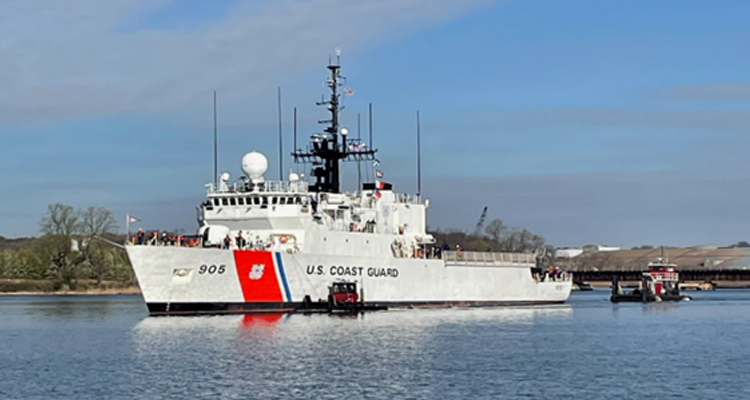
Coast Guard Cutter Spencer approaches the pier at Coast Guard Yard in Baltimore. U.S. Coast Guard photo.

2015  CGC Spencer returned to its homeport of Boston after a 65-day patrol of the Caribbean Sea. Spencer conducted several search and rescue cases as well as counter narcotics and migrant interdiction operations.  As part of Operation Martillo, Spencer intercepted four go-fast vessels suspected of trafficking drugs, and directly contributed to the seizure of 1,000 kilograms (2,204 pounds) of marijuana and 1,677 kilograms (3,697 pounds) of cocaine worth approximately $50 million.  In addition, 11 suspected narcotic smugglers were taken into custody and were transferred to the offices of the United States Attorneys for prosecution.  In Colón, Panama, Spencer’s boarding teams partnered with the National Aero-Naval Military Service of Panama to conduct a three-day joint boarding of a freighter suspected of smuggling narcotics.  In mid-October while sailing the passage between Cuba and Mexico, Spencer’s crew rescued 24 passengers from a disabled vessel that was caught in 12-15-foot seas. Spencer’s crew was able to safely disembark the Cuban migrants as their vessel ran out of fuel and the sea state worsened.  Martillo, which is Spanish for hammer, was a U.S., European, and Western Hemisphere effort to target illicit trafficking.

Turn of the Last Century Cutters, USRC to USCGC


USRC Seminole, America’s Cup Races 1901, Library of Congress

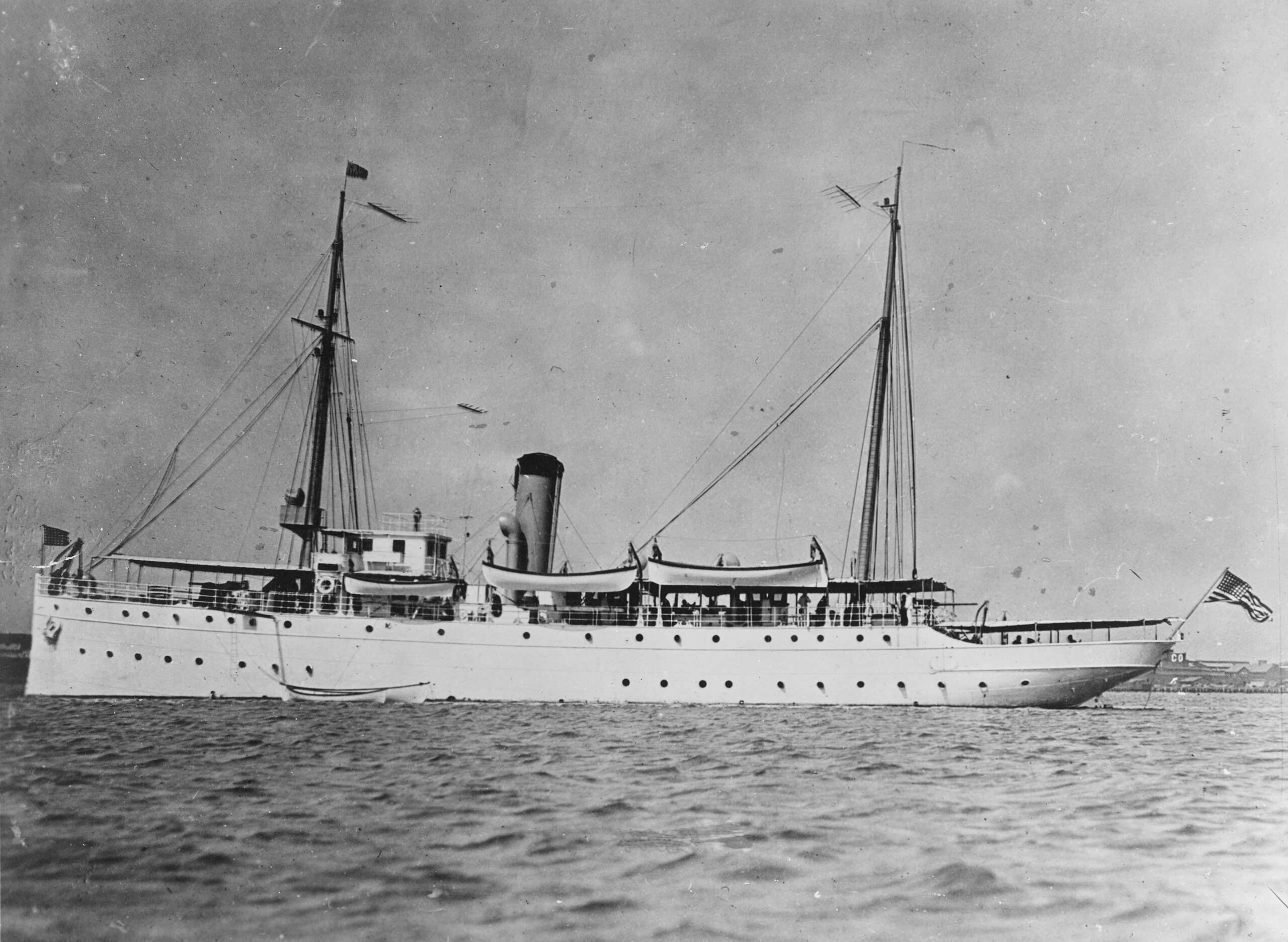
I have seen relatively few photos of cutters from the turn of the century from 19th to the 20th and most of those were of the ships stopped or in port. I ran across the first three photos you see here of Seminole, Onondaga, and Gresham at the Historic Ship Geek Facebook page. and wanted to share them. (Thanks to Charley Seavey.) As you can see, when pushed, they pumped out a lot of black smoke. Several of these ships had interesting careers. I have linked additional information for each.

U.S.R.C. Onondaga, America’s Cup races, 1901. Library of Congress.

U.S.R.C. Gresham, flagship of the patrol fleet, America’s Cup races, 1901, Library of Congress.

A desire to provide a more complete picture prompted me to also post the few pictures I already had from this era and find more.

Six cutters from this era served as convoy escorts in European waters during the first World War, Seneca, TampaOssipeeManningYamacraw, and Algonquin (pictured immediately below).

USRC Seneca, 1908. Eleven Coastguardsmen were lost in an attempt to save the torpedoed steam ship Wellington.

USCGC Tampa (Coast Guard Cutter, 1912) photographed in harbor, prior to World War I. Completed in 1912 as the U.S. Revenue Cutter Miami, this ship was renamed Tampa in February 1916. On 26 September 1918, while operating in the English Channel, she was torpedoed and sunk by the German Submarine UB-91. All 131 persons on board Tampa were lost with her, the largest loss of life on any U.S. combat vessel during the First World War. U.S. Naval History and Heritage Command Photograph.

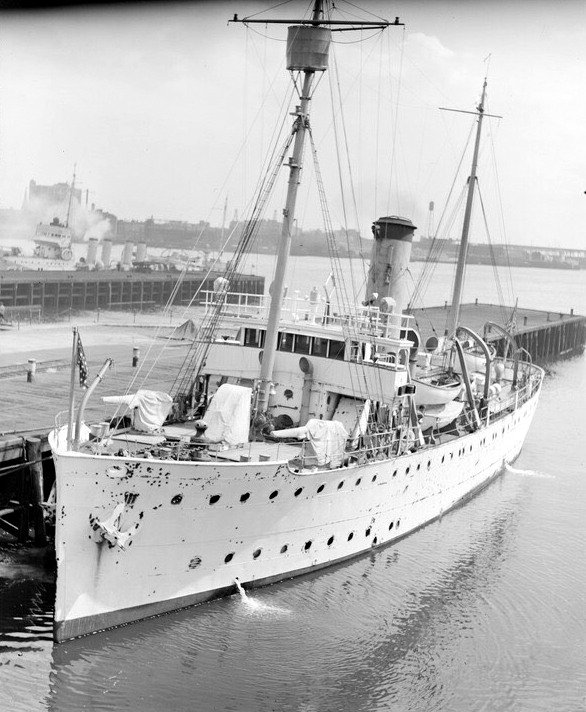
USCGC Ossipee Moored at the Boston Navy Yard in April, 1932, Boston Public Library, Leslie Jones Collection

May 12 1898, USRC Manning in engagement off Cabanas, Cuba. This is the only photo the Coast Guard Historian’s Office has on file showing a cutter in combat during the Spanish American War. Property of Lieut. G. L. Carden, R.C.S., Lotos Club, 558 Fifth Ave., New York City. Photo No. MVF-152 #10, Acc. 526

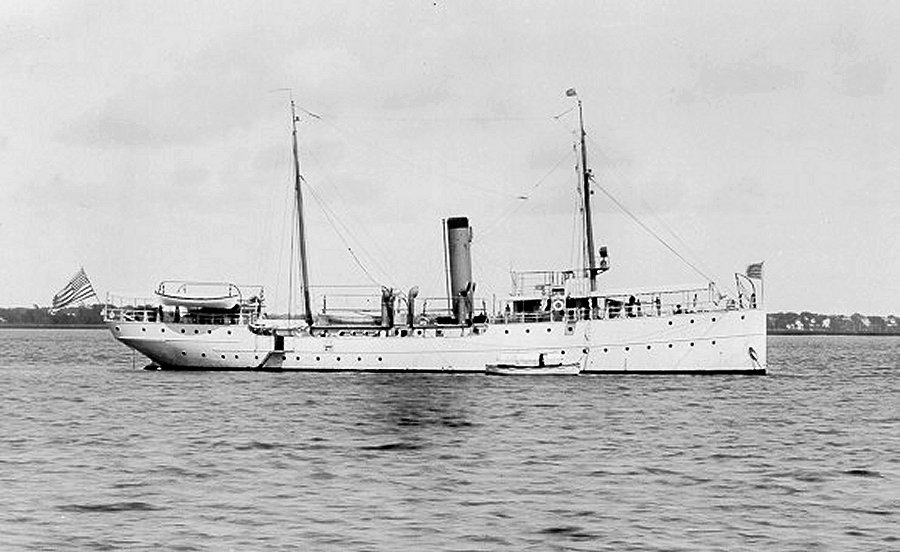
USCGC Yamacraw, c. 1914.

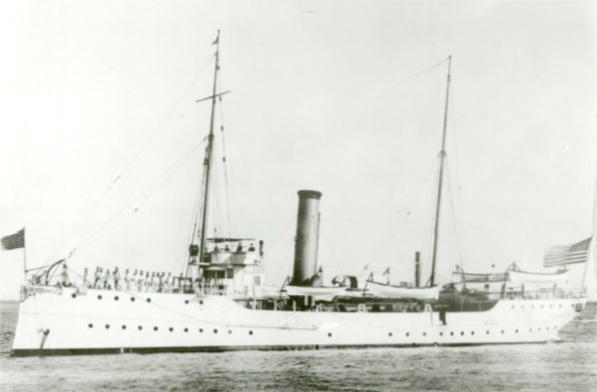
Algonquin, no caption/date; Neg. No. 148-2; Marine Photo Shop-Joe D. Williamson photo.

From Wikipedia: “President Woodrow Wilson signed Senate Bill 2337 on 28 January 1915 creating the United States Coast Guard through the merger of the United States Life-Saving Service with the United States Revenue Cutter Service. On that date the newly formed service had 25 sea-going cutters and 19 harbor tugs and launches and 270 stations. The bill authorized 4093 officers, warrant officers, and enlisted men. The service also consisted of one headquarters at Washington, D.C., 17 regional commands, four depots and one academy. Source: King, Irving H. (1996). The Coast Guard Expands, 1865–1915: New Roles, New Frontiers. Naval Institute Press, Annapolis, Maryland. ISBN 978-1-55750-458-6https://archive.org/details/coastguardexpand0000king/mode/2up

Some of the ships of this period continued to see service through WWII.

n 1914, USRC Cutter McCulloch was ordered to Mare Island Navy Shipyard where the cutter’s boilers were replaced, the mainmast was removed and the bowsprit shortened. In 1915, McCulloch became a US Coast Guard Cutter when the US Revenue Cutter Service and US Life-Saving Service were combined to create the United States Coast Guard. (Credit: Gary Fabian Collection)

USCGC Unalga at San Juan, PR, circa 1943, with two 3″/50 guns fore and aft. In 1941 the two 3″/50s were mounted abreast on the forecastle. The decks could not support a centerline gun, so in 1944 the forecastle was strengthened
Photo “U.S. Coast Guard Cutters & Craft of World War II” by Robert L. Scheina

USCGC Tallapoosa, 7 April 1944, This photo affords an excellent view of her armament. She mounts two single 3″/50s fore and aft, two single 20mm guns elevated forward of the aft 3″/50, two Mousetrap ASW rocket launchers on the forecastle, four K-guns on the poop deck, and two long depth-charge tracks on the stern
Photo from “U.S. Coast Guard Cutters and Craft of World War II” by Robert L. Scheina

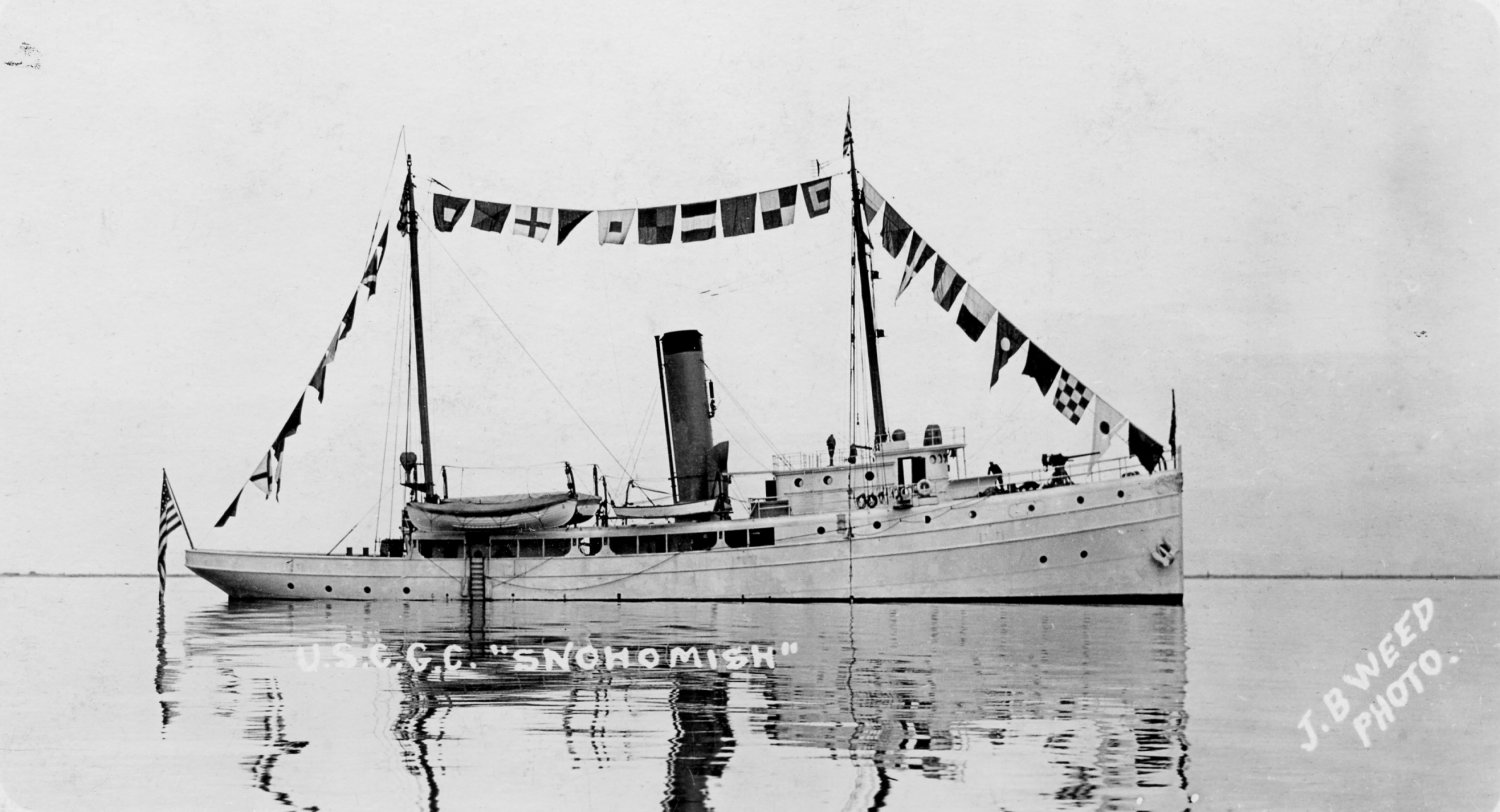
USCGC Snohomish (1908), Photo by J. B. Weed, From the collection of Arthur Heinickle

Wikipedia has an excellent list of Coast Guard cutters.


This Day in Coast Guard History, October 29

Based on the Coast Guard Historian’s timeline, https://www.history.uscg.mil/research/chronology/
With inspiration from Mike Kelso

1883 At a quarter before 4 o’clock In the morning the two surfmen on patrol from the Plum Island Station (Second District), below Newburyport, Massachusetts, discovered a vessel ashore on the south breaker at the entrance of Newburyport Harbor, about half a mile northeast of the station.  A signal was made to her that she was seen and the men hurried to the station and gave the alarm.  The boat reached her shortly after 4 o’clock.  She was the schooner Forest Maid with a crew of seven men bound on a fishing cruise.  While going out over the bar, the wind being light, she had been carried by the strong ebb tide on to the shoal.  The first thing done by her crew was to let go an anchor to hold her, but finding she continued to drive farther on they veered away.  They were disappointed, for she soon fetched up hard and fast with ninety fathoms of cable out.  As the water was still falling nothing could be done until the flood tide.  The life-saving crew remained on board and when the tide began to rise at 8 o’clock, commenced operations by heaving in on the cable.  The wind freshened considerably while they were at work, raising quite a swell, which caused the schooner to pound heavily.  They persevered, however, gaining a little every time she lifted on the seas, so that by 9 o’clock the schooner was safely afloat and on her way back into the harbor, apparently none the worse for the accident.

1965 Secretary of the Navy Paul Nitze requested additional Coast Guard patrol boats for patrol duties in Vietnam.

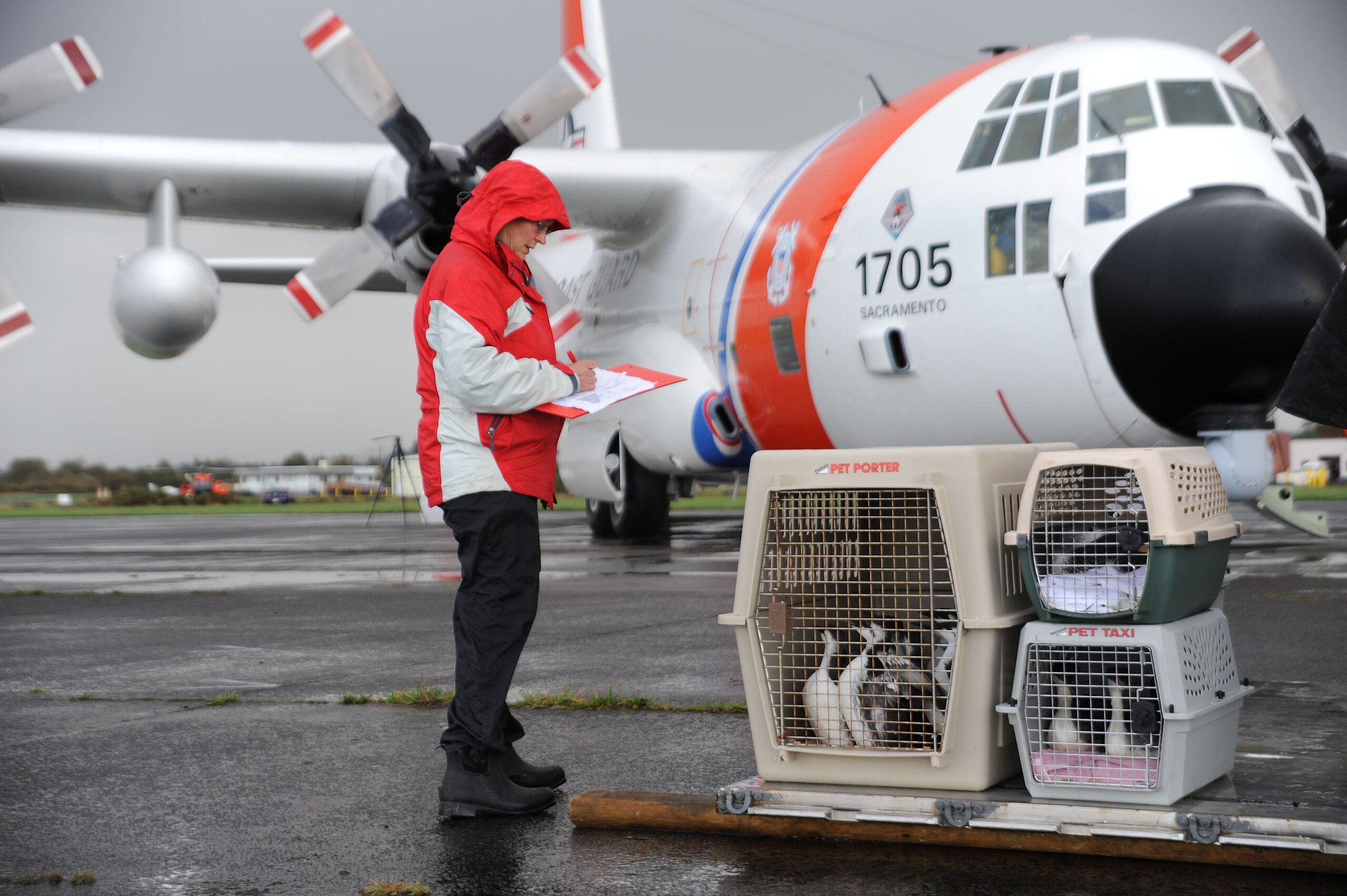
1705, the C-130 Hercules involved in 2009 mid-air collision. U.S. Coast Guard photo by Petty Officer 3rd Class Kelly Parker.

2009 At 19:10 local time on 29 October 2009, Coast Guard Air Station Sacramento Lockheed HC-130H Hercules CG 1705 collided in mid-air with a U.S. Marine Corps Bell AH-1W Super Cobra helicopter. The location of the accident was 15 mi east off San Clemente Island, California. The Hercules was carrying a crew of seven and the Cobra a crew of two people; there were no survivors. Eyewitnesses reported seeing a fireball in the sky. Debris from the collision was reported at the scene. The Hercules was on a Search and Rescue mission to search for a sailboat in distress while the Super Cobra was on a training flight. Two Sikorsky CH-53E helicopters along with USCGC Edisto, USCGC Petrel and USCGC Blackfin were sent to search the area.  USCGC Blacktip, USCGC George Cobb and USCGC Jarvis later joined the search. The search for survivors was cancelled on 1 November 2009 after searching 644 square miles of ocean, including approximately 50 miles of floating debris. The effort was converted to a recovery operation.  All nine individuals in the crash, including seven aboard the Coast Guard plane and two aboard the Marine helicopter were presumed dead (submitted by Lorne Thomas; 12-27-2023).

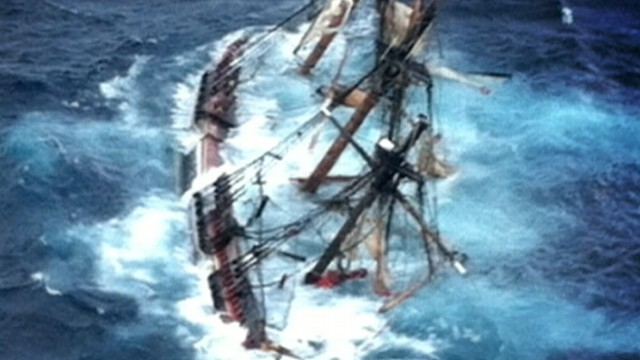
Super Storm Sandy, 2012 Hurricane sinks HMS Bounty, 14 rescued –ABC News

2012 In the early morning hours while caught in the impact zone of Hurricane Sandy more than 90 miles off the coast of Hatteras, NC, HMS Bounty lost power and eventually capsized spilling her 16 crew members in to the sea.  C-130 and MH-60 aircraft were launched from Air Station Elizabeth City, NC and braved the hurricane conditions to rescue 14 crew members who had made it into life rafts.  Another crew member was later recovered unresponsive and the Captain was never found.

2014 An Air Station Clearwater HC-130 aircraft discovered a vessel with 33 persons aboard seven nautical miles east of Boca Raton Inlet, Florida.  Coast Guard Sector Miami diverted CGCs Shrike and Robert Yered and notified local government agencies.  As assets arrived on scene, the persons aboard the vessel began jumping into the water.  Robert Yered assumed On Scene Commander for all responding units and began recovering the persons in the water.  Thirty-three Cuban migrants were safely recovered and were embarked by Robert Yered.

The U.S. Coast Guard Cutter Healy (WAGB 20) cuts a channel through the multi-year pack ice and snow as Healy transits the Arctic Ocean to the North Pole, September 27, 2022. This is the third time the icebreaker has traveled to the North Pole since its commissioning in 1999. U.S. Coast Guard photo by Deborah Heldt Cordone, Auxiliary Public Affairs Specialist 1.

2015 CGC Healy returned to its homeport of Seattle after completing four months of Arctic operations.  The crew’s return marks the completion of an Arctic expedition which culminated in the crews’ historic arrival at the North Pole and was the first time a U.S. surface vessel has reached 90°N unaccompanied.  The crew conducted two separate missions that included operations in the Bering Sea, Chukchi Sea, and Arctic Ocean. Coast Guard Research and Development Center members joined the crew of Healy for the third consecutive year to continue their research of Arctic technologies including: remotely operated vehicles, small unmanned aerial systems, an autonomous underwater vehicle and an unmanned surface vehicle. The crew departed Dutch Harbor, Alaska on August 9 for Geotraces, an international effort to study the distribution of trace elements in the world’s oceans to establish the effects of these elements on global climate change.

Members of U.S. Coast Guard free a sea turtle from a fishing net. US Coast Guard photo

2015 CGC Campbell returned to its homeport of Kittery, Maine on Thursday at 2 p.m. after a 50-day patrol of the North Atlantic.  During the patrol, which spanned an off-shore area from Maine to New York, Campbell was involved in multiple rescues, including towing two disabled fishing vessels over 150 nautical miles offshore. On September 21, 2015, Campbell responded to a report of a sea turtle entangled in fishing gear. Campbell launched their small boat, and the rescue team was able to free the 6-foot long leatherback sea turtle from the fishing line. During the patrol, Campbell traveled to Canadian waters to participate in a joint training exercise with the Canadian Armed Forces and Royal Canadian Mounted Police.  On October 26, 2015, Campbell honored a former shipmate by conducting a burial at sea ceremony for a retired Coast Guard Chief Quartermaster.  Additionally, as part of Campbell’s primary mission they conducted 52 living marine resource boardings resulting in the issuing of 17 violations.

“America’s Coast Guard Faces Impossible Odds Without More Funding” –gCaptain

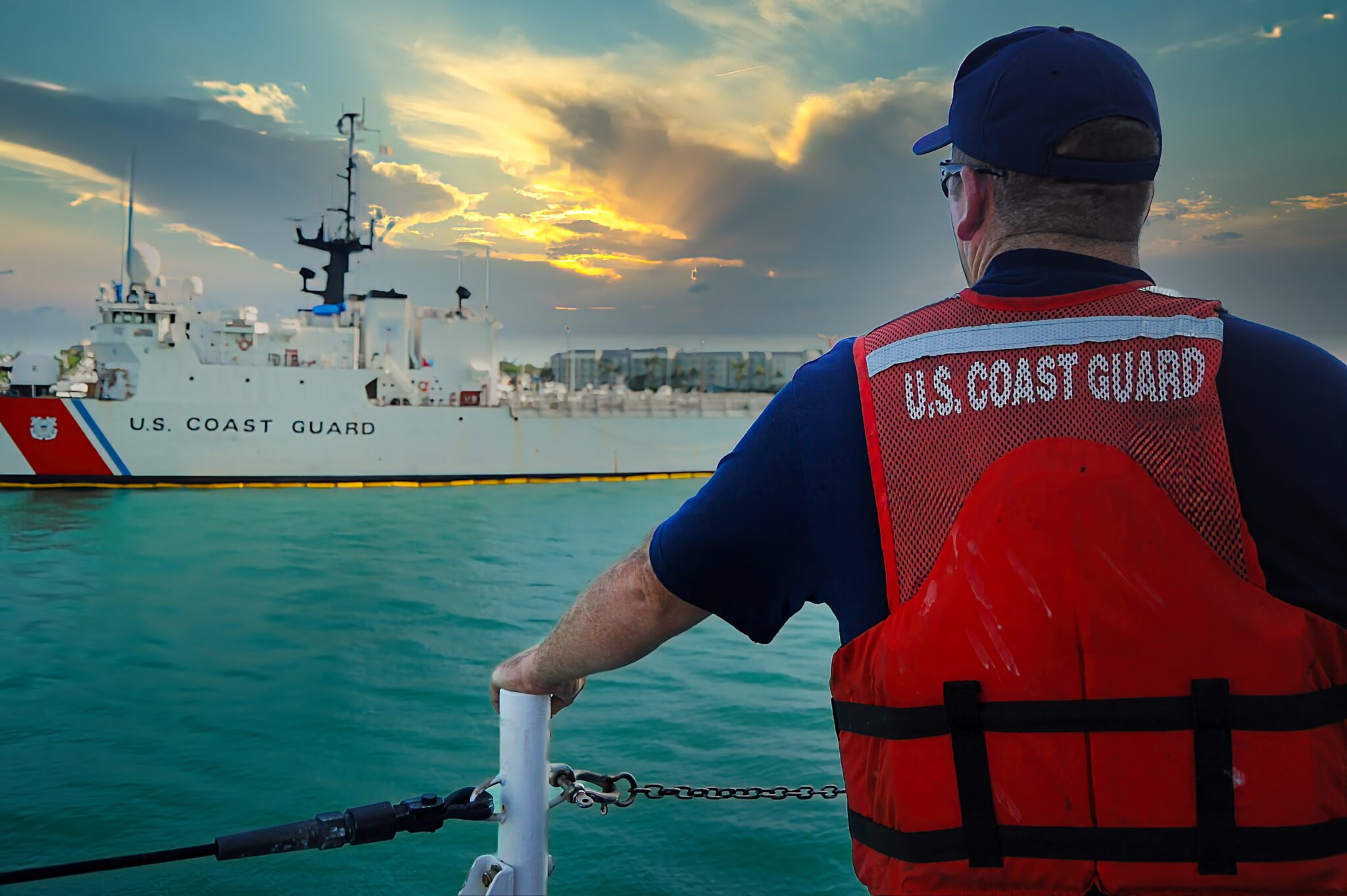
Coast Guard Chief Petty Officer Christian Seay, a chief boatswain’s mate on the Coast Guard Cutter Tampa, looks over to the Coast Guard Cutter Thetis, Key West, Florida. USCG photo by Lisa Ferdinando Sky digitally altered by AI

gCaptain’s John Konrad provides his reaction to the first ever U.S. Coast Guard, the 2024 Operational Posture (OP24). 

Perhaps because the Coast Guard has always been underfunded, he sees the Coast Guard’s current situation even more dire than I do (I will be publishing my own assessment soon), but he also adds an important additional view as a member of the Merchant Marine community.

It fails to address some other massive failures, such as the Coast Guard’s stringent training requirements for U.S. Merchant Mariners, the difficulty in advancing from seaman to officer ranks, and its substantial backlog of medical evaluations. These issues collectively contribute to a mariner crisis that has forced the U.S. Navy to sideline seventeen ships.

These issues should not be ignored.

This Day in Coast Guard History, October 28

Based on the Coast Guard Historian’s timeline, https://www.history.uscg.mil/research/chronology/
With inspiration from Mike Kelso

1919  Congress passed the National Prohibition Enforcement Act, otherwise known as the Volstead Act, on this date.  The Volstead Act authorized the enforcement of the 18th Amendment, ratified on January 29, 1919.  The Act authorized the Coast Guard to prevent the maritime importation of illegal alcohol.  This led to the largest increase in the size and responsibilities of the service to date.

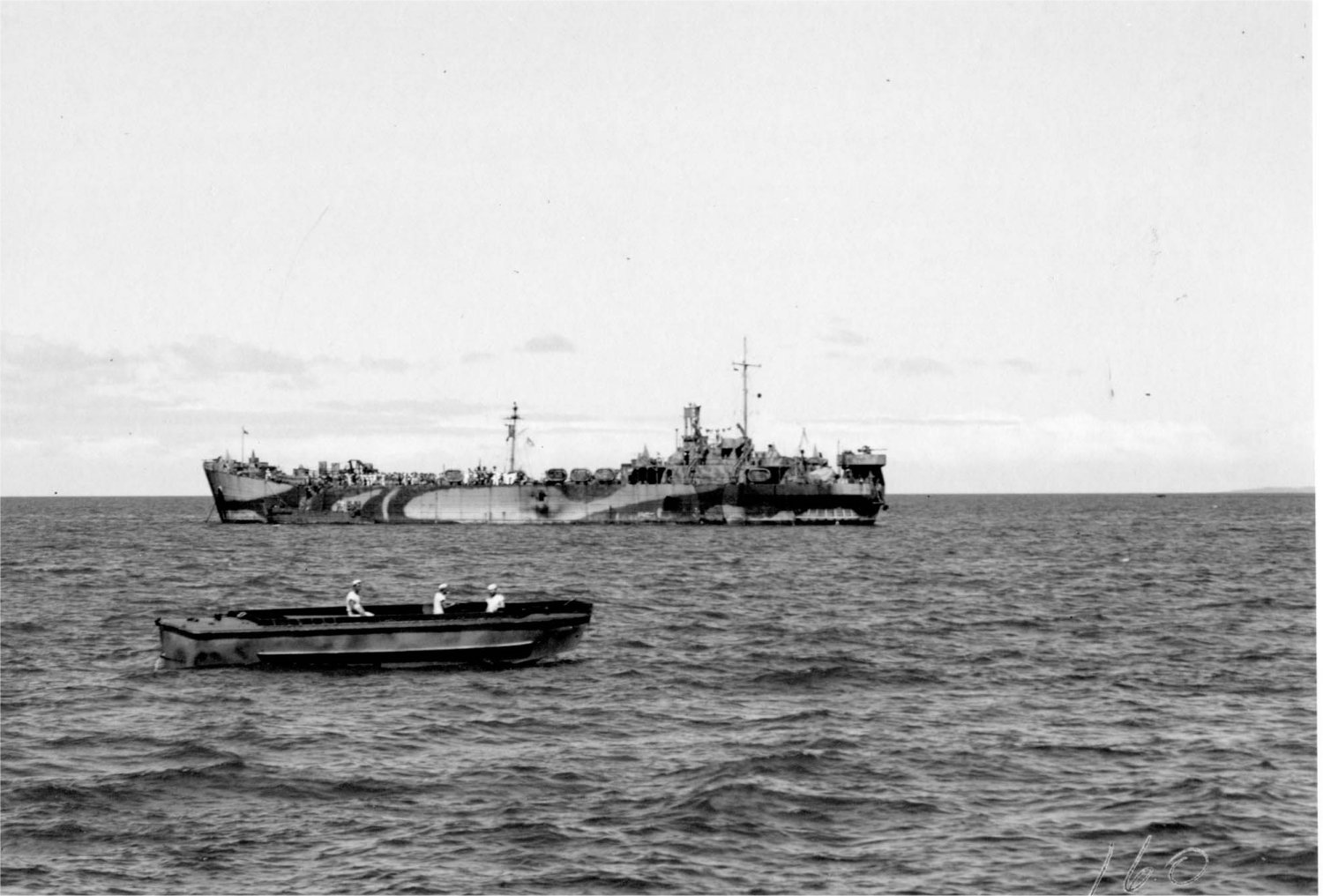
USS LST-71 at anchor in the harbor at Fiji, 12 September 1943.
6th Special Navy Construction Battalion (N.C.B.) Photo

1943  Choiseul, Treasury Islands landing commenced (Coast Guard-manned LST-71 was in second echelon November 1, 1943).

1966  Coast Guard LORAN Station Con Son in Vietnam became fully operational.


More details
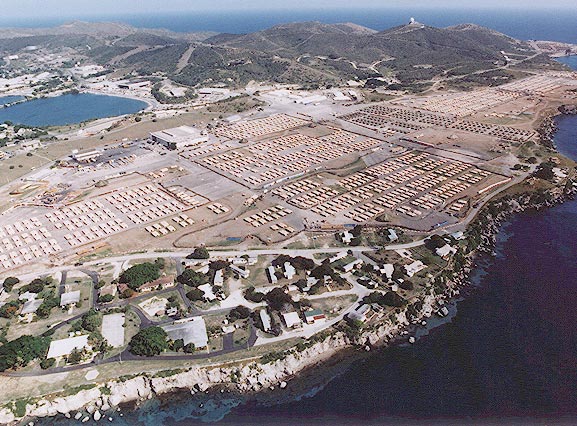
Original caption: “Gitmo airfield converted for 10,000 migrants”

1991  Thousands of Haitian migrants began fleeing their homeland after the overthrow of Haitian President Jean-Bertrand Aristide, prompting one of the largest SAR operations in Coast Guard history.  Cutters and aircraft from as far north as New England converged on the Windward Passage.  In the first 30 days of the operation, Coast Guard forces rescued more than 6,300 men, women, and children who left Haiti in grossly overloaded and unseaworthy vessels.  Seventy-five Coast Guard units ultimately took part in the massive SAR operation and by the end of the year over 40,000 Haitian migrants were rescued.

Tsunami warning after 7.7 earthquake off Haida Gwaii (Queen Charlotte Islands)

2012  The Coast Guard Captain of the Port of Honolulu ordered the evacuation of Honolulu Harbor after a tsunami warning was issued after an earthquake struck the Haida Gwaii archipelago in western Canada.

“America’s Overlooked Armed Force” –Real Clear Defense

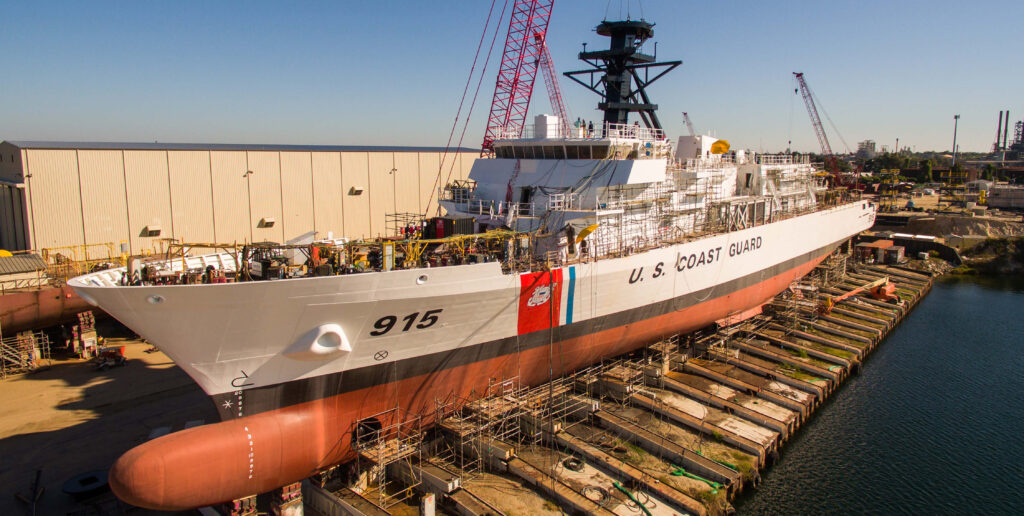
Future USCGC Argus building at Eastern. Eastern Shipyard photo.

Real Clear Defense has a post written by Commander Justin Matejka, national security affairs fellow for the 2024–25 academic year at the Hoover Institution, Stanford University.

It discusses the organizational and political problems the Coast Guard faces in achieving effective management, particularly the disjointed and conflicting oversight in Congress and the lack of a dedicated Departmental advocate.

My personal observation is that while the Congressional oversight process is burdensome and poorly organized, Congress has generally been supportive. Much of our problems stem from a failure to convincingly document the Coast Guard’s needs and value to earn the support of the Executive branch including the DHS. Failure to continuously update the Fleet Mix Study or provide a long-term shipbuilding plan being primary examples.

This Day in Coast Guard History, October 27

Based on the Coast Guard Historian’s timeline, https://www.history.uscg.mil/research/chronology/
With inspiration from Mike Kelso

USCGC BARANOF (WPB-1318) decommissioning.

1997  The crew of CGC Baranof confiscated two .50-caliber sniper rifles, ammunition and other military supplies that were allegedly to be used in an assassination attempt against Cuban President Fidel Castro.  Four Cuban exiles were arrested for illegal possession of firearms after the 46-foot La Esperanza was ordered into Aguadilla, Puerto Rico, by the Baranof.  There a search of the vessel turned up the weapons.  One suspect confessed that the sniper rifles were to be used to assassinate Castro on his arrival on Venezuela’s Margarita Island for the Ibero-American Summit Conference.  A magistrate in the U.S. District Court in San Juan later dismissed the charge of conspiracy to assassinate Castro but let the charges of illegal importation of firearms and making false statements stand.

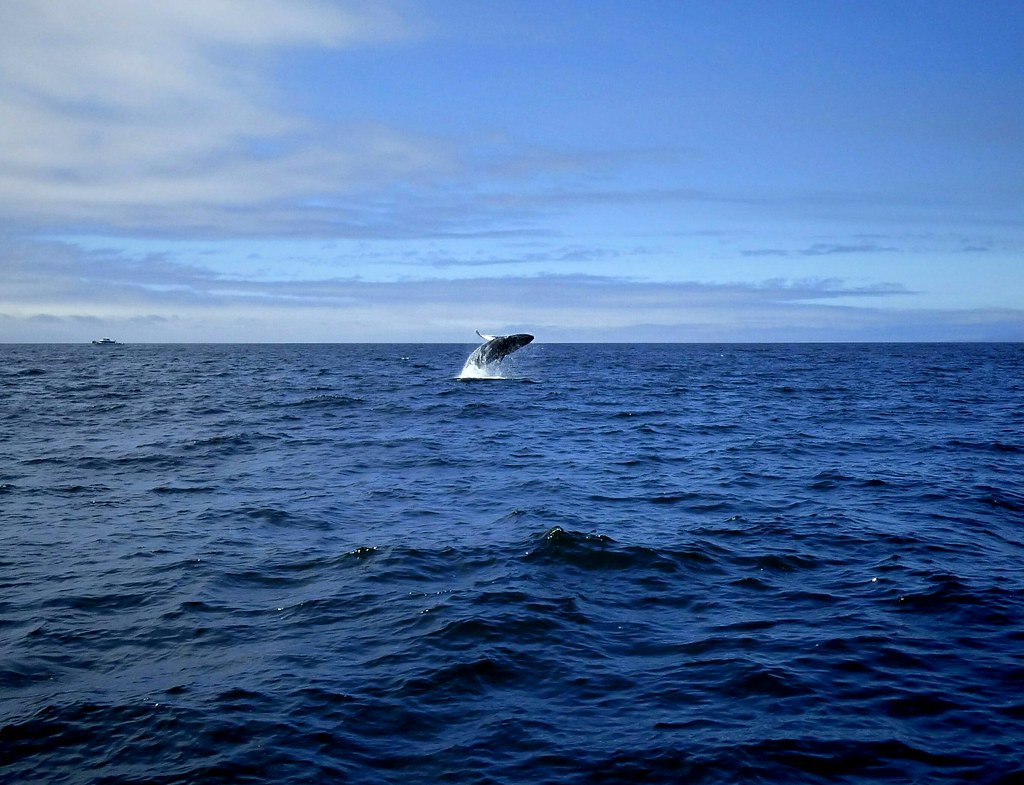
2014  A humpback whale was reported entangled with a weather buoy approximately 25 nautical miles off Moss Landing, California.  The National Oceanic and Atmospheric Administration (NOAA) requested USCG assistance. On October 29, an Air Station San Francisco MH-65 helicopter located the entangled whale and vectored a NOAA vessel to the location.  NOAA officials were able to successfully free the whale and preserve the buoy mooring.  The whale was observed swimming away after it was freed.  NOAA officials believe the whale will survive.

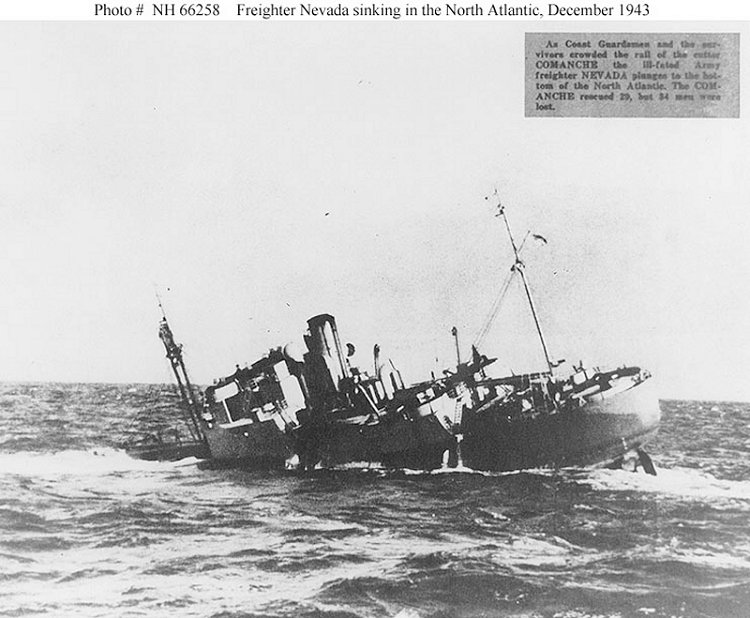
Loss of the US Army Transport Nevada

Photographed from the deck of the USCGC Comanche (WPG-76) as Nevada was foundering in the North Atlantic, circa 15-18 December 1943. Comanche was able to rescue twenty-nine of those on board Nevada, but thirty-four lost their lives during the abandonment of the storm-crippled ship
U.S. Navy Photo NH 66258

The 2 Nov. 2015 edition of Northen Nevada Business Weekly gives us the story of a Greenland Patrol rescue, “Army ship ‘Nevada,’ lost during World War II.”

It was December 1943, 200 miles South of Greenland. USAT Nevada was a small cargo ship, 221 feet long and a little over 2,000 tons. Unlike the Dorchester, torpedoed ten months earlier, USAT Nevada was sunk by a North Atlantic Gale. She became separated from convoy 5G-36. When she started taking on water, she sent out a MayDay. Comanche responded, but it took seven hours for her to get on scene.

Commanche found the ship abandoned and adrift. Even when survivors were located, the seas, exposure, and cold made recovery dangerous. Three were lost trying to transfer from a lifeboat to Comanche. Comanche crewmen in rubber suits rescued five from the icy water.

29 were rescued plus the ship’s mascot. 34 were lost or missing. Storis, Modoc and Tampa joined the search but found no more survivors.

USCGC Comanche (WPG-76); no caption/date/photo number; photographer unknown. Comanche, circa 1943, with her added war-time armament and camouflage.

Commanche was certainly not a first-rate escort. She was commissioned in 1934, 165 ft (50 m) in length, displaced 1,0005 tons, and with only 1,500 HP, had a maximum speed of 12.8 knots, usually less. She would sink no U-boats. At the time she may not have even been equipped with sonar, but at least the crews of the convoyed ships had reason to believe that, if they were sunk, the escorts would attempt to save them.

This Day in Coast Guard History, October 26

Based on the Coast Guard Historian’s timeline, https://www.history.uscg.mil/research/chronology/
With inspiration from Mike Kelso

131107-N-WX059-125 PEARL HARBOR (Nov. 7, 2013) The Bangladesh Navy Ship (BNS) Somudra Joy (F-28) arrives at Joint Base Pearl Harbor-Hickam for a scheduled port visit. From 1972 to 2012 the ship was known as the U.S. Coast Guard Hamilton-class high endurance Cutter USCGC Jarvis (WHEC-725). (U.S. Navy photo by Mass Communication Specialist 2nd Class Sean Furey/Released) Note CIWS, air search radars, and 25mm Mk38 gun mounts have been removed.

2013 BNS Somudra Joy, formerly the Coast Guard Cutter Jarvis, departed Saturday from Alameda, marking a major milestone in international cooperation between the United States and Bangladesh. Joined by a small Coast Guard team of advisors, led by CDR Wendy Tomko, the Bangladeshi crew planned to make port calls at San Diego, Honolulu, Guam and Malaysia on their way to Bangladesh.

Coast Guard Cutter Reliance patrols the Western Caribbean in support of the Joint Interagency Task Force – South October 2014. The cutter’s crew worked with an aviation detachment from the Coast Guard Helicopter Interdiction Tactical Squadron based in Jacksonville, Fla., to detect and interdict suspected smugglers. (U.S. Coast Guard photo by Petty Officer 3rd Class Clinton McDonald)

2022 USCGC Reliance (WMEC 615) returned to homeport in Pensacola on 26 October 2022 after a 63-day Caribbean Sea patrol. Reliance supported the U.S. Coast Guard 7th District throughout their patrol, aiding in missions to interdict and disrupt the flow of illegal drugs and migrant trafficking while supporting national security and strengthening relationships with regional partners throughout the Caribbean. “I am extremely proud of our crew for their adaptability and professionalism throughout the patrol. Regardless of the mission set, whether that was responding immediately to the aftermath of the devastating earthquake in Haiti by conducting critical port assessments or stopping the flow of illegal narcotics, Reliance was always ready to respond to the needs of our Service and our Nation,” said CDR Robert Hill, commanding officer. Significantly, the crew supported the relief efforts in response to the earthquake in Haiti in August, conducting two separate port assessments on Haitian ports to ensure the harbors were safe for vessels to deliver vital aid and assistance to the region following the disaster.  During the patrol, Reliance’s crew intercepted one vessel attempting to smuggle approximately 1,132 lbs. of cocaine and detained a total of four suspected smugglers. Additionally, Reliance received more than 4,291 lbs. of cocaine, ten suspected smugglers, and 96 migrants from other U.S. Coast Guard cutters operating in the region.  The crew also rescued 50 Dominican nationals from an unseaworthy vessel off the coast of Puerto Rico and repatriated 158 migrants to the Dominican Republic’s navy. The 63-day patrol was critical in allowing the cutter crew to work on shipboard training, qualifications, and proficiency to maintain operational readiness. This training enabled Reliance’s team to complete a five-day major shipboard training exercise in Mayport, which tested their readiness in all aspects of damage control, seamanship, and navigational procedures. Reliance, a 210-foot medium endurance cutter, is homeported in Pensacola with a crew of 71.

This Day in Coast Guard History, October 25

Based on the Coast Guard Historian’s timeline, https://www.history.uscg.mil/research/chronology/
With inspiration from Mike Kelso

Appearing very different from its last Greenland visit in 1884, the USS Bear returned in 1944. Unlike in 1884, the Bear relied on a Coast Guard crew during World War II. As part of the Greenland Patrol, it cruised Greenland’s waters and, in October 1941, brought home the German trawler Buskø, the first enemy vessel captured by the U.S. in WWII. (Coast Guard photo)

1941  The Navy formally established the Greenland Patrol by combining the South Greenland Patrol with the three cutters of the Northeast Greenland Patrol.

USCGC Polar Sea

1985  CGC Polar Sea arrived home to Seattle after a voyage through the Northwest Passage by way of the Panama Canal, the east coast, and then Greenland, sparking an international incident with Canada.  She completed the first solo circumnavigation of the North American continent by a U.S. vessel and the first trip by a Polar-Class icebreaker.  She also captured the record for the fastest transit of the historic northern route.  She had departed Seattle to begin the voyage on June 6, 1985.