Atlantic Area Cutter Back in the Eastern Pacific Drug Transit Zone

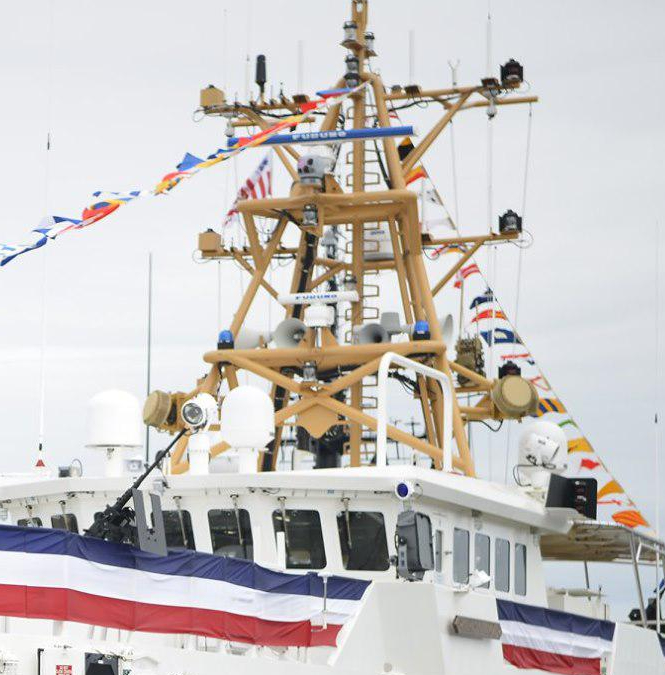
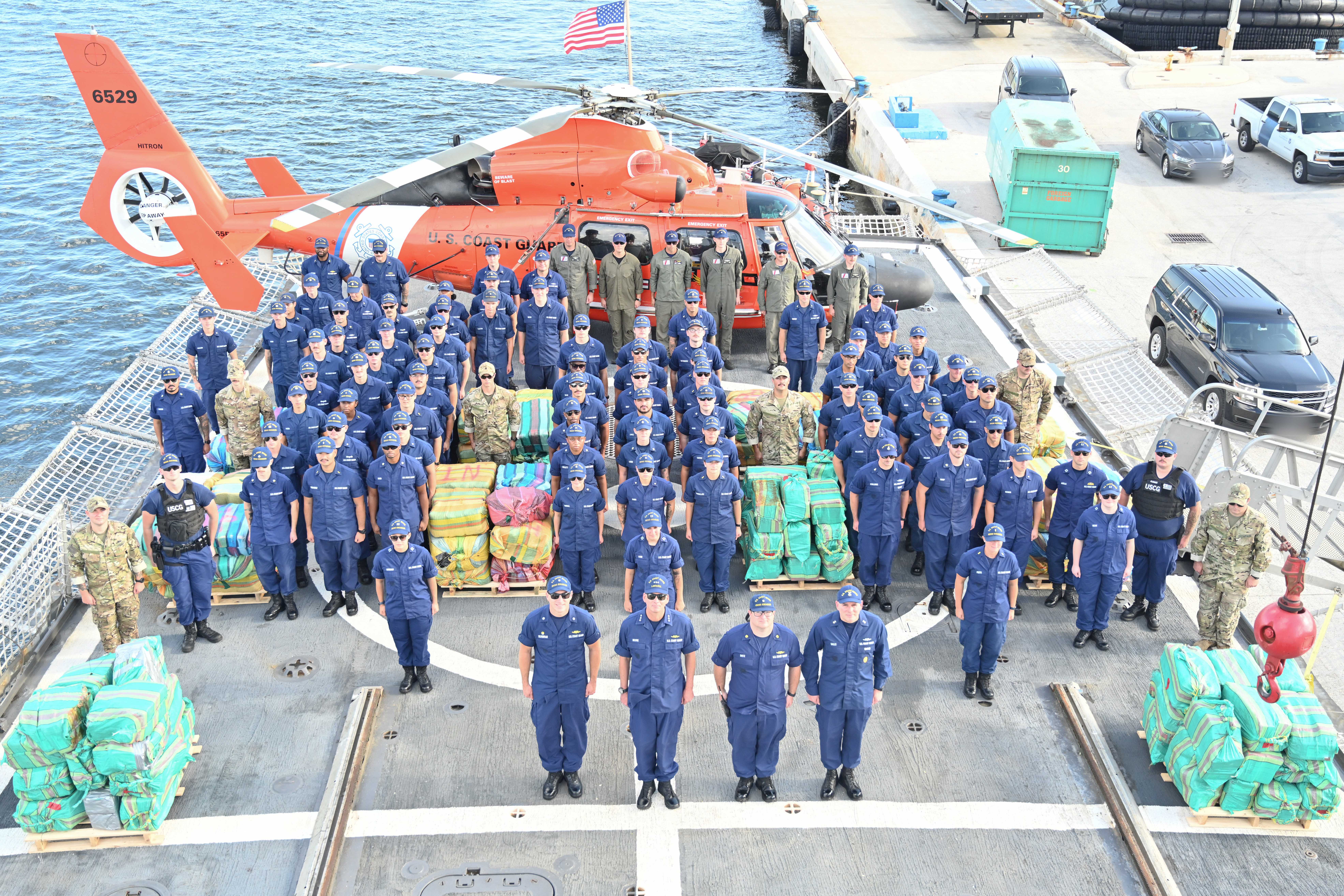
The crew of Coast Guard Cutter Escanaba (WMEC 907) poses for a group photo on the cutter’s flight deck during a contraband offload, Aug. 23, 2024, alongside select personnel from Coast Guard Cutters Spencer (WMEC 905), Legare (WMEC 912), Coast Guard Helicopter Interdiction Tactical Squadron, Pacific Area Tactical Law Enforcement Team, and Coast Guard Atlantic Area Command while moored to the pier in Fort Lauderdale, Florida. Escanaba conducted a 46-day counter-drug patrol in the Eastern Pacific Ocean. (U.S. Coast Guard photo by Petty Officer 2nd Class Brandon Hillard)

Below is a news release from Coast Guard News.

Two things of note in what would normally be a routine report:

First, despite the fact that most Atlantic Area cutters are closer to the Eastern Pacific drug transit zone than those based on the West coast, recently they have been too busy with migrant interdiction to do drug enforcement in the Pacific. This patrol marks a return to previous practice of having LANTAREA cutters, as well as those from the Pacific Area, working the drug problem in the Pacific.

Second, reading the caption of the photo above, you may note that the crew included “...select personnel from Coast Guard Cutters Spencer (WMEC 905), Legare (WMEC 912)…” Spencer and Legare are at the Coast Guard yard as the first and second of six Bear class WMEC270s that will receive full Service Life Extension Program (SLEP) upgrades.  The crews are reassigned after the ships enter SLEP, so it appears some were temporarily assigned to Escanaba to make up for shortfalls in the crew. The shortfalls may have been exacerbated because the patrol was over the summer transfer season.


 Aug. 29, 2024

Coast Guard Cutter Escanaba completes 46-day counter-drug patrol in Eastern Pacific Ocean

PORTSMOUTH, Va. — The crew of the Coast Guard Cutter Escanaba (WMEC 907) returned home to Portsmouth, Wednesday, following a 46-day counter-drug patrol in the Eastern Pacific Ocean.

While deployed, crew members supported the Coast Guard Eleventh District, headquartered in Alameda, California, and Joint Interagency Task Force – South, headquartered in Key West, Florida.

During the patrol, Escanaba’s crew disrupted illegal narcotics smuggling, interdicting 3,408 pounds of cocaine and 4,418 pounds of marijuana valued at nearly $50 million during two separate interdictions. The drugs were offloaded in Port Everglades, Florida on Aug. 23. Additional information about Escanaba’s drug offload, including photos and video, can be found here.

Escanaba’s drug seizures contributed directly to furthering Coast Guard objectives to combat transnational criminal organizations and enhance regional stability and security.

While at sea, Escanaba’s crew was assisted by members of Helicopter Interdiction Tactical Squadron (HITRON), based in Jacksonville, Florida and members of Tactical Law Enforcement Team (TACLET) Pacific – Law Enforcement Detachment (LEDET) 107, based in San Diego, California.

HITRON crew members delivered air support for the use of force and enhanced long-range detection capabilities while deployed aboard Escanaba. The TACLET Pacific LEDET supplied skilled boarding personnel critical for mission execution and served as a force multiplier for other law enforcement activities.

“The crew of Escanaba and our shipmates from HITRON and TACLET are to be commended for executing a demanding mission with professionalism and precision,” said Cmdr. Jared Silverman, commanding officer of Escanaba. “In concert with the Coast Guard’s partner agencies and with support from Joint Interagency Task Force – South, the accomplishments of Escanaba serve as a reminder of how vital this mission is.”

Escanaba is a 270-foot, Famous-class medium-endurance cutter homeported in Portsmouth, Virginia. The cutter’s primary duties are counter-narcotics operations, migrant interdiction, living marine resources protection, and search and rescue in support of U.S. Coast Guard operations throughout the Western Hemisphere.

For information on how to join the U.S. Coast Guard, visit GoCoastGuard.com to learn about active duty, reserve, officer, and enlisted opportunities. Information on how to apply to the U.S. Coast Guard Academy can be found here.
For more, follow us on Facebook, Instagram and X.

Another APKWS Based System, “EAGLS: US Army gets new anti-drone systems featuring laser-guided 70mm rockets” –Interesting Engineering

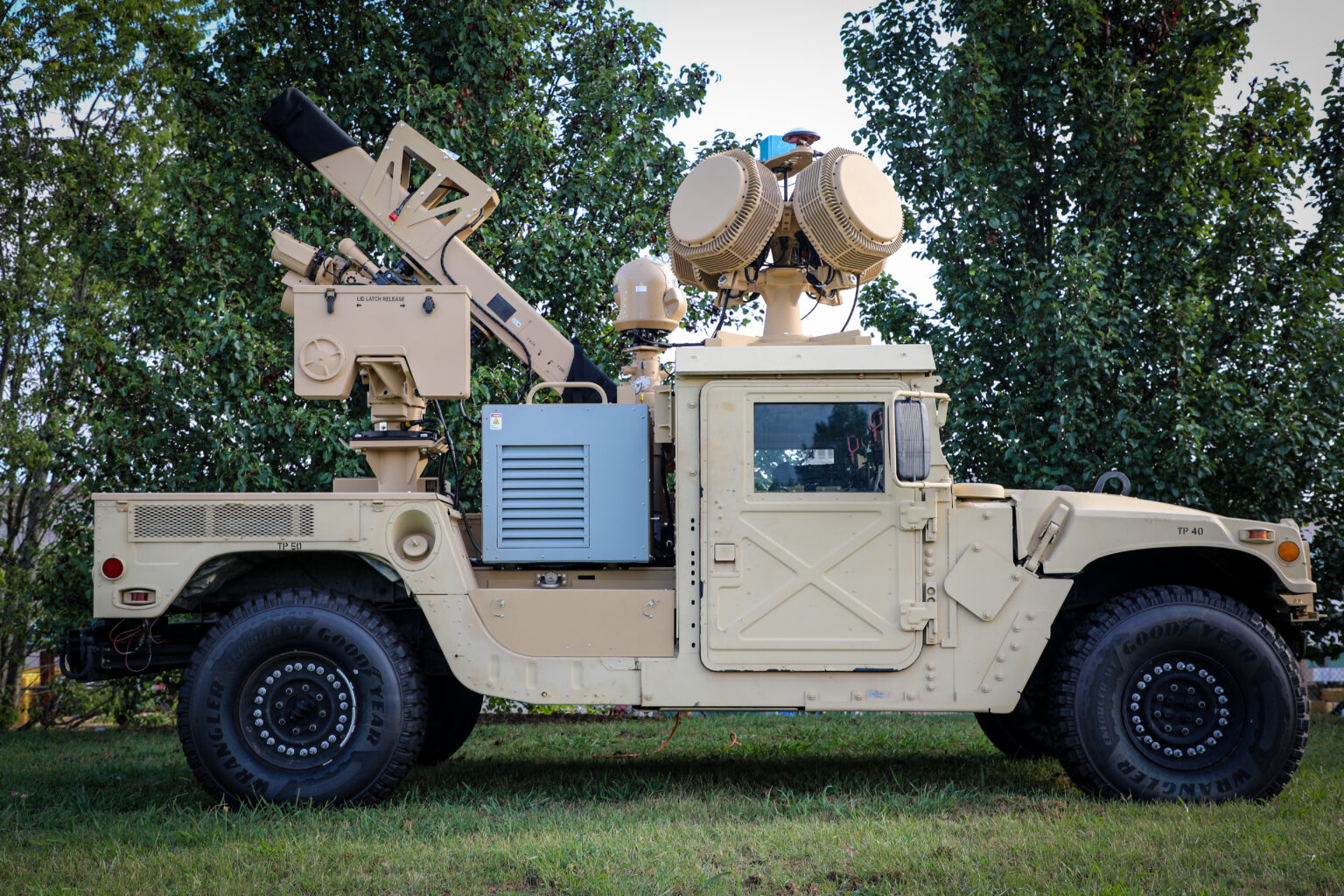
Mooresville, NC, July 22, 2024 – MSI Defense Solutions has delivered the first 70mm centric Counter-UAS system acquired by the Department of Defense for use by the United States Army. Through the Rapid Acquisition Authority (RAA), MSI was awarded a contract for six EAGLS™ (Electronic Advanced Ground Launcher System) counter-UAS systems, including associated engineering and maintenance support. The contract was awarded by Naval Air Systems Command (NAVAIR) to support forward deployed forces facing emerging and persistent Uncrewed Aerial Systems (UAS) threats.

Interesting Engineering reports,

The US Army has received the six MSI Defense Solutions’ (MSI) Electronic Advanced Ground Launcher Systems (EAGLS) to improve its counter-drone capabilities.

In April, the US Army’s Naval Air Systems Command (NAVAIR) announced the order for a firm-fixed-price contract with MSI with a not-to-exceed value of $24,186,464.

Aside from the fact that the Naval Air Systems Command (NAVAIR) does not belong to the US Army, there is good information here, about systems that might find their way onto US Coast Guard assets. (Anything that can be mounted on a road going 4×4 vehicle can be mounted on a ship, and I think we have, or should have, a counter UAS capability requirement.)

USCGC Charles Moulthrope (WPC-1141) prior to departure for PATFORSWA.

Those radars on top of the truck cab may look familiar.

The purchase seems to show confidence that APKWS can be used effectively against Unmanned Air Systems. The more modest Vampire system is already being used in Ukraine.

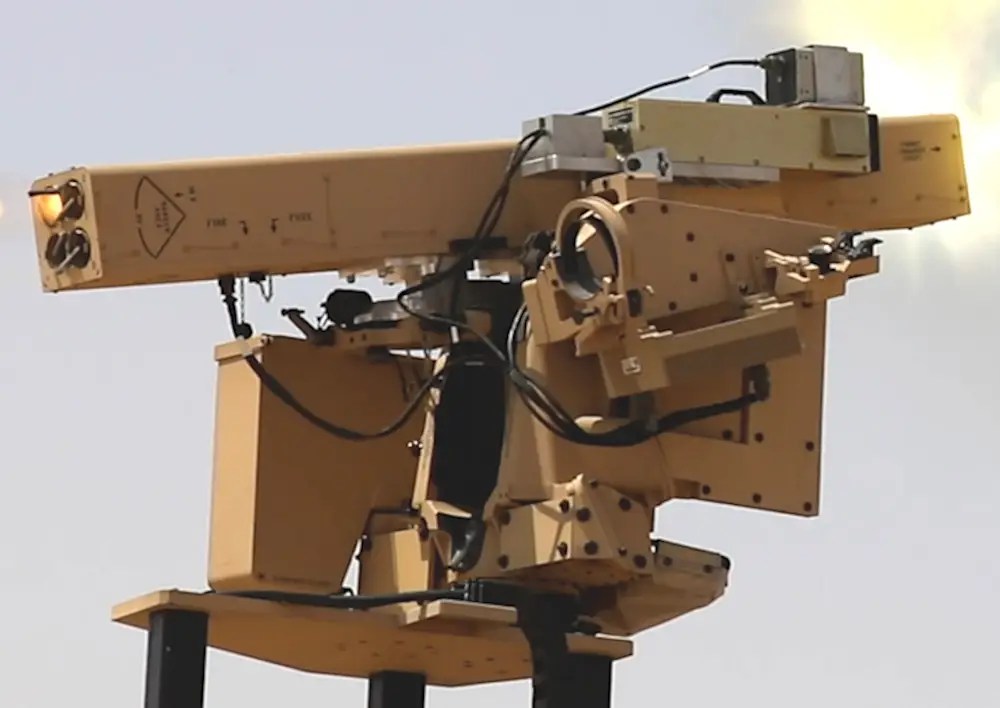
A close-up of the modified CROWS II fitted with the LAND-LGR4 launcher and the added sensor or other system (silver/gray rather than tan). US Army

APKWS, like most 70mm guided rocket systems, is a modification of the Hydra 70mm (2.75″) unguided rocket, which is available with a variety of warheads and fuses, including a proximity fuse.

The system can do more than just counter UAS. This is a system we could put any cutter, WPB size and up, and have most of the effective range and hitting power of a 76mm and at three times the effective range of a 25mm Mk38 Mod2/3 with minimal footprint and support requirements.

“Coast Guard Cutter Harriet Lane returns home following 68-day Operation Blue Pacific Patrol in Oceania” and More On Her SLEP

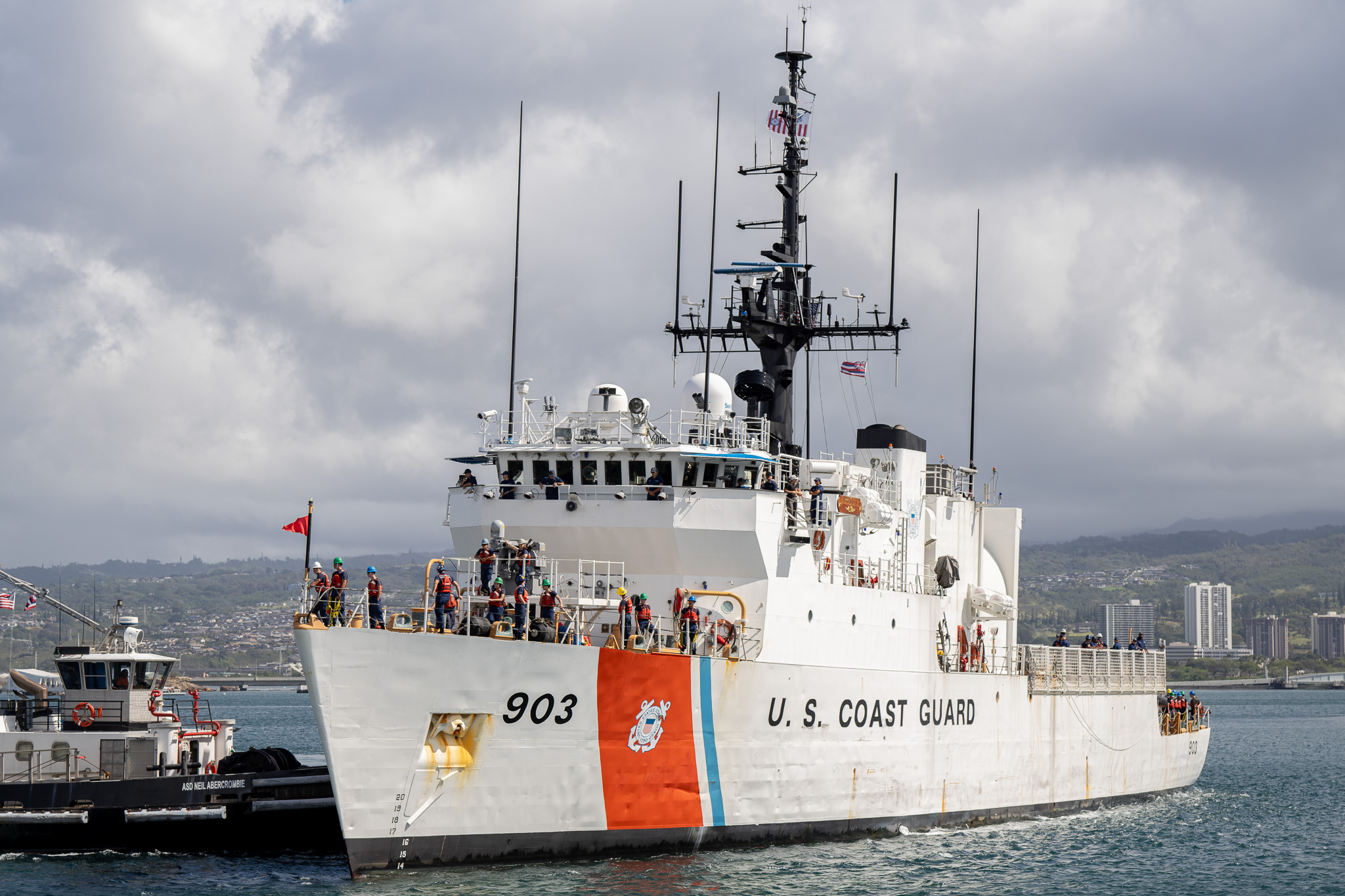
U.S. Coast Guard Cutter Harriet Lane. (U.S. Coast Guard photo by Senior Chief Petty Officer Charly Tautfest)

Below is a Coast Guard news release.

These Pacific deployments are starting to become routine, but Harriet Lane only arrived in their new homeport, Pearl Harbor, December 13, 2023, and completed her first Pacific patrol April 9, 2024.

Over the last two days I was able to talk to the leadership at the Coast Guard Yard. There will be more about that later, but there was some discussion about the Harriet Lane. She was intended to be the second prototype WMEC270 Service Life Extension Program (SLEP) prototype, with electronic and electrical services improvements and replacement of the gun and fire control with the 25mm Mk38, but while in the yard they learned that the ship would change homeport, to somewhere in the Pacific. This prompted additional improvements in habitability and environmental controls, 57 additional work items in total. Despite the expanded scope of work, she was delivered on time.

The rationale for the removal of the 76mm and Mk92 fire control system was that the Navy was no longer supporting either system. The systems were becoming unsupportable. Nevertheless, looks like we will have 76mm and Mk92 on WMEC270s until 2035 unless they also decide to remove the systems from 270s that will not go through SLEP. (That is a question I probably should have asked.) Meanwhile the Coast Guard Yard has a 76mm support facility that does work for foreign services as well as the US Coast Guard. (Removal of these systems would also reduce manning requirements.)

L3 Harris Mk20 mod1 Electro Optic Sensor System. (Picture source Navy Recognition)

If the Mk92 is the real problem, it might be replaced by the L3 Harris Mk20 electro-optic system, also used on the NSC and OPC. The Mk20 could provide better anti-surface fire control than the Mk38 Mod3’s on mount systems. It would also provide an additional search sensor.


Aug. 26, 2024

Editors’ Note: Click here to download video.

HONOLULU – The crew of Coast Guard Cutter Harriet Lane (WMEC 903) returned to Honolulu Friday following a 68-day patrol in support of Coast Guard District Fourteen’s Operation Blue Pacific in Oceania.

The Harriet Lane crew departed Joint Base Pearl Harbor-Hickam in June and traveled more than 13,400 nautical miles spanning from the Hawaiian Islands to Tonga. Patrolling in support of Operation Blue Pacific, the cutter’s crew worked alongside Pacific Island Countries to forge and advance relationships with like-minded allies and partners who share a common vision for maritime governance.

The crew’s efforts included enhancing maritime domain awareness, combatting illegal fishing activities across Oceania, and participating in exercises to bolster partner capacity and interoperability. Leveraging bilateral maritime law enforcement agreements with Tuvalu, Tonga, Samoa and the Cook Islands, the Harriet Lane crew conducted six boardings alongside Pacific Island partners in their respective exclusive economic zones (EEZs). Additionally, Harriet Lane law enforcement teams conducted four fishery boardings on the high seas in concert with the Western and Central Pacific Fisheries Commission.

During Harriet Lane’s patrol, the crew made port calls in Tonga, American Samoa, Samoa, the Cook Islands and French Polynesia. While offshore Niue, the Harriet Lane crew hosted key leaders for a maritime roundtable discussion, offered local high students a tour of the cutter, and sent personnel ashore to assist with community service endeavors.

While transiting home, the Harriet Lane crew conducted the medevac of a 53-year-old fishing vessel crewman experiencing stroke-like symptoms approximately 480 miles offshore Oahu.

“This patrol was another resounding success for the crew of Harriet Lane and reinforces the Coast Guard’s commitment to delivering as a trusted partner across Oceania,” said Cmdr. Nicole Tesoniero, commanding officer, Cutter Harriet Lane. “This patrol took us to the far reaches of the South Pacific that most crew could have never dreamed of seeing and they continue to serve as model ambassadors for our unique mission set. In the final days of our patrol, Harriet Lane answered the call to render aid to a local fisherman in need of medical assistance nearly 500 miles from Oahu. While every aspect of this mission is incredibly rewarding, the knowledge that we were able to assist a member of the local community in a moment of need truly resonated with the crew. I am proud of their tremendous commitment to operational success and look forward to watching Harriet Lane’s impact continue to grow.”

Commissioned in 1984, Cutter Harriet Lane is a 270-foot medium endurance cutter homeported in Honolulu to support Coast Guard missions in the Pacific region. The service’s medium endurance cutter fleet supports a variety of Coast Guard missions including search and rescue, law enforcement, maritime defense, and protection of the marine environment.

Operation Nanook

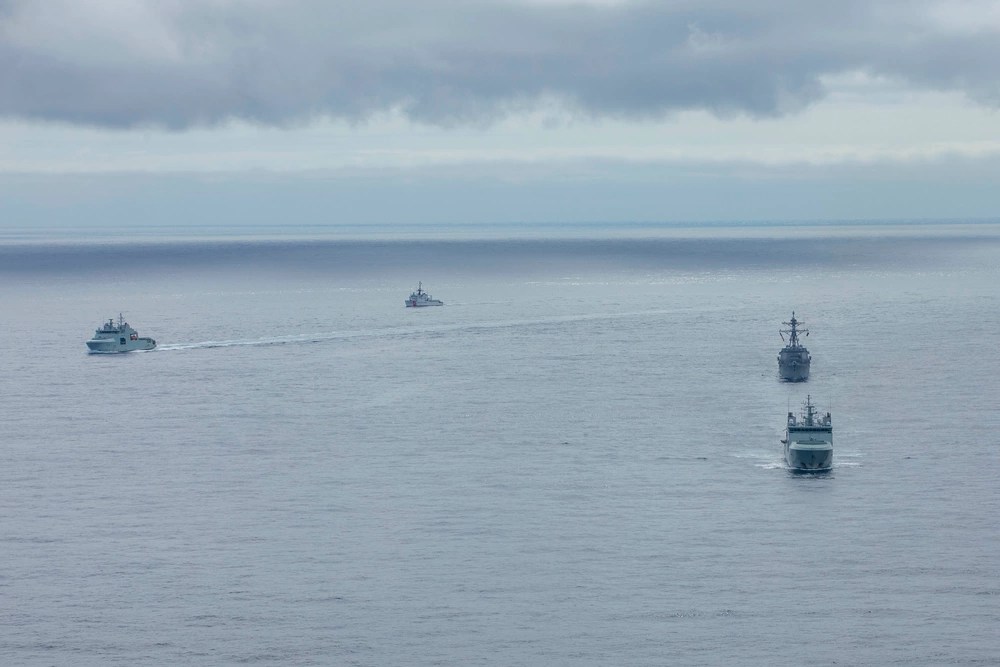
The Arleigh Burke-class guided-missile destroyer USS Delbert D. Black (DDG 119) sails alongside the U.S. Coast Guard Cutter Northland (WMEC 904) and the Royal Canadian Navy offshore patrol vessels HMCS Margaret Brooke (AOPV 431) and HMCS Harry DeWolf (AOPV 430) during Operation NANOOK, Aug. 18, 2024. OP NANOOK is the Canadian Armed Forces’ annual series of Arctic exercises designed to enhance defense capabilities, ensure the security of northern regions, and improve interoperability with Allied forces. (U.S. Navy Photo by Mass Communication Specialist 3rd Class Rylin Paul)

Below is a 2nd Fleet news release regarding the Canadian lead NANOOK exercise.

The Coast Guard has been participating in Operation NANOOK since at least 2010 initially with a buoy tender, but since 2020 with WMEC270s like Northland, and in 2021 with both a WHEC270 and a Fast Response Cutter.

Of the five ships that participated in the exercise, USS Delbert D. Black (DDG 119), Royal Canadian Navy’s Harry DeWolf-Class Offshore Patrol Vessels, HMCS Margaret Brooke (AOPV 431) and HMCS Harry DeWolf (AOPV 430); the Royal Danish Navy’s Knud Rasmussen-Class Patrol Vessel, HDMS Lauge Koch (P572); the U.S. Coast Guard Cutter, USCGC Northland (WMEC 904), all were offshore patrol vessels except the DDG. The Canadian and Danish ships were ice strengthened. The US ships were not.

Since the exercise took place in August the weather was probably about as mild as it gets at these high latitudes. It is not clear if the exercise included operations above the Arctic Circle.


NORFOLK, VIRGINIA, UNITED STATES

08.27.2024

Story by Petty Officer 2nd Class Anderson W Branch

Operation NANOOK 2024, an annual exercise led by the Canadian Armed Forces (CAF) and supported by the U.S. 2nd Fleet and U.S. Coast Guard, successfully concluded on August 26, 2024.

The exercise, which is the largest of its kind in the Arctic, highlighted the ability of multinational forces to interoperate effectively in the challenging northern environment, further strengthening the long-standing partnership between Canada and the United States.

Vice Adm. Doug Perry, Commander of U.S. 2nd Fleet, emphasized the importance of this partnership, stating, “Our partnership with Canada is built on a foundation of mutual respect and shared interests, particularly when it comes to securing the Arctic region. OP NANOOK demonstrated the strength of our collaboration and our shared commitment to maintaining stability in these strategic waters.”

Perry added, “The challenges posed by the Arctic environment require us to be adaptable and resilient. This year’s exercise has shown that our combined forces are more than capable of meeting those challenges head-on.”

OP NANOOK has consistently served as a critical platform for enhancing polar interoperability among Allied forces, and this year was no different. The exercise saw participation from the Royal Canadian Navy, the U.S. Coast Guard, the U.S. Navy, and the Royal Danish Navy. These forces engaged in a variety of complex maritime operations, including Maritime Interdiction Operations, gunnery exercises, search and rescue simulations, and fleet maneuver drills in the frigid waters near Nuuk, Greenland.

“This exercise is a testament to the strength and unity of our alliances,” said Perry. “Each year, OP NANOOK brings our nations closer together, enhancing our ability to operate effectively in the Arctic and ensuring that we are prepared for any contingency.”

The participation of the U.S. 2nd Fleet in OP NANOOK underscores the fleet’s commitment to Arctic operations as part of a broader strategy to ensure homeland defense and security in the northern regions. Earlier this year, the 2nd Fleet demonstrated its global readiness during Arctic operations in Steadfast Defender 2024, further solidifying its role as a key player in Arctic defense.

“Training in the North is particularly crucial as it increases our understanding of the unique operational and sustainment challenges experienced in the Arctic. By seizing every opportunity to train in this environment, we also further solidify our partnership among NATO allies while ensuring our readiness for future operations” emphasized Royal Canadian Rear Adm. David Patchell, Vice Commander of U.S. 2nd Fleet. “The importance of interoperability and shared experiences between NATO countries cannot be overstated. Through regular joint exercises in the Atlantic and Arctic regions, we continuously enhance our capabilities and strengthen our bond.”

As the Arctic continues to gain strategic importance, the U.S. Navy remains committed to working closely with its Arctic allies to ensure environmental stewardship and maintain stability in the region. The completion of OP NANOOK 2024 has provided participating forces with invaluable experience and has further reinforced the collective deterrence capability of allied and partner nations.

Participating units included the Royal Canadian Navy’s Harry DeWolf-Class Offshore Patrol Vessels, HMCS Margaret Brooke (AOPV 431) and HMCS Harry DeWolf (AOPV 430); the Royal Danish Navy’s Knud Rasmussen-Class Patrol Vessel, HDMS Lauge Koch (P572); the U.S. Coast Guard Cutter, USCGC Northland (WMEC 904); and the U.S. Navy’s USS Delbert D. Black (DDG 119).

With the conclusion of OP NANOOK 2024, participating units have returned to their respective homeports, better equipped to face the evolving challenges of the Arctic and to continue protecting shared interests in this increasingly vital region.

U.S. 2nd Fleet, reestablished in 2018 in response to the changing global security environment, develops and employs maritime forces ready to fight across multiple domains in the Atlantic and Arctic in order to ensure access, deter aggression and defend U.S., allied, and partner interests.

Change is Coming, “Coast Guard delivers first MH-60T to new Air Station Ventura” –News Release

The first MH-60T medium range recovery helicopter to operate out of new Air Station Ventura lands on the station’s ramp on June 8, 2024. U.S. Coast Guard photo.

Below is information from the Acquisitions Directorate (CG-9) website. The first new Coast Guard Air Station in 25 years, and a money saving approach that will organically produce 36 aircraft and transition eight air stations from MH-65 to MH-60T operations.

The new airstation replaces a Coast Guard Airstation San Francisco detachment that operated two H-65s out of a leased hangar at Point Mugu.


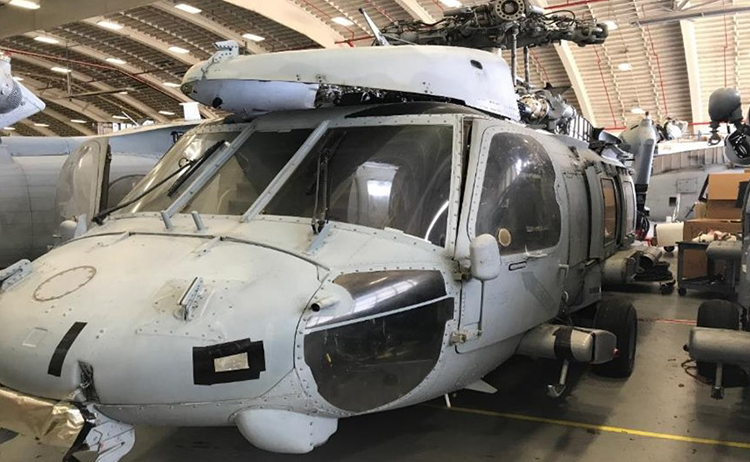
The Coast Guard on June 8 delivered an MH-60T medium range recovery helicopter to the service’s first new air station in 25 years, Air Station Ventura, located at Naval Base Ventura County in Point Mugu, California. CGNR 6055 is the first of three MH-60T Jayhawk helicopters that will be delivered to the air station; all will be derived from Navy hull conversions completed by the Aviation Logistics Center (ALC) in Elizabeth City, North Carolina.

This is the third delivery under the MH-60T Acquisition/Sustainment Program, which started as a service life extension program (SLEP) for the Coast Guard’s fleet of 45 Jayhawks. The program has since expanded to include increments for fleet growth as the service transitions to an all-MH-60T fleet.

Converted Navy hulls are one of the two hull sources being used in the program, along with newly manufactured hulls from the original equipment manufacturer, Sikorsky Aircraft Corp. Low-flight-hour Navy HH-60H and SH-60F Seahawk hulls are structurally converted into the MH-60T configuration. The program also includes replacement of critical dynamic components, such as main rotor blades, and new electrical wire harnesses. All aircraft production – the assembly and installation of dynamic components on the hulls – is completed at ALC.

The deliveries to Air Station Ventura are the first under Increment 2, the first fleet growth phase of the program, which will organically produce 36 aircraft and transition eight air stations from MH-65 to MH-60T operations. Converted Navy hulls will form the majority of the aircraft to be produced under Increment 2, according to Reid Adams, program manager for the MH-60T Acquisition/Sustainment Program. He noted that Navy conversion hulls are cost effective, saving the Coast Guard at least $5 million per aircraft compared to purchasing new hulls. ALC also has developed efficiencies that have shaved months off the Navy conversion process; each conversion can now be completed in under one year.

“We were able to utilize completed Navy hull conversions that were already in storage to facilitate the Ventura stand-up; this allowed the program to save one year on the ability to stand up Ventura,” Adams said.

Crew members inspect the folding rotors on CGNR 6055 at Air Station Ventura. U.S. Coast Guard photo.


The MH-60T delivered to Air Station Ventura includes main and tail rotor fold-capability, enabling the helicopter to be deployed and hangared aboard the national security cutter, as well as future offshore patrol cutters and polar security cutters. This is the first Jayhawk with this feature since the 1990s, when the smaller MH-65s were deployed. With the move to an all-MH-60T fleet, this capability is essential for aircraft that will be used to support cutter operations.

This is the third Navy conversion hull delivered to the fleet under the MH-60T Acquisition/Sustainment Program; the first went to Aviation Training Center Mobile in 2021 and the second to Air Station Clearwater in 2022, both in support of SLEP activities on the legacy fleet of 45 MH-60Ts and now incorporated as Increment 1 of the expanded acquisition/sustainment program. Thirteen additional Navy hulls are in various stages of work from structural conversion to completed and in storage.

Each conversion of Navy HH-60H and SH-60F Seahawk hulls takes over 1,500 separate maintenance cards for mechanics to follow. U.S. Coast Guard photo.


“The next 13 hulls will be used to fulfill the SLEP or fleet growth demands, as required; with the new hulls now in the mix, the program anticipates the majority of the converted Navy hulls to be utilized for fleet growth purposes,” Adams said. Three new hulls have been delivered of the 45 currently on order with Sikorsky.

Ventura marks the Coast Guard’s first permanent air station in the region since 2016. Prior to breaking ground for Air Station Ventura in 2021, the service conducted aviation operations from a forward-operating base at Naval Base Ventura County supported by Coast Guard Air Station San Francisco.

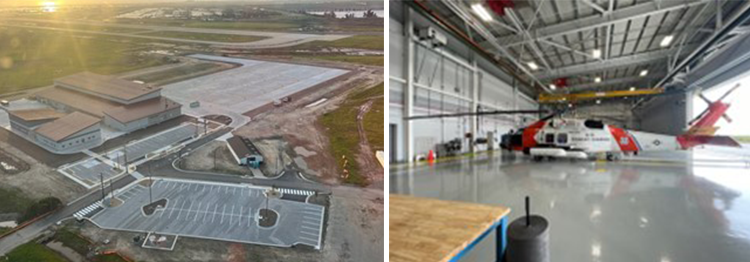
Air Station Ventura features a $70 million state-of-the-art 43,000-square-foot hangar and a 12,000-square-foot administration and berthing facility. At full capacity it will house three MH-60T Jayhawk helicopters and approximately 100 personnel, significantly enhancing the Coast Guard’s capabilities in the region.

The new Coast Guard Air Station Ventura and its MH-60T hangar is located at Naval Base Ventura County in Point Mugu, California. U.S. Coast Guard photos.


For more information: MH-60T Acquisition/Sustainment Program page.

New Japan Coast Guard Base Ship?

Alex Luck
@AlexLuck9
“Japan intends to procure a very large coast guard hull suitable for supporting helicopter ops and extended EEZ deployments as a “mobile base”, to be commissioned towards 2030.
Reminder that size growth of coast guard assets is a general trend.”

Pulled from X, no idea of the source or validity.

Thanks to Sven for bringing this to my attention.

Air Operations in the Western Pacific–Operation NASSE / Island Chief

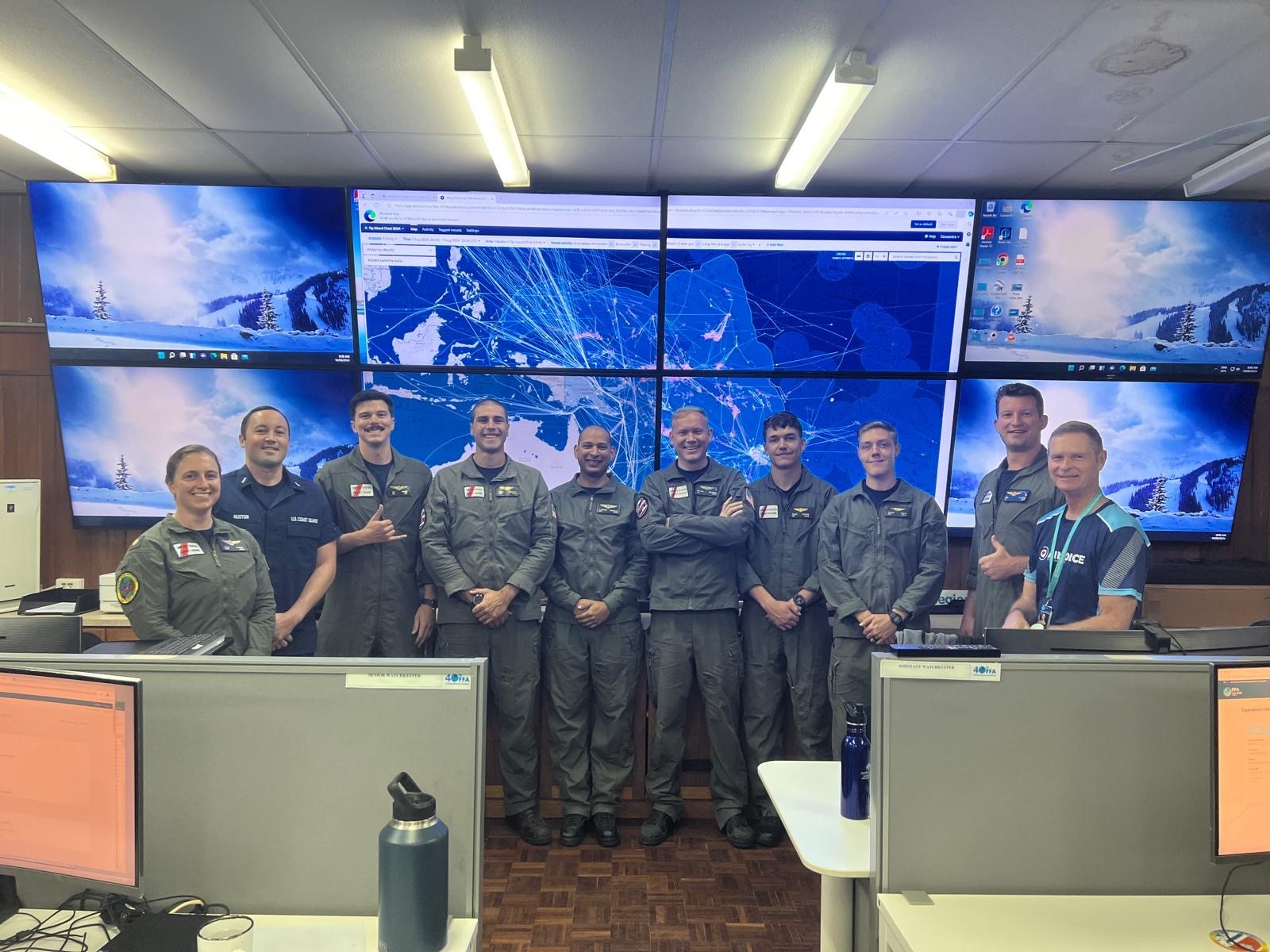
U.S. Coast Guard personnel from District Fourteen and Air Station Barbers Point pose for a photo with a member of the Royal New Zealand Air Force and Forum Fisheries Agency at the Regional Fisheries Surveillance Centre (RFSC) in Honiara, Solomon Islands, Aug. 13, 2024. An HC-130 Hercules airplane crew from Air Station Barbers Point toured the RFSC as part of their participation in Operation Island Chief, during which they searched over 232,100 square miles in the South Pacific to detect any illegal, unreported and unregulated fishing activity. (U.S. Coast Guard courtesy photo)

Below are two news releases reporting US Coast Guard participation in Operation NASSE, a joint Australia, France, New Zealand, and the U.S. effort in support of the Forum Fisheries Agency (FFA) in Honiara, Solomon Islands and the Western and Central Pacific Fisheries Commission.

Barbers Point HC-130Js flew in support of the mission July 1-12 and Aug. 5-16.

(While the second news release refers to an Operation Island Chief, the data reports, “Joint efforts for Operation Nasse covered over 7 million square miles, with the Coast Guard contributing…” so I may be a bit confused. Is Island Chief part of NASSE or entirely separate? At any rate, Coast Guard fixed wing aircraft have been operating out of New Zealand, Vanuatu, and Guadalcanal to counter Illegal, Unregulated, Unreported (IUU) fishing.)

This post from 2022 provides background on Operation NASSE.


HONOLULU – The U.S. Coast Guard completed participation in Operation Nasse, a three-month operation conducted by Australia, France, New Zealand, and the U.S. to safeguard the invaluable marine resources of Pacific Island nations and the Western Central Pacific Ocean, July 12.

From July 1-12, an HC-130J Hercules airplane crew from Coast Guard Air Station Barbers Point patrolled the South Pacific High Seas in and around the Exclusive Economic Zones of Australia, New Caledonia, Fiji, New Zealand, Tonga, Niue, and the Cook Islands to detect, investigate and report any illegal, unreported and unregulated (IUU) fishing activity.

During the operation, the Coast Guard collaborated with Pacific Quadrilateral Defense Coordinating Group (Pacific QUAD) partners to enhance their Monitoring, Control and Surveillance (MCS) tools and communications to support regional and national maritime surveillance efforts.

The wide-ranging operations were supported by the Pacific Islands Forum Fisheries Agency’s (FFA) Regional Fisheries Surveillance Center (RFSC) and several FFA members to reinforce the conservation work of the Western and Central Pacific Fisheries Commission (WCPFC) on the high seas. Alongside the P-QUAD partners, Fiji, Vanuatu, and the Cook Islands participated in the operation for the first time.

Coast Guard participation in Operation Nasse is part of Operation Blue Pacific, an overarching multi-mission Coast Guard endeavor promoting security, safety, sovereignty, and economic prosperity in the Pacific while strengthening relationships between partner nations.

“Oceania is vast, and the challenges of illegal fishing require a united front,” said Lt. Cmdr. Keith Arnold, HC-130J aircraft commander for U.S. Coast Guard Air Station Barbers Point. “Collaborating with the Pacific Quad and other regional partners to combine our resources and expertise to enhance monitoring tools is crucial to countering illegal fishing activities in Oceania. Sharing data, strengthening our communication networks, and coordinating patrols allows us to create a more comprehensive picture of what’s happening on the water in the region. This collaborative approach sends a strong message to those engaged in illegal fishing: we will work together to stop these activities and protect these vital resources.”

Joint efforts for Operation Nasse covered over 16,000 square miles, with the U.S. Coast Guard contributing:

  • Over 58 hours of flight time
  • 37 vessels sighted and analyzed
  • Four potential Conservation and Management Measures (CMM) violations reported
  • 240 hours of analyst-to-analyst collaboration and training

Located in Honolulu, U.S. Coast Guard District Fourteen covers more than 14 million square miles of land and sea, conducting operations over the Hawaiian Islands, American Samoa, Saipan, Guam, Singapore and Japan.

For more information follow us on FacebookX, and Instagram.


Aug. 19, 2024

U.S. Coast Guard completes Operation Island Chief in Pacific region

Coast Guard District 14 External Affairs – Office: (808) 535-3230 / After Hours: (808) 265-7748

HONOLULU – The U.S. Coast Guard completed Island Chief, a 13-day operation to safeguard the invaluable marine resources of Pacific Island nations and the Western Central Pacific Ocean.

From Aug. 5-16, an HC-130 Hercules airplane crew from Coast Guard Air Station Barbers Point patrolled the South Pacific High Seas in and around the exclusive economic zones of Fiji, Federated States of Micronesia, Kiribati, Palau, Papua New Guinea, Nauru, Republic of Marshall Islands, Solomon Islands, Tuvalu and Vanuatu to detect, investigate and report any illegal, unreported and unregulated (IUU) fishing activity.

The Hercules crew worked with the Regional Fisheries Surveillance Centre, a part of the Forum Fisheries Agency (FFA) in Honiara, Solomon Islands, to reinforce the conservation work of the Western and Central Pacific Fisheries Commission.

Coast Guard participation in Operation Island Chief is part of Operation Blue Pacific, an overarching multi-mission Coast Guard endeavor promoting security, safety, sovereignty and economic prosperity in the Pacific while strengthening relationships between partner nations.

The Coast Guard conducted Operation Island Chief alongside the Pacific Quadrilateral Defense Coordinating Group (Pacific QUAD), in support of the Pacific Islands FFA and its members.

FFA Director General Dr. Manu Tupou-Roosen highlighted the significance of the FFA-led Operation Island Chief 2024, coordinating surveillance efforts for participating Members.

“Operation Island Chief reinforces FFA’s commitment to sustainable fisheries management and maritime security in the Pacific,” said Dr. Tupou-Roosen. “This operation exemplifies the spirit of regional collaboration and determination among Pacific Island nations. The compliance checks of vessels and operators through a robust regional surveillance operation ensures effective management regime and preserving our marine resources, as well as securing the livelihoods and food security of our people.”

“Given the vastness of the Pacific region, close collaboration between U.S. Coast Guard personnel, patrol assets and regional partners is integral to sustained success in combatting IUU fishing across the region,” said Marc Stegman, IUU fishing strategic advisor, Coast Guard District Fourteen.

Joint efforts for Operation Nasse covered over 7 million square miles, with the Coast Guard contributing:

  • Over 37 hours of flight time
  • Over 10,500 miles flown
  • Over 232,100 square miles searched
  • Three missions flown from Vanuatu and four missions flown from Solomon Islands
  • 70 vessels sighted and analyzed

Located in Honolulu, U.S. Coast Guard District Fourteen covers more than 14 million square miles of land and sea, conducting operations over the Hawaiian Islands, American Samoa, Saipan, Guam, Singapore and Japan.

For more information follow us on FacebookX, and Instagram.

“USCG RDC: Vessels, Tech, Partnerships Help to Thwart Narcotics, Human Smugglers” –Marine Link

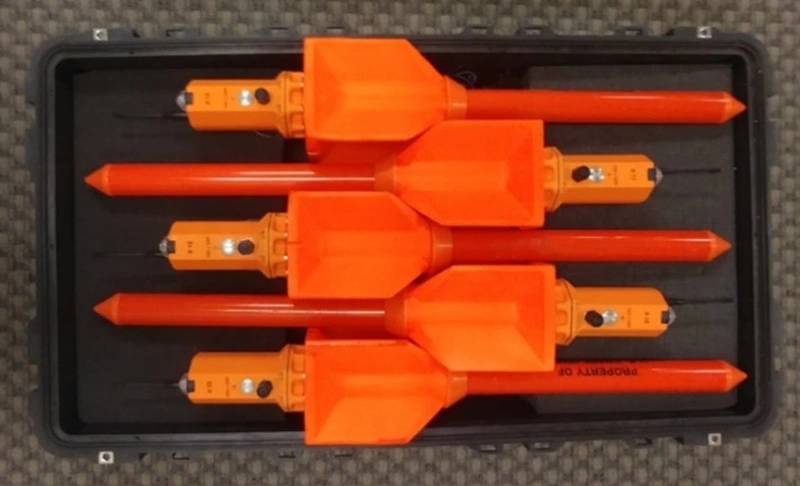
Maritime Object Tracking Technology or MOTT. Image courtesy US Coast Guard RDC

Marine Link has a story about the Coast Guard Research and Development Center (RDC), including the origin of the devices in the photo above. In addition to making the position of jettisoned contraband, I presume they might also be useful in the case of a man overboard.

They are also working on sense and avoid capabilities to allow over the horizon operation of small UAS that can be operated from units without a flight deck, and there is more.


“Broken Breakers” –What’s Going On With Shipping

Sal Mercogliano’s video, like the one above are generally about merchant shipping, but he occasionally touches on the Coast Guard, as he has done here. This video is a brief overview of where we are in terms of icebreakers. It avoids the usual temptation to compare the US icebreaker fleet with the number the Russians operate, but it still paints a pretty bleak picture of the current situation.

I am hoping we will start hearing some good news about the program in the near future, but we have an identified need for nine icebreakers. But there does not seem to be a sense of urgency. It seems the Coast Guard has done nothing to start procurement of the medium icebreakers we know we need. There is no reason we could not have the two programs running parallel. For instance, we could have a prototype Arctic Security Cutter built in Finland and outfitted in the US. I think we can honestly say that currently there is no US shipyard capable of taking on the project other than Bollinger, and they are already working at capacity. We can increase capacity over time, but we need some help.

I suspect the feeling is that the medium icebreaker (Arctic Security Cutter) procurement can’t begin until the heavy icebreaker (Polar Security Cutter) program is completed, but that is not necessarily the case. Sure, it would require a larger acquisitions budget, but you never know until you ask. Right now, we haven’t even done the low-cost research it would take to plan the acquisition. Particularly if the Polar Security Cutter Program is further delayed, it would be good to have medium icebreakers plans prepared so that we can accomplish something.

We have the new ICE Pact agreement with Canada and Finland. It is long past time to start the medium icebreaker procurement planning process. I’d begin by asking if we can’t do with something simpler like the Arctic Patrol Ships all the other Arctic nations are currently building.

Singapore’s Littoral Mission Ships, Another Look

Wanted to share the US Naval Institute video above. Clearly, they were impressed.

We have certainly talked about these ships before, beginning in 2014: here and here with numerous comments on these posts, particularly the first. I thought it might make a good Cutter X, a cutter sized between the OPC and the FRCs.

Reviewing information on this class, most surprising was the small crew size–23–fewer than the Coast Guard is using to man the Fast Response Cutters, but this may not include the boarding party or helicopter deck crew. In some services, these are only added when required rather than being part of the crew. There are additional accommodations for 30 additional personnel, but even the max crew, 53, is significantly fewer than the normal crew of a WMEC210 (75) and about half the crew of a WMEC270 (100). The crews of the OPCs will be even larger.

Two 11 meter RIBs can be launched from ramps in the stern very much like those seen on the similar sized L’Adroit (now Agentine Navy ARA Bouchard (P-51) class, which also manages to include a helicopter hangar).

Also unusual for OPVs are the four container size mission module positions and the twelve cell VL MICA-M vertical launch anti-air system. (VL MICA-M is currently also used by the navies of Egypt, India, Indonesia, Morocco, Oman, Qatar, Saudi Arabia, and United Arab Emirates. It has also been selected for the navies of Bulgaria, Malaysia, the Philippines, and Ukraine.)

Ship Specifications
Length 80 meters
Beam 12 meters
Draught 3 meters
Displacement 1,250 tons
Speed in excess of 27 knots
Endurance 3,500 nautical miles (up to 14 days)

These ships appear to have essentially the same engines as the Webber Class Fast Response Cutters, but they have four of them.

These are what I would consider the minimum size for a true Offshore Patrol Vessel.

I suspect the quoted displacement, 1,250 tons, may be a light displacement. Asian nations seem to prefer to prefer this measure. Certainly, it is considerably larger than a 210 (1,050 to 1127 tons) and only bit smaller than a 270 (1800 tons). For some missions, its small size and light draft might be advantages.

Navy Recognition (now Army Recognition, Navy News) had a very good virtual tour of one of the class. The accompanying text was very informative.

Interestingly, when Singapore decided to buy offshore patrol vessels, they went with a different design. I suspect because this Fassmer design is less complex while retaining a lot of flexibility and may be more seaworthy and have greater endurance.

If the Coast Guard (or Navy) were interested in a similar design, what would we want to keep and what would we want to change? 

Crew size: We would want to keep the automation that allowed a smaller crew.

Boats: The boat handling facilities appear adequate and could also be used for launching and recovering unmanned systems.

Aviation Facilities: The lack of a hangar may be a problem, but if unmanned air systems (UAS) are considered adequate, they can be supported.

Range/Endurance: The Coast Guard would probably want a cruising range of more than the 3500 nautical miles reported for these ships, even though this is 1000 nautical miles more than reported for the FRCs, but this figure is reportedly for a speed of 18 knots. At 14 knots the range should be over 5000 nautical miles. If a greater range was needed, a cutter might get by with two similar or slightly more powerful engines and still make 24 knots. Electric motors attached to the shafts and powered by ship’s service generators might provide improved range at modest speeds as well as provide redundant get home power. This would also avoid the necessity of running diesels at slower than designed operating speeds to gain greater range.

Mission Modules: The provision for container sized mission modules seems good idea. It might be desirable that at least some mission modules have clear air space above them, but modules below the flight deck can still be used for increased endurance, holding cells, additional berthing, medical facilities, disaster relief, support of unmanned systems, mine countermeasures, anti-submarine warfare, and other purposes we may not have anticipated.

Armaments: With an increasingly hostile world, how might they be armed, either as built or in terms of future possibilities. Inevitably the Coast Guard will use weapon systems and sensors in the US Navy inventory. There are direct replacements in the US Navy inventory for the gun systems, the 57mm Mk110, the new 30mm Mk38 Mod4, and .50 caliber remote weapon stations. The US Navy currently has nothing the size and capability of the VL MICA-M. The Rolling Airframe Missile (RAM) is smaller. It would not be a bad choice, but because it is not a vertical launcher and superstructure blocks its sensor, it will always have a blind sector. Evolved Sea Sparrow Missile (ESSM) is much heavier than MICA (620 lb (280 kg) vs 112 kg) but it is not a lot bulkier. ESSM could be fitted using the Mk56 VLS, but Mk 41 VLS would provide more flexibility. Looks like the 76mm and 12 VL-MICA could be traded for eight Mk41 VLS and a second Mk38 Mod4, if it were necessary to give up the medium caliber gun to make room for the missiles. ESSM’s anti-surface capability alone would more than make up for the loss of the 76 or 57mm gun. Two 30mm Mk38 Mod4 would provide good protection against kamikaze UAS. The load out might be up to 32 quad-packed ESSMs or a mix of ESSM, vertical launch ASROC and surface to surface missiles.

Peacetime Missions: These would be adequate to handle Atlantic Area Coast Guard Missions currently handled by medium endurance cutters. In the Pacific they would be a major improvement over FRCs for countering IUU in the Western Pacific and could be effective in the Eastern Pacific drug transit zones.

Wartime: Thinking about possible wartime roles, with modifications and augmentation, Coast Guard patrol cutters might be able to provide ASW escort across the wide expanses of the Pacific where submarines are likely to be the only threat. For that mission, a hangar for an H-60 sized helicopter and greater range would be desirable. A few ESSMs would probably be adequate because over most of the Pacific, the air threat would be limited to relatively small numbers of submarine launched anti-ship missiles.