“Coast Guard continues to break records, offloading over $362 million in illicit drugs interdicted in Eastern Pacific Ocean” –District Southeast

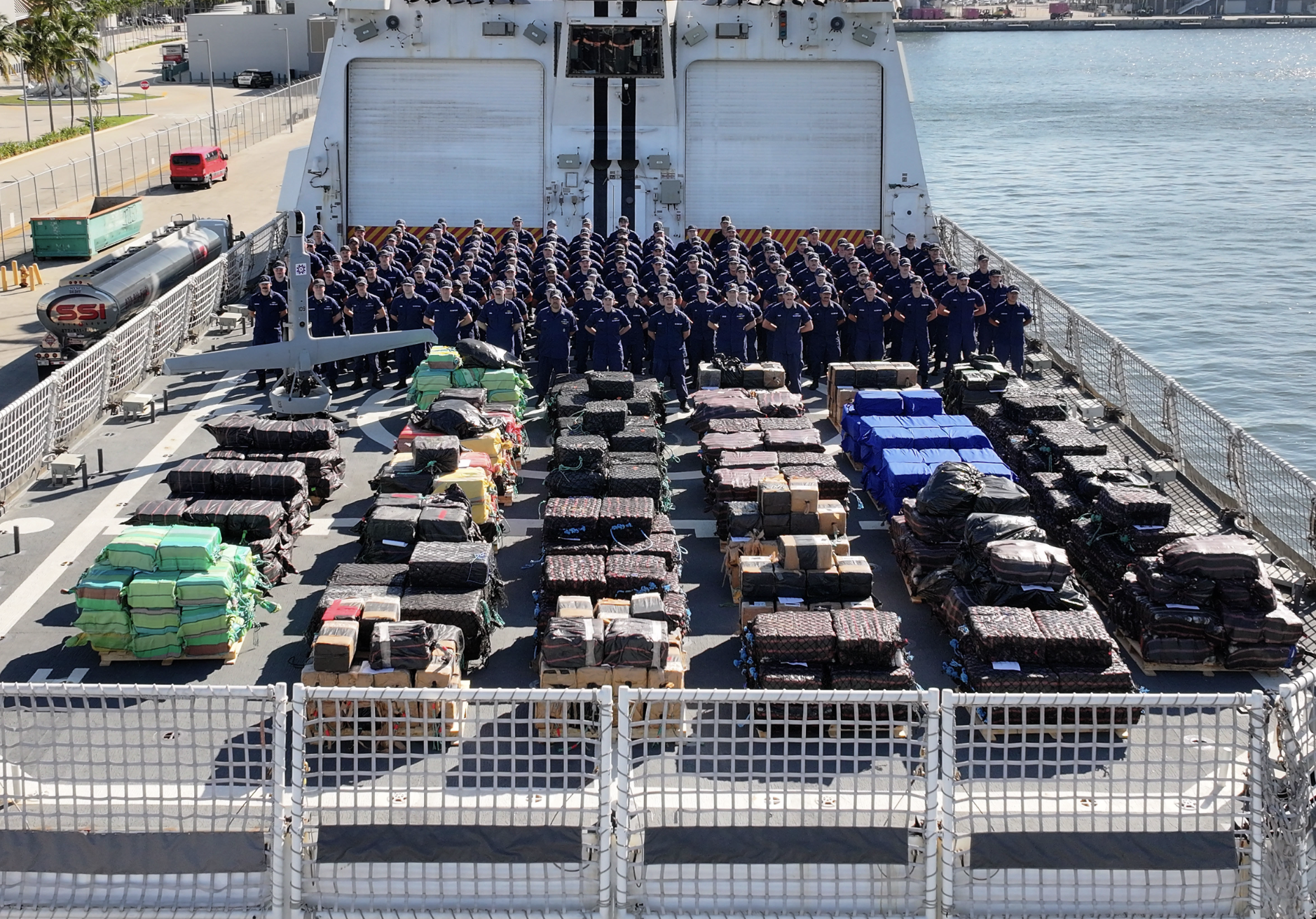
251118-G-G0107-1008 Coast Guard Cutter Stone’s crew poses for a group photo on the flight deck of the ship, Nov. 18, 2025, Port Everglades, Florida. Coast Guard Cutter Stone’s crew offloaded approximately 49,010 pounds of illicit narcotics worth more than $362 million. (U.S. Coast Guard photo by Cutter Stone’s crew)

Below is a news release from District Southeast.

This offload is particularly noteworthy in that it is the most “cocaine seized by a single cutter in one patrol in Coast Guard history,” almost 25 tons. It may also be the largest number of interdictions (15) by a single cutter in one patrol but I can’t confirm that.

This particular success was not a fluke. USCGC Stone was very nearly as successful on her previous patrol making 12 interdictions and seizing 44,955 pounds of cocaine.

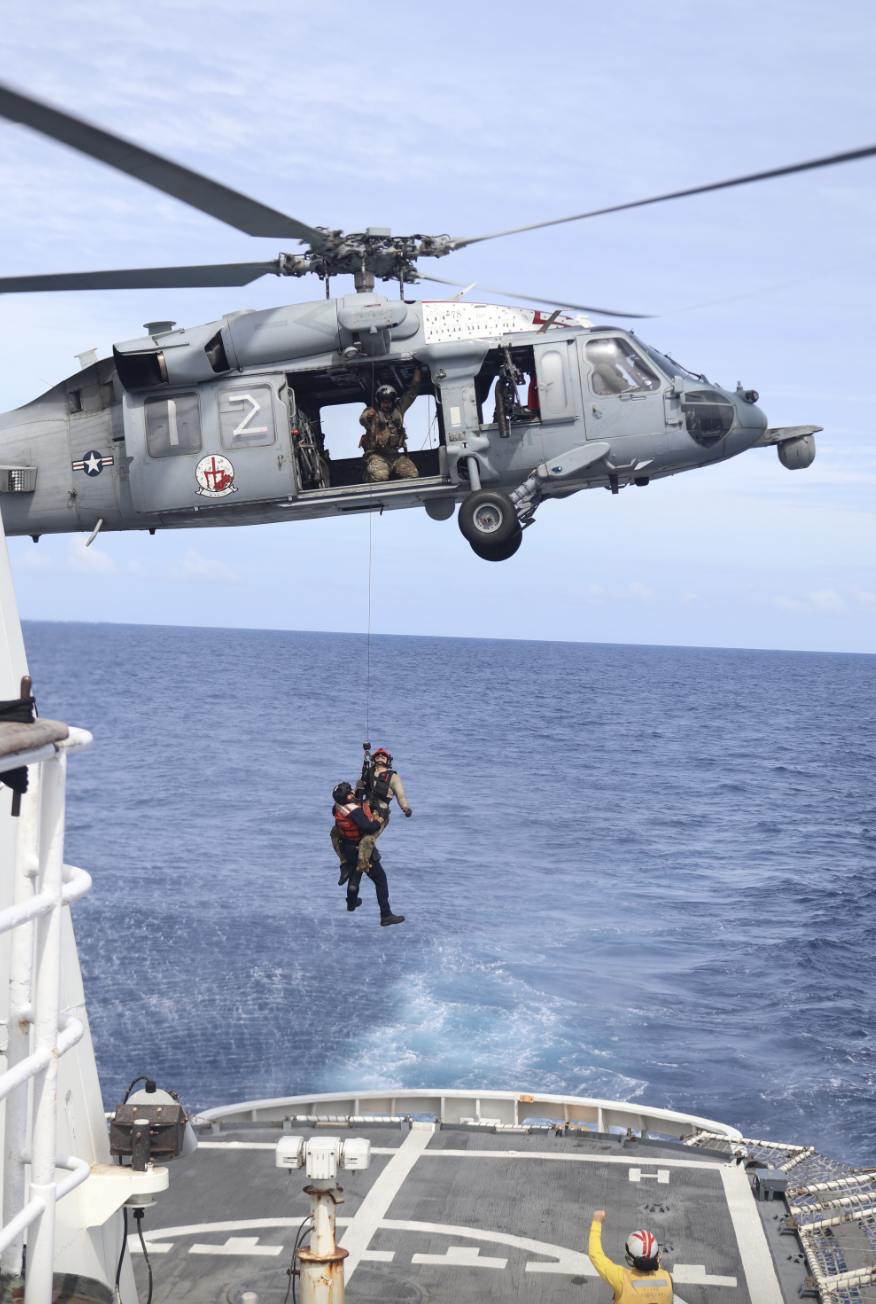
Check out the news release, lots of good photos and video. I chose the photo above because it includes the V-Bat UAS.


Nov. 19, 2025

Coast Guard continues to break records, offloading over $362 million in illicit drugs interdicted in Eastern Pacific Ocean

Coast Guard Southeast District – 305-202-3735

MIAMI – U.S. Coast Guard Cutter Stone’s crew offloaded approximately 49,010 pounds of illicit narcotics worth more than $362 million at Port Everglades, Wednesday.

This offload marks the most amount of cocaine seized by a single cutter in one patrol in Coast Guard history.

The seized contraband was the result of 15 interdictions in international waters of the Eastern Pacific Ocean.

“I am extremely proud of the crew’s incredible performance during this deployment,” said Capt. Anne O’Connell, commanding officer, Coast Guard Cutter Stone. “This offload demonstrates our increased posture and continued success in the fight against narco-terrorism and transnational criminal organizations. The Coast Guard, in conjunction with our inter-agency and international partners, continues to patrol areas commonly associated with drug trafficking in the Eastern Pacific, denying smugglers access to maritime routes by which they move illicit drugs to our U.S. land and sea borders.”

The following assets and crews were involved in the interdiction operations:

80% of interdictions of U.S.-bound drugs occur at sea. This underscores the importance of maritime interdiction in combatting the flow of illegal narcotics and protecting American communities from this deadly threat. U.S. Southern Command’s Joint Interagency Task Force -South based in Key West, conducts the detection and monitoring of aerial and maritime transit of illegal drugs. Once interdiction becomes imminent, the law enforcement phase of the operation begins, and control of the operation shifts to the U.S. Coast Guard throughout the interdiction and apprehension. Interdictions in the Eastern Pacific Ocean are performed by members of the U.S. Coast Guard under the authority and control of the Coast Guard’s Southwest District, headquartered in Alameda, California.

To protect the Homeland from ongoing trafficking of illicit narcotics from South America to the United States, the Coast Guard is accelerating our counter-drug operations in the Eastern Pacific Ocean in support of Operation Pacific Viper.

The Coast Guard continues increased operations to interdict, seize and disrupt transshipments of cocaine and other bulk illicit drugs by sea. These drugs fuel and enable cartels and transnational criminal organizations to produce and traffic illegal fentanyl, threatening the United States.

These interdictions deny criminal organizations more than half a billion dollars in illicit revenue. They provide critical testimonial and drug evidence as well as key intelligence for their total elimination. These interdictions relate to Panama Express, an initiative of HSTF Tampa, investigations in support of Operation Take Back America. PANEX identifies, disrupts, and dismantles the highest-level criminal organizations that threaten the United States using a prosecutor-led, intelligence-driven, multi-agency approach.

USCGC Stone is one of four 418-foot Legend-class national security cutters homeported in Charleston, South Carolina, under U.S. Coast Guard Atlantic Area Command.

“USS St. Louis Returns from Deployment in Support of Southern Border Operations” –Seapower

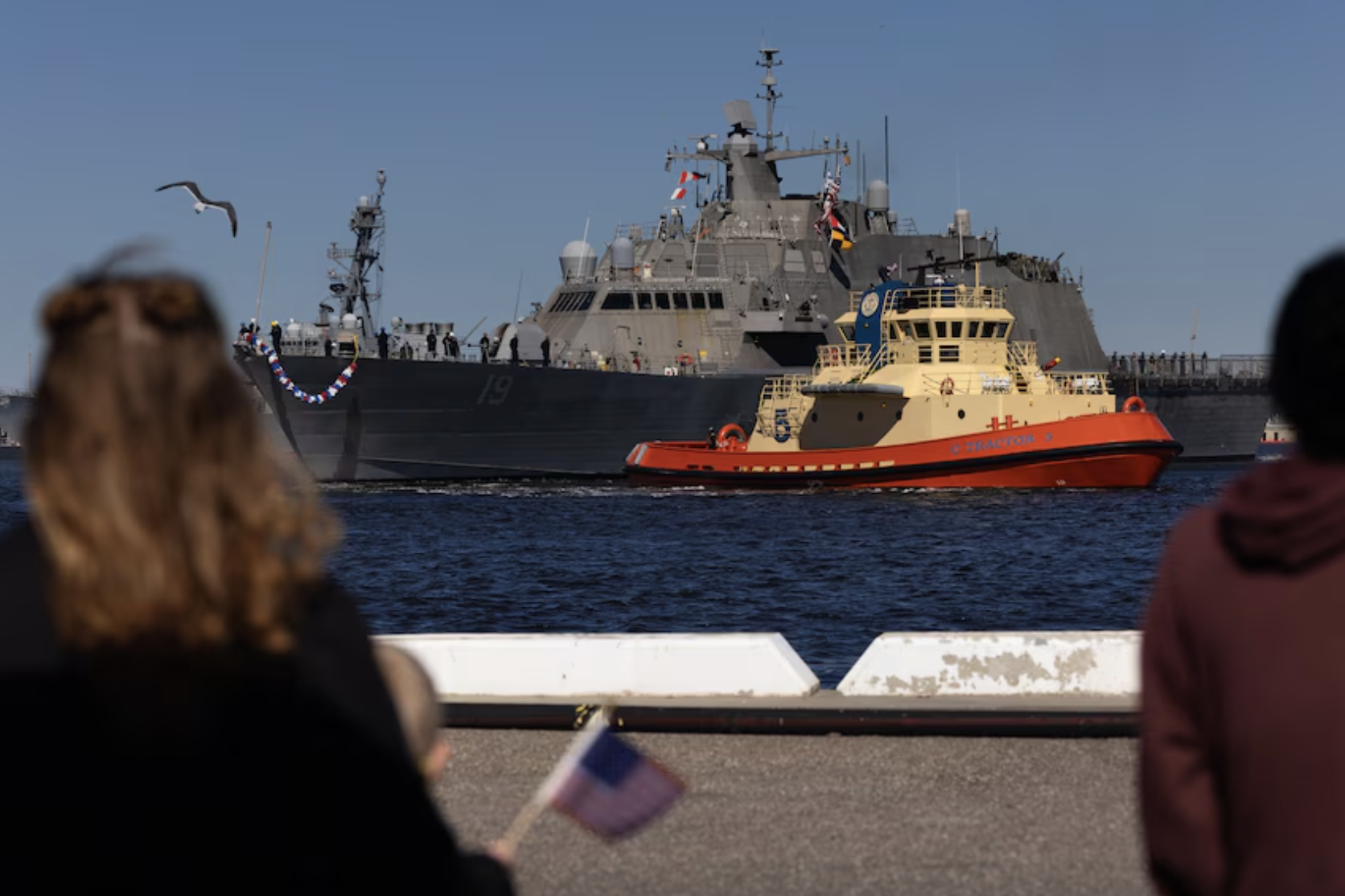
NAVAL STATION MAYPORT, Fla. (Nov. 10, 2025) — The Freedom-variant littoral combat ship USS St. Louis (LCS 19), operating under U.S. Northern Command (USNORTHCOM), returns to Naval Station Mayport, Fla., after completing a surge deployment, Nov. 10, 2025. (U.S. Navy photo by MC3 Jasmin L. Aquino)

The Navy League on-line magazine, Seapower reports,

The Freedom-variant littoral combat ship USS St. Louis (LCS 19), operating under U.S. Northern Command (USNORTHCOM) in the Gulf of America, returned to Naval Station Mayport ), along with the “Valkyries” of Helicopter Maritime Strike Squadron (HSM) 50 Detachment 5 and embarked U.S. Coast Guard Law Enforcement Detachment (LEDET) 408 after completing a surge deployment on November 10, 2025.

This deployment is a bit unusual in that apparently the patrol was in the Gulf under the direction of NORTHCOM and Second Fleet, rather than in the Caribbean and or Eastern Pacific under SOUTHCOM and Forth Fleet like her last patrol.

Neither NORTHCOM nor 2nd Fleet included the news release on their website, 2nd Fleet apparently sending it directly to the Navy League. (In fact 2nd Fleet has not had a news release on their website since 10 August.) We don’t know how long this deployment was since their departure date was not included in the release.

There was no report of a successful interdiction, which is not surprising since historically we do not find much maritime drug smuggling in the Gulf.

USS St. Louis’ previous patrol was more successful, spending eight months operating under 4th Fleet, where she, “disrupted and confiscated over $100 million worth of illicit contraband in five different operations” in addition to participating in exercise UNITAS 2024.


Coast Guard Drug Enforcement “Totally Ineffective” –The President

The statement above impacts the Coast Guard’s reputation and potentially its budget. Youtube indicates that this was recorded on October 15.

I would be the first to acknowledge that the Coast Guard has not been 100% effective in cutting off the supply of drugs flowing from Latin America, but if it is ineffective, so is every other US law enforcement agency.

The Coast Guard seizes more illegal drugs than any other US law enforcement agency. Perhaps more than all others combined.

Since early August, Coast Guard authority has resulted in 34 interdictions, apprehension of 86 people, and the seizure of 100,000 pounds of Cocaine, in the Eastern Pacific alone, where most of the maritime drug smuggling actually occurs.

The Pesident’s claim of eliminating sea borne drugs smuggling and the number of lives saved per boat sunk are wildly unrealistic.

Earlier, I talked about why blowing up boats off Venezuela would not result in a large reduction in deaths by. drug overdose.

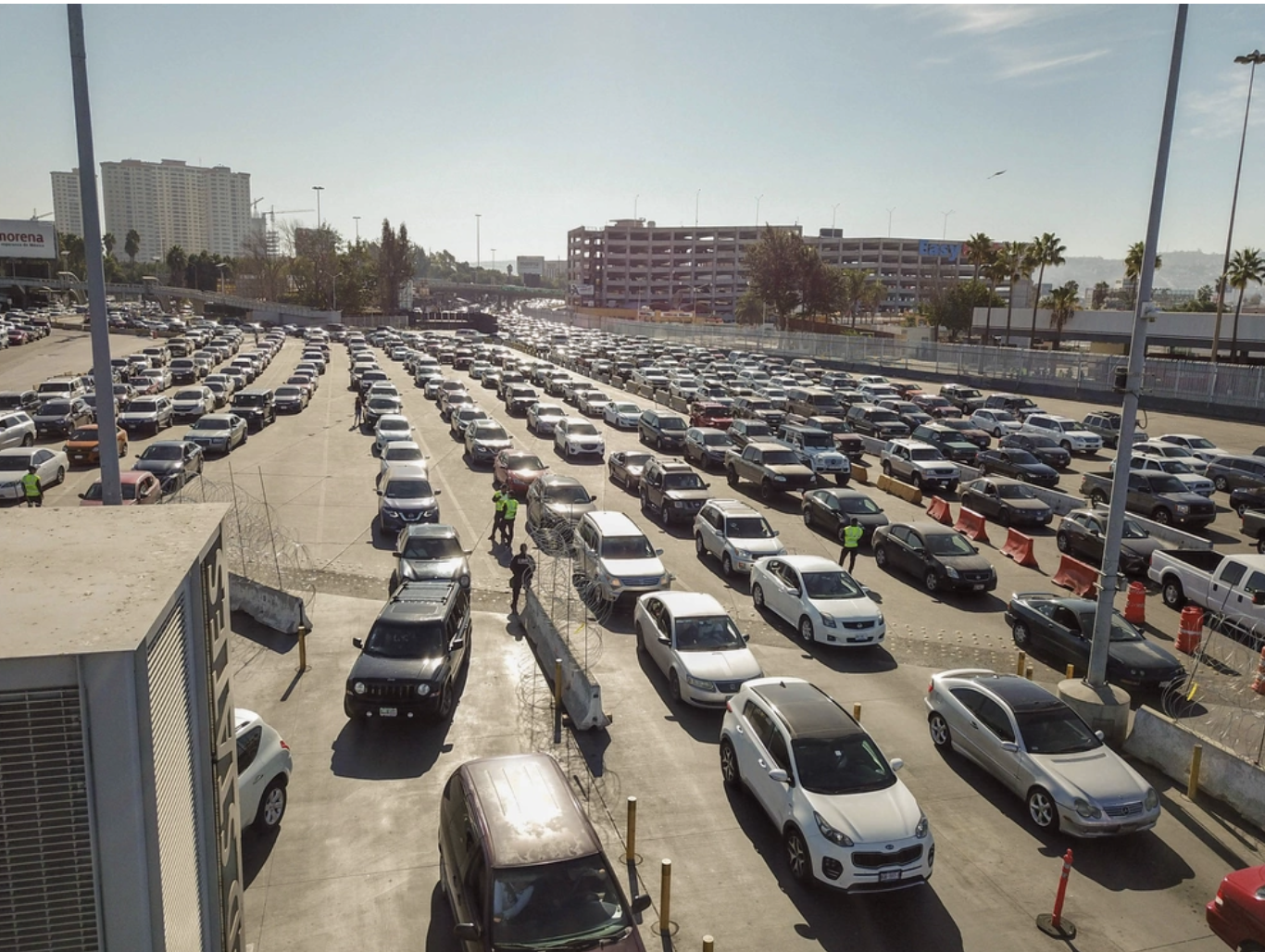
Most drug overdoses were by the use of synthetic opioids, primarily fentanyl. Fentanyl is not generally transported in the go fast boats we have seen destroyed. Because fentanyl is so compact, it usually crosses the borders over land at regular ports of entry., usually being transported by US citizens who blend in with the heavy cross border traffic.

SAN YSIDRO, CALIFORNIA, UNITED STATES, Port of Entry
Photos by Mani Albrecht, U.S. Customs and Border Protection

The President is claiming that each boat destroyed saves the lives of 25,000 Americans. If that were true, there should be no deaths due to overdose this year the rate of deaths due to overdose was a bit over 100,000 per year during the Covid pandemic but has been reduced to about 80,000 by the end of 2024. That is still a lot, but the recent success suggests there may be other things we can do to cut deaths due to overdose that may be more effective than relying on kinetic interdiction.

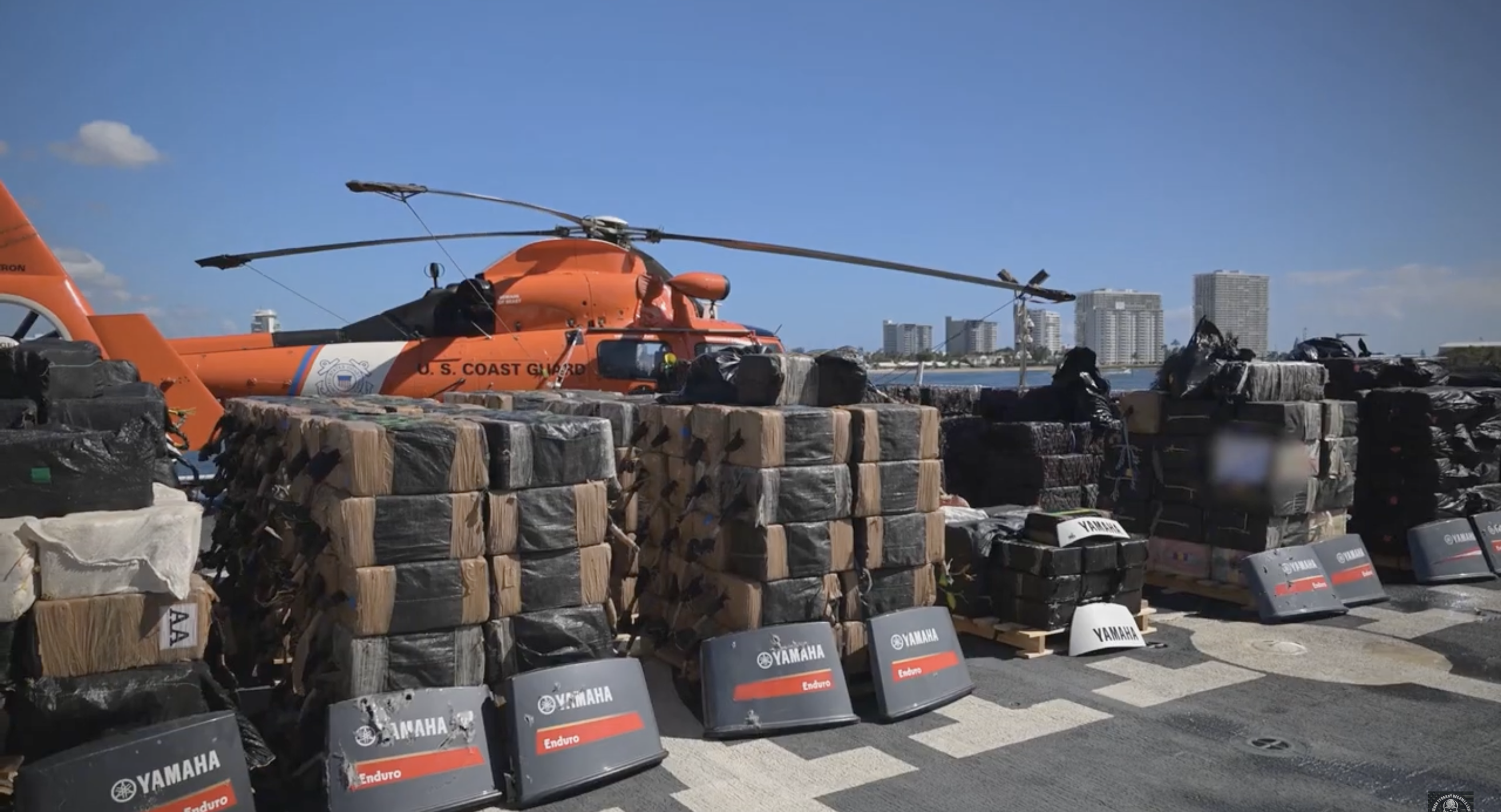
USCGC Stone (WMSL-758) delivers $517.5 million in illicit drugs interdicted in Eastern Pacific Ocean. Along side are displayed cowlings of outboard motor disabled by the Airborne Use of Force crew from the Coast Guard’s Helicopter Interdiction Tactical Squadron (HITRON) based in Jacksonville, FL.

Suggestions that the smugglers are consistently able to outrun the Coast Guard are completely false. The cutters carry smaller high speed craft that can generally out run the smugglers and where they cannot, the Coast Guard has snipers in helicopters with specially trained crews who can disable the smugglers engines. The smugglers can’t outrun a missile but they also cannot out run Coast Guard helicopters. This special squadron just celebrated their 1000th interdiction.

Lately, I have been hearing the word accountability being thrown around a lot, and it is a good word. Who is responsible for the epidemic of drug use and the resulting deaths due overdose? Gangs in Mexico, Colombia, and Venezuela may have helped, but demand by American users created this problem. Most of the distributors and pushers were American citizens. Americans own this problem. Blaming it on foreigners is more comfortable, but not really helpful because, as long as the demand exists, there will be a source.

“New Joint Task Force Established to Lead SOUTHCOM Counter-Narcotics Operations” –SOUTHCOM

Official shield of U.S. Southern Command.

Below is a news release from SOUTHCOM.

No indication how this works with Joint Interagency Task Force South, headed by a Coast Guard Rear Admiral (one or two stars), despite the obvious overlap.

Can’t help suspecting this has something to do with the lethal attacks on boats out of Venezuela. Commanded by Marine Corps Lieutenant General (three star), I don’t see him answering to a CG two star; in fact here is an explicit statement, “The JTF will report directly to SOUTHCOM.

My reading is that this is transitioning from law enforcement to something akin to combat, that is what the President says this is, but we are keeping the trappings of law enforcement. Notice no difference in the Eastern Pacific or further North in the Caribbean. Perhaps we will see a geographic split between the two commands.


Oct. 10, 2025

New Joint Task Force Established to Lead SOUTHCOM Counter-Narcotics Operations

FOR IMMEDIATE RELEASE

MIAMI, Fla. – U.S. Southern Command (SOUTHCOM) announced the establishment of a new Joint Task Force (JTF) under II Marine Expeditionary Force (II MEF) today to synchronize and augment counter-narcotics efforts across the Western Hemisphere.

The JTF will integrate the expeditionary capabilities of II MEF with Joint Force and U.S. interagency partners, represented by the Homeland Security Task Force.

“Transnational criminal organizations threaten the security, prosperity, and health of our hemisphere,” said Adm. Alvin Holsey, Commander, SOUTHCOM. “By forming a JTF around II MEF headquarters, we enhance our ability to detect, disrupt, and dismantle illicit trafficking networks faster and at greater depth – together with our U.S. and partner-nation counterparts.”

Key objectives of the new JTF include:

  • Identifying narcotics trafficking patterns to interdict illegal shipments of narcotics before they reach the U.S. and partner-nation territories using intelligence, surveillance, and reconnaissance aircraft.
  • Expanding real-time intelligence fusion among U.S. military, federal law enforcement, and partner-nation agencies.
  • Conducting joint training to improve interoperability among U.S. military services and increase rapid-response posture.
  • Enhancing partner-nation counter narcotics operations capacity through advisory teams and combined operations.

“Our team is trained, equipped, and ready to lead this Joint Task Force,” said Lt. Gen. Calvert Worth, Commanding General, II MEF and designated JTF Commander. “This is principally a maritime effort, and our team will leverage maritime patrols, aerial surveillance, precision interdictions, and intelligence sharing to counter illicit traffic, uphold the rule of law, and ultimately better protect vulnerable communities here at home.”

The JTF will report directly to SOUTHCOM. Its creation underscores SOUTHCOM’s commitment to a whole-of-government, multinational approach to defeat and dismantle criminal networks that exploit our shared borders and maritime domains.

Updates will be released as they become available.

Media Contact:
SOUTHCOM Public Affairs Email: southcom.miami.sc-cc.list.cmd-public-affairs@mail.mil

“4,500 Marines and sailors deploy to Caribbean for anti-cartel mission” –Task and Purposes

Task and Purpose reports, 

The Navy and Marine Corps deployed thousands of sailors and Marines to the southern Caribbean on Friday in support of anti-drug cartel operations.

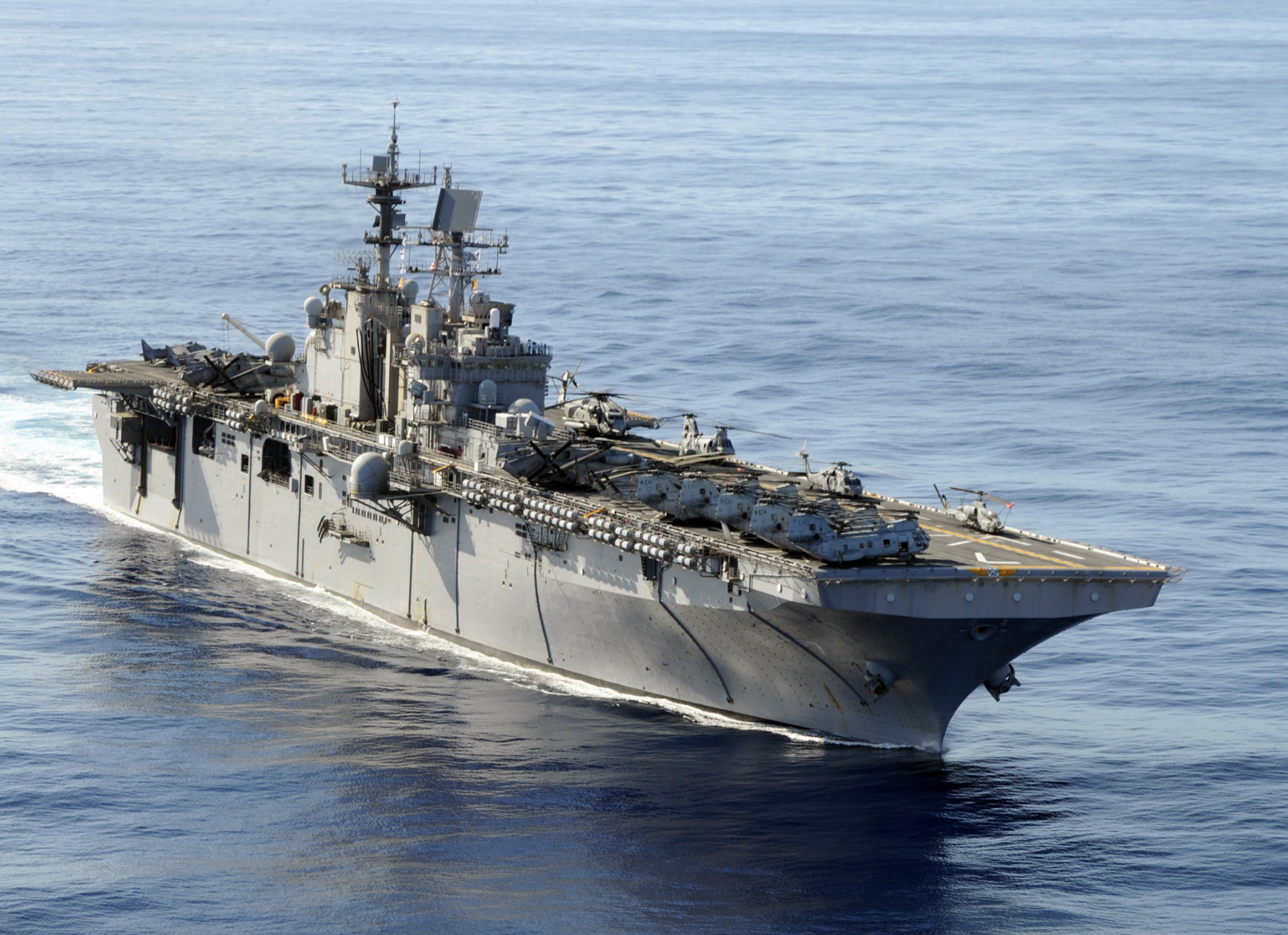
The Iwo Jima Amphibious Ready Group and the 22nd Marine Expeditionary Unit set sail out of Naval Station Norfolk on Aug. 14. The force includes more than 4,500 sailors and Marines on three ships: The Wasp-class amphibious assault ship, the USS Iwo Jima, and San Antonio-class amphibious transport dock ships the USS San Antonio and USS Fort Lauderdale.

The Navy described it as a “regularly scheduled deployment” and did not specify where it would be heading or for what purpose.

Despite the “regularly scheduled deployment” statement, this is definitely not normal.

Can’t say the US never sends subs into the Caribbean, be we don’t normally send ships like these into the Caribbean for counter drug operations.

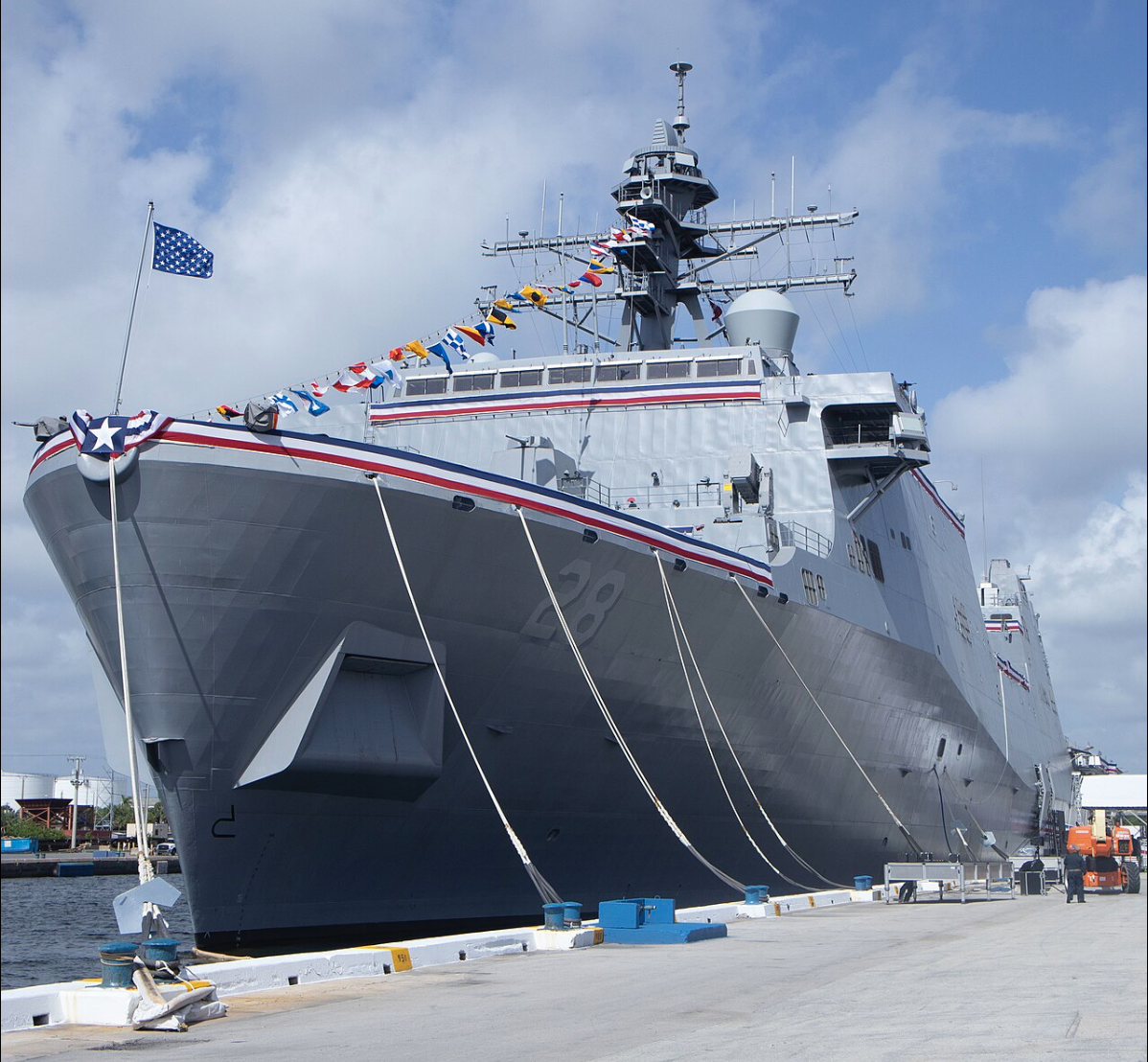
USS Fort Lauderdale

USS San Antonio

USS IWO Jima


“Colombian Navy captures unmanned narco submarine in Caribbean Sea” –Naval News

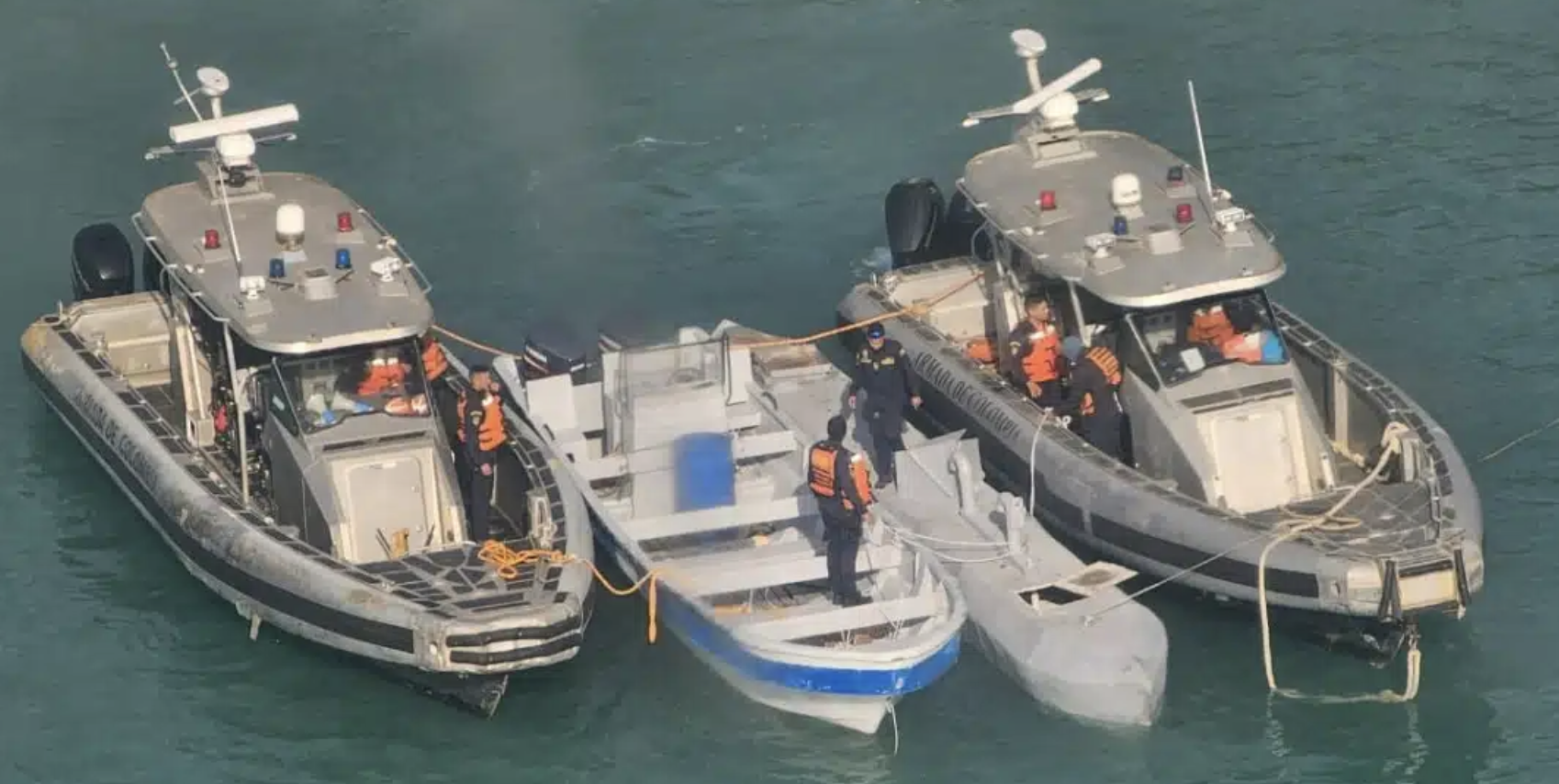
Unmanned Narco-submarine seized by the Colombian Navy boats (Credit: Colombian Navy)

Naval News reports the seizure of an unmanned low profile, semi-submersible that was used to transport illegal drugs.

Not only would semi-autonomous operation eliminate the cost of hiring a crew and the space requirements for accommodations to support the crew, it would also eliminate the possibility of a captured crew becoming a source of intelligence for law enforcement.

It also means that upon boarding there is no one to tell to stop the engines, meaning boardings may be more dangerous than ever.

I would not be surprised to see a remote scuttling option incorporated into future designs.

“USS Minneapolis-Saint Paul Makes Multiple Drug Busts” –4th Fleet

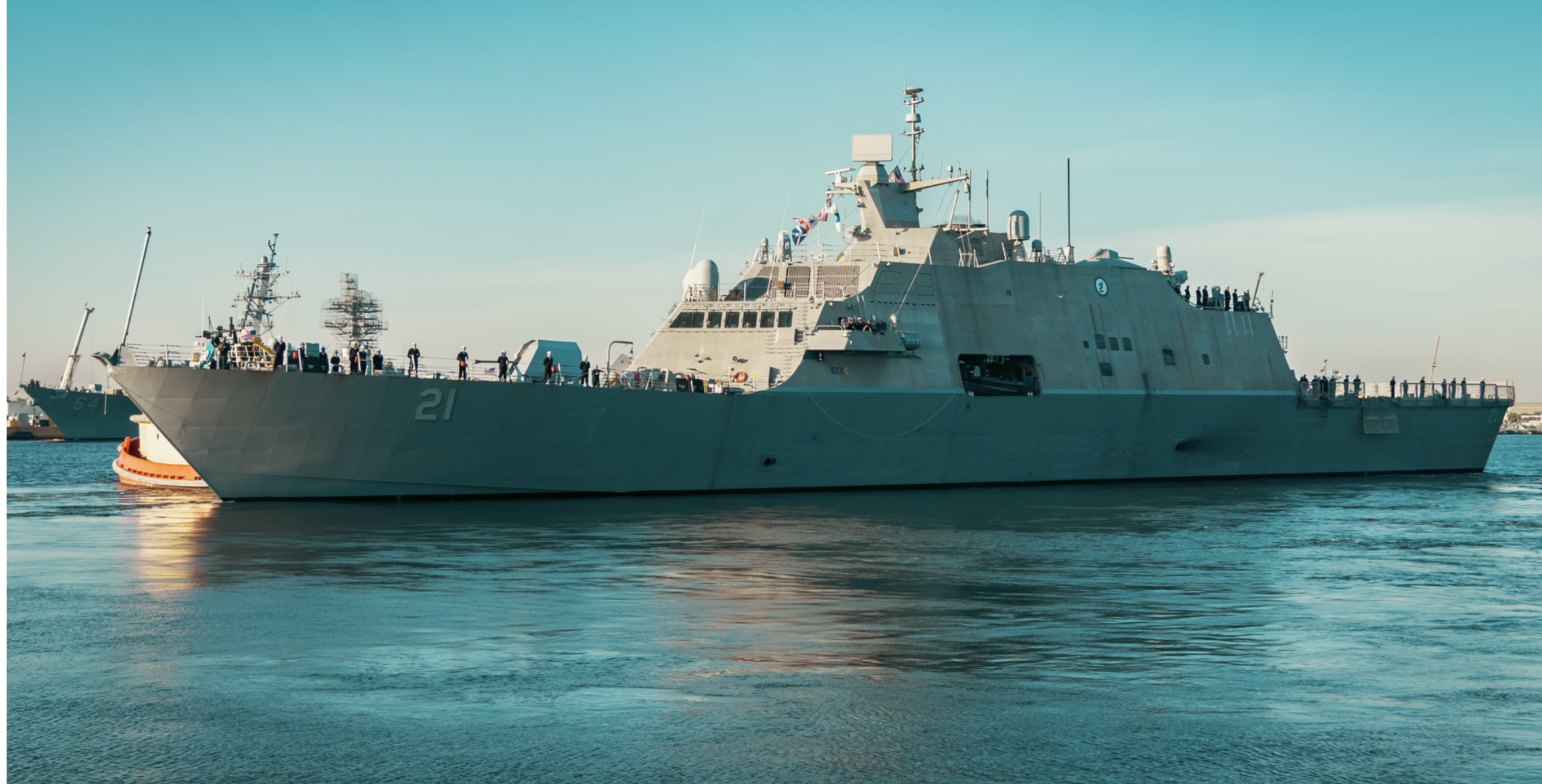
250326-N-OZ224-3072 NAVAL STATION MAYPORT, Fla. (Mar. 26, 2025) – The Freedom-class littoral combat ship USS Minneapolis-Saint Paul (LCS 21) departs Naval Station Mayport for her maiden deployment, Mar. 26, 2025. LCS 21 is deploying to the U.S. 4th Fleet area of operations is support of counter-illicit drug trafficking operations. (U.S. Navy photo by Mass Communication Specialist 1st Class Brandon J. Vinson)

Below is a news release from USNAVSOUTH/4TH FLEET

Good to see Navy participating, and doing so with their units most appropriate for the drug interdiction mission.

The additional USN assets that have seen much press coverage lately are positioned primarily to intercept migrants rather than drugs.

Patrols in the Caribbean, like this one, can certainly help with drug interdiction, but the Caribbean is pretty well covered. The area of greatest need for additional larger, sea-going, drug interdiction assets is in the Eastern Pacific. The Navy does not seem eager help in this area.

USS Minneapolis-Saint Paul (LCS 21) was commissioned 21 May, 2022. This was her first deployment.


April 17, 2025

USS Minneapolis-Saint Paul Makes Multiple Drug Busts

Minneapolis-Saint Paul, with an embarked U.S. Coast Guard (USCG) Law Enforcement Detachment (LEDET) and Helicopter Maritime Strike Squadron (HSM) 50, Detachment Three, made the two busts in the Caribbean, taking out vessels through a combination of air and surface operations.

The busts resulted in the confiscation of 580 kilograms (1,278.9 lbs; $9,463,860) of cocaine and 2,480 pounds of marijuana. ($2,807,360). “The USS Minneapolis-Saint Paul executed their duties seamlessly in the combined effort to protect the homeland from illicit maritime trafficking.” said Rear Adm. Carlos Sardiello, commander of U.S. Naval Forces Southern Command/U.S. 4th Fleet. “Working in coordination with the Coast Guard and our joint partners, we look forward to seeing continued measurable impact delivered by the professional and talented crew of the USS Minneapolis-Saint Paul across the region.”

“We train diligently and stand ready to execute interdiction missions at moment’s notice, said Minneapolis-Saint Paul commanding officer Cmdr. Steven Fresse, “To be able to make an immediate impact so early on during our maiden deployment is a testament to the hard work and skills of the ship’s crew.”

USS Minneapolis-Saint Paul is currently assigned to Commander, Task Force 45 (CTF 45). CTF-45 is the 4th Fleet surface task force charged with executing combined naval operations, building and strengthening Latin American, south of Mexico, and Caribbean maritime partnerships, and acting as a DoD ready service provider to Joint Interagency Task Force – South in support of counter illicit-drug trafficking operations in the Central and South American waters.

The U.S. Coast Guard is simultaneously a military service and the United States’ lead federal maritime law enforcement agency with authority to enforce national and international laws on the high seas and waters within U.S. jurisdiction. Coast Guard LEDETs regularly deploy aboard U.S. Navy and foreign allied navy ships, and during these deployments the LEDETs, under U.S. law, board vessels, seize illegal drugs and apprehend suspects. These forces also work closely with other regional partner nation coast guards and naval forces to provide support to visit, board, search and seizure operations within partner nation territorial waters. Once an interdiction becomes imminent, the law enforcement phase of the operation begins, and control of the operation shifts to the U.S. Coast Guard for the interdiction and apprehension phases. Interdictions in the Caribbean Sea are performed by members of the U.S. Coast Guard under the authority and control of the Seventh Coast Guard District, headquartered in Miami.

U.S. Naval Forces Southern Command/U.S. 4th Fleet supports U.S. Southern Command’s joint and combined military operations by employing maritime forces in cooperative maritime security operations to maintain access, enhance interoperability, and build enduring partnerships in order to enhance regional security and promote peace, stability and prosperity in the Caribbean, Central and South American region.

Canada’s Contribution to Drug Interdiction Effort

A recent Marine Link post regarding a joint Canadian, Colombian, US drug interdiction, “Canadian, U.S. Coast Guards Team on Caribbean Sea Drug Bust”,

On March 1, 2025, His Majesty’s Canadian Ship (HMCS) Harry DeWolf successfully assisted a United States Coast Guard (USCG) Law Enforcement Detachment (LEDET) in conducting a seizure of 750 kilograms of cocaine in the Caribbean Sea. This seizure, supported by Colombian air and maritime assets, has an estimated street value $18.8 million.

HMCS Margaret Brooke and HMCS Harry DeWolf 

also included the graphic at the head of the post.

Notably the Canadian vessels involved are Canadian Navy rather than Canadian Coast Guard. All actual law enforcement actions were taken by embarked USCG teams acting under USCG authority. HMCS Summerside, Edmonton, and Yellowknife are smaller than WMEC210s, at 55.3 m (181 ft 5 in) in length. Canadian interdictions were done in the Eastern Pacific as well as in the Caribbean/Atlantic.

190729-N-AD499-1166 SEATTLE (July 29, 2019) The Royal Canadian Navy Kingston-class coastal defence vessel HMCS Edmonton (MM 703) participates in a parade of ships in Elliott Bay during the 70th annual Seattle Fleet Week. Seattle Fleet Week 2019 is a time-honored celebration of the sea services and provides an opportunity for the citizens of Washington to meet Sailors and Coast Guardsmen, as well as witness firsthand the latest capabilities of today’s maritime services. (U.S. Navy photo by Mass Communication Specialist 3rd Class Victoria Foley/Released)

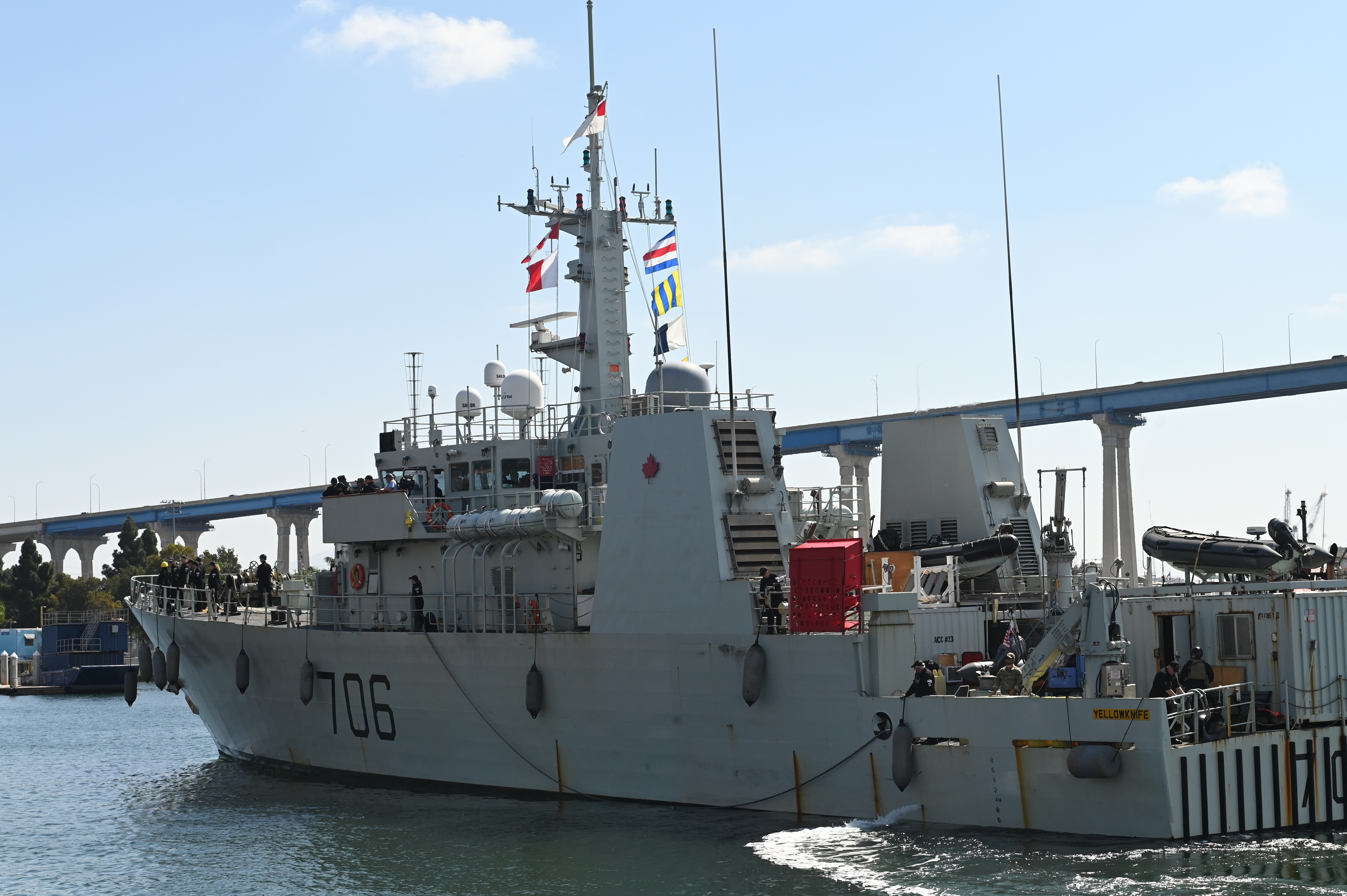
Her Majesty’s Canadian Ship Yellowknife (HMCS-706) pulls into the Port of San Diego to offload $44.2 million worth of cocaine, Sept. 12, 2024. The Yellowknife’s crew interdicted a panga-style boat 430 miles southwest of Acapulco, Mexico, September 5 during a Eastern Pacific counter-narcotics patrol under the direction of U.S. Coast Guard District 11 and Joint Inter-Agency Task Force South. (U.S. Coast Guard photo by Chief Petty Officer Levi Read/Released)

“Coast Guard Cutter Valiant offloads $141 million in illicit drugs interdicted in the Caribbean Sea” –News Release

U.S. Coast Guard Cutter Valiant (WMEC 621) and French Navy Frigate FS Ventôse (F733) conduct joint exercises at sea, Sept. 29, 2024, while underway in the Windward Passage. The crew of Valiant conducted a 49-day migrant interdiction operations patrol in the region to protect life at sea and enforce U.S. maritime law. (Photo courtesy of FS Ventôse)

Below is a news release. It included no photos. I wanted to give some more credit to the other units and countries involved, so I have added photos of all four ships involved in the six interdictions. We get a lot of help from allies with territories in the Western Hemisphere–UK, France, and in this case Canada and the Netherlands.

USCGC Joseph Doyle (WPC-1133)

Netherlands OPV Groningen, 19 April 2017.

USCGC Richard Snyder (WPC 1127) participates in Operation Nanook in the Davis Strait on Aug. 4, 2021. Snyder worked alongside USCGC Escanaba (WMEC 907), the Royal Canadian Navy’s HMCS Harry Dewolf (AOPV 430), and HMCS Goose Bay (MM 707) in Operation Nanook to enhance collective abilities to respond to safety and security issues in the High North through air and maritime presence activities, maritime domain defense, and security exercises. (U.S. Coast Guard photo by USCGC Richard Snyder)


March 5, 2025

MEDIA ADVISORY: Coast Guard Cutter Valiant offloads $141 million in illicit drugs interdicted in the Caribbean Sea

MIAMI — Members of Coast Guard Cutter Valiant are scheduled to offload 12,471 pounds of illicit narcotics with a street value of more than $141 million.

WHO: Coast Guard Cutter Valiant, Seventh Coast Guard District

WHAT: The Coast Guard Cutter Valiant’s crew will offload 12,471 pounds of illicit narcotics with a street value of more than $141 million. Media are invited to interview a Coast Guard Cutter Valiant crew member in both Spanish and English.

WHEN: Thursday, March 6, at 9 a.m.

WHERE: Coast Guard Base Miami Beach, 100 MacArthur Cswy, Miami Beach, FL 33139

The offload is a culmination of six interdictions conducted by the crews of:

  • U.S. Coast Guard Valiant
  • U.S. Coast Guard Joseph Doyle
  • Royal Netherlands Navy HNLMS Groningen
  • Royal Canadian Navy HMCS Harry DeWolf
  • U.S. Coast Guard Tactical Law Enforcement Team Pacific
  • U.S. Customs and Border Protection Air and Marine Operations

Media are required to bring media credentials to get on Base Miami Beach. Media who do not have official credentials or do not RSVP will not be allowed entry. It is recommended to carpool due to space constraints. Plan to arrive at the front gate no later than 8:30 a.m. for escort to the pier.

“USS ST. LOUIS (LCS 19) COMPLETES MAIDEN DEPLOYMENT TO FOURTH FLEET” –SURFLANT / Freedom Class LCS Missions

NAVAL STATION MAYPORT, Fla. (Feb. 24, 2025) – The Freedom-variant Littoral Combat Ship USS St. Louis (LCS 19) makes her way back into the basin at Naval Station Mayport, Feb. 24, 2025. LCS 19 deployed in June of 2024 operating primarily in the Caribbean Sea and Eastern Pacific Ocean. (U.S. Navy photo by Mass Communication Specialist 1st Class Brandon J. Vinson)

Below is a US Navy Surface Forces Atlantic (SURFLANT) news release. The length of her eight month deployment is remarkable particular considering it is with the 4th Fleet (Latin America and the Caribbean). That she apparently made 8 months without a catastrophic breakdown seems to bode well for the health of this class after a history of mechanical problems.

Apparently she was employed in drug interdiction. She “embarked…U.S. Coast Guard Law Enforcement Detachments (LEDET) 105 and 407, disrupted and confiscated over $100 million worth of illicit contraband in five different operations…”

Undoubtably at least one of the LEDETs was embarked during exercise UNITAS 2024. We knew this included “U.S. Coast Guard (USCG) Tactical Law Enforcement Team (TACLET) Pacific Law Enforcement Detachment (LEDET); and USCG Maritime Security Response Team East (MSRTE) Direct Action Section.”

Ever since the Navy decommissioned the last of their Oliver Hazard Perry (FFG-7) class frigates in 2015, there has been speculation and anticipation that Littoral Combat Ships would be regularly employed to do the Drug Interdiction mission that the FFG had been doing. It seemed to make a lot of sense, particularly with regard to the Freedom Class ships, all of which are based in Mayport, Florida, near drug transit zones, but right now it still seems to be treated as an irregular filler mission rather than a primary.

By the end of 2025, the last two LCS, one Freedom class and one Independence class,  should be commissioned. The projected fleet is ten Freedom class, all based in Mayport, FL, and 15 Independence class, all based in San Diego. The Independence class (all of which have even hull numbers) have essentially taken on the Navy’s mine countermeasures mission. The Freedom class, with odd hull numbers, are now nominally devoted to anti-surface missions. What they are doing does not get a lot of visibility.

In 2018, ten years after the first LCS was commissioned, the question was, Will We Start Seeing LCS in SOUTHCOM?

In 2022 it seemed that four to six LCS might be assigned to 4th Fleet, “Could the LCS fleet be getting a new mission?” –Navy Times.

It’s not that the Navy is not doing anything, but commitments seem half hearted. Is this changing? With the new administration’s changed priorities, will they and Fourth Fleet start doing alien migrant interdiction?


24 February 2025–USS St. Louis (LCS 19), a Freedom-variant Littoral Combat Ship (LCS), returned to Naval Station Mayport this week, concluding its maiden deployment to the U.S. Fourth Fleet Area of Responsibility (AOR). The eight-month deployment, which lasted from June 15, 2024 to February 24, 2025, marked a series of groundbreaking achievements that underscore the capabilities of the LCS platform and its growing contributions to naval operations.

While assigned to TASK FORCE 45/Destroyer Squadron 40, operating primarily in the Caribbean Sea and Eastern Pacific Ocean, St. Louis, embarked Helicopter Maritime Strike Squadron (HSM) 50 Detachment 4, and U.S. Coast Guard Law Enforcement Detachments (LEDET) 105 and 407, disrupted and confiscated over $100 million worth of illicit contraband in five different operations, significantly hampering the activities of transnational criminal organizations.

“From our first week in theater, the crew demonstrated its tactical acumen in locating and intercepting illicit traffickers. Most of these interdictions were conducted at night, requiring long days and late hours but the crew stayed immensely resilient. I am very proud of what the team accomplished,” said Cmdr. T.J. Orth, USS St. Louis’ Commanding Officer.

In August, St. Louis transited the Panama Canal and operated in the Pacific Ocean for the first time, making history as the first FRE-variant LCS to travel as far south as Valparaíso, Chile when she participated in the 65th iteration of UNITAS, the world’s longest-running multinational maritime exercise. Alongside naval forces from 44 countries, the ship showcased its capabilities in maritime interoperability, enhancing ties with partner nations and furthering regional stability.

After returning through the Panama Canal, St. Louis received new tasking to support U.S. Southern Command’s Joint Task Force-Bravo as that command responded to the deteriorating security situation in Haiti. St. Louis served as a fueling station and Search and Rescue force for 1st Battalion, 228th Aviation Regiment (AVN REGT) UH-60 Blackhawks conducting evacuations out of Haiti. To prepare, St. Louis and 1-228th AVN REGT conducted more than 50 deck landings. This successful integration expanded the ship’s operational versatility, paved the way for future joint missions, and underscored the potential for cross-branch collaboration in dynamic environments.

To wrap up USS St. Louis’ maiden deployment, St. Louis Sailors showed their flexibility and capacity to rapidly deploy in support of Joint Task Force Operation Southern Guard onboard U.S. Naval Station Guantanamo Bay, Cuba. Sailors supported the expansion of the Maritime Operations Center (MOC) in preparing the MOC to receive up to 2,000 illegal aliens, erecting 50 tents and setting up several hundred cots in several days. Operation Southern Guard is highlighting effective interagency collaboration, as the Department of Homeland Security (DHS) oversees the operation.

“We saw a lot of ‘firsts’ on this ship’s first deployment and it was amazing to see what this ship and crew was capable of. Looking back, this deployment demonstrated the growing potential for Freedom class LCS and the support they can provide not just in the Caribbean, but in the entire Fourth Fleet AOR,” said Cmdr. Lee Shewmake, USS St. Louis’ executive officer. “There were many lessons learned that the crew took to heart and put in practice as deployment went on, and I believe that is what enabled our success over the past seven months.”

“St. Louis demonstrated the great potential of the LCS Freedom class, not only in executing its assigned missions but also in breaking new ground for the community. The professionalism and dedication of this crew have laid a strong foundation for the future of LCS operations,” said Master Chief Roderick Bolton, St. Louis’ Command Master Chief. “USS St. Louis returns home with its crew proud of their achievements and eager to share lessons learned from this historic deployment. As the U.S. Navy continues to evolve, St. Louis has proven itself a capable and innovative platform, ready to meet the challenges of tomorrow.”

USS St. Louis’ maiden deployment to Fourth Fleet was a resounding success, marked by numerous milestones and contributions to naval strategy. The ship’s accomplishments highlight the flexibility and utility of the Littoral Combat Ship platform in tackling modern challenges.