DOD on the China Coast Guard

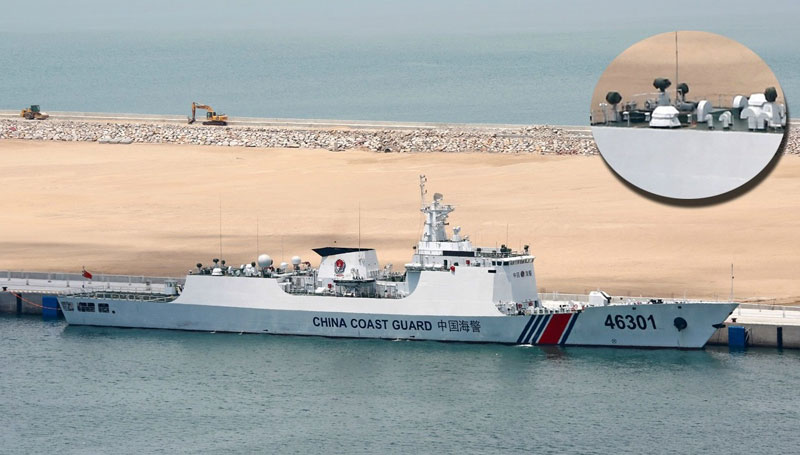
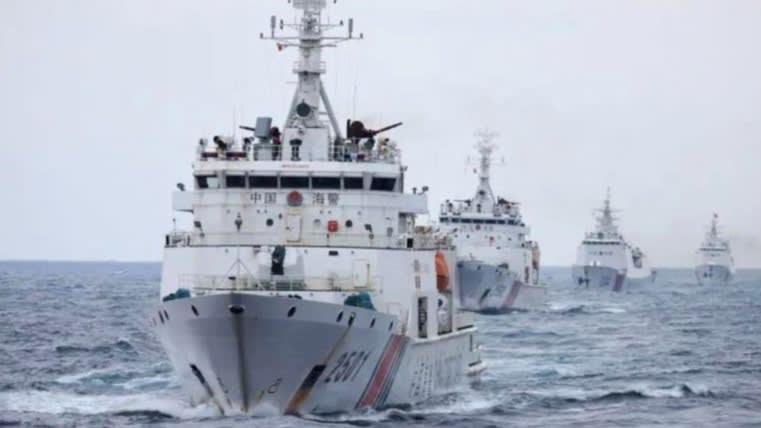
This Chinese coast guard ship 2501 and other are equipped with 76-millimeter guns. © Kyodo

The Department of Defense has issued its annual “Military and Security Developments Involving the People’s Republic of China, 2024.” The degree of annual expansion is extremely troubling. There is a brief look at the Naval aspects from Commander Salamander here. I think it is fair to say that the US Navy is rapidly losing its edge.

We should expect to see rising expectations for the US Coast Guard to be prepared to participate in a war with China.

I have reproduced the brief section devoted to the China Coast Guard (CCG) below. This is from the pages numbered 76 and 77. They are the 90th and 91st pages of the 182 page document.

For Perspective:

China’s undisputed EEZ, including territorial sea, is less than 8.5% that of the US and even their expansive claimed EEZ and territorial sea is less than 20% of that of the US.

The China Coast Guard has far more large patrol vessels (over 1,000 tons) than the US Coast Guard (about 150 vs 33), which they tend to operate in groups. Still the CCG probably has fewer personnel (no recent figures seem to be available) and far fewer aircraft. The CCG does not do aids to navigation or marine inspection, and it is not the country’s primary coastal search and rescue agency. In short it is much more focused, primarily on bullying China’s neighbors.


China Coast Guard

CCG Service Roles and Missions. The CCG is subordinate to the PAP (People’s Armed Police–Chuck) and responsible for a wide range of maritime security missions, including defending the PRC’s sovereignty claims; combating smuggling, terrorism, and environmental crimes; and supporting international cooperation in accordance with relevant international treaties. The Standing Committee of the PRC’s NPC (National People’s Congress, China’s Legislature–Chuck) passed the Coast Guard Law, which took effect on February 1, 2021. The legislation regulates the duties of the CCG, including the use of force, and applies those duties to seas under the jurisdiction of the PRC. The law was met with concern by other regional countries that perceive
the law as an implicit threat to use force, especially as territorial disputes in the region continue. The CCG is the PRC’s front-line force for carrying out “rights protection” (weiquan) operations in disputed areas of the PRC’s maritime periphery. The PLAN overwatches CCG operations to deter other claimants and provide the PRC an option to rapidly respond with force, if necessary.

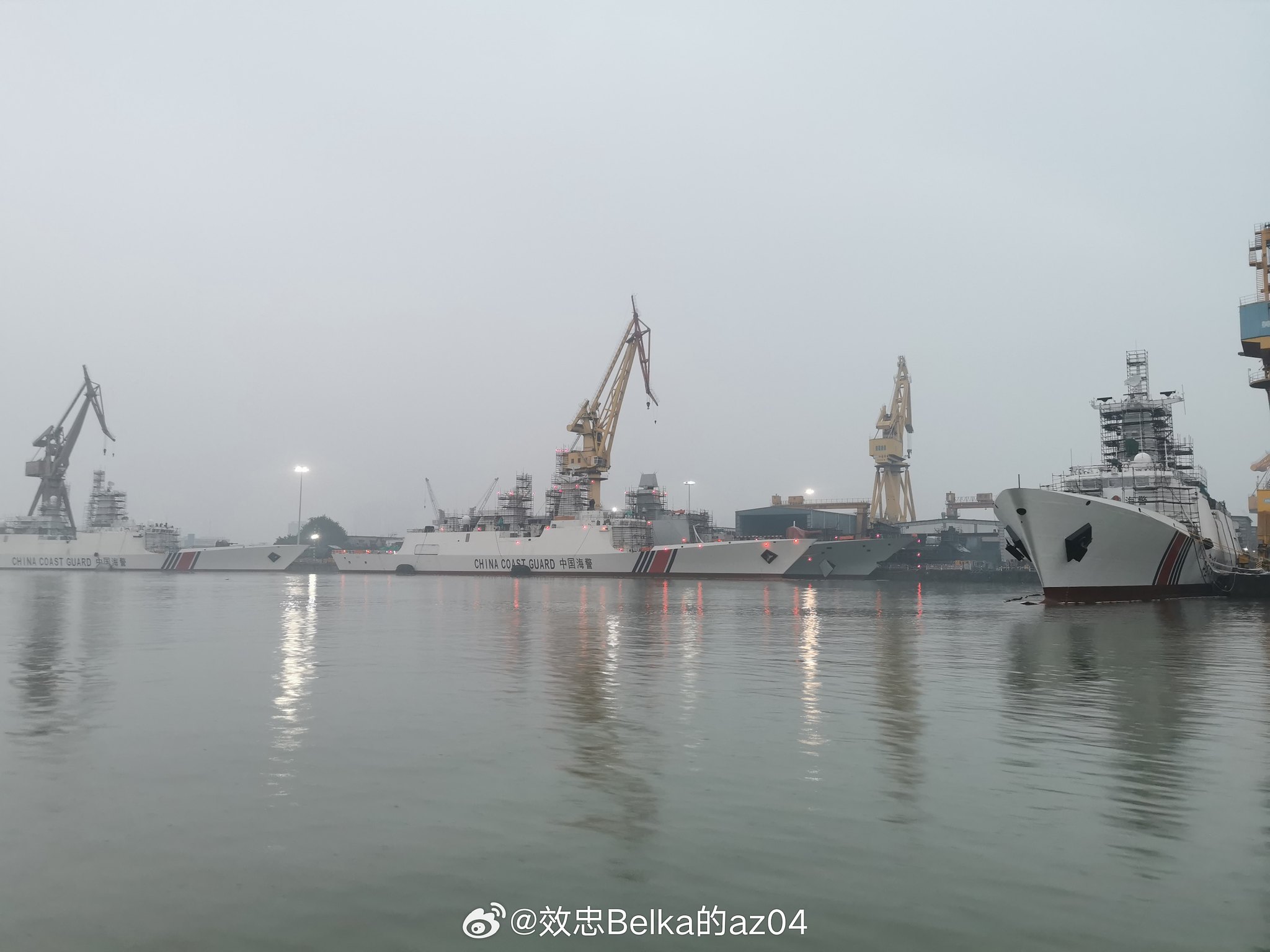
CCG Capabilities and Modernization. The CCG’s continued expansion and modernization makes it the largest maritime law enforcement fleet in the world. Newer CCG vessels are larger and more capable, enabling them to operate farther off shore and remain on station longer. The CCG has over 150 regional and oceangoing patrol vessels (more than 1,000 tons). These larger vessels include over 20 corvettes transferred from the PLAN, which were modified for CCG operations. The newer, larger CCG vessels are equipped with helicopter facilities, high-capacity water cannons, multiple interceptor boats and guns ranging from 30 mm to 76 mm. Revised estimates indicate the CCG operates more than 50 regional patrol combatants (more than 500 tons), which can be used for limited offshore operations, and an additional 300 coastal patrol craft (100 tons to 499 tons). In 2023 and early 2024, the CCG launched seven offshore patrol ships as well as two additional patrol ships based on a large salvage ship design. Several more offshore patrol ships are likely under construction.

CCG Readiness. The CCG continues to operate in alignment with the Coast Guard Law, asserting the PRC’s claims in the East and South China Seas and Taiwan Strait, in what the law considers the “waters under the jurisdiction of China.” In these regions, the CCG uses aggressive tactics against foreign vessels, such as ramming, firing water cannons, and performing dangerous maneuvers, frequently working alongside the PLAN and CMM. The CCG annually sends two vessels on a month-long fisheries law enforcement patrol in the North Pacific. These patrols support the PRC’s membership in the Convention on the Conservation and Management of High Seas Fisheries Resources in the North Pacific Ocean.

“Chinese Warships, Cutters Harass Philippine Patrol Near Scarborough Shoal, Say Officials” –USNI

US Naval Institute’s news service reports on the latest incident between China and the Philippines.

Units involved were:

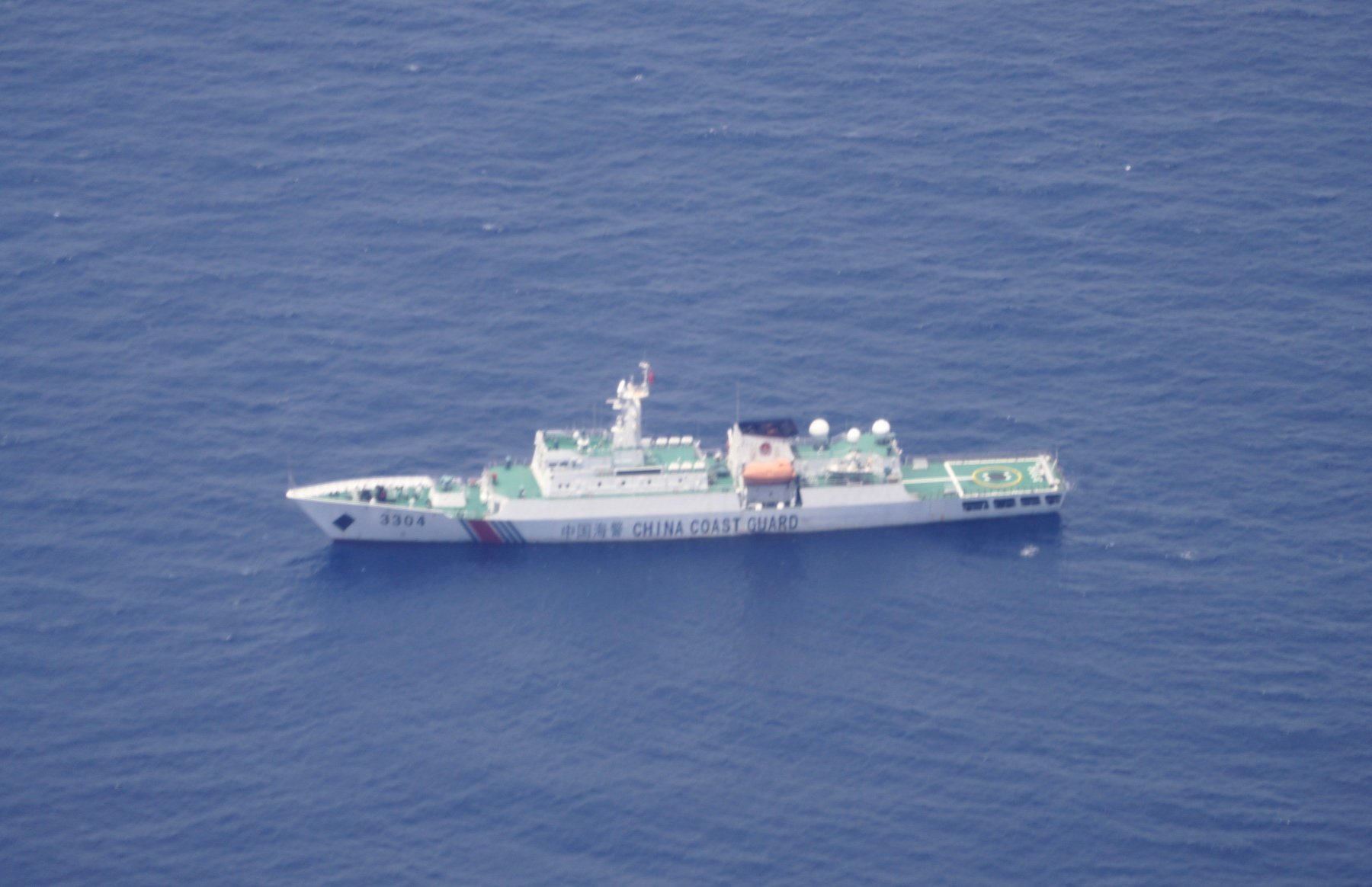
China Coast Cutter 3304 in the Philippine EEZ. Philippine Coast Guard Photo

  • Four China Coast Guard cutters hull numbers 5303, 3302, 3104, 3304
  • Two Chinese Navy Type 054A frigates Xianning (500) and Yuncheng (571)  

Type 054A FFG Hengshui (Source: Seaforces.org)

The Chinese have typically had their navy backing up their coast guard in these confrontations, but it appears a frigate was more directly involved than in previous similar confrontations. Still, it was the China Coast Guard that played bumper-boats and water cannoned the Philippine ships.

Generally, the Philippine Navy has not been present during these confrontations. The Philippines seems to want to make sure it is clear, who is the bully here. None of the Philippine ships involved even have deck guns.

The Philippine ships were there to protect Philippine fishermen who are being deprived of their livelihood by the Chinese.

With more direct involvement of PLAN frigates, the Philippine Navy may start making an appearance, perhaps over the horizon, but within ASCM range.


“Indonesia’s New President Makes Three Stunning Concessions to China” –Real Clear Defense

Indonesian Maritime Security Agency vessel KN Tanjung Datu, left, sails alongside U.S. Coast Guard Cutter Stratton during joint exercises in the Singapore Strait in August 2019. IMAGE CREDIT: PO1 LEVI READ/USCG

Real Clear Defense reports,

“Indonesia’s new president, Prabowo Subianto, needed only three weeks in office to make three big concessions to China.

In a joint statement with President Xi Jinping in Beijing on 9 November, Prabowo acknowledged Chinese maritime claims that Indonesia had long rejected. Despite leading the most populous Muslim-majority country, he affirmed China’s right to deal with Xinjiang as it pleased. He also endorsed China’s vague vision of the geopolitical order, something that Indonesia has long been wary of.”

This is a disappointing turnabout. Indonesia had appeared to be a leader in ASEAN in rejecting expansive Chinese maritime claims.

Korean Built Ships for the Philippine Navy and Coast Guard –Naval News

Naval News has a new post, “HD HHI Pitches Horizon 3 Frigates, Corvettes and White Hulls to Manila” that includes the video above.

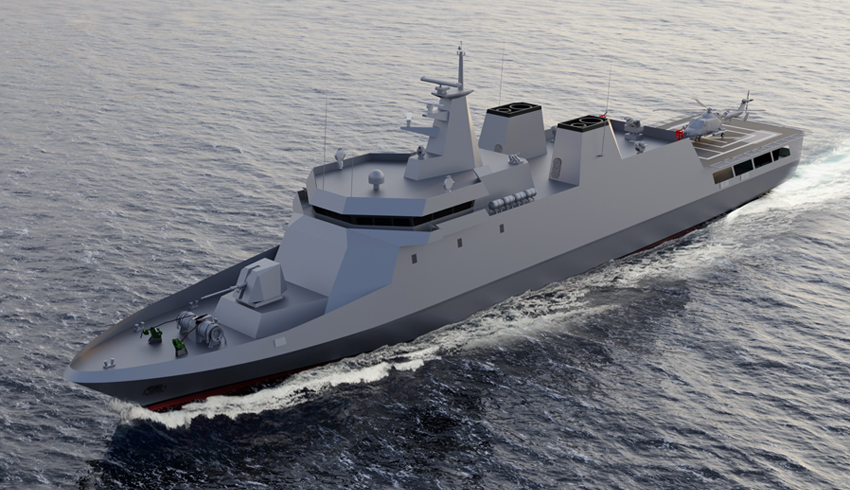
HD HHI has delivered two “frigates” to the Philippine Navy and has contracts for six offshore patrol vessels (OPV) and two corvettes. Hyundai apparently hopes to continue this successful collaboration with proposals to meet Philippines requirements for larger and more capable “Horizon 3” frigates and for Philippine Coast Guard cutters.

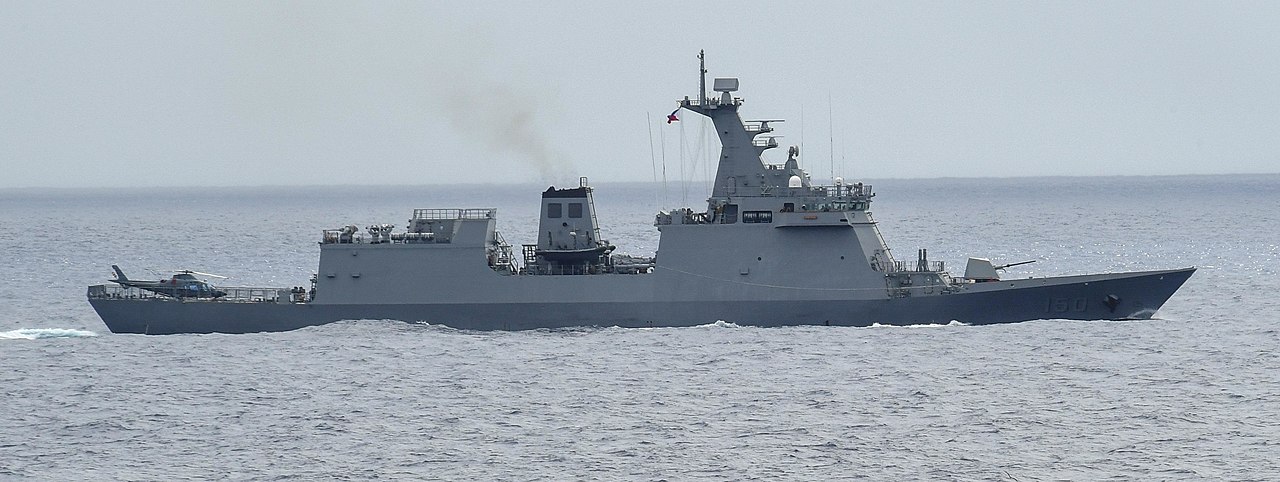
200820-N-TT059-2393 PACIFIC OCEAN (Aug. 20, 2020) Republic of the Philippines Navy ship BRP Jose Rizal (FF 150) participates in a tactical maneuvering drill with U.S. Coast Guard ship USCGC Munro (WMSL 755) and U.S. Navy guided-missile cruiser USS Lake Erie (CG 70) during exercise Rim of the Pacific (RIMPAC) 2020. (U.S. Navy photo by Mass Communication Specialist Seaman Lily Gebauer)

The two Philippine 2,600 ton Jose Rizal class frigates (pictured above) are smaller than the former USCG Hamilton class cutters (3200 tons). The follow-on (3,200 ton) Miguel Malvar class corvettes (or light frigates) will be larger and more capable. The Horizon 3 Frigate will be larger still.

The six Philippine Navy Offshore Patrol Vessels (above) will be 2400 tons full load; 94.4 meters (310′) in length; 14.3 meter (47′) of beam; with a maximum speed of 22knots; and a maximum range of 5,500 nautical miles at 15 knots. It appears they will be armed with a 76mm gun, two 30mm guns, and two Simbad-RC twin-Mistral missile launchers. HHI is proposing cutters based on this design for the Philippine Coast Guard.

Will the Philippine Coast Guard arm its cutters? Currently no Philippine Coast Guard (PCG) vessels have any weapons larger than .50 caliber machine guns, but the models of possible future Philippine Coast Guard vessels all carried some type of installed weapons system, apparently 30mm, 40mm, or 76mm. Was this because the PCG intends to field larger weapons or just because that is the way South Korean CG cutters are armed? The twin 35mm Gökdeniz close-in weapon system (CIWS) mounted on the new corvettes and that appears on the model of the proposed Horizon 3 frigate would be very appropriate for the Philippine Coast Guard.

There is an interesting statement at the end of the post,

“HD HHI plans to realize its ‘Pacific-Rim Belt Vision’, establishing regional hubs in countries such as the Philippines, Peru, Australia, Saudi Arabia, and the United States (emphasis applied–Chuck) based on its advanced shipbuilding technologies.”

U.S. Coast Guard wraps up support for Operation Kurukuru 2024, joins Niue in celebrating 50th Constitution Day –USINDOPACOM

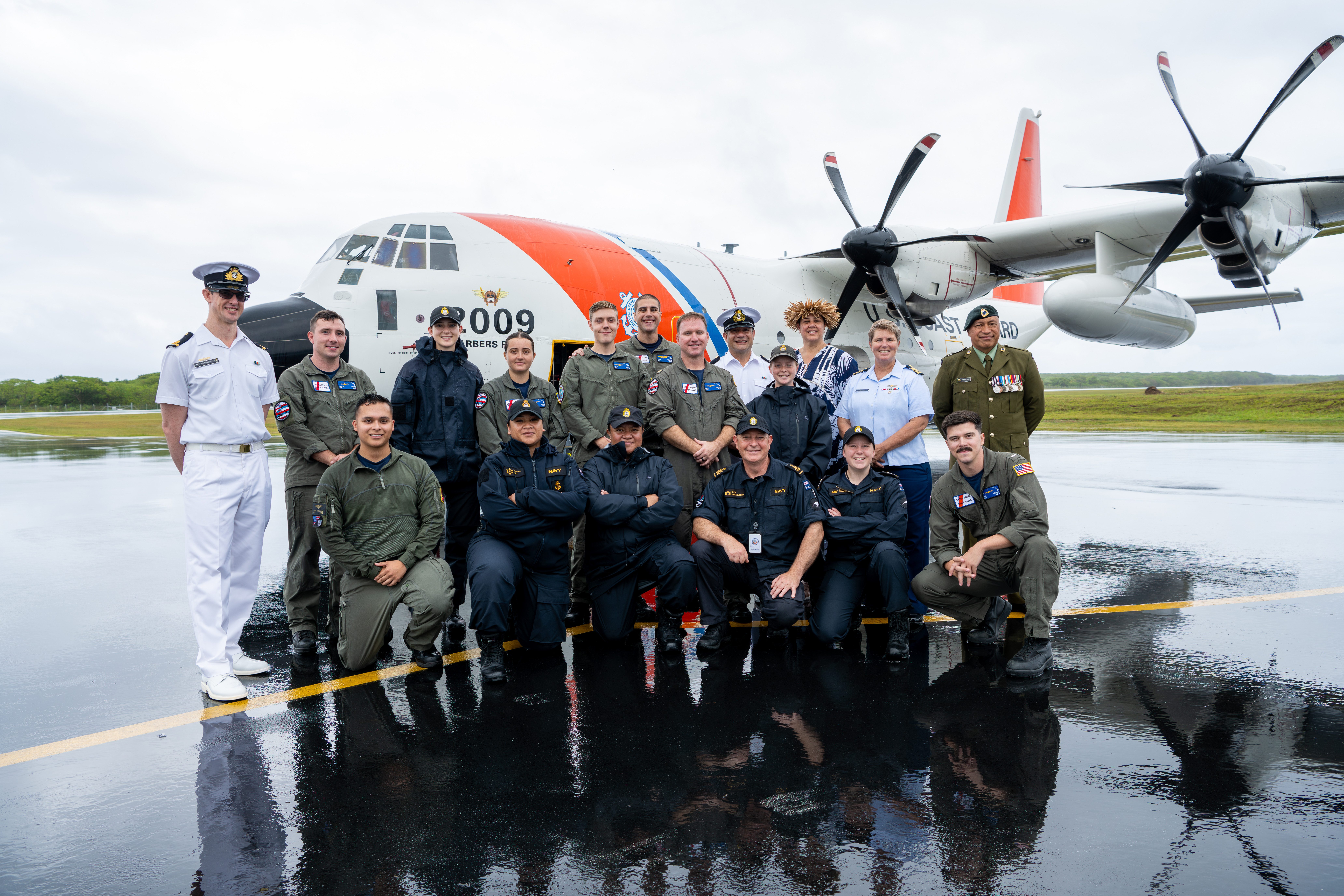
Members of an HC-130J Hercules airplane crew from Coast Guard Air Station Barbers Point and Coast Guard Fourteenth District staff pose for a photo with members of the Royal New Zealand Navy at Hanan Niue International Airport in Alofi, Niue, Oct. 19, 2024. The U.S., New Zealand, Australia, the Cook Islands, Fiji, France and Japan were among the countries represented at Niue’s 50th Constitution Day celebration. (U.S. Coast Guard photo, courtesy U.S. Embassy New Zealand)

Below is a news release from USINDOPACOM. I was a little surprised this was not on the Coast Guard News website, but maybe it will show up after the long weekend.

The country in whose waters this operation took place, Niue, is an independent nation in free association with New Zealand.

The population was reported as 1681 in 2022. Niue is considered part of the Realm of New Zealand. They have no armed forces of their own, but their people have New Zealand citizenship and have served in the New Zealand armed forces.

I was not able to find the size of Niue’s exclusive economic zone, but it should be close to the area enclosed by a circle with a radius of 200 nautical miles, or 125,664 sq nautical miles (431,015.5 sq. km) or about 1600 times the land area. Wikipedia notes,

“In 2022, Niue declared its entire EEZ to be a marine park, though enforcement of that declaration would be a challenge. The entire Fisheries Division was reported to have only five staff and there were no locally based patrol boats. Enforcement would depend on stronger support from the New Zealand Defence Forces, though its ability to maintain a continuous presence was limited.”

Since some fish are migratory, protecting their fish from illegal, unregulated, and unreported (IUU) fishing, also protects our fish so we have an interest.

Thanks to Paul for bringing this to my attention.


Nov. 9, 2024

U.S. Coast Guard wraps up support for Operation Kurukuru 2024, joins Niue in celebrating 50th Constitution Day

By Chief Warrant Officer Sara Muir, U.S. Coast Guard Forces Micronesia / Sector Guam

The U.S. Coast Guard recently concluded its support for the Pacific Islands Forum (PIF) Forum Fisheries Agency’s (FFA) Operation Kurukuru, a vital annual operation led by Pacific Island countries across the region’s vast maritime territory from Oct. 21 to Nov. 1, 2024.

This coordinated effort, conducted over two weeks, covered approximately 23.3 million square kilometers, reinforcing regional resilience and promoting sustainable fisheries management across the Pacific. The Coast Guard’s support underscores the United States’ enduring commitment to its Pacific partners, who rely on these rich marine resources for economic stability and food security.

“Our role in Operation Kurukuru is supporting our Pacific neighbors in protecting what matters most to their communities,” said Capt. Jennifer Conklin, lead for Operation Blue Pacific. “From coordinating patrols to participating in Niue’s 50th Constitution Day celebration, the Coast Guard is here to lend our expertise and resources wherever we can make a positive impact. It’s also a chance to celebrate each Pacific Island country’s unique culture and proud sovereignty. By working together, we strengthen regional bonds and show our commitment to supporting a Pacific that thrives on its own terms.”

Throughout the operation, the USCGC Frederick Hatch (WPC 1143) crew from Guam and an HC-130 Hercules aircrew from Air Station Barbers Point, Hawai’i, worked alongside Pacific Island countries’ personnel, strengthening capabilities through patrols, data sharing, and shiprider operations. In Palau’s exclusive economic zone (EEZ) and despite heavy weather, Frederick Hatch conducted a bilateral patrol with a Palau Marine Law Officer aboard under the Palau-U.S. bilateral agreement, building on previous efforts to enhance enforcement and address local maritime challenges and discussing plans for future joint steaming with Palau’s patrol boat crew PSS H.I. Remeliik II. The team also completed inspections of two fishing vessels on the high seas under the Western and Central Pacific Fisheries Council (WCPFC) authority, identifying potential violations and gathering critical data that enables targeted enforcement of sustainable fishing practices.

“Working alongside Palau and our Pacific partners, we build skills together, ensuring a secure and sustainable future,” said Lt. Niki Kirchner-Hope, commanding officer of USCGC Frederick Hatch, who helped lead coordination efforts in Palau. “When we team up with Palauan shipriders, it’s not just about enforcement—it’s about trust, shared responsibility, and protecting the ocean for everyone.”

The U.S. Coast Guard’s HC-130 aircrew conducted extensive aerial surveillance throughout the high seas pockets off the Federated States of Micronesia, key fishing zones. It delivered valuable data to help guide surface assets across the region. The aircrew logged over 45 flight hours and flew more than 11,400 nautical miles, monitoring for illegal fishing activities while also standing by to assist with search and rescue (SAR) operations when needed.

“The HC-130 is truly a workhorse for our missions in the Pacific,” said Conklin. “With its incredible range and versatility, it allows us to cover immense distances, monitor vast areas, and respond quickly to emerging needs, whether that’s surveillance or search and rescue. It’s the ideal aircraft for supporting our partners in this part of the world, where a single search or patrol can span thousands of miles of open ocean.”

This dual role is an example of the U.S. Coast Guard’s unique mission profile in the Pacific, where cooperation and responsiveness are crucial to supporting isolated communities across immense distances.

Both the Hercules and the Frederick Hatch crews were diverted during the operation to support the Chuuk Disaster Control Office’s (DCO) request for assistance in searching for three men reported overboard from a small vessel in Chuuk Lagoon. The crews searched for three days before the DCO suspended efforts.

As part of the operation, the U.S. Coast Guard team joined Niue’s Constitution Day celebrations, marking 50 years of self-governance and deepening diplomatic ties. U.S. Coast Guard representatives met with Niue’s leaders to discuss advancing maritime law enforcement collaboration and future cooperation. The Coast Guard’s Hercules aircrew also hosted a static display for local students, allowing over 100 visitors to learn about the United States’ commitment to Pacific maritime security and environmental protection.

Niue, often called the “Rock of Polynesia,” is a small island country in the South Pacific known for its dramatic limestone cliffs, lush coral reefs, and warm, clear waters. With a population of just over 1,500, Niue is one of the world’s largest coral islands and boasts a rich Polynesian heritage. Despite its remote location, Niue has established itself as a leader in marine conservation, with 40 percent of its EEZ designated as a protected area.

“During Niue’s Constitution Day, our crew had a fantastic time hosting the static display,” added Conklin. “The local students were full of excitement and curiosity—seeing their enthusiasm up close was a special reminder of why we’re here. Moments like these show the importance of the connections we build, not just through our missions but by being part of these communities.”

Participation in the FFA operations is a critical element of the Coast Guard’s Operation Blue Pacific and Operation Rematau initiatives, which aim to strengthen maritime security across Oceania, foster regional partnerships, and counter illegal activities threatening Pacific Island countries’ well-being. By supporting the PIF and working with partners to detect, deter, and disrupt illegal fishing, the U.S. Coast Guard helps ensure Pacific Island communities can continue to benefit from the ocean’s resources. The efforts conducted at sea with partners from the Freely Associated States also build on relationships strengthened under Operation Irensia in Guam in June, which brought together maritime personnel from the Republic of Palau, the Federated States of Micronesia, the Republic of the Marshall Islands, the Royal Australian Navy and Australian Defence Force Pacific Maritime Security Program.

“As the Coast Guard, we have a unique role here, helping build resilience against maritime threats while respecting the lead of our Pacific Island partners,” said Conklin. “By working together, we’re making the region safer, stronger, more secure and more prosperous.”

-USCG-

About Operation Kurukuru
Conducted in the combined area of the 15 participating PIF members’ EEZ and the adjacent high seas pockets, Operation Kurukuru emphasized boarding activities at sea and in port, cooperative surveillance engagements, the utilization of remote sensing data to drive intelligence-led operations, and the use of all available Maritime Domain Awareness (MDA) tools to provide timely and effective MDA information to members. These members include Australia, Cook Islands, Fiji, Federated States of Micronesia, Kiribati, Nauru, Niue, Palau, Papua New Guinea, Nauru, New Zealand, Republic of the Marshall Islands, Solomon Islands, Tuvalu, and Vanuatu. The operation also saw active participation from the Pacific Quadrilateral Defense Coordination Group (Pacific QUADs) countries—Australia, France, New Zealand, and the United States, demonstrating international collaboration in the fight against IUU fishing.

About USCGC Frederick Hatch
The Frederick Hatch is the 43rd 154-foot Sentinel-class fast response cutter named for a surfman and lighthouse keeper who was a two-time Gold Life Saving Medal recipient. They are also the 2023 Hopley Yeaton Award winners for small cutter excellence.

About U.S. Coast Guard Air Station Barbers Point
U.S. Coast Guard Air Station Barbers Point provides critical air support across the Pacific, enhancing maritime safety, security, and environmental protection. Located on the western tip of Oahu, Hawaii, the air station conducts search and rescue, law enforcement, and disaster response missions over vast and remote areas, including the Hawaiian Islands, American Samoa, and the Western Pacific.

About Operation Blue Pacific
Operation Blue Pacific is the U.S. Coast Guard’s strategic effort to support a peaceful, secure, inclusive, and prosperous Pacific region. Focused on partnership, capacity-building, and enhancing maritime governance, the operation emphasizes collaboration with Pacific Island countries to address shared challenges such as illegal fishing, search and rescue, environmental protection, and regional security.

For further details on the U.S. Coast Guard efforts, please contact District 14 Public Affairs at hawaiipacific@uscg.mil.

For further details about FFA or Operation Kurukru, please contact Ernest Ta’asi, FFA Communications Officer, at ernest.ta’asi@ffa.int.

“Philippine Coast Guard to Receive 40 Patrol Boats from France in $438 Million ODA Project” –USNI

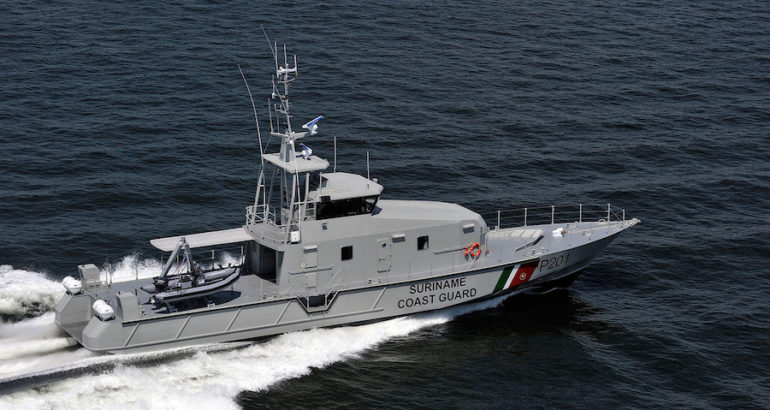
A Suriname Coast Guard FPB 98 patrol boat (Credit: OCEA)

The US Naval Institute News Service reports,

France is set to provide 40 patrol vessels and logistical support to the Philippine Coast Guard following the approval of a $438 million aid project to enhance Manila’s maritime security capabilities across the country’s waters.

The French official development assistance-funded acquisition project of 40 Fast Response Crafts, approved during Tuesday’s National Economic and Development Authority Board meeting, will effectively quadruple the Philippine Coast Guard’s fleet.

The craft are reported to be 30-35 meters in length. 20 are to be built in France and 20 in the Philippines.

There are no specifications for the patrol boats included in the article, but it does state that OCEA is expected be the French shipbuilder that will provide the design and build the first 20. OCEA has already committed to building a shipyard in the Philippines and has previously built vessels for the Philippine Coast Guard (here and here).

There is a good chance the new patrol boats will look a lot like the one pictured above, a class built for Suriname, Algeria, Ukraine, and French Customs. They are powered by two 3,660 HP Caterpillar diesels using waterjets. Specs on the Algerian boats as follows.

  • Displacement: 100 tons
  • Length: 31.8 meters (104’4″)
  • Beam: 6.3 meters (20’8″)
  • Draft: 1.2 meters (3’11”)
  • Speed: 30 knots
  • Range: 900 nmi @ 14 knots
  • Crew: 13

These will be faster and more maneuverable than most of the China Coast Guard and maritime militia vessels that contest Philippines sovereignty in the South China Sea. If they can stand up against Chinese water cannon, they should be a valuable asset.

The Philippine Coast Guard is still not arming even their largest vessels with anything larger than .50 caliber.

“Chinese Maritime Safety Officers Beat Vietnamese Fishermen During South China Sea Interdiction, Say Officials” –USNI

Personnel from the China Maritime Safety Administration board and attack the crew of the Vietnamese fishing vessel QNg 95739 TS. Screenshot of a Maritime Safety Administration video released by SCSPI on Sept. 29, 2024. 

The US Naval Institute News Service reports an incident in which personnel of the China Maritime Safety Agency boarded a Vietnamese fishing vessel. The boarding was resisted by the Vietnamese fishermen (see the video below) and when the Chinese agents came aboard, they severely beat the fishermen with metal rods.

This is just another example of the Chinese attempting to intimidate their perceived enemies by using brutal, but usually less than deadly force. There have been conflicts with India and the Philippines at similar levels of violence. Chinese fishermen have also responded with similar levels of violence when being boarded by South Korean Coast Guard.

I am surprised this was done by the China Maritime Safety Agency rather than by the China Coast Guard. This may reflect an attempt by the Maritime Safety Agency to enhance its status in the Chinese government, perhaps even an effort to prove its continued relevance.

Where this happened is not stated. Presumably it was inside China’s self-declared Nine Dash Line, but outside China’s internationally recognized Exclusive Economic Zone (EEZ) and probably within Vietnam’s EEZ.


Russian and Chinese Coast Guards Exercise Together and Form Combined Task Force / The CCG Cutters

Recently the China Coast Guard and the Russian Coast Guard held joint exercises in the Peter the Great Gulf near Vladivostok. After the exercise, they formed a joint task force. 

Also wanted to identify the China Coast Guard Cutters seen in the video.

They are Zhaoduan class Type 818, derived from the PLAN Type 054A frigates. According to the Office of Naval Intelligence, (lots of information at the link. The China Coast Guard has the largest coast guard fleet in the world) there are at least six of the class. They are almost as large as National Security Cutters (NSC), reportedly 4,000 tons full load, 134 meters (440′) in length, 16 meters (52.5′) of beam, speed 27 knots, range 8,000 miles.

In addition to the 76mm gun, they have a pair of 30mm Gatling guns. It is not clear if they have a fire control system that would make the 30mm guns effective as CIWS, but they could certainly do serious damage to surface targets at close range in a very short time.

“USCG Pacific Comments Latest Chinese Ramming of Philippine Coast Guard Vessel” –Naval News

USCGC Waesche accompanies the PCG’s Melchora Aquino (sister ship of BRP Teresa Magbanua (MRRV-9701) during a search-and-rescue exercise in the South China Sea in July 2024. (USCG)

Naval News reports on the comments of Rear Admiral Andrew M. Sugimoto, Deputy Pacific Area Commander, about the US Coast Guard’s position regarding Chinese attempts to intimidate the Philippine Coast Guard. Read it. It is excellent reporting.

I will just note a couple of things.

What is this? I think it is a can opener, meaning this tactic was premeditated in the construction of this class.

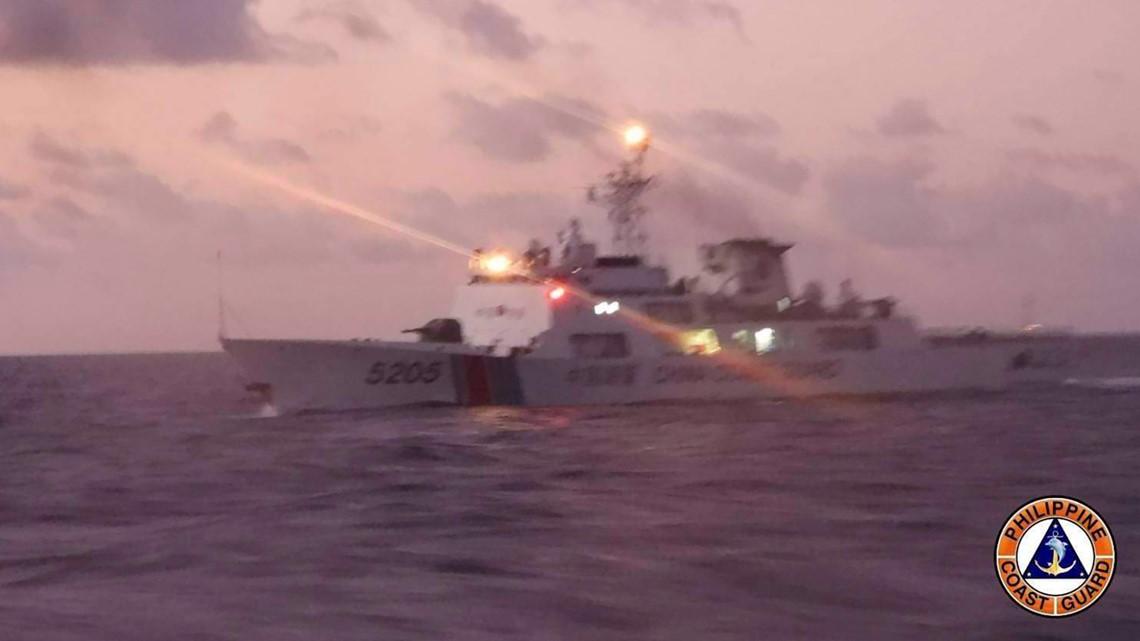
China Coast Guard cutter 5205 was the same ship that used a laser against the Philippine Coast Guard in February 2023.

I would also note that while the Chinese cutter involved has both a 76mm gun and 30mm auto cannon, the 97-meter (317′) Japanese built Philippine cutter is armed with nothing larger than .50 caliber machine guns, so the China Coast Guard cutter could be confident, the Philippine cutter would not respond to the attack with gun fire.

The Philippine Cutter may have been marginally faster than the Chinese cutter, but she may have also been boxed in by other Chinese vessels on scene.

New Japan Coast Guard Base Ship?

Alex Luck
@AlexLuck9
“Japan intends to procure a very large coast guard hull suitable for supporting helicopter ops and extended EEZ deployments as a “mobile base”, to be commissioned towards 2030.
Reminder that size growth of coast guard assets is a general trend.”

Pulled from X, no idea of the source or validity.

Thanks to Sven for bringing this to my attention.