“Coast Guard continues to break records, offloading over $362 million in illicit drugs interdicted in Eastern Pacific Ocean” –District Southeast

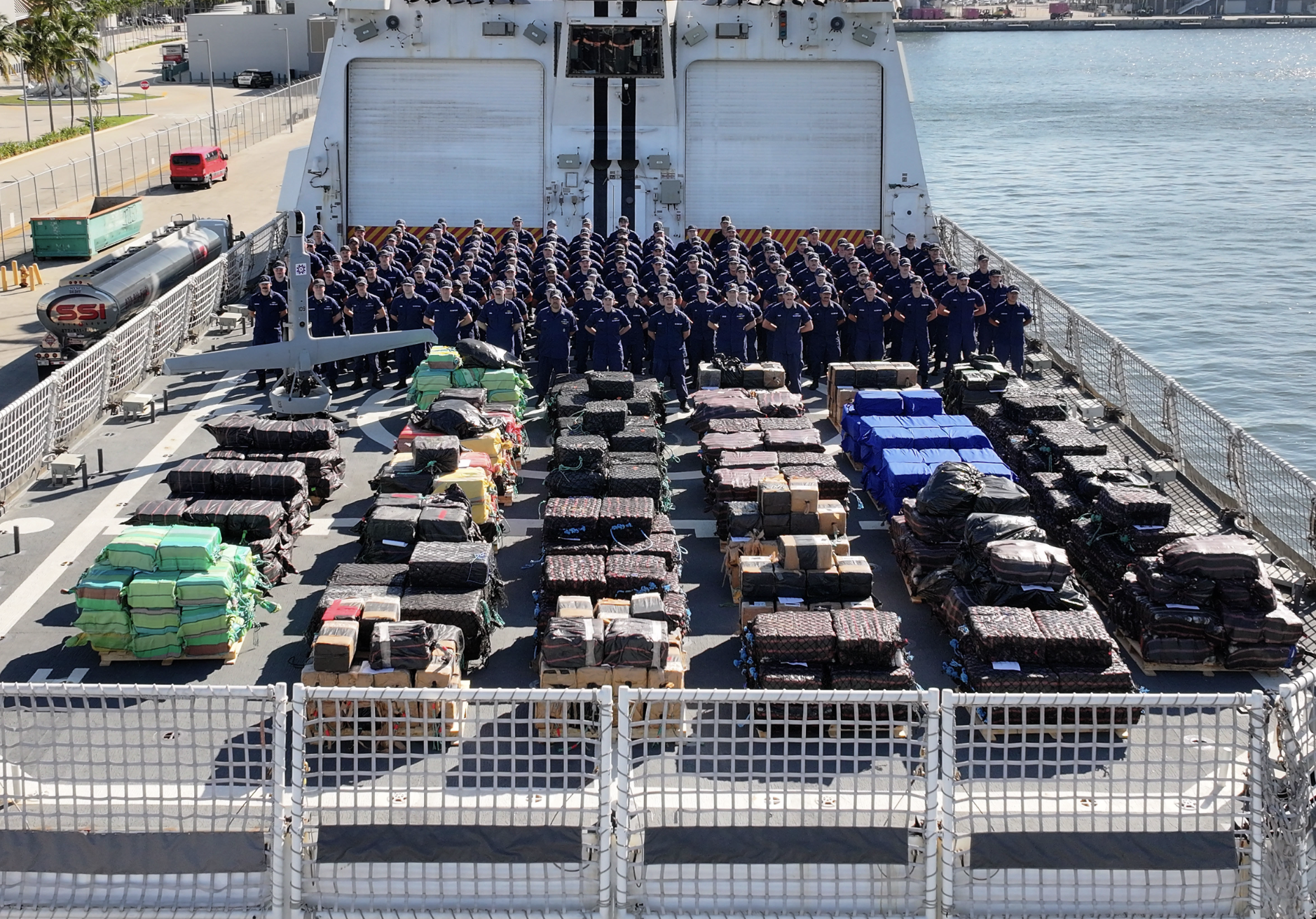
251118-G-G0107-1008 Coast Guard Cutter Stone’s crew poses for a group photo on the flight deck of the ship, Nov. 18, 2025, Port Everglades, Florida. Coast Guard Cutter Stone’s crew offloaded approximately 49,010 pounds of illicit narcotics worth more than $362 million. (U.S. Coast Guard photo by Cutter Stone’s crew)

Below is a news release from District Southeast.

This offload is particularly noteworthy in that it is the most “cocaine seized by a single cutter in one patrol in Coast Guard history,” almost 25 tons. It may also be the largest number of interdictions (15) by a single cutter in one patrol but I can’t confirm that.

This particular success was not a fluke. USCGC Stone was very nearly as successful on her previous patrol making 12 interdictions and seizing 44,955 pounds of cocaine.

Check out the news release, lots of good photos and video. I chose the photo above because it includes the V-Bat UAS.


Nov. 19, 2025

Coast Guard continues to break records, offloading over $362 million in illicit drugs interdicted in Eastern Pacific Ocean

Coast Guard Southeast District – 305-202-3735

MIAMI – U.S. Coast Guard Cutter Stone’s crew offloaded approximately 49,010 pounds of illicit narcotics worth more than $362 million at Port Everglades, Wednesday.

This offload marks the most amount of cocaine seized by a single cutter in one patrol in Coast Guard history.

The seized contraband was the result of 15 interdictions in international waters of the Eastern Pacific Ocean.

“I am extremely proud of the crew’s incredible performance during this deployment,” said Capt. Anne O’Connell, commanding officer, Coast Guard Cutter Stone. “This offload demonstrates our increased posture and continued success in the fight against narco-terrorism and transnational criminal organizations. The Coast Guard, in conjunction with our inter-agency and international partners, continues to patrol areas commonly associated with drug trafficking in the Eastern Pacific, denying smugglers access to maritime routes by which they move illicit drugs to our U.S. land and sea borders.”

The following assets and crews were involved in the interdiction operations:

80% of interdictions of U.S.-bound drugs occur at sea. This underscores the importance of maritime interdiction in combatting the flow of illegal narcotics and protecting American communities from this deadly threat. U.S. Southern Command’s Joint Interagency Task Force -South based in Key West, conducts the detection and monitoring of aerial and maritime transit of illegal drugs. Once interdiction becomes imminent, the law enforcement phase of the operation begins, and control of the operation shifts to the U.S. Coast Guard throughout the interdiction and apprehension. Interdictions in the Eastern Pacific Ocean are performed by members of the U.S. Coast Guard under the authority and control of the Coast Guard’s Southwest District, headquartered in Alameda, California.

To protect the Homeland from ongoing trafficking of illicit narcotics from South America to the United States, the Coast Guard is accelerating our counter-drug operations in the Eastern Pacific Ocean in support of Operation Pacific Viper.

The Coast Guard continues increased operations to interdict, seize and disrupt transshipments of cocaine and other bulk illicit drugs by sea. These drugs fuel and enable cartels and transnational criminal organizations to produce and traffic illegal fentanyl, threatening the United States.

These interdictions deny criminal organizations more than half a billion dollars in illicit revenue. They provide critical testimonial and drug evidence as well as key intelligence for their total elimination. These interdictions relate to Panama Express, an initiative of HSTF Tampa, investigations in support of Operation Take Back America. PANEX identifies, disrupts, and dismantles the highest-level criminal organizations that threaten the United States using a prosecutor-led, intelligence-driven, multi-agency approach.

USCGC Stone is one of four 418-foot Legend-class national security cutters homeported in Charleston, South Carolina, under U.S. Coast Guard Atlantic Area Command.

“USS St. Louis Returns from Deployment in Support of Southern Border Operations” –Seapower

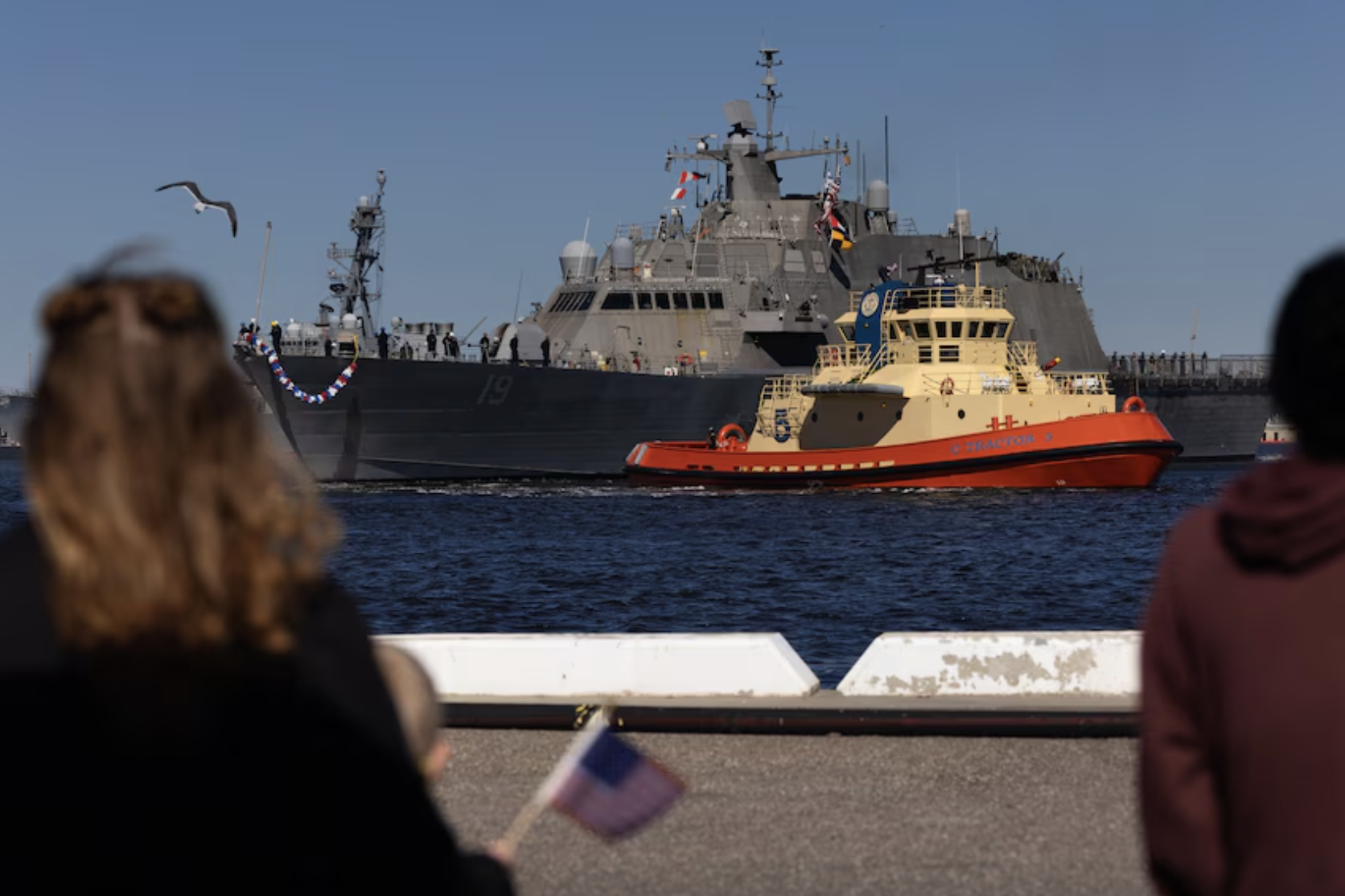
NAVAL STATION MAYPORT, Fla. (Nov. 10, 2025) — The Freedom-variant littoral combat ship USS St. Louis (LCS 19), operating under U.S. Northern Command (USNORTHCOM), returns to Naval Station Mayport, Fla., after completing a surge deployment, Nov. 10, 2025. (U.S. Navy photo by MC3 Jasmin L. Aquino)

The Navy League on-line magazine, Seapower reports,

The Freedom-variant littoral combat ship USS St. Louis (LCS 19), operating under U.S. Northern Command (USNORTHCOM) in the Gulf of America, returned to Naval Station Mayport ), along with the “Valkyries” of Helicopter Maritime Strike Squadron (HSM) 50 Detachment 5 and embarked U.S. Coast Guard Law Enforcement Detachment (LEDET) 408 after completing a surge deployment on November 10, 2025.

This deployment is a bit unusual in that apparently the patrol was in the Gulf under the direction of NORTHCOM and Second Fleet, rather than in the Caribbean and or Eastern Pacific under SOUTHCOM and Forth Fleet like her last patrol.

Neither NORTHCOM nor 2nd Fleet included the news release on their website, 2nd Fleet apparently sending it directly to the Navy League. (In fact 2nd Fleet has not had a news release on their website since 10 August.) We don’t know how long this deployment was since their departure date was not included in the release.

There was no report of a successful interdiction, which is not surprising since historically we do not find much maritime drug smuggling in the Gulf.

USS St. Louis’ previous patrol was more successful, spending eight months operating under 4th Fleet, where she, “disrupted and confiscated over $100 million worth of illicit contraband in five different operations” in addition to participating in exercise UNITAS 2024.


“UK pauses intelligence-sharing with US on suspected drug vessels in Caribbean” –The Guardian

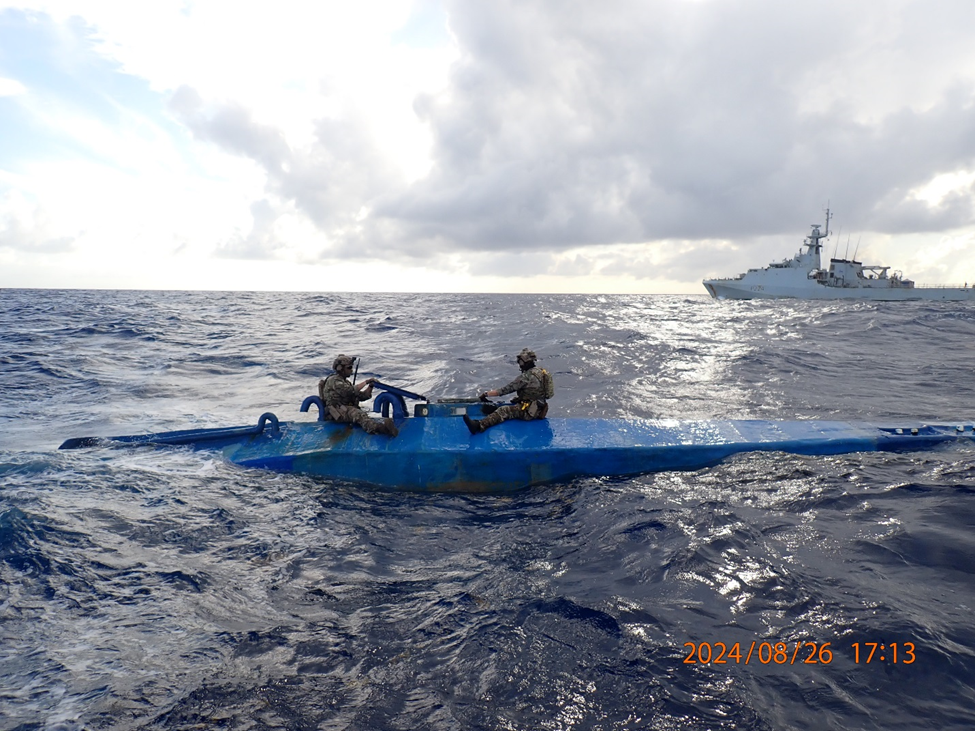
Crew members form U.S. Coast Guard Tactical Law Enforcement Detachment (LEDET) 111 and British Royal Navy team embarked aboard HMS Trent (P244) interdicts a semi-submersible drug smuggling vessel in the international waters of the Caribbean Sea, Aug. 26, 2024. Three suspected smugglers and 1,239 pounds of illegal narcotics from this interdiction were transferred to federal custody for prosecution by the U.S. Department of Justice. (Courtesy image from United Kingdom Royal Navy)

The Guardian reports,

“Britain has suspended the sharing of intelligence with the US on suspected drug trafficking vessels in the Caribbean amid concerns information supplied may be used to engage in lethal military strikes by American forces…The UK, which retains oversight on several island territories in the Caribbean, has long shared intelligence with the US about the movements of suspect vessels traveling from Latin America, so they can be seized by the US Coast Guard.”

“U.S. Strikes Suspected Narco Boat in Caribbean, 3 Killed” –USNI

US Naval Institute reports the 17th incident of an attack on an alleged drug boat.

“The strike is the 17th announced strike since the campaign began in early September, which has resulted in 70 killed, 69 killed in the strikes and one presumed lost at sea, according to a USNI News tally of the strikes.”

The first comment is,

“show me one iota of evidence that these are drug boats, just one.

“of course you can’t. the boats and bodies burned and sank before any actual evidence could be collected. every single image provided by the government is deliberately low resolution and provides no more evidence that this is a drug boat than a fishing boat.

“the only terrorism going on here is that being committed by our government.”

So why hasn’t there been any presentation of evidence, maybe not in every case, but at least in some cases. I think the evidence is there, but so far, it seems we have not bothered to collect and present it.

In my admittedly limited experience, when a drug boat sinks, at least some of the cargo floats to the surface. Have we made an effort to secure evidence? It is worth doing.

When a government agency does something as questionable as killing people without even asking them to surrender, we need to demonstrate why the action is necessary. It is not enough to simply say “trust me.” Failing to demonstrate the necessity of the action opens up the country and the agency to criticism and weakens American influence.

The methods might still be questioned but providing proof that the boats were transporting drugs would at least provide some justification.

Coast Guard Drug Enforcement “Totally Ineffective” –The President

The statement above impacts the Coast Guard’s reputation and potentially its budget. Youtube indicates that this was recorded on October 15.

I would be the first to acknowledge that the Coast Guard has not been 100% effective in cutting off the supply of drugs flowing from Latin America, but if it is ineffective, so is every other US law enforcement agency.

The Coast Guard seizes more illegal drugs than any other US law enforcement agency. Perhaps more than all others combined.

Since early August, Coast Guard authority has resulted in 34 interdictions, apprehension of 86 people, and the seizure of 100,000 pounds of Cocaine, in the Eastern Pacific alone, where most of the maritime drug smuggling actually occurs.

The Pesident’s claim of eliminating sea borne drugs smuggling and the number of lives saved per boat sunk are wildly unrealistic.

Earlier, I talked about why blowing up boats off Venezuela would not result in a large reduction in deaths by. drug overdose.

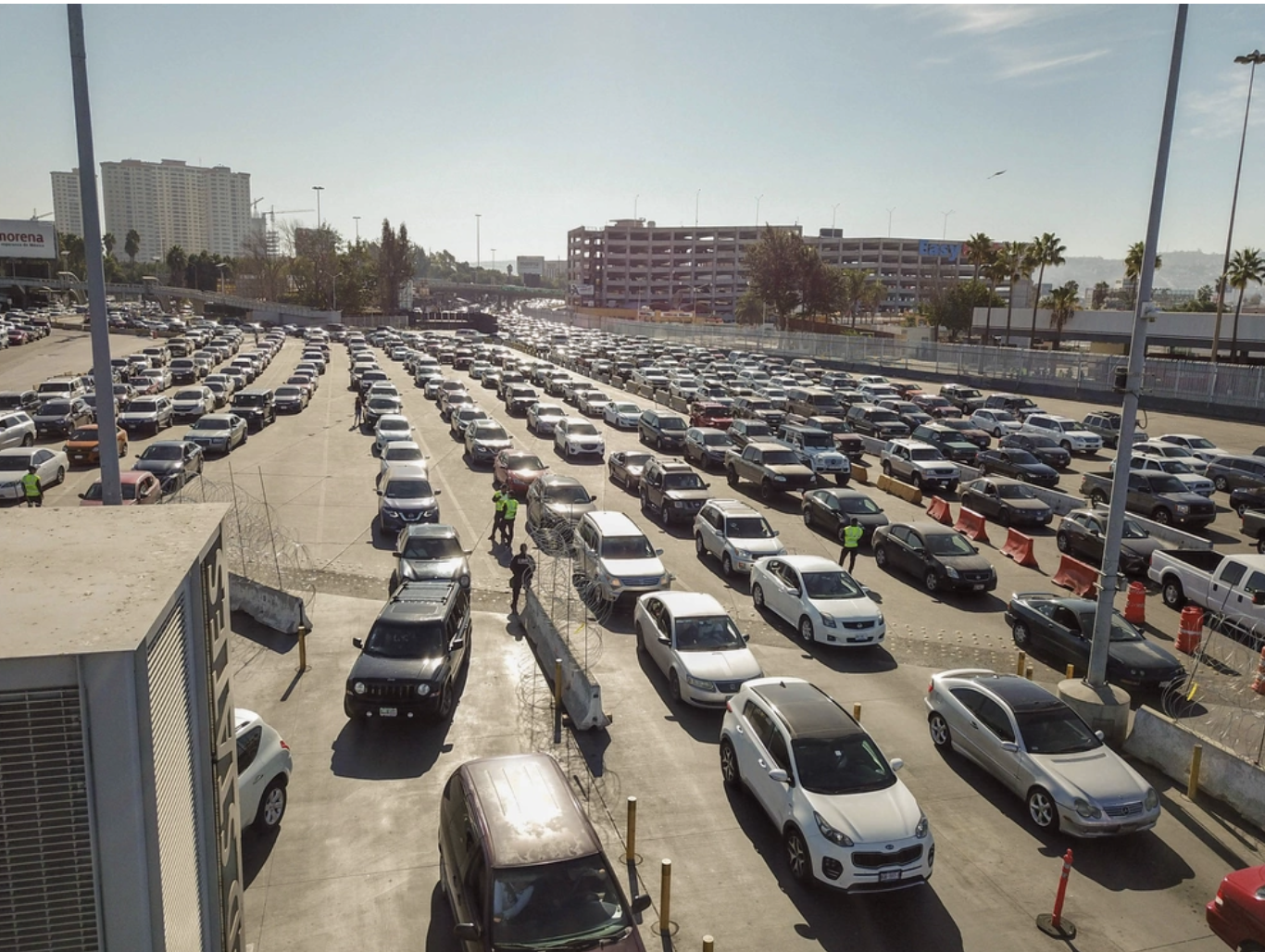
Most drug overdoses were by the use of synthetic opioids, primarily fentanyl. Fentanyl is not generally transported in the go fast boats we have seen destroyed. Because fentanyl is so compact, it usually crosses the borders over land at regular ports of entry., usually being transported by US citizens who blend in with the heavy cross border traffic.

SAN YSIDRO, CALIFORNIA, UNITED STATES, Port of Entry
Photos by Mani Albrecht, U.S. Customs and Border Protection

The President is claiming that each boat destroyed saves the lives of 25,000 Americans. If that were true, there should be no deaths due to overdose this year the rate of deaths due to overdose was a bit over 100,000 per year during the Covid pandemic but has been reduced to about 80,000 by the end of 2024. That is still a lot, but the recent success suggests there may be other things we can do to cut deaths due to overdose that may be more effective than relying on kinetic interdiction.

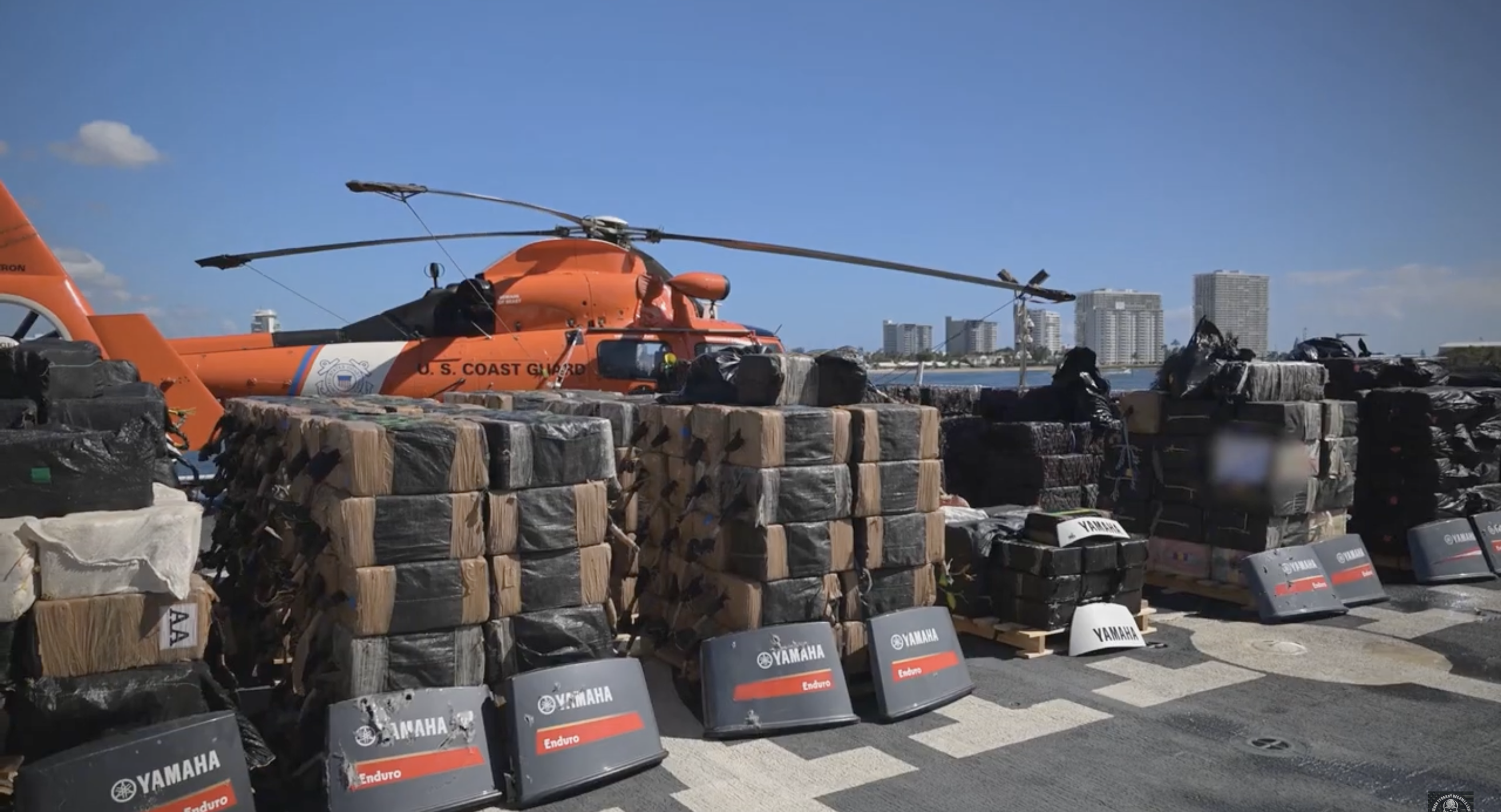
USCGC Stone (WMSL-758) delivers $517.5 million in illicit drugs interdicted in Eastern Pacific Ocean. Along side are displayed cowlings of outboard motor disabled by the Airborne Use of Force crew from the Coast Guard’s Helicopter Interdiction Tactical Squadron (HITRON) based in Jacksonville, FL.

Suggestions that the smugglers are consistently able to outrun the Coast Guard are completely false. The cutters carry smaller high speed craft that can generally out run the smugglers and where they cannot, the Coast Guard has snipers in helicopters with specially trained crews who can disable the smugglers engines. The smugglers can’t outrun a missile but they also cannot out run Coast Guard helicopters. This special squadron just celebrated their 1000th interdiction.

Lately, I have been hearing the word accountability being thrown around a lot, and it is a good word. Who is responsible for the epidemic of drug use and the resulting deaths due overdose? Gangs in Mexico, Colombia, and Venezuela may have helped, but demand by American users created this problem. Most of the distributors and pushers were American citizens. Americans own this problem. Blaming it on foreigners is more comfortable, but not really helpful because, as long as the demand exists, there will be a source.

“4,500 Marines and sailors deploy to Caribbean for anti-cartel mission” –Task and Purposes

Task and Purpose reports, 

The Navy and Marine Corps deployed thousands of sailors and Marines to the southern Caribbean on Friday in support of anti-drug cartel operations.

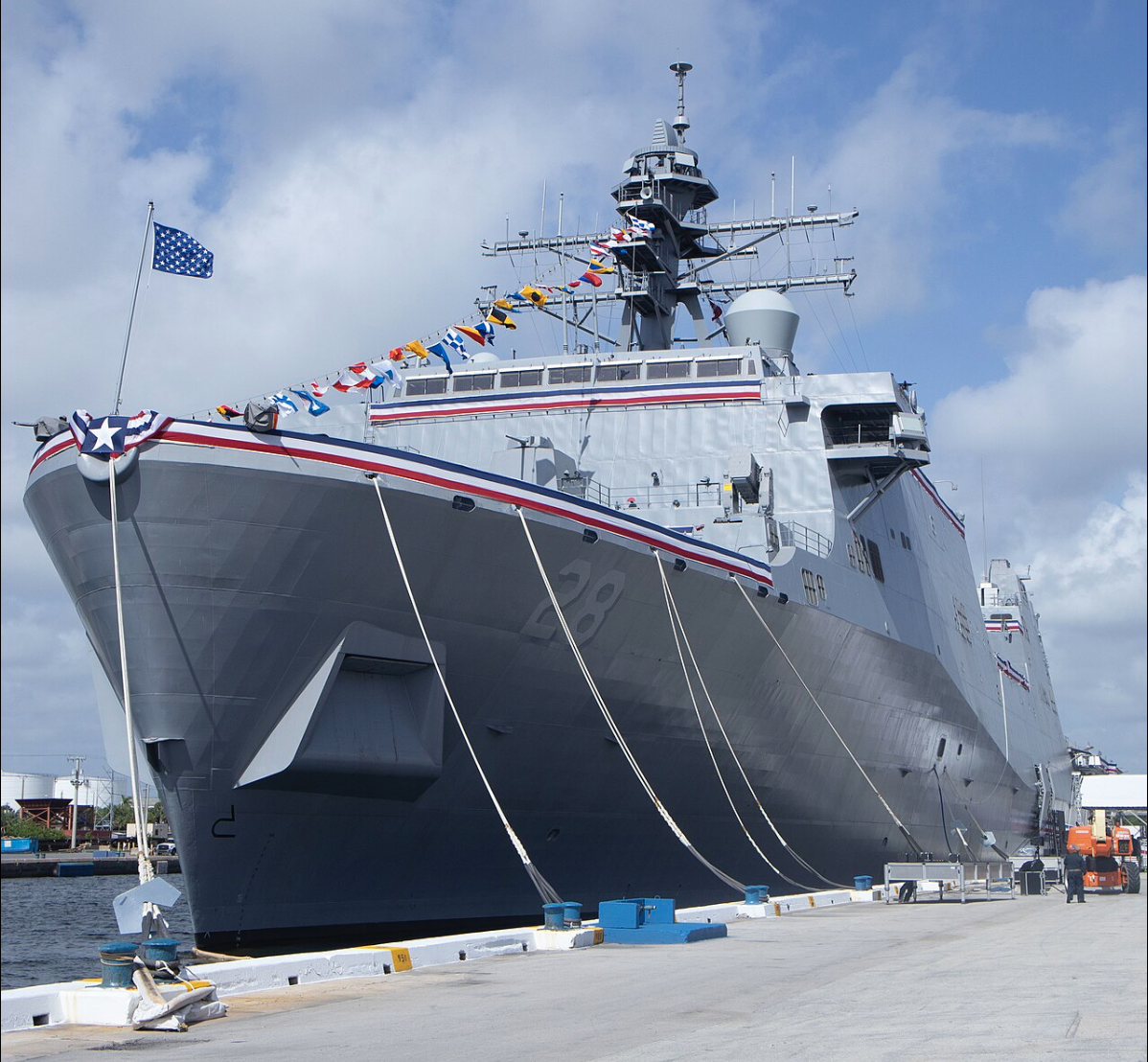
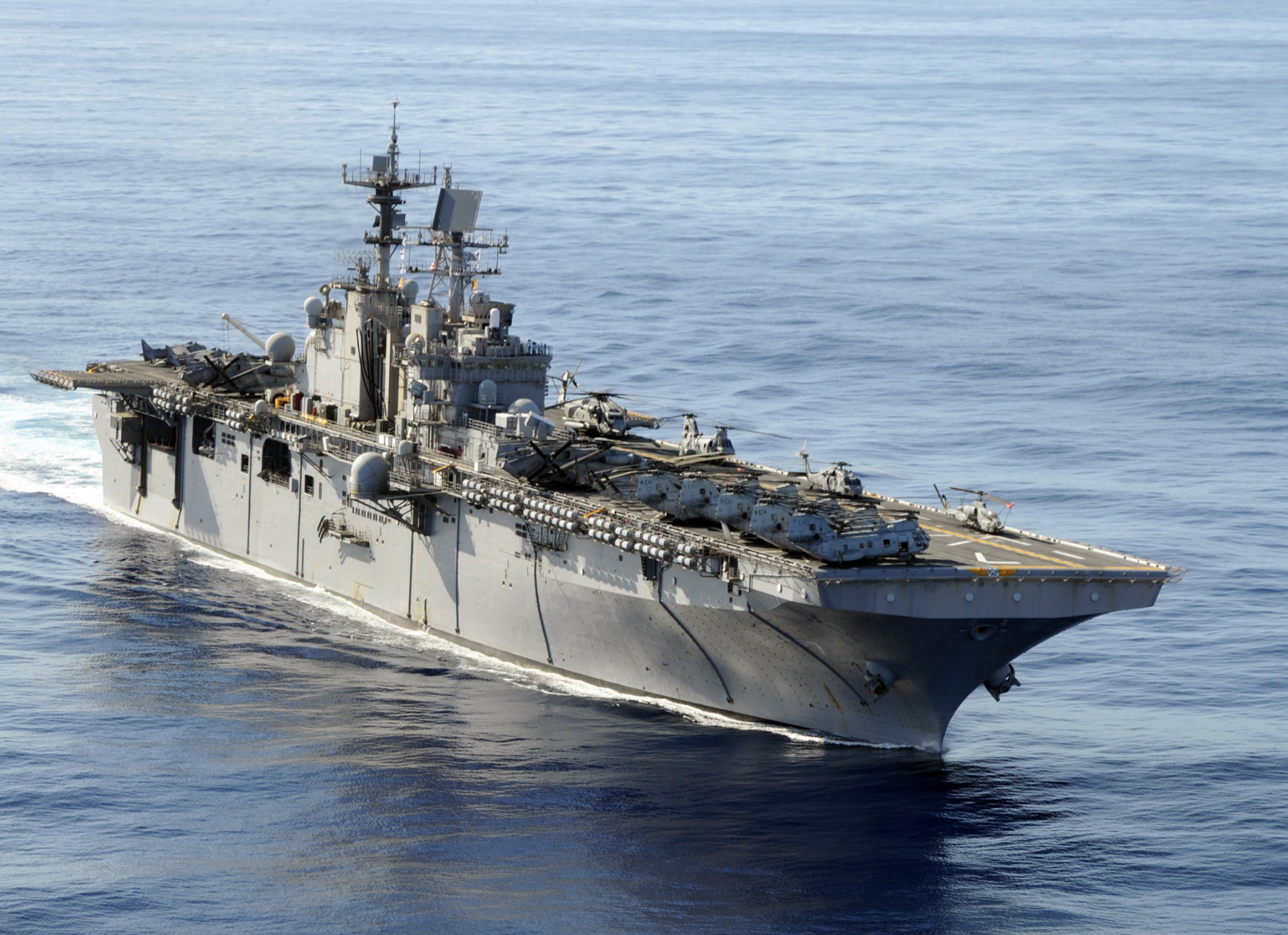
The Iwo Jima Amphibious Ready Group and the 22nd Marine Expeditionary Unit set sail out of Naval Station Norfolk on Aug. 14. The force includes more than 4,500 sailors and Marines on three ships: The Wasp-class amphibious assault ship, the USS Iwo Jima, and San Antonio-class amphibious transport dock ships the USS San Antonio and USS Fort Lauderdale.

The Navy described it as a “regularly scheduled deployment” and did not specify where it would be heading or for what purpose.

Despite the “regularly scheduled deployment” statement, this is definitely not normal.

Can’t say the US never sends subs into the Caribbean, be we don’t normally send ships like these into the Caribbean for counter drug operations.

USS Fort Lauderdale

USS San Antonio

USS IWO Jima


“Colombian Navy captures unmanned narco submarine in Caribbean Sea” –Naval News

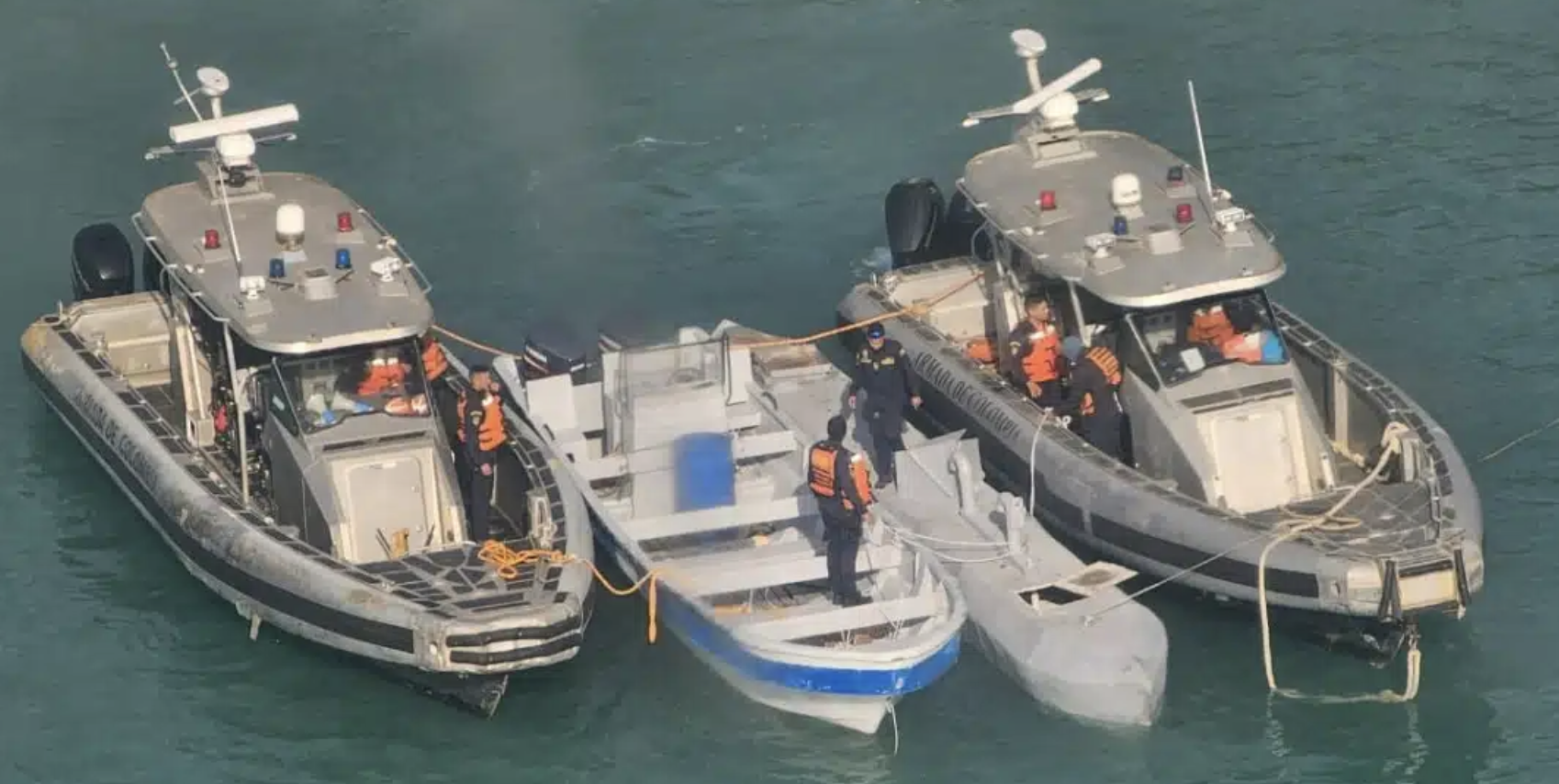
Unmanned Narco-submarine seized by the Colombian Navy boats (Credit: Colombian Navy)

Naval News reports the seizure of an unmanned low profile, semi-submersible that was used to transport illegal drugs.

Not only would semi-autonomous operation eliminate the cost of hiring a crew and the space requirements for accommodations to support the crew, it would also eliminate the possibility of a captured crew becoming a source of intelligence for law enforcement.

It also means that upon boarding there is no one to tell to stop the engines, meaning boardings may be more dangerous than ever.

I would not be surprised to see a remote scuttling option incorporated into future designs.

US Navy Securing the Southern Border?

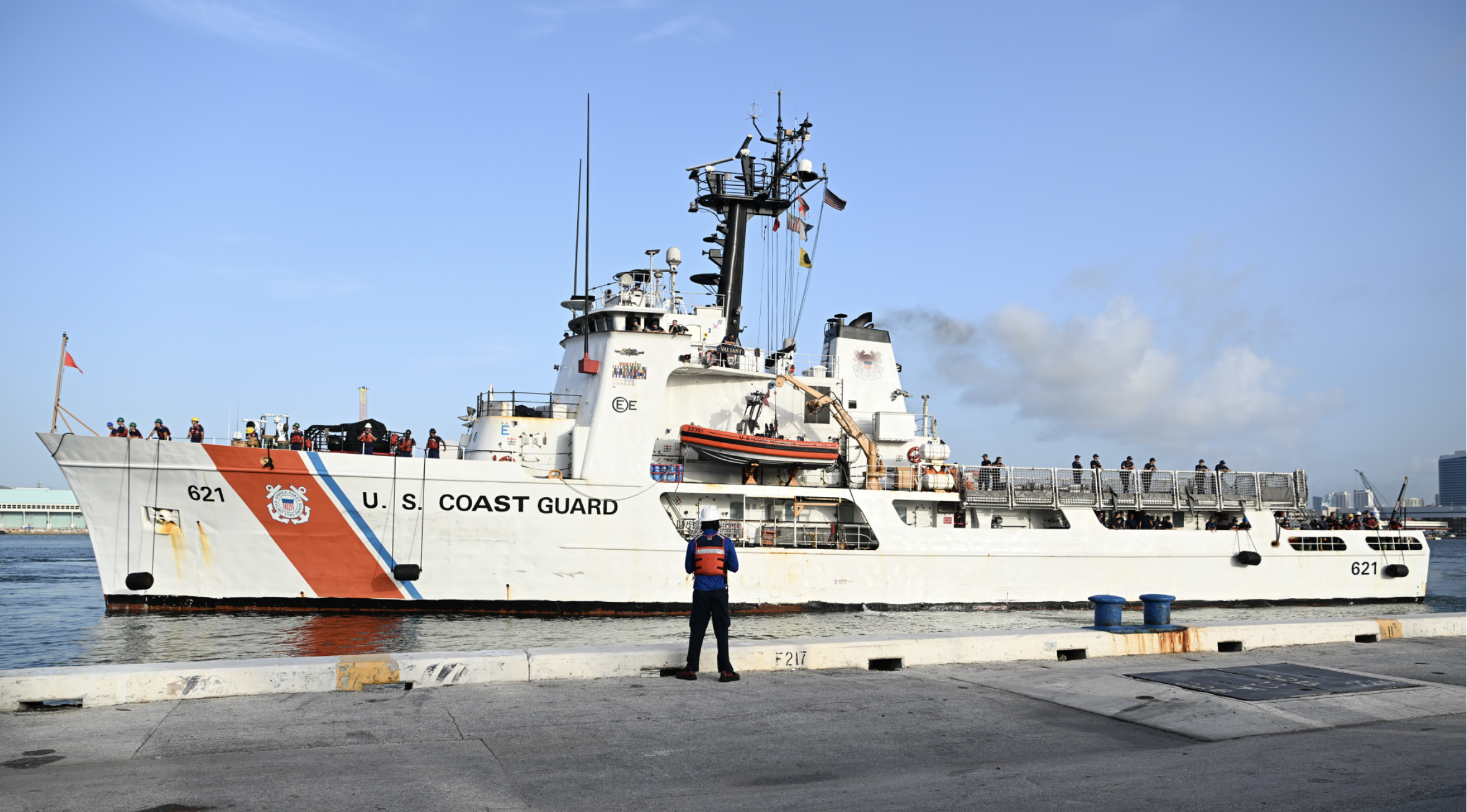
USCGC Valiant (WMEC 621) crew moors at Port Everglades in Fort Lauderdale, Florida, June 6, 2025. The Valiant crew offloaded more than $132 million in illicit drugs interdicted in the Caribbean Sea. (U.S. Coast Guard photo by Petty Officer 1st Class Diana Sherbs)

Below the line is a Coast Guard News release. 

It includes a report of offload of drugs seized by USS Gravely.

Since March the Navy has kept two or three ships deployed to “secure the Southern Border” against illegal immigration and drug smuggling.

Departures of US Navy destroyers were widely reported, frequently with implications that the Coast Guard had not been paying attention to the Southern border or that the Coast Guard was incapable. Center for Strategic and International Studies stated,

First and foremost, the deployments send a powerful signal that the United States is taking border security, and the Western Hemisphere more broadly, seriously. In a statement from U.S. Northern Command (NORTHCOM) upon deployment of the Spruance, the ships will “restore territorial integrity at the U.S. southern border” and will support operations related to “combating maritime related terrorism, weapons proliferation, transnational crime, piracy, environmental destruction, and illegal seaborne immigration.” The tasking of some of the United States’ most exquisite naval capabilities to support Southwest border operations accordingly provides yet another indicator that a strategic pivot to the Western Hemisphere in general, and the U.S.-Mexico border in particular, is well underway.

The DDGs are marvelous ships as demonstrated by their performance against the Houthis in the Red Sea. Their more sophisticated sensors were also touted, but the results have been underwhelming.

Results:

So what happened? Let’s give credit where credit is due.

Guided missile destroyers involved, as far as I can determine, have been USS Gravely, USS Spruance, USS Stockdale which replaced Spruance in mid April, USS Cole which very recently replace Gravely, and Sampson which just replaced Stockdale.

As far as I can tell, the interdiction of 840 pounds of cocaine valued $13.7M by USS Gravely, which deployed March 15, reported below, is the only interception of drugs reported by a destroyer in the almost three months since their intervention began.

By comparison:

USS Minneapolis-Saint Paul (LCS-21) which deployed March 25 has made three interdictions. USS Charleston Deployed May 21. I presume she is replacing Minneapolis-Saint Paul. The first two resulted in seizure of 580 kilograms (1,279 pounds) of cocaine valued at $9,463,860 and 1,125 kilograms (2,480 pounds) of marijuana valued at $2,807,360. I was not able to find similar figures for the third.

In an earlier post I posted the results of drugs landed on thirteen different occasions from February 13 to May 2, 2025 comparing interdictions in the Eastern Pacific with those made in the Atlantic, Gulf, and Caribbean. In total 168,574 pounds or more than 84 tons, valued at $1,702.9 million. There have been additional offloads since then including the one below.

That is 196 times as much as was seized by Navy Destroyers. Only a very small part of which was marijuana rather than cocaine, none of which was seized in the Eastern Pacific. Notably no Fentanyl was included.

Our Canadian and Netherlands Navy partners each seized more contraband than the US Navy this period.

Why the poor showing?:

Functionally the DDGs should have been at least as effective as other units doing this mission, so why weren’t they more effective?

I think because they were looking in the wrong place.

Early announcements seem to indicate they primarily being deployed primarily to interdict immigrants with drug interdiction a secondary mission, but as I noted in the earlier post,

Perhaps surprisingly, cutters in the Western Atlantic areas looking for drugs don’t intercept many migrants and cutters looking for migrants don’t find much in the way of drugs or even migrants. There were four WMEC patrols identified as looking for migrants. None of the four found any drugs. One intercepted no migrants. The three remaining patrols intercepted a total of 184.

The West coast deployment seems to have been in vicinity of San Diego. Most drug interdictions in the Pacific happen off the Central and South American coast.

There has been something of a surge in maritime illegal migrant interdictions on the West Coast but they have been concentrated close to shore near San Diego and the Mexican border, using recreational style small craft, but the totals are still relatively small.

As far as I have heard (and I think I would have) none of the US Navy ships have intercepted any immigrants.

Other thoughts:

Any assistance the Navy might provide is always welcome, but any implication that the Coast Guard has not been working the problem with considerable success, limited only by resources available, is unfair. There simply is no such thing as 100% secure.

The Navy has also provided additional ISR resources. Both the Navy and Coast Guard can only benefit from better Maritime Domain Awareness even if the information is used for different purposes.

Having an alert, active DDG positioned off US naval bases (like San Diego) might be a good idea since, as yet, we really have no land based missile defenses capable of countering cruise missiles that might be launched from container ships in an initial surprise attack.


June 6, 2025

Coast Guard offloads more than $138 million in illicit drug interdictions in Caribbean Sea

Coast Guard Seventh District – 786-367-7649

MIAMI –U.S. Coast Guard Cutter Valiant’s crew offloaded 17,450 pounds of cocaine and 2,585 pounds of marijuana worth $132 million, Friday, at Port Everglades.

U.S. Coast Guard Cutter Vigorous crew offloaded approximately 840 pounds of cocaine worth an estimated $6.2 million, Thursday, at Coast Guard Base Miami Beach.

The seized contraband was the result of six interdictions in the Caribbean Sea by Coast Guard and interagency partners.

“I am incredibly proud of our Valiant team and how they exemplify American values. They sacrifice time away from their families and when necessary, put themselves in harm’s way to secure our borders and protect the American people,” said Cmdr. Matthew Press, commanding officer of Valiant. “Collaborating with the United States Navy, Royal Canadian, and Royal Netherlands Navies, our multinational team disrupted transnational criminal organizations making the world a safer place.”

On May 19, a maritime patrol aircraft located a suspicious vessel approximately 85 miles north of Aruba. Valiant’s crew interdicted the vessel and seized approximately 2,645 pounds of cocaine.

On May 22, a maritime patrol aircraft located a suspicious vessel approximately 170 miles north of Aruba. Valiant’s crew interdicted the vessel and seized approximately 7,750 pounds of cocaine.

On May 25, a maritime patrol aircraft located a suspicious vessel approximately 290 miles south of the Dominican Republic. USS Gravely’s crew and embarked U.S. Coast Guard Law Enforcement Detachment 401 interdicted the vessel and seized approximately 840 pounds of cocaine. The narcotics were transferred to the Vigorous.

On May 29, a maritime patrol aircraft located a suspicious vessel approximately 140 miles south of the Dominican Republic. His Majesty’s Canadian Ship William Hall’s crew and embarked Coast Guard LEDET 103 interdicted the vessel and seized approximately 750 pounds of cocaine. The narcotics were transferred to the Valiant.

On May 29, a maritime patrol aircraft located a suspicious vessel approximately 15 miles north of Venezuela. The Royal Netherlands Navy ship HNLMS Friesland crew and embarked Coast Guard LEDET 404 interdicted the vessel and seized approximately 4,050 pounds of cocaine and 2,585 pounds of marijuana. The narcotics were transferred to the Valiant.

On May 31, a maritime patrol aircraft located a suspicious vessel approximately 185 miles north of Colombia. HMCS William Hall’s crew and embarked Coast Guard LEDET 103 interdicted the vessel and seized approximately 2,250 pounds of cocaine. The narcotics were transferred to the Valiant.

The following crews assisted with interdiction operations:

Detecting and interdicting illicit drug traffickers on the high seas involves significant interagency and international coordination. Joint Interagency Task Force-South, in Key West, conducts the detection and monitoring of aerial and maritime transit of illegal drugs. Once an interdiction becomes imminent, the law enforcement phase of the operation begins, and control of the operation shifts to the U.S. Coast Guard for the interdiction and apprehension phases. Interdictions in the Caribbean Sea are performed by members of the U.S. Coast Guard under the authority and control of the Seventh Coast Guard District, headquartered in Miami.

These interdictions relate to Organized Crime Drug Enforcement Task Forces’ Strike Force initiatives and designated investigations. OCDETF identifies, disrupts, and dismantles the highest-level criminal organizations that threaten the United States using a prosecutor-led, intelligence-driven, multi-agency approach. Additional information about the OCDETF program can be found at https://www.justice.gov/OCDETF.

USCGC Valiant is a 210-foot medium endurance cutter homeported in Jacksonville under U.S. Coast Guard Atlantic Area Command.

USCGC Vigorous is a 210-foot medium endurance cutter homeported in Virginia Beach, Virginia under U.S. Coast Guard Atlantic Area Command.

For breaking news, follow us on X (formerly Twitter). For additional information, find us on Facebook and follow us on Instagram.

“USS Minneapolis-Saint Paul Makes Multiple Drug Busts” –4th Fleet

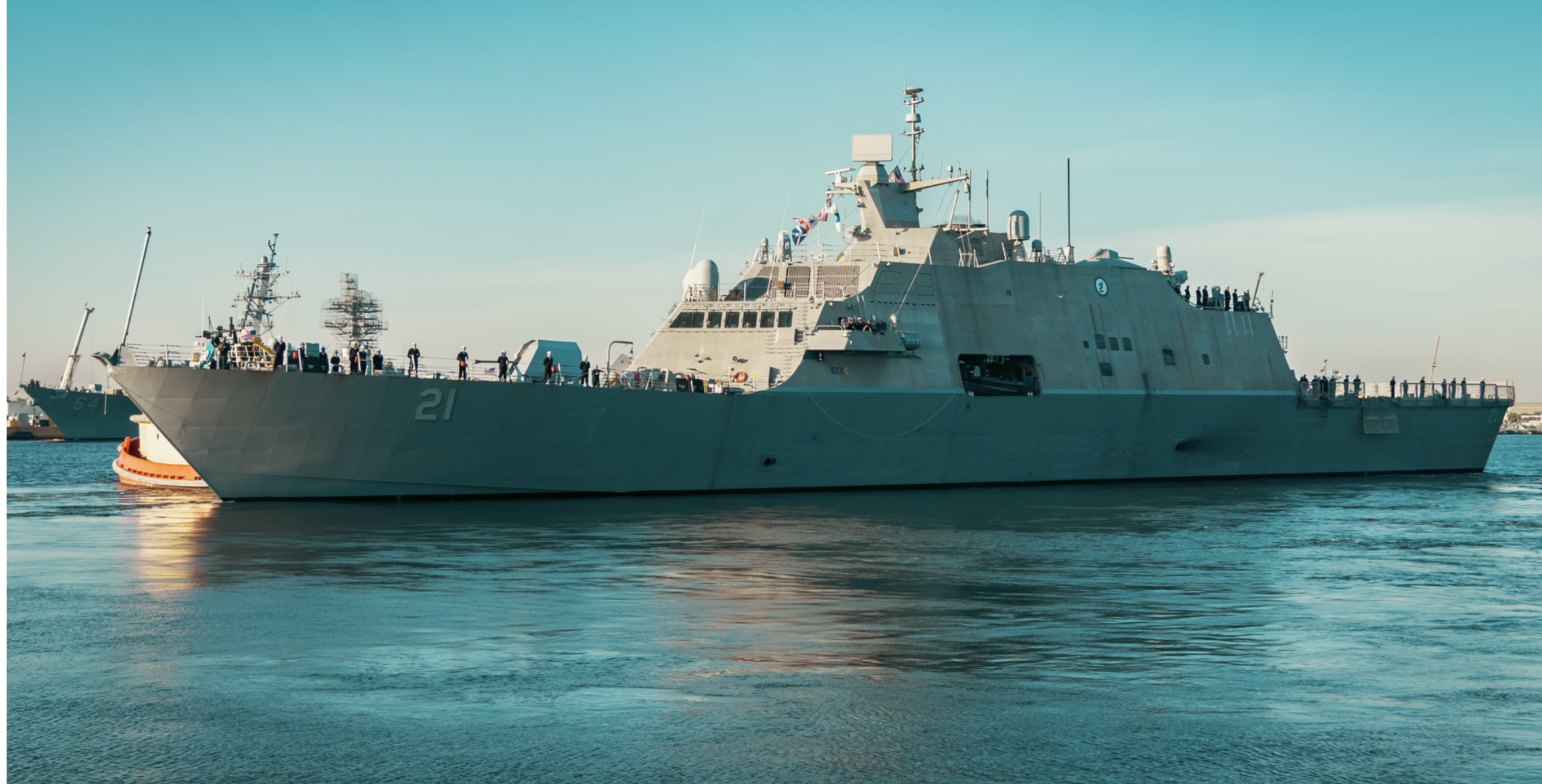
250326-N-OZ224-3072 NAVAL STATION MAYPORT, Fla. (Mar. 26, 2025) – The Freedom-class littoral combat ship USS Minneapolis-Saint Paul (LCS 21) departs Naval Station Mayport for her maiden deployment, Mar. 26, 2025. LCS 21 is deploying to the U.S. 4th Fleet area of operations is support of counter-illicit drug trafficking operations. (U.S. Navy photo by Mass Communication Specialist 1st Class Brandon J. Vinson)

Below is a news release from USNAVSOUTH/4TH FLEET

Good to see Navy participating, and doing so with their units most appropriate for the drug interdiction mission.

The additional USN assets that have seen much press coverage lately are positioned primarily to intercept migrants rather than drugs.

Patrols in the Caribbean, like this one, can certainly help with drug interdiction, but the Caribbean is pretty well covered. The area of greatest need for additional larger, sea-going, drug interdiction assets is in the Eastern Pacific. The Navy does not seem eager help in this area.

USS Minneapolis-Saint Paul (LCS 21) was commissioned 21 May, 2022. This was her first deployment.


April 17, 2025

USS Minneapolis-Saint Paul Makes Multiple Drug Busts

Minneapolis-Saint Paul, with an embarked U.S. Coast Guard (USCG) Law Enforcement Detachment (LEDET) and Helicopter Maritime Strike Squadron (HSM) 50, Detachment Three, made the two busts in the Caribbean, taking out vessels through a combination of air and surface operations.

The busts resulted in the confiscation of 580 kilograms (1,278.9 lbs; $9,463,860) of cocaine and 2,480 pounds of marijuana. ($2,807,360). “The USS Minneapolis-Saint Paul executed their duties seamlessly in the combined effort to protect the homeland from illicit maritime trafficking.” said Rear Adm. Carlos Sardiello, commander of U.S. Naval Forces Southern Command/U.S. 4th Fleet. “Working in coordination with the Coast Guard and our joint partners, we look forward to seeing continued measurable impact delivered by the professional and talented crew of the USS Minneapolis-Saint Paul across the region.”

“We train diligently and stand ready to execute interdiction missions at moment’s notice, said Minneapolis-Saint Paul commanding officer Cmdr. Steven Fresse, “To be able to make an immediate impact so early on during our maiden deployment is a testament to the hard work and skills of the ship’s crew.”

USS Minneapolis-Saint Paul is currently assigned to Commander, Task Force 45 (CTF 45). CTF-45 is the 4th Fleet surface task force charged with executing combined naval operations, building and strengthening Latin American, south of Mexico, and Caribbean maritime partnerships, and acting as a DoD ready service provider to Joint Interagency Task Force – South in support of counter illicit-drug trafficking operations in the Central and South American waters.

The U.S. Coast Guard is simultaneously a military service and the United States’ lead federal maritime law enforcement agency with authority to enforce national and international laws on the high seas and waters within U.S. jurisdiction. Coast Guard LEDETs regularly deploy aboard U.S. Navy and foreign allied navy ships, and during these deployments the LEDETs, under U.S. law, board vessels, seize illegal drugs and apprehend suspects. These forces also work closely with other regional partner nation coast guards and naval forces to provide support to visit, board, search and seizure operations within partner nation territorial waters. Once an interdiction becomes imminent, the law enforcement phase of the operation begins, and control of the operation shifts to the U.S. Coast Guard for the interdiction and apprehension phases. Interdictions in the Caribbean Sea are performed by members of the U.S. Coast Guard under the authority and control of the Seventh Coast Guard District, headquartered in Miami.

U.S. Naval Forces Southern Command/U.S. 4th Fleet supports U.S. Southern Command’s joint and combined military operations by employing maritime forces in cooperative maritime security operations to maintain access, enhance interoperability, and build enduring partnerships in order to enhance regional security and promote peace, stability and prosperity in the Caribbean, Central and South American region.

“CMF’s Combined Task Force 150 and U.S. Coast Guard Integration Key in Recent Drug Seizure” –NAVCENT

250323-N-NO146-1001 ARABIAN SEA (March 23, 2025) Illegal narcotics seized from a stateless vessel are stacked on the deck of the U.S. Coast Guard Sentinel-class fast response cutter USCGC Emlen Tunnell (WPC 1145) in the Arabian Sea. (Photo by U.S. Coast Guard) Photo is from the O-1 deck, forward of the bridge, looking forward. 

Below is a news release from U.S. Naval Forces Central Command Public Affairs, March 24, 2025

MANAMA, Bahrain —

A U.S. Coast Guard fast-response cutter, working in direct support of New Zealand-led Combined Task Force (CTF) 150 of Combined Maritime Forces (CMF), seized 260 kilograms of illegal narcotics from a vessel in the Arabian Sea, March 19.

The Sentinel-class fast-response cutter USCGC Emlen Tunnell’s (WPC-1145) boarding team discovered and seized 200kg of methamphetamine and 60kg of heroin from the vessel. After weighing and documenting the haul, the crew properly disposed of the narcotics.

Royal New Zealand Navy Capt. Dave Barr, CTF 150 deputy commander, said this drug bust is a testament to the tenacity and expert seamanship of the Coastguardsmen on the Emlen Tunnell operating so far off the coast in challenging waters, and the ability to seamlessly integrate with the multinational CTF 150 staff.

“The waters in this area are full of legitimate fishing and trading vessels so it’s important to get this part right and accurately identify those vessels that are likely to be carrying narcotics,” said Barr. “A big part of our mission is to deter smugglers, so that those legitimate operators can continue to navigate freely to carry out their business.”

This interdiction is part of ongoing efforts to combat illicit drug trafficking in international waters and demonstrates the CMF’s continued commitment to safeguarding maritime security against malign non-state actors.

Emlen Tunnell is forward deployed to Bahrain. The fast response cutter is part of a contingent of U.S. Coast Guard ships operating in the region under Patrol Forces Southwest Asia (PATFORSWA). PATFORSWA deploys Coast Guard personnel and ships alongside U.S. and regional naval forces throughout the Middle East.

CTF 150 is one of five task forces under CMF, the world’s largest international naval partnership. CTF 150’s mission is to deter and disrupt the ability of non-state actors to move weapons, drugs and other illicit substances in the Indian Ocean, the Arabian Sea and the Gulf of Oman.

Combined Maritime Forces is a 46-nation naval partnership upholding the international rules-based order by promoting security and stability across 3.2 million square miles of water encompassing some of the world’s most important shipping lanes.