“CUTTER 37: THE LAST SHIP STANDING” –Coffee or Die

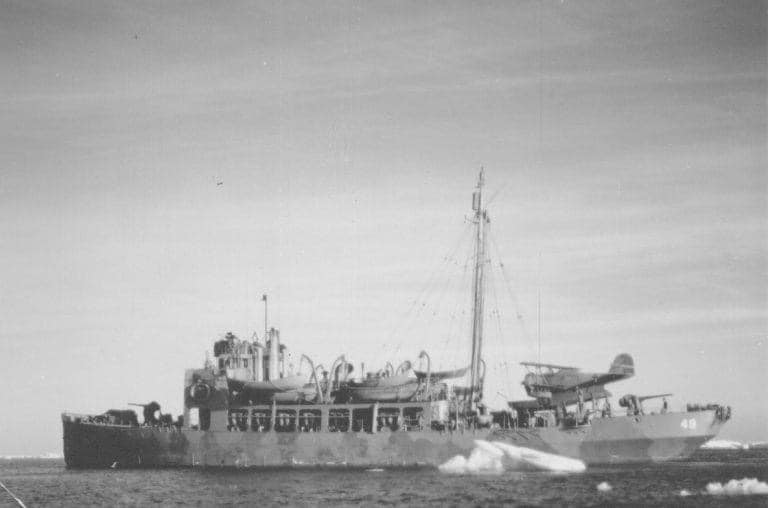
USCGC Taney, probably early 1944, equipped with four 5″/38s. She was in this configuration less than a year before being converted to an amphibious force flagship.

Coffee or Die has an article published on Coast Guard Day about the former USCGC Taney (WPG/WHEC-37), the last US warship to have survived Japan’s December 7, 1941 attack on Hawaii (there may still be a tug as well). It may not be the most accurate history (“USS Constellation…one of the original six frigates of the US Navy” –no that was a different ship, there are minor errors as well), but it is entertaining, including some first-person accounts that convey why ships of this class were so loved.

Since we are now seeing long delays in our ship building, it’s worth noting that she was built in the Philidelphia Navy Ship Yard. Four 327 foot cutters, Campbell (32), Duane (33), Ingham (35), and Taney (37), were laid down in a dry dock on 1 May 1935. All four were launched simultaneously 3 June 1936, 13 months later. All four were commissioned less than 18 months after the keels were laid, Taney taking the longest. Campbell was commissioned only 412 days after being laid down.

About a thousand years ago (1982-84) I was XO on the Duane. I loved that ship. Twelve years ago, I did a post on the class: 327s–Why Were They So Successful?

There is also this post about a sister ship: How Spencer Became the Coast Guard’s Top U-Boat Killer, Thank You Royal Navy

CAPT Joseph L. Crowe Jr., USCG, a Tribute

Joseph “Jay” Crowe

The tribute below was written by Captain Sean M. Cross, United States Coast Guard (Retired), son of a former shipmate who had a somewhat successful CG career, Vice Admiral Terry M. Cross, US Coast Guard (ret.).

Capt. Sean Cross has a regular presence on Facebook, regularly marking “Today in Coast Guard Aviation History.”

The following information about Captain Crowe is from “Special Forces Roll of Honour”:

Crowe​, Joseph Lawrence,Jr, Lieutenant Commander, 37 Aerospace Rescue and Recovery Squadron (3 A.R.R. Group) (US Coast Guard attached)​, Distinguished Flying Cross with oak leaf cluster, Cambodia 1971 and South Vietnam 1972.
Born 10.6.1940 Greensburg,Pennsylvania.
Son of Joseph Lawrence and Sara Jane (nee Griffith) Crowe.
Graduated USCG Academy,New London,Connecticut 6.6.1962.
Helicopter pilot.
CGAS, Cape Cod, Massachusetts 1975 (Lt Commander), awarded 2nd oak leaf cluster to DFC 1975 for sea rescue 145 miles south of Cape Cod.
Retired as Captain. 
Married Anne B. O’Mahony.
Died 22.2.2003 Port Angeles,Washington
Massachusetts National Cemetery, Bourne, Barnstable County, Massachusetts Section 28 Site 481

Cadet Joseph “Jay” Crowe, CGA class of 1962.

For more information on Coast Guard aviators’ role in the Vietnam War I recommend, The Coast Guard Flies in Vietnam 

For more Coast Guard history, check out my Heritage page.


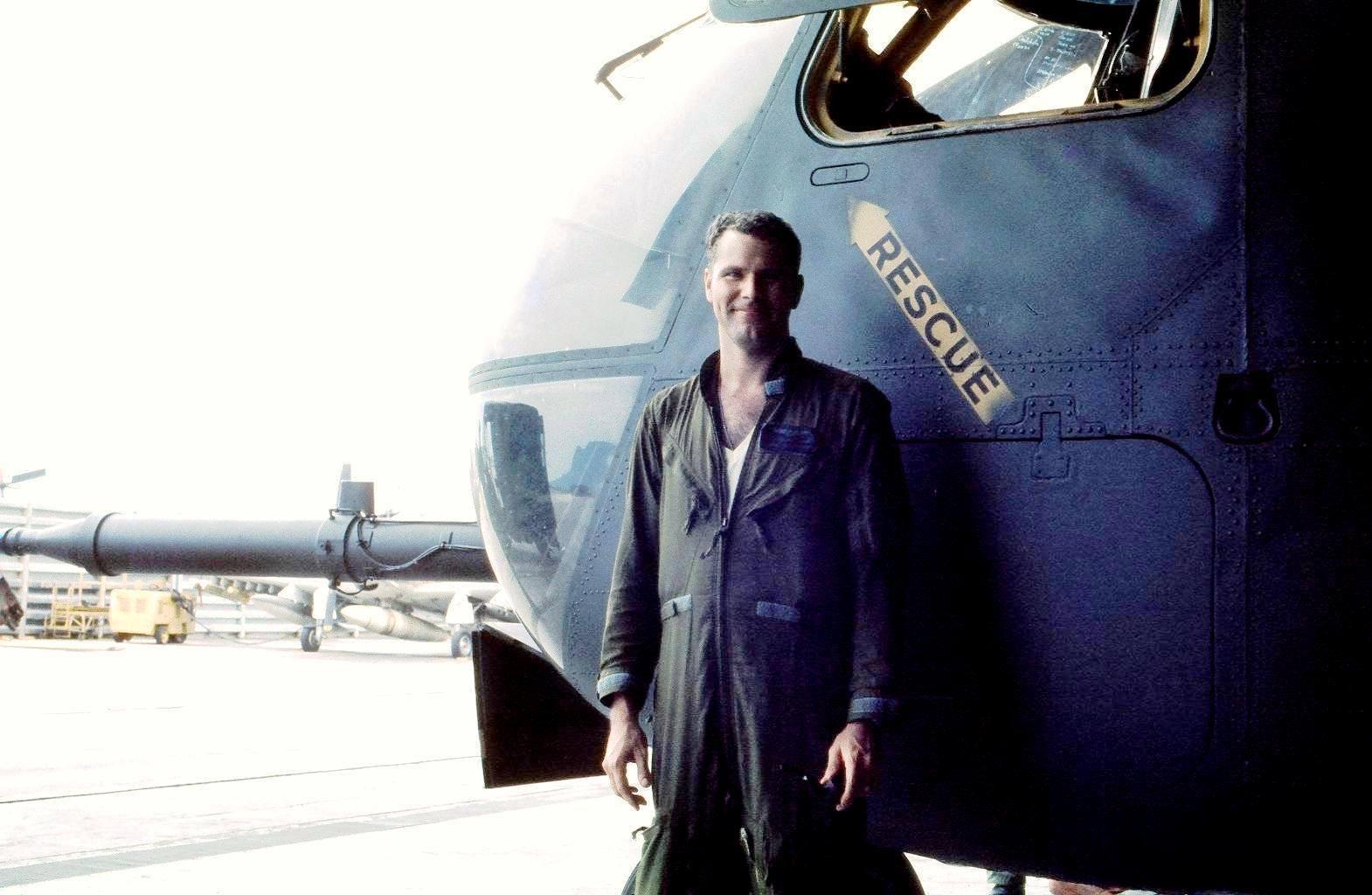
 During his 30-year career with the Coast Guard, CAPT Crowe was recognized as a respected leader, a skilled aviator and a decorated hero during and after the Vietnam War.

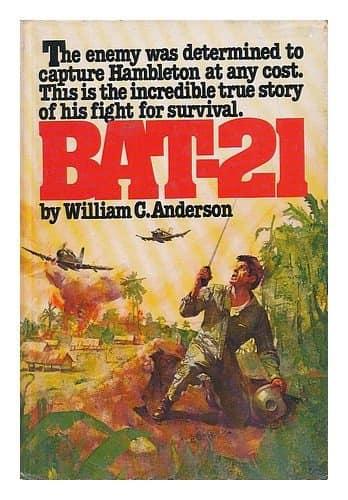
Between 1968 and 1972, ten Coast Guard helicopter pilots were assigned to the 37th Aerospace Rescue and Recovery Squadron at Da Nang, South Vietnam as part of a service exchange program.  LCDR Crowe and his fellow Coast Guard aviators flew hundreds of rescue missions over enemy-infested jungles recovering downed American airmen. Their actions kept many pilots out of North Vietnamese prison camps.  During his tour in Vietnam, LCDR Crowe earned two Distinguished Flying Crosses and nine Air Medals.  One of LCDR Crowe’s combat search and rescue missions was immortalized in William C. Anderson’s famous book BAT-21 (also a very good movie–Chuck):

“Coast Guard Lieutenant Commander Jay Crowe, with additional aircraft cover, broke through the clouds and began a rapid descent towards the area where Lieutenant Colonel Hambleton waited. He was met by an immediate curtain of enemy fire, hurled against him with an intensity that defied belief. Enemy rounds literally shredded “Jolly Green 65”, and it was only the courage and flying skill of the Coast Guard pilot that enabled the chopper to stay airborne long enough to return to base.”

Finally, toward the end of his Vietnam tour, LCDR Crowe was moved into rescue planning because he excelled at it.  Following the 1972 Easter Offensive, LCDR Crowe planned the complex “Quang Tri Citadel” evacuation that saved 132 American advisors and South Vietnamese soldiers caught in the onslaught and surrounded by four North Vietnam Army divisions that were pounding the Citadel with artillery, mortars, and rockets for several weeks. The potential for disaster was as great as the potential for success – losses greater than 25% were expected.  Using elements from the Air Force, Army, Marine Corps and the Navy, all 132 people were evacuated without one bit of battle damage to any of the five HH-53C helicopters.

During his first tour at Air Station Cape Cod, LCDR Crowe earned notoriety as the 1976 recipient of the American Helicopter Society’s (AHS) Frederick L. Feinberg Award as the helicopter pilot who accomplished the most outstanding achievement that year.  LCDR Crowe rescued seven men stranded on the bow section of the stricken tanker Spartan Lady about 145 miles south of Martha’s Vineyard.  Thirty-five men were pulled from the tanker, which had broken in half in hurricane force winds, by four Coast Guard helicopters.  LCDR Crowe arrived on-scene after several attempts by other helicopter crews had failed to rescue the seven men.  According to eyewitness reports, it appeared the men were virtually unreachable.  Weather conditions included hurricane force winds, blowing snow, high seas and limited visibility.  For 45 minutes, LCDR Crowe and his crew improvised rescue methods to a very limited hoisting area until they were finally able to pull each man aboard.  In addition to the AHS award, LCDR Crowe was decorated with his third Distinguished Flying Cross.

Tanker MV Spartan Lady about 145 miles south of Martha’s Vineyard.

CAPT Crowe served two tours at Air Station Cape Cod.  His tour as Commanding Officer (1986 to 1988) was highlighted by marked increases in the unit’s operational and personnel support capabilities – capabilities that still benefit Air Station Cape Cod today.  Under CAPT Crowe’s leadership the unit extended its normal operating area to Canada, the Caribbean and the Bahamas, supporting a record 857 aircraft deployment days.  In addition, the unit also implemented its Rescue Swimmer program well ahead of schedule and led efforts in the advancement of night LE activities and secure communications gear. CAPT Crowe oversaw several quality of life and support improvements including the construction of a new hangar (Building 3172) that brought fixed-wing maintenance operations back from a loaned hangar and the opening of the Kaehler Memorial Clinic – which significantly increased the level of patient care available to Cape Cod military personnel.

CAPT Crowe is a Coast Guard hero.  The word “hero” is often overused, but CAPT Crowe earned the title several times over.  In times of war and peace, he demonstrated uncommon valor in the face of great personal risk.  CAPT Crowe made enduring contributions to the Coast Guard and our Nation.

CAPT Crowe passed away at age 62, in his home in Port Angeles, WA on 22 February 2003 from complications relating to lung-cancer that doctors linked his cancer to service in Vietnam.

USS/USCGC Chincoteague (AVP-24/WAVP/WHEC-375)/RVNS Lý Thường Kiệt (HQ-16)/RPS Andrés Bonifacio (PF-7)

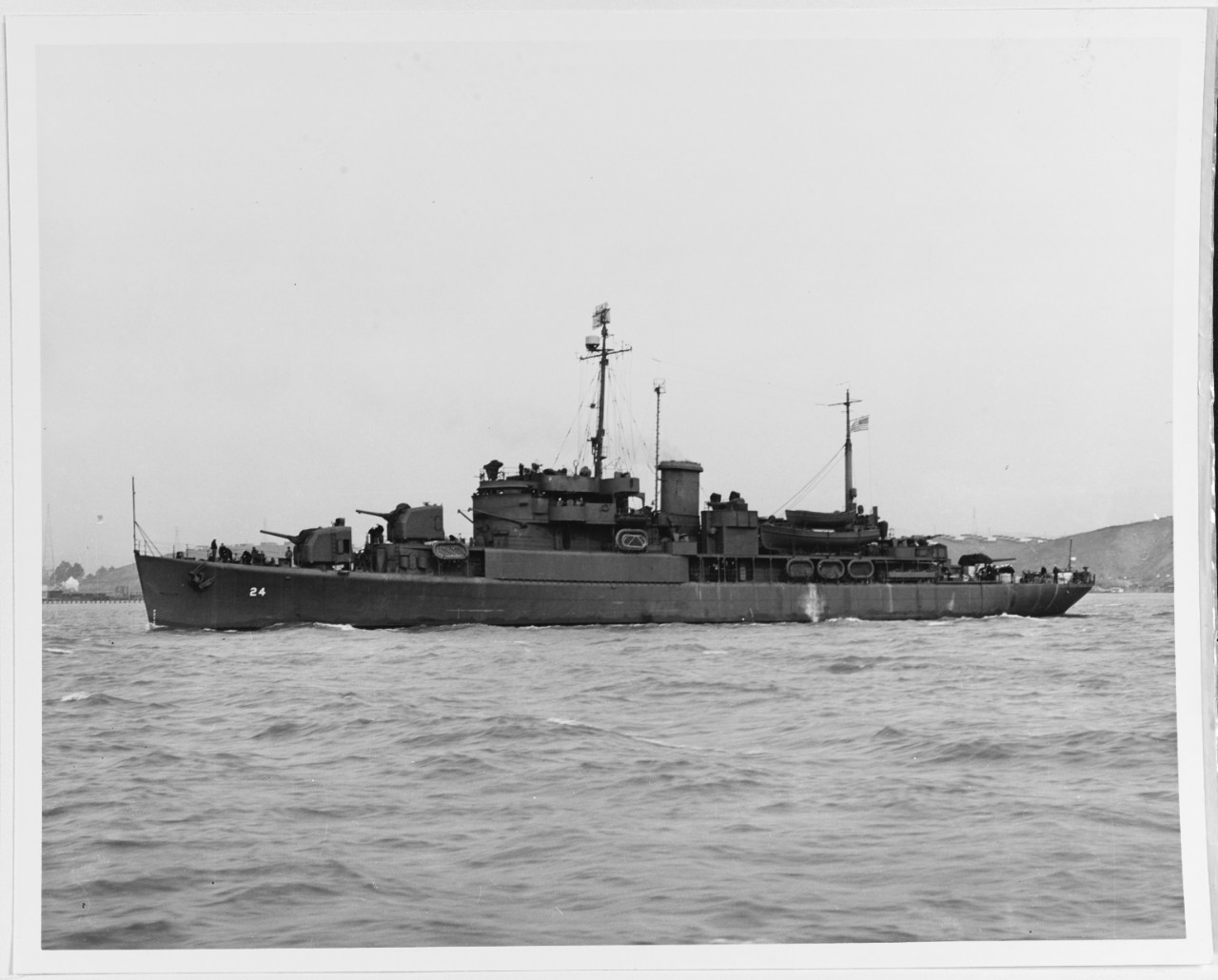
Title: USS Chincoteague (AVP-24) Photographed on 27 December 1943 off the Mare Island Navy Yard following repairs to severe battle damage incurred in July 1943. One of the four 5/38 guns in her original armament has been replaced by a quadruple 40mm mount. Photograph from the Bureau of Ships Collection  in the U.S. National Archives. Catalog #: 19-N-57482

Recently finished reading “USS Chincoteague the Ship That Wouldn’t Sink” by Frank D. Murphy. It is a small, large print book, the first-person story of a young sailor, then 19, and his first ship, a newly commissioned small seaplane tender, USS Chincoteague, that endured eleven air attacks 16-17 July 1943, only three months after she had been commissioned.

I had a personal interest because my first ship, USCGC McCulloch, the former USS Wachapreague, was also Barnegat class ship.

The attacks on Chincoteague were during a period when the US was moving up the Soloman Island Chain. The Allies had invaded New Georgia, but the fighting was heavy, and the Japanese were making a strong effort to push the allies off the island.
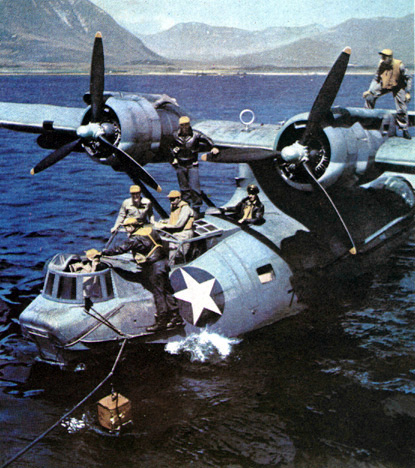
Consolidated PBY-5A Catalina. US Navy photo.

USS Chincoteague was anchored in Sabot Bay, Santa Cruz Islands, Southeast of the Soloman Islands, servicing a squadron PBY patrol planes when the attacks began. When an attack was expected she would get underway to maneuver. Between attacks she would return to service her brood of sea planes.

Attacks on the 16th caused only minor fragment damage. During attacks on the 17th, she received two damaging near misses that caused flooding and fires, then a direct bomb hit that wrecked the after engineroom killing ten crew members, followed by another near miss that dented the hull and knocked the remaining engines offline. Dead in the water, having taken on 663 tons of water, she had a negative GM, and was listing 12 to 18 degrees, it looked as if she would be sunk by the eleventh attack when four Marine Corsairs arrived splashing three of the attackers and driving off the fourth.

After repairs to the forward engineroom, which powered the starboard shaft, the ship got underway at 2350, but at 0245 on the 18th one of the engines was overheating. In an attempt to deal with the overheating, control of the engine was lost, and it ran away in spite of a closed throttle, causing a severe fire that forced the crew to abandon the engineroom.

The ship was taken in tow and, after temporary repairs at Espiritu Santo, was towed by to the West Coast where complete repairs were made including addition of eight 40 mm anti-aircraft guns and additional 20 mm guns. Ultimately, she would earn six battle stars.

You can read the full original damage report here.
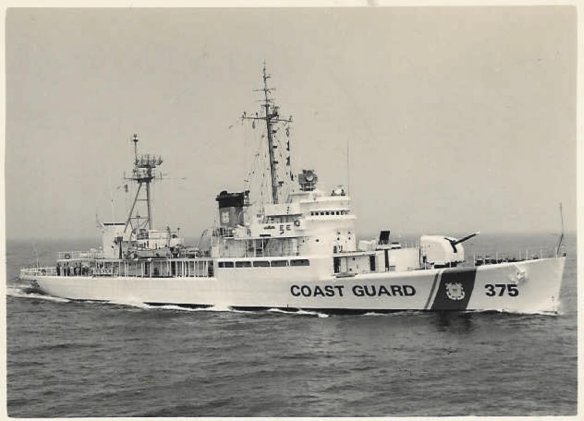
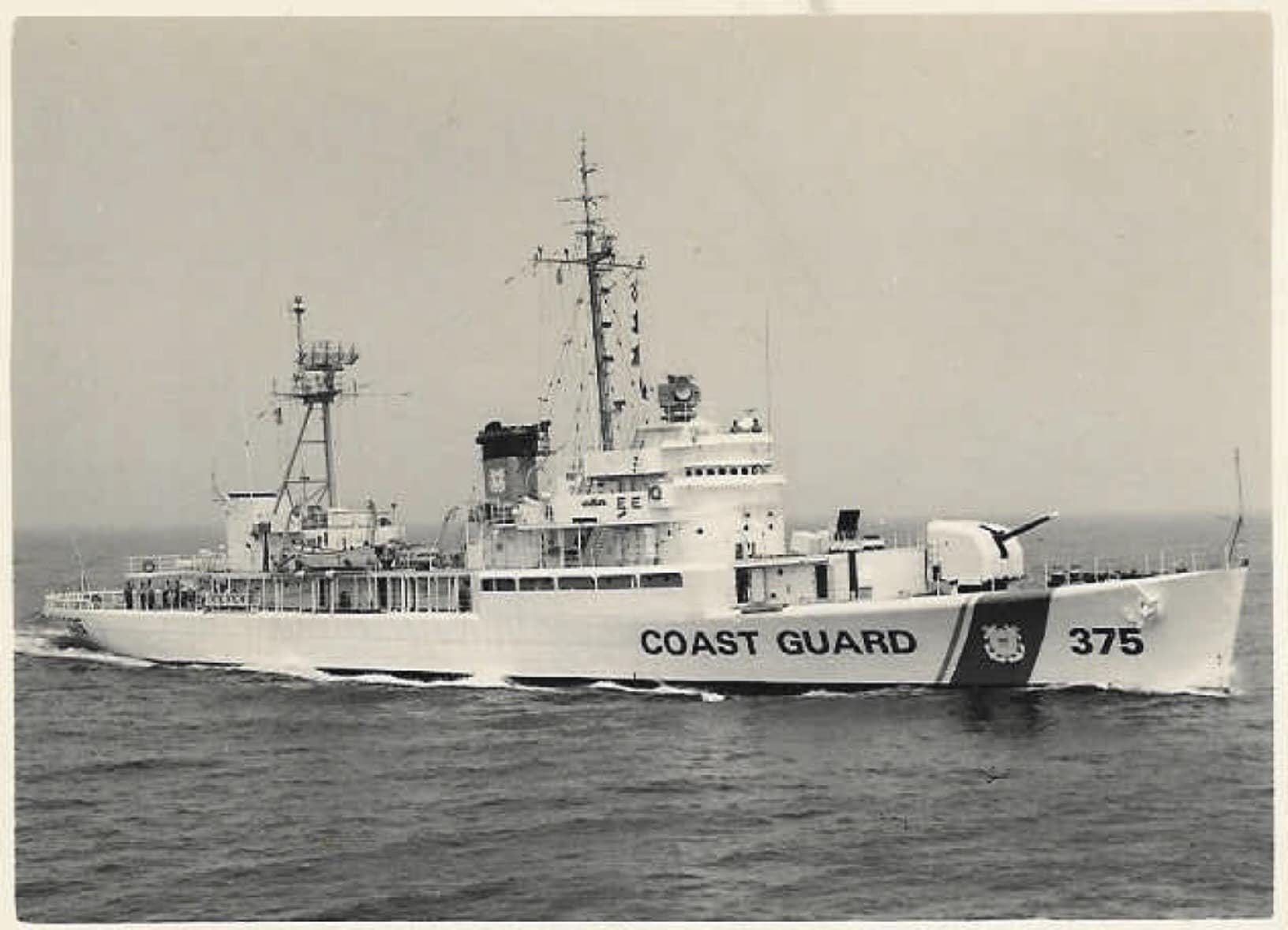
USCGC Chincoteague (WHEC-375) seen here late in her service with the Coast Guard, armed with a single 5″/38, Mk 56 Gun Fire Control System, torpedo tubes for ASW torpedoes, and Hedgehog ASW mortar.

In the 1940s Chincoteague and 17 of here sisters were transferred to the Coast Guard, where they primarily served as weather ships on a number of “Ocean Stations.” In Coast Guard service, these were referred to as the Casco Class.
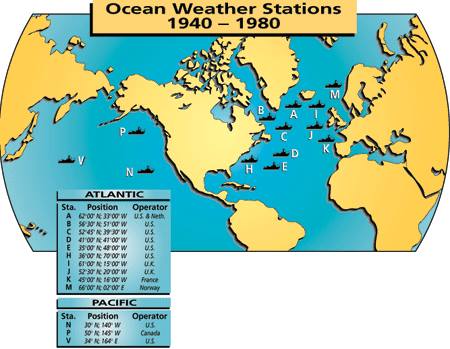
As part of “Vietnamization” Chincoteague and six of her sister Coast Guard cutters were turned over to the South Vietnamese.

After being turned over to the South Vietnamese, the former Chincoteague, along with another former Coast Guard cutter of her class and two former US Navy ships fought the Chinese Navy in the “Battle of the Paracel Islands,” 16 January 1974.

RVNS Lý Thường Kiệt (HQ-16), the former USCGC Chincoteague

As the South Vietnamese government collapsed, the former Chincoteague along with five other ships of the class (the former Yakutat, Bering Strait, Castle Rock, Cook Inlet, and McCulloch) crowded with hundreds of refugees made their way to the Philippines. In 1976 these ships were turned over to the Philippine Navy as the Andrés Bonifacio class, with four of them commissioned and two (the former Yakutat and Cook Inlet) retained to provide spare parts. They remained in service until at least 1985.

The former USS/USCGC Absecon continued in service with the Vietnamese People’s Navy perhaps as late as 2000 and was probably the only Barnegat class ship ever armed with guided missiles, the SS-N-2 Styx and the SA-N-5 Grail.

Boom Defense, Everything Old is New Again

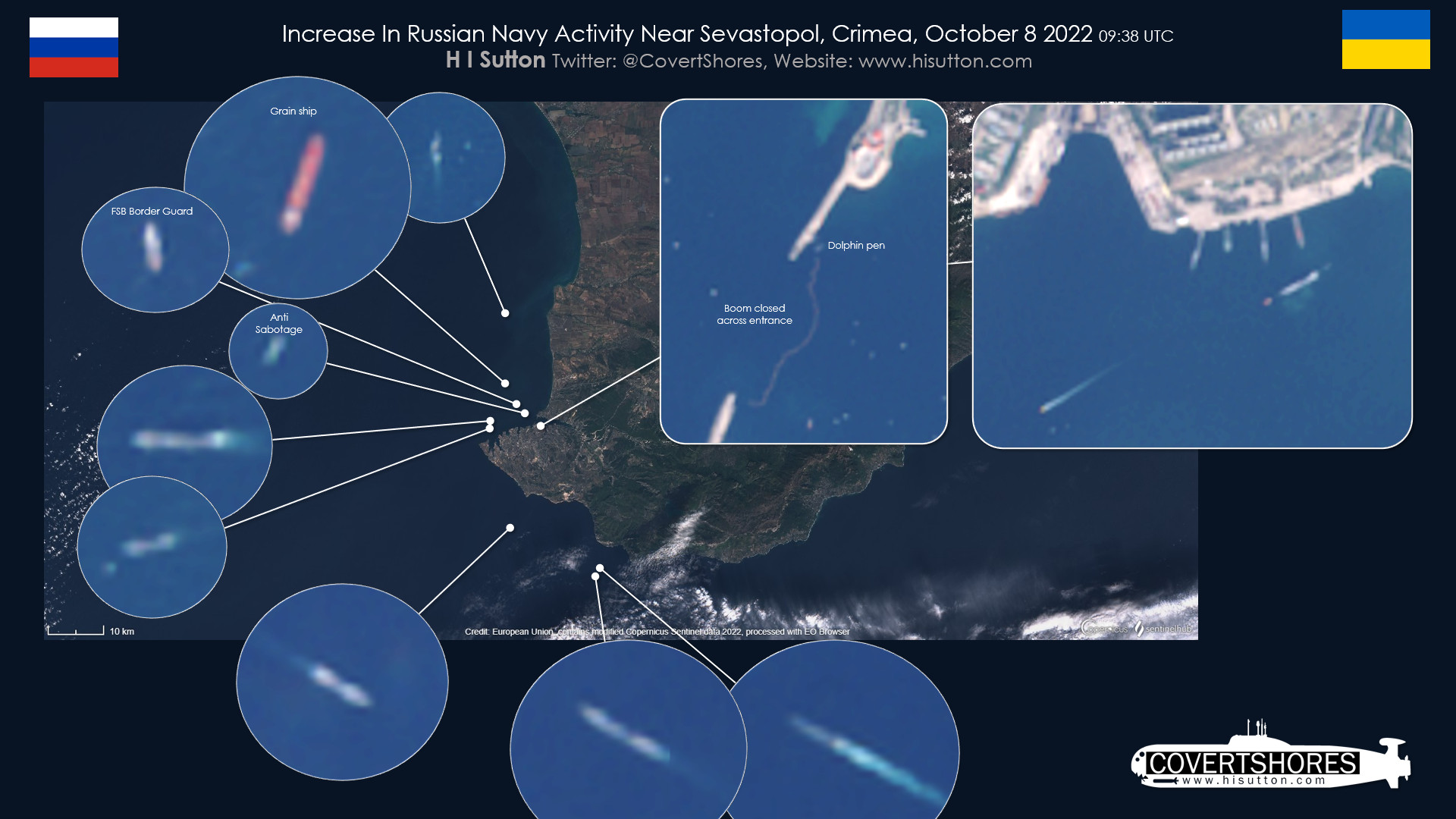
A little footnote on the War in Ukraine. This is from Covert Shores “Attack On Kerch Bridge: Initial Geolocation Of Damage.” A section at the bottom of the post is a look at increased Russian activity after the attack on the bridge.

Take a look at the detail picture of the harbor, above, top, near the center, second from the right. The thin wavy line is a boom or net accross the entrence to Sevastopol harbor.

Steel floats for anti-submarine nets, 1953

Anti-submarine nets were common during WWII, and booms go back to at least the American Revolution if not to antiquity. This may be in response to Ukraine’s apparent use of unmanned surface vessels. I have seen some barriers deployed around aircraft carriers moored at North Island in San Diego.

What does this have to do with the Coast Guard? Buoy tenders were commonly used as Net Tenders during WWII, opening and closing the anti-submarine nets.

Armed unmanned surface and subsurface vehicles are providing a new reason to deploy nets and barriers. We may see a return of these systems.

“Lantern room lifted off Scituate Lighthouse as $2 million restoration begins” –The Patriot Ledger

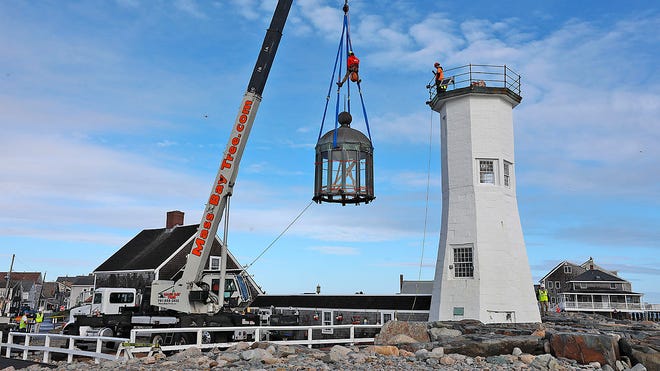
The top of  the Scituate Lighthouse is removed to make way for a replacement Thursday, Oct. 6, 2022.

Photo by Gregg Derr/The Patriot Ledger

Report of an historic lighthouse preservation effort from The Patriot Ledger.

The lantern room of the Scituate Lighthouse was removed Thursday morning after preservation experts discovered the iron columns connecting the room to the tower are severely corroded…The lantern room of the 211-year-old lighthouse will be completely rebuilt through a $2 million project paid for by the Scituate Community Preservation Fund. The work includes putting in a new frame, new window frames, new copper cladding and glazing.

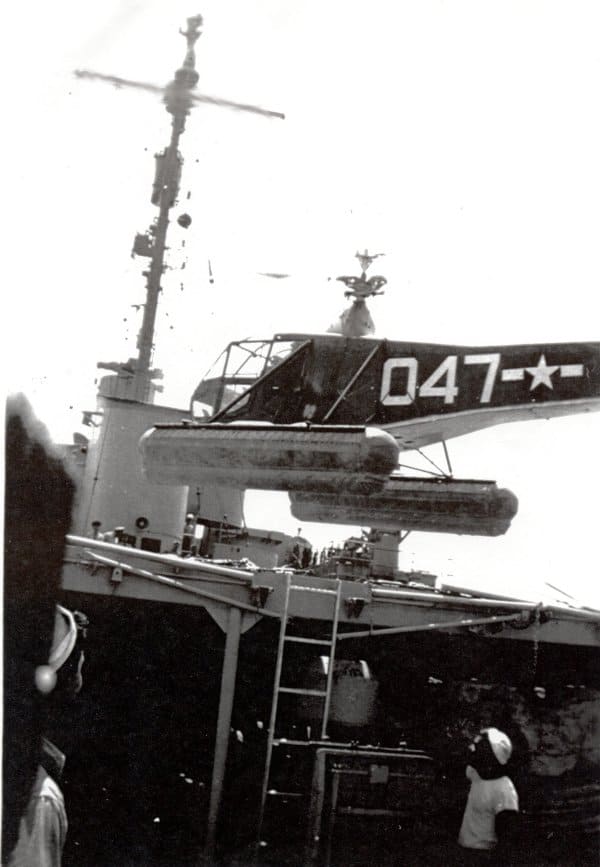
The Very First US Naval Helicopters and Their Coast Guard Pilot

CDR Frank Erickson, USCG, the first US Naval Aviation helicopter pilot.

I am sharing a post written by Coast Guard Aviator, Capt. Sean M. Cross, that appeared on his Facebook Page. Captain Cross’s Facebook page provides daily stories about Coast Guard aviation history. I have a bit of a personal connection, because his dad, former Vice Commandant, VAdm. Terry M. Cross, USCG (ret.), served with me, on my first active duty station, USCGC McCulloch. Even then, it was clear he was a standout.


TODAY IN COAST GUARD AVIATION HISTORY – 03 SEPTEMBER 1943: On 3 September, the U.S. Navy Chief of the Bureau of Aeronautics requested that Coast Guard CDR Frank Erickson, who was assigned to the Sikorsky Factory in Bridgeport, CT, prepare a weekly report for the Bureau outlining the progress made on various model helicopters, estimates of completion, trial and delivery dates; and in addition, such other technical information determined from time to time which had or may have a bearing on present or future operations of this type aircraft.
[Some excerpts from “1943: Coast Guard Assigned the Sea-going Development of the Helicopter” on the Coast Guard Aviation History website] This arrangement came about because U.S. Navy CDR Charles Booth, the naval aviator in the initial helicopter training class at Sikorsky, was involved in moving the Navy’s flight test facility from NAS Anacostia to the Naval Test Center at Patuxent River, Maryland and as a result had not followed through on his qualification. Erickson thus remained the only naval aviator qualified in the helicopter. Hence, in the summer of 1943 Erickson had taken charge of the Navy’s helicopter development program.
Erickson submitted his first report on 18 September. It noted that the YR-4s for the joint evaluation program were on schedule. The two British helicopters had been completed but had not yet been delivered because of rotor problems. He further stated the problems were being addressed. On 25 September a YR-4A was released to the British. On October 16, 1943 – the U.S. Navy accepted its first helicopter, a Sikorsky YR-4B, Navy designation XHNS-1, BuNo 46445, at Bridgeport, Connecticut. However, and this is rich, Coast Guard LCDR Frank Erickson, CGA ’31 flew the one-hour acceptance test flight because the Navy had no helicopter pilots. I will admit – they were pretty busy fighting WWII and winning.
Regardless, the Navy celebrates 16 October as the Birthday of Navy Helicopter Aviation^^^. CDR Charles T. Booth, USN, went to Bridgeport to qualify as a helicopter pilot and to fly the XHNS-1 to the Naval Air Test Center (NATC), NAS Patuxent River, MD. CDR Booth was the first U.S. Navy Officer to become qualified to fly helicopters.
With the acceptance of two additional helicopters at the end of October 1943, the Sikorsky facilities became very crowded. Erickson sought to transfer all operation to Coast Guard Air Station Brooklyn at Floyd Bennett Field. The Chief of Naval Operations approved and designated the Coast Guard Air Station Brooklyn as the Helicopter Training and Development Base. On 20 November, LCDR John Miller, USN and LTJG Stewart Graham, USCG completed flight training. Graham received Coast Guard Helicopter Pilot Designation Number Two.
[NOTE: the Coast Guard celebrates this anniversary on 15 June 1943 when LCDR Erickson was designated Coast Guard Helicopter Pilot #1 at the Sikorsky Aircraft plant]

“Coast Guard, other agencies to remove 2 abandoned vessels from Columbia River in Portland, Ore.” –One of Them Is a Former US Coast Guard Cutter

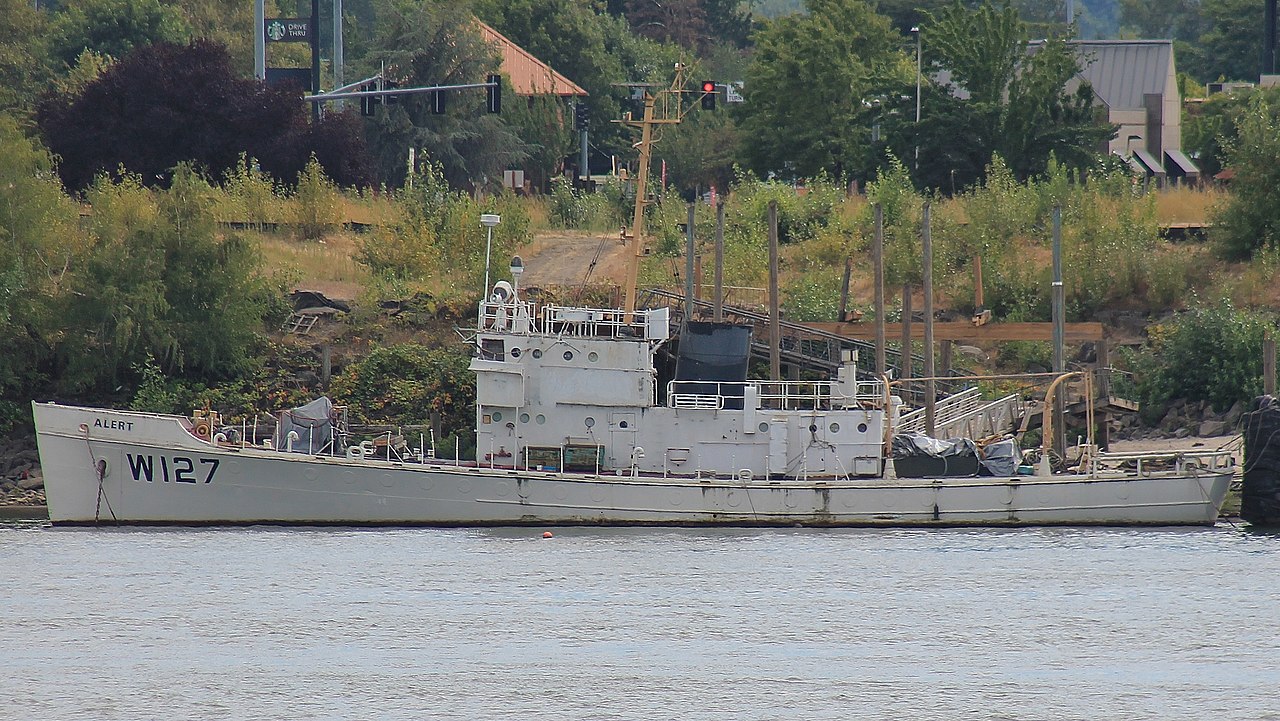
The Active-class cutter USCGC Alert (WMEC-127) moored on the Columbia River, by Hayden Island in Portland, Oregon. Seen on 14 August 2019. Photo from Wikipedia by godsfriendchuck.

Just saw this news release and realized they were talking about the former USCGC Alert (WMEC-127). We talked about this ship and its unfortunate post Coast Guard history earlier including a lot of information in the comments.

Since this was what passed for a WMEC when I entered the academy in 1965, you can see why I sometimes see the Webber class FRCs as MECs. The FRCs have more freeboard.

News Release

U.S. Coast Guard 13th District PA Detachment Astoria

Coast Guard, other agencies to remove 2 abandoned vessels from Columbia River in Portland, Ore.

PORTLAND, Ore. – The Coast Guard and other agencies have approved a plan Wednesday to remove two abandoned vessels from the Columbia River in Portland.

The vessels Alert, a 125-foot vessel, and Sakarissa, a 100-foot vessel, are currently sunk off Hayden Island. They are adjacent to the Interstate 5 Bridge and a mile upriver from the Burlington Northern Santa Fe (BNSF) railroad bridge.

Due to hull deterioration and oil saturation of the vessels’ interiors, they have been discharging a sheen into the waterway. They also pose a collision hazard for vessels operating outside the navigation channel.

“Even though the Coast Guard oversaw the removal of thousands of gallons of diesel and oily water from these vessels in 2020, they still pose a risk,” said L.t. Lisa Siebert, the Incident Management Division Supervisor at Coast Guard Sector Columbia River – Detachment Portland. “We have worked closely with our State and local partners to develop an integrated plan to remove these vessels and protect the public and the environment.”

This project will be funded in two phases. During the first phase, the Coast Guard plans to use the Oil Spill Liability Trust Fund (OSLTF) to raise the vessels and transport them to a facility in order to safely pump any remaining oil waste product from the vessels. During the second phase, the Oregon Department of State Lands, with funding support from Metro, is scheduled to assume custody of the vessels for final disposal.

The Coast Guard was granted authorization to access the OSLTF for $1 million for its phase of the project. There is currently a ceiling amount of $500,000 for each vessel. This amount is determined for the response based on anticipated obligations. Since this is just an estimate, this ceiling is subject to change during the response.

The Coast Guard plans to begin operations in early September, starting with dive assessments to determine the safest way to raise and transport the two vessels. The Coast Guard plans to conduct operations to raise the vessels throughout the month of September. 

“These plans are preliminary and we will continuously assess our plan and make adjustments if needed,” Siebert said. “Throughout this response, the safety of the public and responders will remain our top priority.”

During project activities, the immediate vicinity of the area will be closed to public access.

“I’m incredibly happy our partnerships and hard work resulted in a much-needed plan to remove these vessels,” Siebert said. “This project is truly a team effort and we can’t do it alone.”

Involved in developing the plan were the Coast Guard, Oregon Department of State Lands, Metro, Oregon Department of Environmental Quality, and the National Oceanic and Atmospheric Administration.

For the most up-to-date information about this project, follow us on Twitter at @USCGPacificNW.