
SARWET origin of rescue swimmer
Great story about how a great idea from the ranks got delayed and almost lost.
Don’t miss it. Great lessons could be learned from this.

SARWET origin of rescue swimmer
Great story about how a great idea from the ranks got delayed and almost lost.
Don’t miss it. Great lessons could be learned from this.
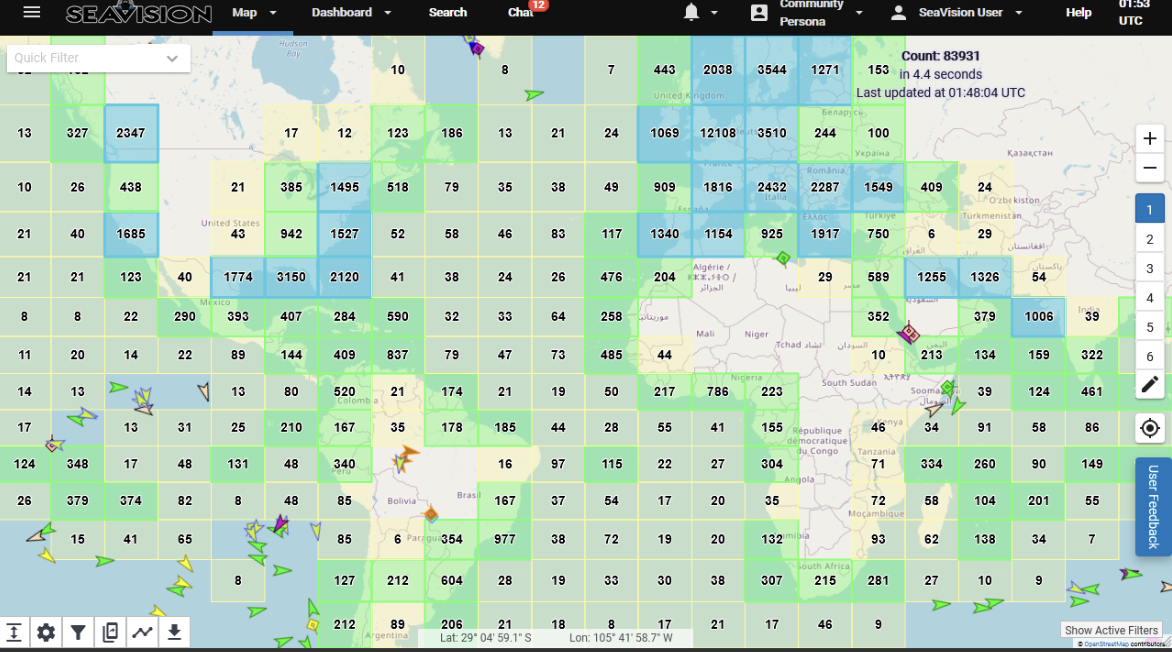
SeaVision
I have long felt the Coast Guard should be a partner in a Maritime Domain Awareness (MDA) program along with the Navy. AMVER is really a sort of MDA, but includes only those that want to be included. It could be an input to a more complete system.
I was surprised to find that DOT already maintains, SeaVision, an unclassified MDA system in partnership with US Fleet Forces Command, Naval Information Warfare System Pacific, and Battlespace Awareness and Information Operations (PMW120) (the SeaVision Team). The Coast Guard is notably absent though I have to believe the Coast Guard is providing information.
Reportedly SeaVision has over 5,000 active users from 120 partner nations.
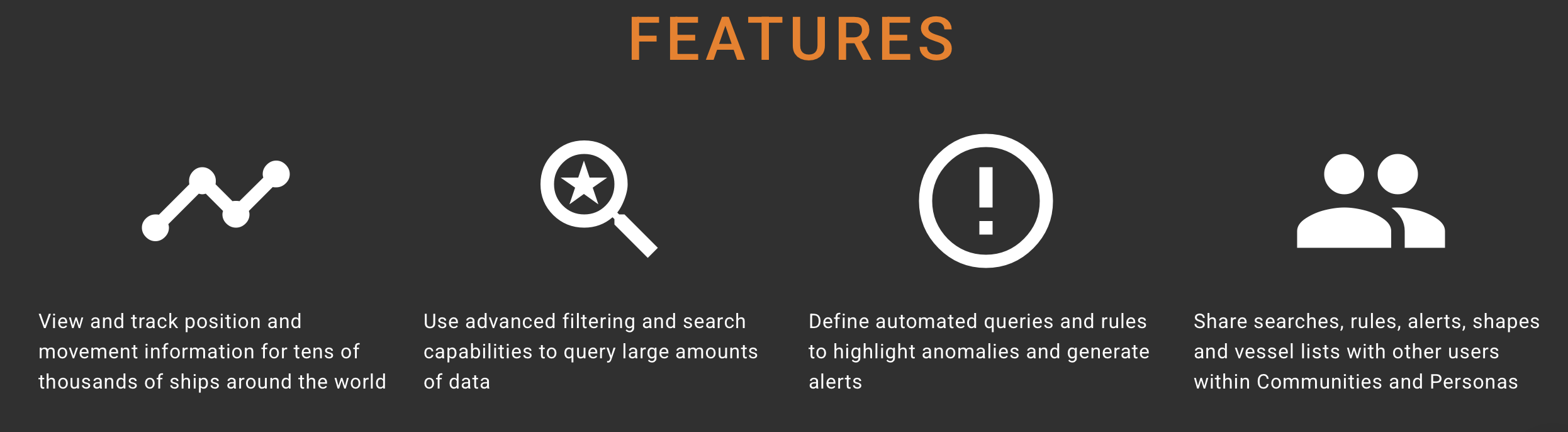
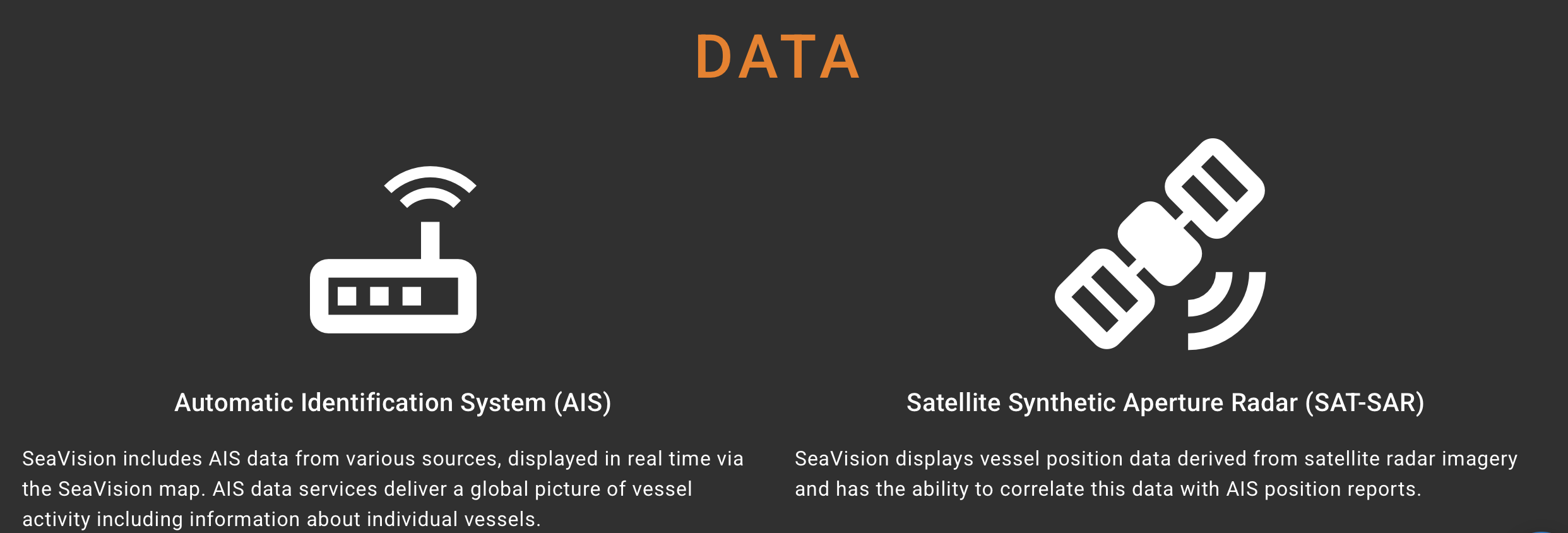
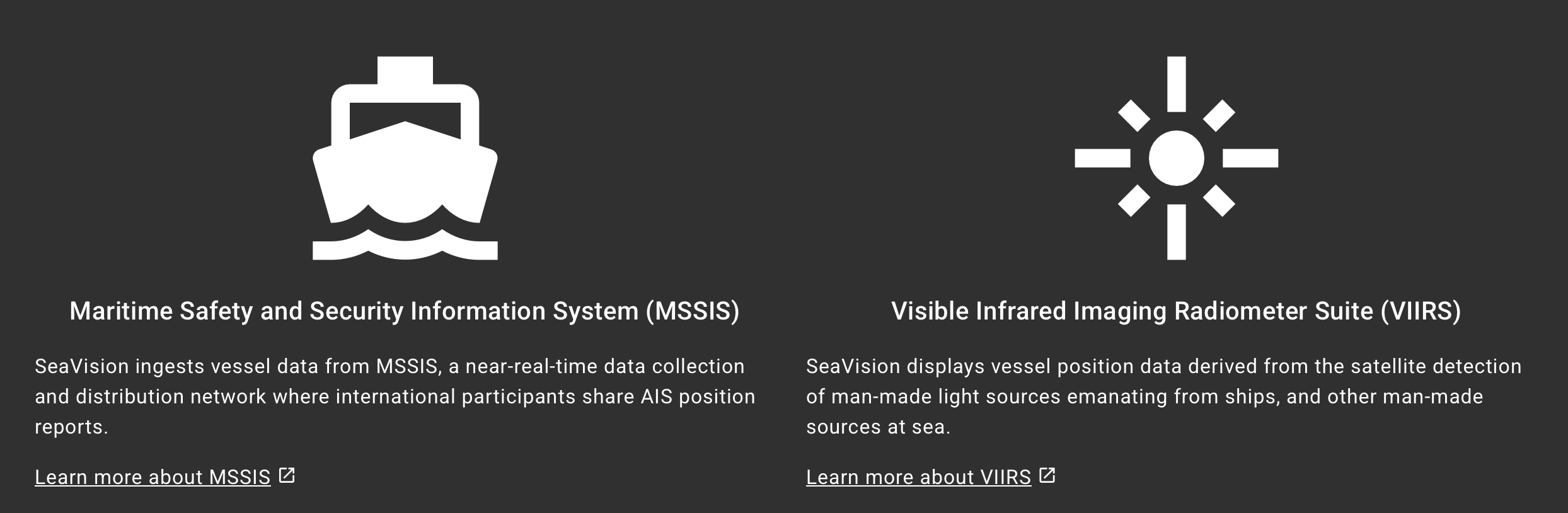
Below are screen grabs of its claimed features and data.
Vermilion Parish
“SpaceX said August 25 that it plans to invest $100 billion in a massive new launch facility on Louisiana’s Gulf Coast, a development that could bring a new type of industrial activity to the state’s working coast and eventually require coordination between space operations and marine traffic in the Gulf.
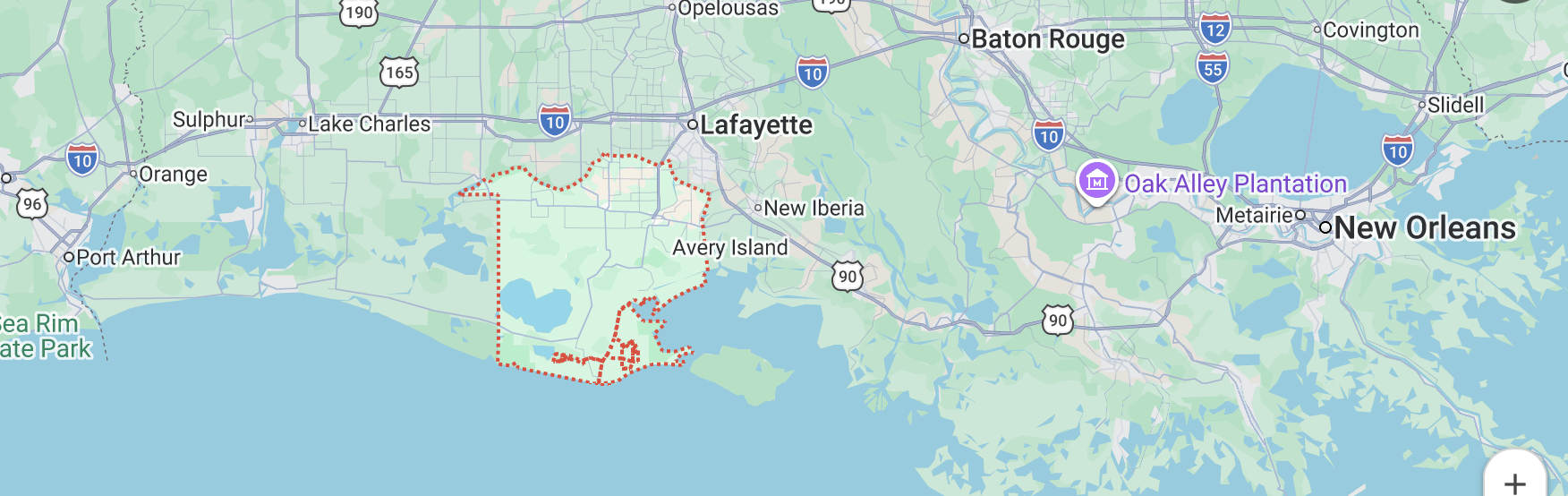
“The company plans to develop the 125,000-acre site in Vermilion Parish as its fourth and largest launch facility, with the capacity to support thousands of launches annually. (emphasis applied–Chuck) Construction is expected to begin in 2027, with the first launch targeted for as early as 2029.
This might be important.
The report notes, “…barge transportation has also been identified as one of the logistical advantages of the location…The U.S. Coast Guard already works with the Federal Aviation Administration, NASA and commercial space operators, including SpaceX, to address risks that launch operations can pose to vessels and navigable waters. Depending on the location and trajectory of a launch, those measures can include temporary safety or restricted areas and notices advising mariners of potential hazards.”
When I first heard about this, I was worried that it might impact traffic on the Mississippi, but looks like that is unlikely given the geography.
Will the Coast Guard need to provide waterside security? If so the nearest WPCs are based in Galveston, TX and Pascagoula, Mississippi. The Navy League 2026 Almanac tells me USCGC Yellowfin (WPB-87319) is in Abbevile, LA. That is within the Parish.
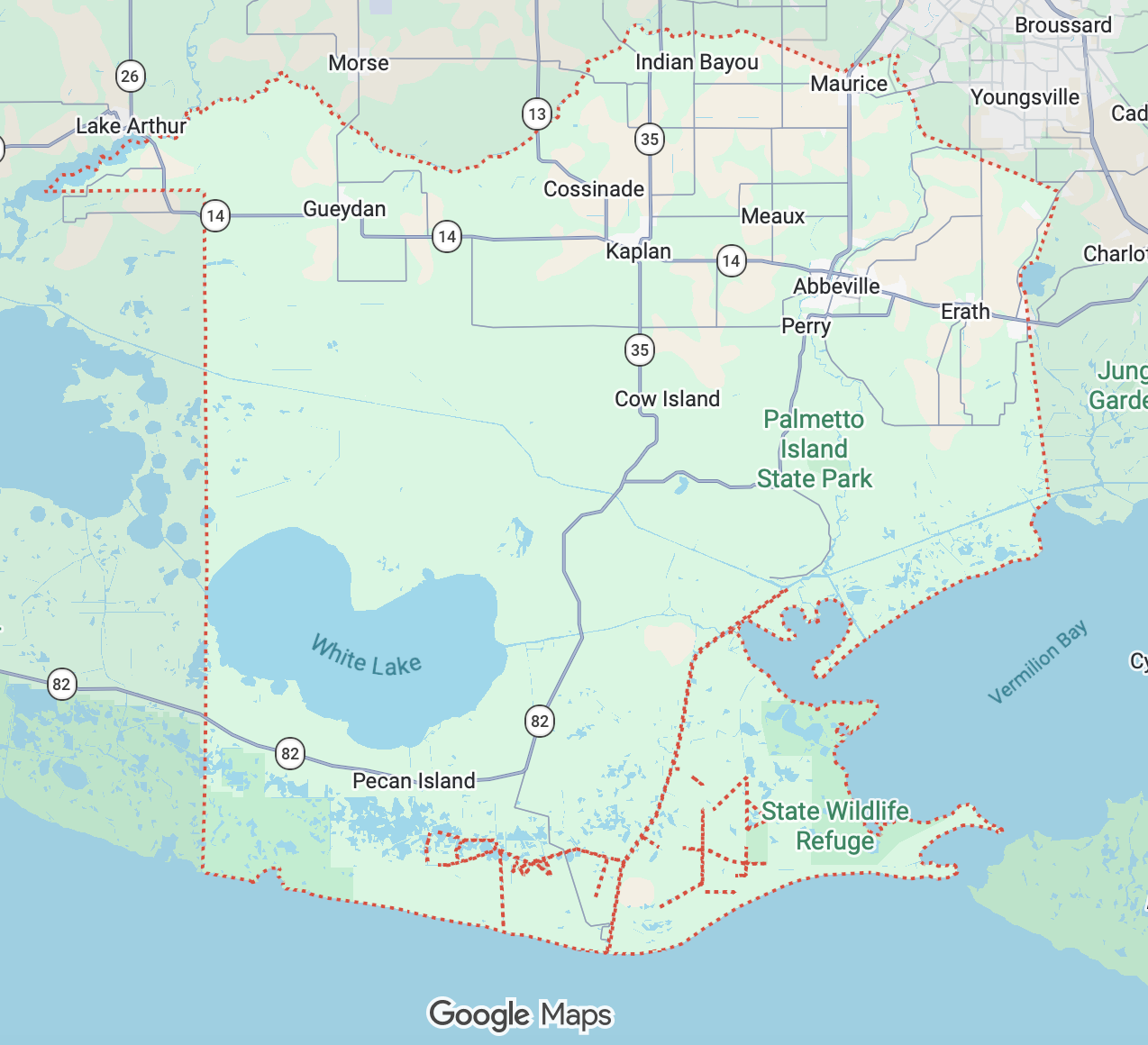
Vermilion Parish: The parish seat is Abbeville. Vermilion Parish is part of the Lafayette metropolitan statistical area, and located in southern Acadiana. At the 2020 U.S. census, the population was 57,359.
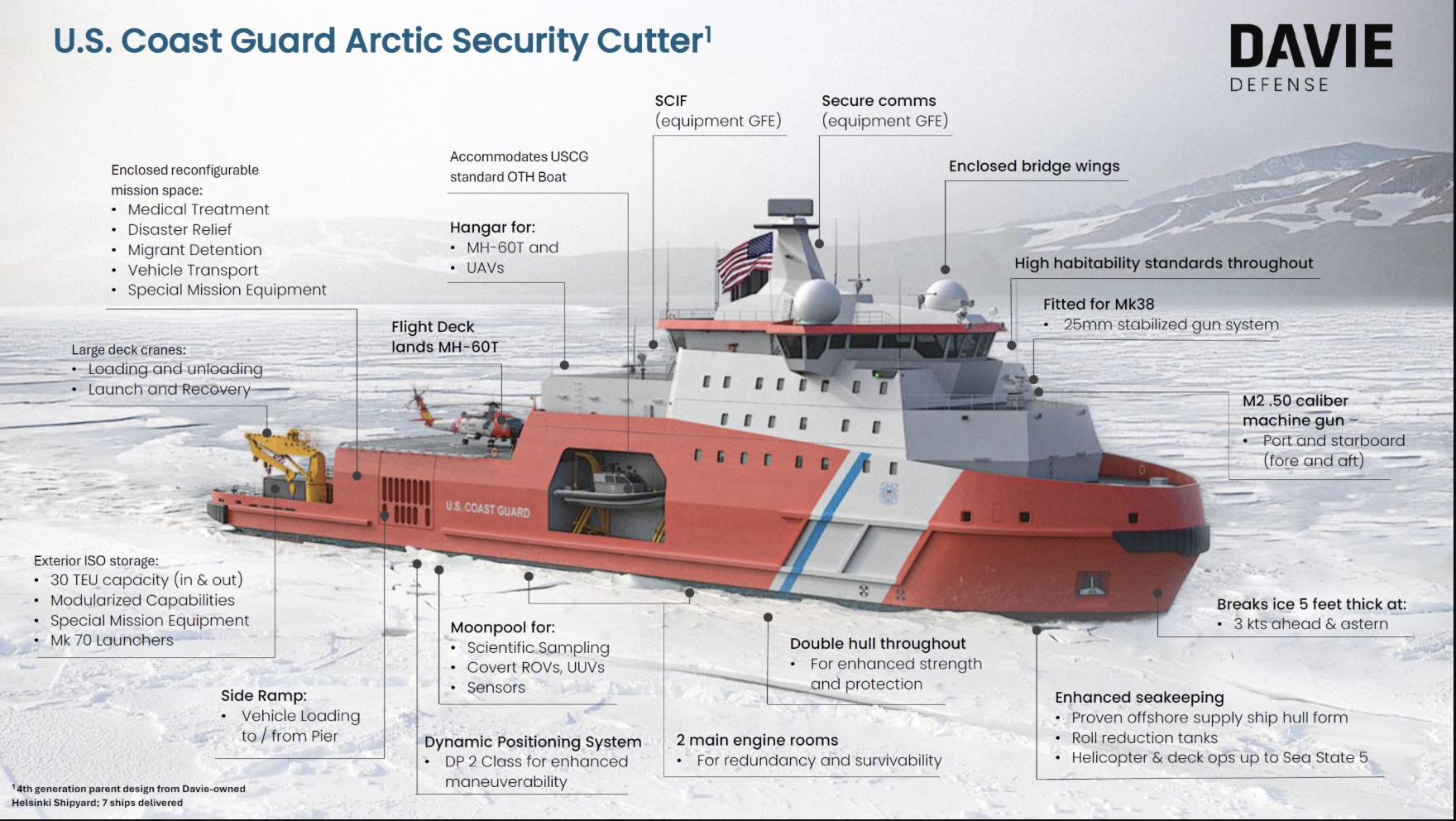
Davie/Helsinki Arctic Security Cutter ASC. Click on the photo to enlarge.
Sixty Degrees North provides an excellent review of the Davie/Helsinki Shipyard version of the Arctic Security Cutter design, including a history of the previous ships that provided the basis of the design.
The post includes some details I had not previously seen.
The ships will be provided with a SCIF, “Sensitive Compartmented Information Facility.”
It also appears, from the graphic, they will have a multi-mode radar.
Armament will reportedly include a 25mm Mk38 (upgradable to 57mm) and 4 x M2 .50cal mounts/remote weapons stations. The mention of remote weapon stations (RWS) is encouraging. Requiring a crew to stand out in the open in the Arctic for long periods of time is probably not conducive to readiness. Plus the electro-optics on the RWS can be very useful for various missions. Still I would hope the main gun would have been a 30 X 173mm Bushmaster II Mk38 Mod 4 currently planned for the Polar Security Cutter. The Secondary armament for all large cutters should include something like the RWS used for the Army’s M-SHORAD that includes a 30 X 113mm M230 chain gun and short range missiles like Stinger, APKWS, Hellfire, or JAGM. Both versions of the 30mm offer air burst munitions while the 25mm does not. This would give the ships at least some protection against surface craft, drones, low flying aircraft, glide bombs, and cruise missiles. Replacing the Mk38 with a third such RWS in addition to two near the rear corners of the superstructure would provide good all round protection while simplifying training and logistics.
There was a suggestion that the Moon Pool might be used for ASW even in the ice.
“The design’s ‘standard’ moon pool intrigues me, as one criticism of armed icebreakers is that they cannot conduct Anti-Submarine Warfare (ASW) because icebreaking is so loud as to make SONAR systems useless. Absent the capability to detect and counter submarines, icebreakers will not survive long in combat. Deploying ASW UUVs (or even ROVs) via a moon pool may challenge that criticism in the future.”
The most surprising thing was the suggestion that these ships could host Mk70 containerized missile launch systems, providing the equivalent 16 Mk41 Vertical Launch Systems. (See the rendering below.) This seems like an answer to the similar sized Russian Project 23550 icebreaker which when first revealed the model of the ship had two containerized CLUB-K missile systems on the stern, but in fact we have not yet seen any icebreaker equipped this way. Basically any ship that has room for containers in an open area can do this, including putting them on the flight deck.

Rendering of the MPPS ASC version showing four MK70 launchers (16 VLS cells) and a cargo handling crane. (Image: Davie Defense)

USCGC Pablo Valent (WPC-1148), the only WPC currently based in St. Petersburg. There are also two WMEC210s based in St. Petersburg, Resolute and Venturous.
Below is a Headquarters news release. St. Petersburg is a bit unusual as a Webber class WPC base in that it only has one WPC while in most places three or more cutters are based together, to provide near 365 day/year readiness.
District SE already has 20 WPCs but only one is on the Gulf side of the Peninsula, the other 19 are based in Miami, Key West, and San Juan, PR.
We will almost certainly see two more added. Will the additional WPCs replace the two WMEC210s or will they be replaced by OPCs based at St. Pete?
WASHINGTON – The U.S. Coast Guard awarded a $60 million contract on Aug. 13, 2026, to repair, recapitalize and improve waterfront facilities at Sector St. Petersburg in St. Petersburg, Florida.
The contract, awarded to Tutor Perini Corp. of Framingham, Massachusetts, will support the removal and rebuilding of facilities damaged by Hurricane Helene, as well as constructing new infrastructure to support future Fast Response Cutter operations.
The project, expected to be completed in summer 2028, will include:
“Investing in Sector St. Petersburg’s waterfront infrastructure is an investment in Coast Guard readiness,” said Capt. Courtney Sergent, commander, Sector St. Petersburg. “This project will restore storm-damaged facilities, modernize critical shore support, and give our crews the resilient infrastructure they need to operate, maintain, and deploy cutters along Florida’s Gulf Coast.”
Sector St. Petersburg is an essential homeport for Coast Guard cutters, which support Coast Guard missions to save lives; control, secure, and defend U.S. borders and maritime approaches; ensure the safe and secure flow of commerce; and respond to crises and contingencies that may come with little or no warning.
Improvements to Sector St. Petersburg are made possible by the Coast Guard’s historic $25 billion investment provided by the One Big Beautiful Bill Act, the American Relief Act of 2025, and other annual appropriations.
Using the $25 billion investment in the One Big Beautiful Bill Act, the largest capital investment in the Service’s history, the Coast Guard has already ordered over $15 billion in new assets and capabilities, critical depot maintenance, and shore facilities. This rapid investment demonstrates the Coast Guard’s commitment to modernizing acquisition, delivering next-generation technology, restoring readiness, and revitalizing shore infrastructure.
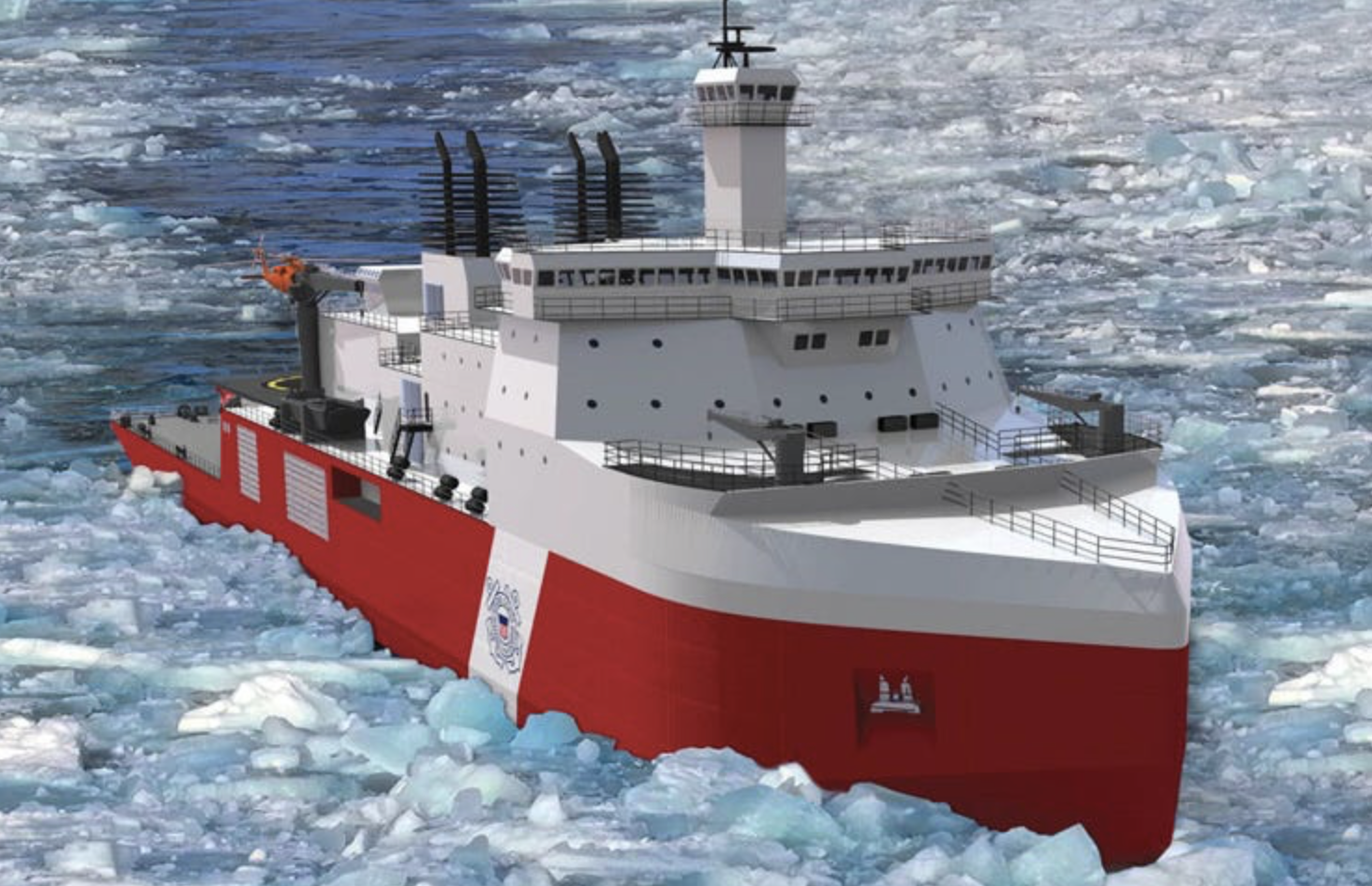
Artist’s rendering of the Polar Security Cutter: U.S. Coast Guard
Two recent articles provide updates on icebreaker programs currently underway.
First, “July 2026 U.S. Coast Guard Update Part Two: Procurement and Ports” from Sixty Degrees North provides an overview of all icebreaker programs, Polar Security Cutter, Arctic Security Cutter, and Homeland Security Cutter–Light Icebreaker, written by the Directory of Polar Intelligence for Davie Group. It also looks at future basing possibilities.
When all of the upgrades are complete, we will have the Polar Star (to be replaced by the PSCs) and Healy in Seattle, Storis in Juneau, two ASCs in Kodiak, and one ASC in Seward. That will place many of our assets closer to the Arctic Circle (which is about 150 nautical miles north of Nome):
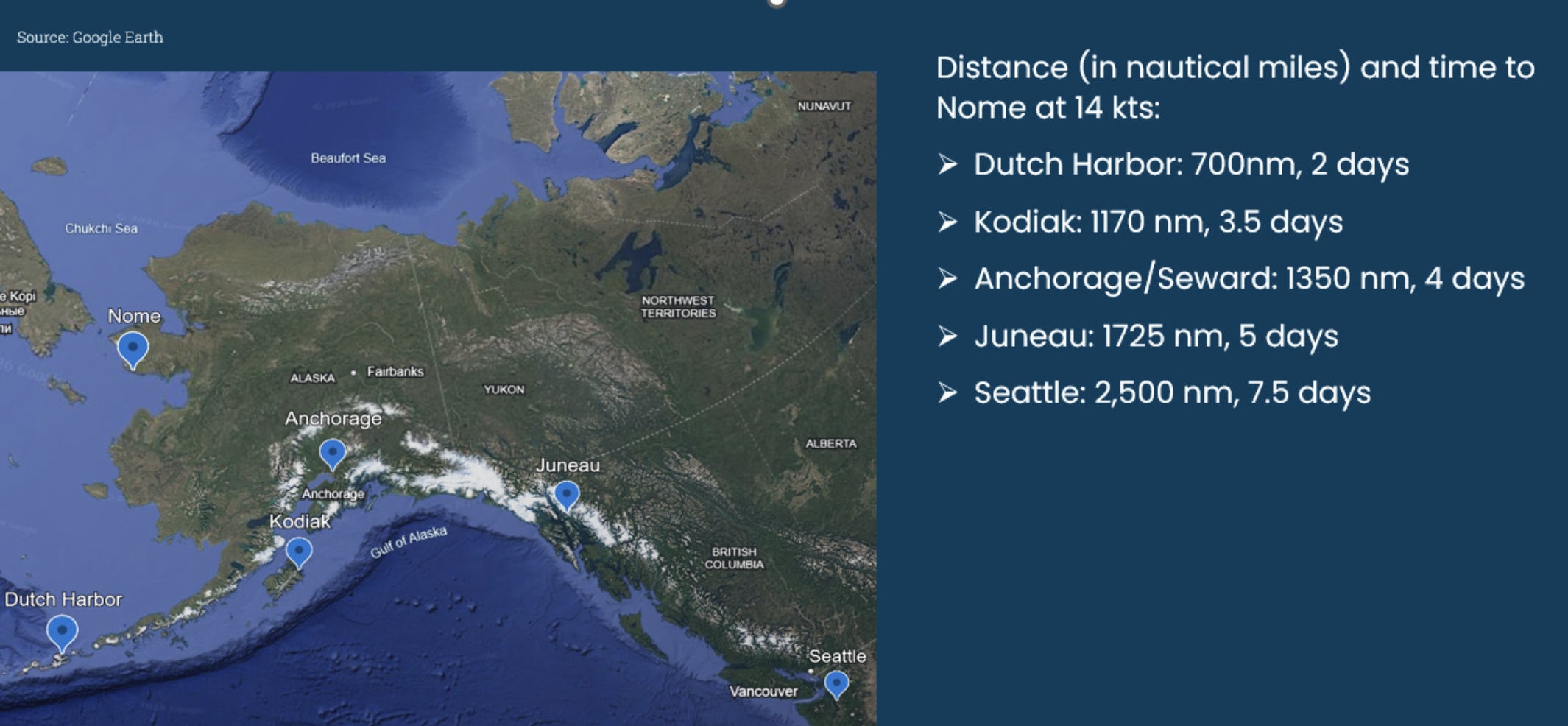
From Sixty Degrees North
Second we have “Twin Icebreaker Projects Progressing at Bollinger’s Gulf Coast Yards” that follows a US Naval Institute reporter’s visit to Bollinger shipyards building the Polar Security Cutter and the Arctic Security Cutter.
We are still a long way from delivery but nice to hear progress is being made.
First deliveries of the Bollinger/Rauma Marine ASCs is expected in 2028 and all six by 2031.
The first of the Davie/Helsinki built ASCs is expected in 2028 with all five complete by 2035.
First delivery of the Polar Security Cutter is nominally 2030 but GAO suggests 2033. Delivery of all three Polar Security Cutters is expected 2039. And yes the price has gone up. $6B for the three ships. Actually that does not sound too unreasonable since we are paying about $2B each for USS San Antonio class LPDs which are about the same size.
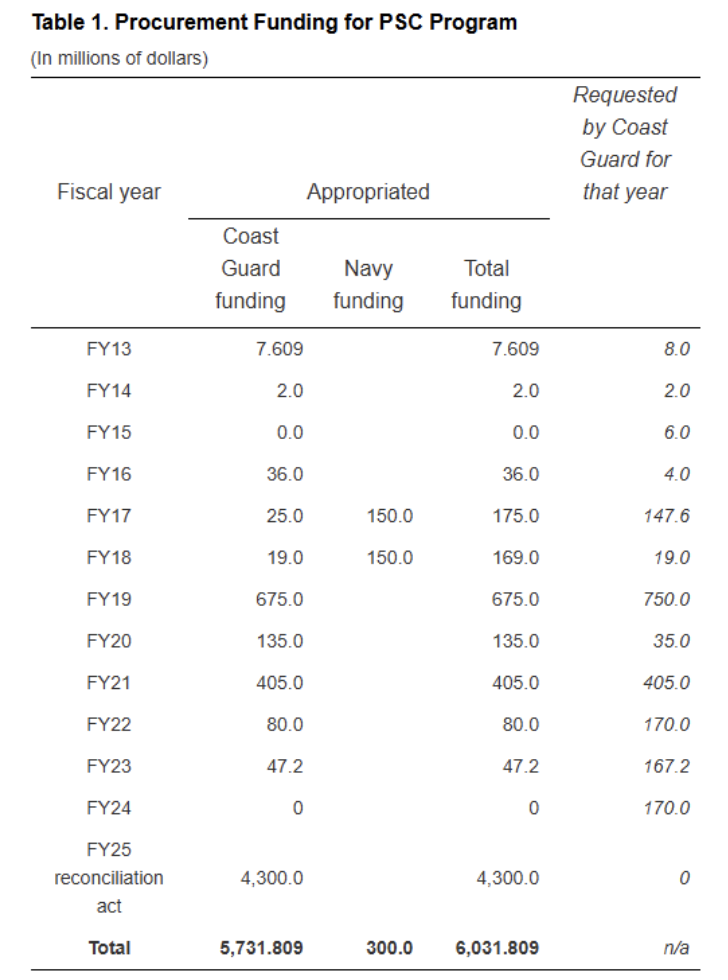
From Sixty Degrees North

Below is a post from MyCG. On the MyCG website it says,
“What you can do now to help make the new site better”
Obviously, I was interested. I thought maybe I would ask my readers to offer feedback. This is supposed to be a public-facing website, and we are the public, whereas most readers of MyCG are internal to the organization.
But looking down at “What should members do?” the only thing I see in terms of making the site better is, “Participate when asked. Your feedback will directly influence the final website and contribute to ongoing improvements post-launch.”
Currently there are a lot of public-facing website such as news by region and many that are directed primarily to service members but accessible to the public like the district websites. CG-9 has a web site. Individual ships and other units have websites and Facebook pages.
I have also seen a need to improve Coast Guard websites and keep them up to date. What I see in this notice also seems to be an attempt to restrict what is said. I have not seen a problem with what has been made public, but this is what it says:
I can see a single site to pass along information on Coast Guard units, their location and characteristics and to provide information on history, budget requests and status, contracting and other questions of national importance to the general public, but I hope the Coast Guard will not limit public access to just this one website. Multiple websites exist because they address different audiences. A top down requirement for approval will delay distribution and limit response to local news agencies.
CG-OPA should also be making sure unofficial outlets have correct and up to date information. This seems to be being done. Wikipedia and the Navy League’s Seapower Almanac frequently seem to be more up to date than Coast Guard websites.
Nevertheless, as a user of public information sites, the Coast Guard does a great job, much better than the Navy. I believe that is because we have done, what the Coast Guard has always done, pushed decision making down to the local level.
That is not to say HQ should not be checking on what they do.
Aug. 17, 2026
By Kathy Murray, Senior Writer, MyCG
The Coast Guard is taking a major step toward modernizing its digital presence with a redesigned website — a change that will affect not only how we communicate with the public, but how many of us do our jobs.
The new and improved public-facing website, which is expected to launch in late 2026, will consolidate multiple Coast Guard domains into a single platform. The goal is to make it easier for the public to find accurate information, while making content management faster, clearer, and more consistent for all audiences.
Every decision in the process is guided by leadership and backed by data on how people actually use our site. Ultimately, this will help us meet our Force Design goals by making the Coast Guard more adaptable, technologically savvy, and ready for whatever comes next.
Why this matters
Today, information about the Coast Guard lives across multiple websites, platforms, and formats. This fragmentation makes it harder for external audiences to find what they need and harder to keep information current, consistent, and compliant.
The new website will:
Whether you manage web content directly or rely on public-facing information to support operations, recruiting, outreach, or stakeholder engagement, this redesign improves how the Coast Guard communicates.
What’s changing
One unified public website
Multiple Coast Guard public domains will be merged into a single platform, allowing users to find information and services more easily while simplifying workflows for content managers.
Structured, plain-language content
All content will use approved templates, standardized tags, and plain language guidelines. This improves clarity for users and boosts search engine optimization (SEO), making Coast Guard information easier to find and understand.
Stronger governance and brand alignment
Once the redesigned site launches, CG-OPA will manage the content approval process for adding or changing public web content. This ensures updates are timely, accurate, on-brand, and aligned with Coast Guard priorities. A dedicated Brand Team will also formalize visual identity, tone, and voice standards.
Data-driven decisions
The redesign is guided by analytics and discovery insights from tools like Google Analytics and SiteImprove, ensuring improvements are based on how real users interact with Coast Guard content, not assumptions.
Internal content handled separately
A separate team is developing a strategy for internal-facing content to ensure resources for employees are organized, accessible, and fit for purpose.
Timeline
The project will follow a phased approach, with:
This approach allows the Coast Guard to adapt quickly and improve the site as needs evolve.
What should members do?
Looking ahead
This website redesign is more than a technical upgrade. It’s a cultural shift toward clearer communication, smarter workflows, and a stronger Coast Guard presence online. By working together and embracing these changes, we’re building a digital platform that better supports our missions, our workforce, and the public we serve.
For more information, check out our FAQ. If you have additional questions or concerns, please reach out to the CG-COMMS web team through your normal points of contact, or to Rodrigo.Brinski@uscg.mil.

JORN, a network of three over-the-horizon radar facilities, is a strategic and early-warning asset for Australia. Canada is buying a similar system. (Australian Defence Force)
“CHRISTCHURCH, New Zealand — The North American Aerospace Defense Command (NORAD), operated by Canada and the United States, has gaping holes in its airspace radar coverage. Ottawa went some way to filling those gaps when it signed four related agreements in June for a new radar system sourced from Australia.
“The system is called the Arctic Over-The-Horizon Radar (A-OTHR), and the deal is worth some US$1.75 billion to Australia.
Not mentioned is the fact that these systems can detect surface targets as well air targets. New Over the Horizon radars will be an important element in Arctic Maritime Domain Awareness.
More info here: “Australia, Canada formalize Arctic over-the-horizon radar deal” –The Watch.
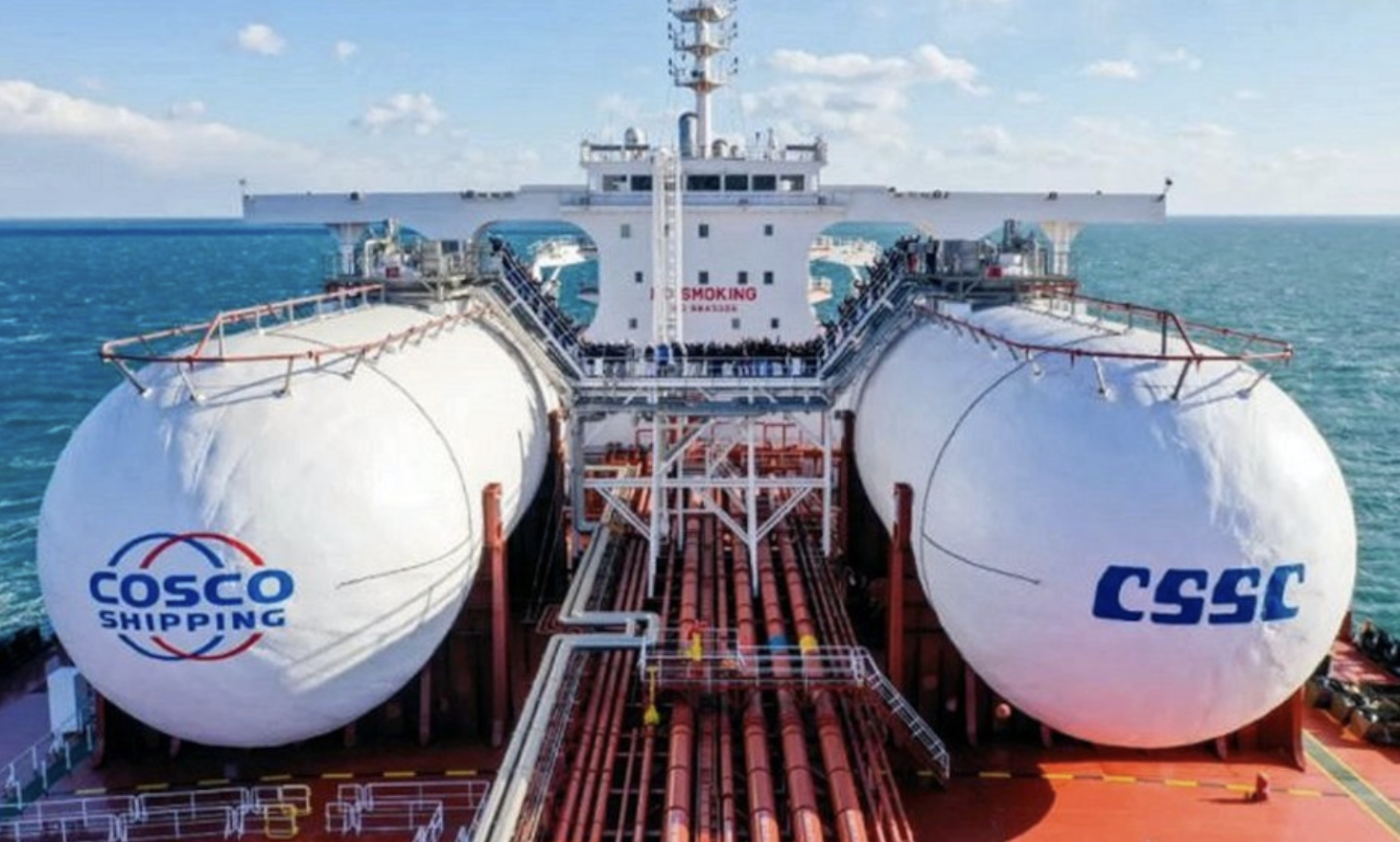
Two very large and exposed LNG fuel tanks aboard the Chinese-built and operated Very Large Crude Carrier (VLCC) Yuan Rui Yang (IMO: 9843326)
Covert shores points out the potential dangers associated with alternative fuels being used on merchant ships.
“Increasingly we are seeing new fuel types being used by merchant ships. This trend is driven by environmental regulations (regardless of their current status at the IMO – International Maritime Organization), which pushes ship operators toward equipping merchant ships to operate on alternative fuels. The fuels of interest ate liquefied natural gas (LNG), liquefied petroleum gas (LPG), liquid ammonia (NH₃), and methanal (MeOH).”
This is obviously a Port Security issue, but really may become an issue in SAR cases or Port, Waterways, and Coastal Security missions.
It is one more reason we need to be able to counter drones, and we need weapons that target with precision and minimum collateral damage.
The article makes much of the fact that frequently these fuel tanks are exposed, but perhaps internal tanks may be equally dangerous and less obvious.
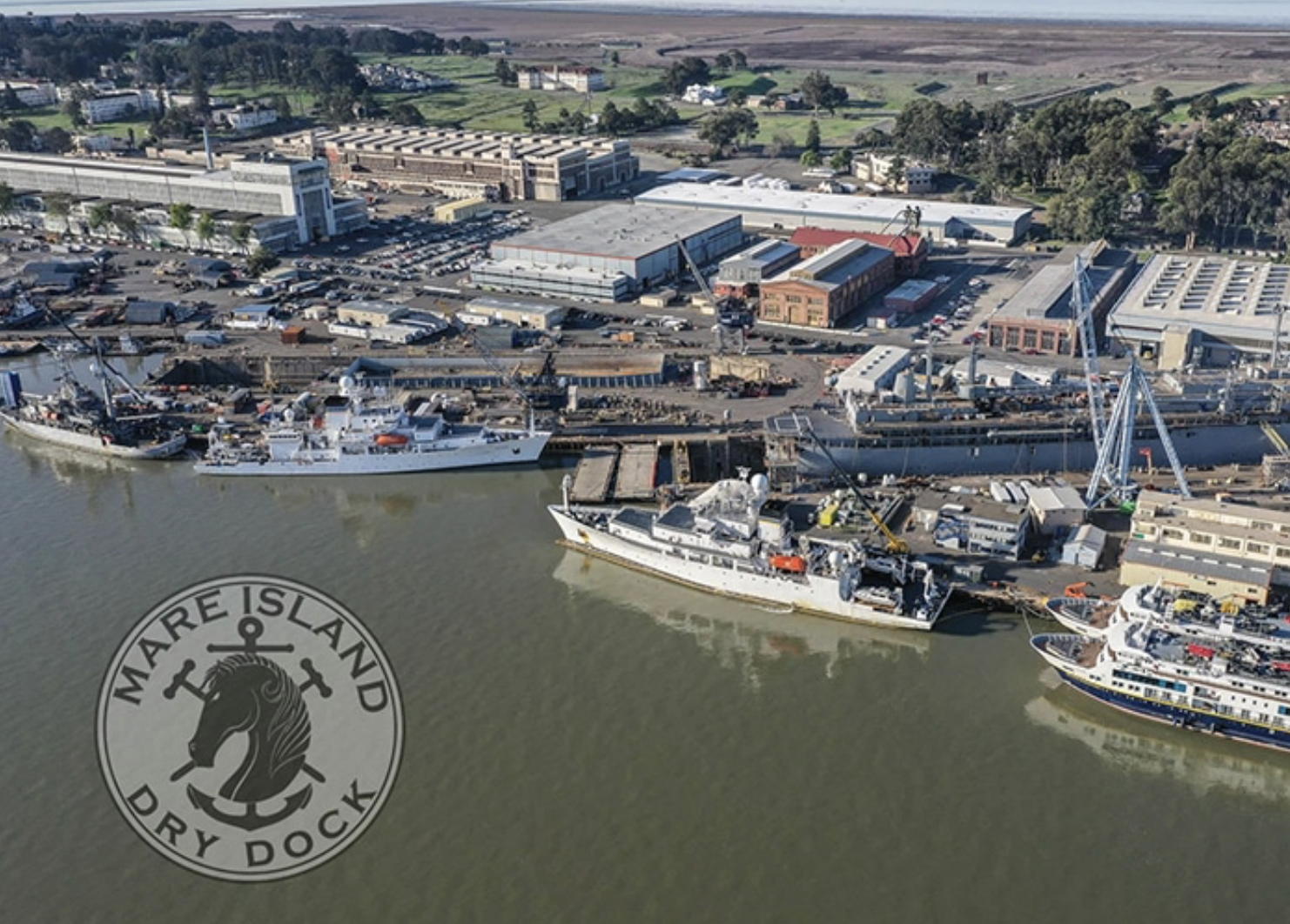
I have long felt that the Coast Guard needs a yard on the West Coast, and that the former Mare Island Naval Shipyard is an opportunity that should not be missed.
The August (Coast Guard issue) of US Naval Institute Proceedings has an article that also suggests that with a special emphasis, “Reclaim Mare Island as an NSC Center of Excellence,” seeing it not only as a Coast Guard repair facility but also a relief for the Navy’s current repair backlog, particularly for the new frigate based on the National Security Cutter
This was the first prize winning entry in the Coast Guard Essay contest.
It seems the need for a Pacific side Coast Guard Yard is being felt. It was also mentioned in two other places in the same issue of Proceedings.
The Yard in Vallejo was the yard that did the rolling Service Life Extension on Polar Star.
Vallejo has one of the lowest costs of living of any port on the West Coast, less than San Diego, LA, or Seattle. It has generally good weather with little likelihood of damaging winds. It is near a major labor market, but not close enough to any existing government shipyard to draw talent from an existing facility.
The administration has expressed a desire to increase shipyard capacity, and the Navy is considering opening a fifth shipyard.
Logically I think given that since China is the pacing threat, and most of the Pacific Fleet is in San Diego there is a need for a Government yard in California. Whether it is Coast Guard run or Navy run or some kind of joint venture, reopening a government yard in Vallejo is too good an opportunity to miss.

