“CMF’s Combined Task Force 150 and U.S. Coast Guard Integration Key in Recent Drug Seizure” –NAVCENT

250323-N-NO146-1001 ARABIAN SEA (March 23, 2025) Illegal narcotics seized from a stateless vessel are stacked on the deck of the U.S. Coast Guard Sentinel-class fast response cutter USCGC Emlen Tunnell (WPC 1145) in the Arabian Sea. (Photo by U.S. Coast Guard) Photo is from the O-1 deck, forward of the bridge, looking forward. 

Below is a news release from U.S. Naval Forces Central Command Public Affairs, March 24, 2025

MANAMA, Bahrain —

A U.S. Coast Guard fast-response cutter, working in direct support of New Zealand-led Combined Task Force (CTF) 150 of Combined Maritime Forces (CMF), seized 260 kilograms of illegal narcotics from a vessel in the Arabian Sea, March 19.

The Sentinel-class fast-response cutter USCGC Emlen Tunnell’s (WPC-1145) boarding team discovered and seized 200kg of methamphetamine and 60kg of heroin from the vessel. After weighing and documenting the haul, the crew properly disposed of the narcotics.

Royal New Zealand Navy Capt. Dave Barr, CTF 150 deputy commander, said this drug bust is a testament to the tenacity and expert seamanship of the Coastguardsmen on the Emlen Tunnell operating so far off the coast in challenging waters, and the ability to seamlessly integrate with the multinational CTF 150 staff.

“The waters in this area are full of legitimate fishing and trading vessels so it’s important to get this part right and accurately identify those vessels that are likely to be carrying narcotics,” said Barr. “A big part of our mission is to deter smugglers, so that those legitimate operators can continue to navigate freely to carry out their business.”

This interdiction is part of ongoing efforts to combat illicit drug trafficking in international waters and demonstrates the CMF’s continued commitment to safeguarding maritime security against malign non-state actors.

Emlen Tunnell is forward deployed to Bahrain. The fast response cutter is part of a contingent of U.S. Coast Guard ships operating in the region under Patrol Forces Southwest Asia (PATFORSWA). PATFORSWA deploys Coast Guard personnel and ships alongside U.S. and regional naval forces throughout the Middle East.

CTF 150 is one of five task forces under CMF, the world’s largest international naval partnership. CTF 150’s mission is to deter and disrupt the ability of non-state actors to move weapons, drugs and other illicit substances in the Indian Ocean, the Arabian Sea and the Gulf of Oman.

Combined Maritime Forces is a 46-nation naval partnership upholding the international rules-based order by promoting security and stability across 3.2 million square miles of water encompassing some of the world’s most important shipping lanes.

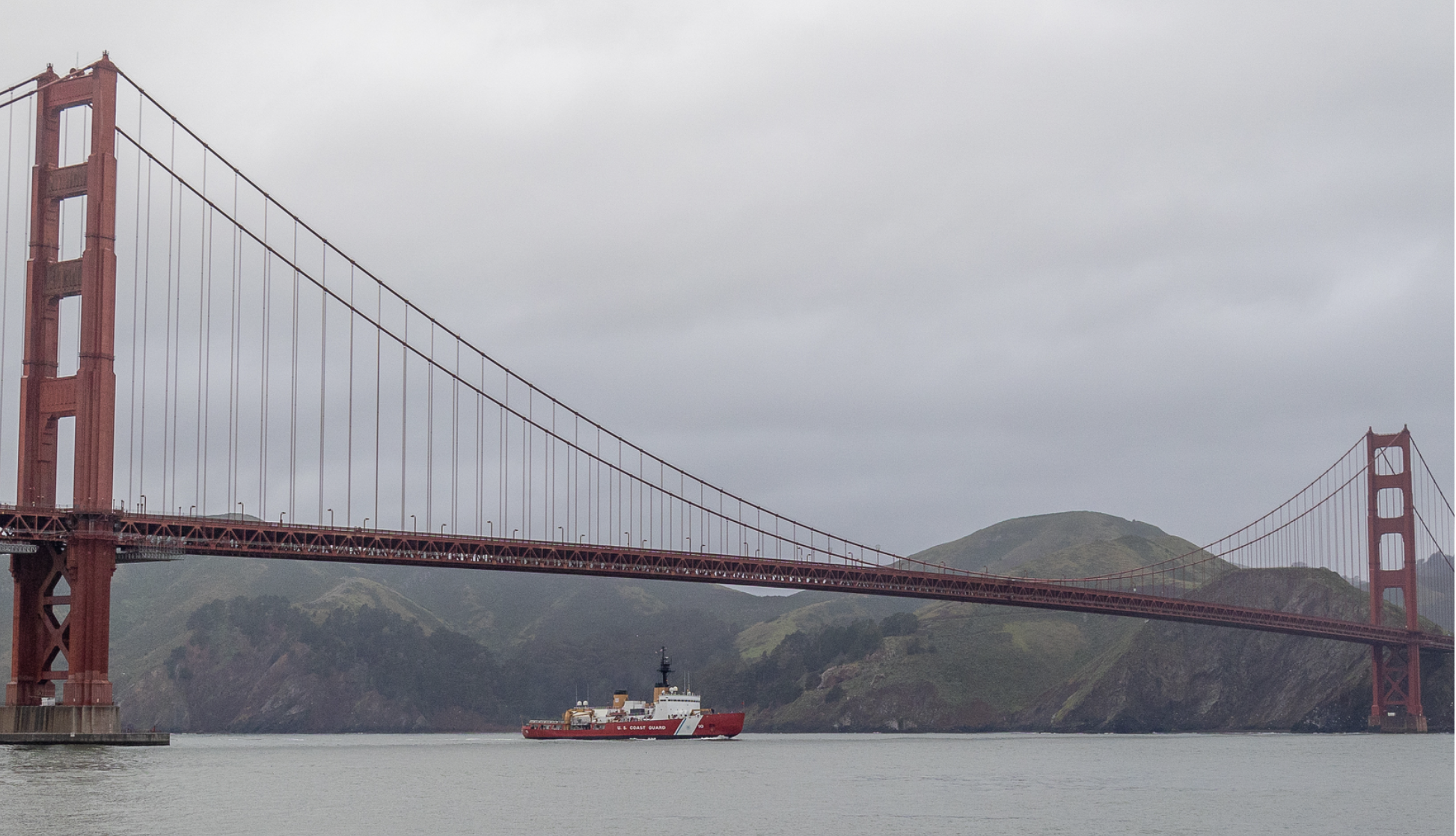
Storis to Make First Patrol This Summer

gCaptain reports, “Coast Guard Icebreaker ‘Storis’ To Achieve Initial Operating Readiness by August 2025.

“[The vessel] should achieve its initial operating capability operating up in the Arctic August of this year,” Alaska Senator Dan Sullivan stated during a joint session of the state’s legislature.

The ship still will not have been modified to its final form, but it is probably a good idea to get some experience with the ship.

The complete buildout and conversion of the vessel will take an additional year, according to Sullivan. The USCG previously stated that selection of the crew of 60 will begin in Summer 2026. It is unclear how the vessel will be staffed for the 2025 patrol.

“BOLLINGER SHIPYARDS SECURES $951 MILLION U.S. COAST GUARD CONTRACT MODIFICATION FOR POLAR SECURITY CUTTER PROGRAM” –Bollinger News Release

Below is a news release from Bollinger Shipyards.

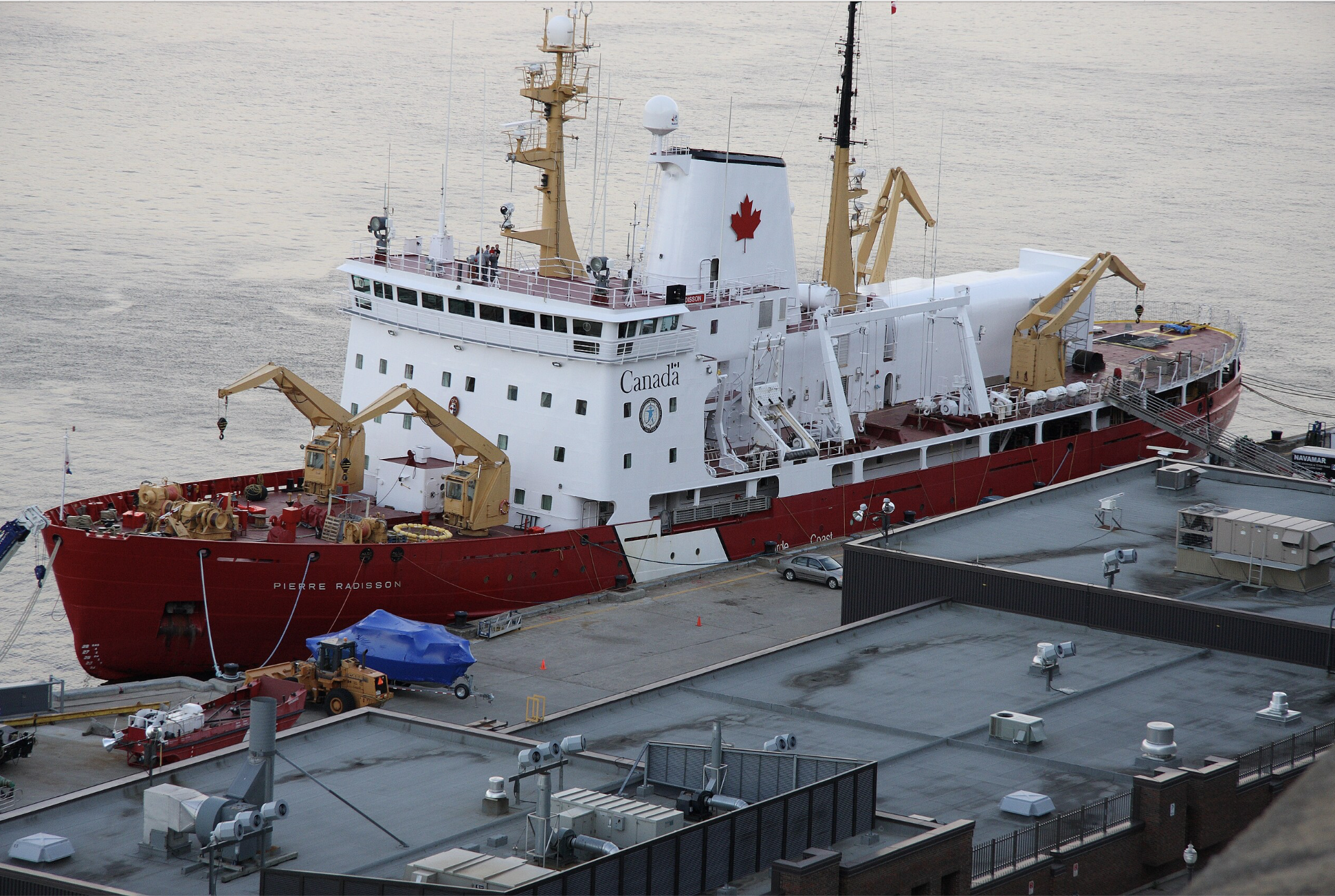
The expected cost of these ships has gone up considerably, but comparing the current cost of the program, $5.1B for three ships, to the recent Canadian contracts for a similar ship, it seems the initial estimates were never realistic.


Tuesday, March 25, 2025 – Bollinger Shipyards announced today it has received a $951.6 million Fixed-Price-Incentive-Firm Target (FPIF) contract modification from the United States Coast Guard, advancing the Detail Design and Construction phase of the Polar Security Cutter (PSC) Program. This milestone underscores Bollinger’s integral role in strengthening America’s maritime presence and operational capabilities in the Arctic.

“Securing this contract modification has truly been a herculean effort and underscores the incredible trust the U.S. Government has placed in Bollinger to build and deliver the first heavy polar icebreaker in half a century,” said Ben Bordelon, President and CEO of Bollinger Shipyards. “We wouldn’t be in the solid position we’re in today without the leadership and the tireless efforts of the entire team at Bollinger Mississippi Shipbuilding. Their hard work and dedication have successfully put the PSC program on a strong path forward after a rocky start under the previous, foreign-owned builder. We now look forward to receiving the green light to begin full production.”

Bordelon also expressed gratitude for the role of national and state leadership in moving this program forward.

“I am also grateful for the leadership of President Trump and his Administration in recognizing the urgent need for American-made icebreakers. Because of his foresight and commitment to rebuilding America’s shipbuilding capabilities, this historic project is now moving forward.”

Bordelon also acknowledged Mississippi’s leadership for championing the PSC Program and state as a dominant force in shipbuilding.

“I also want to thank Governor Reeves and Mississippi’s Congressional Delegation for their leadership and support, especially as we leverage ongoing state and local investments to ensure Bollinger Mississippi remains the premier example of American shipbuilding.”

“As the Arctic grows as an arena of great power competition, the United States will require far more icebreaking capability from the U.S. Coast Guard to defend our interests in the region. Today’s award is a testament to the good work that Bollinger continues to do on the Polar Security Cutter program and the growing urgency with which their platforms are needed to boost our national defense,” said U.S. Sen. Roger Wicker (R-MS), Chairman of the Senate Armed Services Committee. “The Mississippi Gulf Coast will not only benefit from even more national security-focused quality jobs and economic development, but it will also continue to be a national player and powerhouse in mission-critical innovation and military capability.”

“Mississippi continues to prove its status as the premier destination for American shipbuilding—driving both national defense and commercial maritime strength,” said U.S. Senator Cindy Hyde-Smith (R-MS). “This milestone not only reinforces the Gulf Coast’s strategic importance, but it also reflects the value of returning critical shipbuilding programs to experienced, American-owned hands. Under Bollinger Shipyards’ strong leadership and investment, a once-stalled program will move forward with renewed urgency. I fully support this effort, which brings more high-quality jobs to Mississippi and ensures the Coast Guard is able to meet the growing challenges in the Arctic and beyond.”

Bollinger’s continued investment and growth on the Mississippi Gulf Coast reflect the skills, strength and talent of Mississippi’s workforce,” said Mississippi Governor Tate Reeves. “This announcement reinforces Mississippi’s pivotal role in American shipbuilding and solidifies Mississippi’s reputation as a national leader in maritime innovation and excellence.”

“Bollinger Mississippi Shipyards has a strong track record in American shipbuilding, and their role in the Polar Security Cutter program is another important step. This historic milestone strengthens national security, supports the domestic shipbuilding workforce, and enhances our Arctic presence. Ensuring the U.S. Coast Guard has the tools it needs is critical, and I look forward to seeing this project move forward,” said U.S. Rep. Mike Ezell (R-MS-04).

As Bollinger continues to enhance its operations in Mississippi into world-class shipyards, the company remains committed to making strategic investments to modernize and expand its capabilities. Additionally, the contract modification ensures Bollinger continues to provide its workforce with industry-leading wages throughout the life of the PSC program. Since acquiring foreign-owned VT Halter in November 2022, Bollinger has made a significant economic impact in the state through targeted investments and workforce expansion. To date, Bollinger has invested $76 million across its Mississippi facilities, including Bollinger Mississippi Shipbuilding (BMS), Bollinger Mississippi Repair (BMR), Bollinger Gulfport Shipyard (BGS), and CHAND Gulf Coast.

Since the acquisition in 2022, Bollinger has increased its Mississippi workforce by over 61%, with production roles at BMS alone increasing by more than 178%.  These numbers are expected to rise as the program reaches full production over the coming years. A key driver of this growth has been Bollinger’s innovative Bootcamp workforce development programs, which continue to strengthen the skilled labor pipeline.

“Our investment in developing the next generation of skilled American workers not only strengthens our competitive edge in the shipbuilding industry but also underscores our commitment to fostering economic growth and American innovation,” added Bordelon. “We are committed to providing high-quality careers that positively impact the families and communities we support along Mississippi’s Gulf coast.”

This contract modification primarily supports operations at Bollinger Mississippi Shipbuilding, with additional project contributions from facilities located in Massachusetts, Illinois, Virginia, Georgia, Louisiana, and other regions. Completion of the first Polar Security Cutter is anticipated by May 2030.

The Polar Security Cutter will provide the United States with enhanced operational capability in polar regions, playing a critical role in safeguarding national security, economic stability, and supporting vital maritime and commercial interests.

“Coast Guard Cutter Mohawk returns home after 70-day, counter-drug patrol in the Eastern Pacific Ocean” –New Release

The crew of Coast Guard Cutter Mohawk (WMEC 913) identifies a sailing vessel suspected of illicit activity while underway in the Eastern Pacific Ocean, Feb. 19, 2025. During a law enforcement boarding, the crew discovered approximately 637 pounds of cocaine hidden onboard. (U.S. Coast Guard photo, courtesy Cutter Mohawk)

Below is a news release. The story on this interdiction caught my attention.

Mohawk’s crew jointly interdicted a go-fast style vessel with James’ crew off the coast of Colombia, seizing more than 5,900 pounds of cocaine. Coordinating with a maritime patrol aircraft, Mohawk’s pursuit caused the go-fast vessel to jettison bails of cocaine overboard for later recovery. James’ crew proceeded to stop the go-fast vessel and apprehend three suspected narcotics smugglers for future prosecution.

Why wasn’t Mohawk able to complete the interdiction?

Only thing I could figure was that Mohawk did not have a HITRON helicopter. There is no mention of a HITRON detachment assigned to MOHAWK. There is this statement that suggests MOHAWK had no helicopter.

Furthermore, the Mohawk’s crew participated in training evolutions with James’ embarked Helicopter Interdiction Tactical Squadron aviation detachment and MH-65 Dolphin helicopter.

Mohawk interdicted a sailboat and a fishing vessel, but it looks like the go-fast outran her. Fortunately another cutter with HITRON detachment was there to backstop them. 

Why did we send a 270, equipped with both a flight deck and hangar, from Key West to the Eastern Pacific without an airborne use of force capability? Is there a shortage?


March 24, 2025

Coast Guard Cutter Mohawk returns home after 70-day, counter-drug patrol in the Eastern Pacific Ocean

KEY WEST, Fla. — The crew of Coast Guard Cutter Mohawk (WMEC 913) returned to their home port in Key West, March 16, following a 70-day deployment to the Eastern Pacific Ocean.

Mohawk deployed in support of Joint Interagency Task Force – South (JIATF-S) and Operation Martillo, where crew members conducted counter-drug missions in the Coast Guard Eleventh District’s area of responsibility. While at sea, Mohawk’s crew successfully contributed to protecting their fellow Americans by countering transnational criminal organizations and preventing dangerous and illegal narcotics from reaching the United States. The crew worked side by side with Coast Guard units, embarked law enforcement personnel from the Tactical Law Enforcement Team Pacific (PACTACLET) and the Costa Rican Coast Guard.

Throughout the deployment, crew members interdicted three suspected drug smuggling vessels and apprehended six suspected drug smugglers. Crew members seized nearly 8,200 pounds of cocaine and 330 pounds of marijuana.

While on patrol, Mohawk’s crew interdicted a sailing vessel suspected of illicit activity. Mohawk’s boarding team embarked the vessel and subsequently located contraband, seizing 637 pounds of cocaine and detained the crew.

Additionally, the crew of Mohawk coordinated with Coast Guard Cutter James (WMSL 754) and Coast Guard Cutter Stone (WMSL 758) to deter narcotics trafficking in the region. Notably, Mohawk’s crew jointly interdicted a go-fast style vessel with James’ crew off the coast of Colombia, seizing more than 5,900 pounds of cocaine. Coordinating with a maritime patrol aircraft, Mohawk’s pursuit caused the go-fast vessel to jettison bails of cocaine overboard for later recovery. James’ crew proceeded to stop the go-fast vessel and apprehend three suspected narcotics smugglers for future prosecution.

Mohawk’s crew also had the opportunity to operate with the Costa Rican Coast Guard Grupo de Operaciones Policíale Especiales (GOPES), a Costa Rican special police operations unit. Mohawk identified a fishing vessel suspected of drug smuggling and proceeded to board it. The boarding team discovered 1,600 pounds of cocaine and 330 pounds of marijuana. Following the boarding, the three suspected drug smugglers, fishing vessel and contraband were transferred to GOPES for prosecution in Costa Rica. This joint operation underscores the ongoing U.S. commitment to regional stability and support for partner nation efforts to combat the destabilizing effects caused by transnational criminal organizations.

During a visit in Golfito, Costa Rica, Mohawk’s crew and embarked PACTACLET personnel exchanged best practices with GOPES and shared law enforcement techniques and other tactics for interdicting illicit drug ventures at sea. Mohawk crew members provided a tour of the cutter as well and exchanged coins and patches with their Costa Rican counterparts. In addition, Mohawk crew members volunteered their free time to clean, complete yard work and undertake preservation projects at Hogar de Ancianos de Golfito, a local retirement home.

Furthermore, the Mohawk’s crew participated in training evolutions with James’ embarked Helicopter Interdiction Tactical Squadron aviation detachment and MH-65 Dolphin helicopter. This training served to increase competency for shipboard-helicopter operations and bolstered the tactical relationship between deployed units operating together in the Eastern Pacific.

“I am extremely proud of our accomplishments during this deployment,” said Cmdr. David Ratner, commanding officer of Mohawk. “The Mohawk crew, with the support of embarked law enforcement personnel from the Pacific Tactical Law Enforcement Team, displayed toughness and grit to effectively fight back against destabilizing transnational criminal organizations in the Eastern Pacific and kept nearly 8,200 pounds of cocaine and 330 pounds of marijuana from reaching the United States.”

Based in San Diego, California, PACTACLET personnel provide counter-narcotic law enforcement capabilities and support the interdiction, apprehension and processing of suspected drug smugglers. PACTACLET members are skilled in law enforcement boarding procedures at sea and are critical for mission execution.

Launched Jan. 15, 2012, Operation Martillo, Spanish for “Hammer,” is a counter-narcotic campaign support by U.S. Southern Command and led JIATF-S. By leveraging interoperability between numerous domestic and international partnerships, the task force strives to disrupt and dismantle transnational criminal organizations by fighting crime and defunding their illicit ventures.

Mohawk is a 270-foot, Famous-class medium endurance cutter and was commissioned in 1991. The cutter’s primary missions are counter-drug and migrant interdiction operations, enforcement of federal fishery laws as well as search and rescue in support of Coast Guard operations throughout the Western Hemisphere.

Mohawk falls under the command of U.S. Coast Guard Atlantic Area, which is based in Portsmouth, Virginia. U.S. Coast Guard Atlantic Area oversees all Coast Guard operations east of the Rocky Mountains to the Arabian Gulf. In addition to surge operations, they also allocate ships to deploy to the Caribbean and Eastern Pacific to combat transnational organized crime and illicit maritime activity.

For information on how to join the U.S. Coast Guard, visit GoCoastGuard.com to learn about active duty and reserve, officer and enlisted opportunities. Information on how to apply to the U.S. Coast Guard Academy can be found here.


This Day in Coast Guard History, March 25 / 26

Based on the Coast Guard Historian’s timeline, https://www.history.uscg.mil/research/chronology/
With inspiration from Mike Kelso

March 25

1911  The Treasury Department directed the keepers of life-saving stations to keep a lookout through the beach patrol for stray buoys washed ashore, to secure such buoys when it could be done, and to report their discovery or action to the nearest representative of the Lighthouse Service.

March 26

“Coast Guard Cutter John F. McCormick (WPC 1121) crew transits through the San Francisco Bay, Saturday, March 4, 2017, during their voyage to homeport in Ketchikan, Alaska. The cutter was named after McCormick who received the Gold Lifesaving Medal in 1938 for his exceptional skill in maintaining control of the 52-foot motor lifeboat Triumph while responding to a vessel in need near the Columbia River Bar under treacherous conditions, allowing the crew to recover a crewmember that had been washed overseas. Coast Guard photo by Petty Officer 2nd Class Loumania Stewart”

1938  The US Coast Guard motor lifeboat Triumph departed from the Point Adams Station, located near Hammond, Oregon at the mouth of the Columbia River.  It proceeded out to the bar and stood by while several crab boats crossed in.  The tug Tyee with a barge load of logs in tow was attempting to cross out.  Tyee passed too close to the life buoy and the barge drifted into the outer break on Clatsop Spit.  Triumph, while attempting to assist Tyee, lost Surfman Richard O. Bracken overboard in the breakers of Clatsop Spit.  Bracken would have been drowned had it not been for the skill of BN (L) John F. McCormick, Officer-in-Charge of Triumph, and the cooperation of the crew, namely CMOMM (L) Albert L. Olsen and Surfman Harold W. Lawrence.  In making the rescue, Triumph was carried broadside on the face of a wave a distance of approximately 50 yards.  The masts had been completely submerged, then the boat righted itself.  Bracken had been washed overboard by the force of the sea.  McCormick, acting with exceptional skill, maneuvered Triumph against the strong current, into the breakers and picked up the drowning man.  Olsen remained in the engine room during all these maneuvers, stayed at the controls under perilous conditions, and rendered commendable service.  McCormick was awarded a Gold Life-Saving Medal for this rescue while Olsen and Lawrence were awarded Silver Lifesaving Medals.

Within three days, the 77th Division had secured the major islands of Kerama Retto.

1945  Coast Guardsmen participated in the landings at Geruma Shima, Hokaji Shima, and Takashiki in the Ryukyu Islands.

The Kerama Retto island group lies 15 miles west of Okinawa.

Douglas R5D-3; “OFF TO HEAT AN ICEBERG: A 1,000-pound thermite bomb enclosing a cluster of small bomblets, each capable of burning at a temperature of 4,300 degrees Fahrenheit, rides under the wing of a Coast Guard UF-2G amphibian plane toward an iceberg target in the foggy Grand Banks region of Newfoundland. The temperature of one bomblet equals half the sun’s surface temperature. This bomb was one of twenty cluster bomb of thermite and petroleum types air-dropped on selected icebergs during heat destruction tests made by the International Ice Patrol force in June, at the height of the 1959 heavy ice season. Above the bomb carrier is a large passenger type Coast Guard R5D plane, one of three used on regular ice observation flights out of Argentia, Nfld. The more modern R5Ds this year replaced old World War II B-17 bomber type plane with plexiglass noses where ice observation instruments and carries a crew of about seven. Ice is observed from many windows. Averaging 6 to 8 hour ice observation flights, the R5D patrols an area of about 14,000 square miles in the Grand Banks region. The R5D plane here wears one of the new paint schemes currently being tested for easy air visibility by the U.S. Coast Guard on its various planes. In place of the dull silver gray and orange trim formerly used, the new dress is made of glowing fluorescent colors–orange nose, wing tips, tail and body strip with black edgings, and main body in brilliant white.”; Photo No. 5854; 17 July 1959; photographer unknown.

1946  The International Ice Patrol resumed after being suspended during World War II.

A U.S. Coast Guard Sikorsky HH-52A Seaguard helicopter (s/n 58-1357) demonstrates its ability to land on water on Lake Pontchartrain, Louisiana (USA), 23 September 1964.

1963  A Coast Guard HH-52 based from Air Station Salem, Massachusetts, landed in the water off Fort Weatherall, Newport, Rhode Island to rescue a man overboard from the radar picket ship USS Protector.  “Using the new platform, the crew of the HH-52A retrieved the man, helpless and incoherent, from 39-[degree] F waters. He was flown to the Naval Hospital, Quonset Point without incident.  This is the first rescue fully exploiting the unique capabilities of the new HH-52A helicopter.”

This Day in Coast Guard History, March 24

Based on the Coast Guard Historian’s timeline, https://www.history.uscg.mil/research/chronology/
With inspiration from Mike Kelso

March 24

1909  Muskeget, Massachusetts: the schooner Vigilant parted moorings and stranded one mile south of the station.  The owner applied to the keeper at 10:30 p.m. for assistance.  Surfmen proceeded to the scene, carried out an anchor and line, and hove the schooner into deep water.  During the storm the owner was sheltered and supplied with meals at the station for two days.  But for the security afforded by an additional anchor and cable loaned by the crew, Vigilant would have stranded a second time.

1920  The Coast Guard established its first air station on this date at Morehead City, North Carolina.  The station was closed on July 1, 1921 due to a lack of funding.

1989  The tanker Exxon Valdez grounded on a reef in Prince William Sound, Alaska, spilling 10.1 million gallons of crude oil.  This was the worst oil spill in U.S. history to date.  Coast Guard units responded and prevented the entire cargo from spilling, cleaned up the oil which did spill, and conducted an investigation into the causes of the accident.  The spill provided the impetus for the passage of the Oil Pollution Act of 1990, which greatly increased the Coast Guard’s role in protecting the nation against spills.

This Day in Coast Guard History, March 23

Based on the Coast Guard Historian’s timeline, https://www.history.uscg.mil/research/chronology/
With inspiration from Mike Kelso

March 23

95 foot Cape Class WPB

1974  The 40-foot sailing vessel Lorisel II reported she was aground one mile southeast of North Rock, Bahamas, off the eastern shore of Bimini.  An HU-16 aircraft and CGC Cape Shoalwater were dispatched to assist.  The aircraft located the vessel and a local island boat was diverted to remove two women and a child from Lorisel IICape Shoalwater re-floated the vessel, returned the passengers, and the Lorisel II got underway with no apparent damage.

2001  Two Coast Guardsmen, BM2 Scott Chism and SN Christopher Ferreby, gave their lives in the line of duty when their small boat CG-214341 capsized on Lake Ontario.  Their loss led to important changes in the small boat community’s training, equipment, and operations.

From: U.S. COAST GUARD Newsfeed unofficial, Facebook page, March 23, 2015 

Date: February 8, 2002
Coast Guard releases Station Niagara report
GREAT LAKES — The final action report on the Station Niagara rescue boat accident of March 23, 2001 that resulted in the death of two crewmembers has been released by the Commandant of the Coast Guard and has been posted to the Ninth District web page.
“This report is a reminder to everyone in the Coast Guard of the dangers we face every day,” said Rear Admiral James D. Hull, Ninth Coast Guard District Commander. “We have suffered through this tragic loss, and we will never forget their sacrifice. Our thoughts and prayers continue to be with the families and friends of Petty Office Scott Chism and Seaman Chris Ferreby.”
“We have learned from the circumstances of this accident and are implementing changes to make our jobs safer,” said Hull. “But, we cannot avoid the fact that what we do is inherently dangerous. “
FINAL ACTION MESSAGE ON STATION NIAGARA CG-214341 CAPSIZING, R 081306Z FEB 02 COMDT COGARD WASHINGTON DC//G-WKS//
R 081306Z FEB 02
FM COMDT COGARD WASHINGTON DC//G-WKS//
TO AIG 4934
COMLANTAREA COGARD PORTSMOUTH VA//AO/AOF/AOFT//
COMPACAREA COGARD ALAMEDA CA//PO/POF/POFT//
COMCOGARD MLC PAC ALAMEDA CA//K//
COMCOGARD MLC LANT NORFOLK VA//K//
BT
UNCLAS //N05100//
SUBJ: FINAL ACTION MESSAGE ON STATION NIAGARA CG-214341 CAPSIZING AND SUBSEQUENT FATALITIES ON 23 MARCH 2001
1. SYNOPSIS. ON 23 MARCH 2001 AT 1941 CG-214341, A NONSTANDARD FOAM COLLAR BOAT (FCB) WAS UNDERWAY FROM COAST GUARD STATION NIAGARA TO CONDUCT A LAW ENFORCEMENT MISSION IN THE NIAGARA RIVER FOR THE PURPOSE OF INTERDICTING ILLEGAL MIGRANTS. A THREE-PERSON BOAT CREW/ARMED LAW ENFORCEMENT TEAM AND ONE BREAK-IN CREW MEMBER WERE ON BOARD THE VESSEL. IMMEDIATELY UPON DEPARTURE, THE COXSWAIN OF THE BOAT DEVIATED FROM THE PATROL PLAN AND TOOK THE VESSEL NORTH INTO LAKE ONTARIO TO FAMILIARIZE THE BREAK-IN CREW MEMBER WITH THIS PORTION OF THE STATIONS AREA OF OPERATION. THE BOAT EXPERIENCED STEEP, FOUR-FOOT WAVES FROM THE NORTH SHORTLY AFTER ENTERING LAKE ONTARIO. ON SCENE WINDS WERE REPORTED FROM THE NORTHWEST AT 10 KNOTS, THE AIR TEMPERATURE WAS 37 DEGREES AND THE WATER TEMPERATURE WAS 36 DEGREES. THE COXSWAIN SUCCESSFULLY NAVIGATED THE BOAT APPROXIMATELY 1,000 TO 1,500 YARDS NORTH OF BUOY NO. 3 (ABOUT 3,000 TO 3,500 YARDS NORTH OF THE MOUTH OF THE NIAGARA RIVER) IN LAKE ONTARIO, TURNED THE VESSEL AROUND AND PROCEEDED BACK SOUTH IN THE DIRECTION OF THE NIAGARA RIVER. AT SOME TIME SHORTLY BEFORE 2000 AND ON THE RETURN TRIP SOUTH, APPROXIMATELY 50 YARDS NORTH OF BUOY NO. 3, THE COXSWAIN OVERTOOK A WAVE, SURFED DOWN THE FRONT OF THAT WAVE AND BURIED THE BOW OF CG-214341 IN THE BACKSIDE OF ANOTHER WAVE. THE VESSEL THEN SLOWLY ROLLED OVER TO STARBOARD AND ALL FOUR CREW MEMBERS SAFELY ABANDONED THE VESSEL WITHOUT INJURY. THE VESSEL MISSED ITS FIRST COMMUNICATIONS CHECK AT 2001. RESCUE EFFORTS WERE INITIALLY HAMPERED BY THE COXSWAINS DECISION TO PROCEED NORTH INTO LAKE ONTARIO WITHOUT ADVISING CG STATION NIAGARA OF HIS DEVIATION FROM HIS PREVIOUS FLOAT PLAN. THE WILSON, NY FIRE DEPARTMENTS BOAT CREW RECOVERED ALL FOUR CREWMEN AT 0027 SATURDAY, 24 MARCH 2001. TWO OF THE CREWMEN WERE IN CARDIAC ARREST WHEN RECOVERED AND SUBSEQUENTLY DIED DESPITE THE HEROIC AND PROFESSIONAL EFFORTS OF LOCAL EMS PERSONNEL TO RE-WARM AND RESUSCITATE THEM. THE OTHER TWO CREWMEN RECOVERED AND HAVE RETURNED TO DUTY.
2. CAUSAL FACTORS. THE MISHAP ANALYSIS BOARD AND TESTIMONY AT THE COMMANDANTS BOAT SAFETY BOARD REVEALED VARIOUS PRIMARY CAUSES AND CONTRIBUTING FACTORS TO THIS MISHAP.
A. PRIMARY CAUSES:
(1) THE COXSWAINS INABILITY TO SAFELY MANEUVER THE BOAT IN THE EXISTING SEA CONDITIONS;
(2) THE COXSWAIN DEVIATING FROM THE INTENDED AREA OF OPERATION WITHOUT NOTIFYING THE STATION OF THE CHANGE, THUS HINDERING THE SAR RESPONSE AND DELAYING RESCUE; AND
(3) THE CREWS EXTENDED EXPOSURE TO THE COLD WATER. THIS WAS A RESULT OF THEIR DECISION TO ATTEMPT TO REACH A NEARBY BUOY AND CLIMB OUT OF THE WATER ON IT, INSTEAD OF USING THE OVERTURNED HULL OF THE BOAT, WHICH WAS MOVING ERRATICALLY IN THE CHOPPY SEAS. THE BUOY WAS UP-CURRENT. VIGOROUS SWIMMING ATTEMPTING TO REACH IT CAUSED WATER INTRUSION INTO SOME OF THE DRY SUITS, AS DID THE COXSWAINS USE OF A NECK RING DEVICE. TOGETHER, THESE FACTORS ACCELERATED THE ONSET OF HYPOTHERMIA.
B. CONTRIBUTING FACTORS. WHILE NOT THE IMMEDIATE CAUSE OF THE MISHAP AND FATALITIES, THE FOLLOWING FACTORS WERE IMPORTANT LINKS IN THE CHAIN OF ERRORS THAT RESULTED IN THIS MISHAP.
(1) EQUIPMENT FAILURE/SHORTFALL:
(A) LACK OF AN EMERGENCY POSITION INDICATING RADIO BEACON (EPIRB) FOR EITHER THE PERSONNEL OR THE BOAT, OR SOME OTHER METHOD TO AUTOMATICALLY SIGNAL DISTRESS AND POSITION.
(B) INSUFFICIENT NUMBER OF PERSONAL ISSUE COLD WEATHER UNDERGARMENTS (BOTH LAYER ONE (POLYPROPYLENE) AND LAYER TWO (POLYESTER FLEECE)) FOR ALL BOAT CREW MEMBERS.
(C) LACK OF A COAST GUARD STANDARD OR PROCESS FOR DETERMINING SUITABILITY OF NON-STANDARD BOATS FOR OPERATION IN VARIOUS ENVIRONMENTAL CONDITIONS.
(D) FAILURE OF THE SOLE MK 79 SIGNALING KIT TO BE MAINTAINED IN AN OPERABLE CONDITION.
(2) TRAINING FAILURE/SHORTFALL:
(A) LACK OF AN ADEQUATE AND EFFECTIVE FORMAL TRAINING PROGRAM FOR NON-STANDARD BOAT OPERATIONS.
(B) LACK OF KNOWLEDGE, SKILL AND/OR MOTIVATION TO PROPERLY DON AND VENT ANTI-EXPOSURE SUITS AND TO PROPERLY LAYER UNDERGARMENTS.
(3) PERSONNEL ERROR/SHORTFALL:
(A) FAILURE TO REPLACE THE BATTERY IN THE CG-1 STROBE DURING THE REGULAR INSPECTION IN RESPONSE TO THE NOTED DISCREPANCY.
(B) A GENERAL TENDENCY TO ACCEPT KNOWN NATIONAL DISTRESS SYSTEM COVERAGE GAPS AS THE COST OF DOING BUSINESS.
(C) FAILURE TO ENSURE THAT SUFFICIENT SAR/PYRO VESTS WERE ON BOARD PRIOR TO GETTING UNDERWAY.
(4) LEADERSHIP:
(A) FAILURE OF THREE OF THE FOUR CREWMEN TO WEAR SAR/PYRO VESTS.
(B) CHAIN OF COMMANDS FAILURE TO ACHIEVE A COMMON UNDERSTANDING OF THE LEVEL OF RISK FOR VARIOUS MISSIONS (ROUTINE MISSIONS WERE ASSUMED TO BE LOW RISK MISSIONS), AND OF REPORTING/AUTHORIZATION REQUIREMENTS FOR LAW ENFORCEMENT MISSIONS.
(C) COAST GUARD GROUP BUFFALOS LACK OF AWARENESS OF ON- GOING STATION OPERATIONS.
(D) DEVELOPMENT OF AN QUOTE UNOFFICIAL STANDARD UNQUOTE WITHIN THE BOAT COMMUNITY TO NOT WEAR SAR/PYRO VESTS FOR LAW ENFORCEMENT AND AIDS TO NAVIGATION MISSIONS.
(E) FAILURE TO PROPERLY MANAGE THE MAINTENANCE AND OPERATION OF A LARGE NON-STANDARD BOAT FLEET (CONFIGURATION, MODIFICATION, TRAINING, ASSESSMENT, ETC.).
3. ADDITIONAL FINDINGS/LESSONS LEARNED.
A. ROUTINE DOES NOT EQUAL LOW RISK; OPERATIONAL RISK MANAGEMENT (ORM) MUST CONSIDER THE WHOLE SYSTEM. DURING THE COURSE OF THE INVESTIGATION, STATION NIAGARAS MISSION ON THE NIGHT OF 23 MARCH 2001 WAS CHARACTERIZED BY MULTIPLE SOURCES AS ROUTINE. THE ASSERTION THAT IT WAS A ROUTINE MISSION WAS STATED AGAIN IN RESPONSE TO THE MISHAP BOARDS DESCRIPTION OF THE MISSION AS HIGH RISK. IT IS IMPORTANT TO UNDERSTAND THAT ROUTINE AND HIGH RISK ARE NOT MUTUALLY EXCLUSIVE. IN THE CONTEXT OF CURRENT TOUR LENGTHS (ACTUAL TOURS ARE OFTEN SHORTER THAN NOMINAL TOURS), RAPID PROMOTIONS, JUNIOR WORK FORCE AND NEW BOAT DESIGNS, IT IS VERY POSSIBLE THAT MANY OF OUR ROUTINE EVOLUTIONS THAT PRESENTED LOW RISK FIVE YEARS AGO NOW POSE MODERATE TO HIGH RISK. HAD THE ENTIRE CHAIN OF COMMAND FROM DISTRICT COMMANDER TO COXSWAIN STARTED WITH A BLANK PAGE AND APPLIED ORM TO THIS PARTICULAR MISSIONS CHALLENGES (NIGHTTIME, LAW ENFORCEMENT, COLD AIR AND WATER TEMPERATURES, SHARED PPE) AND CONSIDERED THE EXISTING BOAT FORCE SYSTEM (CAPSIZING STATISTICS, JUNIORITY, RESEARCH AND DEVELOPMENT CENTERS RISK ANALYSIS), THE RIVER LAW ENFORCEMENT PATROL MAY HAVE BEEN CANCELLED, DEFERRED UNTIL DAYLIGHT, OR AT LEAST UNDERTAKEN WITH ADDITIONAL CARE. ORM MANDATES THAT THE WHOLE SYSTEM, NOT JUST THE INDIVIDUAL MISSION PROFILE, BE CONSIDERED.
B. TURNOVER AND JUNIORITY THWART TEAM COORDINATION TRAINING(TCT)/ORM SKILL RETENTION; COMMANDERS MUST CONSTANTLY ASSESS CREWS. ORM/TCT MUST BE ACCOMPLISHED ON A CONTINUOUS BASIS. THOUGH IT IS REQUIRED BI-ANNUAL TRAINING, A WAY TO MEASURE THIS TRAININGS SUCCESS, OTHER THAN THE END OF THE YEAR MISHAP REPORTS, WILL BE ESTABLISHED. A WEB-BASED MEASUREMENT TOOL FOR TCT/ORM, RECENTLY DEVELOPED AND PROTOTYPED, WILL BE IMPLEMENTED SOON. UNITS SHOULD USE THIS TOOL TO HELP ASSESS PROFICIENCY IN THE ABILITY TO APPLY TCT/ORM ON THE JOB. ORM AND TCT ADVOCATE THE GAR/SPE MODELS AS TWO OPTIONS FOR RISK ASSESSMENT. WHICHEVER TOOLS ARE CHOSEN, THEY SHOULD BE USED AS DICTATED BY GROUP/STATION COMMANDING OFFICERS OR OINC. STAN TEAMS SHOULD CONTINUE TO EVALUATE THIS REQUIREMENT, AND A SIMILAR EVALUATION SHOULD BE PART OF READY FOR OPERATIONS INSPECTIONS.
4. CORRECTIVE ACTIONS. THE ANALYSIS OF THIS MISHAP IDENTIFIED SELECT ACTIONS THAT ARE DIRECTLY LINKED TO PRIMARY CAUSAL FACTORS IN THIS MISHAP AND COULD SIGNIFICANTLY REDUCE THE POTENTIAL FOR FUTURE LOSS.
A. COMMANDANT (G-OCS) SHALL:
(1) ADVANCE FUNDING EFFORTS THROUGH THE NORMAL BUDGET PROCESS TO PROVIDE PERSONAL ISSUE ANTI-EXPOSURE SUITS AND UNDERGARMENTS TO EACH BOAT CREW MEMBER AT APPROPRIATE UNITS.
(2) ENSURE THAT THE CREW BRIEF SECTION OF THE COMMUNICATIONS AND WATCHSTANDER GUIDE IS UPDATED TO REFLECT THAT A FLOAT PLAN SHOULD BE FILED WITH THE WATCHSTANDER BY BOAT CREWS, AND THAT IT INCLUDES PROCEDURES TO FOLLOW IF THERE WILL BE A DEVIATION.
(3) MODIFY BOAT CREW QUALIFICATION GUIDE VOL. 1 CREW MEMBER, COMDTINST M16114.10A TO REQUIRE CREWMAN TO ACTUALLY DON AND MANIPULATE EVERY PIECE OF SURVIVAL GEAR THE UNIT IS REQUIRED TO CARRY, IN THE CONDITIONS FOR WHICH THEY WERE DESIGNED.
(4) MODIFY BOAT CREW TRAINING MANUAL, COMDTINST M16114.9 TO REQUIRE ALL BOAT CREW POSITIONS TO SHOW PROFICIENCY, ON AN ANNUAL BASIS, IN SURVIVAL TECHNIQUES IF LOST OVERBOARD OR INVOLVED WITH A CAPSIZING (I.E. ANNUAL WET DRILLS).
B. COMMANDANT (G-OPL) AND (G-OPN) SHALL WORK WITH G-OCS TO IDENTIFY APPROPRIATE SURVIVAL EQUIPMENT, INCLUDING SIGNALING EQUIPMENT, FOR CREW MEMBERS ON LAW ENFORCEMENT AND AIDS TO NAVIGATION MISSIONS, AND ENSURE THAT MARITIME LAW ENFORCEMENT AND AIDS TO NAVIGATION SCHOOLS RE-ENFORCE THE REQUIREMENTS TO WEAR THE EQUIPMENT.
C. COMMANDANT (G-OCU) SHALL REVIEW THE ORDNANCE MANUAL FOR APPROPRIATENESS AND AVAILABILITY OF THE MK-79 AS SURVIVAL EQUIPMENT, AND SHALL APPRAISE THE USE OF COMMERCIAL PYRO THAT MEETS FEDERAL STANDARDS. AS THIS REVIEW PROCEEDS, G-OCU SHALL IMMEDIATELY IMPLEMENT CHANGES TO THE MK 79 PREVENTATIVE MAINTENANCE SYSTEM TO INCLUDE A METHOD TO ASCERTAIN WHETHER THE MK 79 TUBE CAN ACCEPT A FLARE CARTRIDGE.
D. THE COAST GUARD MUST CONTINUE EFFORTS TO SYSTEMATICALLY STANDARDIZE AND IMPROVE NON-STANDARD BOAT OPERATIONS. LISTED BELOW ARE ADDITIONAL ACTION ITEMS IDENTIFIED DURING THE MISHAP ANALYSIS THAT COULD REDUCE THE POTENTIAL FOR SIMILAR MISHAPS FROM OCCURRING. THE CHIEF OF STAFF HAS DIRECTED THAT DESIGNATED OFFICES TAKE THESE FOR ACTION.
(1) COAST GUARD ATLANTIC AREA (AO) AND PACIFIC AREA (PO) SHALL RE-EMPHASIZE THE DISTRICT COMMANDERS ROLE AND RESPONSIBILITIES FOR MANAGING AND SUPPORTING ALL FACETS OF NON- STANDARD BOAT OPERATIONS AND MAINTENANCE.
(2) COMMANDANT (G-O) SHALL ENSURE THAT MEMBERS PERFORMING SMALL BOAT OPERATIONS ARE EITHER OUTFITTED WITH PERSONAL LOCATION DEVICES (I.E. PERSONAL RADIO BEACONS, EPIRBS, OR SIGNAL BEACONS TO AID IN THEIR LOCATION), OR THAT THEIR BOATS ARE EQUIPPED WITH A FLOAT-FREE EPIRB SYSTEM.
(3) COMMANDANT (G-OCS) SHALL:
(A) DEVELOP A STAND-ALONE SURVIVAL AND SAFETY ANNEX FOR THE RESCUE AND SURVIVAL SYSTEMS MANUAL.
(B) WORK WITH STAN TEAMS TO DEVELOP A STANDARD COLD WEATHER SURVIVAL ASSESSMENT MODULE TO BE INCLUDED IN THE SAR SYSTEMS PORTION OF THE ASSESSMENT.
(C) WORK WITH COMMANDANT (G-SCT) TO REVISE STANDARD LOST COMMUNICATIONS DOCTRINE TO RECOGNIZE THE NEED FOR MORE CONSERVATIVE DOCTRINE FOR HIGH-RISK OPERATIONS. REQUIREMENTS FOR NIGHT AND INCLEMENT WEATHER SHOULD BE TIGHTENED.
(D) COORDINATE WITH COMMANDANT (G-OCA) AND COMMANDANT (G- W) COUNTERPARTS TO DETERMINE A REALISTIC REPLACEMENT CYCLE FOR PPE. NOTE: THE EXCEPTIONALLY HIGH TURN OVER RATES AT STATIONS, THE CONSUMABLE NATURE AND HIGH COST OF GEAR WILL COMPOUND THE FISCAL IMPACT OF THIS ISSUE.
(E) IMPLEMENT AN ADDITION TO THE RESCUE AND SURVIVAL SYSTEMS MANUAL, COMDTINST M10470.10D THAT REQUIRES THE SPECIFIC VISUAL AND PHYSICAL CHECKING OF THE MK-79 FLARE KITS ASSEMBLY AND THREADS, CONTINGENT UPON COMMANDANT (G-OCU) REVIEW OF ORDNANCE MANUAL FOR APPROPRIATENESS AND AVAILABILITY OF MK-79 AS COLD WEATHER SURVIVAL EQUIPMENT.
(F) INVESTIGATE DEVELOPING STANDARD TETHER LINES WITH D- RING CONFIGURATION FOR CARRYING IN EACH SUIT.
(G) REVIEW AND ADOPT THE NON-STANDARD BOAT OPERATORS HANDBOOK, D13INST M16114, FOR INCLUSION INTO THE COMDTINST M16114 SERIES.
(H) REVIEW CURRENT COAST GUARD PUBLICATIONS AND DIRECTIVES FOR ACCURACY AND CONSISTENCY WITH RESPECT TO COLD-WATER SURVIVAL INFORMATION.
(I) INVESTIGATE THE FEASIBILITY OF EQUIPPING CREW SURVIVAL VESTS WITH CHEMICAL LIGHT STICKS.
(J) ENSURE THAT EVALUATION AND MEASUREMENT OF TCT/ORM IS A STANDARD PART OF STAN TEAM ASSESSMENTS AND READY-FOR-OPERATIONS INSPECTIONS.
(4) COMMANDANT (G-OPR) SHALL WORK WITH THE NATIONAL SEARCH AND RESCUE SCHOOL TO CONSIDER INCLUDING A CASE STUDY OF THE NIAGARA MISHAP IN THE SENIOR SAR SUPERVISORS COURSE AND OTHER APPROPRIATE COURSES AT TRACEN YORKTOWN.
(5) COMMANDANT (G-AND) SHALL IMPLEMENT THE NATIONAL DISTRESS RESPONSE SYSTEM MODERNIZATION PROJECT (NDRSMP) TECHNOLOGIES AS QUICKLY AS FEASIBLE, PARTICULARLY ASSET TRACKING COMPONENTS.
(6) COMMANDANT (G-WKS) HUMAN FACTORS DIVISION SHALL WORK WITH COMMANDANT (G-WKH) TO MODIFY/SIMPLIFY THE DATA REPORTS FORMS A-E FOR THE FLIGHT SURGEONS MISHAP ANALYSIS IN THE SAFETY AND ENVIRONMENTAL HEALTH MANUAL.
(7) COMMANDANT (G-WKW) SHALL MODIFY STANDARD CRITICAL INCIDENT STRESS RESPONSE PROTOCOLS TO IDENTIFY INDIVIDUALS WHO NEED COUNSELING. THE INITIAL RESPONSE SHOULD QUERY FLAG OFFICERS TO HELP DETERMINE WHICH MEMBERS OF SENIOR LEADERSHIP SHOULD BE OFFERED COUNSELING.
BT

F/V ALASKA RANGER

2008  Two Coast Guard helicopters worked with the F/V Alaska Warrior to save 42 of 47 crewmen from the sinking F/V Alaska Ranger in an Easter Sunday blizzard amidst 20-foot waves.  There was flooding in aft steerage of Ranger and the doors would not close.  The ship’s shell was rusty and flat-bottomed, built for Gulf of Mexico.  It was located 120 miles west of Dutch Harbor in the Bering Sea.  CGC Munro’s HH-65 Dolphin pulled five fishermen from the water, three of whom had to be cut free from the netting and ropes.  The HH-60 Jayhawk from St. Paul Station in the Pribiloff Islands lifted 15 sailors out of the sea and onto the sister ship, F/V Alaska WarriorWarrior also saved 22 lives on its own.  The crew of Munro received the Coast Guard Unit Commendation and aviators LT Brian J. McLaughlin, LT Timothy L. Schmitz, LT Steven M. Bonn, LT Greg S. Gedemer, Petty Officer 2nd Class O’Brien Hollow, Petty Officer 2nd Class Robert R. DeBolt, and Petty Officer 2nd Class Alfred V. Musgrave received Air Medals.

2012  The 9th Coast Guard District concluded Operation Taconite, its annual ice-breaking operation in the western Great Lakes, thereby officially bringing the 2011-2012 icebreaking season to a close.  Under control of Coast Guard Sector Sault Ste. Marie, Michigan, Operation Taconite was carried out in Lake Superior, the St. Mary’s River, the Straits of Mackinac, and northern Lake Huron.  Operation Taconite began December 21, 2011.  Working together during this year’s ice-breaking season were crews aboard U.S. Coast Guard Cutters Mackinaw, Alder, Hollyhock, Mobile Bay, Neah Bay, Katmai Bay, Biscayne Bay, and Thunder Bay, the latter being temporarily assigned to the Great Lakes from its homeport of Rockland, Maine.  Together these eight cutters spent 1,668 hours breaking ice and assisted more than 60 vessels.

“Coast Guard Cutter Spencer completes service life extension program” –CG-9

Coast Guard Cutter Spencer, at Coast Guard Yard in Baltimore, prepares for sea trials at the conclusion of its service life extension work. U.S. Coast Guard photo.

Below is a news release from the Acquisition Directorate (CG-9).

As can be seen in the accompanying photo, the 76mm Mk75 gun and Mk92 fire control systems have been removed, replaced by a 25mm Mk38, presumably a Mod3. The AN/SLQ-32 antennas remain. There is now, apparently, no multi-function/air search radar capability.

All six ships chosen for SLEP were “B Class” 270s built by Robert Derecktor Shipyard. Unlike the four “A Class” ships they are able to operate MH-60 helicopters.

USCGC Spencer had been home-ported in Portsmouth VA, but I suspect she like USCGC Harriett Lane will be transferred to the Pacific Area.


Coast Guard Cutter Spencer completes service life extension program

Coast Guard Cutter Spencer, a 270-foot Famous-class medium endurance cutter, departed Coast Guard Yard in Baltimore on March 8, 2025, having successfully completed its 20-month service life extension program (SLEP).

Managed by the Coast Guard’s In-Service Vessel Sustainment (ISVS) Program, the SLEP ensures mission readiness, improves reliability and reduces maintenance costs of the Coast Guard’s operational fleet. The program extends the service life of legacy cutters by replacing obsolete, unsupportable or maintenance-intensive systems, enabling the cutter to continue meeting mission demands in the most cost-effective manner.

The SLEP for the medium endurance cutters includes updates and replacements of electrical power generation and distribution systems, main diesel propulsion engines, and gun weapon systems. Spencer is the first of six medium endurance cutters scheduled to receive all major system overhauls including new main propulsion engines. This intensive work, which began in July 2023, will allow the cutter to operate for an additional decade, sustaining operational capability as the Coast Guard transitions to the offshore patrol cutter (OPC) fleet.

“These cutters have been essential for Coast Guard operations for over four decades, conducting missions from drug interdiction and fisheries enforcement to search and rescue,” said Kenneth King, ISVS program manager. “Investing in their sustainment is critical to ensuring these cutters remain operationally relevant and capable of executing the service’s most demanding missions until the next generation – the OPCs – are fully deployed.”

Five additional medium endurance cutters – Legare, Campbell, Forward, Escanaba and Tahoma – will complete SLEPs by 2030. Seneca and Harriet Lane previously served as prototypes for the electrical and structural work but did not receive new engines. Harriet Lane also served as the prototype for the MK38 gun weapon system.

For more information: In-Service Vessel Sustainment Program page and Offshore Patrol Cutter Program page

This Day in Coast Guard History, March 22

Based on the Coast Guard Historian’s timeline, https://www.history.uscg.mil/research/chronology/
With inspiration from Mike Kelso

March 22

1794  Congress declared that no American citizen may carry slaves from the United States to another nation or between foreign nations.

Elmer Stone, Coast Guard Aviator #1

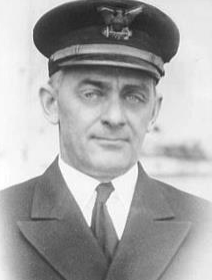
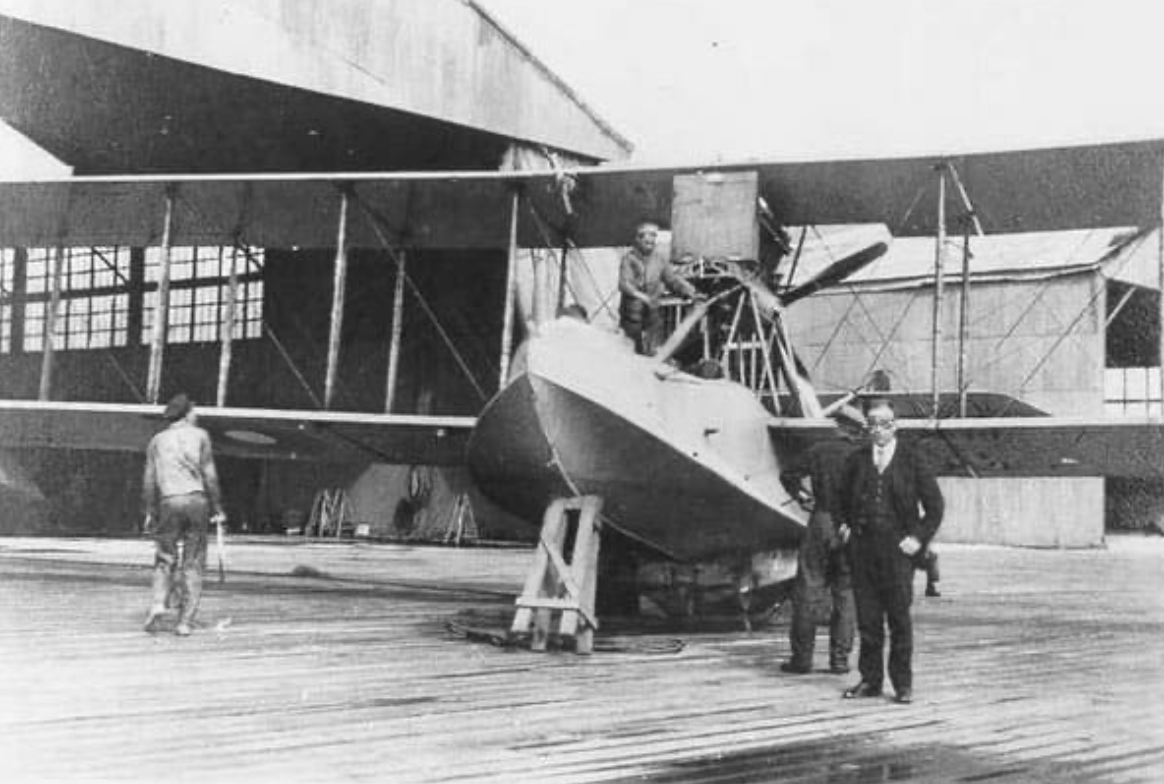
1917  Third Lieutenant Elmer Stone, USCG, graduated from Pensacola Naval Aviation Training School, thereby becoming the service’s first aviator.  Third Lieutenant Stone was designated as Naval Aviator #38 and later Coast Guard Aviator #1.

1919  The Acting Secretary of the Treasury advised that light keepers and the officers and crews of vessels were not entitled to the benefits of the Public Health Service free of charge after retirement.

1969  ENC Morris S. Beeson, on CGC Point Orient, was killed in action during a boarding in Vietnam.

ENC Morris S. Beeson, on CGC Point Orient

A Note from The Virtual Wall

While the majority of US naval units were drawn from the Navy, the Coast Guard provided a number of smaller ships well suited to coastal patrol and close-in support for the riverine forces. Chief Petty Officer Beeson was killed in a small boat operation south of Chu Lai. The incident is described in the USNAVFORV History for March 1969:

“On the 22nd the small boat from the USCGC POINT ORIENT was checking fishing craft close inshore 56 miles north of Qui Nhon. While proceeding to board the three sampans caught in a restricted zone heavy automatic weapons fire was received from three positions to the north and west. A crewman was struck and killed instantly by the first burst of fire. In the incident three of the five sampans hailed by the small boat stopped their engines instead of evading up the river with the other two. Because restricted area violators had frequently been evading, the incident appeared to be a deliberate ambush with the sampans luring the small boat close to the shore line.”

The incident occurred at Tam Quan Point which forms the northern border of Tam Quan harbour, Binh Dinh Province.

Beeson Hall, the USCG Division 12 headquarters in Da Nang, was the only Coast Guard facility named for any of the Squadron One Coast Guardsmen killed in action in Vietnam.

2003  Three Iraqi sailors were captured in the northern Persian Gulf, the first Enemy Prisoners of War (EPOWs) taken by Coast Guard forces deployed in support of Operation Iraqi Freedom.  The 24-member crew of USCGC Adak (WPB-1333) plucked the Iraqi sailors from the sea after they had jumped overboard when their patrol boat was destroyed by coalition forces.  The EPOWs were taken aboard Adak and later transferred to an undisclosed location.

“Coast Guard offloads over $517.5 million in illicit drugs interdicted in Eastern Pacific Ocean” –D7

An engine cowling rests against an MH-65 dolphin helicopter at Port Everglades, on March 20, 2025. After attempts to stop a non-complaint vessel failed, the Coast Guard’s Helicopter Interdiction Tactical Squadron was authorized to use force, including disabling fire. (Coast Guard photo by Petty Officer 3rd Class Nicholas Strasburg)

Below is a news release from District Seven. I don’t pass along every ship’s off load of  drugs because they have gotten to be routine, but this patrol was anything but routine.

  • For one ship to interdict 12 drug smugglers in a single patrol is unusual.
  • This interdiction of four go-fast vessels operating in company moving almost as if in formation was unusual.

“On Feb. 19, Stone’s embarked UAS crew detected multiple suspicious vessels approximately 110 miles south of the Galapagos Islands, Ecuador. Stone’s embarked HITRON aircrew employed airborne use of force tactics to compel the non-compliant vessels to stop, and their boarding teams interdicted four go-fast vessels, apprehending eight suspected smugglers and seizing approximately 10,885 pounds of cocaine.”

  • Success of the UAS was notable.
  • The location of that interdiction is unusual in that it is probably at least 500 nautical miles west of Ecuador and well South of Colombia, the country we normally think of as the source for cocaine.

(Could the four vessels intercepted Feb. 19 have been on the way to meet a larger vessel offshore? –either to transfer the load or to refuel?)

The photo above, at the head of this post, was the first thing that really got my attention, but apparently, that cowling was not unique.

USCGC Stone (WMSL-758) delivers $517.5 million in illicit drugs interdicted in Eastern Pacific Ocean. Along side are displayed cowlings of outboard motor disabled by the Airborne Use of Force crew from the Coast Guard’s Helicopter Interdiction Tactical Squadron (HITRON) based in Jacksonville, FL.


March 20, 2025

Coast Guard offloads over $517.5 million in illicit drugs interdicted in Eastern Pacific Ocean

MIAMI – The crew of U.S. Coast Guard Cutter Stone offloaded approximately 45,600 pounds of illicit narcotics worth more than $517.5 million at Port Everglades, Thursday.

The seized contraband was the result of 14 interdictions in international waters of the Eastern Pacific Ocean, and 35 suspected smugglers were transferred ashore to face federal prosecution in U.S. courts.

“You heard it said before that the Coast Guard’s national security cutters are game changers in the counter-drug mission, but they still require a crew of men and women willing to serve on or over the sea, and place themselves in harm’s way,” said Capt. Jonathan Carter, commanding officer of Stone. “I’m incredibly proud of our crew’s performance and their efforts to combat narco-terrorism this deployment. In one exceptional case, the crew interdicted four go-fast vessels in 15 minutes, seizing nearly 11,000 pounds of cocaine that will never be mixed with deadly fentanyl to threaten American lives here at home.”

On Dec. 21, Stone’s embarked aircrew from Coast Guard Helicopter Interdiction Tactical Squadron detected a suspicious vessel in international waters approximately 321 miles west of Ecuador. Stone’s boarding team interdicted the go-fast vessel, apprehended three suspected smugglers and seized over 1,630 pounds of cocaine.

On Dec. 22, a maritime patrol Dash-8 aircrew detected a suspicious vessel in international waters approximately 180 miles southeast of the Galapagos Islands, Ecuador. Stone’s embarked HITRON aircrew and boarding team interdicted the low-profile go-fast vessel, apprehended three suspected smugglers and seized approximately 12,220 pounds of cocaine.

On Jan. 9, a maritime patrol Dash-8 aircrew detected a suspicious vessel in international waters approximately 148 miles west of Salinas, Ecuador. Stone’s embarked HITRON aircrew and boarding team interdicted the go-fast vessel, apprehended three suspected smugglers and seized approximately 2,370 pounds of cocaine.

On Jan. 28, Stone’s embarked unmanned aircraft system (drone) crew detected a suspicious vessel in international waters approximately 459 miles south of Manzanillo, Mexico. Stone’s boarding team interdicted the vessel, apprehended five suspected smugglers and seized approximately 3,885 pounds of cocaine.

On Jan. 30, Stone’s embarked UAS crew detected a suspicious vessel in international waters approximately 715 miles off Mexico. Stone’s boarding team interdicted the vessel, apprehended two suspected smugglers and seized approximately 3,800 pounds of cocaine.

On Jan. 31, Stone’s embarked UAS crew detected a suspicious vessel in international waters approximately 630 miles off Mexico. Stone’s embarked HITRON aircrew employed airborne use of force tactics to compel the non-compliant vessel to stop, and the boarding team apprehended three suspected smugglers and seized more than 2,565 pounds of cocaine.

On Feb. 12, Stone’s embarked UAS crew detected a suspicious vessel in international waters approximately 655 miles south of Mexico. Stone’s embarked HITRON aircrew employed airborne use of force tactics to compel the non-compliant vessel to stop, and the boarding team apprehended three suspected smugglers and seized more than 3,640 pounds of cocaine.

On Feb. 18, Coast Guard Cutter Mohawk’s crew detected and boarded a sailing vessel approximately 70 miles northwest of Isla Malpelo, Colombia. Mohawk’s boarding team apprehended three suspected smugglers and seized approximately 635 pounds of cocaine.

On Feb. 19, Stone’s embarked UAS crew detected multiple suspicious vessels approximately 110 miles south of the Galapagos Islands, Ecuador. Stone’s embarked HITRON aircrew employed airborne use of force tactics to compel the non-compliant vessels to stop, and their boarding teams interdicted four go-fast vessels, apprehending eight suspected smugglers and seizing approximately 10,885 pounds of cocaine.

On Feb. 25, Mohawk’s crew detected and interdicted a suspicious vessel approximately 230 miles south of Costa Rica. Mohawk’s boarding team apprehended three suspected smugglers and seized approximately 1,600 pounds of cocaine and 330 pounds of marijuana. Costa Rican authorities took custody of the fishing vessel, suspects and bulk contraband for prosecution.

On March 10, Stone’s embarked HITRON aircrew detected a suspicious vessel in international waters approximately 270 miles southeast of the Galapagos Islands, Ecuador. The HITRON aircrew employed airborne use of force tactics to compel the vessel to stop, and Stone’s boarding team interdicted the go-fast vessel, apprehending two suspected smugglers and seizing approximately 3,980 pounds of cocaine. The transfer of custody from this case will occur at a later date.

“The fight against drug trafficking and transnational criminal organizations doesn’t begin at our U.S. maritime borders,” said Cmdr. David Ratner, commanding officer of Mohawk. “Our efforts to defend Americans at home begins with denying drug traffickers access to maritime routes and disrupting the flow far out at sea where we operate alongside interagency and strategic regional partners like Costa Rica.”

The following assets and crews were involved in the interdiction operations:

Detecting and interdicting illicit drug traffickers on the high seas involves significant interagency and international coordination. Joint Interagency Task Force-South, in Key West, conducts the detection and monitoring of aerial and maritime transit of illegal drugs. Once an interdiction becomes imminent, the law enforcement phase of the operation begins, and control of the operation shifts to the U.S. Coast Guard for the interdiction and apprehension phases. Interdictions in the Eastern Pacific Ocean are performed by members of the U.S. Coast Guard under the authority and control of the Eleventh Coast Guard District, headquartered in Alameda, California.

The Coast Guard continues increased operations to interdict, seize and disrupt transshipments of cocaine and other bulk illicit drugs by sea. These drugs fuel and enable cartels and transnational criminal organizations to produce and traffic illegal fentanyl, threatening the United States.

Each of these interdictions initiate criminal investigations by federal law enforcement partners. Several were tied to the transnational criminal organizations responsible. Drug evidence from these cases is linked to cartels recently designated as foreign terrorist organizations by the U.S. government, including Sinaloa and Cartel Jalisco Nueva Generaciόn. These interdictions denied those criminal organizations more than half a billion dollars and provide critical evidence for their total elimination.

USCGC Stone is one of four 418-foot Legend-class national security cutters homeported in Charleston, South Carolina under U.S. Coast Guard Atlantic Area Command. The U.S. Coast Guard Maritime Law Enforcement Academy where Coast Guard boarding officers train to conduct these missions, in Charleston, celebrated its 20th anniversary on March 14.

For breaking news, follow us on X (formerly Twitter). For additional information, find us on Facebook and follow us on Instagram.

Make a difference on land, at sea or in the air with the Coast Guard. Visit GoCoastGuard.com to learn more about active duty and reserve, officer and enlisted opportunities. Information on how to apply to the U.S. Coast Guard Academy can be found here.