“Coast Guard Cutter Valiant returns home after 46-day patrol in the Windward Passage” –Coast Guard News

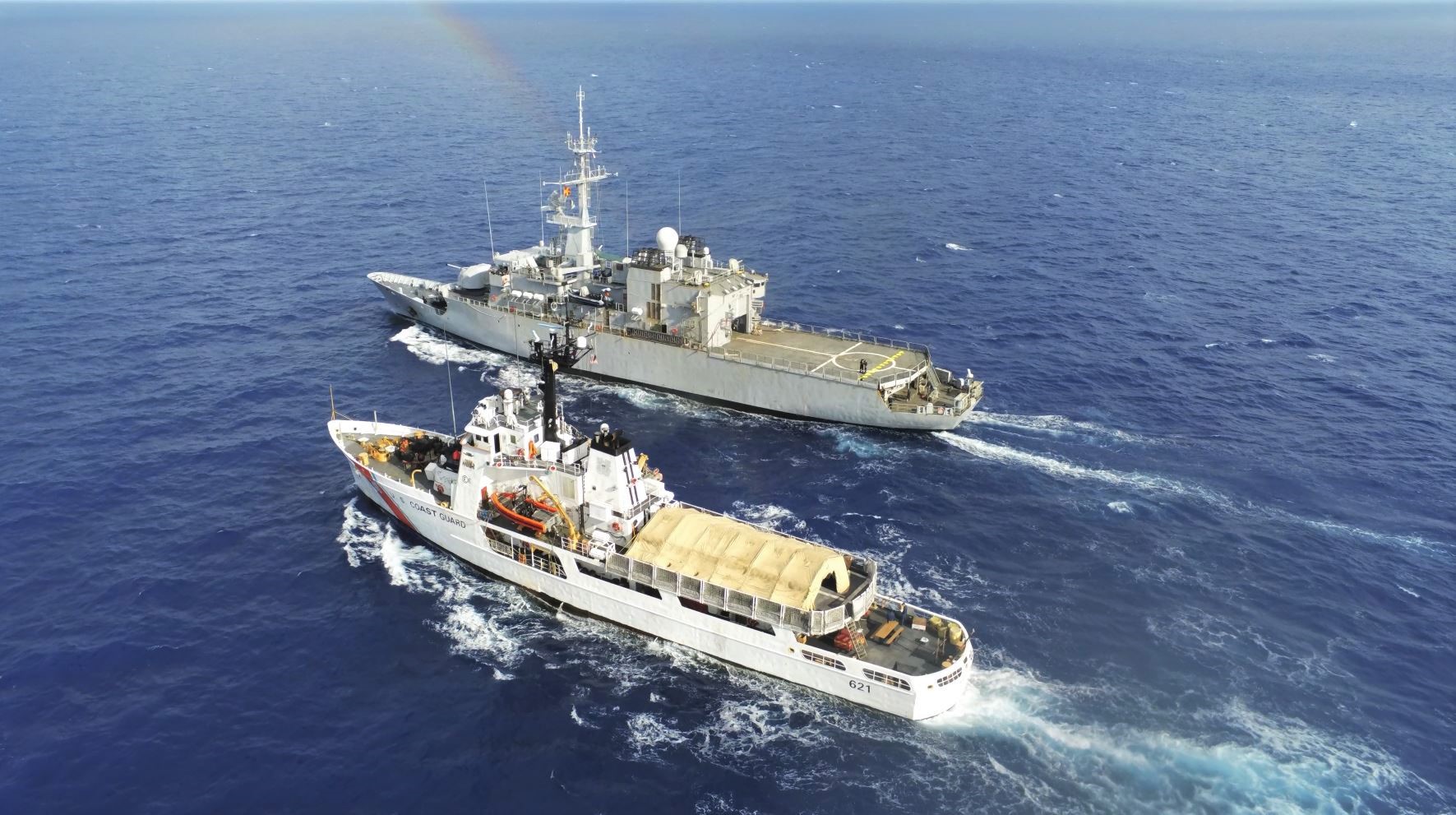
U.S. Coast Guard Cutter Valiant (WMEC 621) and French Navy Frigate FS Ventôse (F733) conduct joint exercises at sea, Sept. 29, 2024, while underway in the Windward Passage. The crew of Valiant conducted a 49-day migrant interdiction operations patrol in the region to protect life at sea and enforce U.S. maritime law. (Photo courtesy of FS Ventôse)

I am posting the CG news release below, partly just because I liked the photo above that accompanied it. (Click to enlarge. There is even a hint of a rainbow.)

The two ships also make an interesting comparison.

Although it is a French Navy ship and classed as a surveillance frigate, FS Ventôse and her Floréal class sister ships along with the newer, larger  Lafayette class are the French equivalent of large US Coast Guard patrol cutters.

It is not apparent from the photo, but the French ship is longer–93.5 m (306 ft 9 in)–almost three times Valiant’s displacement.

Ventôse is now 31 years old. The class is expected to be replaced by the European Patrol Corvette beginning in 2030.

Valiant is now 57 years old. Six of her class of 16 are no longer in US Coast Guard service and we are yet to see the first Offshore Patrol Cutter.

First of Floréal class was commissioned 28 years after the first of the Reliance class, only a couple of years before we should have started replacing the Reliance class.

Note the photo was taken from a French helicopter.

Cutters need reconfigurable space if they are to have mission flexibility without the need for greatly increased size. Valiant deployed without a helicopter. Effectively Valiant’s flight deck was used as reconfigurable space. You can see the temporary shelter for immigrants in the photo.

Operating as Valiant did, where they could be supported by land-based aircraft, they probably did not need organic aviation assets for search, but it did mean they probably had no overwatch when they made boardings and certainly no armed overwatch.


Nov. 22, 2024

Coast Guard Cutter Valiant returns home after 46-day patrol in the Windward Passage

NAVAL STATION MAYPORT, Fla. — The crew of Coast Guard Cutter Valiant (WMEC 621) returned to their home port at Naval Station Mayport, Nov. 7, following a 49-day migrant interdiction operations patrol in the Windward Passage.

Valiant’s crew deployed in support of Homeland Security Task Force – Southeast (HSTF-SE) and Operation Vigilant Sentry (OVS) while operating in the Seventh Coast Guard District’s area of responsibility. Throughout the patrol, the crew of Valiant conducted maritime safety and security missions to protect life at sea and enforce U.S. maritime law.

While at sea, Valiant rendezvoused with French Navy Frigate FS Ventôse (F733) during the vessels’ independent patrols off coastal Haiti, where the two crews conducted North Atlantic Treaty Organization (NATO) exercises. Valiant’s crew applied cutter refueling at sea techniques and exercised NATO code signaling with their French counterparts. Valiant’s small boat team received the unique opportunity to perform small-boat operations with a French warship. And Ventôse embarked a team from Valiant for a simulated boarding, where Coast Guard members shared techniques, procedures and best practices with their French counterparts.

International professional exchanges at sea such as these are vital for strengthening partnerships between nations, clearing the path for joint operations where shared missions, such as search and rescue and maritime drug interdiction, overlap.

Additionally, the crew of Valiant provided care for 363 Haitian migrants and conducted their safe repatriation home. Valiant’s crew also transferred nearly 1,000 pounds of illegal narcotics and 14 suspected drug traffickers to proper authorities.

HSTF-SE serves as the Department of Homeland Security lead for operational and tactical planning, command and control, and acts as a standing organization to interdict unlawful maritime migration attempts with federal, state and local partners. HSTF-SE continues to enhance enforcement efforts in support of OVS, which is the 2004 DHS plan to respond to mass maritime migration in the Caribbean Sea and the Florida Straits.

Valiant is a multi-mission, 210-foot, Reliance-class medium endurance cutter. Its primary missions include search and rescue, maritime law enforcement, marine environmental protection, homeland security and national defense operations.

This Day in Coast Guard History, November 23

Based on the Coast Guard Historian’s timeline, https://www.history.uscg.mil/research/chronology/
With inspiration from Mike Kelso

November 23

The staff of the Boston District personnel office celebrate VJ day.
[190530-G-G0000-3018]

1942  The Coast Guard Women’s Reserve, known as SPARs, was organized.

1970 – Editorial cartoon run during the Kudirka Incident. Credit New York Times

1970  Simas I. Kudirka, a Lithuanian seaman, attempted to defect from his Soviet fishing vessel to CGC Vigilant.  The incident occurred during a meeting near Martha’s Vineyard between the Soviets and the U.S. on fishing rights.  After consulting with the First District command, the cutter’s commanding officer allowed Soviet crewmen to board the cutter and forcibly remove Kudirka.

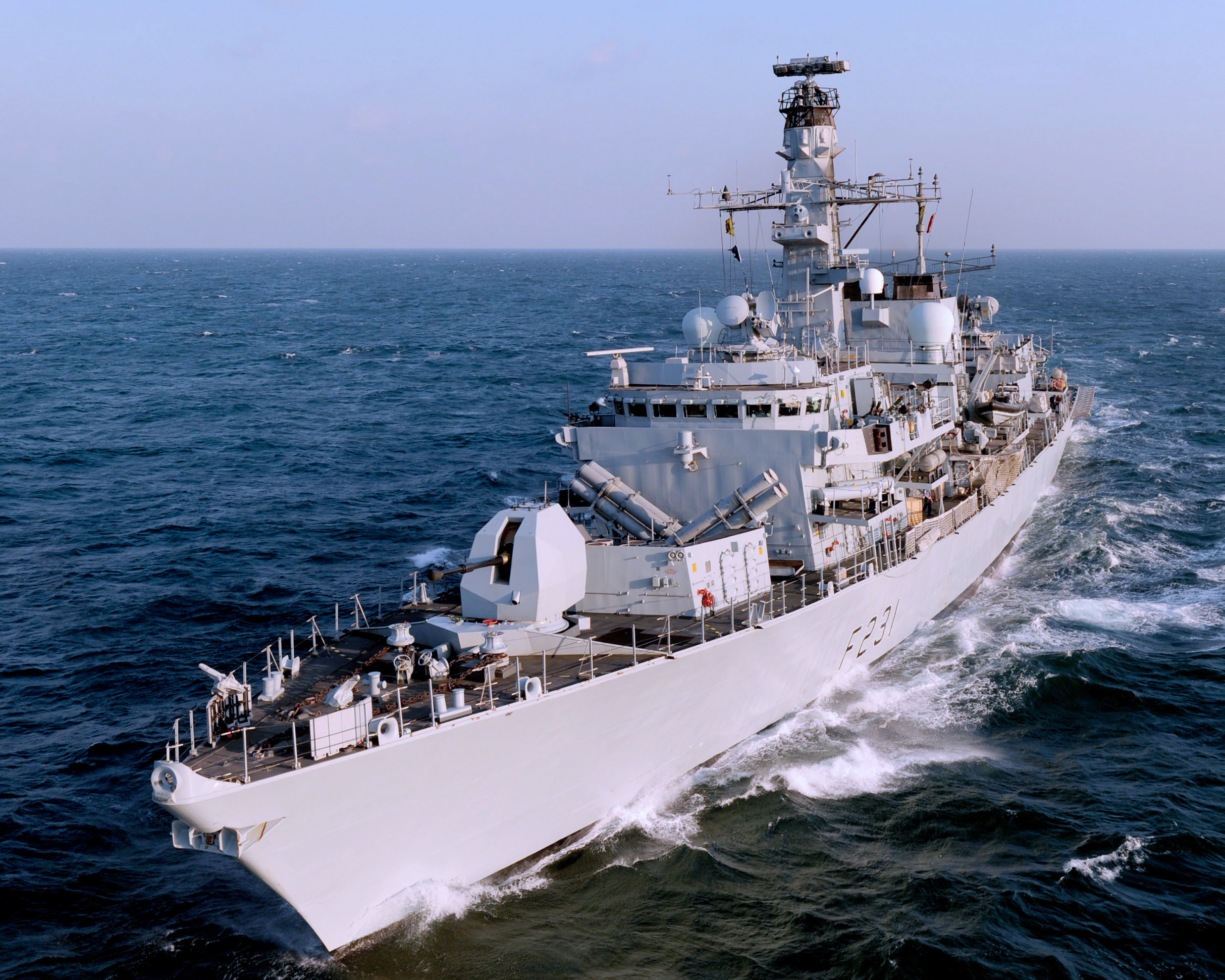
Royal Navy Type 23 frigate HMS Argyll is pictured at the end of Exercise Goalkeeper in the Middle East. Based in Plymouth, HMS Argyll was the longest-serving Type 23 frigate in the Royal Navy. Built in the late 1980s at the Yarrow Yard in Scotstoun on the Clyde (today part of BAE Systems), she was commissioned in 1991. She was decommissioned May 2024.

2014  While on a routine patrol, a Joint Interagency Taskforce South maritime patrol aircraft crew detected a go-fast vessel south of Haiti heading north at 15 knots with fuel barrels and possible contraband on board.  Watchstanders from the Coast Guard 7th District Command Center directed HMS Argyll to intercept and conduct a boarding of the vessel.  The go-fast began to jettison objects and Argyll launched both of its smallboats.  Shortly after, the go-fast vessel with four suspected smugglers aboard became compliant and was boarded by a U.S. Coast Guard law enforcement team assigned to Argyll.  The Royal Navy warship’s crew recovered 29 bales of contraband the suspects jettisoned into the water.  All bales later tested positive for cocaine.  The smuggling vessel was destroyed as a hazard to navigation.  In a separate case, the Coast Guard LEDET and crew of Argyll teamed to seize 216 kilograms of cocaine after a Dutch maritime patrol aircraft detected a suspect go-fast and vectored Argyll to the vessel’s location on November 23, 2014. The go-fast vessel was stopped and two suspects were taken into custody.  The contraband was offloaded in Mayaguez, Puerto Rico.

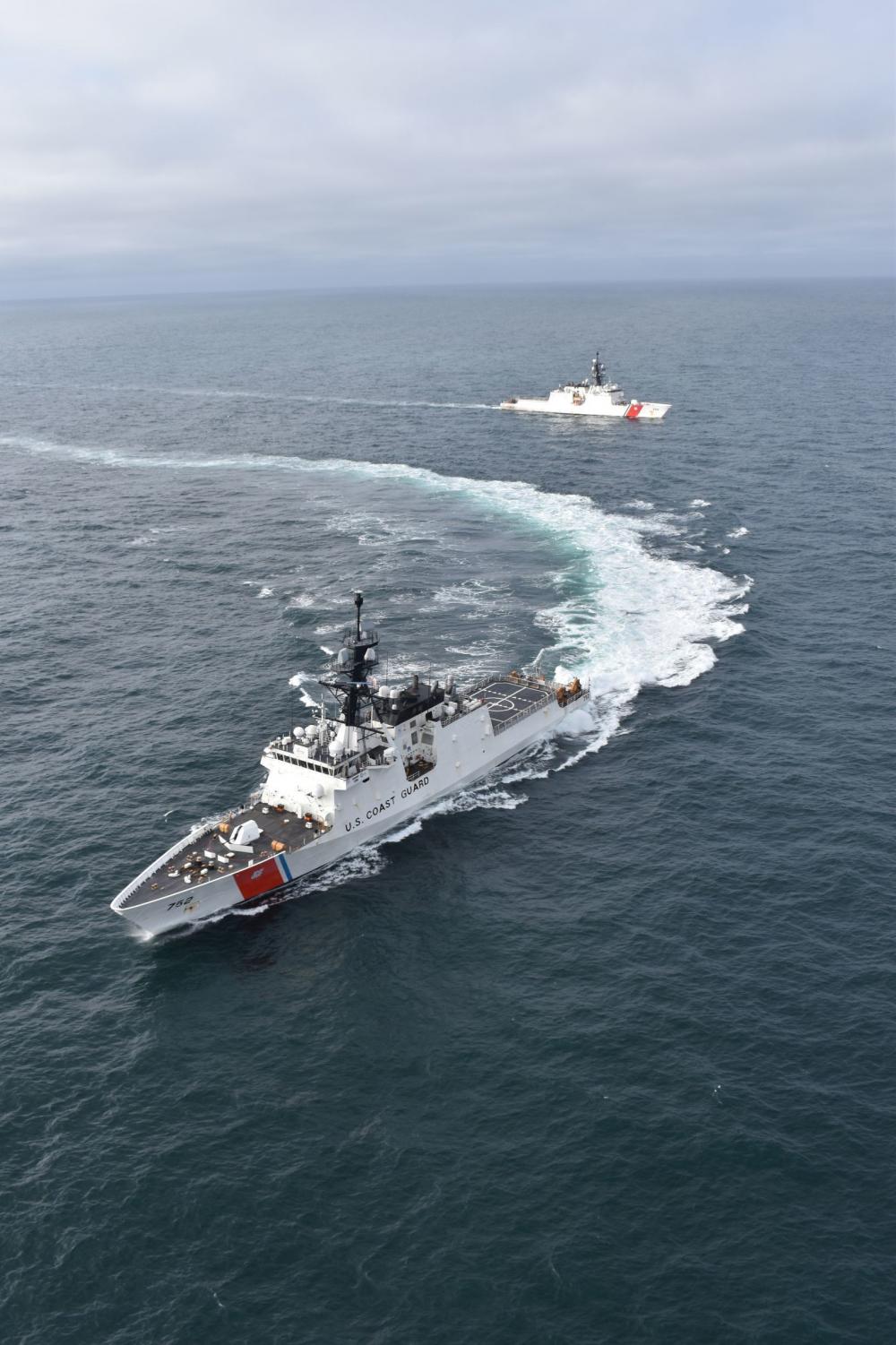
U.S. Coast Guard Cutters Stratton (WMSL 752) and Kimball (WMSL 756) steam in formation while patrolling the U.S.-Russian Maritime Boundary Line (MBL), in the Bering Sea, Sept. 26, 2022. This marked the first time two national security cutters jointly patrolled the MBL above the Arctic Circle. (U.S. Coast Guard courtesy photo).

2022  The Coast Guard Cutter Stratton (WMSL 752) and crew returned to Alameda, Wednesday, November 23, 2022 following a 97-day, multi-mission deployment to the Arctic Ocean and Bering Sea.  In August, the cutter and crew departed Alameda to project U.S. sovereignty throughout U.S. Arctic waters, provide search and rescue capabilities in the region, and meet with Alaskan communities. Stratton repeatedly operated along the length of the U.S.-Russian maritime boundary line (MBL) from the Diomede Islands to well above the Arctic Circle, while they patrolled within the U.S. Arctic zone. Stratton also patrolled the U.S.-Canadian MBL in the Beaufort Sea, demonstrating a presence in the distant regions of the Arctic. On September 26, 2024, Stratton and the Coast Guard Cutter Kimball (WMSL 756) became the first national security cutters to jointly patrol the U.S.-Russian MBL above the Arctic Circle. The operational intent was the protection of the sovereign rights of the U.S. and the promotion of international maritime norms through Coast Guard presence and influence in this increasingly strategic and competitive region. Stratton’s crew supported multiple search and rescue cases during their patrol, including rescuing two fishermen from a disabled vessel 180 miles off the Oregon coast while Stratton was transiting to the Arctic. The crew towed a 66-foot disabled fishing vessel toward shore and then transferred the vessel and survivors to a Coast Guard Station Coos Bay 47-foot Motor Lifeboat crew, approximately 45 miles offshore Coos Bay, Oregon. Stratton’s crew also coordinated with Air Station Kodiak aircrews and the Alaska State Troopers to help locate a family stranded on the remote shores of Kotzebue Bay, Alaska, after their boat capsized. Stratton and the Canadian Coast Guard Ship Sir Wilfrid Laurier crews conducted an Arctic search-and-rescue exercise near Point Hope, Alaska. The crews exercised bilateral coordination to locate a simulated vessel in distress using Stratton’s Scan Eagle unmanned aerial system and operations specialists aboard Stratton, who directed the Canadian small boat crew toward the distressed vessel while watching a live feed from the overhead drone. The Canadian small boat located, recovered, and returned the distressed vessel to Stratton. While operating near and above the Arctic Circle, Stratton’s crew conducted multiple outreach events with community members and key leaders in Kaktovik and Utqiagvik on Alaska’s North Slope. The crew also visited the village of Savoonga on Saint Lawrence Island, Alaska.


This Day in Coast Guard History, November 22

Based on the Coast Guard Historian’s timeline, https://www.history.uscg.mil/research/chronology/
With inspiration from Mike Kelso

1906  At the second International Radio Telegraphic Convention, which was held in Berlin, the attendees agreed to adopt the wireless signal “SOS” as the internationally recognized signal for distress at sea.  Their thinking was that three dots, three dashes and three dots could not be misinterpreted.

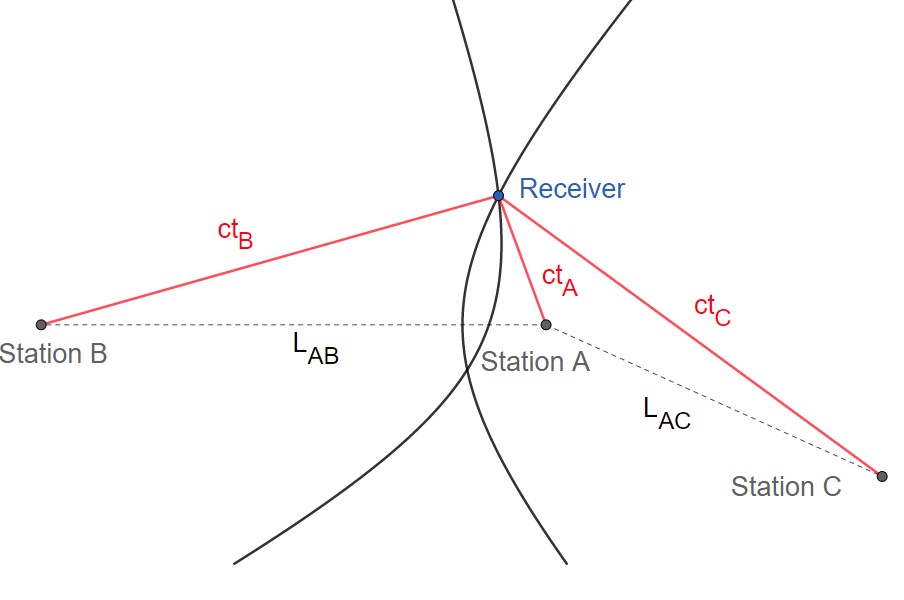
Hyperbolic navigation example (Image: Wikipedia)

1953  A great boon to ocean navigation for aircraft surface vessels was the completion of four new LORAN stations in the Far East.  The stations were built at Mikayo Jima, Ryuku Islands; Bataan and Cantanduanes Islands, Philippines; and Anguar, Palau Island in the Carolinas chain.

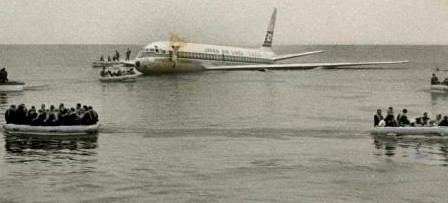
Japan Airlines Flight 2 in the water just short of San Francisco International Airport runway. 22 November 1968. US Coast Guard photo.

1968  A DC-8 with 107 persons on board disappeared from the radar during final approach to San Francisco International Airport.  Visibility was 3/4-mile in fog and the ceiling was 300 feet.  A Coast Guard helicopter located the aircraft in the water 6,100 yards from the runway with people on the wings boarding life rafts.  Within seven minutes, two additional helicopters and a Coast Guard boat were on the scene.  All 107 persons were saved.

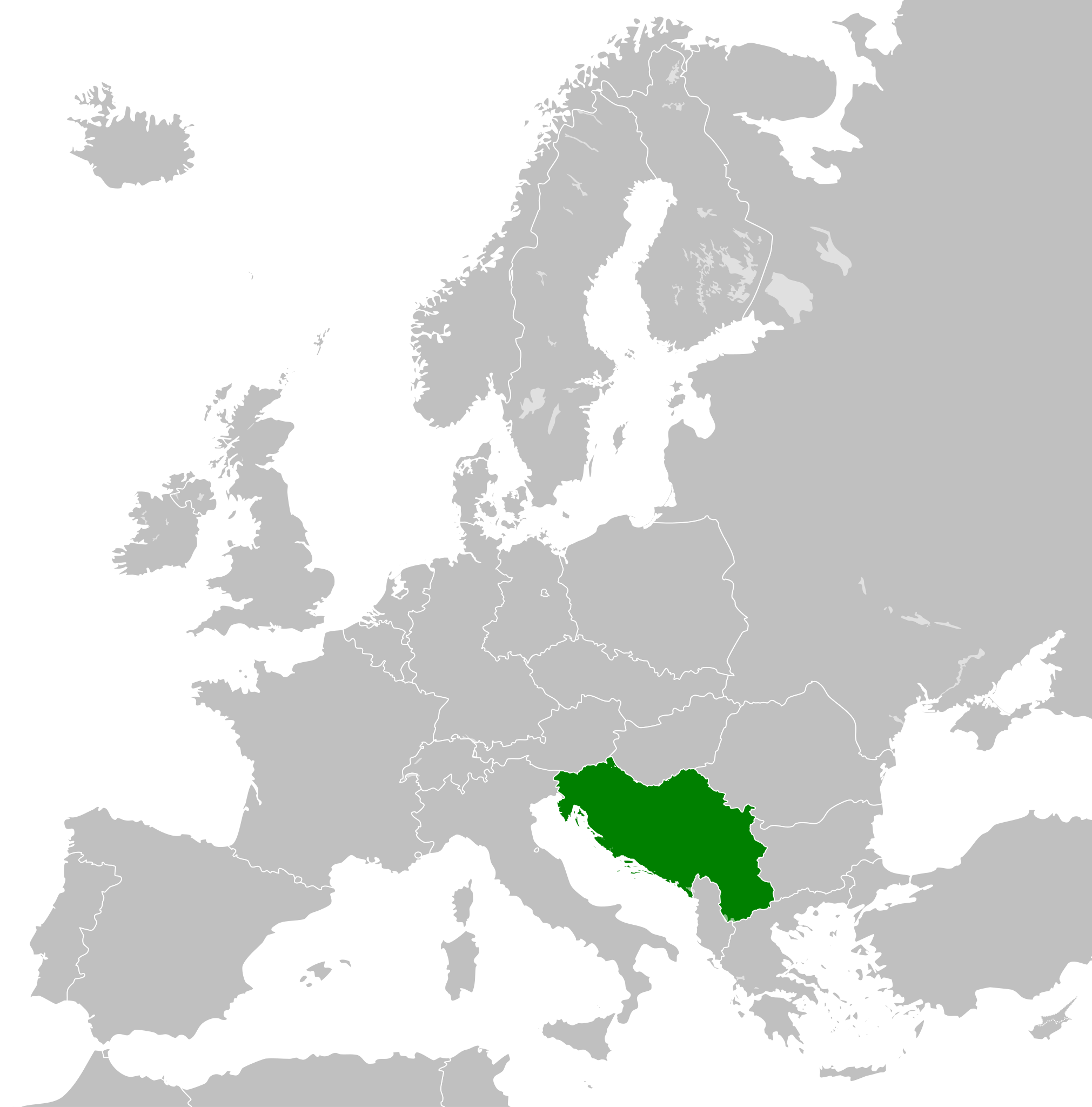
Map of Socialist Federal Republic of Yugoslavia as it was from 1945-1992. Surrounding countries accurate from 1956-1990.

1993  NATO began enforcing United Nations’ Resolutions 713 and 757 that set in place an embargo against the former Federal Republic of Yugoslavia (Serbia and Montenegro).  Four Coast Guard LEDETs were deployed to Southern Europe to support the operation and were placed aboard NATO warships.

SAN FRANCISCO. The Coast Guard Cutter Waesche transits through the San Francisco Bay for the first time en route to its homeport of Alameda, Calif., Feb. 28, 2010. (U.S. Coast Guard photo by Petty Officer 3rd Class Kevin Metcalf)

2015  CGC Waesche returned to its homeport at Coast Guard Island in Alameda after a 106-day deployment. Waesche departed Alameda in August on its 18,000-mile deployment ranging from the coast of Southern California to the Arctic Ocean, and the Bering Sea.  During this deployment, Waesche’s crew completed two weeks of weapons system testing and certification, patrolled the Arctic in support of Operation Arctic Shield, and enforced federal fisheries laws and safety regulations in the Gulf of Alaska and Bering Sea.  Law enforcement personnel aboard the cutter conducted numerous at-sea boardings of fishing vessels to ensure compliance with federal fisheries regulations and conduct spot checks of required safety equipment.  The cutter patrolled in the Arctic, furthering national strategic goals by enhancing maritime domain awareness and improving preparedness, prevention, and response capabilities in the region.  While in the Bering Sea, Waesche assisted in a search-and-rescue case that resulted in the successful medical evacuation of an ailing fisherman.  Waesche crewmembers worked closely with the communities of Dutch Harbor and Barrow, Alaska while in the area.  The crew hosted community leaders from Barrow aboard the cutter to discuss the rapidly evolving economic landscape in the Arctic and volunteered during their time ashore to complete several community service projects in the community of Dutch Harbor.

Aerosonde UAS–Two Navy Contracts

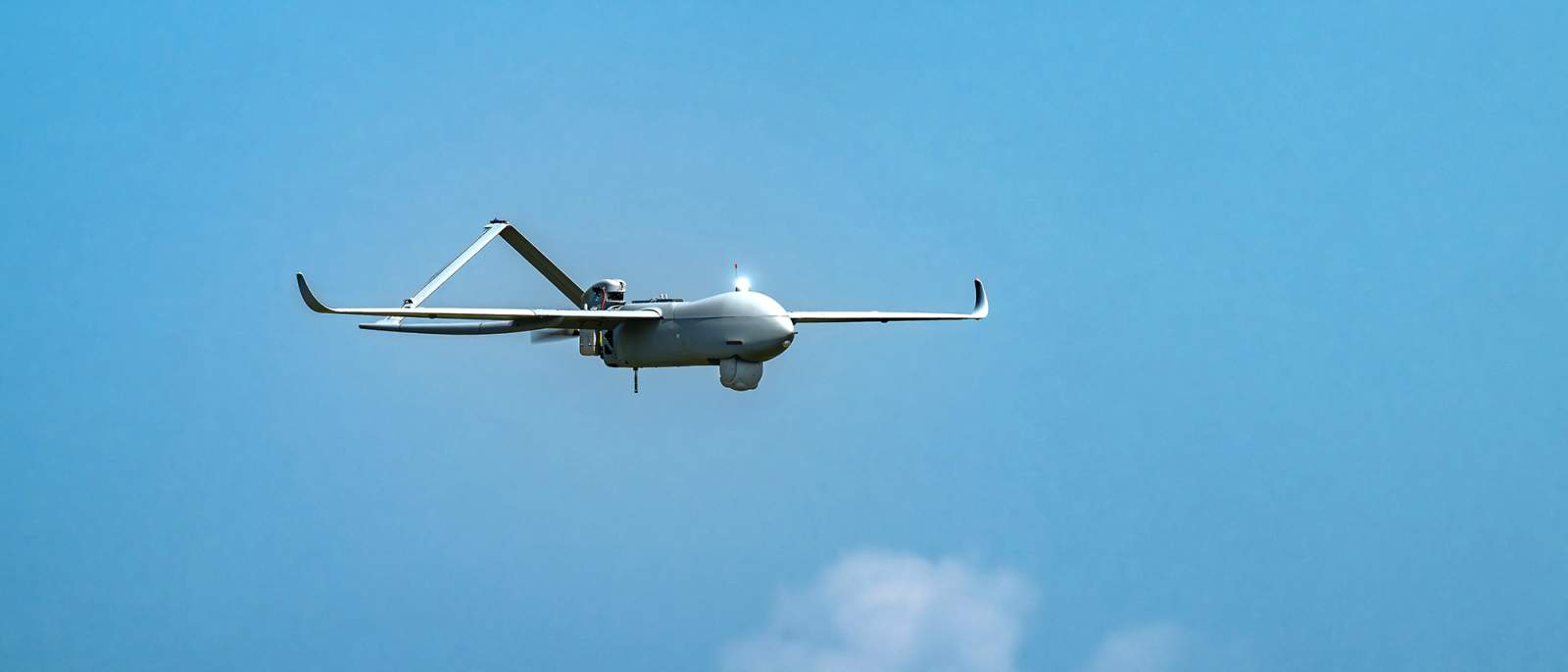
Textron Aerosonde UAS

Below are two news releases reporting contracts for Contractor-Owned/Contractor-Operated Aerosonde Uncrewed Air System operation support, first on the Littoral Combat Ships bound for the 5th Fleet (Central Command) and second for an unidentified ship deploying to 6th Fleet (European Command).


Textron Systems Awarded Uncrewed Aircraft System (UAS) Contracts For Three Additional U.S. Navy Littoral Combat Ships (LCSs)

Aerosonde® UAS Increases Maritime Contractor-Owned/Contractor-Operated (COCO) Missions

Hunt Valley, Md., November 18, 2024 – Textron Systems Corporation, a Textron Inc. (NYSE:TXT) company, announced today that it has been awarded a task order valued at up to $47 million by the U.S. Navy’s Naval Air Systems Command (NAVAIR) to provide COCO UAS services to three Independence Class Littoral Combat Ships (LCS) deploying to 5th Fleet. This award follows a 2023 contract to provide UAS support to LCSs, bringing the total number of U.S. Navy ships supported by the Aerosonde® UAS to 10.

Textron Systems will deploy its Aerosonde UAS and skilled personnel to provide mission overwatch and extended range intelligence, surveillance and reconnaissance (ISR) services with enhanced mission payloads as seen aboard the Expeditionary Sea Base (ESB)-4 and ESB-5, as well as two DDG-class ships and three LCSs. In December 2023, the Aerosonde UAS took its inaugural operational flight from its first LCS, the LCS-28 USS Savannah.

“Textron Systems has delivered COCO services with our Aerosonde UAS for over a decade, demonstrating the flexibility and value a model like this brings to the services,” said David Phillips, Senior Vice President Air, Land and Sea Systems. “Because we are managing the full life cycle of the system, including technology integration, human factors, spares and repairs, employing the Aerosonde UAS enables the Navy customer to focus solely on their mission. We extend the customer’s capabilities across the mission packages of each ship reliably and quickly.”

The Aerosonde UAS offers multi-mission capability built upon a family of systems which have amassed over 700,000 flight hours over more than 10 years. The system is equipped for multiple payload configurations with both vertical takeoff and landing (VTOL) and fixed-wing options.

NAVAIR Public Release SPR-2024-0803. Distribution Statement A – “Approved for public release; distribution is unlimited”


Textron Systems Awarded Uncrewed Aircraft System (UAS) Contract For Additional U.S. Navy Ship

Aerosonde® UAS Increases Maritime Contractor-Owned/Contractor-Operated (COCO) Missions

Hunt Valley, Md., November 20, 2024 – Textron Systems Corporation, a Textron Inc. (NYSE:TXT) company, announced today that it has been awarded a task order valued at up to $17 million by the U.S. Navy’s Naval Air Systems Command (NAVAIR) to provide COCO UAS services to a U.S. Navy ship deploying to 6th Fleet. This award brings the total number of U.S. Navy ships supported by the Aerosonde® UAS to 11.

Textron Systems will deploy its Aerosonde UAS and skilled personnel to provide mission overwatch and extended range intelligence, surveillance and reconnaissance (ISR) services with enhanced mission payloads. In September, Textron Systems was contracted to provide support to three additional Littoral Combat Ships (LCS).

“Textron Systems is committed to enhancing the Navy’s mission sets. The continued use of ISR support demonstrates the benefit of the COCO model and the services our Aerosonde UAS provides to the sailor,” said David Phillips, Senior Vice President Air, Land and Sea Systems. “The flexibility in a COCO mission allows the Navy to extend their capabilities while we as the contractor manage the full life cycle of the system, ultimately resulting in greater efficiency and reliability.”

The Aerosonde UAS offers multi-mission capability built upon a family of systems which have amassed over 700,000 flight hours over more than 10 years. The system is equipped for multiple payload configurations with both vertical takeoff and landing (VTOL) and fixed-wing options.

NAVAIR Public Release SPR-2024-0801. Distribution Statement A – “Approved for public release; distribution is unlimited”

“Indonesia’s New President Makes Three Stunning Concessions to China” –Real Clear Defense

Indonesian Maritime Security Agency vessel KN Tanjung Datu, left, sails alongside U.S. Coast Guard Cutter Stratton during joint exercises in the Singapore Strait in August 2019. IMAGE CREDIT: PO1 LEVI READ/USCG

Real Clear Defense reports,

“Indonesia’s new president, Prabowo Subianto, needed only three weeks in office to make three big concessions to China.

In a joint statement with President Xi Jinping in Beijing on 9 November, Prabowo acknowledged Chinese maritime claims that Indonesia had long rejected. Despite leading the most populous Muslim-majority country, he affirmed China’s right to deal with Xinjiang as it pleased. He also endorsed China’s vague vision of the geopolitical order, something that Indonesia has long been wary of.”

This is a disappointing turnabout. Indonesia had appeared to be a leader in ASEAN in rejecting expansive Chinese maritime claims.

This Day in Coast Guard History, November 21

Based on the Coast Guard Historian’s timeline, https://www.history.uscg.mil/research/chronology/
With inspiration from Mike Kelso

November 21

USS ENDURANCE (MSO-435) cruises into position alongside the oiler USS MISPILLION (AO-105) for underway refueling, 5 January 1971. Catalog #: USN 1147566

1970  Two 378-foot cutters, CGC Sherman and Rush, combined with USS Endurance to attack and sink a North Vietnamese trawler attempting to smuggle arms into South Vietnam.

The Reliance-class medium endurance cutter USCGC Decisive (WMEC 629) conduct at sea engagements with the navy of Guatemala in the territorial seas of Guatemala on Oct. 25 – 26, 2021. The U.S. Coast Guard conducts routine deployments in the Southern Command area of responsibility, works alongside partners, builds maritime domain awareness, and shares best practices with partner nation navies and coast guards. (U.S. Coast Guard photo)

1995  CGC Decisive located and began tracking a 75-foot freighter packed with Haitian migrants 30 miles off the northwest coast of Haiti on November 19.  The cutter followed the freighter for two days as it maneuvered in and out of Cuban territorial seas, refusing to allow a boarding party aboard.  Finally, at noon, November 21, with  USCGC Northland having joined the chase, the captain of the freighter allowed a boarding team to come aboard where they discovered 516 migrants.   Using small boats from both cutters, the migrants were brought aboard Northland and were repatriated.

Coastal freighter Calypso

2014  Watchstanders at the Coast Guard 7th District command center received a report from a tug stating they heard a distress call from a vessel claiming to be taking on water off the coast of Great Inagua, Bahamas.  A Coast Guard MH-60 crew deployed in support of Operations Bahamas, Turks and Caicos (OPBAT) launched and located the coastal freighter Calypso approximately 50 miles off the coast of Great Inagua.  The helicopter crew lowered a rescue swimmer down with a dewatering pump.  Calypso began to slowly transit to the coast of Haiti to investigate the source of the flooding.  At approximately 12:30 p.m., CGC Charles Sexton arrived on scene and Coast Guard crewmembers were transferred to the freighter and assisted with the dewatering of the vessel.  The freighter began to list on the right side due to the amount of water in the lower compartments.  To ensure the safety of everyone aboard, all seven crewmembers were removed and transferred to the cutter Sexton with no medical concerns.  CGC Thetis arrived on scene at approximately 7 p.m. and safely transferred the seven crewmembers from Sexton to Thetis.  At approximately 7:30 p.m., crewmembers from the cutter Thetis reported seeing the freighter Calypso continue to list on the right side before sinking approximately 45 miles north of Cap Haitien, Haiti.

This Day in Coast Guard History, November 20

Based on the Coast Guard Historian’s timeline, https://www.history.uscg.mil/research/chronology/
With inspiration from Mike Kelso

November 20

US Coast Guard manned Attack Transport USS Leonard Wood (APA-12) underway 28 April 1944. Source Robert Hurst

1943  Landings commenced at Makin and Tarawa in the Gilbert Islands.  The Coast Guard-manned assault transport USS Leonard Wood, veteran of the landings made in the Mediterranean, participated.  She landed 1,788 officers and men of the 165th Combat Team of the U.S. Army’s 27th Division, on Makin Island.  Coast Guard-manned LST-20LST-23LST-69, LST-169LST-205, and the USS Arthur Middleton, and the following Navy ships with partial Coast Guard crews: USSs HeywoodBellatrix, and William P. Biddle, participated in the bloody assault of Tarawa.

Coast Guard manned USS LST-69 beached while unloading equipment, date and location unknown.
US Coast Guard photo # 3237 from the collections of the US Coast Guard Historian’s Office. While moored in the West Loch at Pearl Harbor USS LST-69 was destroyed by an ordnance explosion, and sank, 21 May 1944.

This Day in Coast Guard History, November 19

Based on the Coast Guard Historian’s timeline, https://www.history.uscg.mil/research/chronology/
With inspiration from Mike Kelso

November 19

CDR Frank Erickson, USCG, the first US Naval Aviation helicopter pilot.

1943  CG Air Station at Floyd Bennett Field, Brooklyn, New York, was designated as a helicopter training base.  The Coast Guard ran the training program during the war.

US Coast Guard photo, by PAC Dana Warr

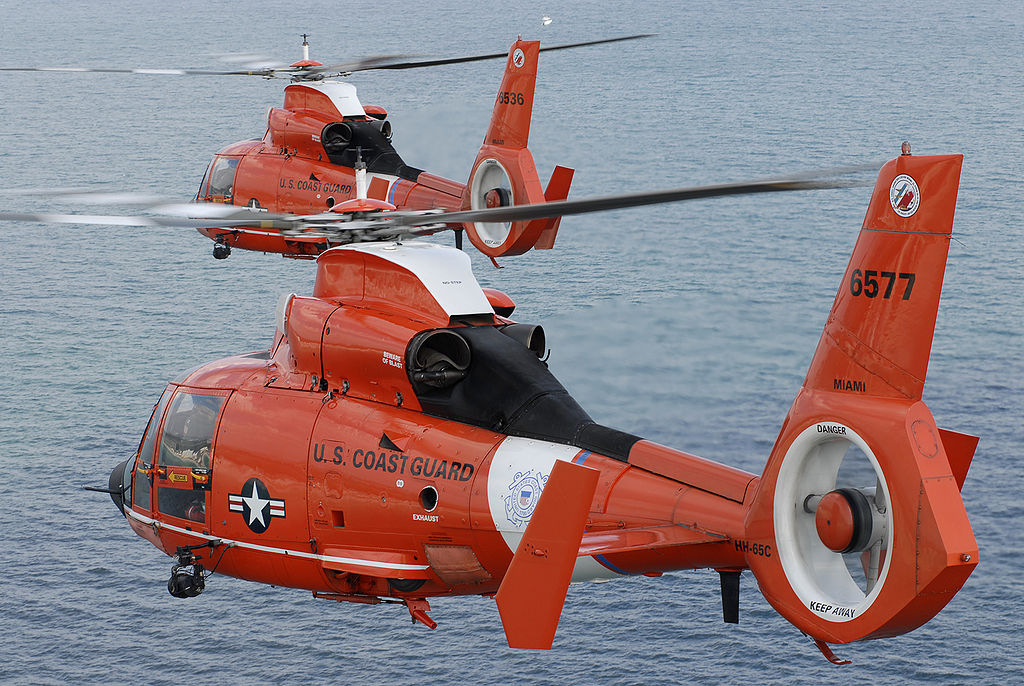
1984  The Coast Guard accepted the new HH-65A Dolphin helicopter for service.

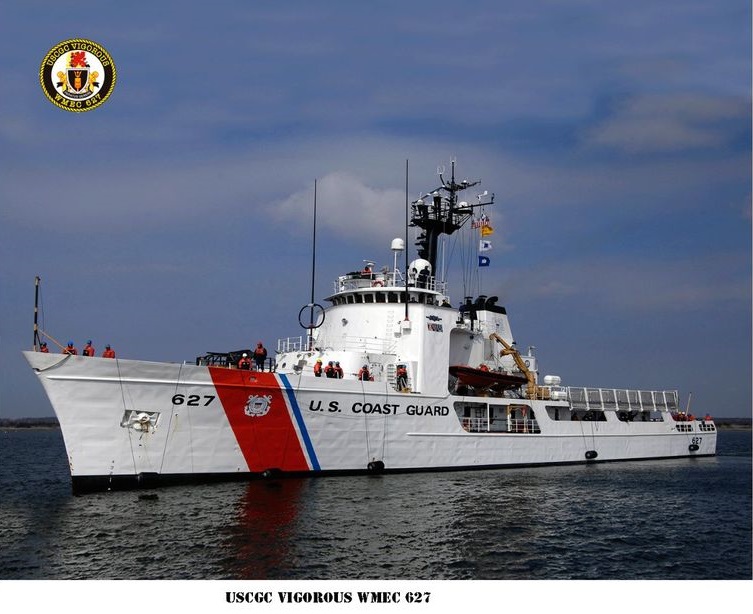
2008  CGC Vigorous returned to its homeport of Cape May, New Jersey, after “a productive 56-day deployment in the Caribbean Sea. . .Patrol highlights include law enforcement boardings, search and rescue operations as well as successfully completing Tailored Ship’s Training Availability.”

Propulsion and Maneuvering System for Waterways Commerce Cutters

Two Waterways Commerce Cutter variants – an Inland Construction Tender (top) and River Buoy Tender (bottom) (Credit: Birdon America)

Below is a press release from SCHOTTEL Inc.

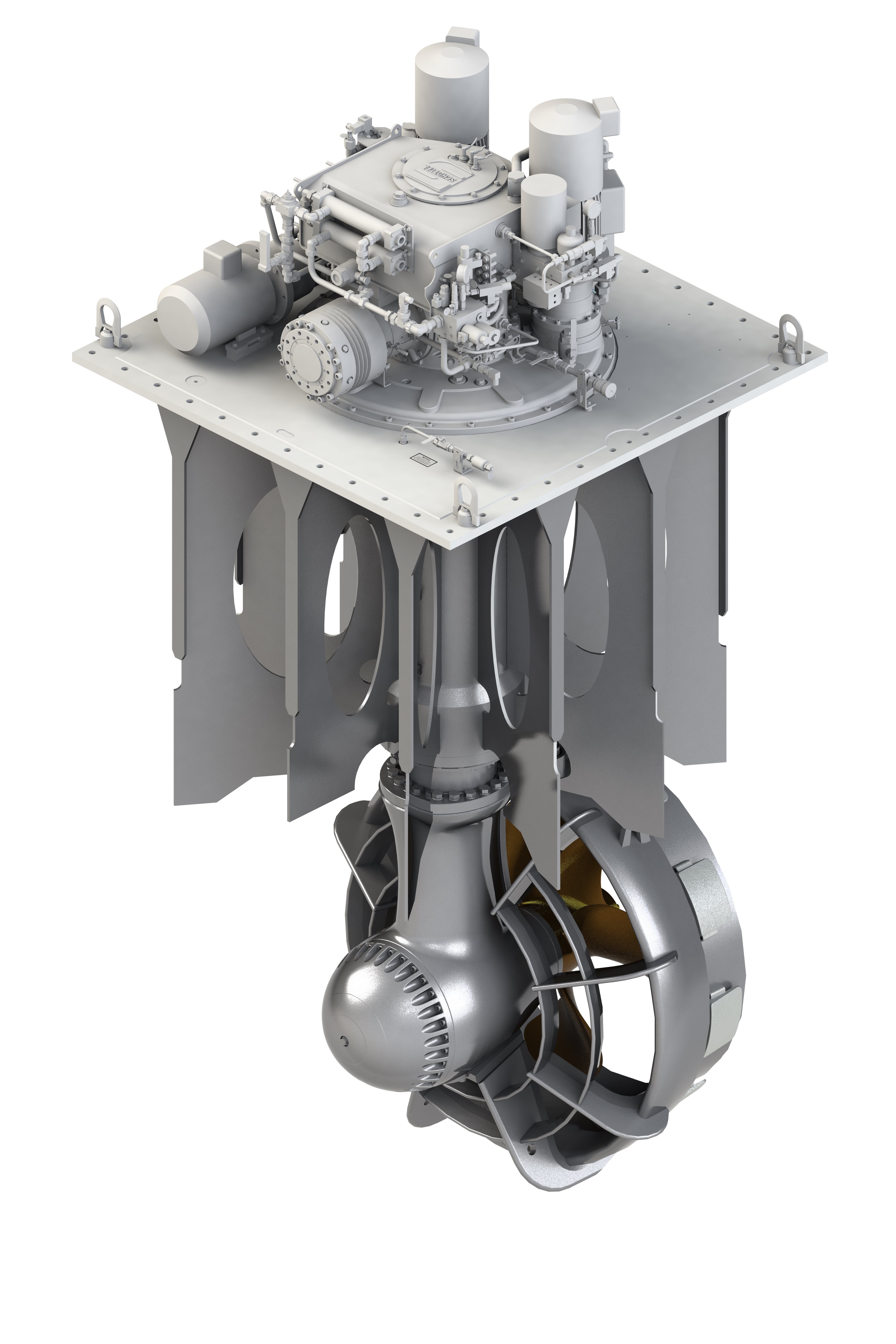
Two Schottel Rudder Propeller type SRP 210 with an input power of up to 597 kW (800 HP) will power the new Waterways Commerce Cutters. 


SCHOTTEL to supply components to 27 Waterways Commerce Cutters for U.S. Coast Guard

SCHOTTEL has been selected by Birdon America, Inc. to supply components to 27 vessels of the U.S. Coast Guard Waterways Commerce Cutter (WCC) Program with rudder propellers type SRP 210. For this program, U.S. Coast Guard prime contractor Birdon America, Inc. is designing the cutters and is expected to construct sixteen River Buoy Tenders (WLR) and eleven Inland Construction Tenders (WLIC). The cutters will be built at Birdon’s recently acquired Bayou La Batre shipyard in Alabama. Up to four cutters are expected to be delivered annually over the course of the next eight years, gradually replacing the aging vessels.

Up to 27 vessels to be equipped with SCHOTTEL
Each SRP features an input power of 597 kilowatts (800 horsepower) and a propeller diameter of 1.3 metres. The thrusters are fitted with SCHOTTEL’s highly efficient SDC40 nozzle, which combines compact design and high propulsion efficiency. Hydrodynamically optimized protective grids on the nozzles will increase the safety of the propellers in case of collisions with debris. SCHOTTEL DuroVario-S slipping clutches will allow for smooth startups and overall improved handling of the thrusters for precise maneuvering and will reduce the environmental impact during berthing operations. Enabling the WCCs to operate in both deep and shallow waters, the SRPs will allow the vessel to achieve a free-running speed of 11 knots or more.

Reliable protection against contamination of river and seawater
The propulsion system of the WCCs will be equipped with SCHOTTEL LeaCon. LeaCon is a sealing system certified by DNV, which offers safe and reliable protection against the contamination of river and seawater by operating materials and vice versa. LeaCon works with an intermediate chamber design and multiple seals on the propeller shaft and steering stem that separate lubricants from water. The system is equipped with a monitoring and alarm unit that continuously checks the condition of the seals. LeaCon is considered a non-oil to water interface thus the thrusters can be operated without EALs and fulfill the current VGP regulations. Further, the scope of supply is completed by SCHOTTEL’s condition monitoring system MariHub to enable condition-based maintenance via an onboard display.

First new WCC planned to be operational by 2027
WCCs are essential to maintain and protect the United States’ inland waterways transportation system. Approximately 630 million tons of cargo move through these waterways annually. The current inland tender fleet has an average age of more than 57 years and is approaching obsolescence. The new vessels will feature improved habitability and will accommodate mixed-gender crews. The first of the new WCCs is planned to be operational by 2027.

About SCHOTTEL Inc.
SCHOTTEL Inc. was founded in 1997, following more than six decades of sales and after-service market activity in the US, including the establishment of the first US subsidiary under a different name in 1961. Since October 2013, SCHOTTEL Inc. has been headquartered in Houma, Louisiana, where the 9,700-square-metre site provides ample space for offices, a spare parts warehouse, and a sales and training center to ensure customer proximity in sales and after-sales services.

Korean Built Ships for the Philippine Navy and Coast Guard –Naval News

Naval News has a new post, “HD HHI Pitches Horizon 3 Frigates, Corvettes and White Hulls to Manila” that includes the video above.

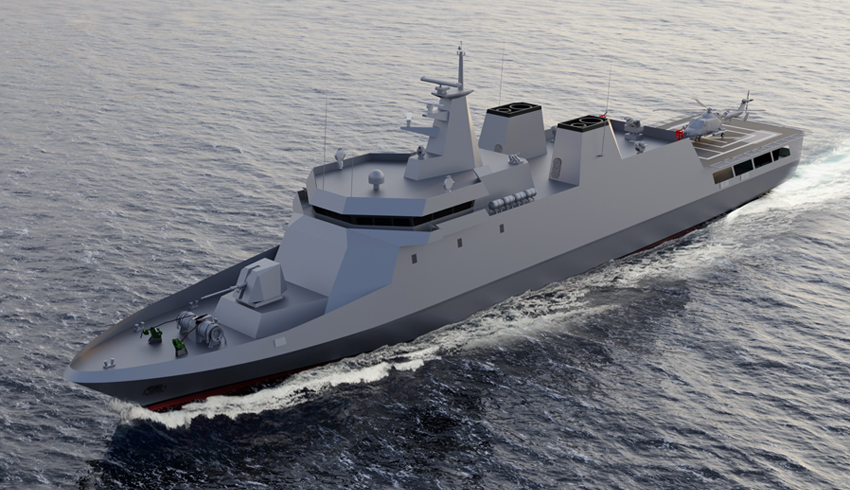
HD HHI has delivered two “frigates” to the Philippine Navy and has contracts for six offshore patrol vessels (OPV) and two corvettes. Hyundai apparently hopes to continue this successful collaboration with proposals to meet Philippines requirements for larger and more capable “Horizon 3” frigates and for Philippine Coast Guard cutters.

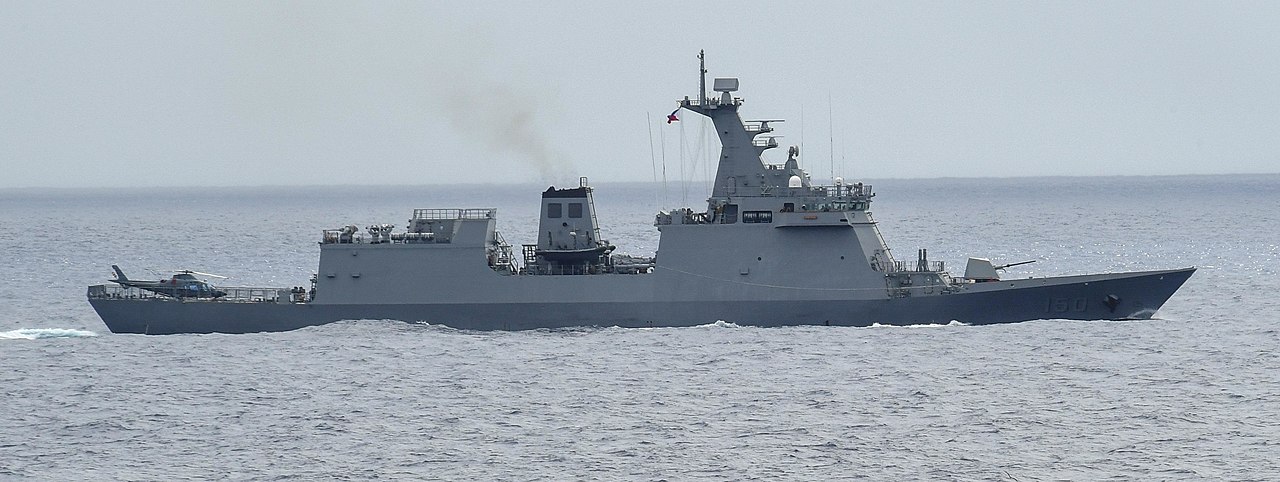
200820-N-TT059-2393 PACIFIC OCEAN (Aug. 20, 2020) Republic of the Philippines Navy ship BRP Jose Rizal (FF 150) participates in a tactical maneuvering drill with U.S. Coast Guard ship USCGC Munro (WMSL 755) and U.S. Navy guided-missile cruiser USS Lake Erie (CG 70) during exercise Rim of the Pacific (RIMPAC) 2020. (U.S. Navy photo by Mass Communication Specialist Seaman Lily Gebauer)

The two Philippine 2,600 ton Jose Rizal class frigates (pictured above) are smaller than the former USCG Hamilton class cutters (3200 tons). The follow-on (3,200 ton) Miguel Malvar class corvettes (or light frigates) will be larger and more capable. The Horizon 3 Frigate will be larger still.

The six Philippine Navy Offshore Patrol Vessels (above) will be 2400 tons full load; 94.4 meters (310′) in length; 14.3 meter (47′) of beam; with a maximum speed of 22knots; and a maximum range of 5,500 nautical miles at 15 knots. It appears they will be armed with a 76mm gun, two 30mm guns, and two Simbad-RC twin-Mistral missile launchers. HHI is proposing cutters based on this design for the Philippine Coast Guard.

Will the Philippine Coast Guard arm its cutters? Currently no Philippine Coast Guard (PCG) vessels have any weapons larger than .50 caliber machine guns, but the models of possible future Philippine Coast Guard vessels all carried some type of installed weapons system, apparently 30mm, 40mm, or 76mm. Was this because the PCG intends to field larger weapons or just because that is the way South Korean CG cutters are armed? The twin 35mm Gökdeniz close-in weapon system (CIWS) mounted on the new corvettes and that appears on the model of the proposed Horizon 3 frigate would be very appropriate for the Philippine Coast Guard.

There is an interesting statement at the end of the post,

“HD HHI plans to realize its ‘Pacific-Rim Belt Vision’, establishing regional hubs in countries such as the Philippines, Peru, Australia, Saudi Arabia, and the United States (emphasis applied–Chuck) based on its advanced shipbuilding technologies.”