Coast Guard Los Angles Looks at MQ-8C

Picked this up off the Coast Guard Aviation Association’s Facebook page. A post by U. S. Coast Guard Los Angeles.

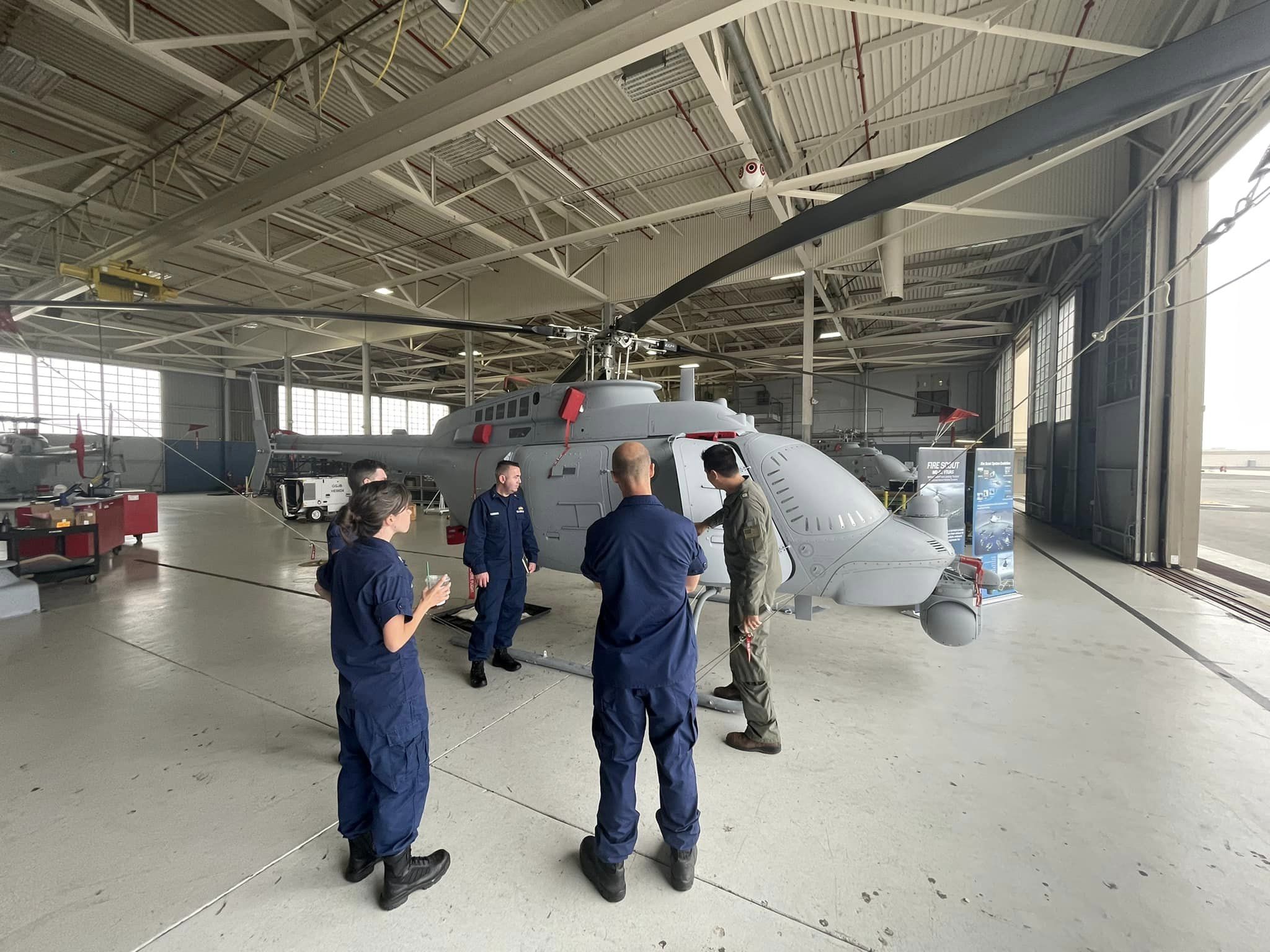
Today, members from Sector Enforcement travelled to Naval Base Ventura County at Point Mugu, Calif. to discuss the possible use of Unmanned Aerial Vehicles to support Coast Guard missions. Pictured is the Navy’s MQ-8C Fire Scout, an unmanned helicopter used for intelligence, surveillance, and reconnaissance.

Is the Coast Guard looking to buy MQ-8C? It is not unlikely, the Navy wants to exercise these assets in an operational environment. Cutters doing drug interdiction are almost perfect for them. This is more likely looking at an opportunity for a Navy Detachment to deploy with a cutter than that the Coast Guard is looking to buy MQ-8C.

The MQ-8C should be able to search a much larger area than the Scan Eagles we are using now. The four National Security Cutters in Alameda have room for one of these in addition to an H-65 and Scan Eagle. There are also two WMEC 210 on the West Coast that might use these, but I would expect to see Scan Eagle on the WMECs before Fire Scout, but it is a possibility.

The First two OPCs are coming to San Pedro, hopefully, beginning next year. They also have ample aviation space, so perhaps they are a possibility as well.

This could be a win-win.

“Colombia inks deal that could see Damen build five Sigma frigates” –Defense News

Colombian Navy SIGMA frigate

Defense News reports, one of our primary partners in drug interdiction efforts is expected to significantly upgrade their naval capabilities.

Colombia is launching a $2 billion shipbuilding program that would see its Navy acquire five frigates.

The announcement, made last week, was followed by the signing on Tuesday of an initial contract between local shipbuilder Cotecmar and Dutch company Damen to adapt the latter’s Sigma 10514 design to meet the Colombian Navy’s requirements.

This is a significant step toward self sufficiency in naval construction. It is a step up after Cotemar built three Fassmer 80 meter Offshore Patrol Vessels.

The new ships will replace four smaller 95 meter, 1850 ton full load, German built light frigate/corvettes that were commissioned in 1983/84.

If these new ships are in fact 120 meters in length and at least 2800 tons full load, they will be the largest ships of the SIGMA series. (At one time I expected a SIGMA series ship would have been a contender in the Offshore Patrol Cutter program.)

Apparently they have not made a final choice of weapons and sensors. I would not be surprised if they were equipped much like the Mexican SIGMA frigate, which is armed with weapons sourced from the US, including RGM-84L Harpoon Block II, eight Mk56 VLS for ESSM, MK 54 Mod 0 lightweight torpedoes with two MK 32 Surface Vessel Torpedo Tubes (SVTT) triple tube launchers, Block II Rolling Airframe Missile (RAM) missiles and Bofors 57 mm gun.

It seems likely the additional length compared to the Mexican ship will be to improve some capability, I would guess ASW. Mk41 VLS would allow greater flexibility including launch of ASROC and potentially land attack missiles.

It is widely known Colombia and Venezuela have not been getting along well. Colombia probably considers Venezuela their pacing threat. If that is the case, most, if not all five of the new ships will likely be based on the Caribbean side. These ships should provide an advantage vs the Venezuelan Navy.

Major naval bases of the Colombian Navy (Armada de la República de Colombia – ARC)
Colombian Navy (ARC) Marine Infantry Primary base and training school, Covenas
Source: Iceman0108. Background map: Mapa de Colombia (relieve-ríos) by Milenioscuro

Below, video of the latest SIGMA series ship, Mexican frigate ARM Benito Juárez (F 101), as it arrives for participation in RIMPAC 2022: 

“Coast Guard offloads more than $475 million in illegal narcotics in Miami” –LANTAREA

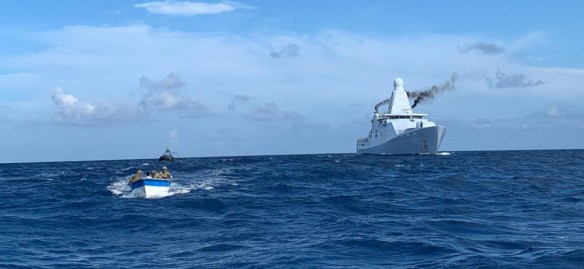
HNLMS Groningen’s crew interdicts a suspected drug boat in the Caribbean Sea, Sept. 27, 2020. HNLMS Groningen is a Holland-class offshore patrol vessel operated by the Royal Netherlands Navy. (Royal Netherlands Navy photo)

Below is a news release from USCG Atlantic Area. What I found notable was the participation of a Netherlands OPV and a USN Freedom class LCS. (No not the first time ships of these classes have been used for drug interdiction.)

The Holland class OPVs are very similar, in general terms, to the Offshore Patrol Cutters.

I expect Dutch participation to continue, but if the Navy gets their way, there will be a lot fewer LCSs.
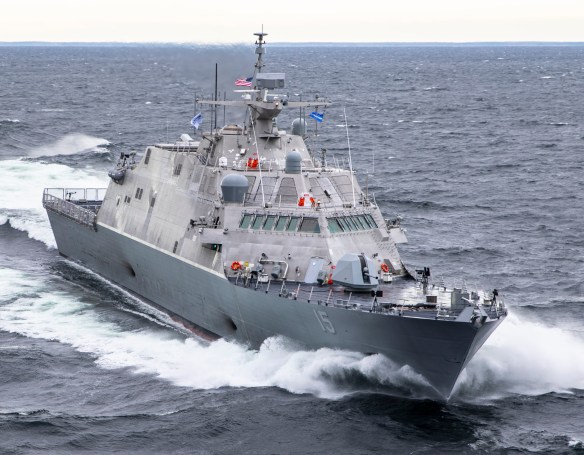
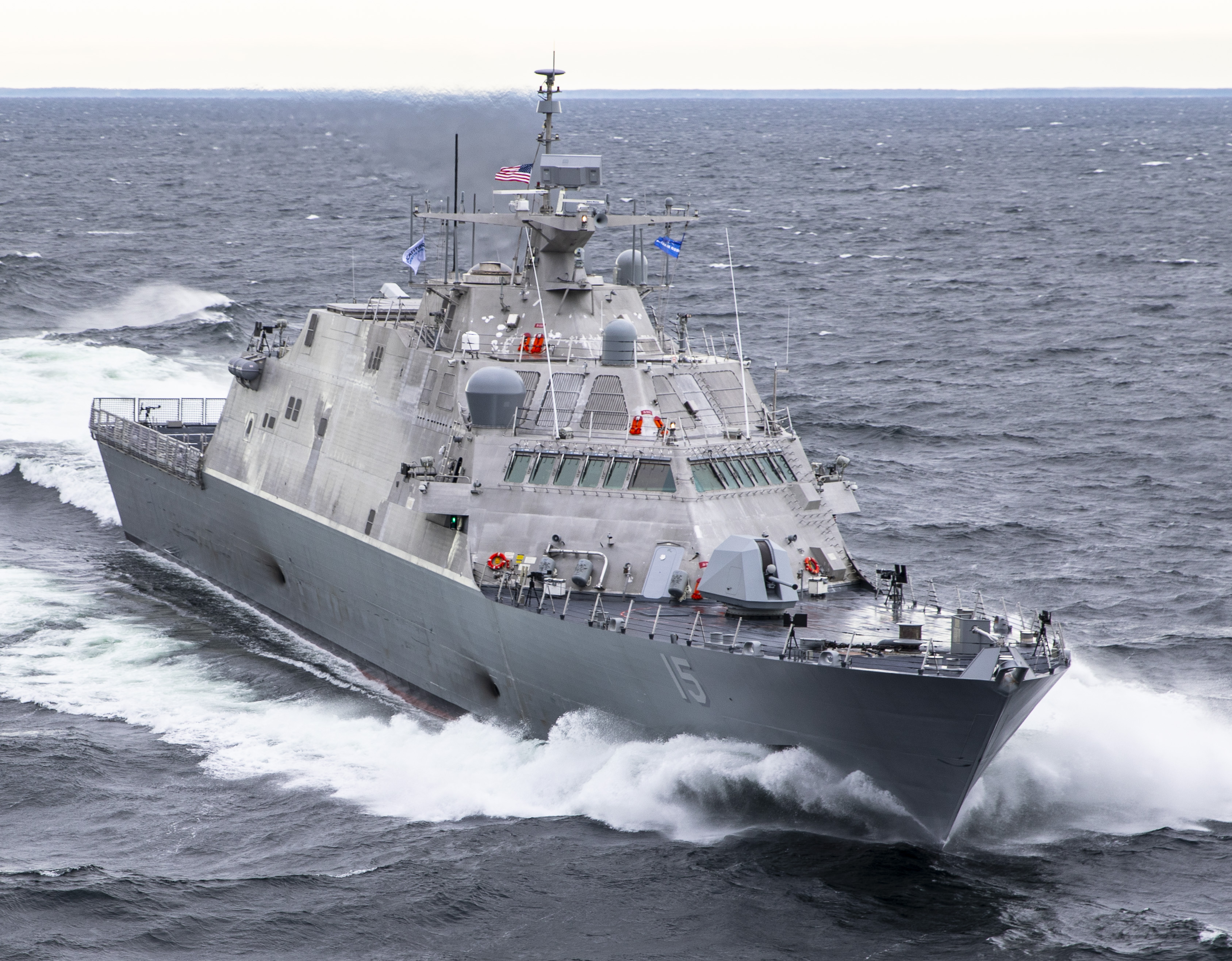
181206-N-N0101-028, MARINETTE, Wis. (Dec. 6, 2018) The future littoral combat ship USS Billings (LCS 15) conducts acceptance trials on Lake Michigan, Dec. 6, 2018. (U.S. Navy photo courtesy of Marinette Marine/Released)

News Release

U.S. Coast Guard Atlantic Area

Coast Guard offloads more than $475 million in illegal narcotics in Miami

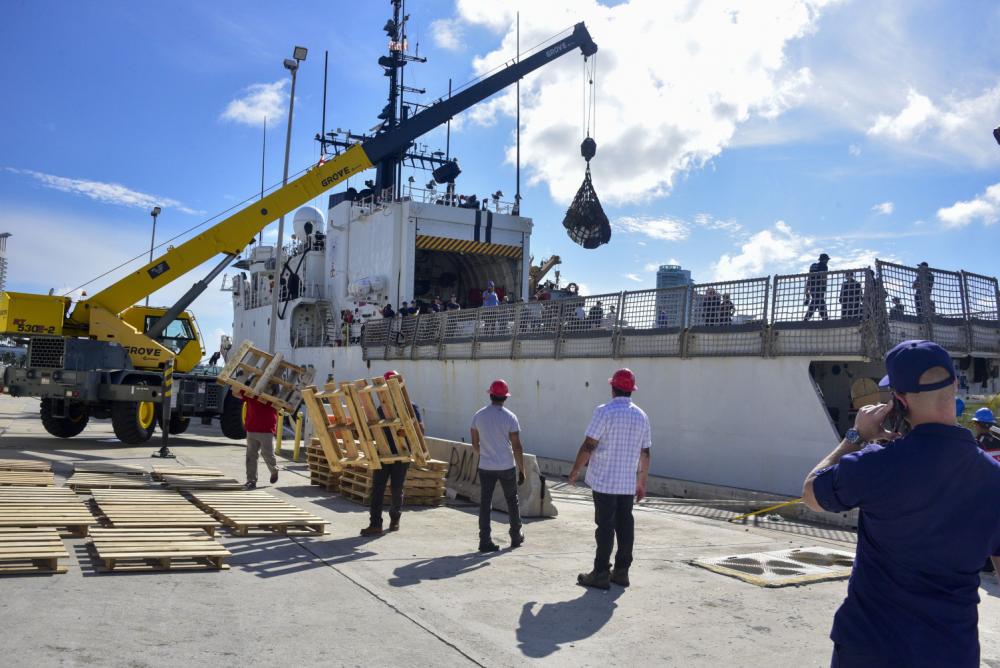
A U.S. Coast Guard member offloads suspected narcotics from USCGC Legare in Miami, FloridaSuspected narcotics are removed via crane from USCGC Legare in Miami, Florida

Editors’ Note: To view more or download high-resolution imagery, click on the photos above.

MIAMI — The crew of the USCGC Legare (WMEC 912) offloaded approximately 24,700 pounds of cocaine and 3,892 pounds of marijuana, worth an estimated $475 million, Thursday at Base Miami Beach.

The drugs were interdicted in the international waters of the Caribbean Sea and the Eastern Pacific Ocean by crews from:

“I am proud of the crew’s continued devotion to duty that made this offload possible,” said Cdr. Jeremy M. Greenwood, commanding officer of Legare. “Through the coordinated efforts of the Legare, the LEDETs, HNLMS Groningen, CGC James, and the USS Billings crews, we significantly contributed to the counter-drug mission and the dismantling of transnational criminal organizations. The drugs seized through this coordinated effort will result in significantly fewer drug-related overdoses.”

The fight against drug cartels in the Caribbean Sea and Eastern Pacific Ocean, and the transnational criminal organizations they are associated with, requires a unity of effort in all phases; from detection and monitoring to interdiction and apprehension, and on to criminal prosecutions by international partners and U.S. Attorneys’ Offices in districts across the nation.

Detecting and interdicting illegal drug traffickers on the high seas involves significant interagency and international coordination. The Joint Interagency Task Force South in Key West, Florida conducts detection and monitoring of aerial and maritime transit of illegal drugs. Maritime interdiction of illicit smuggling activity in the Caribbean Sea is coordinated by the Seventh Coast Guard District, headquartered in Miami. The Dutch Caribbean Coast Guard also coordinates maritime interdiction of illicit smuggling activity with deployed Royal Netherlands Navy ships and their embarked Dutch Fleet Marine Corps squadrons and U.S. Coast Guard LEDETs in the Eastern Caribbean Sea near the Netherlands Antilles and Aruba. Maritime interdiction of illicit smuggling activity in the Eastern Pacific Ocean is coordinated by the Eleventh Coast Guard District, headquartered in Alameda, California. The U.S. Navy and allied foreign ships conduct law enforcement missions under the authority of embarked Coast Guard LEDETs from Tactical Law Enforcement Teams based in Miami and San Diego.

The Legare is a 270-foot Famous-class medium endurance cutter stationed in Portsmouth, Virginia. Legare’s missions include Law Enforcement, Search and Rescue, Protection of Living Marine Resources, Homeland Security and Defense Operations, international training, and humanitarian operations. Legare patrols the offshore waters from Maine to Florida, the Gulf of Mexico, the Eastern Pacific, and the Caribbean.

For information on how to join the U.S. Coast Guard, visit www.GoCoastGuard.com to learn more about active duty and reserve officer and enlisted opportunities. Information on how to apply to the U.S. Coast Guard Academy can be found at www.uscga.edu.