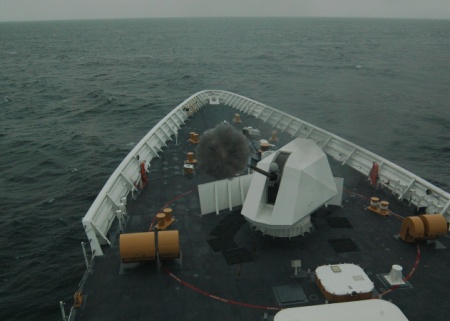
Cdr. Salamander is reporting that Vice Admiral Thomas S. Rowden, Commander, Naval Surface Forces has issued a requirement that every surface force unit conduct live fire exercises every day underway. If exercises are not conducted he wants to know why.
The directive is very specific in including all weapon systems and providing an allowance for training rounds. Sounds like he is very serious.
1. ALL COMNAVSURFOR SHIPS WILL ENSURE THE HIGHEST LEVEL OF COMBAT READINESS. YOUR MAIN BATTERY, ALL CREW SERVED WEAPONS, SHIP/AREA DEFENSE SYSTEMS, AND ATFP WATCH STANDER QUALIFICATIONS AND PROFICIENCY WILL BE CAPABLE OF ENGAGING THE ENEMY AND DEFENDING YOURSELF AS WELL AS THE HIGH VALUE UNIT AT ALL TIMES. THE NAVY PROVIDES SUBSTANTIAL NCEA TO ENSURE WEAPON SYSTEM OPERABILITY, CREW PROFICIENCY, AND COMMAND AND CONTROL PROWESS IN ACCORDANCE WITH REFERENCES A THRU G. SO SHOOT, ASK FOR MORE, AND CONTINUE TO SHOOT IAW REFERENCES A THRU D IN ORDER TO MEET VALID TRAINING REQUIREMENTS. YOU, YOUR CREWS, AND ALL YOUR WEAPON SYSTEMS MUST BE READY TO FIGHT!
2. ALL SURFOR SHIPS ARE REQUIRED TO CONDUCT LIVE FIRE EXERCISES DAILY WHILE UNDERWAY UNLESS FOR SAFETY, OPERATIONAL, OR ENVIRONMENTAL REASONS YOU ARE NOT ABLE TO FIRE. SHORT OF THE REASONS LISTED ABOVE, I WILL ASSUME IF YOU ARE NOT SHOOTING EVERY DAY WHILE UNDERWAY IT IS BECAUSE YOUR WEAPON SYSTEMS ARE BROKEN OR THERE ARE SPECIAL CIRCUMSTANCES ON WHICH YOU HAVE PRE-BRIEFED YOUR ISIC AND IN TURN YOUR ISIC HAS BRIEFED MY CHIEF OF STAFF AND FORCE GUNNER.
3. IF FOR ANY REASON YOU CANNOT CONDUCT LIVE FIRE EVENTS ON ANY UNDERWAY DAY, A REPORT VIA E-MAIL IS DUE TO YOUR ISIC BY THE END OF THE DAY ON WHICH YOU DID NOT SHOOT. ISICS WILL CONSOLIDATE REPORTS AND SEND MY CHIEF OF STAFF ([redacted](AT)NAVY.MIL) AND FORCE GUNNER ([redacted](AT)NAVY.MIL) A BRIEF SUMMARY OF WHY THE SHOOT DID NOT OCCUR THAT DAY. IF YOUR OPERATIONAL COMMANDER LIMITS LIVE FIRE EVENTS, WE WILL COORDINATE SEPARATELY AND ACCORDINGLY IN ORDER TO SUPPORT HIS/HER INTENTIONS. A SUMMARY OF ROUNDS FIRED BY WEAPON TYPE WILL BE INCLUDED IN YOUR WEEKLY REPORT.
4. PER CIWS PACFIRE MIP 7112 MRC R-2M, FOR EACH PACFIRE EVENT YOU ARE REQUIRED TO SHOOT AT BOTH HIGH AND LOW BURST (ONCE EACH). THE PARAMETER IS FOR THE PAC BIAS (CODE 68 AND 69) TO BE 0 +/- 1 FOLLOWING EACH RATE OF FIRE. IF YOU ARE NOT WITHIN THOSE PARAMETERS, YOU ARE TO RE-SHOOT AT THAT RATE OF FIRE, NOT TO EXCEED
3 TIMES AT ONE RATE OF FIRE. PREVIOUS PACFIRE OFFSET VALUES ARE REQUIRED TO BE ENTERED PRIOR TO START, AND WILL RESULT IN PAC BIAS BEING WITHIN 0 +/- 1.
5. PER REFERENCES E, F AND G, CNSF WILL SUPPORT 300 ROUNDS PER MONTH PER MOUNT IN AIR MODE. AN ADDITIONAL 100 ROUNDS PER MONTH PER MOUNT FOR SHIPS WITH SURFACE CAPABLE (BLK 1B) GUNS TO FIRE IN SURFACE MODE. 1500 ROUNDS PER MOUNT PER YEAR FOR CE-12 AND AW-21, WHICH WILL ALLOW FOR THE PROPER EXECUTION OF THE PACFIRE REQUIREMENTS EXPLAINED ABOVE. YOU MUST REQUEST THIS NCEA AUGMENT 45 DAYS IN ADVANCE.
6. SHIPS THAT ARE EQUIPPED WITH TOWED ARRAY SONARS WILL HAVE THE ARRAY RIGGED FOR TOW AT EVERY AVAILABLE OPPORTUNITY. YOUR SONAR SUITE WILL BE MANNED AND TRACKING SURFACE AND SUBSURFACE CONTACTS BOTH PASSIVELY AND ACTIVELY WHEN THE TACTICAL AND ENVIRONMENTAL SITUATIONS ALLOW. NIXIE WILL BE STREAMED WHEN REQUIRED AND ALL SETTINGS WILL BE IAW THE TACTICS, TECHNIQUES AND PROCEDURES PROMULGATED WITHIN NTTP 3-21.33.
7. AS SPECIFIED ABOVE, THE COMMITMENT TO CONDUCTING LIVE FIRE EXERCISES ADDRESSED HEREIN IS APPLICABLE TO YOUR MAIN BATTERY, ALL CREW SERVED WEAPONS, AND ALL SHIP/AREA DEFENSE SYSTEMS. AS SUCH, IN ADDITION TO ALL MAIN BATTERY AND CREW SERVED WEAPONS AMMUNITION AND ORDNANCE, I EXPECT INCORPORATION OF THE FOLLOWING MUNITIONS INTO YOUR LIVE FIRE AND NCEA AUGMENT PLANNING: MK 214 SEDUCTION, AND MK
46 REXTORP.
8. RANGE CLEARANCE AND OVERALL WEAPONS SAFETY IS PARAMOUNT AS YOU TUNE YOUR WARFIGHTING SKILLS.
9. NCEA AUGMENTATION AND REQUISITIONING GUIDANCE. REFERENCES E, F, AND G GOVERN NCEA MANAGEMENT. NCEA AUGMENT REQUESTS MUST BE SUBMITTED NO LATER THAN 45 DAYS PRIOR. ENSURE YOUR WEAPONS OFFICER, GUNNERY OFFICER, LEADING GM, AND AMMO ACCOUNTANT HAVE READ AND UNDERSTAND THE NCEA PROMULGATION MSGS AND ARE IN COMPLIANCE.
10. THIS ORDER IS DESIGNED TO ENHANCE THE ACCURACY, PRECISION, SAFETY, EFFICIENCY AND CONFIDENCE WITH WHICH YOU PLACE ALL TYPES OF ORDNANCE ON TARGET. YOUR ABILITY TO MASTER THE MATERIAL, TACTICAL, AND WATCH TEAM PROFICIENCY REQUIREMENTS ASSOCIATED WITH CONDITION ONE WEAPONS SYSTEMS OPERATION IS FULLY IN LINE WITH OUR WARFIGHTING FIRST PHILOSOPHY. THE TACTICAL PROFICIENCY DEVELOPED THROUGH REPEATED LIVE FIRE EXERCISES FAR OUTWEIGHS ANY POTENTIAL MATERIAL CHALLENGES ASSOCIATED WITH INCREASED USE OF YOUR MAIN BATTERY, CREW-SERVED WEAPONS, AND SHIP/AREA DEFENSE WEAPONS.
11. COMMODORES AND COMMANDING OFFICERS ARE WELCOME TO CONTACT MY STAFF AT ANY TIME REGARDING THIS, OR ANY OTHER ISSUE.
11. WARFIGHTING WILL REMAIN OUR #1 PRIORITY.
12. VICE ADMIRAL ROWDEN SENDS.//
I still suggest looking at Cdr. Salamanders blog post and the comments you will find on it.
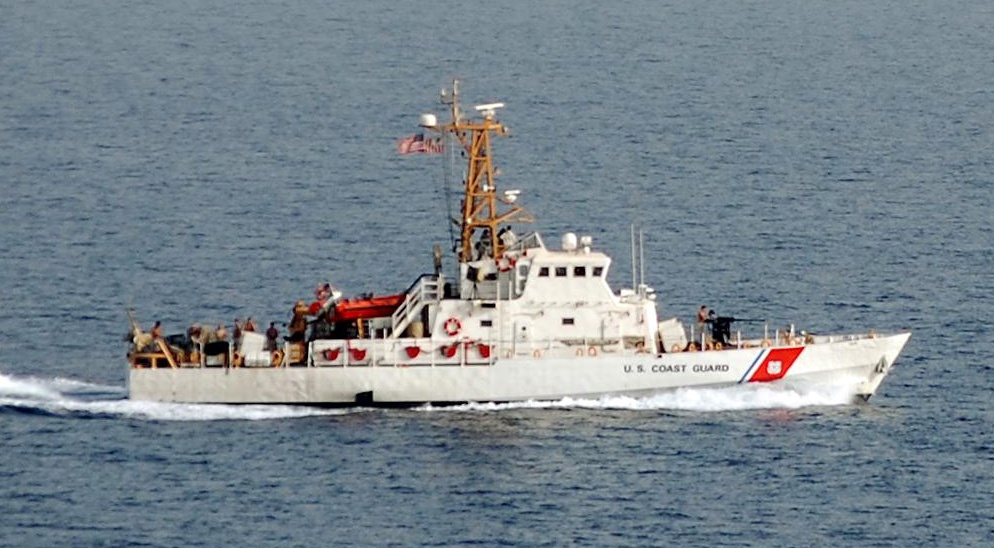
Makes me wonder how much live fire training the CG is getting (other than .50 cal.) and how ready we are to put steal on target.
\