West Coast Migrant Interdiction

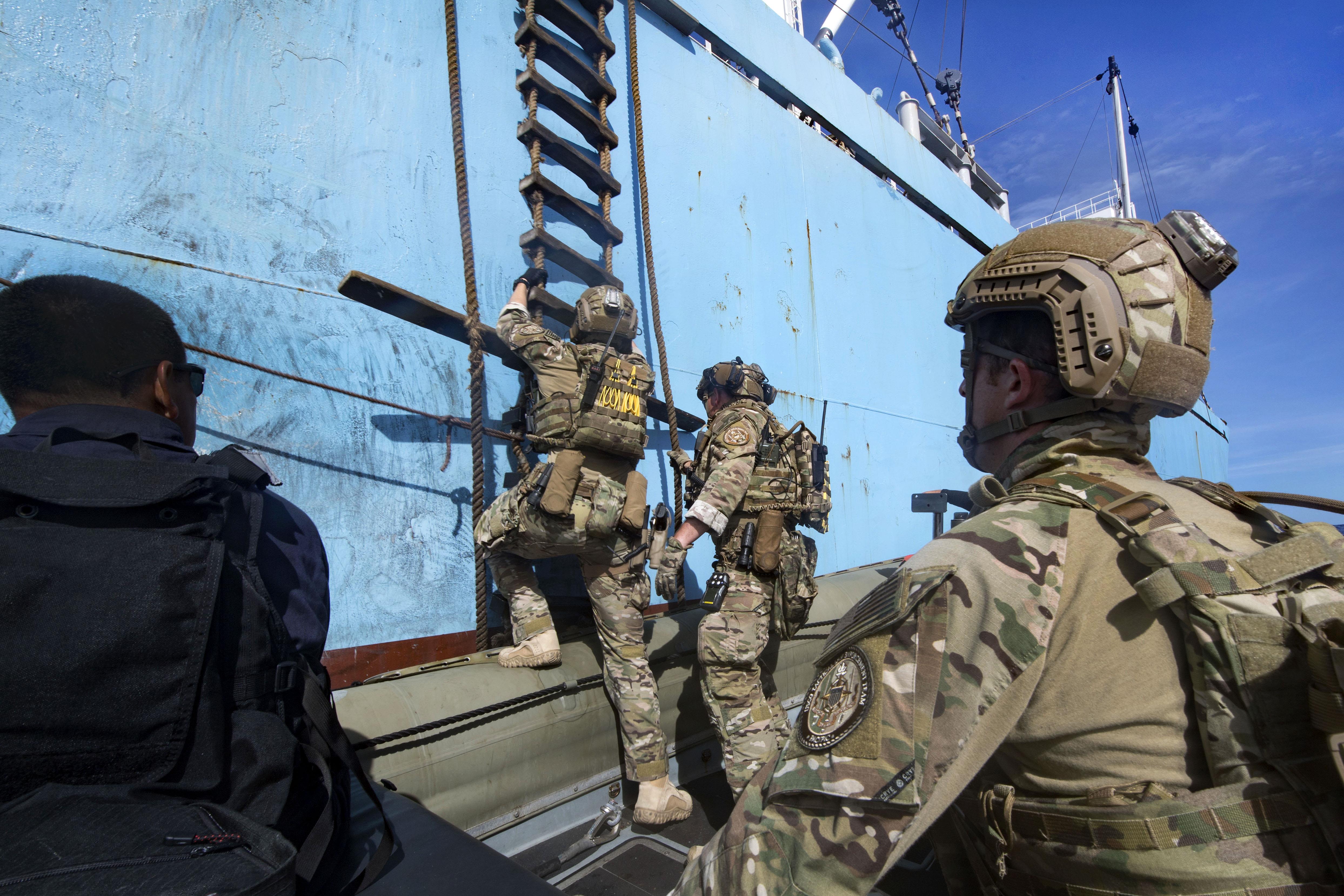
The Coast Guard Cutter Active and U.S. Customs and Border Protection interdict an alien vessel, approximately 15 miles off the coast of Mission Bay, California, Feb. 2, 2025. The crew of Active and CBP members worked together to interdict this alien panga-style vessel, which had 16 aliens aboard. (U.S. Coast Guard courtesy photo)

I don’t have any hard figures, but it seems West Coast migrant interdictions are becoming more common, perhaps even more frequent than in the Caribbean, though the number of migrants in each attempt seems smaller than in LANTAREA interdictions.

Feb. 2, 2025

Coast Guard interdicts 16 aliens near Mission Bay

SAN DIEGO — Coast Guard interdicted a vessel with 16 aliens aboard approximately 15 miles off the coast of Mission Bay, Sunday morning.

At approximately 12 a.m., U.S. Coast Guard Cutter Active notified Joint Harbor Operations Center of a 25-foot panga-style with around 15-20 people aboard approximately 1 mile south of their position.

The cutter Active and a U.S. Customs and Border Protection Air and Marine Operations boatcrew then launched boarding teams to assess.

The Coast Guard boarding team discovered 16 aliens aboard the panga. Initial interviews revealed that all the aliens claimed Mexican nationality.

The aliens were safely transferred to U.S. Border Patrol custody.

The Coast Guard remains committed to protecting lives at sea while working alongside our federal partners to combat illicit maritime activities. These operations highlight the coordinated efforts between agencies to secure our maritime borders.

Coast Guard Cutter Terrell Horne and partnership agencies intercept smuggler operated alien vessel, approximately 20 miles off the coast of Point Loma, California, Jan. 28, 2025. The crew of Guard Cutter Terrell Horne and U.S. Customs and Border Protection members worked together to interdict this illegal alien operation, which had 14 individuals aboard. (U.S. Coast Guard courtesy video)

SAN DIEGO — Coast Guard interdicted a panga with 14 aliens aboard approximately 20 miles off the coast of Point Loma, Tuesday night.

At approximately 4:45 p.m., U.S. Customs and Border Protection notified Coast Guard personnel at the Joint Harbor Operations Center of a panga-style vessel traveling north toward the maritime boundary line.

The Coast Guard Cutter Terrell Horne was diverted to the scene. The cutter launched a boarding team, and with CBP’s assistance, successfully interdicted the vessel.

The boarding teams discovered 14 individuals aboard the panga. Initial interviews revealed that all individuals claimed Mexican nationality.

The aliens were safely transferred to U.S. Border Patrol custody.

The Alien Migrant Interdiction Operations (AMIO) mission provides effective law enforcement presence at-sea and achieves three main objectives: deter undocumented migrants and transnational smugglers from using maritime routes to enter the U.S.; detect and interdict undocumented migrants and smugglers far from the U.S. border; and expand Coast Guard participation in multi-agency and bi-national border security initiatives. Strong partnerships and information sharing with other agencies, such as Customs and Border Protection (CBP), are critical to mission success. While the Coast Guard leads the interdiction mission on the high seas, partnerships with CBP and Immigration and Customs Enforcement are critical for successful shore-side interdiction operations.

Jan. 28, 2025

Coast Guard interdicts 21 migrants near Point Loma

U.S. Coast Guard District Eleven

SAN DIEGO — Coast Guard interdicted a panga with 21 individuals aboard approximately 20 miles off the coast of Point Loma, Monday evening.

At approximately 10:45 p.m., U.S. Customs and Border Protection notified Coast Guard personnel at the Joint Harbor Operations Center of a 40-foot panga-style vessel traveling north approximately 40 miles south of the maritime boundary line.

The Coast Guard Cutter Active and the Coast Guard Cutter Terrell Horne were diverted to the scene. Both cutters launched boarding teams and, with CBP’s assistance, successfully interdicted the vessel.

The boarding teams discovered 21 individuals aboard the panga. Initial interviews revealed that all individuals claimed Mexican nationality, although subsequent checks identified two passengers as Guatemalan and Salvadoran nationals.

The individuals were safely transferred to U.S. Border Patrol custody.

The Coast Guard remains committed to protecting lives at sea while working alongside our federal partners to combat illicit maritime activities. These operations highlight the coordinated efforts between agencies to secure our maritime borders.

Jan. 21, 2025

Coast Guard interdicts 26 migrants near Oceanside Harbor

U.S. Coast Guard District Eleven

OCEANSIDE, Calif. — Coast Guard crews interdicted a panga-style vessel carrying 26 individuals approximately one mile offshore from Oceanside Harbor, Monday morning.

At around 10:30 a.m., Oceanside lifeguards reported a disabled vessel with multiple people aboard that had run out of fuel. Assessing no immediate safety concerns, lifeguards notified Coast Guard personnel at the Joint Harbor Operations Center and remained on scene.

The Coast Guard Cutter Terrell Horne was diverted to assist. Terrell Horne’s crew deployed a boarding team and safely embarked the 26 individuals, who represented multiple nationalities, including those from Mexico, China, and Vietnam. The individuals were later transferred to U.S. Border Patrol custody.

The Coast Guard works closely with partner agencies to deter and respond to dangerous smuggling operations that endanger lives.

Jan. 17, 2025

The U.S. Coast Guard and partnership agencies interdicted a 25-foot panga-style vessel carrying 15 individuals approximately 25 miles off Point Loma, Thursday.

The boat crew arrived on scene and issued commands for the vessel to stop. The operator abandoned the steering console, which caused the vessel to drift erratically. Coast Guard gained control of the vessel and turned off the engine. During this process, the panga collided with the Coast Guard small boat, resulting in minor damage to the starboard railing.

The 15 individuals aboard the vessel were determined to represent multiple nationalities, including China, Uzbekistan, Mexico, Ecuador, Vietnam, and El Salvador.

One individual was observed experiencing hypothermia-like symptoms and was transported by emergency medical services to UCSD Hillcrest for medical evaluation, accompanied by Border Patrol agents.

All 15 individuals were safely transferred to U.S. Border Patrol custody.

The Coast Guard continues to work closely with partner agencies to deter and respond to dangerous smuggling operations that put lives at risk.


“Five Key Facts About the SHIPS for America Act” –Podcast

The “What’s Going On With Shipping” podcast is not normally about the Coast Guard but it is about the Marine Transportation System with which the Coast Guard is intimately intertwined so inevitably the Coast Guard will be mentioned from time to time.

For some reason I didn’t publish this when it came out, but the act, “The Shipbuilding and Harbor Infrastructure for Prosperity and Security (SHIPS) for America Act December 19, 2024,” has yet to be signed into law and it is expected to resurface in the near future.
This particular edition has a lot to say about the Coast Guard administered mariner credentialing beginning at time 14:45. The contention is that it is much more difficult than it should be.

Where is Our Air Cover?

I am not really suggesting this, but having some Air National Guard on call would be comforting.

There is a hole in US defenses and the Coast Guard is likely to be the first to see the threat, “Who yah gone call?”

  • MSN reports on the growing maritime role of Air Force A-10s.
  • A bit more on how A-10s have been used in a maritime role here and here
  • I also seem to remember seeing that A-10s based in S. Korea have also trained to counter N. Korean small boats. A-10s can be a powerful anti-shipping weapon system.

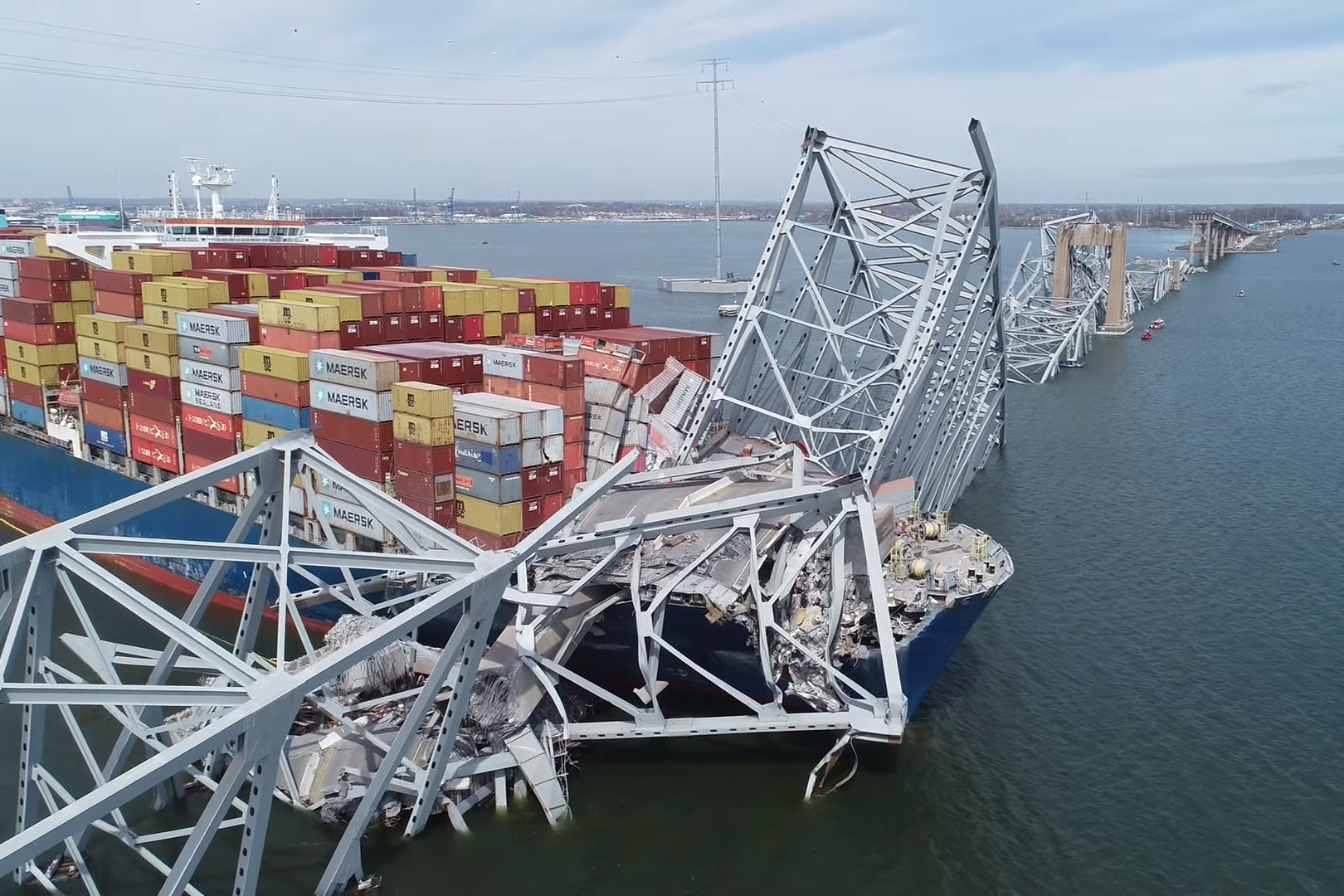
If a threat, in the form of a merchant ship with containers that may be filled with missiles, mines, terrorists, a dirty bomb, a nuclear bomb, or whatever horror the mind of man can imagine, should be headed for the US, the Coast Guard is the most likely agency to detect the threat. But then what?

Can your local sector commander or even district commander call for air support from a DOD unit poised to strike a target at sea in a timely manner? I don’t think so.

NORAD, the North American Aerospace Defense Command, does have a modest number of aircraft on standby, prepared to intercept air threats, mostly air national guard, but they are not trained, equipped, or prepared to take out maritime targets.

I have (several times) suggested that the Coast Guard needed at least the ability to forcibly stop any vessel, regardless of size. That would presumably allow DOD forces sufficient time to organize a response because we don’t have one pre-packaged.

I would feel a lot more comfortable if DOD units, assigned an anti-shipping role, were on standby, practiced and exercised, ready to respond to a Coast Guard call for help.

They might be Marine cruise missiles, Army attack helicopters, or Navy maritime patrol aircraft, but Air Guard A-10s look promising. This could also prepare these units for an anti-shipping role in wartime.

Target designation is always a problem in multiunit operations. Every Coast Guard unit should have at least a hand held laser target designator to allow them to mark a target for DOD units.

I know an attack using a merchant ship seems unlikely, at least in peacetime, but 9/11 was unlikely and look at the fallout from our failure to respond appropriately to the hijackings in progress, not just those killed on the ground on that day, but also two fruitless wars.

This Day in Coast Guard History, February 2

Based on the Coast Guard Historian’s timeline, https://www.history.uscg.mil/research/chronology/
With inspiration from Mike Kelso

February 2

1944  Coast Guardsmen participated in the landings at Saidor, New Guinea.

Elevated view of the loaded deck of a LST (Landing Ship, Tank) on the way from Goodenough Island to Saidor, New Guinea (present day Papua New Guinea). On the deck are many soldiers, jeeps, trucks, artillery and supplies. Tanks were probably in the hold of the ship. Another warship is in the distance. Robert Doyle wrote a caption for this image although it was not published at that time: “Packed with vehicles and soldiers, landing ship heads north for assault on Saidor, New Guinea, by task force consisting mainly of elements of Thirty-second Division. Landing was made at Saidor Jan. 2.”

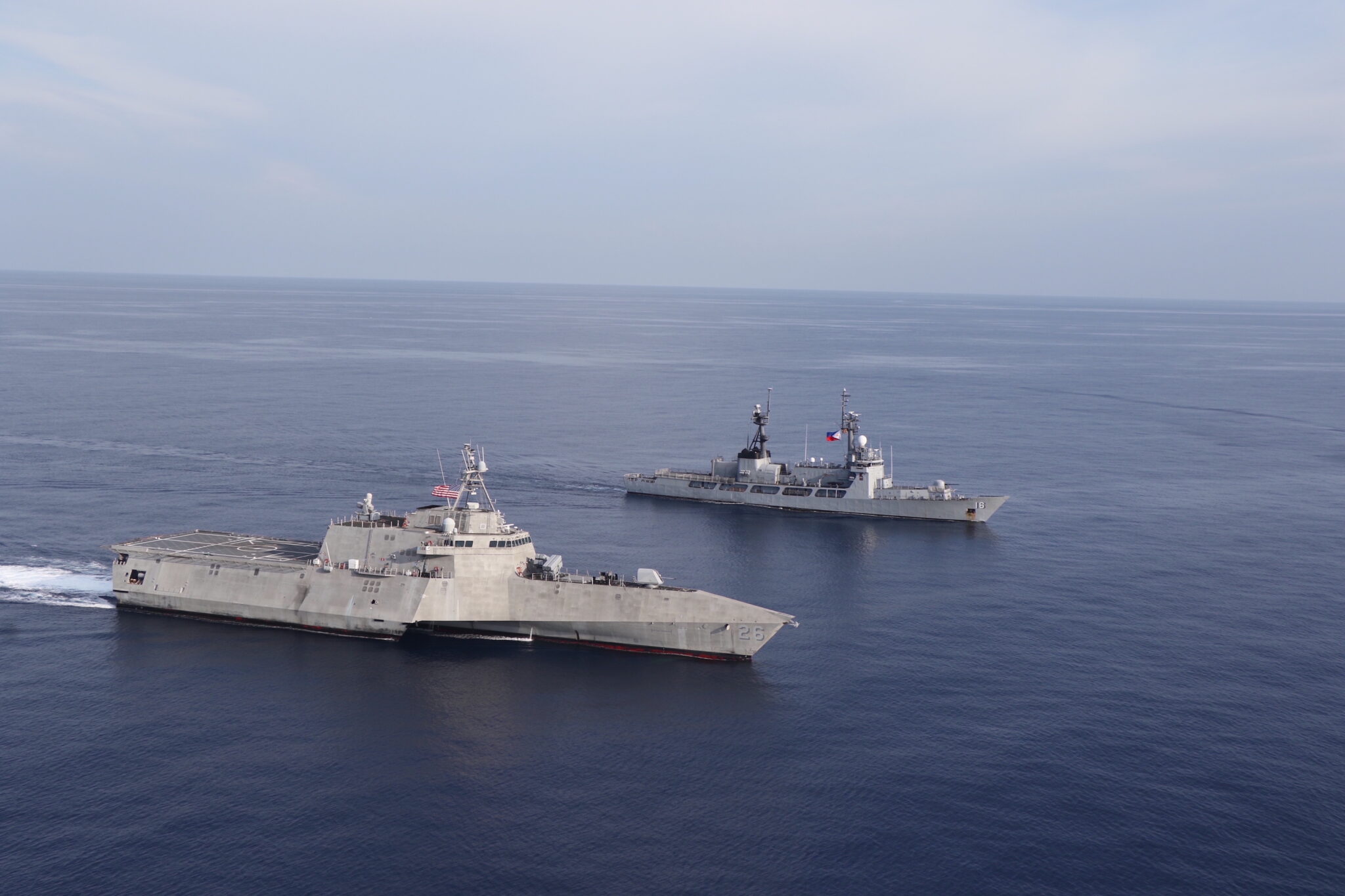
US Coast Guard cutter Munro transits the Taiwan Strait with US Navy destroyer USS Kidd, US Navy

2014  The Coast Guard and Navy completed a joint mission in the Central and South Pacific under an agreement between the services to enforce fisheries laws and enhance regional security January 7 to February 2, 2014.  The partnership supported the Oceania Maritime Security Initiative, a Secretary of Defense program, which leverages Department of Defense assets transiting the region to increase the Coast Guard’s maritime domain awareness, ultimately supporting its maritime law enforcement operations in Oceania.  As part of Operation Persistent Presence and in conjunction with NOAA, a Coast Guard law enforcement team embarked the Arleigh Burke-class guided missile destroyer USS Kidd in San Diego to conduct law enforcement boardings while the vessel was in transit.  The Coast Guard-Navy team, including the two embarked MH-60R helicopters from Helicopter Maritime Strike Squadron 78, conducted 46 external visual inspections, and 13 boardings with internal inspections of fishing vessels across two separate jurisdictional areas in the Marshall Islands and Nauru exclusive economic zones.

“USCGC Katmai Bay making a path through the ice for Algonova going to the Soo on Jan 31st, 2025” –Video

A regular reader wanted to share this video. This was his comment.

I did not know where to put this, so I found one of the stories about the 140′ Ice Breaking Tugs in the Great Lakes

Below is a YouTube link of the USCGC Katmai Bay breaking ice up in Sault Ste. Marie as it was escorting a tanker.

Beautiful close up shots of her after the 20min mark, and you can clearly see her bubbler system working as she slices through the ice.

Just wanted to share this, as these 140’s are a unique asset in the Great Lakes – Very well made ships that still look strong (where’s the 140′ Replacement Program Congress!!).

Are we not allowed to post YouTube Links?? In not, please go search on YouTube for: “USCGC Katmai Bay making a path through the ice for Algonova going to the Soo on Jan 31st, 2025”

So I am passing it along.

What About Panama?

My previous post included a discussion about the US interests in the Panama Canal and the President’s stated aim of retaking the canal. The discussion suggested that talk of a complete takeover might be a negotiating tactic. In any case it suggests that US forces may make a return to the Canal Zone.

This could be significant for the Coast Guard. The Coast Guard might replicate PATFORSWA with a squadron of Webber Class WPCs that would be very useful in interdicting drug traffic in the Eastern Pacific Transit Zone–PATFORCENTAM.

A Coast Guard base and support center, hosting perhaps a reinforced company of Marines, tasked with doing training in Central America, might be enough to satisfy US concerns about the security of the canal.

A Coast Guard base would also probably be more welcomed by Panama than a DOD base that would look like an occupying force. After all, both the US and Panama share an interest in maritime law enforcement and the security of the canal.

“What the Ship (Ep116) | Maritime Leaders | Tariffs & Review | Panama Canal | Wind Leases | Red Sea”

“What the Ship” is usually interesting, but this episode is more Coast Guard centric than most.

I would say the Coast Guard needs to stop talking about how small it is. The US Coast Guard does not have aircraft carriers or submarines but has more uniformed personnel, more vessels, and more aircraft than either the British or French Navies. The Coast Guard could make a significant contribution to national security if the country made relatively inexpensive additional investments in it.

“The Propulsion Disabler Will Be a Strategic Weapon” –USNI

A Navy briefing slide showing the internal components and describing the various features of the PSU_ARL Common Very Light Weight Torpedo (CVLWT) design

The January 2025 US Naval Institute Proceedings includes an article suggesting the development of “Propulsion Disablers.”

A propulsion disabler (PD) is a small, passive, torpedo-like device that serves as a cheap, non-lethal mine and torpedo warhead. The proposed munition’s purpose is to destroy a ship’s external propulsion or direction-control mechanisms, leaving the vessel stationary. Production of PDs is possible with today’s emerging robotics technologies. Future PD devices could be used in an autonomous swarm that combines the smallest explosive charge with the greatest disabling effect by attacking a ship at its most vulnerable point.

I have been advocating for a propulsion disabler (ship stopper) since at least 2011, since Coast Guard missions imply a requirement to be able to forcibly stop any ship, regardless of size. This article is the first I have seen that suggests the Navy may see a need for a similar weapon.

The Very Light Weight Torpedo pictured above appears to be a likely basis for a propulsion disabler.

One potential scenario where this capability might be required is in the case of an effort to impose a blockade. The linked post discusses this in relationship to a blockade of China.

The propulsion disabler concept first emerged in the search to make a Western blockade strategy affordable and sustainable, and to solve the moral, political, and legal problems involved in a blockade

Another US Naval Institute article explains the problems that might be encountered in the imposition of a blockade,

Legally, deliberately targeting neutral merchants and civilians would be an excellent way to get hauled before the International Court of Justice at the Hague while alienating not only the neutral state but also the home nations of the crew. Ethically, it constitutes a direct attack on civilians. Tactically, attacking and sinking merchantmen would involve the expenditure of an unacceptable number of heavyweight torpedoes or advanced antiship cruise missiles (ASCM) better employed against high-end enemy combatants or troop transports. The economic damage to fisheries caused by the sinking of a single supertanker would devastate coastal nations. Strategically, it could turn neutral-friendly nations into neutral-hostile nations.

The second USNI article makes no mention of Coast Guard assets in the execution of a blockade of China, but that does seem like a likely mission for Coast Guard units and special teams.

This Day in Coast Guard History, February 1

Based on the Coast Guard Historian’s timeline, https://www.history.uscg.mil/research/chronology/
With inspiration from Mike Kelso

February 1

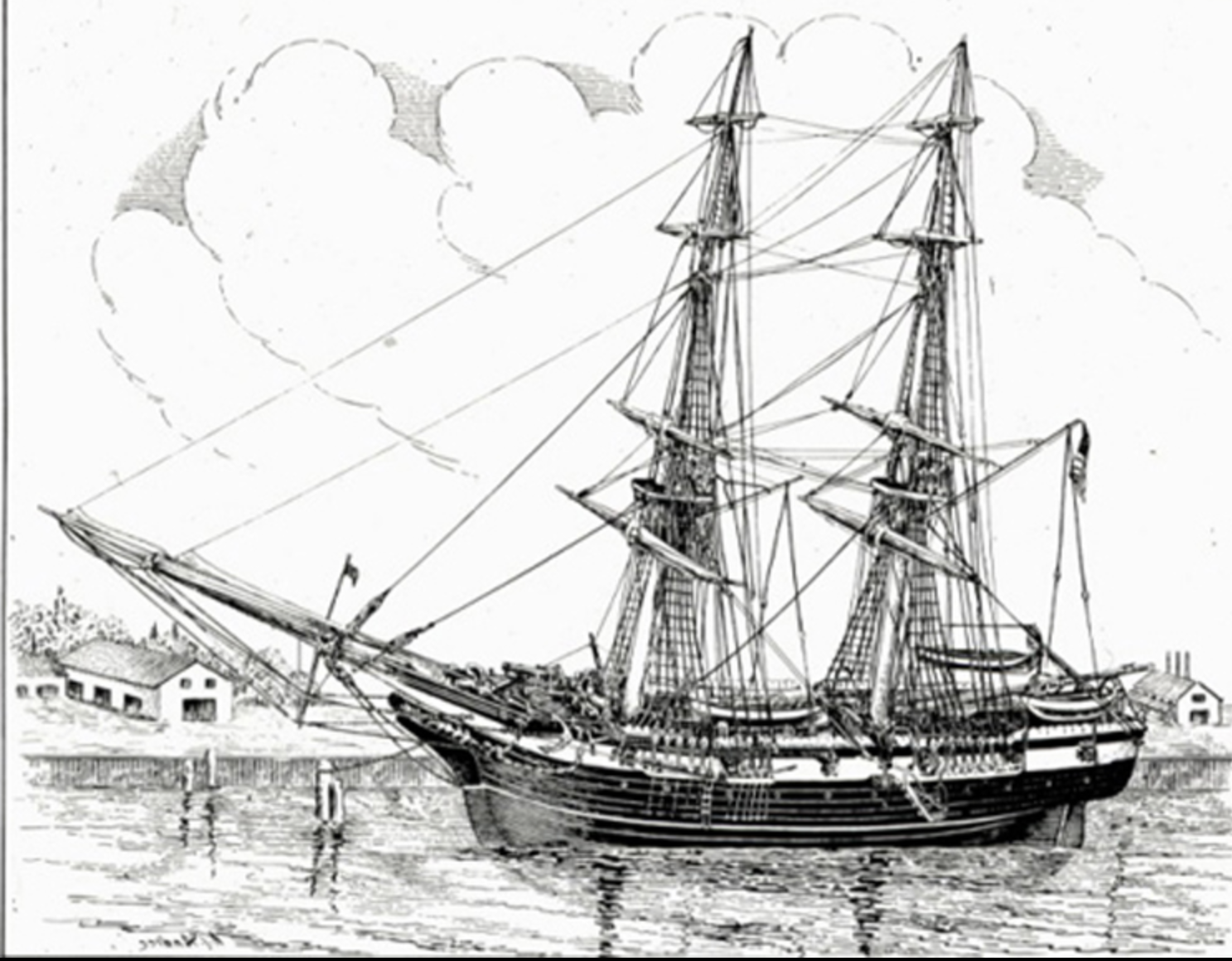
1871  Using his administrative authority, Secretary of the Treasury George S. Boutwell re-established a Revenue Marine Bureau within the Department and assigned Sumner I.  Kimball as the civilian Chief.  (He was 36 at the time.) Kimball’s duties included administering both the revenue cutters, which were then under the control of the local Collectors, and the life-saving stations.

Sumner Increase Kimball, organizer of the United States Life-Saving Service and the General Superintendent of the Life-Saving Service from 1878–1915.1913, American magazine, Volume 150

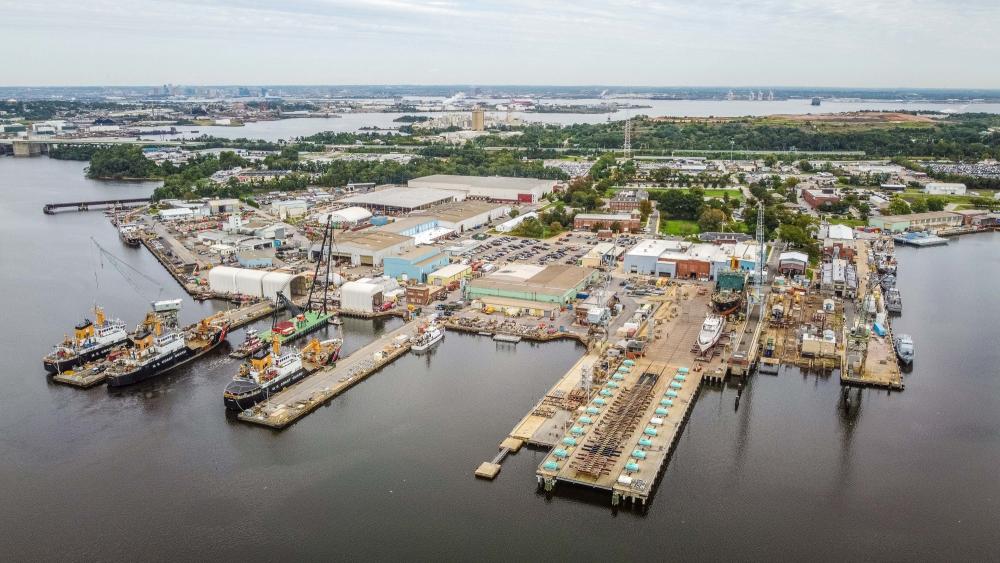
1938  The Lighthouse Service Radio Laboratory was moved from the shops of the lighthouse depot in Detroit, Michigan, “to the Lazaretto Lighthouse Depot in Baltimore, Md., where a building had been constructed providing more adequately for this important branch of the work of the Service.”

1942  Enlistees after this date were restricted to enlistment in the Coast Guard Reserve. This was done to prevent having too many regulars in the service at the end of World War II.

1944  Coast Guardsmen participated in the invasion of Namur Island, Kwajalein Atoll.

File:HH-52A PortAngelesWA NAN6-79.jpg

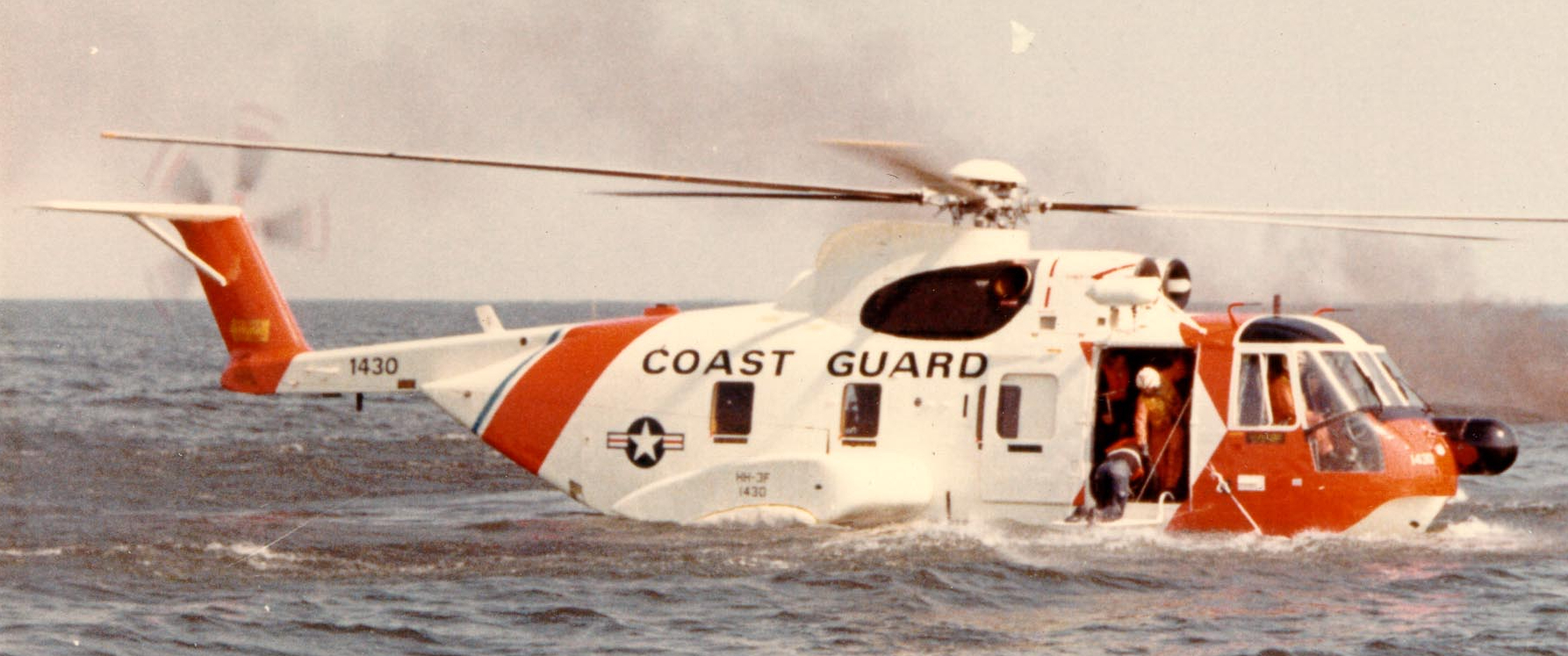
U.S. Coast Guard HH-52A floating in Seattle in 1979

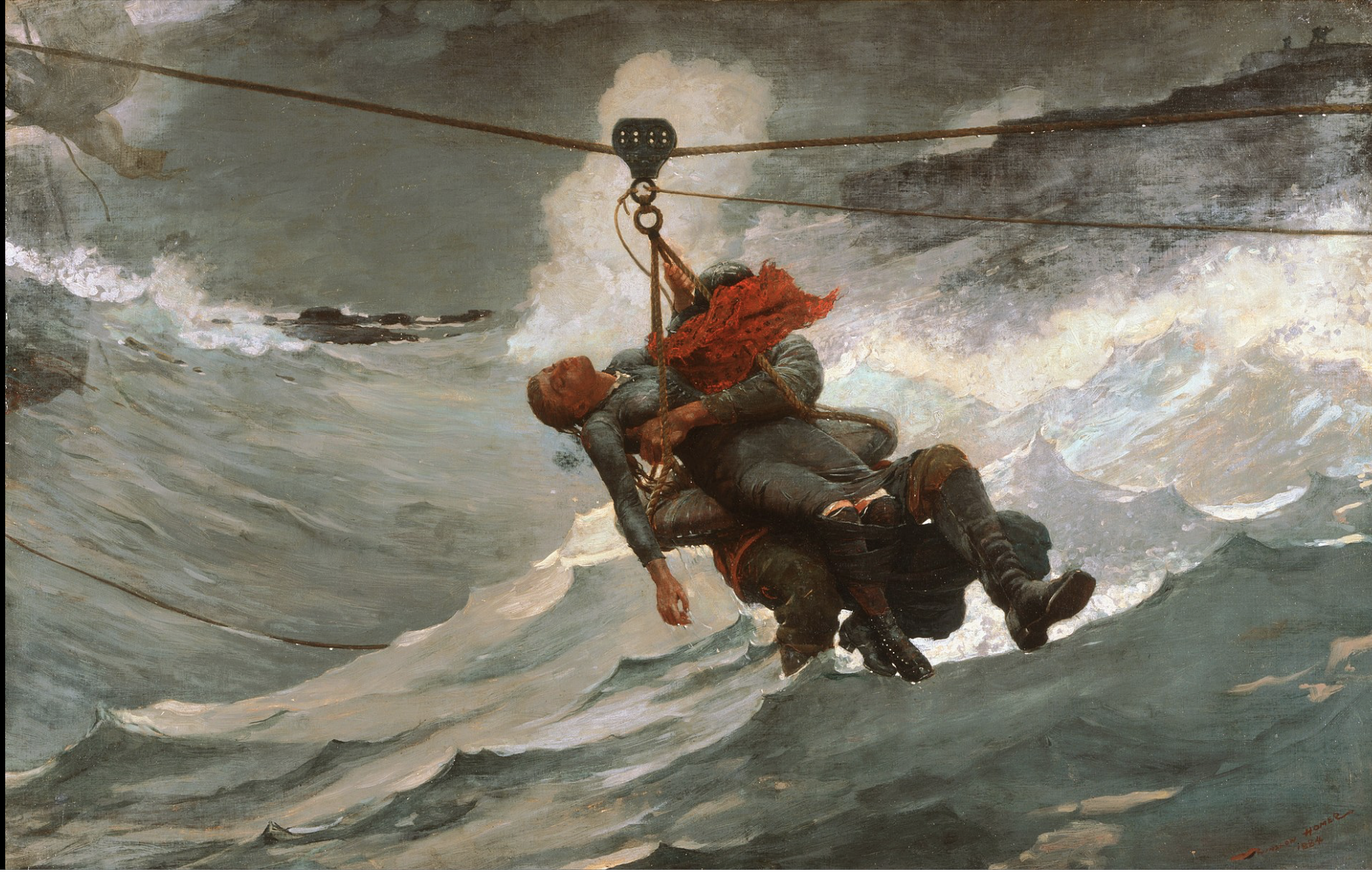
1963  The Coast Guard’s “newest” helicopter, the Sikorsky HH-52, performed its first rescue.  On February1, 1963, the F/V Enterprize sank after colliding with ice off Hyannis, Massachusetts.  The two crewman of the vessel abandoned and sought safety on the ice.  After a 63-mile flight, 56 of which were over water at night, the aircraft commander, LT R. A. Johannsen, landed the HH-52A (CG-1352) on the ice and made the rescue.