Airbus and U.S. Coast Guard sign support agreement for MH-65 fleet” –AIRBUS News Release

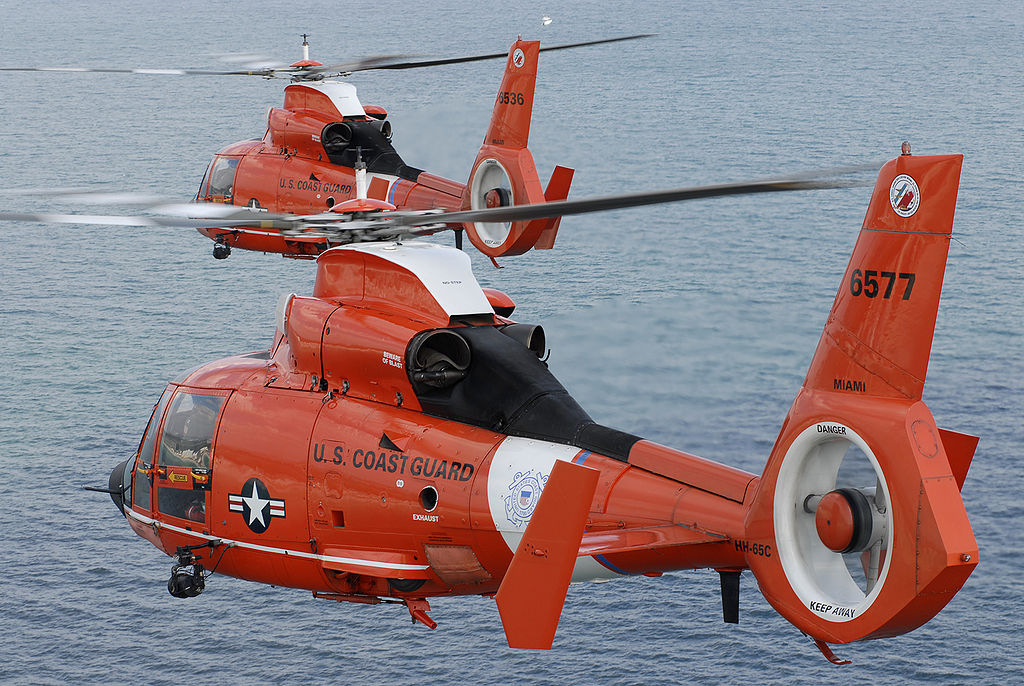
US Coast Guard photo, by PAC Dana Warr

Below is a news release from AIRBUS.

Looks like we expect the H-65 to continue serving in the Coast Guard until at least 2037. Cutters with flight decks but incapable of operating larger helicopters should all be gone by then.


Grand Prairie, Texas  – Airbus Helicopters has signed a Memorandum of Understanding (MOU) with the United States Coast Guard (USCG) to continue providing support for the service’s fleet of MH-65 Dolphin helicopters through 2037. The agreement reaffirms Airbus Helicopters’ commitment to ensuring the mission readiness of the USCG’s fleet as it performs critical search and rescue, law enforcement, and disaster response missions.

Under the terms of the MOU, Airbus Helicopters will deliver enhanced maintenance, spare parts, and technical support to optimize the performance and availability of the MH-65 fleet. The agreement also includes provisions for fleet modernization and engineering services to extend the operational life of the aircraft.

“The U.S. Coast Guard’s MH-65 helicopters are at the forefront of safeguarding our nation’s coastlines and saving lives,” said Bart Reijnen, President of Airbus Helicopters in the U.S. and Head of the North America region. “We are honored to continue working with the Coast Guard to ensure their fleet remains mission-ready for years to come. This agreement demonstrates our shared commitment to safety, reliability, and operational excellence.”

The MH-65 Dolphin has been the backbone of the Coast Guard’s aviation fleet for more than four decades. With this new MOU, Airbus Helicopters and the USCG aim to maintain the fleet’s high level of operational capability, enabling continued support for critical missions across the country.

Airbus Helicopters has a long-standing partnership with the USCG, providing tailored solutions to meet the service’s dynamic operational demands. The extended collaboration will build on this history, leveraging Airbus’ global support network and industry-leading expertise.

@AirbusHeli #MH65

“Coast Guard celebrates 40 years of service with H-65 helicopter” –CG-9

Great article about the history of the H-65 in Coast Guard service by the Acquisitions Directorate, CG-9 reproduced below.

Don’t get the impression that the H-65 is going away anytime soon. Expect at least another decade of service. The last of the parent design AS365 Dauphin was manufactured in 2021. The closely related Eurocopter AS565 Panther is still being manufactured and has seen service in eleven countries.


Coast Guard celebrates 40 years of service with H-65 helicopter

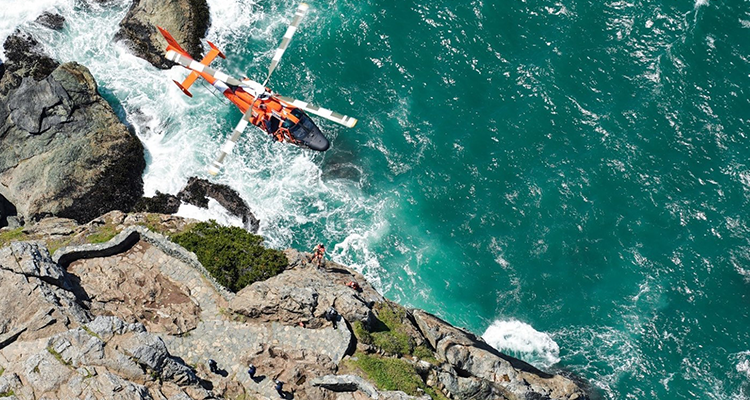
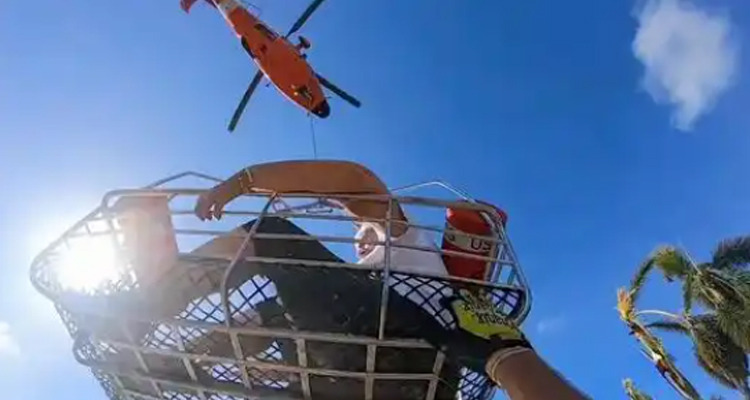
Upgrades throughout the 40-year history of the H-65 were strategically completed to allow for expanding missions and operations in the most challenging maritime conditions, such as cliff rescues. Here an MH-65 crew conducts vertical surface training off the coast of Humboldt Bay, California, to hone critical skills to ensure precise and efficient hoisting techniques in this rugged, coastal environment. U.S. Coast Guard photo.


It’s 2007. Coast Guard Air Station Port Angeles, Washington, receives a call about an injured mountain climber at the summit of The Brothers, a pair of prominent mountain peaks in Olympic National Park near Seattle. The elevation: 6,866 feet. And it’s snowing.

A search and rescue mission was deployed using the HH-65C short range recovery helicopter. “We were right up against that line where it was clear. If we had gone much further toward the peak, we would have been in blizzard conditions. We had to dump fuel at altitude to get light enough,” recalled Cmdr. Christian Polyak, co-pilot on the rescue mission and now commanding officer of Coast Guard Air Station Detroit. “We were able to reach the summit, pluck the injured mountain climber off the peak and get back to the airport in about 15 minutes.”

Unknown to the mountain climber, the Coast Guard H-65 Conversion/Sustainment Program had been working for years – and would continue working in subsequent years – to update the H-65 fleet and support missions like the one that brought the mountain climber to safety. “The rescue couldn’t have been done without the HH-65 and the engine upgrade from Bravo to Charlie,” Polyak explained.

In November 2024, the Coast Guard marked the 40th anniversary of the initial H-65 operation, but the tenure of this critical asset in supporting Coast Guard missions is slowly coming to an end. The service has completed the transition from the MH-65D to the MH-65E, the final upgrade of this airframe. Obsolescence challenges with the MH-65 will lead to the sundowning of aircraft as they reach the end of their service lives.
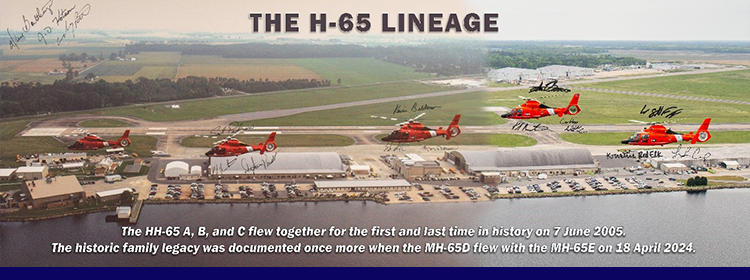
HH-65A HH-65B HH-65C/MH-65C  MH-65D MH-65E
Began operations: 1984 Began operations: 2001 Began operations: 2004 Began operations: 2009 Began operations: 2015
Original Coast Guard version. Avionics upgrade undertaken on a portion of the fleet, including a night vision goggle compatible integrated flight management avionics suite. Engines replaced with Turbomeca Arriel 2C2-CG engines, adding 40% more power. Airborne use of force capability added, including 7.62 mm general-purpose machine gun and a .50-caliber precision rifle. Obsolete subsystems replaced, such as replacing navigation systems and gyros with digital GPS and inertial navigation systems. Remaining obsolete subsystems modernized, including replacing analog automatic flight control with digital systems, installing digital weather radar systems and installing digital glass cockpit instruments.
Other program milestones included purchase of seven new MH-65 aircraft to identify and intercept non-compliant light aircraft operating within the Washington, D.C., Air Defense Identification Zone and execution of a service life extension program to extend the service life of the helicopters by an additional 10,000 flight hours.

Since their introduction more than 40 years ago, Coast Guard H-65s have been credited with rescuing approximately 26,000 people. For nearly two decades, the Coast Guard has planned and executed targeted improvements to enhance reliability and performance of the operational fleet. Across each iteration, starting with the initial designation of the HH-65A (Alpha) to the current MH-65E (Echo), every upgrade enhanced the airframe’s capabilities, enabling crews to complete lifesaving, law enforcement and national security missions more efficiently and effectively.

Retired Capt. Keith Overstreet has flown every model of the H-65, starting with the Alpha in 1995 at Air Station Savannah, Georgia. “I started flying the 65 when it was relatively new … when we purchased the H-65 it was really an advanced aircraft with advanced avionics. It allowed us to fly coupled approaches down to the water with a fairly precise position. It could control not only the lateral, the guiding left to right, but vertically down to the water as well.”

As modern as it was for its time, regular upgrades kept it relevant.

“The Alpha had a small navigation screen where you could create a flight plan. It had a forward-looking radar that would map out vessels and terrain,” said retired Cmdr. Kevin Barres, who flew 65s throughout his entire 25 years in the Coast Guard. “Then Bravo came up and you had a color display that differentiated some terrain,” which helped in developing flight plans.

“Charlie meant changes to the engine, and the engine control. It went from mechanical control using air and linkages to digital control. Echo replaced analog avionics components with a digital cockpit that has significant commonality with the H-60 fleet. There were enhancements to the automatic flight control system and there was a complete rewire of the aircraft. Its modern glass cockpit is standard across the board,” Overstreet said.
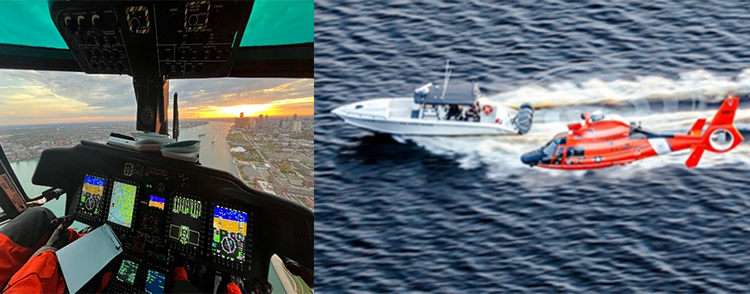
LEFT: A glass or digital cockpit replaced analog instruments in the MH-65E. RIGHT: The updates for missions requiring airborne use of force capability got underway in August 2006. The Helicopter Interdiction Tactical Squadron specializes in those missions, often used for drug-interdiction, and moved to the MH-65 from the Agusta MH-68A Stingray in 2008. U.S. Coast Guard photos.


“Every upgrade was significant and addressed a specific problem or modernization to accommodate how the mission, aviation and airspace were changing,” Barres said.

Cumulatively, these three pilots have flown nearly 16,000 hours in the H-65 and remember missions completed with fondness and pride.

Barres remembers when a bear-watching float plane split in half in the water, stranding six tourists, the bear guide and the pilot in Haro Bay, Alaska. It was 2006, and he was on his first deployment in Kodiak.

“It was a very windy day. The seas in the bay had built a little bit. When the aircraft tried to take off, the tube that goes across the front that connects the two floats failed and split. The aircraft did a nosedive into the wave and was swamped. They were all able to get out and were standing on the wing while it floated for a little while.”

The Coast Guard responded with an HC-130, an MH-60 and an MH-65. Barres was in the office and volunteered to pilot the MH-65.

“The C-130 got on scene and dropped two survival rafts to them. The bear guide was able to climb up on the capsized life raft and hang on. All the other people were hanging on to the float plane. The plane sunk, and they all ended up in the water for about 10 to 20 minutes.”

They were able to float due to their safety devices, but they all were hypothermic. The two helicopters were able to retrieve everyone, and all survived.

Another “miraculous” search and rescue mission Barres recalls was when he was stationed in Barbers Point, Hawaii. He was involved in rescuing a family that was stranded on a very small skiff in ocean waters for just short of two weeks, surviving on sea water and flying fish, after their small outboard motor malfunctioned. When the family was taken back to their home in Kiribati aboard an H-65, they were met with ecstatic school children and an elected official showered them with gifts of bananas and coconuts.

H-65 does more than search and rescue

“The H-65 has been heavily relied upon for all our aviation special missions,” said Polyak, who currently ranks as the most senior active-duty H-65 aviator.

During a deployment to Japan from Kodiak on a mission to enforce an international fisheries treaty, Polyak was grateful for the enhancements of the satellite communications on the MH-65C.

“Without that upgrade, we wouldn’t have been able to maintain radio communications with the cutter at the distances we were operating the helicopter,” he said. “As a pilot I always want to be able to talk to the ship if I’m 100 miles away from it. When you’re thousands of miles away from land and there’s nowhere else to go, you need to be able to talk to the ship so you can find out where they are and get back to them.”

The stories of the missions are endless. But without the behind-the-scenes mechanics that keep the aircraft operational, none of this would be possible.

“It takes 21 maintenance labor hours for every flight hour,” said Polyak, who served as the branch chief for the H-65 Echo conversion at the Aviation Logistics Center (ALC) in Elizabeth City, North Carolina, leading a team of 36 to deliver MH-65 Echoes to the fleet from 2017 to 2020. “There’s a lot of work happening on the hangar deck. Our enlisted mechanics work very hard to allow this aircraft to continue to operate and do lifesaving missions. There’s an equally important component at the ALC where the overhaul for the aircraft occurs. And there are hundreds of active-duty members, civilians and contractors that only support the H-65 fleet. These quiet professionals are supporting frontline operations. Along that same vein, the Aviation Training Center in Mobile, Alabama, has continued to provide excellent standardization and training support so that pilots and air crews can work together and execute these challenging missions.”

Looking forward, pilots are grateful they had the opportunity to fly the H-65s.

“It’s amazing the way we in the Coast Guard were able to bring it online,” Barres said. “Basically, going from 1960s helicopters to the most modern helicopters in the world at that time and then over 40 years keeping the aircraft upgraded and relevant.”

“At one point we had nearly 100 airframes in the fleet,” he continued. “The 65 never let me down on a mission or my crew or the folks that we were out there trying to help, whether it was law enforcement, or a fisheries patrol or a search and rescue case.”

All three pilots find immense career fulfillment in completing search and rescue missions made possible by the capabilities of the H-65.

“That day when you look somebody in the eye,” Overstreet said. “And you know, and they know that they would not be on this earth alive if you hadn’t been there. That makes it easy to put your all into your work every day.”
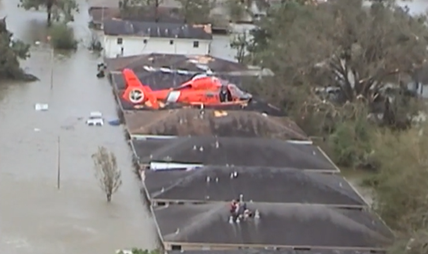
An airman from Air Station New Orleans, who was on the first helicopter that returned following the Hurricane Katrina, recounted, “The second that everyone heard us on Channel 16, Channel 16 just blew up with mayday calls.” Flying on waivers, he did rescues for five days and nights straight. At the time, this was considered the biggest search and rescue event in U.S. history. U.S. Coast Guard photo.


Related:

40 years in service!

Genesis of the Coast Guard HH-65 Helicopter

For more information: MH-65 Short Range Recovery Helicopter Program page


“Army Cancels High-Speed Armed Reconnaissance Helicopter Program” –The WarZone

Sikorsky’s Raider X, advanced compound helicopter design (FARA prototype)

The Warzone reports,

The U.S. Army says it is cancelling its Future Attack Recon Aircraft (FARA) program which had been centered on the acquisition of a new type of high-speed armed scout helicopter. This is part of a larger restructuring the Army plans for its future fleets of helicopters and other crewed and uncrewed aircraft.

This is essentially half of the Army’s Future Vertical Lift program. The Coast Guard has been following the program in anticipation of development of vertical takeoff and landing aircraft that would offer “twice the range and twice the speed” of existing helicopter types. We might still see that in a version of the Bell V-280 for land-based operations.

Note this video is four years old, so the prototype has been flying for a long time. I have heard concern about the downwash, but if you look at the windsock visible from time 2:20, downwash does not seem to be excessive. My back of the envelope calculations suggests the overpressure directly under the rotor discuses would be about 67% higher under the V-280’s props compared to the H-60J’s rotor. That might be mitigated at the hoist pickup point because, unlike in the H-60, the props are not rotating over the fuselage of the V-280.

It does appear that the H-60s may have a new engine option in the future.

The FARA cancellation is part of what the Army is currently calling the Aviation Investment Rebalance. The service says it will delay production of the General Electric T901 turboshaft engine developed under the Improved Turbine Engine Program (ITEP), which had been heavily tied to FARA, as part of this plan. The immediate focus will now be on integrating T901s onto existing AH-64 Apache attack helicopters and UH-60 Black Hawk utility helicopters.

GE Aerospace claims, “The T901 engine provides 50% more power 25% better specific fuel consumption, and reduced life cycle costs -with fewer parts, a simpler design, and proven, reliable technology.” 

Basically, the Army has decided that Unmanned aircraft and Satellites can do the job of scouting better and cheaper, as well as safer, than a helicopter. This means they will be putting more money into those areas.

The Coast Guard might still benefit in its maritime domain awareness and its search function. I have not put much thought into the possibility that UAS (and perhaps satellites) might supplement or replace fixed wing for the SAR search function or MEP detection, but those are real possibilities.

I am disappointed that we are not likely to see a ship-based helicopter with twice the range and twice the speed any time soon, but on the other hand, we are already using UAS for search that have many times the endurance of the H-65 or even the H-60. For that function, endurance is more important that speed.

WMEC 210s in Retrospect

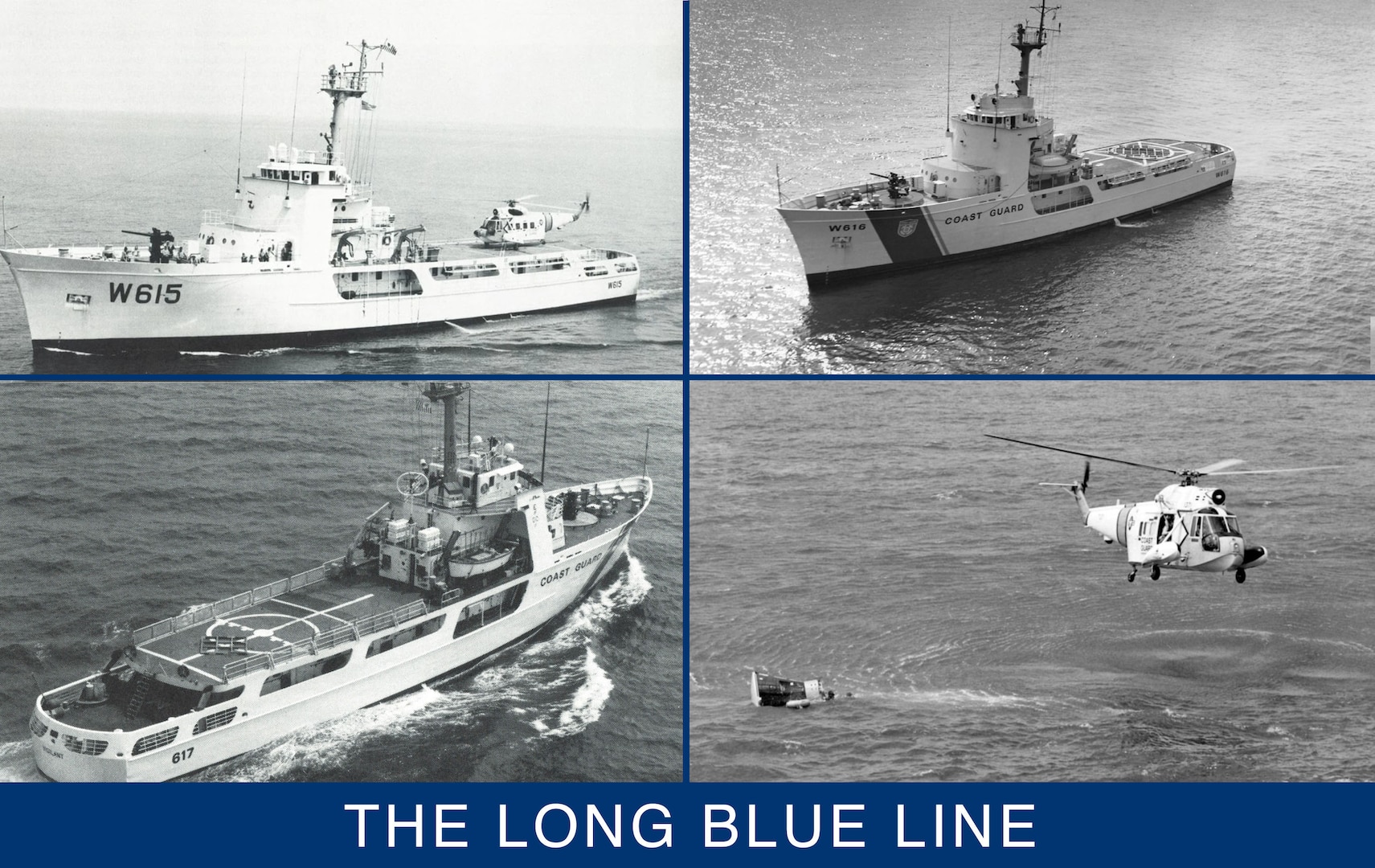
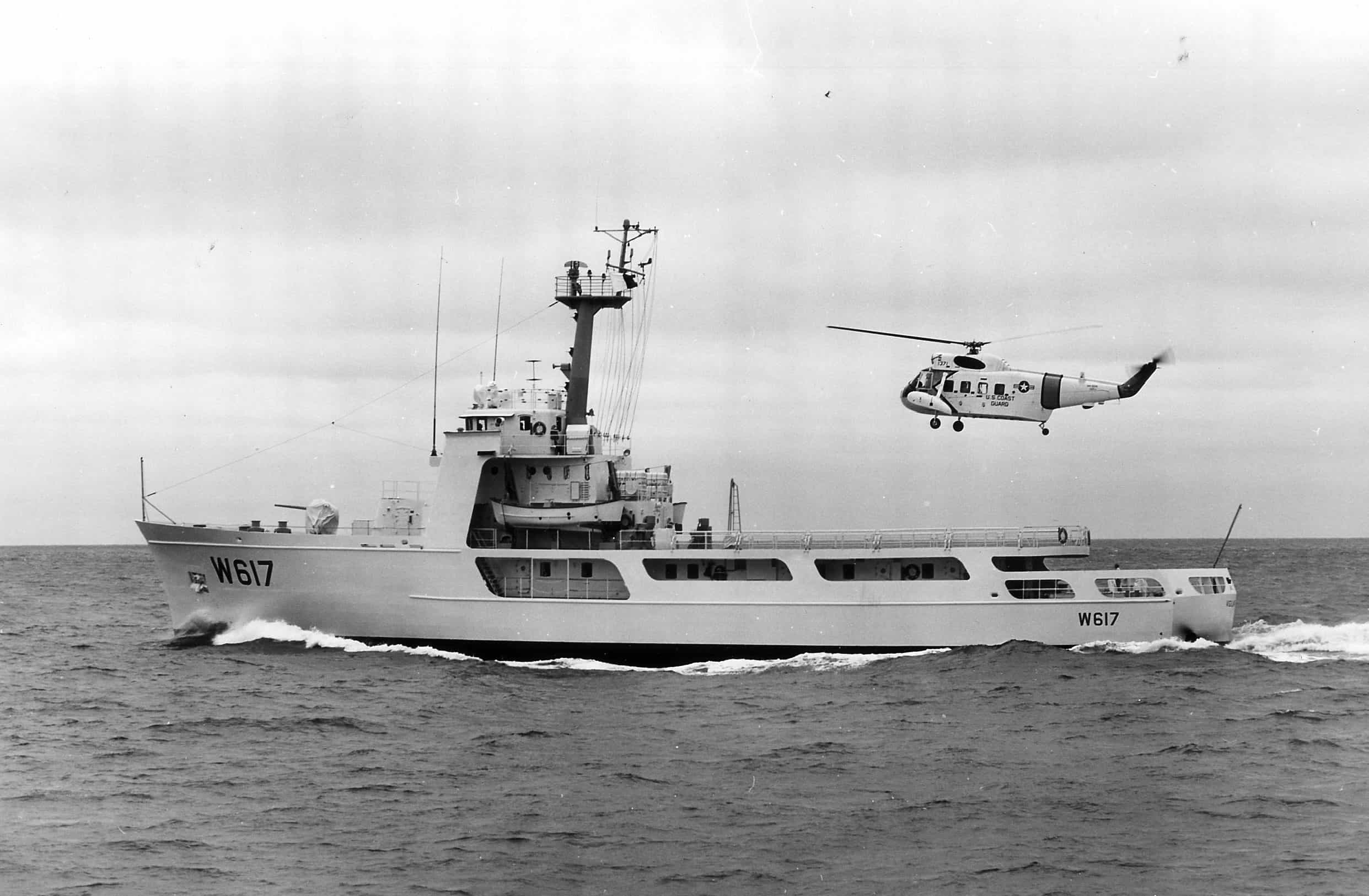
Coast Guard cutter Reliance conducting helicopter operations circa 1964. (U.S. Coast Guard photo).

Coast Guard cutter Diligence shown with the prototype “racing stripe” painted on the bow in December 1966. (Coast Guard Historian’s Archive).

The extensive accommodation for helicopter operations is shown by this photo of third-in-class 210 cutter Vigilant. (U.S. Coast Guard photo)

A Coast Guard HH-52A launched from Diligence hovers over the Gemini III space capsule in 1965. (U.S. Navy National Museum of Naval Aviation photo)

USCGC Diligence with SOAR Little Bird Attack Helicopter –Remembering Operation Prime Chance

USCGC Diligence recently completed a 52-day counterdrug patrol in the Caribbean Sea. Mostly it was a typically successful patrol, but they did do something a bit unusual.

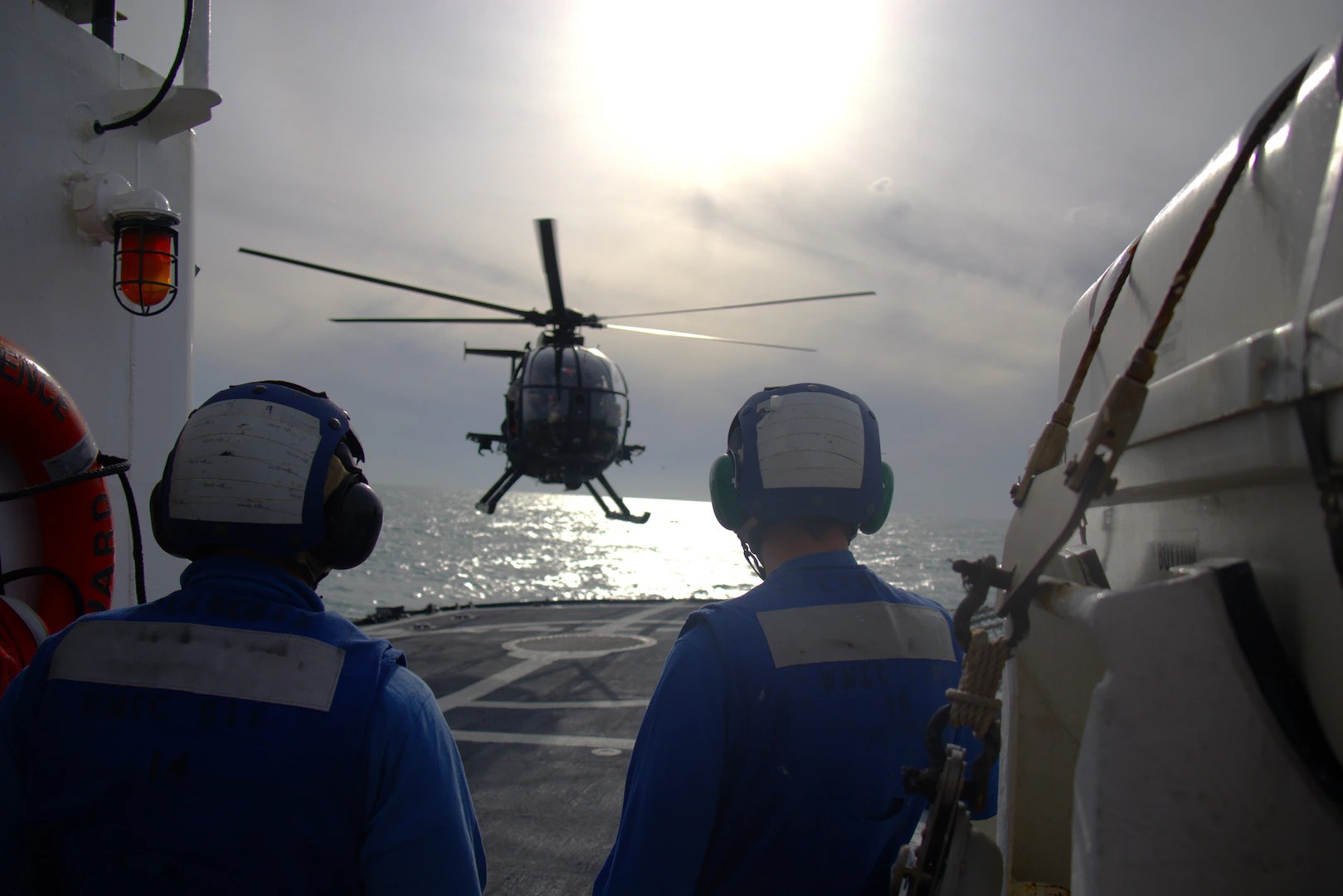
“Diligence also conducted a joint training exercise with the Army’s 160th Special Operations Aviation Regiment (SOAR). During the exercise, the Diligence crew and pilots from SOAR completed daytime and nighttime helicopter landing evolutions.”

The Helicopters were AH-6s. The 160th SOAR has a history of flying off of floating units.

Between 1987 and 1989 the U.S. Army’s 160th Special Operations Aviation Regiment, also known as “The Night Stalkers,” flew Little Bird helicopters from barges and Navy frigates in the Persian Gulf. Operation Prime Chance paired the U.S. Army helicopters with Navy SEALs, Marines, and Special Boat Units in an undeclared war against Iranian Revolutionary Guards units harassing civilian shipping. Six Little Birds, both MH-6 utility and AH-6 attack versions equipped with SEAL snipers, rockets, and machine guns, flew patrols as low as thirty feet.

This might be a reminder that Army and Marine helicopters could be operated from Coast Guard Cutters for limited periods for Special Operations, particularly in areas where there are few Navy assets such as the high North and 4th Fleet.

Wikipedia’s report on Operation Prime Chance here.

More photos of Diligence’s operation with AH-6 here.

Thanks to Peter for prompting me to write about this. 

“Coast Guard to SLEP, Expand MH-60T Helicopter Fleet as Sikorsky Delivers First New Airframe” –Seapower / Implications for Cutters

Coast Guard to SLEP, Expand MH-60T Helicopter Fleet as Sikorsky Delivers First New Airframe

The Navy Leagues on line magazine, Seapower, reports,

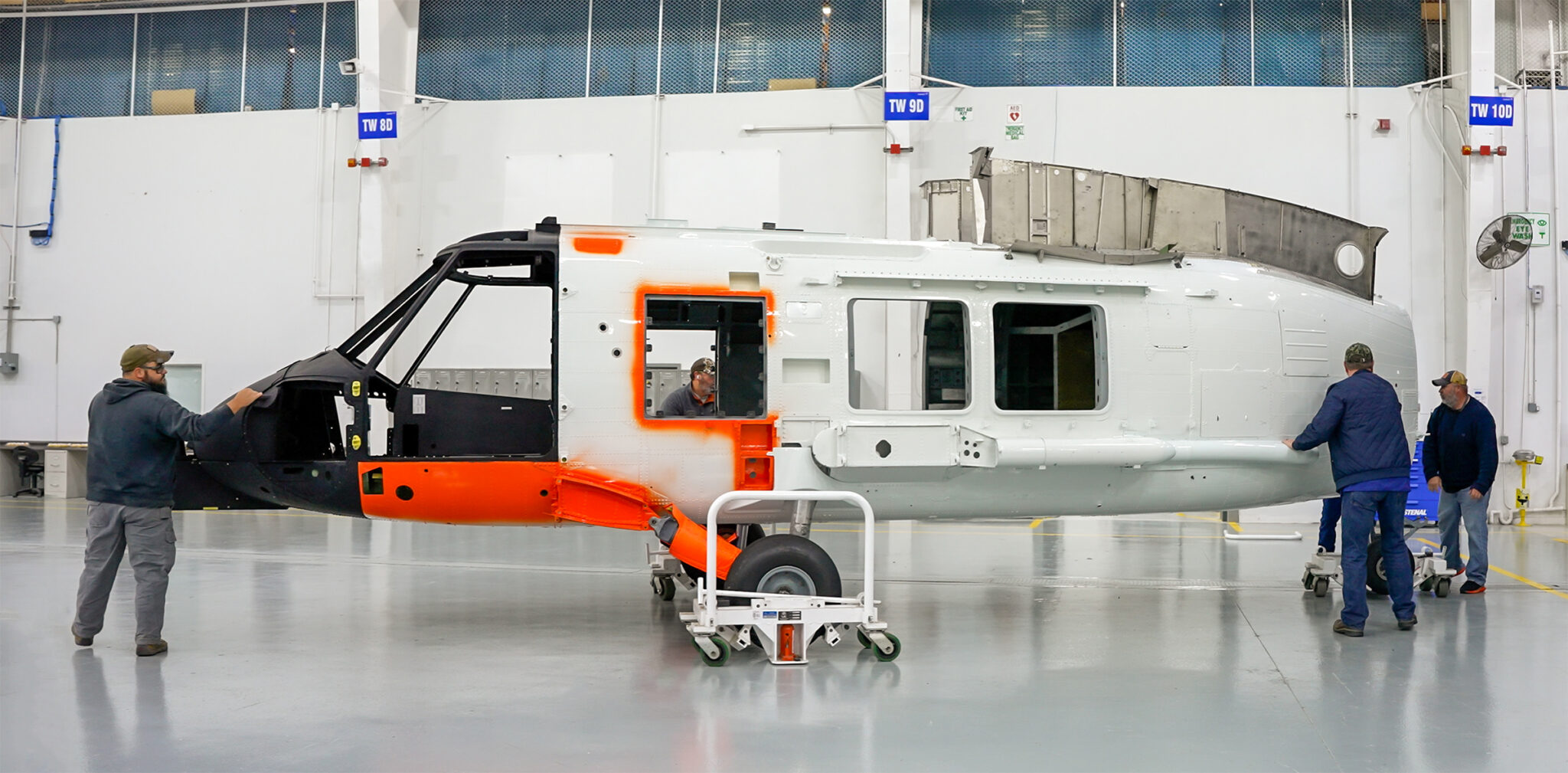
“The U.S. Coast Guard has confirmed plans to expand is MH-60T Jayhawk helicopter fleet and make it the standard service-wide helicopter. The service life-extension of the current MH-60T fleet is being highlighted as Sikorsky, a Lockheed Martin company, delivers the first of 45 replacement MH-60T airframes to the Coast Guard.”

There is a lot of information here.

  • The Coast Guard currently has 48 MH-60T.
  • Generally, six are being overhauled.
  • 45 of these will receive new hulls.
  • 12 new hulls will be delivered annually.
  • Electric tail folding will be added to MH-60s beginning in 2024.

That suggests the SLEP program for the existing Fleet will go through FY 2027, but there is also an intent to replace all H-65s with H-60s. Ultimately the Service expects to have 127 H-60s. That is 79 additional H-60s. Growth will involve both new construction and additional Navy conversions. Sounds like we may still be as much as 13 years from full conversion to a full H-60 fleet, about 2036, but perhaps earlier.

H-65s will continue to operate from cutters for some time.

So, what about the H-65s and the smaller cutters that may not be able to operate the H-60? The nine “B class” 270s should be able to operate H-60s, but the 210s and four “A Class” 270s cannot. The last of those will probably be decommissioned about 2032, certainly no later than 2035.

Aviation Logistics Center (ALC), CGAS Elizabeth City should be wrapping up the MH-65E SLEP program about now, having begun full rate production in November 2019 at a rate of 22 aircraft a year. The SLEP reportedly added 10,000 hours to the life of each aircraft, so the H-65s will probably outlast the cutters that can only operate the smaller helicopter.

“MH-65 upgrades were invaluable to mission success in the aftermath of Hurricane Ian” –CG-9

The report below is from the CG-9 website

MH-65 upgrades were invaluable to mission success in the aftermath of Hurricane Ian

Air Station Miami crew during Hurricane Ian

The Air Station Miami crew evacuates a person in the aftermath of Hurricane Ian. In addition to Air Station Miami’s MH-65Es and HC-144Bs, the coordinated rescue included one MH-65E from Air Station Houston and two MH-65Ds from Air Station Savannah. Total statistics for the coordinated rescue: 46 lives saved, 36 lives assisted and 19 pets saved. U.S. Coast Guard photo by Air Station Miami.


Hurricane Ian caused nearly 150 fatalities when it swept through Florida in late September 2022 and has been cited as the deadliest hurricane to hit Florida since 1935. In the search and rescue efforts that followed, Air Station Miami crewmembers played a pivotal role in rescuing both human and animal survivors. According to the pilots, upgrades on the Coast Guard’s MH-65E proved vital during multiple rescue missions. In the days following the storm they were faced with harried conditions when fuel stops were limited, communications were intermittent and lives depended on the speed and awareness of the crew.

The upgraded MH-65E, or Echo, sports an all-glass cockpit and Common Avionics Architecture System (CAAS) that replaced legacy analog components. The new system aligns with Federal Aviation Administration next-generation requirements that call for performance and space-based navigation and surveillance, allowing for more three-dimensional approaches and flight patterns as well as higher visibility of the helicopter by other on-scene aircraft.

Integral to the CAAS is the automatic dependent surveillance-broadcast, or ADS-B, which allowed command aircraft (both Coast Guard HC-144 and Navy P-3) to track the MH-65E even when it was no longer visible to the crews. The moving map on the pilot screens can be overlayed with the traffic collision avoidance system (TCAS), which helps deconflict airspace with multiple aircraft maneuvering in tight quarters. The display can be placed across four multi-function display (MFD) screens and is accessible to both pilots.

“The TCAS was immensely helpful, especially being able to use the moving map overlay,” said Lt. Audra Forteza. “There were so many aircraft in the area, both military and civilian, and not everyone was making traffic calls as they should be – the TCAS allowed us to quickly and efficiently find the most imminent threat and maneuver to maintain separation. Knowing where exactly to look for a target made identification much faster and allowed us to focus on the mission at hand vice continually searching for other aircraft.”

The crewmembers were equally impressed by the bingo fuel alerts, an aviator term used to describe the minimum fuel an aircraft requires to land safely at its designated landing site. Fuel stops were severely limited because of widespread power outages on the ground. This meant that finding an airport with a generator strong enough to facilitate refueling was largely based on recommendations from other parties in communication with the aircrews. “Word of mouth was key to success for aircrews operating the area to determine which airports had fuel,” Forteza said. “And the people at the airfields were extremely accommodating in getting crews food, fuel, water and bathrooms.”

The MFD screens were also very useful when it came to hoisting survivors out of difficult situations while maintaining situational awareness and control of the aircraft. Forteza was able to monitor her co-pilot safely and effectively while they operated the hoist in a series of challenging urban environment rescues over the course of several days.

Additionally, utilizing the upgraded radar weather mode allowed for safe navigation between hurricane bands as the crews searched for survivors by painting a clearer, more accurate picture of the evolving weather situation even when their in-flight tablets did not have reception. In response to Hurricane Ian, Air Station Miami pilots flew a total of 46 hours over several days. Forteza and Lt. Danielle Benedetto personally contributed to saving the lives of 16 people, as well as five cats and three dogs. The air station fully transitioned to the MH-65E in July 2021.

Air Station Miami crew

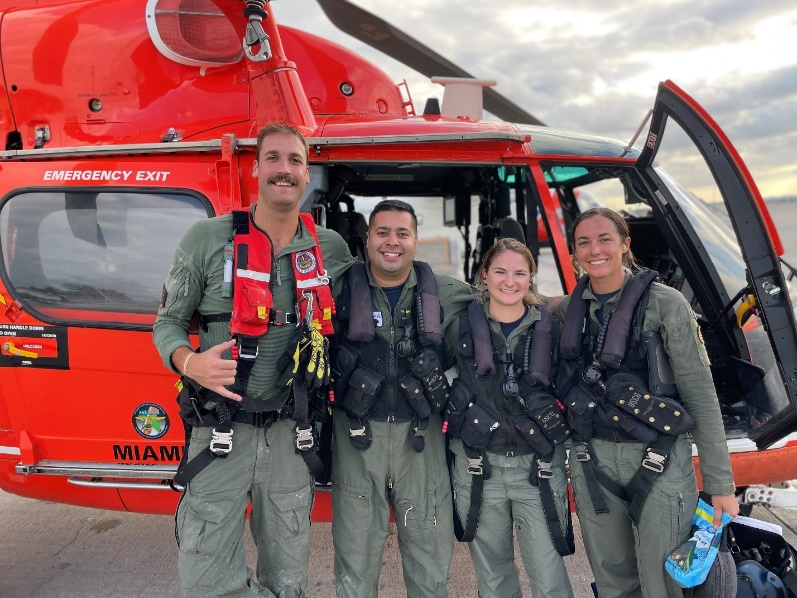
Air Station Miami crew, from left: Petty Officer 2nd Class Tyler Kilbane, Petty Officer 2nd Class Nick Rodriguez, Lt. Audra Forteza and Lt. Danielle Benedetto. U.S. Coast Guard photo.

Live shots taken by Minotaur-equipped HC-144

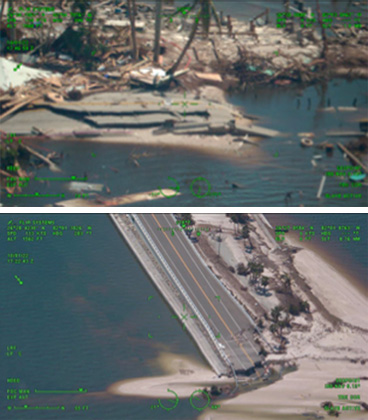
Live shots of Hurricane Ian damage taken by Minotaur-equipped HC-144 aircraft were used to support the Incident Management Team. U.S. Coast Guard photos.

MH-65E transition
The Coast Guard has completed 52 out of 98 total conversions including avionics upgrades to the Echo configuration and Service Life Extension work. Air stations that have completed the transition and number of aircraft:

Houston 3
Miami 5
Port Angeles, WA 3
Barbers Point, HI 4
North Bend, OR 5
Helicopter Interdiction Tactical Squadron 12
Humboldt Bay, CA 3
San Francisco 7

Next up for conversion are Atlantic City, N.J., and Savannah, GA

For more information: MH-65 Short Range Recovery Helicopter Program page and Minotaur Mission System Program page
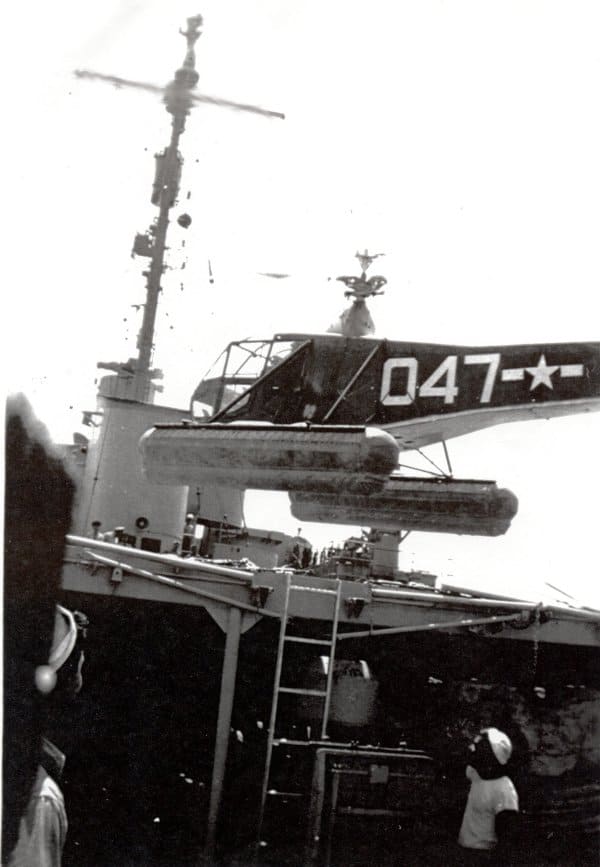
The Very First US Naval Helicopters and Their Coast Guard Pilot

CDR Frank Erickson, USCG, the first US Naval Aviation helicopter pilot.

I am sharing a post written by Coast Guard Aviator, Capt. Sean M. Cross, that appeared on his Facebook Page. Captain Cross’s Facebook page provides daily stories about Coast Guard aviation history. I have a bit of a personal connection, because his dad, former Vice Commandant, VAdm. Terry M. Cross, USCG (ret.), served with me, on my first active duty station, USCGC McCulloch. Even then, it was clear he was a standout.


TODAY IN COAST GUARD AVIATION HISTORY – 03 SEPTEMBER 1943: On 3 September, the U.S. Navy Chief of the Bureau of Aeronautics requested that Coast Guard CDR Frank Erickson, who was assigned to the Sikorsky Factory in Bridgeport, CT, prepare a weekly report for the Bureau outlining the progress made on various model helicopters, estimates of completion, trial and delivery dates; and in addition, such other technical information determined from time to time which had or may have a bearing on present or future operations of this type aircraft.
[Some excerpts from “1943: Coast Guard Assigned the Sea-going Development of the Helicopter” on the Coast Guard Aviation History website] This arrangement came about because U.S. Navy CDR Charles Booth, the naval aviator in the initial helicopter training class at Sikorsky, was involved in moving the Navy’s flight test facility from NAS Anacostia to the Naval Test Center at Patuxent River, Maryland and as a result had not followed through on his qualification. Erickson thus remained the only naval aviator qualified in the helicopter. Hence, in the summer of 1943 Erickson had taken charge of the Navy’s helicopter development program.
Erickson submitted his first report on 18 September. It noted that the YR-4s for the joint evaluation program were on schedule. The two British helicopters had been completed but had not yet been delivered because of rotor problems. He further stated the problems were being addressed. On 25 September a YR-4A was released to the British. On October 16, 1943 – the U.S. Navy accepted its first helicopter, a Sikorsky YR-4B, Navy designation XHNS-1, BuNo 46445, at Bridgeport, Connecticut. However, and this is rich, Coast Guard LCDR Frank Erickson, CGA ’31 flew the one-hour acceptance test flight because the Navy had no helicopter pilots. I will admit – they were pretty busy fighting WWII and winning.
Regardless, the Navy celebrates 16 October as the Birthday of Navy Helicopter Aviation^^^. CDR Charles T. Booth, USN, went to Bridgeport to qualify as a helicopter pilot and to fly the XHNS-1 to the Naval Air Test Center (NATC), NAS Patuxent River, MD. CDR Booth was the first U.S. Navy Officer to become qualified to fly helicopters.
With the acceptance of two additional helicopters at the end of October 1943, the Sikorsky facilities became very crowded. Erickson sought to transfer all operation to Coast Guard Air Station Brooklyn at Floyd Bennett Field. The Chief of Naval Operations approved and designated the Coast Guard Air Station Brooklyn as the Helicopter Training and Development Base. On 20 November, LCDR John Miller, USN and LTJG Stewart Graham, USCG completed flight training. Graham received Coast Guard Helicopter Pilot Designation Number Two.
[NOTE: the Coast Guard celebrates this anniversary on 15 June 1943 when LCDR Erickson was designated Coast Guard Helicopter Pilot #1 at the Sikorsky Aircraft plant]

USCGC Stone off Guyana, Plus a Drug Interdiction

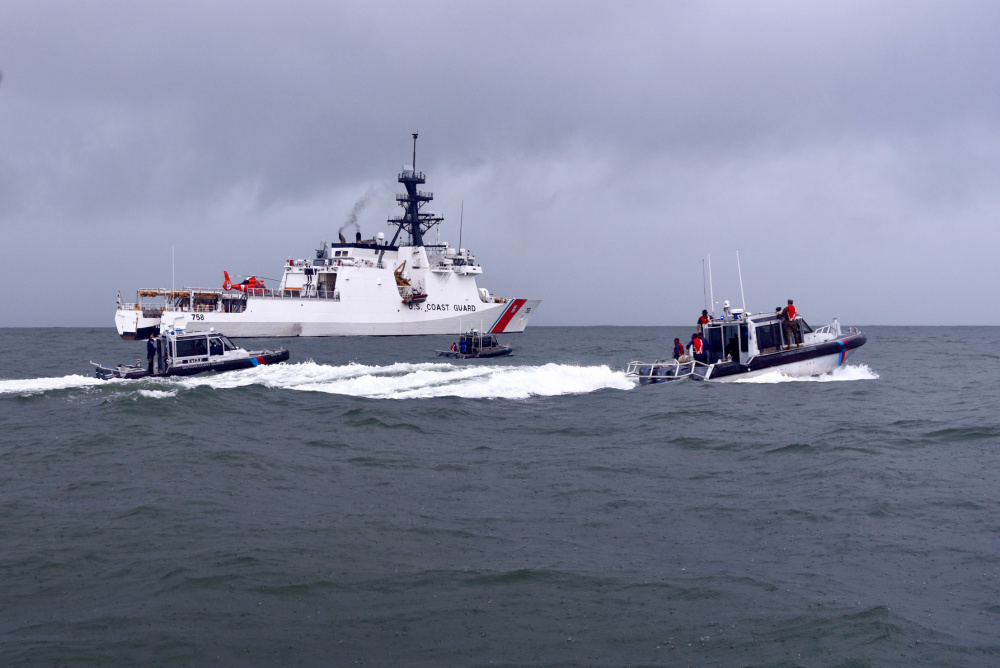
Some photographs from USCGC Stone’s deployment to the Atlantic Coast of South America. Keep in mind, this is really a shakedown cruise. She still has not been commissioned.

Guyana coast guard small boats patrol alongside the USCGC Stone (WMSL 758) off Guyana’s coast on Jan. 9, 2021. The U.S. and Guyana governments enacted a bilateral agreement on Sep. 18, 2020, to cooperatively combat illegal marine activity in Guyana’s waters. (U.S. Coast Guard photo by Petty Officer 3rd Class John Hightower)

U.S. Coast Guard Lt. Cmdr. Jason McCarthey, operations officer of the USCGC Stone (WMSL 758), bumps elbows, as a COVID mitigation, with a member of the Guyana coast guard off the coast of Guyana on Jan. 9, 2021, to celebrate the joint exercise. The U.S. Coast Guard and Guyana coast guard completed their first cooperative exercise in training to combat illicit marine traffic since the enactment of a bilateral agreement between the two on Sep. 18, 2020. (U.S. Coast Guard photo by Petty Officer 3rd Class John Hightower)

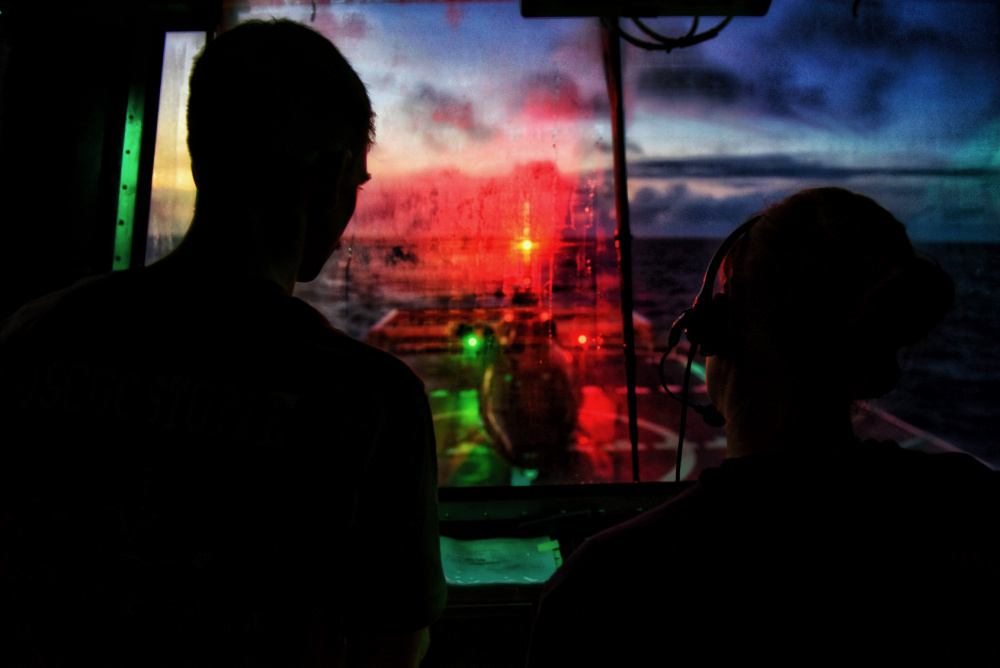
U.S. Coast Guard Lt. j. g. John Cardinal supervises Petty Officer 1st Class Pamala Jensen as she coordinates helicopter operations from the aviation tower of the USCGC Stone (WSML 758) in the Caribbean Sea on Jan. 7, 2021. Since the Stone began its first patrol on Dec 22, 2020, many of its crew trained in their new positions for the first time to become fully qualified. (U.S. Coast Guard photo by Petty Officer 3rd Class John Hightower)

U.S. Coast Guard small boats from the USCGC Stone (WMSL 758) and small boats from the Guyana coast guard patrol off the coast of Guyana on Jan. 9, 2021.  (U.S. Coast Guard photo by Petty Officer 3rd Class John Hightower)

Along the way, Stone managed to conduct a drug interdiction operation as well. LANT Area news release below:

united states coast guard

News Release

U.S. Coast Guard Atlantic Area
Contact: Coast Guard Atlantic Area Public Affairs
Office: (757) 398-6521
After Hours: uscglantarea@gmail.com
Atlantic Area online newsroom

On maiden voyage, USCGC Stone crew interdict narcotics in Caribbean

Stone launches small boat Stone stops suspect vessel

Editor’s Note: to view larger or download high-resolution images, click on the item above. 

PORTSMOUTH, Va. — While in transit to conduct joint operations off the coast of Guyana as part of Operation Southern Cross, USCGC Stone (WMSL 758) encountered and interdicted a suspected narcotic trafficking vessel south of the Dominican Republic Thursday.  
 
Having stopped the illicit activity, Stone handed off the case to the USCGC Raymond Evans (WPC 1110), a fast response cutter from Key West, Florida, and continued their patrol south. 
 
Early Thursday, acting on information from a maritime patrol aircraft, the Stone crew approached the vessel of interest and exercised U.S. Coast Guard authorities to stop their transit and interdict illicit maritime trade. 
 
The USCGC Raymond Evans arrived on the scene shortly after. A Coast Guard boarding team from the Raymond Evans conducted a law enforcement boarding, testing packages found aboard the vessel, revealing bales of cocaine estimated at 2,148.5 lbs (970 kgs) total.

Stone’s crew remained on scene during the search of the vessel to assist if need. Following the boarding, the Raymond Evans crew took possession of the contraband and detained the four suspected narcotics trafficking vessel members. They are working with the U.S. Coast Guard 7th District and Department of Justice on the next steps. 
 
Quotes 
“USCGC Stone is a highly-capable multipurpose platform and ready to conduct missions to save lives, support lawful activities on the high seas, and highlight and build Coast Guard partnerships with other nations.  I am not surprised that Stone interdicted drug smugglers – it is what the Captain, crew, and every U.S. Coast Guard member is prepared to do every day underway.  Stone’s crew is exhibiting the highest professional competence, reinforcing that Stone is well-suited to help our partners in the South Atlantic expose and address illicit activities in the maritime domain. These transnational criminal activities – be it illegal fishing or the trafficking of people, drugs, money, etc.  – challenge global security, and only together can we combat these threats.”
– Vice Adm. Steven Poulin, commander of U.S. Coast Guard Atlantic Area
 
 “I’m very proud of the crew for completing this evolution safely and making an immediate impact on our first patrol. This case illustrates that Stone is a competent partner, and our crew is ready for the front-lines. We look forward to our upcoming engagements, first with Guyana.”
– Capt. Adam Morrison, commanding officer of USCGC Stone (WMSL 758)

“Our teammates aboard USCGC Stone are helping keep our shared neighborhood – the Western Hemisphere- safe, successfully stopping illicit narcotics smuggling, while continuing their equally important mission to counter predatory and irresponsible IUU fishing, a growing threat to our partner nations’ sovereignty and our collective regional security.”

- Rear Adm. Andrew J. Tiongson, director of operations, U.S. Southern Command

 Quick Facts
 Mission
– Operation Southern Cross is a multi-month deployment to the South Atlantic countering illegal, unregulated, and unreported fishing while strengthening relationships for maritime sovereignty and security throughout the region.

– Stone’s patrol demonstrates the U.S. commitment to the established rules-based order while addressing illegal activity wherever a U.S. Coast Guard cutter is deployed.”

– Illegal, Unreported, and Unregulated fishing is a pervasive, far-reaching security threat. One in five fish caught worldwide likely originate from IUU fishing. 
 
 – Healthy fish stocks underpin the food security of coastal communities, maritime regions, and entire nation-states. 
 
 – The U.S. Coast Guard has been the lead agency in the United States for at-sea enforcement of living marine resource laws for more than 150 years. 

– The U.S. Coast Guard is uniquely positioned to combat IUU fishing and uphold the rule of law at sea. The Service is keen to share knowledge and partner with like-minded nations. 
 
 – The U.S. Coast Guard is recognized worldwide for our ability to perform diverse maritime missions over vast geographic areas. The U.S. Coast Guard’s value to the Nation resides in its enduring commitment to protect those on the sea, protect the United States from threats delivered by the sea, and protect the sea itself.

– As a military, law enforcement, regulatory, and humanitarian service, the U.S. Coast Guard relies upon various authorities and partnerships to enhance our capability and capacity throughout the maritime domain.
  
– Patrols like Stone’s support U.S. initiatives to strengthen and fortify effective governance and cooperation with our partner nations to address destabilizing influences – illegal narcotics and fishing that are high on that list. 
 
 USCGC Stone
 – The ship, one of the Legend-class, is named for the U.S. Coast Guard’s first aviator, Cmdr. Elmer “Archie” Fowler Stone.
 
 – Stone is the ninth National Security Cutter. They are a multi-mission platform — 418 feet (127 meters) long with a 54-foot beam and displace 4,500 tons with a full load. They have a top speed of 28 knots, a range of 12,000 miles, an endurance of 60 days, and a crew of around 120.

“This Is The Elite Unit That Raided The Tanker Threatened By Stowaways Off The UK Coast” –The Drive

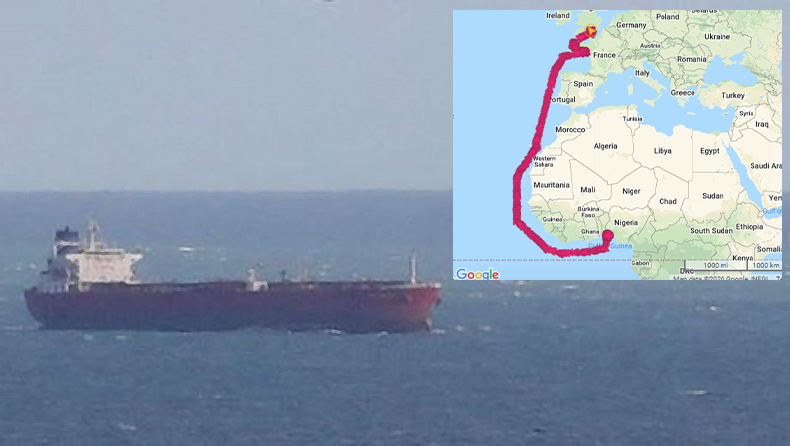
LLOYD’S LIST INTELLIGENCE DATA CONFIRMS THAT THE VESSEL LEFT LAGOS ON OCTOBER 6, WHERE THE STOWAWAYS ARE THOUGHT TO HAVE BOARDED.

The Drive reports on the recapture of the 42,000-gross-tonnage Liberian-registered tanker Nave Andromeda.

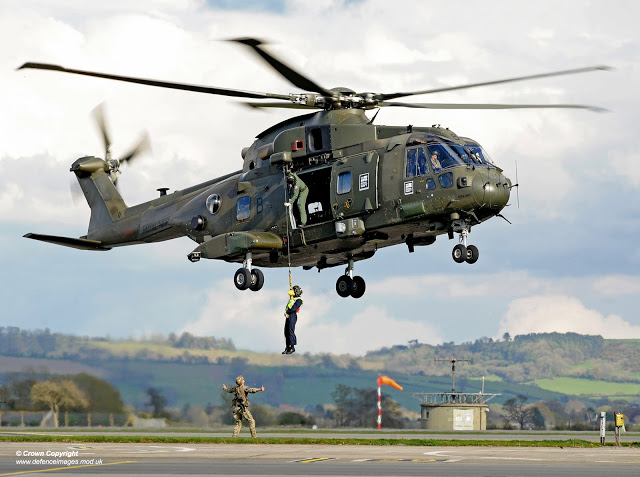
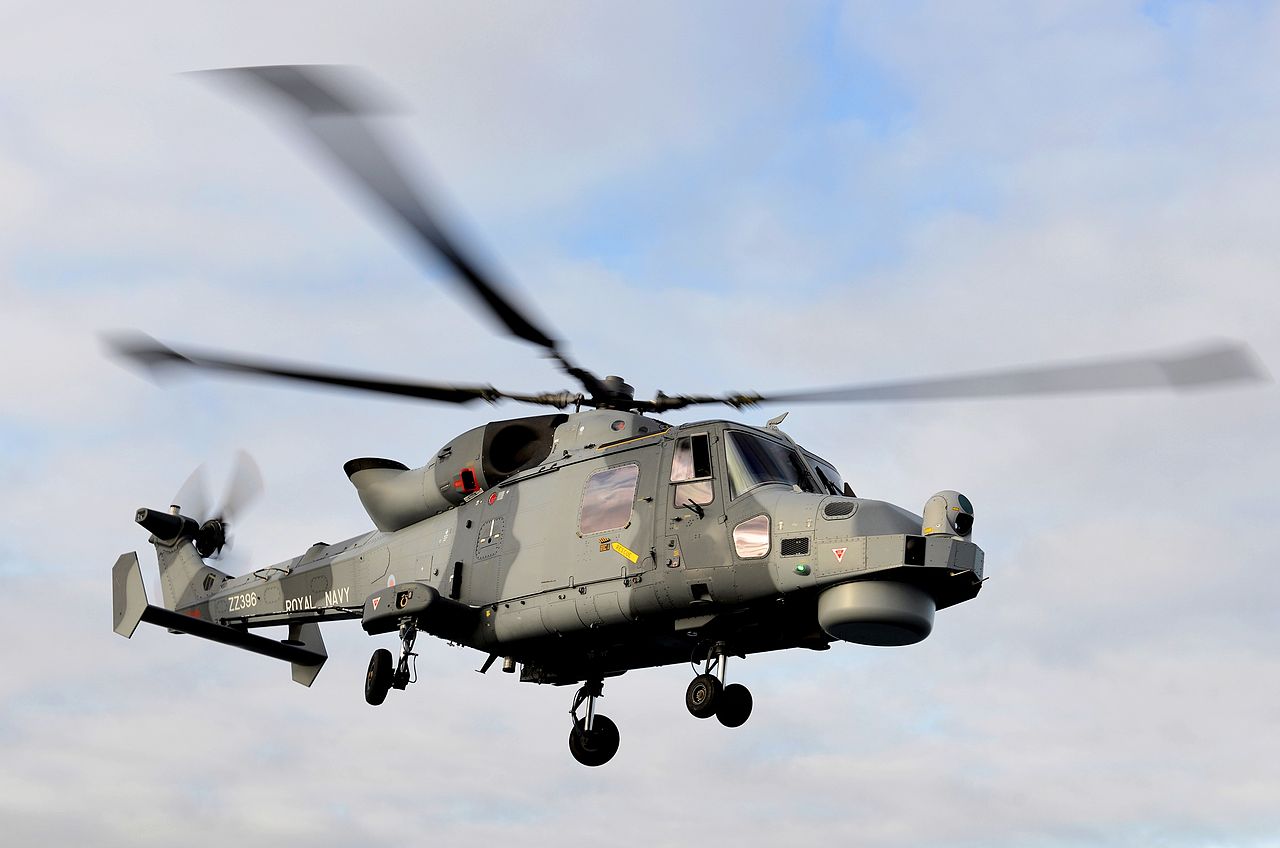
While this incident did not involve terrorists that might have had weapons capable of bringing down a helicopter, in this and a previous incident the Royal Navy’s Special Boat Service used not one, but four helicopters to land a team on the ship. Apparently the team, probably consisting of 16 members, was transported on two Merlin helicopters while Wildcat helicopters provided over-watch.

Merlin MK3 Helicopters ( 846 Naval Air Sqdn) Commando Helicopter Force (pics)