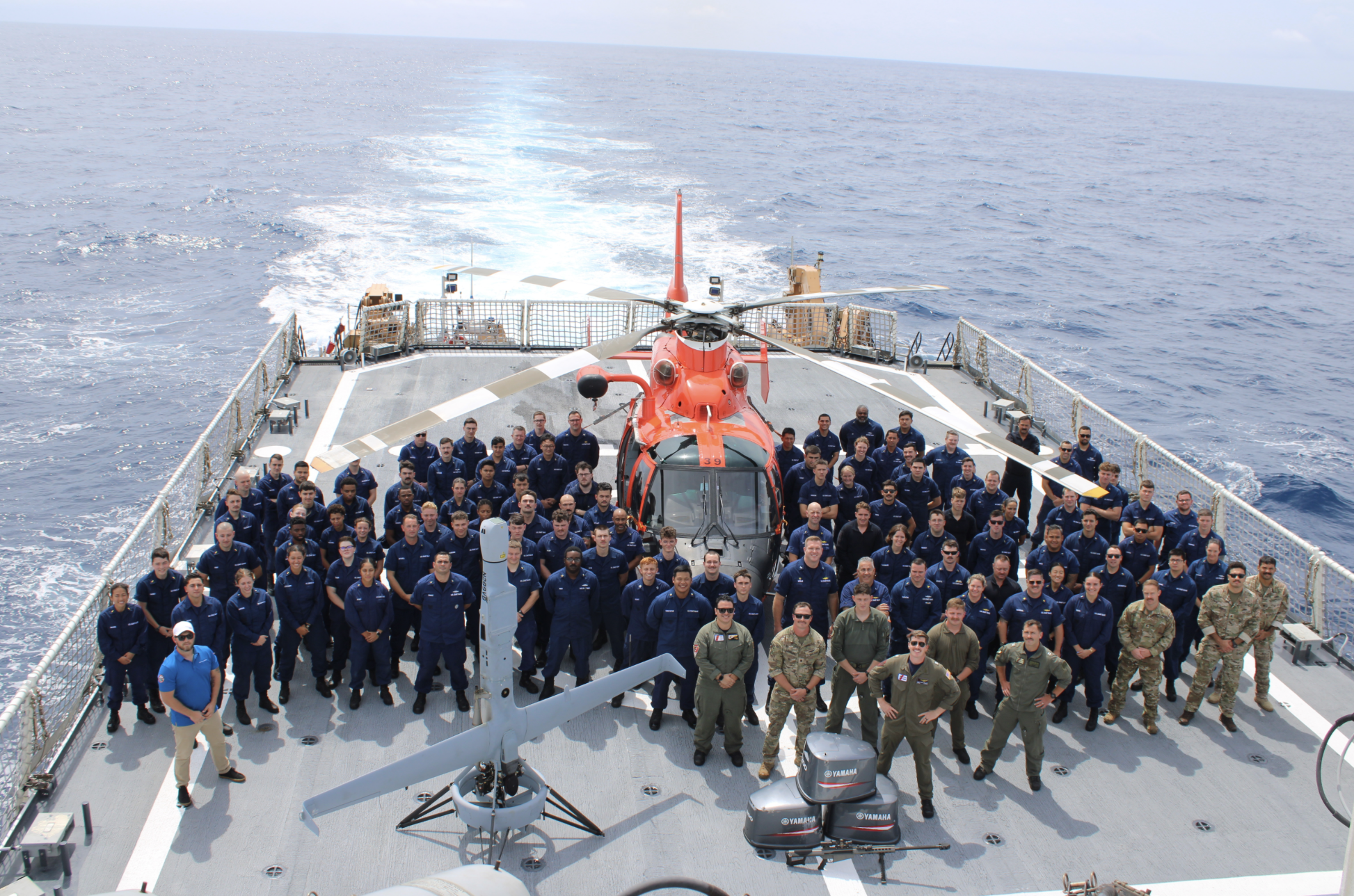
“Coast Guard exceeds fiscal year 2025 recruiting goals, achieves highest numbers since 1991” –CG News Release

Below is a news release. Good news. I would really like to know more about the plan to grow the Coast Guard’s “military force by 15,000 members by FY28 to support fleet expansion and meet emerging mission demands.” 
It is not clear if this is 15,000 more than the current personnel allowance or 15,000 more than number of personnel actively in service. The GAO says the Coast Guard is short about 2,600 active-duty staff.
That would make the force a third larger. Force Design 2028 does not provide much detail about where those additional bodies will be working. If more detail is out there, I think we  would love to see it.
Also It seems our recruiting goals should be much higher than 4,300 per year if we are going to grow the service by 15000 in the next three years. That suggests there will be some novel personnel acquisition strategies. (The press release seems to have left out reference to any path to a commission other than the Academy.)

Nov. 7, 2025

Coast Guard exceeds fiscal year 2025 recruiting goals, achieves highest numbers since 1991

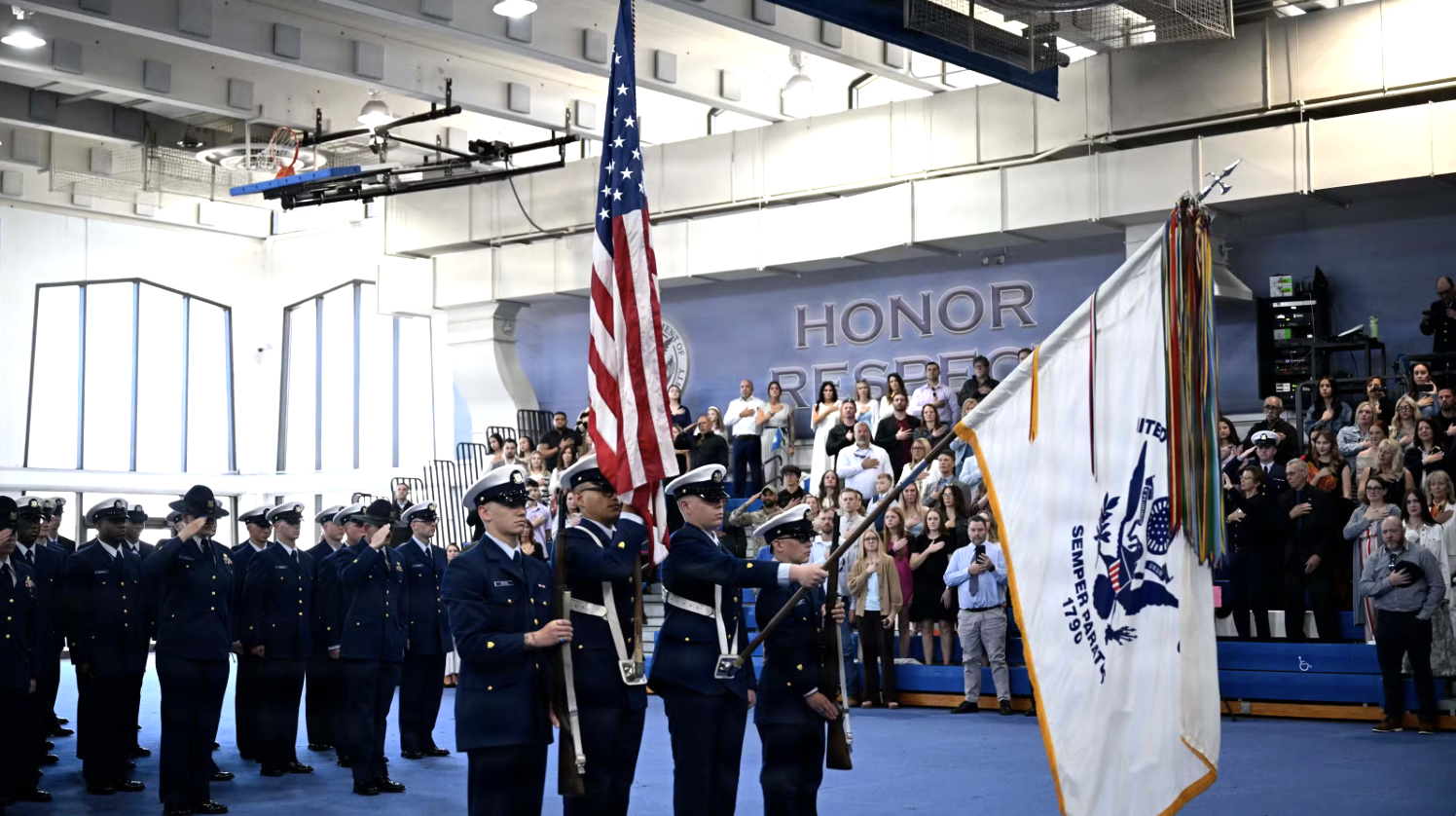
WASHINGTON – The Coast Guard announced Friday it exceeded its fiscal year 2025 (FY25) recruiting goals, achieving the highest accession numbers since 1991.

The Coast Guard accessed 5,204 active-duty enlisted service members in FY25, which was 121% of its FY25 target of 4,300. This success was the second year in a row that the Coast Guard met its active-duty enlisted recruiting goals after the Service brought in 4,422 new service members last year.

In addition to the success of the active-duty enlisted recruiting efforts, the Service commissioned 371 new officers, to achieve 101% of the overall goal. This represents the largest officer target achieved in recorded history.

In the reserve component, the Coast Guard accessed 777 reservists, which was 104% of the official target of 750. This was the third year in a row that the Coast Guard met its recruiting goals for the Coast Guard reserve.

To support these recruiting efforts, the Coast Guard opened 7 new recruiting offices in FY25. These offices are located in:

  • Miami, Florida
  • Los Angeles, California
  • Long Island, New York
  • Austin, Texas
  • Grand Rapids, Michigan
  • Cincinnati, Ohio
  • Davenport, Iowa

All enlisted members begin their Coast Guard careers at Training Center Cape May in Cape May, New Jersey, where they complete basic training to prepare for service. Officer accessions occur on board the Coast Guard Academy in New London, Connecticut, where candidates are trained and commissioned for service as Coast Guard officers.

“The Coast Guard far exceeded our recruiting goals in Fiscal Year 2025, showing that more Americans want to serve in the Coast Guard than ever before,” said Adm. Kevin Lunday, acting commandant of the Coast Guard. “Thanks to our recruiters for their great success. We aren’t just growing – we are bringing in the best talent from across the United States and building the workforce of the future.”

These results align with the goals of Force Design 2028, a strategic initiative to modernize the Coast Guard’s workforce, enhance readiness and grow its military force by 15,000 members by FY28 to support fleet expansion and meet emerging mission demands.

For media inquiries contact mediarelations@uscg.mil.

About the U.S. Coast Guard

With more than 95,000 miles of shoreline, 25,000 miles of navigable rivers and 4.5 million square miles of U.S. exclusive economic zone, the U.S. Coast Guard defends the Nation, protects the marine transportation system, regulates and safeguards ports and waterways, leads the Nation in drug interdiction and secures the maritime border. As a member of the joint force, a law enforcement organization, a regulatory agency and a member of the U.S. intelligence community, the Coast Guard employs a unique mix of authorities to ensure the safety and integrity of the maritime domain to protect the economic and national security of the nation. The more than 76,000 members of the Coast Guard operate a multi-mission, interoperable fleet of more than 220 cutters, 185 fixed and rotary-wing aircraft, 1,300 boats and its own dedicated cyber command to protect critical maritime infrastructure.

More information about the U.S. Coast Guard can be found at www.uscg.mil Follow @USCG on X and Instagram, like us on Facebook, subscribe on YouTube and follow LinkedIn – connect with us.

Make a difference on land, at sea or in the air with the Coast Guard. Visit GoCoastGuard.com to find out how to be part of our team.


“U.S. Strikes Suspected Narco Boat in Caribbean, 3 Killed” –USNI

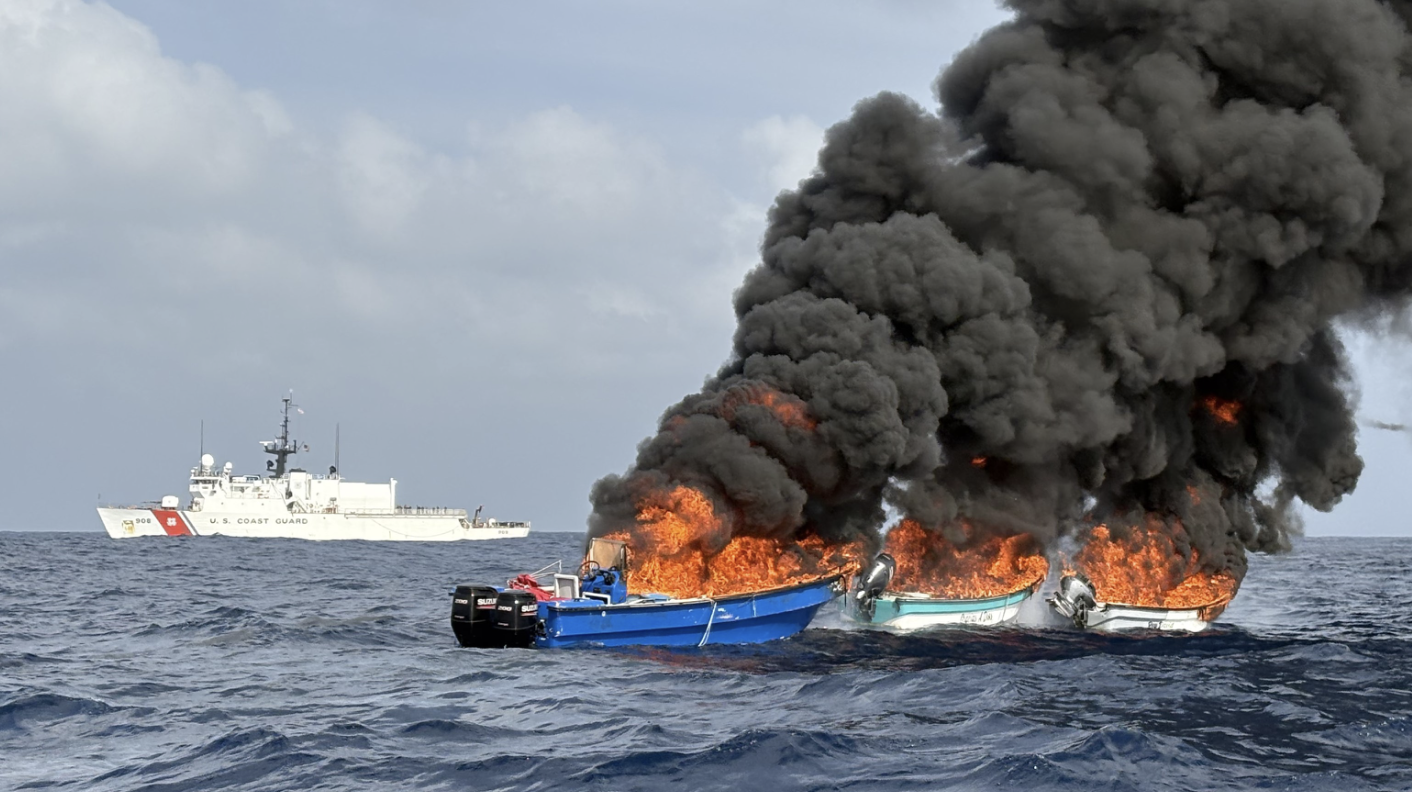
US Naval Institute reports the 17th incident of an attack on an alleged drug boat.

“The strike is the 17th announced strike since the campaign began in early September, which has resulted in 70 killed, 69 killed in the strikes and one presumed lost at sea, according to a USNI News tally of the strikes.”

The first comment is,

“show me one iota of evidence that these are drug boats, just one.

“of course you can’t. the boats and bodies burned and sank before any actual evidence could be collected. every single image provided by the government is deliberately low resolution and provides no more evidence that this is a drug boat than a fishing boat.

“the only terrorism going on here is that being committed by our government.”

So why hasn’t there been any presentation of evidence, maybe not in every case, but at least in some cases. I think the evidence is there, but so far, it seems we have not bothered to collect and present it.

In my admittedly limited experience, when a drug boat sinks, at least some of the cargo floats to the surface. Have we made an effort to secure evidence? It is worth doing.

When a government agency does something as questionable as killing people without even asking them to surrender, we need to demonstrate why the action is necessary. It is not enough to simply say “trust me.” Failing to demonstrate the necessity of the action opens up the country and the agency to criticism and weakens American influence.

The methods might still be questioned but providing proof that the boats were transporting drugs would at least provide some justification.

“Ex-US Coast Guard Cutter Steadfast Arrives In Malaysia” –Naval News

The ex-U.S. Coast Guard cutter Steadfast arriving at the National Hydrographic Centre, Port Klang on November 4, 2025 (U.S. Embassy Kuala Lumpur)

Naval News reports,

“The former United States Coast Guard cutter Steadfast arrived in Malaysia on 4 November, completing a 10,600 nautical mile journey from Baltimore to begin its service with Malaysia’s coast guard, the Malaysian Maritime Enforcement Agency.”

Look at the picture. This ship, the former USCGC Steadfast was commissioned 7 October,  1968. She is over 57 years old and her Malaysian crew has just completed a voyage from Baltimore, across the Atlantic, through the Straits of Gibraltar, across the Mediterranean, through the Suez Canal, down the length of the Red Sea, through the Gulf of Aden, across the Indian Ocean, and through the Strait of Malacca.

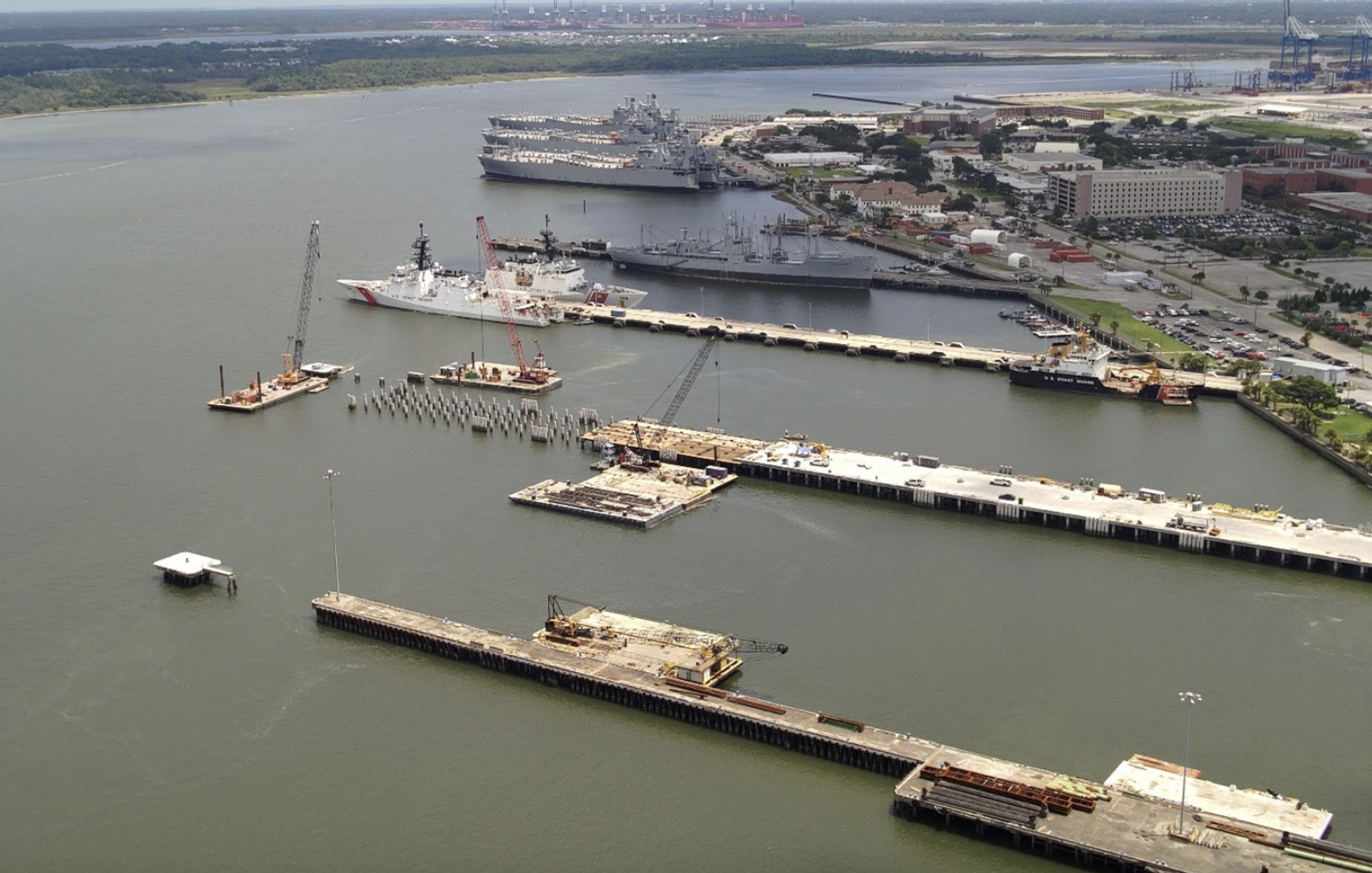
How did that happen? The Coast Guard has been recapitalizing its fleet and as a result a lot of vessels became excess property. Rather than incur the cost of scrapping these now over age ships, the Coast Guard has set up a command at Curtis Bay that works with the Coast Guard Yard to prepare these ships for transfer to the navies and coast guards of friendly nations making sure the ships are seaworthy and the crews are adequately trained.

The twelve Hamilton class cutters have been transferred to five different nations.

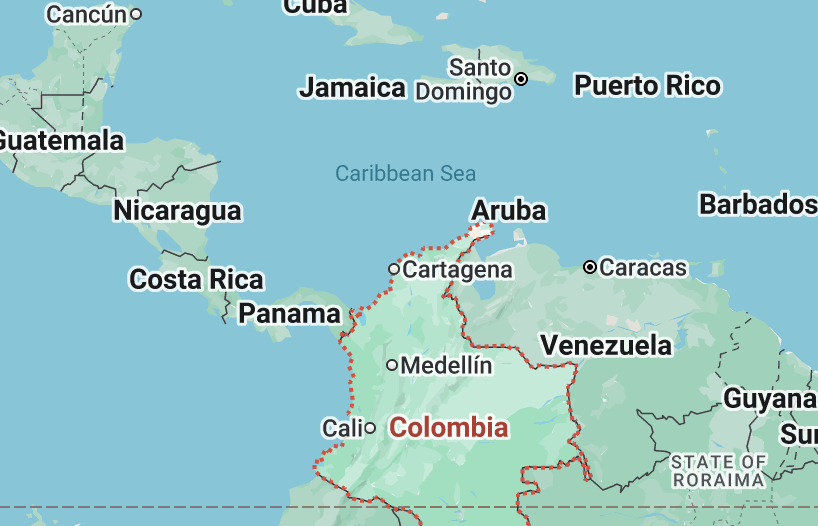
Two 210 foot Medium Endurance Cutters, Courageous and Durable, were decommissioned in September 2001. Courageous was transferred to Sri Lanka in 2004 and Durable was transferred to Colombia in 2003. Since March 2023 five more WMEC210s have been decommissioned or placed in “in commission, special” status. Steadfast is the first of these five to be transferred to another user.

“The United States announced at the end of October that it plans to provide another retired cutter to the Malaysian Maritime Enforcement Agency.”

22 of the Island class WPBs have been transferred to eight different nations including five to Ukraine where at least one was sunk in combat.

9 of the Marine Protector class 87 foot WPBs have been transferred to Lebanon (2), Uraguay (3), Malta (2), and Yemen (2).

I visited the Coast Guard Yard in August 2024 with the intention of writing a post. I was very impressed, but other priorities got in the way. I have regretted not telling their story ever since.

I was told that from March to July 2024 a decommissioned arrived at the yard every nine days.

This is an important story and it deserves more attention.

“Coast Guard sets historic record with amount of cocaine seized in FY25” –News Release

The U.S. Coast Guard Cutter Hamilton offloads more than 76,140 lbs of illicit narcotics at Port Everglades, Florida, on August 25, 2025. This is the largest cocaine offload to date in Coast Guard history, with the assistance of partner agencies, during counterdrug operations in the Eastern Pacific Ocean and Caribbean Sea. (U.S. Coast Guard courtesy photo)

Below is a Coast Guard Headquarters news release. The question this report raises is why the big jump? Have we employed more resources? Do we have better intelligence? Better Air Search? Has the amount smuggled increased dramatically?

We always knew we could make more interceptions if more cutters were available, but I don’t think the number of cutters assigned has increased dramatically.

Clearly the smugglers have not been deterred from making attempts to meet the demand. Will FY2026 be an even bigger year?

This looks like a place for operations research.


Nov. 6, 2025

Coast Guard sets historic record with amount of cocaine seized in FY25

WASHINGTON — The U.S. Coast Guard announced Thursday it seized nearly 510,000 pounds of cocaine in the Eastern Pacific Ocean and Caribbean during fiscal year 2025 (FY25), the largest amount in the Service’s history.

On average, the Coast Guard seizes 167,000 pounds of cocaine annually. The amount seized in FY25 is over three times that amount, and equivalent to 193 million potentially lethal doses (1.2 grams), enough to endanger over half of the U.S. population. “The Coast Guard’s top priority is to achieve complete operational control of the U.S. border and maritime approaches,” said Adm. Kevin Lunday, acting commandant of the Coast Guard. “We own the sea, and this historic amount of cocaine seized shows we are defeating narco-terrorist and cartel operations to protect our communities and keep dangerous drugs off our streets.”

Detecting and interdicting narco-terrorism on the high seas involves significant interagency and international coordination. U.S. Southern Command’s Joint Interagency Task Force-South, based in Key West, Florida, detects and monitors both aerial and maritime transit of illegal drugs. Once interdiction becomes imminent, the law enforcement phase of the operation begins, and control of the operation shifts to the U.S. Coast Guard throughout the interdiction and apprehension.

The Coast Guard is the United States’ lead federal agency for maritime drug interdiction. We are part of the Department of Homeland Security team protecting our nation and are at all times a military service and part of the joint force defending it.

Weapon Upgrade: A Better Gun with Air Burst Munitions / “Higher caliber rounds effective to counter hostile drones” –The Watch

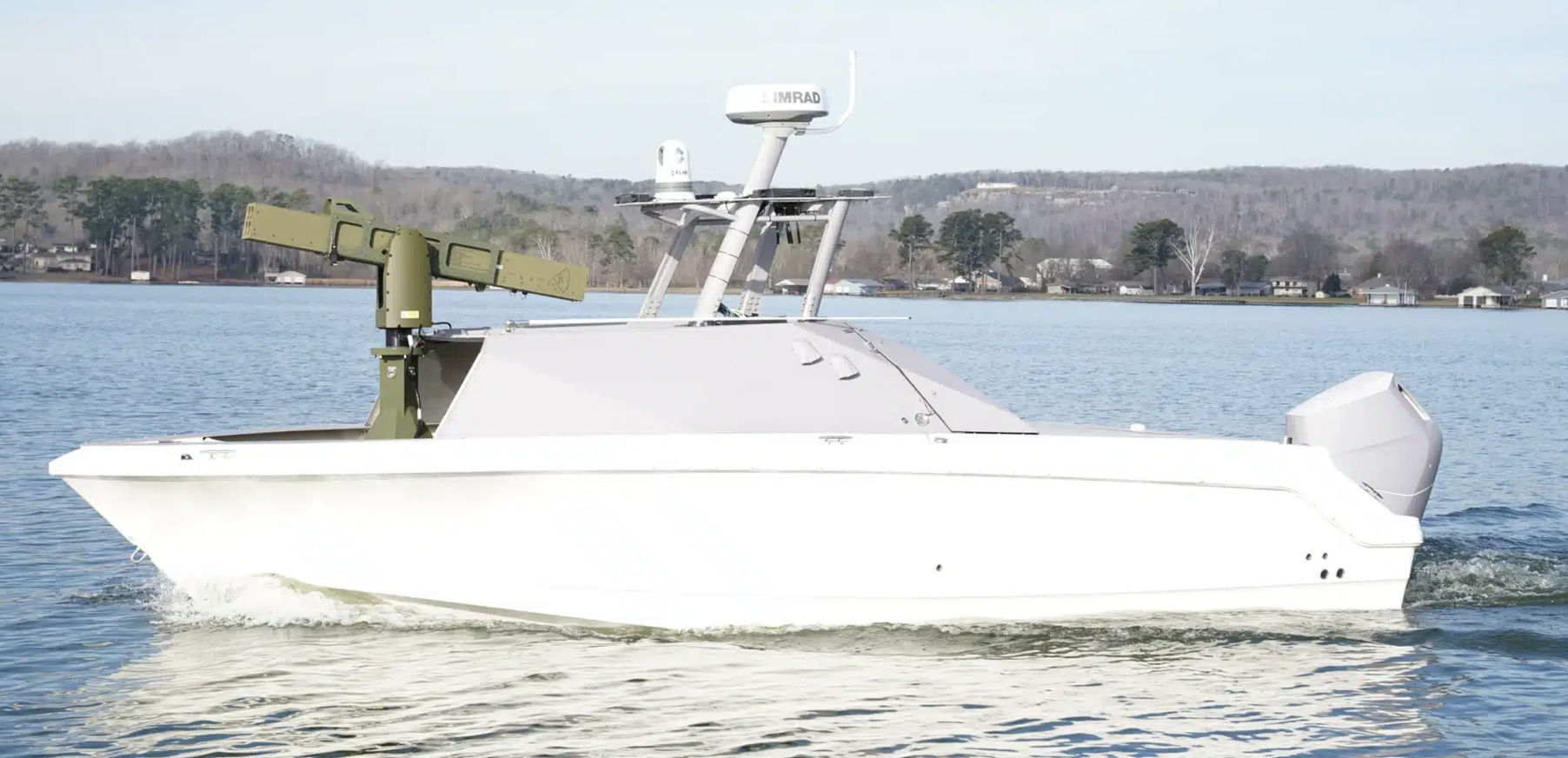
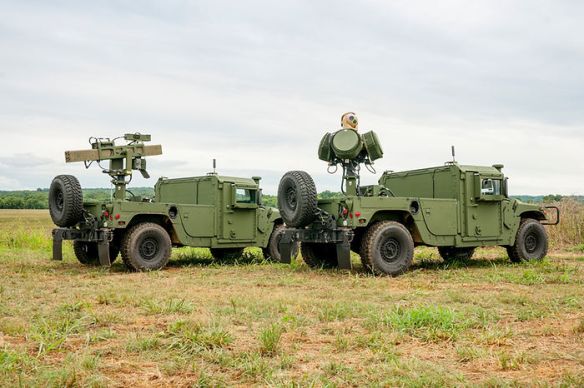
When I started this series about some of the weapons I thought would be most appropriate for cutters, I knew one of the choices would be a larger caliber gun equipped with air-burst munitions, but I was thinking 30mm. That is still an option, but the 50mm would be, oh, so much better for engaging every possible threat, and here we have evidence it may be much better for engaging UAS, extending the range so that it is not only capable of self-defense but can also protect other assets.

WHAT ABOUT THE 57MM? While the Webber class WPCs probably could accept a 57mm Mk110, the guns and ammunition are very expensive and the gun weighs about eight tons plus the weight of ammunition and fire control. The 50mm is probably the largest caliber that could be added without a major rebuild.

Comparison of 50mm Bushmaster III with the 30mm Bushmaster II. By comparison the 25mm’s length over all is 105.2 in (2.672 m) and its barrel length is 85.6 in (2.175 m)

The NORTHCOM online magazine, The Watch, reports,

U.S. defense firm Northrop Grumman is testing higher caliber cannon rounds to shoot down drones at a lower cost, based on feedback from Ukrainian Soldiers who are increasingly facing swarms of high-flying unmanned aircraft, a top company executive told Reuters.

What they are looking at is improving a successful system by using a large caliber gun to increase its effective range. (See the video above.)

“They love the (anti-drone) system. They want more range because they want to shoot these things down further out, which completely makes sense … So we’re taking that feedback,” …Northrop Grumman’s Bushmaster cannon uses 25 mm and 40 mm rounds and could shoot down drones up to a 3-mile distance but increasing the caliber to 50 mm would significantly broaden the range, even five-fold, O’Bryan said

It has been years since we talked about the 50mm version of the chain gun, but it really looks like a significant step up from the 25mm, and yet it is appears to be doable.

The 50mm has about twice the effective range of the 25mm. The weight of the projectile is about ten times greater. It might even be possible to make an ALaMO version of the 50mm round. It would also probably be more accurate. Certainly the kill radius when the shell bursts is much greater. Currently I don’t believe there is an airburst round for the 25mm.

These are the previous posts discussing this weapon:

Right now the 50mm XM913 is an Army project, but it is going to be made in large numbers as it will arm the replacement for the Bradley Infantry Fighting Vehicle (IFV). The 50mm XM913 is the latest version of the chain gun series, which includes the M242 25x137mm Bushmaster Chain Gun that is used in the Mk38 machine gun mount that arms many Coast Guard cutter. Users of the new weapon would benefit from weapon training and maintenance commonality with the M242.

We might be able to get the Navy’s attention if we prototype the first installations on the PATFORSWA WPCs.

“French detain shadow fleet ship suspected in Denmark drone incursions” –The Watch

French Soldiers board the Russian shadow fleet vessel the Boracay in September 2025. The ship has been sanctioned by the European Union and the United Kingdom, and its crew may be linked to drone incursions in Denmark. AFP/GETTY IMAGES

NORTHCOM’s online magazine, The Watch, reports,

French authorities boarded an oil tanker off the coast of France and arrested senior crew members in September 2025. The ship is suspected to be part of Russia’s illicit shadow fleet and was known to be just off the coast of Denmark when drone incursions disrupted Danish airports last month, leading to media speculation that the ship’s crew may have been involved in the incident. French President Emmanuel Macron said at a European Union summit in Copenhagen on October 1 that the ship’s crew had committed “serious wrongdoings,” prompting France to stop the vessel as it rounded the country’s northwestern coast.

Drones launched from ships offshore are a developing threat that may be used by terrorists or a near peer at the beginning of a conflict.

The Coast Guard will likely have a role in countering this threat.

“US strikes on alleged drug boats ‘unacceptable’: UN human rights chief” –Defense News

Defense News reports,

The U.N. human rights chief said Friday that U.S. military strikes against boats in the Caribbean Sea and eastern Pacific Ocean allegedly carrying illegal drugs from South America are “unacceptable” and must stop.

The U.N. High Commissioner for Human Rights Volker Türk called for an investigation into the strikes, in what appeared to mark the first such condemnation of its kind from a United Nations organization.

“Coast Guard cutter arrives at new homeport in Honolulu after restorative maintenance” –Coast Guard News

Below is a news release.

Significantly this is the last of the 16 WLBs to complete a Major Maintenance Availability. Which class will be next, the WLMs?

Watch the video. Always nice to see the crew reunite with their families.


Oct. 30, 2025

Coast Guard cutter arrives at new homeport in Honolulu after restorative maintenance

Coast Guard Oceania District External Affairs – (808) 265-7748

Editor’s note: Click here to download video. Click here to download photos.

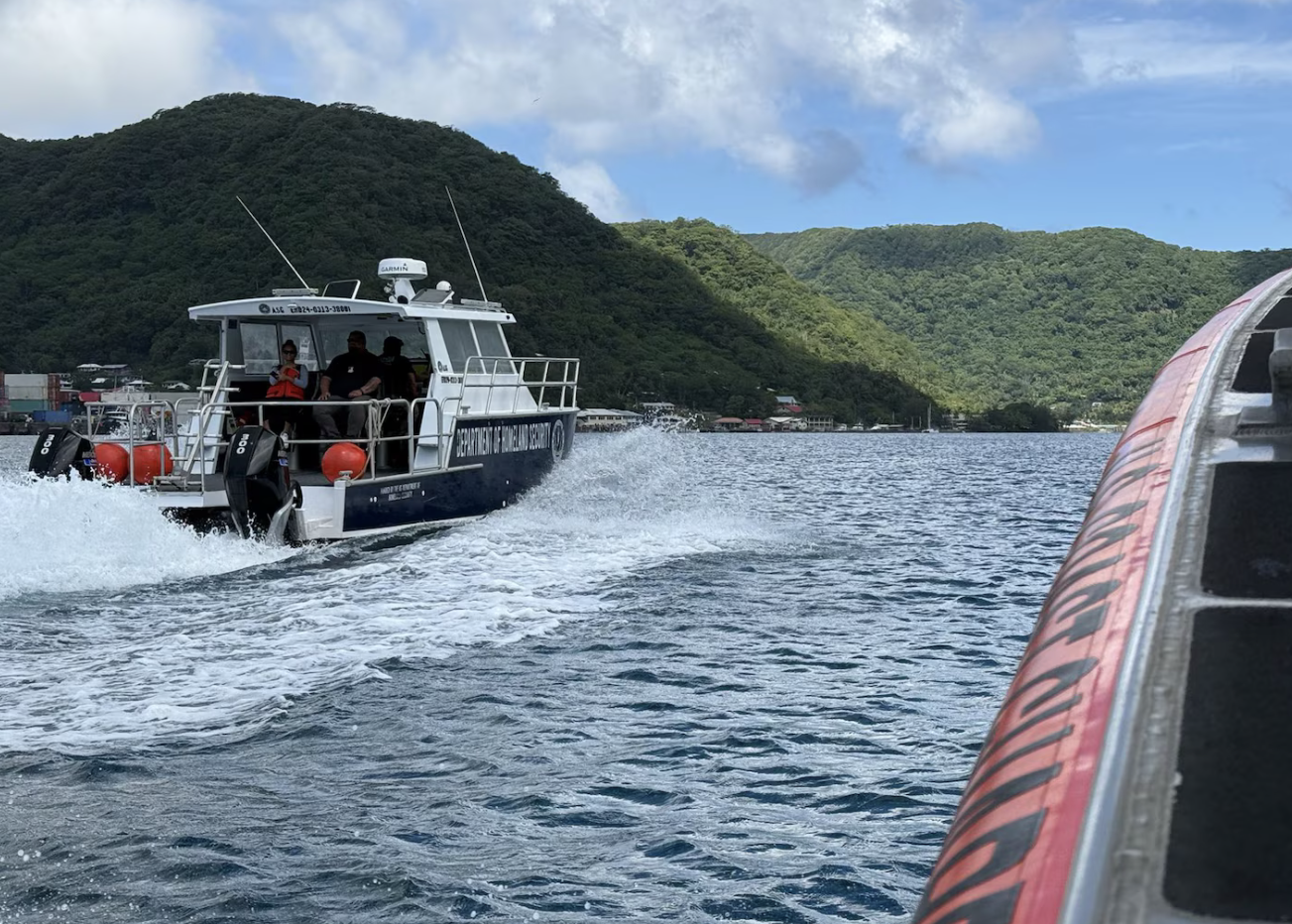
HONOLULU — The crew of Coast Guard Cutter Hollyhock (WLB 214) arrived at their new homeport in Honolulu Oct. 14 after 806 days of restorative maintenance.

The primary mission of the Hollyhock, a 225-foot Juniper-class seagoing buoy tender, is to maintain and deploy aids to navigation within the navigable waters of the main Hawaiian Islands, American Samoa, and Midway Atoll, servicing buoys that mark shipping channels, ports and hazardous areas.

Additionally, the Hollyhock’s presence in the region will support Operation Blue Pacific, the Coast Guard’s initiative to promote security, safety, sovereignty, and economic prosperity in Oceania. While deployed, the cutter’s crew will conduct law enforcement, fisheries boardings, and support maritime safety through the servicing of navigational aids throughout the region in cooperation with allies and partners.

Commissioned in 2003, the Hollyhock was originally homeported in Port Huron, Michigan, before entering maintenance at the Coast Guard Yard in Baltimore on July 31, 2023.

The Hollyhock crew departed for Honolulu on Aug. 31, 2025.

“The crew is excited to arrive in Honolulu and support critical operations throughout Oceania,” said Cmdr. Jessica McCollum, commanding officer of the Hollyhock. “Our arrival enhances the Coast Guard’s capacity to maintain vital navigational aids that facilitate the safe flow of maritime commerce. This is especially crucial in Hawaii, where more than 90% of goods arrive by sea.”

The Hollyhock is the last of the Coast Guard’s 16 seagoing buoy tenders to complete the major maintenance availability (MMA) program, ensuring the cutter achieves its full 30-years of designated service.

Maintenance work included completion of hull and structural repairs and replacement of obsolete, unsupportable or intensive maintenance equipment, including updates to the machinery control system, propellers, and heating, ventilation and air conditioning systems.

The MMA is part of the Coast Guard’s In-Service Vessel Sustainment (ISVS) program, a strategic class-by-class evaluation offering the most cost-effective solution for delivering essential maintenance and upgrades, ensuring Coast Guard surface vessels meet or exceed their expected service life.

“Pentagon Announces a New Counternarcotics Task Force in the Caribbean” –CSIS

The Center for Strategic and International Studies reports on the establishment of a new Joint Task Force under the Second Marine Expeditionary Force to address the drug problem in the SOUTHCOM AOR.

We discussed formation of this new task force earlier when it was first announced but this report goes into greater depth. There really is no clarification of how this new JTF and JIATF-S will interact, though this report raises that question also.

I would like to point out that the four key objectives of the new JTF were all also activities carried out by JIATF-S:

  • Identifying narcotics trafficking patterns to interdict illegal shipments of narcotics before they reach the U.S. and partner-nation territories using intelligence, surveillance, and reconnaissance aircraft.
  • Expanding real-time intelligence fusion among U.S. military, federal law enforcement, and partner-nation agencies.
  • Conducting joint training to improve interoperability among U.S. military services and increase rapid-response posture.
  • Enhancing partner-nation counter narcotics operations capacity through advisory teams and combined operations.

The only real difference seems to be that the new JTF is not offering any opportunity for the boat crews to surrender. Thinking back, I can’t remember a case where smugglers exchanged gun fire with a Coast Guard boarding party, since the end of Prohibition.

The legality of the strikes on boats allegedly carrying drugs is being hotly debated and is thought by many to be the reason for the early resignation of SOUTHCOM commander Navy Admiral Alvin Holsey. Neither Admiral Holsey nor DOD has made any public statement on his reasons for stepping down.

Thanks to David for bringing this to my attention.