“Vice president to participate in $569 million cocaine offload in San Diego” –Press Release

The following is a PACAREA news release quoted in full.

Pacific Area online newsroom

Vice president to participate in $569 million cocaine offload in San Diego
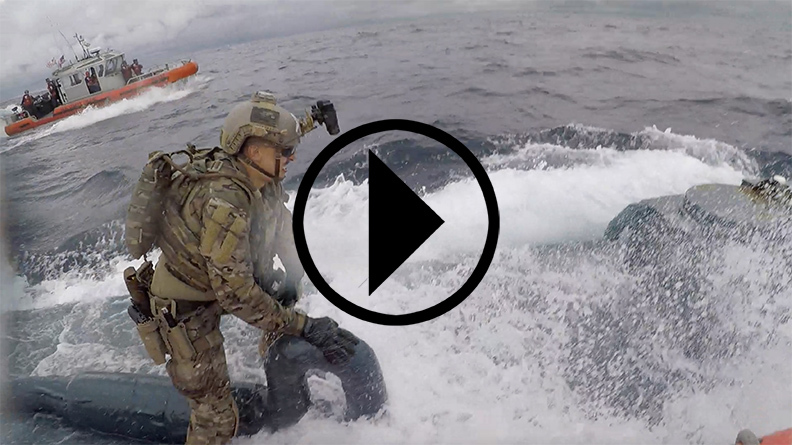
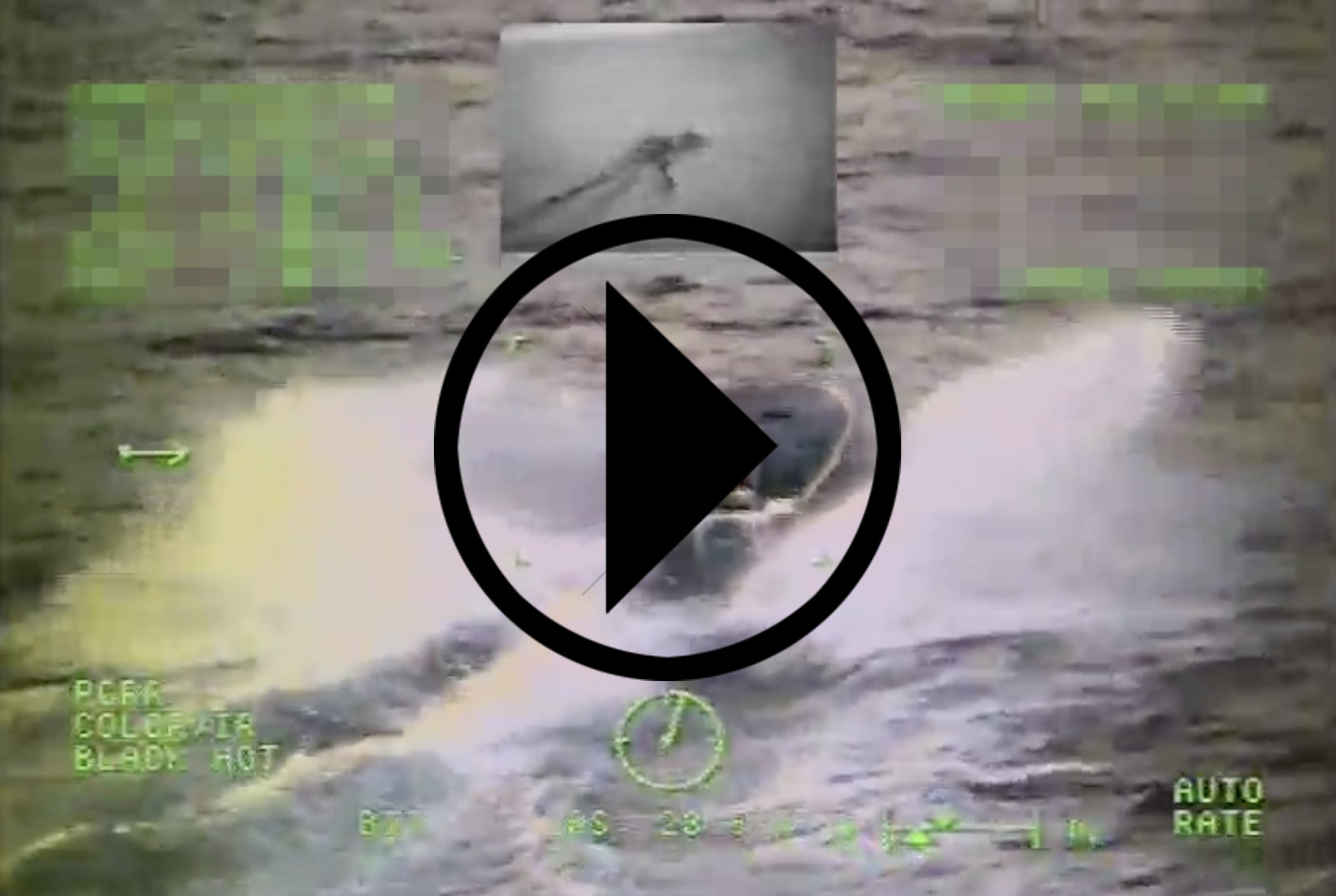
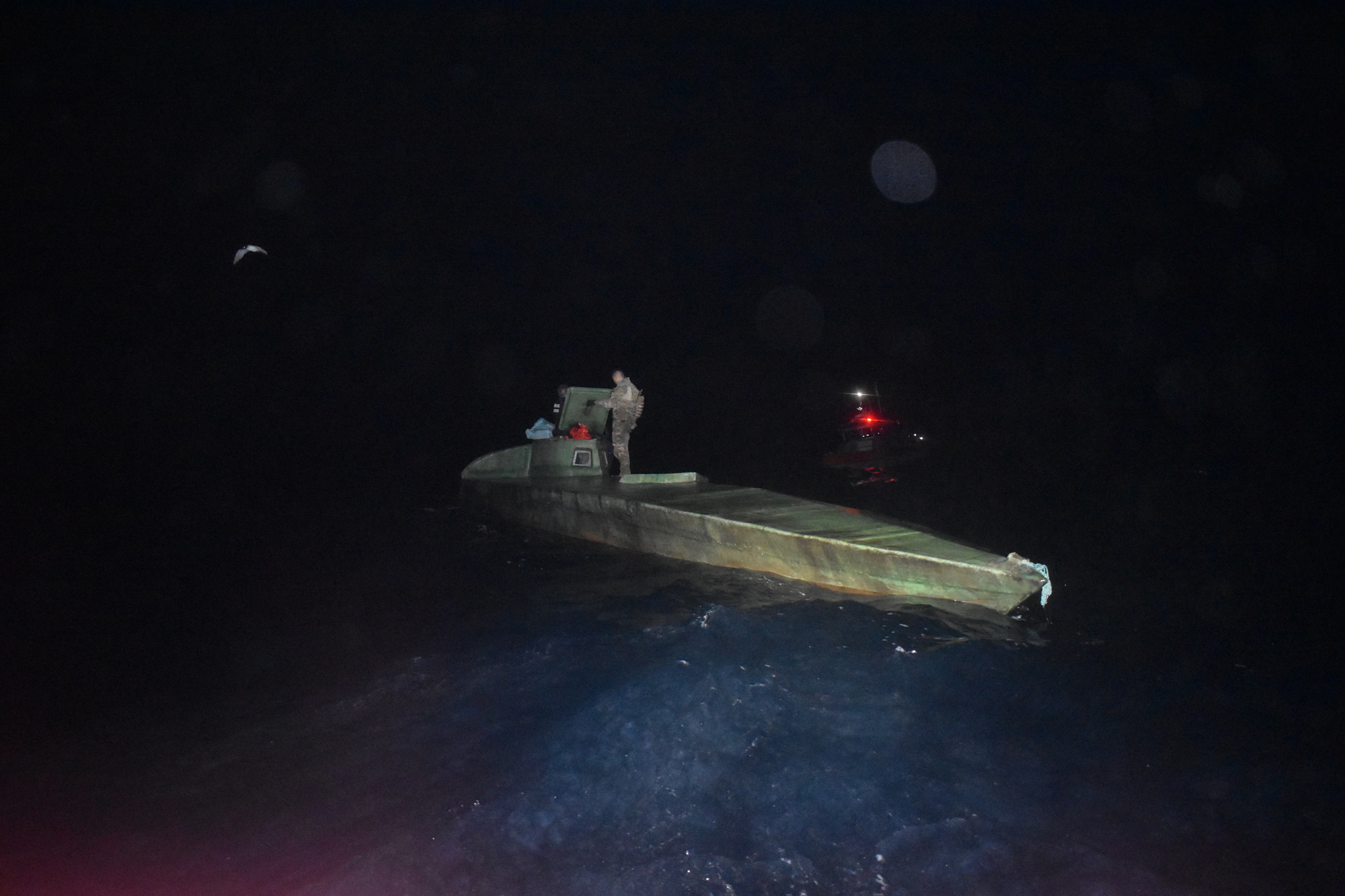
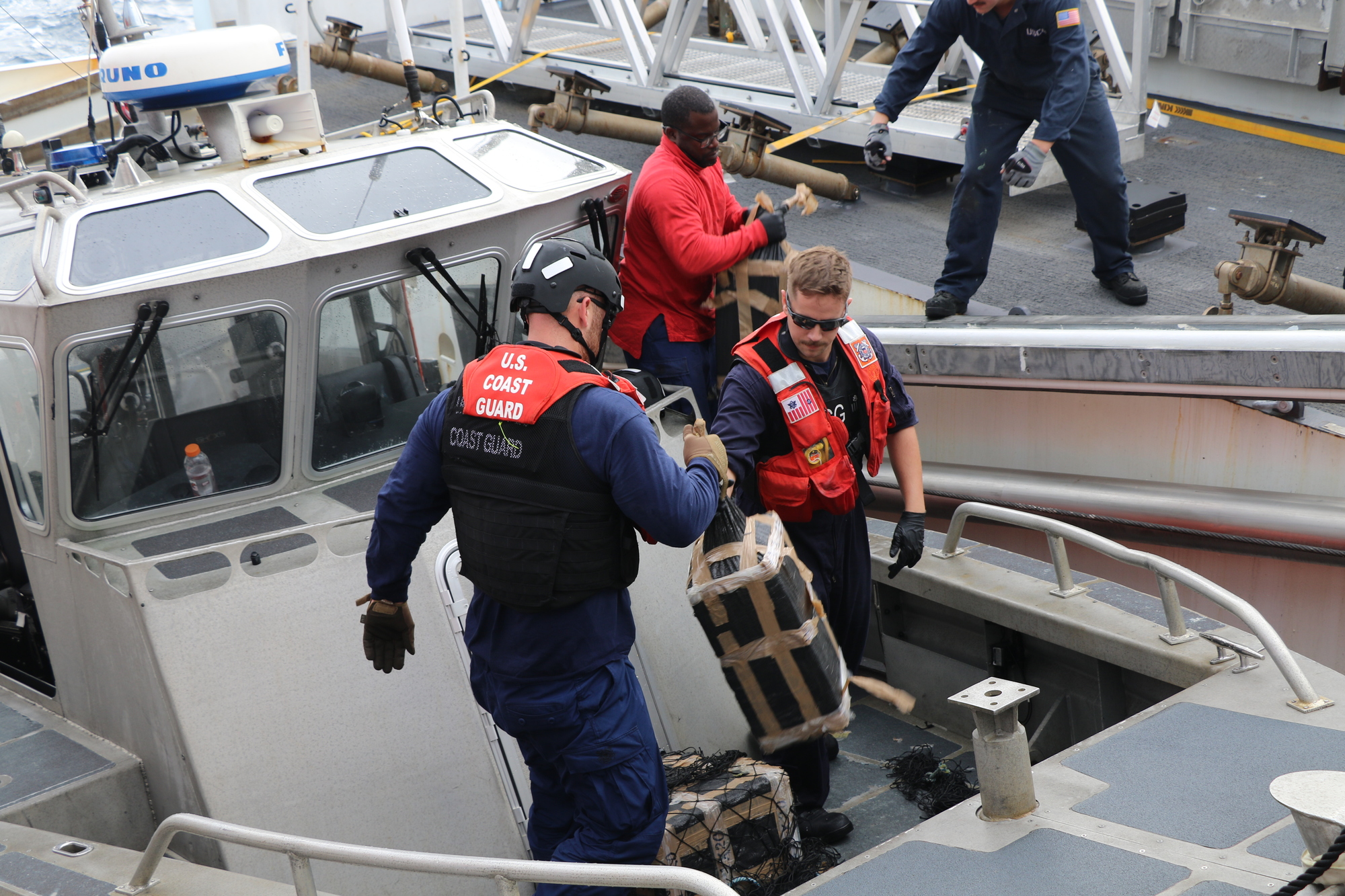
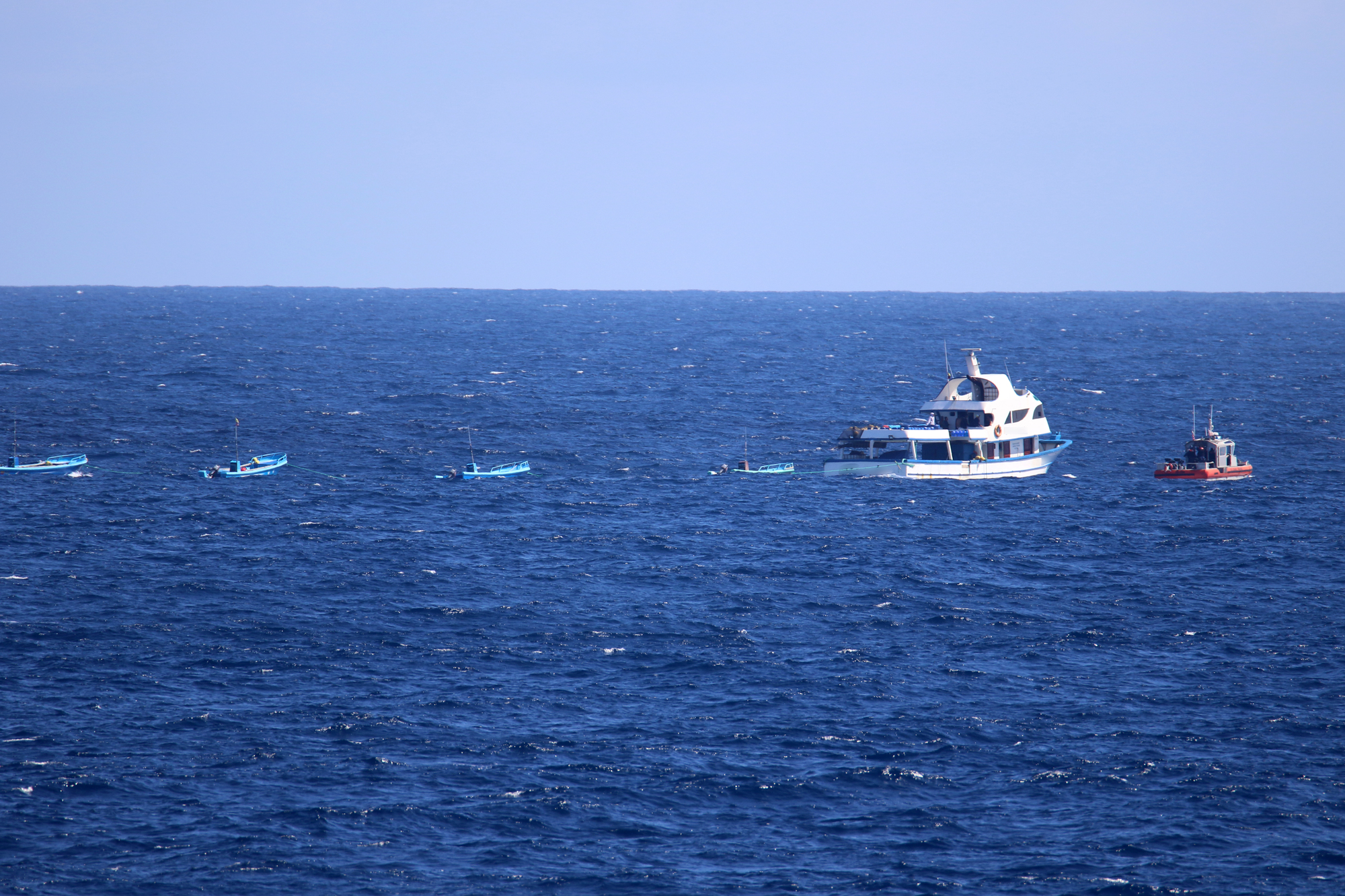
Screen shot of a Coast Guard Cutter Munro boarding team interdicting a suspected drug smuggling vessel
Screen shot of a Coast Guard Cutter Munro boarding team interdicting a suspected drug smuggling vessel Screen shot of a Coast Guard Cutter Munro boarding team interdicting a suspected drug smuggling vessel
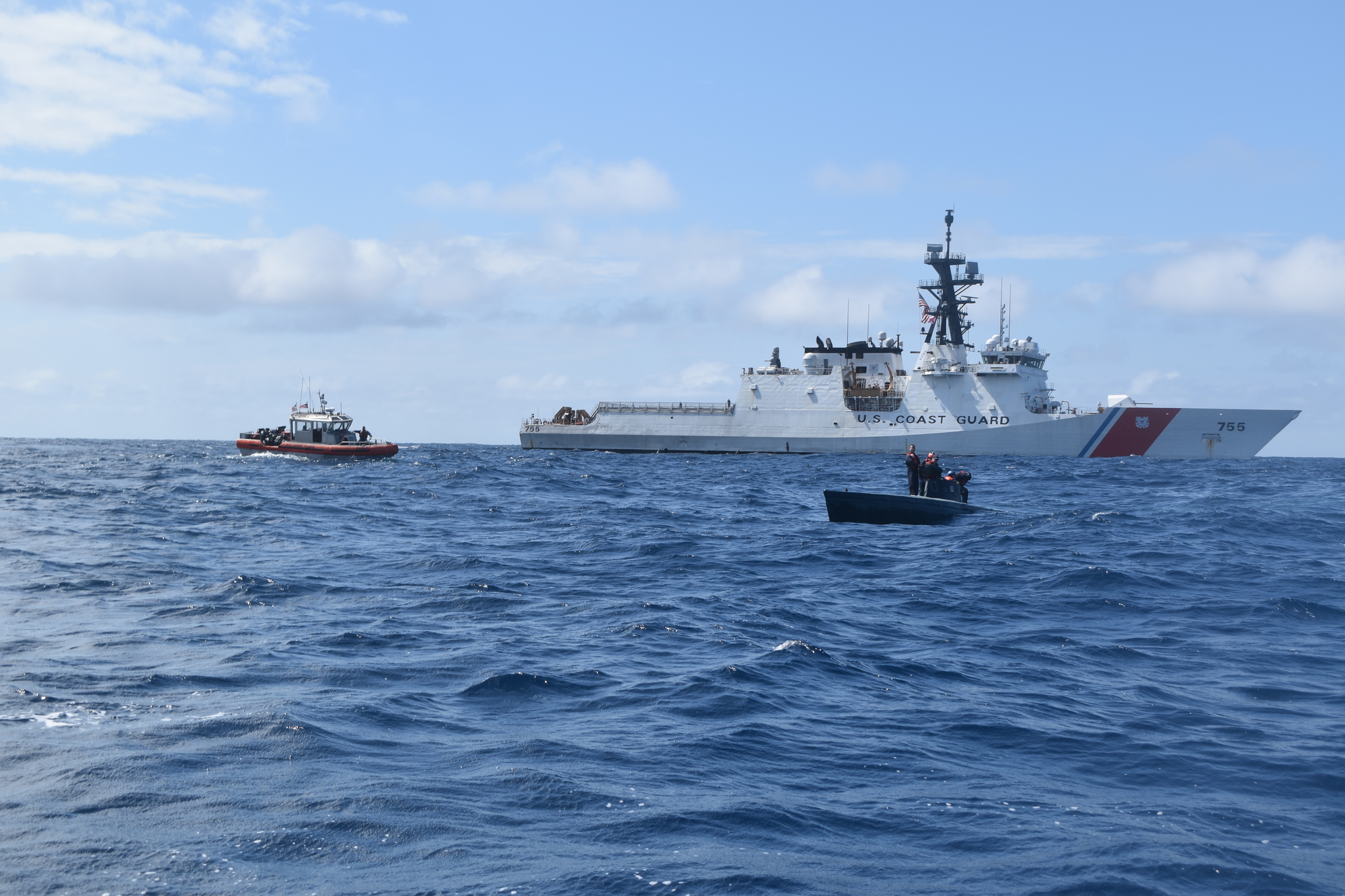
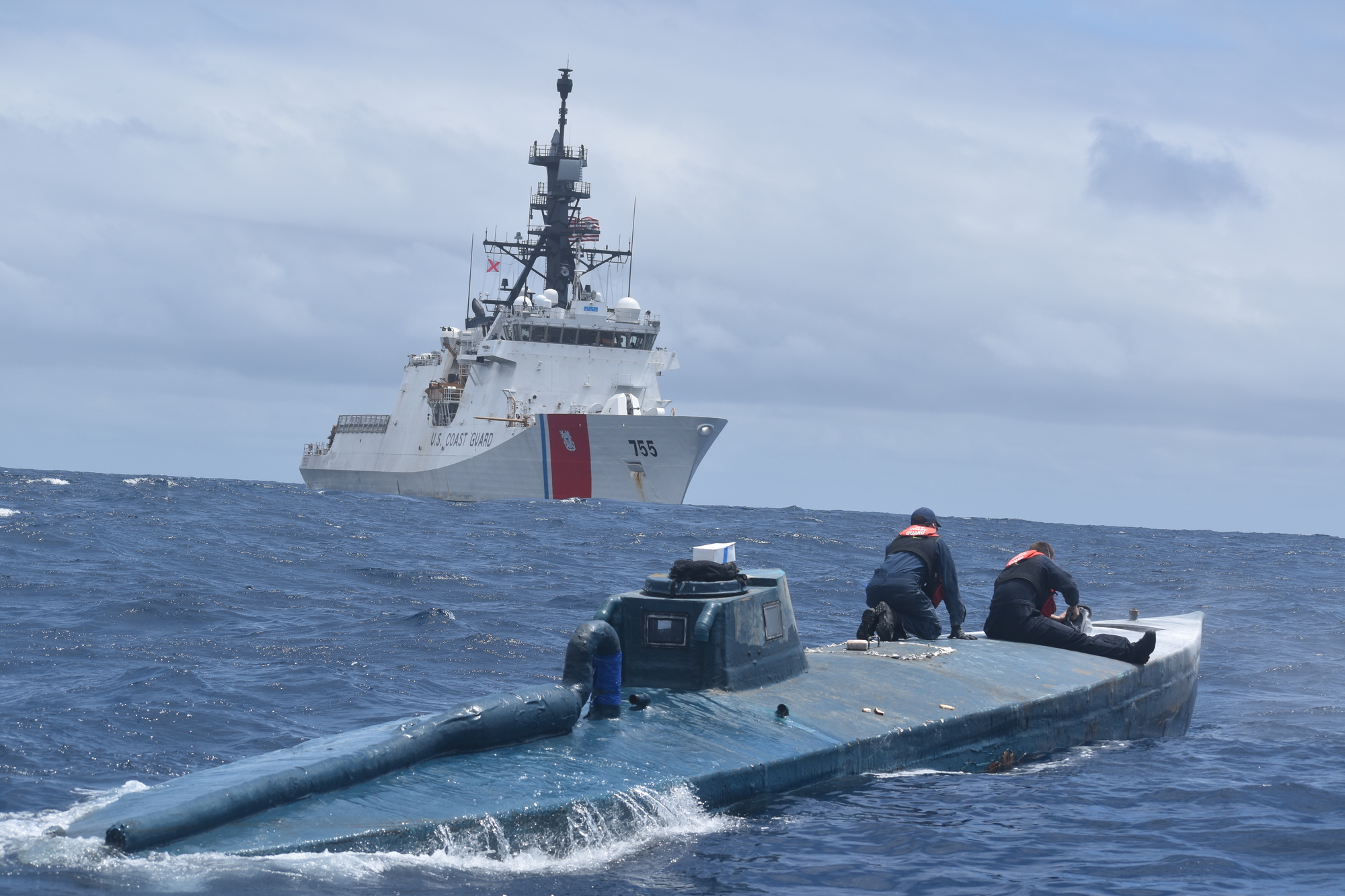
Coast Guard Cutter Munro boarding team interdicts suspected drug smuggling vessel Coast Guard Cutter Munro boarding team interdicts suspected drug smuggling vessel Coast Guard Cutter Munro boarding team interdicts suspected drug smuggling vessel

Editors’ Note: Click on images to download high resolution version.

Who: Vice President Mike Pence, National Drug Control Policy Director James W. Carroll, Acting Administrator of the Drug Enforcement Administration Uttam Dhillon; Coast Guard Pacific Area Commander Vice Adm. Linda Fagan

What: Offloading 39,000 pounds of cocaine seized from suspected drug smugglers in the Eastern Pacific

When: 12:30 p.m. Thursday

Where: Naval Air Station North Island, Vice Adm. James B. Stockdale Gate, San Diego, California

Media instructions: Credentialed media who wish to attend the offload must arrive between 5:30 a.m. and 9 a.m. in order to be screened by security. Any media who show up after 9 a.m. may not be allowed on base.

ALAMEDA, Calif. – Vice President Mike Pence is scheduled to attend a Coast Guard drug offload Thursday in San Diego.

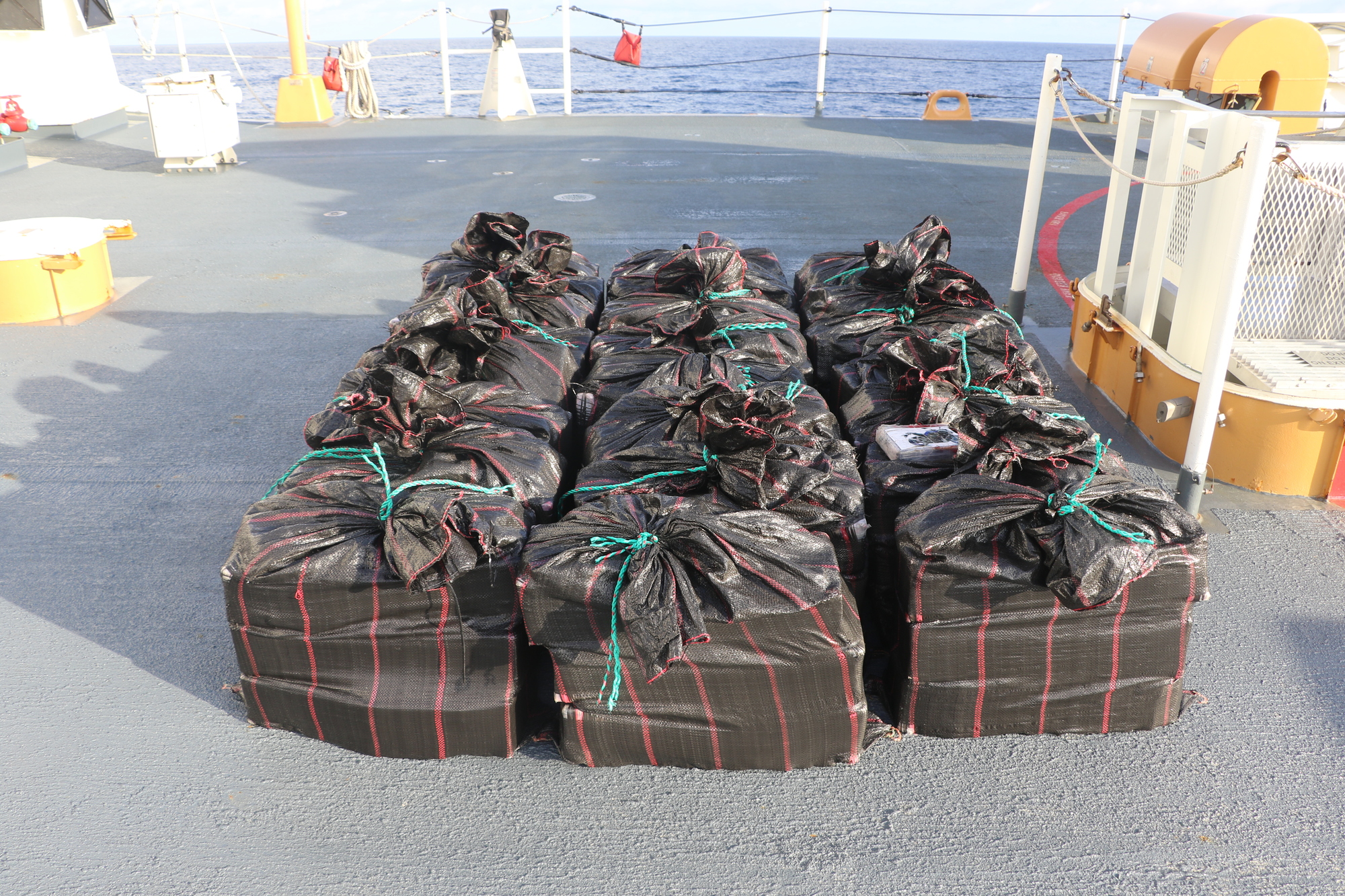
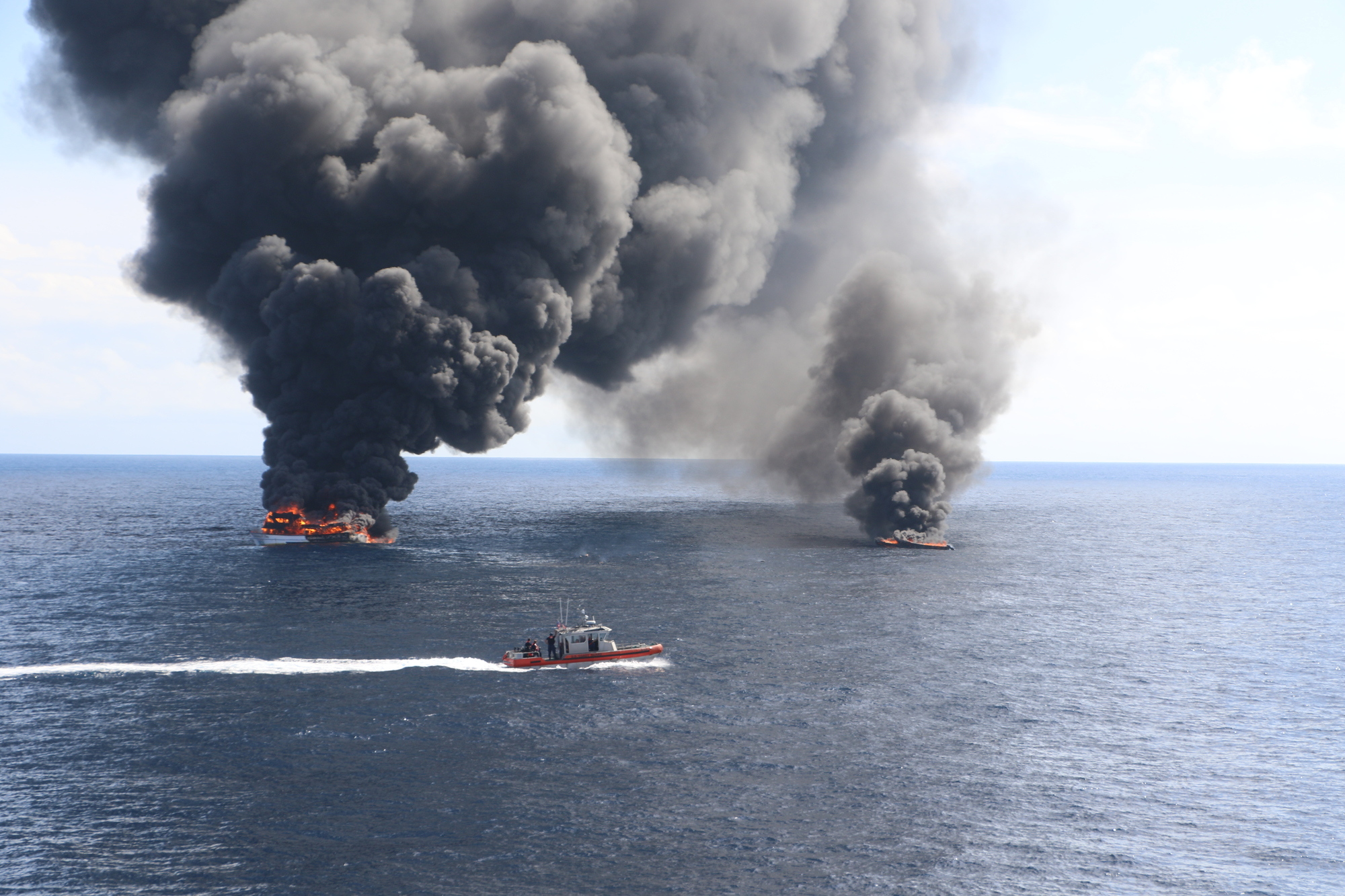
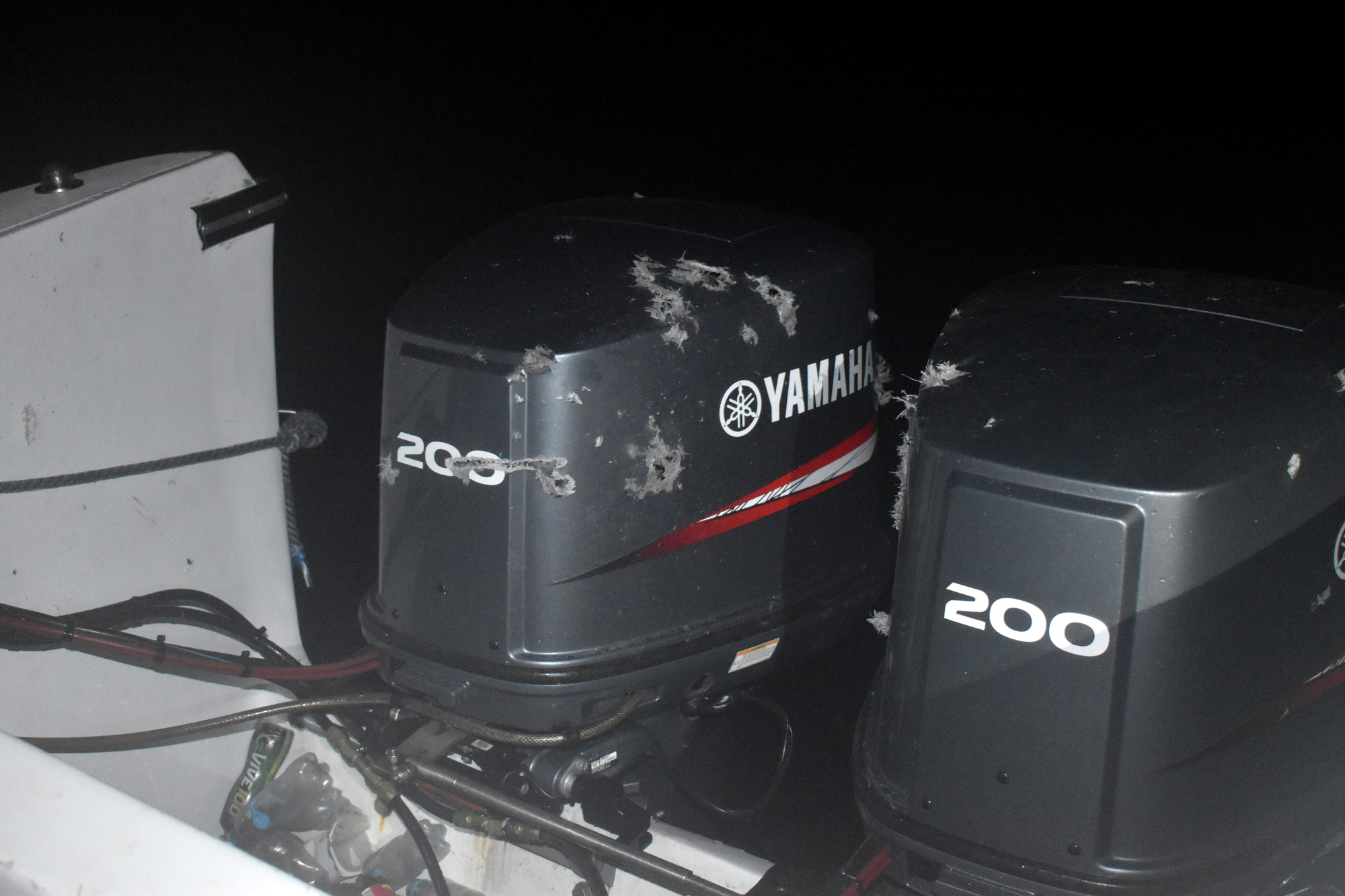
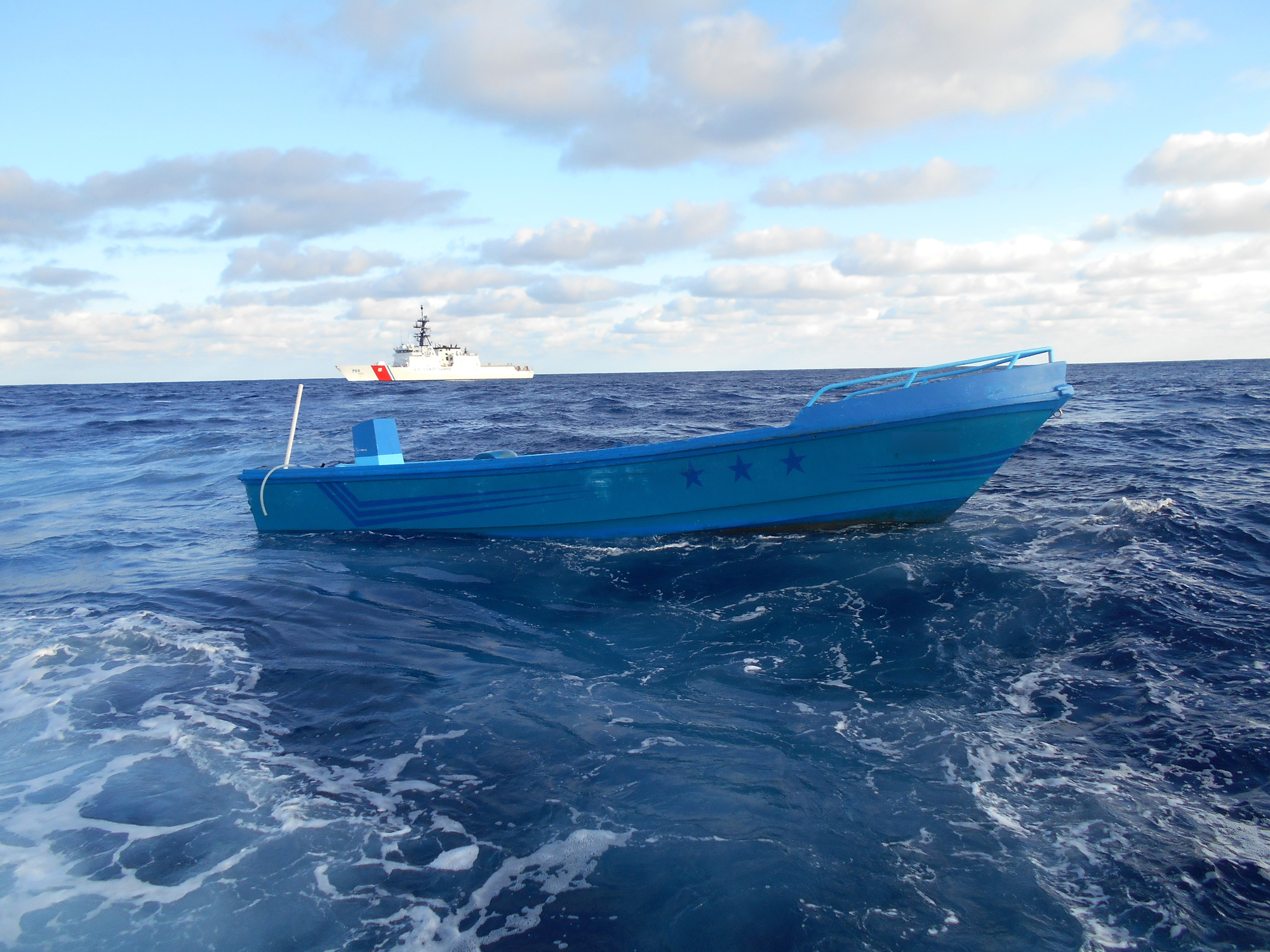
The crew of the Coast Guard Cutter Munro will offload more than 39,000 pounds of cocaine and 933 pounds of marijuana worth a combined estimated $569 million, which was seized in international waters in the Eastern Pacific Ocean.

The drugs represent 14 separate suspected drug smuggling vessel interdictions and disruptions off the coasts of Mexico, Central and South America by three Coast Guard cutters between May and July 2019.

Pence; James W. Carroll, director of the Office of National Drug Control Policy; Uttam Dhillon, acting administrator of the Drug Enforcement Administration; and Vice Adm. Linda Fagan, commander of Coast Guard Pacific Area, are scheduled to visit Munro and give remarks.

Numerous U.S. agencies from the Departments of Defense, Justice and Homeland Security cooperated in the effort to combat transnational organized crime. The Coast Guard, Navy, Customs and Border Protection, FBI, Drug Enforcement Administration, and Immigration and Customs Enforcement, along with allied and international partner agencies, play a role in counter-drug operations. The fight against drug cartels in the Eastern Pacific requires unity of effort in all phases from detection, monitoring and interdictions, to criminal prosecutions by U.S. Attorneys in districts across the nation.

The Coast Guard increased U.S. and allied presence in the Eastern Pacific Ocean and Caribbean Basin, which are known drug transit zones off of Central and South America, as part of its Western Hemisphere Strategy. During at-sea interdictions, a suspect vessel is initially detected and monitored by allied, military or law enforcement personnel coordinated by Joint Interagency Task Force-South based in Key West, Florida. The law enforcement phase of counter-smuggling operations in the Eastern Pacific is conducted under the authority of the 11th Coast Guard District, headquartered in Alameda, California. The interdictions, including the actual boarding, are led and conducted by members of the U.S. Coast Guard.

-USCG-

“Big war in the Arctic: How could it happen?” –Global Security

http://www.state.gov/e/oes/ocns/opa/arc/uschair/258202.htm . This map of the Arctic was created by State Department geographers as part of the U.S. Chairmanship of the Arctic Council.

GlobalSecurity.com brings us a Russian view of the possibility of war in the Arctic (including a mention of the USCG).

“The US also seeks to increase its activity in the Arctic. One of the strategies used by the Americans is deploying a significant number of US Coast Guard units in the region.”

(Maybe if one is a significant number?)

Fortunately, even this author, Mikhail Khodarenok, “military commentator for RT.com, a retired colonel, …who served at the main operational directorate of the General Staff of the Russian Armed Forces,” sees little likelihood of a major conflict.

Unfortunately he does see similarities to the situations we have in the Persian Gulf and the South China Sea where there have been, and we expect to continue to have, high levels of tension over the long term. This would be a change from the generally peaceful relations the Arctic nations have enjoyed for almost three decades.

There are a couple of points in his discussion that merit some comment.

“Western experts claim that Russia’s position on the NEP (North East Passage–Chuck)/Northern Sea Route is not always convincing, as allegedly it violates international maritime law to some degree and goes against the principle of the peaceful use of the seas and oceans. Moscow argues that Russia has authority over the NEP which passes through its exclusive economic zone (emphasis applied–Chuck) and any vessels willing to use this route have to ask for its permission.”

The Exclusive Economic Zone is purely about Economic exploitation, hence the name, and conveys no right to restrict  passage in any form. If the Russians start interpreting the meaning differently, as the Chinese seem to be trying to do, there may be trouble.

“…if the ice continues to melt at current rates. The Northwest Passage may become completely free of ice in the next 40-50 years. This route goes across the Arctic Ocean along the Northern shores of North America and the Canadian Arctic Archipelago. It will be the shortest way from Shanghai to New York. If that happens, it will give rise to the same kind of problems that exist today around the NEP. The US is most likely to claim authority over the route, (emphasis applied–Chuck) while China is sure to say that such claims violate maritime law and go against the freedom of navigation principle.”

Canada is likely to continue to claim that the Northwest Passage is internal waters and demand notification and permission for passage, but the US has been very consistent in considering it an international waterway where anyone, including the Chinese, can transit without prior permission, based on the same argument used to claim that the Northern Sea Route is an international waterway.

There is a good possibility that once our icebreaker fleet is a little larger, we can expect the Coast Guard will be asked to exercise Freedom of Navigation on both the Northwest Passage and the Northern Sea Route. Apparently we have already been asked regarding the Northern Sea Route.

Ironically this is one area where we may find agreement with the Chinese regarding Freedom of the Seas, at least in the Arctic. It is a question of how closely the Chinese will try to work with the Russians. This could become a source of tension between the two.

Surface Navy Association, 2019 West Coast Symposium, San Diego, 22 August

HMAS Success (AOR-304) refuelling probe goes in for a hook-up with the US Coast Guard Cutter USCGC Waesche (WMSL-751) as the Royal Australian Navy Auxilliary Oiler Replenishment Ship conducts a dual RAS (Replenishment at Sea) off the coast of Hawaii during the Sea Phase of Exercise RIMPAC 2014, 19 July 2014. (RAN Photo by Leading Seaman Brenton Freind RAN)

The Surface Navy Association will have their 2019 West Coast Symposium on 22 August at Pier 2 Naval Base, San Diego. Info is here.

It is only a one day event. There is a Coast Guard focused session, 1315-1400. VAdm Fagan, COMPACAREA, has been invited to speak, but his apparently not been confirmed. The rest of the discussions look to be Navy specific, with not much interest to a Coast Guard audience so there should be plenty of time to see any exhibits.

You do have to register early to get access.

All registrations made to us after 1200 EST August 7, 2019 will not be on access list and will NOT be permitted on base without an escort.

Please remember that all persons in the vehicle must have a photo ID and must be a government issued ID, such as driver’s license or official state issued ID, or official federal government issued ID. The driver must have a current automobile registration.

USCGC Kiska Visits YAP with Navy MkVI Patrol Boats

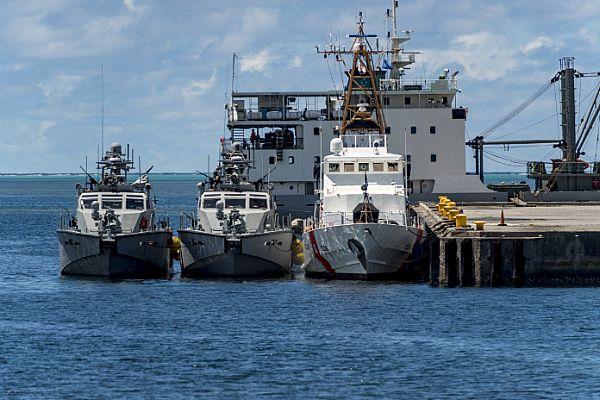
COLONIA, Yap (July 4, 2019) The U.S. Coast Guard Island-class patrol boat USCGC Kiska and Mark VI patrol boats assigned to Coastal Riverine Squadron (CRS) 2, Coastal Riverine Group 1, Detachment Guam, moored in the Micronesia port of Yap. CRG 1, Det. Guam’s visit to Yap, and engagement with the People of Federated States of Micronesia underscores the U.S. Navy’s commitment to partners in the region. The Mark VI patrol boat is an integral part of the expeditionary forces support to 7th Fleet, capability of supporting myriad of missions throughout the Indo-Pacific. (U.S. Navy photo by Mass Communication Specialist 2nd Class Jasen Moreno-Garcia/Released)

Wanted to pass along this photo (along with the Navy’s caption above). The Navy has a news release about the deployment..

Our 110s in Guam are going things that are a bit unusual for the Coast Guard. There are currently two of the Island class stationed in Guam. These are to be replaced by three Webber class WPCs. That should increase the Coast Guard presence in the Western Pacific.

Thanks to Lee for bringing this to my attention.

“Ukraine, France discussing delivery of OCEA FPB 98 patrol boats ” –Naval News

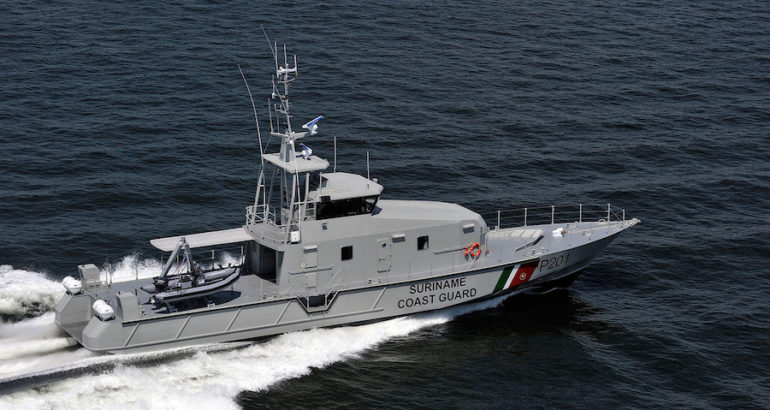
A Suriname Coast Guard FPB 98 patrol boat (Credit: OCEA)

Naval News reports that Ukraine has announced they are in negotiations for joint production of 20 Patrol Boats to a French OCEA design for their “Sea Guard of the State Border Guard Service,” their coast guard. Sounds like it is a done deal with only minor details to work out.

As noted in the report, the Algerian Navy bought 21 of these and has ordered ten more.

They have a GRP hull and are powered by two 3,660 HP Caterpillar diesels using waterjets. Specs on the Algerian boats as follows.

  • Displacement: 100 tons
  • Length: 31.8 meters (104’4″)
  • Beam: 6.3 meters (20’8″)
  • Draft: 1.2 meters (3’11”)
  • Speed: 30 knots
  • Range: 900 nmi @ 14 knots
  • Crew: 13

Most of these boats are armed with a single auto-cannon forward. In most cases a 20mm, the Algerian boats have a 30mm. Given the Ukranians’ tensions with Russia, curious to see if they may choose to provide more weapons.

We have seen products from OCEA before. They provided four smaller patrol boats to the Philippine Coast Guard. These boats like those that went to the Philippines have provision for a RHIB launched by davit.

Britain Seizes Iranian Tanker Suspected of Breaking Syrian Embargo, Iran Threatens Retaliation

MSN reports, British Royal Marines seized an Iranian owned oil tanker near Gibraltar. They landed on the ship by helicopter during the night and customs authorities are detaining the mostly Indian crew as witnesses.

Meanwhile Iranian official are saying they will be obligated to retaliate against a British tanker.

Note this action was taken because the cargo was believed to have been destined for Syria, in violation of a EU imposed embargo.

19 meter (62 foot) Motor Surf Boat, Maybe a Small Port WPB Alternative

Earlier, when I discussed  developing a WPB replacement, I was primarily concerned that in addition to a SAR response, that the Coast Guard in major ports have a response to unconventional maritime attacks by terrorists or other hostile forces. But there are also a number of WPBs in small ports where such attacks would have far less impact and consequently are far less likely. The US shipbuilder Metal Shark has new 87 foot patrol boats in series production for Foreign Military Sales (FMS) that were evolved from the Marine Protector class. They might fulfill the needs of these smaller ports. They appear to be relatively cheap. Looks like the last group had a cost per boat of about $4.3M each. That is way less than the approx. $60M we are paying for the more capable FRCs. Still there might be a better alternative,

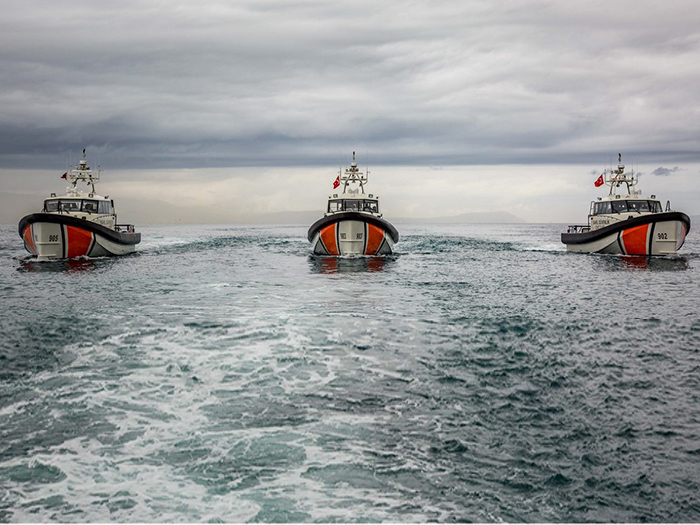
A recent Marine Log report that the EU is buying nine large motor lifeboats to help the Turkish Coast Guard deal with their immigrant crisis, got me to thinking that perhaps, at these small ports, what is really needed is a larger motor lifeboat. Specs for the Damen designed Turkish Coast Guard boats are here. They are apparently a version of the Netherlands own motor lifeboat.

Damen SAR 1906 motor surf boats

There has been a lot of work on development of Motor Surf Boats since the 47 footers and the now over 50 year old 52 footers. Canada and the Netherlands have both made such craft over 60 feet in length. The RAFNAR hull form looks particularly promising. They may not be more survivable than the ones we have now, but they may be better in other ways. Where we don’t need the long term endurance of a WPB, we could have a boat of about Marine Protector class size or perhaps some what smaller, that could operate with a smaller crew, be faster, tow equally large or larger vessels, reduce G-forces on the crew, and still be able to operate in weather where the legacy WPBs could not. There might also be Foreign Military Sales potential for such a vessel. 

“Khulna delivers Bangladesh Coast Guard patrol boat trio, lays keels of two more” –Baird Maritime

CGS Sonar Bangla moments before being launched on May 23, 2018

Baird Maritime has reported that the Bangladesh Coast Guard has taken delivery of three new cutters.

These are based on the Bangladesh Navy’s Padma-class patrol vessels

They are similar in size to the Webber class Fast Response Cutters. Specs for the Bangladesh vessels are:

  • Displacement: 350 tons
  • Length: 165.35 ft (50.40 m)
  • Beam: 24.61 ft (7.50 m)
  • Draft: 13.45 ft (4.10 m)
  • Speed: 23 knots
  • Endurance: 7 days
  • Crew: 45

Armament for the Coast Guard versions of vessel is two Oerlikon 25mm, while that for the Navy version is two 37mm and two 20mm. They are also reported to be capable of minelaying.

Wikipedia indicates up to 23 of these indigenously produced craft are planned (presumably Navy and Coast Guard).

“First narco-USV” –Covert Shores

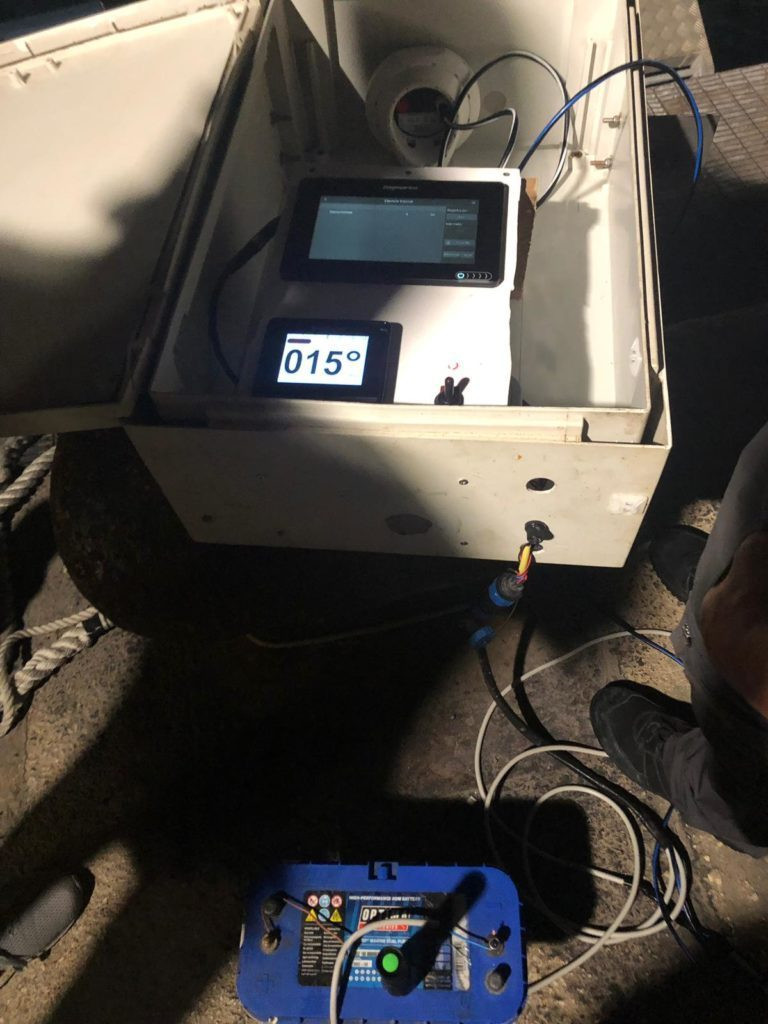
The small open-topped ‘punt’ style craft had a single steerable outboard motor controlled by a simple GPS or radio control unit. The modest payload was two packages of marijuana totaling 37 kilograms.

Covert Shores reports on the first use of an unmanned surface vessel for drug smuggling that I am aware of.

This particular attempt was over a relatively short distance, and employed only a simple outboard to smuggle a small quantity of Marijuana, but I think we can expect to see more of this. The autopilot electronics are simple and cheap. I don’t expect the smugglers would worry about the more difficult problems of collision avoidance and following the rules of the road.

Obviously there would be an advantage to the smugglers in reducing the “manning cost,” Removing the crew also means, the smuggling craft could be made more stealthy. Perhaps more importantly it would mean that when a shipment is intercepted, there will be no one on board that can be interrogated, possibly providing intelligence that might lead to the leadership of the criminal organization.

“U.S. Coast Guard National Security Cutter visits Fiji” –News Release

U.S. Coast Guard Cutter Stratton (WMSL 750) takes on fuel and supplies in Honolulu prior to departing on the cutter’s Western Pacific patrol, June 18, 2019. Operating under the tactical control of commander, U.S. 7th Fleet, Stratton and crew will engage in professional exchanges and capacity building exercises with partner nations and patrol and conduct operations as directed. U.S. Coast Guard photo by Petty Officer 2nd Class Jasmine Mieszala

Below is a Coast Guard press release. As you probably know Stratton is on the way to the Western Pacific, replacing the Bertholf in support of PACOM missions to build capacity and reinforce norms of international behavior. We have a long standing obligation to the island nations of the Micronesia. Good to see them getting more attention. Western Pacific also includes a very large chunk of the US EEZ, which has been underserved in the past. 

LAUTOKA, Fiji — Crew members aboard the U.S. Coast Guard Cutter Stratton (WMSL 752) moored Thursday in Lautoka, marking the cutter’s first international port call of their Western Pacific patrol.

Stratton, a 418-foot National Security Cutter, departed its homeport of Alameda, California, June 5 for a months-long deployment to the Western Pacific. Operating under the tactical control of commander, U.S. 7th Fleet, the cutter and crew are engaging in professional exchanges and capacity building exercises with partner nations and patrolling and conducting operations as directed.

While underway, Stratton’s crew exercised the recently signed Fiji-U.S. bilateral shiprider agreement, which allows enforcement authorities from the two nations to jointly counter illicit activity at sea. Together, Stratton’s crew and an embarked Fijian fisheries officer, Josaia Maiwai, patrolled the United States and Fijian Exclusive Economic Zones.

“The United States is firmly committed to building on our countries’ shared interest in governance and security in the maritime commons,” said Capt. Bob Little, commanding officer of the Stratton. “Fiji has proven to be a strong partner in our efforts to counter transnational criminal activity in the Pacific such as illegal, unreported and unregulated fishing. We are making great strides in our ability to jointly protect our sovereign resources from those who do not recognize international laws.”

While in port, the crew will have opportunities to explore Fiji and interact with local citizens through cultural and professional exchanges, community relations projects and island tours.