gCaptain reports that the US has begun selling crude oil from the US Strategic Petroleum Reserve to China.
I have to wonder, is this is a good idea?

gCaptain reports that the US has begun selling crude oil from the US Strategic Petroleum Reserve to China.
I have to wonder, is this is a good idea?

Green Peace Photo and Caption. “A Russian Coast guard officer is seen pointing a knife at a Greenpeace International activist as five activists attempt to climb the ‘Prirazlomnaya,’ an oil platform operated by Russian state-owned energy giant Gazprom platform in Russias Pechora Sea.”
Russia rejected a ruling by an international arbitration court which said Moscow must pay damages for seizing a Dutch-flagged Greenpeace vessel, saying on Thursday that the decision would only encourage illegal protests.
We tracked this incident earlier. In this case I think the Russians may have a point. It is very difficult to distinguish between a “peaceful protest” that involves what may appear to be an assault and an actual attack.
The Russians may have made a mistake in not participating in the proceedings.
Russia had originally declined to take part in arbitration, arguing that it was acting within its sovereign rights to seize the ship in international waters where Russia enjoys exclusive economic rights.
 The Greenpeace ship Arctic Sunrise departs from Murmansk, Russia, August 1, 2014. Photo (c) Dmitri Sharomov/Greenpeace
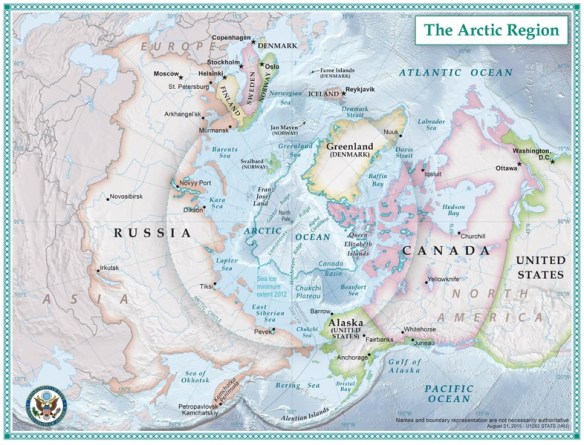
http://www.state.gov/e/oes/ocns/opa/arc/uschair/258202.htm . This map of the Arctic was created by State Department geographers as part of the U.S. Chairmanship of the Arctic Council.
MarineLink is reporting that the federal government has approved drilling in the Beaufort Sea.
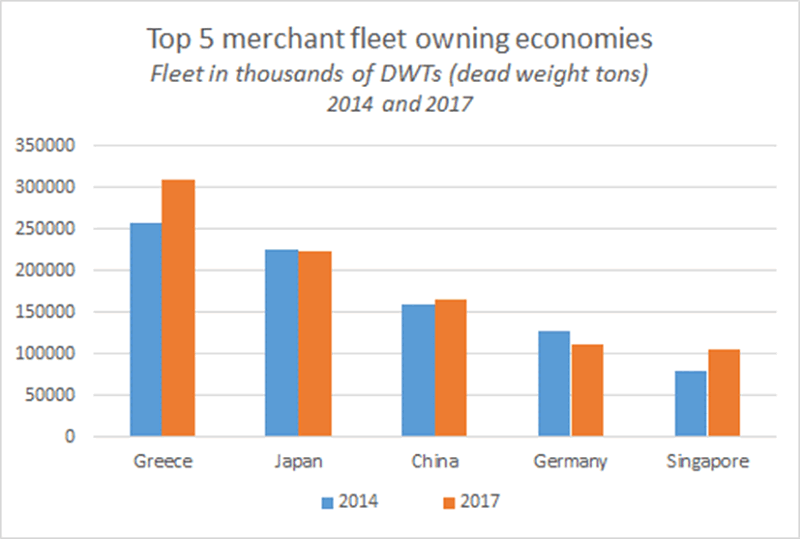
The UN has issued an interesting short report on the status of the World’s merchant fleets. I am going to quote it below.
Top 5 ship owners are Greece, Japan, China, Germany and Singapore. Together they have a market share of 49.5% of dwt. Only one country from Latin America (Brazil) is among the top 35 ship owning countries, and none from Africa.
Top 5 flag registries are Panama, Liberia, Marshall Islands, China Hong Kong SAR and Singapore. Together they have a market share of 57.8%. Developing countries flag more than 76% of the world fleet in dwt. In terms of vessel types, bulk carriers account for 42.8% of dwt, followed by oil tankers (28.7%), Container ships (13.2%), other types (11.3%) and general cargo ships (4%).
Only three countries (Republic of Korea, China and Japan) constructed 91.8% of world tonnage (GT) in 2016. Republic of Korea had the largest share with 38.1%.Four countries (India, Bangladesh, Pakistan and China) together accounted for 94.9% of ship scrapping in 2016 (GT).
The data confirms a continued trend of industry consolidation, where different countries specialize in different maritime sub-sectors, as analyzed in UNCTAD’s Review of Maritime Transport 2016 and a special chapter of the 2011 Review. It also confirms the growing participation of developing countries in many maritime sectors.
For more information, please contact Jan Hoffmann, Trade Logistics Branch, Division on Technology and Logistics, UNCTAD. Jan.Hoffmann@UNCTAD.org
Thanks to Bryant’s Maritime Consulting blog for bringing this to my attention.

Komar Class Missile Boat, US Navy photo
Suddenly these small vessels could damage or destroy a ship of any size and outrange battleships.
They drew first blood 21 October 1967, when three Styx missiles fired from Egyptian Komar class missile boats sank the Israeli destroyer Eilat (former HMS Zealous, 1,710 tons).
The Indian Navy again proved the effectiveness of the Styx in 1971, attacking Pakistani shipping and shore facilities, using larger Osa class missile boats.
By 1973 it was the Israeli’s who proved most capable in this new form of warfare, employing helicopters for deception and electronic countermeasures to seduce the Styx which outranged their own ASCM.
The Market:

Osa-I class, US Navy photo

Houbei Type 022 class fast attack craft

Type 056 corvette, credit 樱井千一

Danish navy SF300 vessel Støren (P555), photo by Kim Storm Martin

Helsinki Class now Croatian vessel RTOP-42 Dubrovnik. Photo by Saxum

Conceptual illustration, Finland’s squadron 2020 corvette
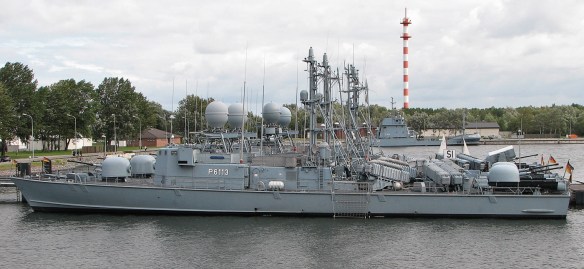
Type 143 Albatros-class boats, S63 Geier in the foreground. The third one is a Gepard-class boat. Photo by Darkone

The German navy corvette Braunschweig ( F 260), lead ship of the corvette class K 130. Photo by Torsten Bätge
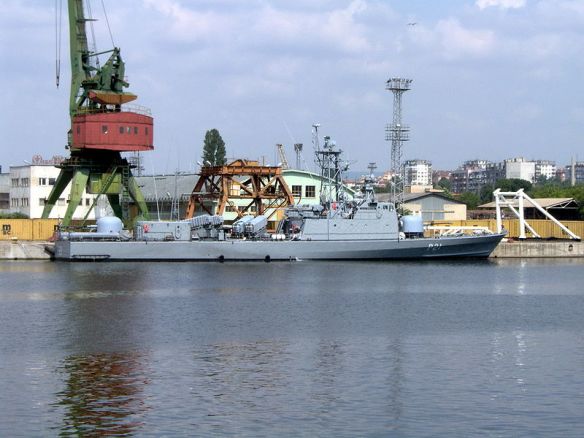
Antipliarchos Blessas (P-21), LaCombattante III class, photo by Jorge Guerra Moreno

HS Roussen, P-67 in Piraeus 2009. Photo from K. Krallis, SV1XV
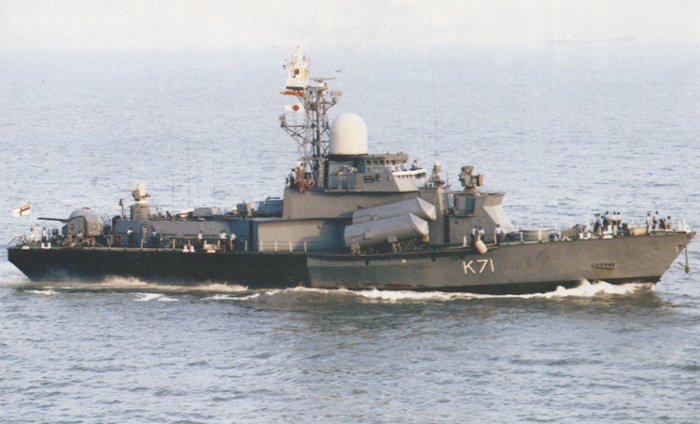
Nanuchka II class corvette.

Kora class Corvette, INS Kulish (P63), US Navy Photo
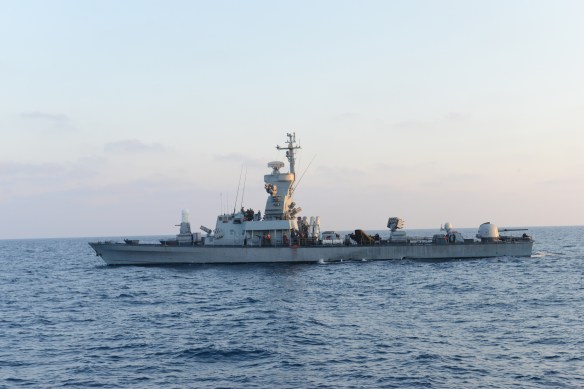
SAAR 4.5 missile boat. Israel Defense Force photo

INS Aliya in 1985. An aviation equipped unit of the SAAR 4.5 class

INS Lahav, most advanced SA’AR 5 corvette in the Israeli navy. Now equipped with MF-STAR radar and BARAK-8 Surface to Air Missiles. Photo by Ilan Rom

Hauk-class patrol boats at quay in 2001. Photo by Peulle
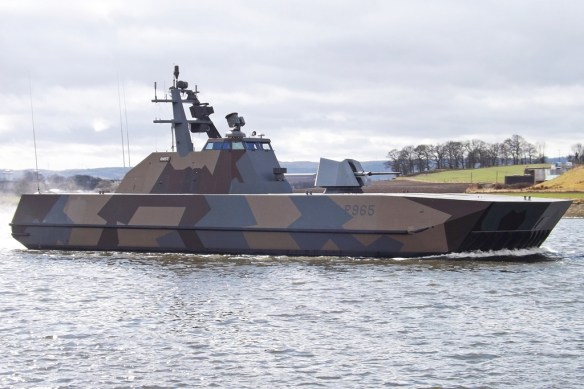
P965 KNM Gnist, a Skjold-class patrol boat of the Royal Norwegian Navy, Photo by Mark Harkin
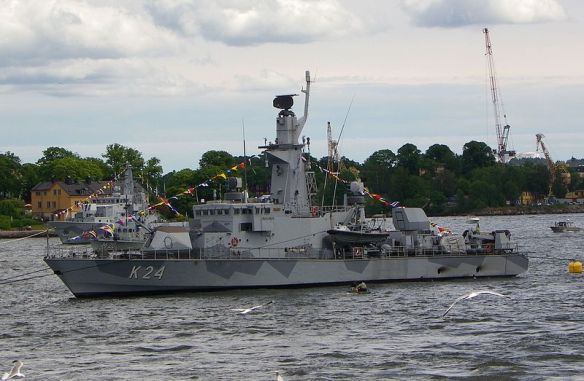
Goteborg class corvette HMS Sundsvall (1993), photo by Poxnar
Now: 5 Visby class (2008) 600 tons, 2 Goteborg class (1990) 380 tons, 2 Stockholm class (1986) 320 tons
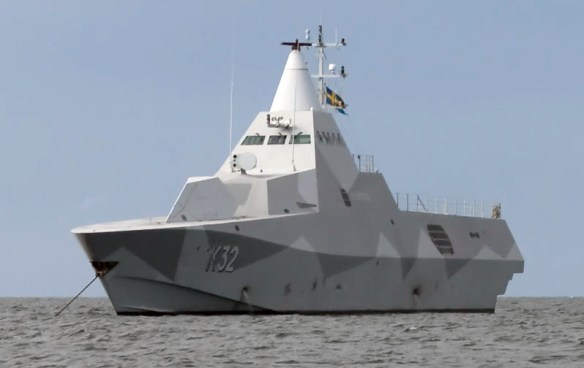
Visby class corvette HSwMS Helsingborg (K32), photo by Xiziz
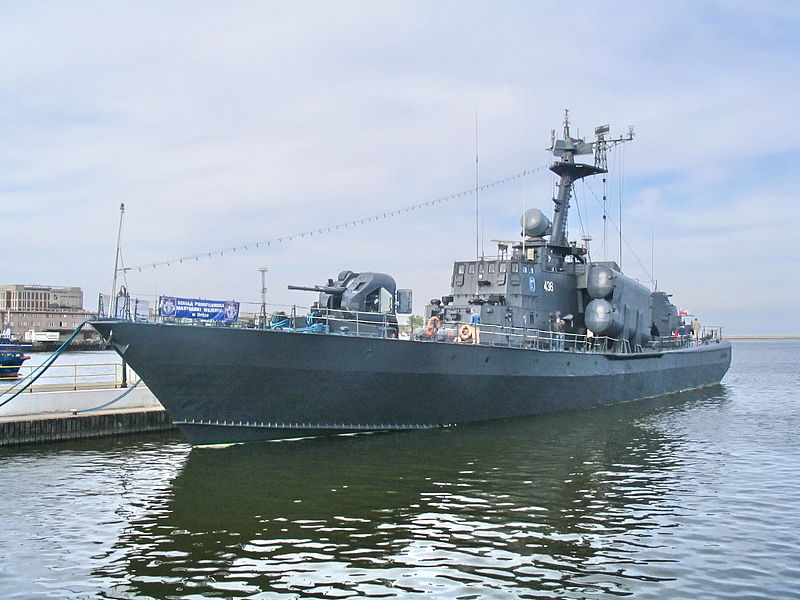
Turantul Class Corvette
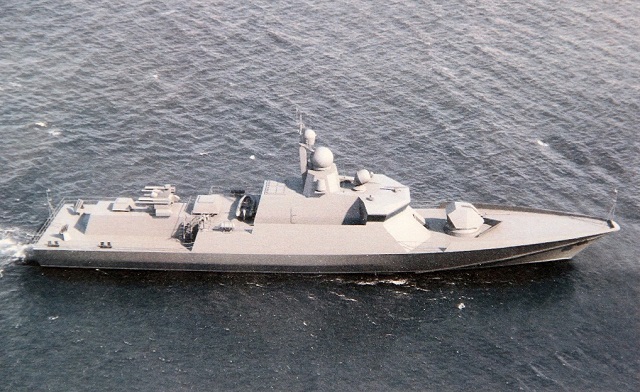
Karakurt Class Corvette
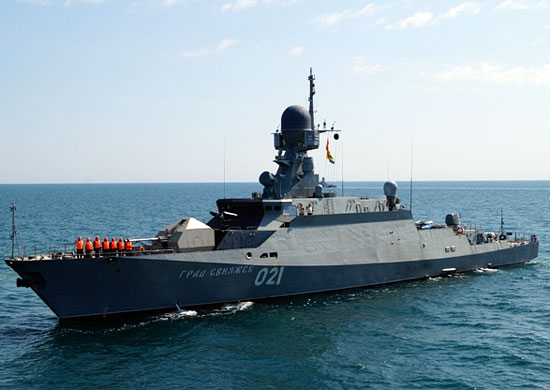
Buyan-M class corvette, Mil.RU photo

The FY 2018 budget request has been published.
There is:
The overview includes “2016 Performance Highlights.” Also included is a page that says what the Coast Guard does on an average day.
On page 12 of the Overview, you can see a comparison of the FY 2018 President’s Budget request compared to the FY 2016 revised enacted and FY 2017 annualized budgets. The FY 2018 request is approximately $440M less than the FY 2017 annualized. On the other hand this request is $339M more than the FY 2017 Presidential request. I think we can expect some changes before it becomes law.
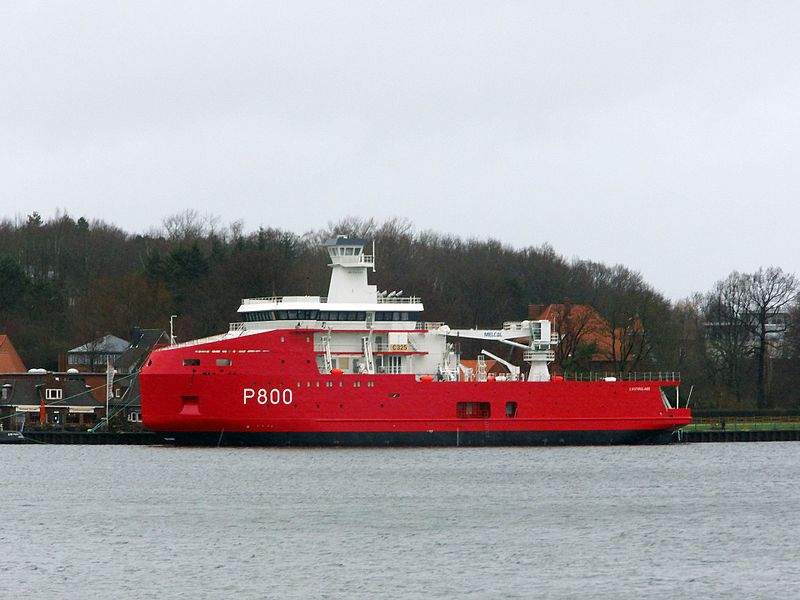
L’Astrolabe (2017) in Kiel, 3 January 2017, photo by HenSti
NavalToday reports that the French Navy will soon accept a light icebreaker/ supply vessel to be named L’Astrolabe. It will replace a smaller vessel of the same name.
It is 72 metres (236 ft) long and 16 metres (52 ft) of beam, somewhat larger than her 66-metre (217 ft) predecessor.
Aker Arctic provided the basic design.
Late addition: Check out NavyRecognition’s report for a better selection of photos.
Short report and video of an Israeli at sea hostage rescue drill from Defense News. Sounds like they did it they way they should be done with a minimum of scripting.
Hopefully the Coast Guard has or will see the post drill evaluation.
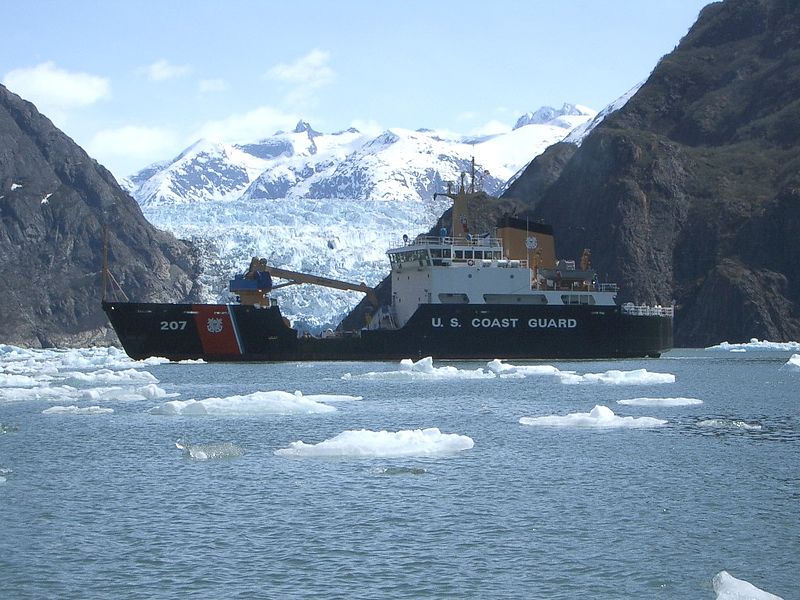
Photo: Maple in front of the LeConte Glacier
The following is a Coast Guard news release. USCGC Maple will be using the NorthWest Passage to transit to the Coast Guard Yard for its In Service Sustainment mid-life renovation, and will be doing some scientific research along the wah
ANCHORAGE, Alaska — The crew of the Coast Guard Cutter Maple, a 225-foot seagoing buoy tender homeported in Sitka, Alaska, departed Wednesday on a historic voyage through the Northwest Passage.
This summer marks the 60th anniversary of the three Coast Guard cutters and one Canadian ship that convoyed through the Northwest Passage. The crews of the U.S. Coast Guard Cutters Storis, SPAR and Bramble, along with the crew of the Canadian ice breaker HMCS Labrador, charted, recorded water depths and installed aids to navigation for future shipping lanes from May to September of 1957. All four crews became the first deep-draft ships to sail through the Northwest Passage, which are several passageways through the complex archipelago of the Canadian Arctic.
The crew of the cutter Maple will make a brief logistics stop in Nome, Alaska, to embark an ice navigator on its way to support marine science and scientific research near the Arctic Circle. The cutter will serve as a ship of opportunity to conduct scientific research in support of the Scripps Institution of Oceanography.
The Maple crew will deploy three sonographic buoys that are used to record acoustic sounds of marine mammals. A principal investigator with the University of San Diego embarked aboard the cutter will analyze the data retrieved from the buoys.
The Canadian Coast Guard Ship Sir Wilfrid Laurier will rendezvous with the Maple later this month to provide icebreaking services as the Maple makes it way toward Victoria Strait, Canada. The Maple has a reinforced hull that provides it with limited ice breaking capabilities similar to Coast Guard 225-foot cutters operating on the Great Lakes.
“We’re very excited to make this voyage through the Northwest Passage and to assist in the Scripps Institute research,” said Lt. Cmdr. Patrick Armstrong, commanding officer of the Maple. “In planning this, we have worked very closely with our Canadian counterparts and we look forward to continuing that cooperation in the Arctic.”
All scientific research, icebreaking and marine science activities that occur during the voyage will be conducted in accordance with the 1988 Canada-US Agreement on Arctic Cooperation.
The Maple crew is expected to conclude their historic voyage in Baltimore, Maryland, during late August. The cutter will undergo scheduled maintenance in dry dock at the Coast Guard Yard in Baltimore for repairs and upgrades. The crew will return to Sitka to take command of the 225-foot Coast Guard Cutter Kukui, which was previously homeported in Honolulu.
Looking at this little film, it struck me that the technique that was usable in the heaviest seas was that used by the Canadians (12:45-16:20), claiming a capability to Sea State Six, and they were the only ones that chose to run the ship parallel to the seas during recovery, rather than into the waves. This may be a bit counter intuitive, but it means the ship’s pitching is reduced and consequently there is less vertical displacement of the recovering ship’s stern.
As we saw in an earlier study, “The stern ramp availability is driven by sill depth and pitch motions…” In other words pitching is what limits the ability to recover the boat, and the problem becomes progressively worse as the size of the “host” vessel increases because there is a growing difference between the movement of the ship’s stern and the small boat.
I don’t know what our current doctrine is, but steaming parallel to the seas for recovery might be worth consideration if we are not already doing so.
Thanks to Adroth for bringing this to my attention.
 Chuck Hill's CG Blog
_Class_Fast_Attack_Craft.JPG)