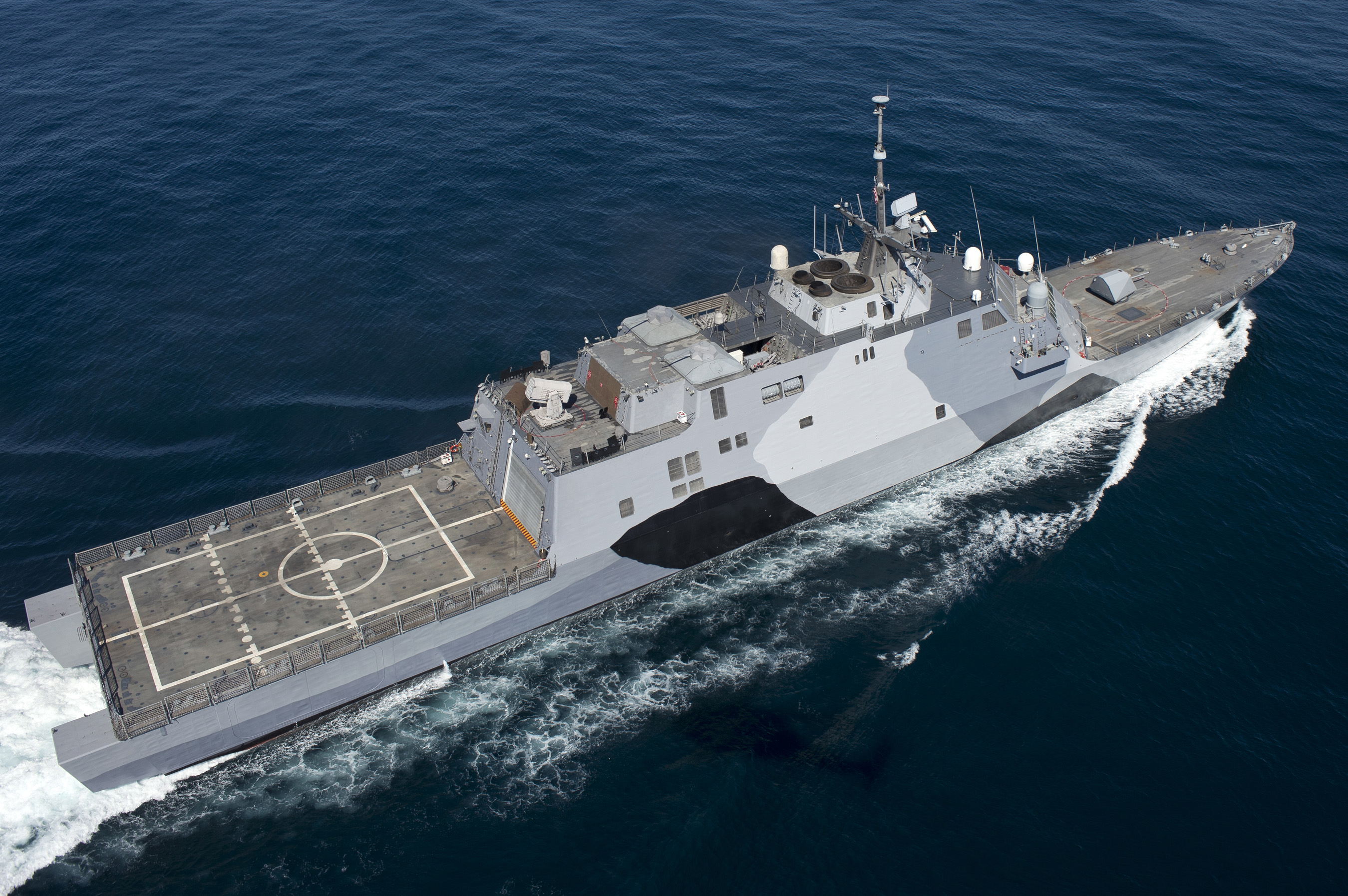
Photo: 130222-N-DR144-367 The littoral combat ship USS Freedom (LCS 1), Mass Communication Specialist 1st Class James R. Evans
This is a rather radical proposal, one that I never thought I would make, but the situation with the Coast Guard’s cutter fleet is almost certain to go from bad to worse as increasing age, budget cuts, and sequestration take effect. It is a long term problem and will take a long term solution.
The Eighth NSC should be funded in FY 2015 and hopefully, we will see this last ship of the class completed by 2019. But the NSCs only replace the 378 foot High Endurance Cutters (and only on an 8 for 12 basis). The Medium Endurance Cutters, some older than any of the 378s, still need replacement and the current plan is very slow to do so.
The first of the Offshore Patrol Cutters (OPCs), destined to replace the existing medium endurance cutters (WMECs), is not expected until 2020, followed by one in 2021, one in 2022, and two per year for the following years until a total of 25 are delivered, presumably in 2033.
The normal life for ships like WMECs is assumed to be 30 years. If we assume no change of plan, the last 210 should be replaced when the 14th OPC is completed. That will, presumably, be in 2028, and the last 210 will be at least 59 years old.

USCG photo, USCGC Reliance (WMEC-615), 210 foot cutter
If we assume that the last 270 is decommissioned when the 25th OPC is delivered, about 2033, then the last 270 will be at least 43 years old at that time.

USCG photo, USCGC Harriet Lane (WMEC-903), 270 foot cutter
I propose that the Navy start lending the Coast Guard half of their Littoral Combat Ships (LCSs) as they are completed. They would be used as interim replacements for the Coast Guard’s oldest medium endurance cutters, until there are sufficient Offshore Patrol Cutters (OPCs) to replace them all. There is ample precedence both for the Navy transferring ships to the Coast Guard and for Coast Guard manning of Navy ships.
I am not suggesting the Coast Guard keep them, because they are not the ship we want ultimately, but they would be an improvement over the ships we have now.
The LCS Program:
The Navy has already bought or contracted for 24 LCS. Multi-year contracts awarded in FY 2010 fund the building of 20 LCS of two classes, over five years, in addition to the four previously funded, two Freedom class and two Independence class annually. Originally the intention was to build 55, the Navy cut that to 52 and now it looks like DOD may stop the program at 32 ships. The jury is still out on the final number, and congressional support, particularly from the states where they are built has been strong. Even at only 32 that is an additional 28 ships yet to be completed.
Defense Industry Daily has an excellent summary of the LCS program you can access here.
The proposal:
Beginning as soon as possible, perhaps beginning with LCS 5, man half the LCSs with Coast Guard crews and put them under Coast Guard control, while continuing construction of the NSCs and OPCs as planned.
What’s in it for the Coast Guard:
Compared to the existing 210, 270, and 282 foot WMECs, the Coast Guard will be operating newer, larger, more capable ships, with much improved aviation facilities. LCSs are capable of hangaring and supporting both helicopters and UAVs, while the 270 is limited to a single helicopter in a retractable hangar and the 210s have no hangar at all. The LCSs are also much more capable of dealing with large numbers of Alien Immigrants, particularly if holding facilities are provided in the reconfigurable space. They are also much more capable of running down fleeing drug suspects in go-fast boats. The LCS are designed to operate with relatively small crews. Currently the “core crew” is 50. In all probability, Coast Guards operating concepts would result in a crew similar in size to that of a 210 (75). So the crew costs should not be substantially different from those of the 210s, and might be lower than those of the 270s.
Most importantly, these newer ships will be supportable while this will become increasing difficult as the older cutters age.
What’s in it for the Navy:
The Navy will be able to call on the ship in wartime, but will not have the operating cost associated with running the ships on a daily basis. The navy will save on manning, fuel, and maintenance. If they are looking for a way to reduce operating costs while preserving wartime capability, this is a viable option.
The Navy already sees these ships as contributing to the counter narcotics effort. Handing them over to the Coast Guard would result in direct benefit to the drug enforcement effort without the Navy having to divert manpower and other resources.
The Timeline:
The program might work like this:
Vessels delivered to the CG: Totals under Coast Guard control: LCSs returned USN
FY LCS OPC LCS OPC
2016 2 2
2017 2 4
2018 2 6
2019 2 8
2020 2 1 10 1
2021 2 1 12 2
2022 2 1 14 3
2023 2 2 16 5
2024 2 2 18 7
2025 2 16 9 2
2026 2 14 11 2
2027 2 12 13 2
2028 2 10 15 2
2029 2 8 17 2
2030 2 6 19 2
2031 2 4 21 2
2032 2 2 23 2
2033 2 0 25 2
If this program were implemented as described, the last 210 could be replaced seven years earlier than currently planned, in 2021 instead of 2028, so that when replaced it will be “only” 52 years old. The last 270 could be replaced in 2024, instead of 2033, nine years earlier than planned, when the last 270 is 34 years old.

U.S. Navy photo by Naval Air Crewman 2nd Class Nicholas Kontodiakos, USS Independence (LCS-2) showing her large flight deck