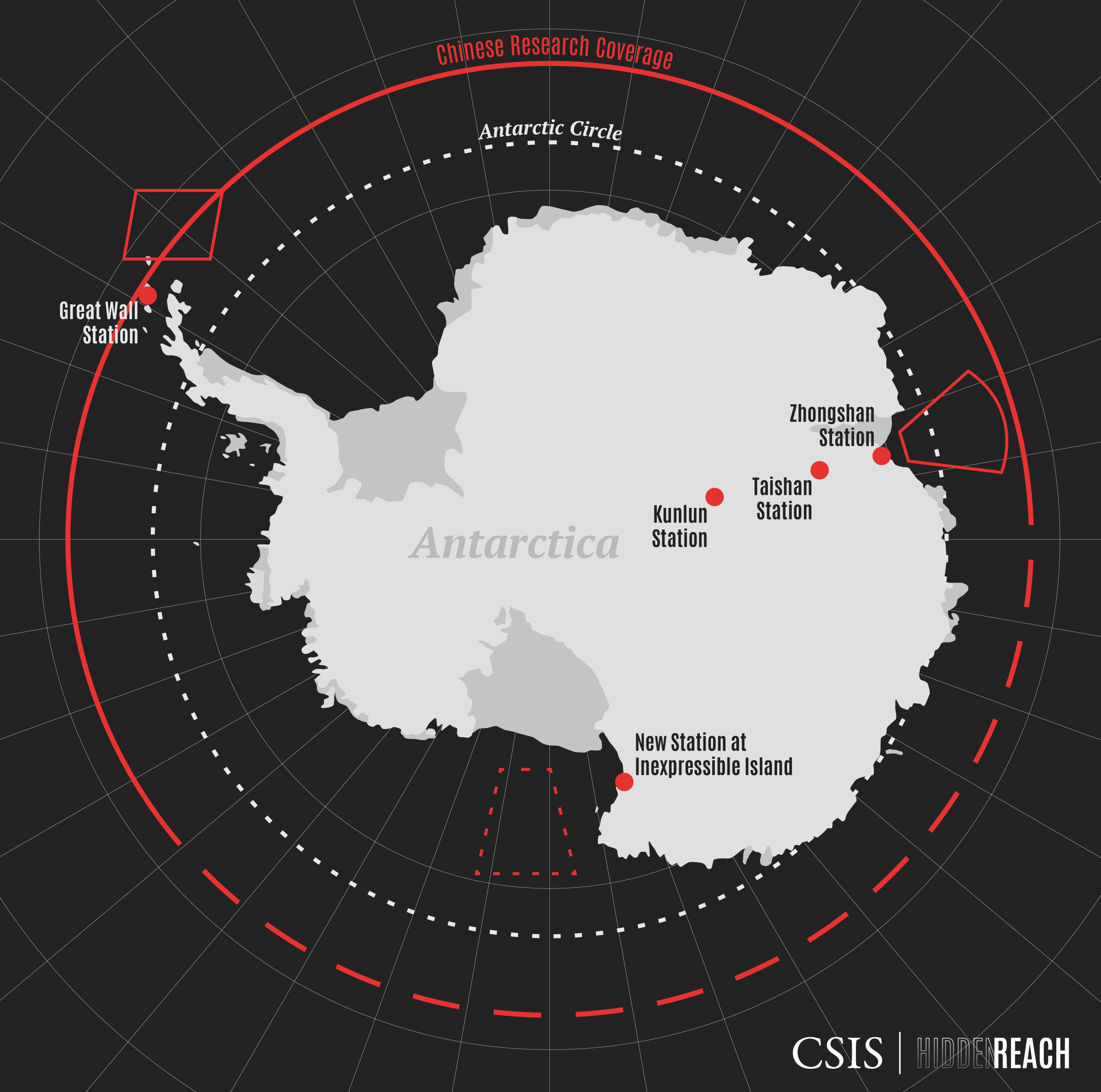
“Frozen Frontiers, China’s Great Power Ambitions in the Polar Regions” –CSIS

Adapted from a 2021 Chinese environmental evaluation report submitted to the Secretariat of the Antarctic Treaty. Source CSIS

The Center for Strategic and International Studies (CSIS) has an excellent overview of Chinese interests in the polar regions.

Chinese activities in the Arctic have gotten a lot of coverage, but their activities in Antarctic have been underreported and are, I believe, of much greater concern long term. Their coverage of China’s efforts in Antarctic is at the end of post. It is less extensive than that of China’s Arctic activities, but is perhaps the best I have seen.

China’s activities in the Arctic are just a part of their progress toward making Russia a client state. The relationship is not one of equals, it is very unbalanced, akin to Fascist Italy’s relationship to Nazi Germany. Ultimately Russia will be a victim of China’s determination to recover any territory that was once part of China. There is a lot of Asian Russia that China thinks should be theirs.

China is pouring assets into Antarctic, including potentially dual use facilities. They are setting themselves up to claim parts of the continent once the current treaty expires. This is probably going to put them in conflict with the US and some of our allies.

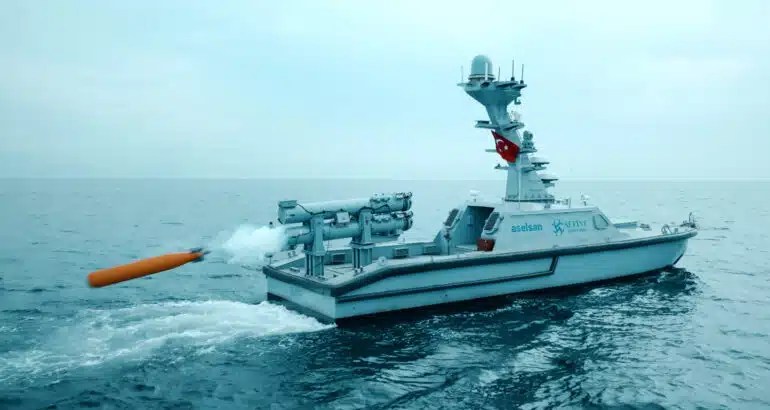
“Turkish “MIR” USV Test-Fires Torpedo For The First Time” –Naval News

MIR USV firing torpedo (Screenshot from SSB video)

Naval News reports,

On April 18, 2023, the Turkish armed unmanned surface vessel (USV) “MIR” fired a light torpedo from a double torpedo tube at the stern of the ship. The test firing was the first torpedo launch from a Turkish USV.

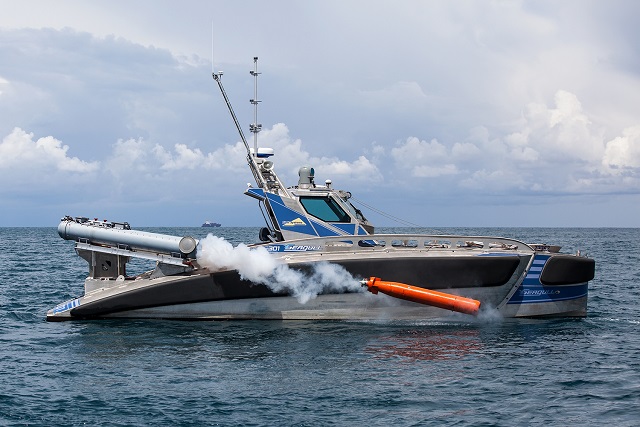
This is offered as an ASW system, but if you are a regular reader here, you know I had to show the photo to illustrate how even a very small vessel can launch light weight torpedoes. (Of course, we have had previous examples, see photos at the end of the post.)

This is important because the Coast Guard has an unaddressed Required Operational Capability implicit in its Ports, Waterways, and Coastal Security Mission, that the Coast Guard needs to be able to forcibly stop any vessel regardless of size. A lightweight torpedo that targets a ship’s propeller(s) seems to be the best solution for stopping larger vessels (hopefully without sinking it and causing a major pollution incident).

Existing lightweight ASW torpedoes, like those launched from the USV illustrated above, might do the job if they also have an anti-surface capability. Distribution to Coast Guard units might be thought of as a storage option for a war reserve, in that, while the Coast Guard would need to have them widely distributed, even in the worst case the Coast Guard would actually use very few.

The author notes,

“…submarines are unlikely to engage these small units because of the limited minimum depth of some torpedoes or the limited amount of torpedoes the submarines have loaded.”

But if USVs become a threat to submarines, it will not be long before there is a counter. In fact, the already existing 6.75″ diameter (171.45mm), 220 pound (100 kilos), Very Light Weight Torpedo that would not displace any existing submarine weapons might anticipate this need. This weapon system might meet the Coast Guard’s needs.

A Navy briefing slide showing the internal components and describing the various features of the PSU_ARL Common Very Light Weight Torpedo (CVLWT) design

Camera drone’s-eye view of IRGC boats on display, March 2023. A) The air defense boat. B) Light missile boat with Bladerunner hull. C) light missile boats on Interceptor hull. D) light missile boats on Interceptor hull (alternative design). E) Missile boat, with type of missile unclear. F) RIB, possibly explosive boat or uncrewed. G) RIB with lightweight anti-ship torpedoes, can be carried aboard a Shahid Soleimani-class missile corvette. H) Interceptor boat. I) Interceptor boat with new type of missile.

Elbit Systems’ Seagull unmanned surface vessel launching a lightweight torpedo. 

APKWS in Use

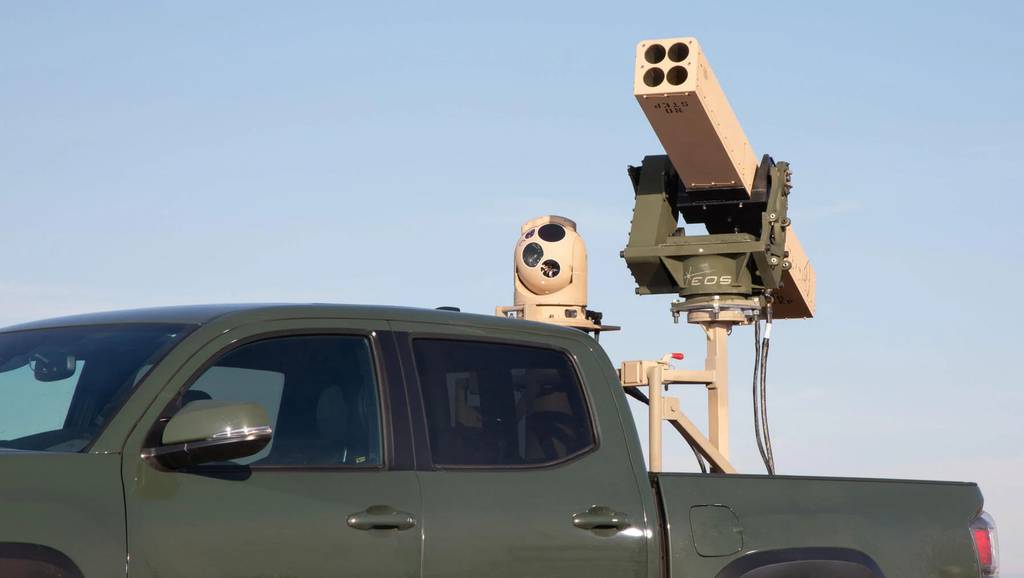
As you probably know, I am a fan of the APKWS (Advanced Precision Kill Weapon System) because I think it could provide a substantial upgrade for our cutters, particularly the smaller ones. The system is quick, accurate, effective, light weight, uncomplicated, inexpensive, requires little training, has minimum impact on the platform, and limits collateral damage.

The VAMPIRE system can fit in almost any pickup or vehicle with a cargo bed. (Courtesy of L3Harris)

Thanks to Walter for alerting me to this short video of the system in use.

Looks to me, like they are targeting observation posts along the river.

“Homeland Security Task Force – Southeast sustains enhanced migration enforcement posture”

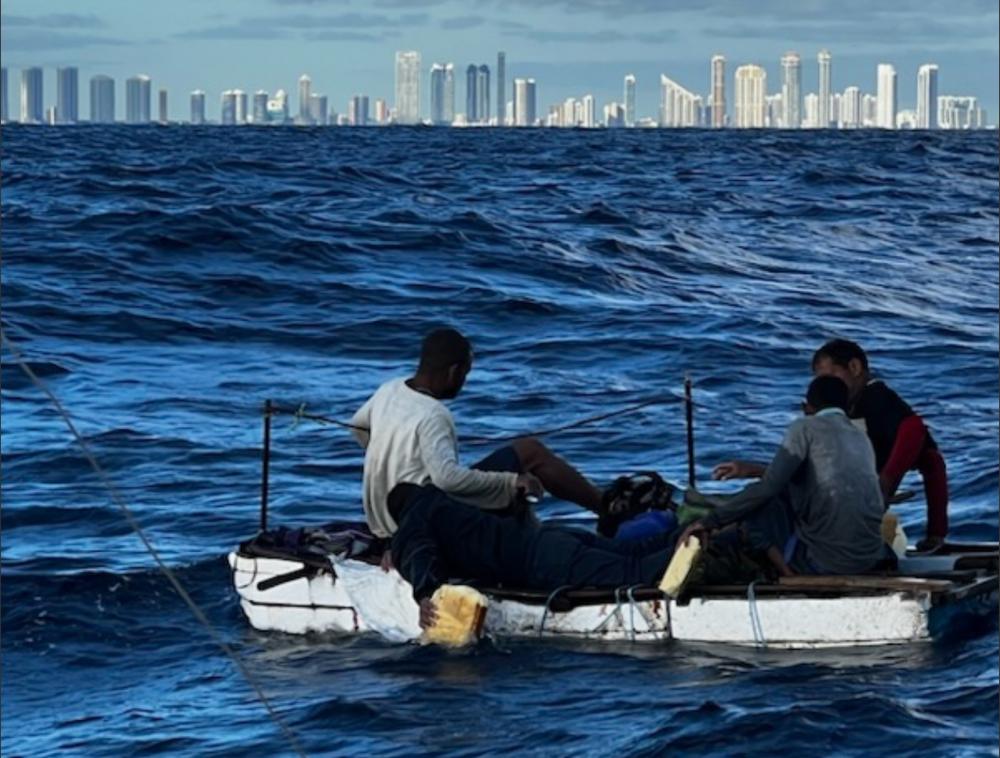
A good Samaritan notified Sector Miami watchstanders of a migrant vessel about 10 miles east of Sunny Isles, Florida, Jan. 8, 2023. The people were repatriated to Cuba on Jan. 16, 2023. (U.S. Coast Guard photo)

We have noted a surge in alien migrant interdiction.

Below is a news release regarding changing procedures to deal with the problem and discourage illegal immigration.

April 28, 2023

Homeland Security Task Force – Southeast sustains enhanced migration enforcement posture

MIAMI— Yesterday, the U.S. Department of Homeland Security and the U.S. Department of State announced sweeping new measures to further reduce irregular migration, including irregular maritime migration, and to significantly expand lawful pathways to facilitate the safe, orderly and humane processing of migrants. The measures announced Thursday draw on the success of recent processes that have significantly reduced unlawful migration through a combination of expanded lawful pathways and swift returns and removal of those who fail to use those lawful pathways.

The announcement made clear that the United States, in coordination with our regional partners, have dramatically scaled up the number of removal flights per week. That includes flights to Cuba, which resumed this week following a pause due to COVID-19. The number of weekly flights will double or triple for some countries. With this increase in removal flights, migrants who cross the U.S. border without documents sufficient for lawful admission, which includes migrants who attempt to make landfall by sea, and who fail to qualify for relief or protection should expect to be swiftly returned.

DHS also made Cubans and Haitians who attempt to migrate irregularly to the U.S. via maritime means after April 27, 2023, ineligible for the parole processes announced in January, including those interdicted at sea.

“This announcement provides important clarity for at-sea interdictions. Anyone interdicted at sea while trying to enter the United States irregularly will be ineligible for the Cuban and Haitian parole processes announced in January,” said Rear Adm. Brendan C. McPherson, director of HSTF-SE and commander of U.S. Coast Guard Seventh District. “Taking to the sea in unsafe and unseaworthy vessels is inherently dangerous and is often deadly. Our Task Force will continue to rescue and repatriate, in accordance with governing policies and guidance, anyone attempting to enter the U.S. irregularly through maritime routes. We encourage everyone planning to come to the U.S. to do so through safe and lawful pathways.”

Since August 21, 2022, HSTF-SE partners have repatriated more than 11,747 migrants. Migrants rescued at sea or interdicted ashore are provided food, water, shelter, basic medical attention, and are processed to determine if they have a legal basis to enter or remain in the U.S.

The sustained surge of DHS personnel, interagency coordination and surge of air and sea assets to save lives and prevent unlawful entry into the United States is the largest federally-led response to irregular maritime migration in the region since 2010.

HSTF-SE serves as the DHS lead for operational and tactical planning, command and control, and as a standing organization to deter, mitigate and respond to maritime mass migration in the Caribbean Sea and the Straits of Florida. HSTF-SE is the supported DHS entity for Caribbean maritime migration operations, and HSTF-SE partners include federal, state and local agencies. HSTF-SE continues enhanced enforcement efforts in support of Operation Vigilant Sentry (OVS), the 2004 DHS plan to respond to irregular maritime migration in the Caribbean Sea and the Straits of Florida. The Task Force provides the organizational framework to plan for and execute a scalable operational plan under OVS, detect maritime migration indicators, monitor maritime migration trends, and conduct joint training, exercises and planning. The following federal, state and local law enforcement and emergency management components work together as part of the task force: DHS, USCG, USBP, CBP-AMO, CBP-OFO, HSI, ICE-ERO, USCIS, FEMA, HHS, FDEM, FDLE, Miami-Dade County and Monroe County.

For updates on HSTF-SE enforcement efforts, follow us on Twitter @HSTF_Southeast.

For more information about newly announced immigration programs:  

Fact Sheet: U.S. Government announces sweeping new actions to manage regional migration

Secretary Antony J. Blinken and Secretary of Homeland Security Alejandro Mayorkas at a Joint Press Availability

Implementation of a Change to the Parole Process for Haitians 

Implementation of a Change to the Parole Process for Cubans

“Last Cyclone Patrol Ships Leave U.S. Navy, Many Will Serve in Foreign Forces” –USNI

USS thundebolt (PC-12) Seen here in 1998 in both Coast Guard and Navy markings. U.S. Coast Guard photo by David Schuffholz

The US Naval Institute News Service reports the decommissioning and transfer of the last of the Cyclone class US Navy patrol craft. Seven of the class (PCs 1, 2,4, 8, 12, 13, and 14) were loaned to the Coast Guard at various times.

Their departure will leave the six Coast Guard Patrol Force SW Asia Webber class WPCs the only US patrol craft in the 5th Fleet.

Of the 14:

  • Two, Zephyr (PC-8) and Shamal (PC-13), are to be scrapped.
  • Five, Tempest (PC-2), Typhoon (PC-5), Squall (PC-7), Firebolt (PC-10), and Whirlwind (PC-11), have been transferred to the Royal Bahrain Naval Forces.
  • Three, Hurricane (PC-3), Sirocco (PC-6), and Thunderbolt (PC-12), have been transferred to the Egyptian Navy.
  • Two more, Monsoon (PC-4) and Chinook (PC-9), will join the former Cyclone (PC-1) in the Philippine Navy.
  • One, Tornado (PC-14) is expected to be sold, but is awaiting disposition.

“USCGC Forward returns home following counterdrug patrol in the Caribbean Sea”

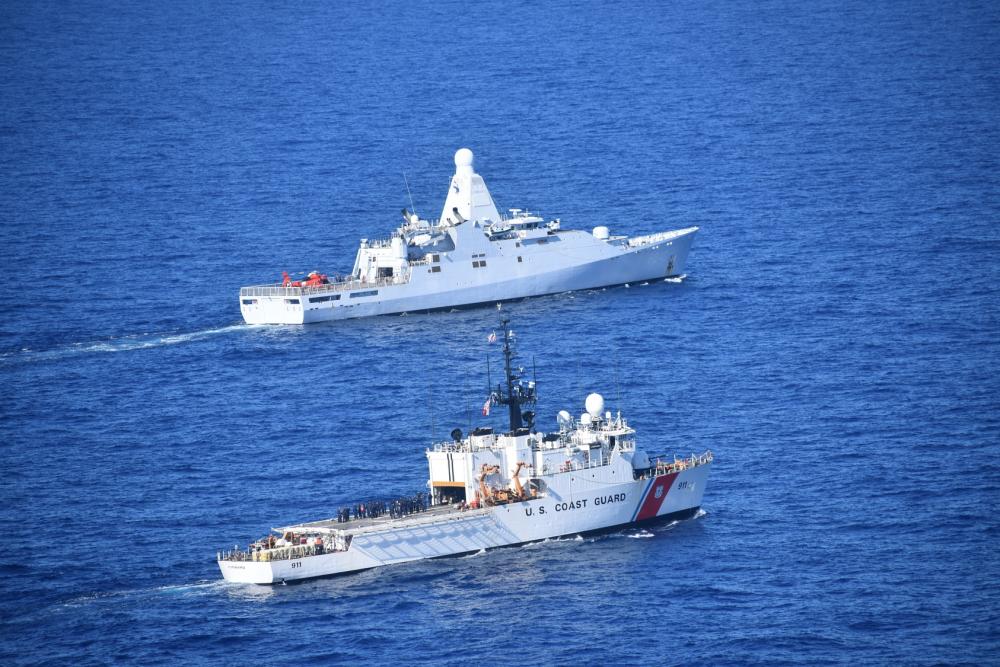
USCGC Forward (WMEC 911) and Royal Netherlands Navy ship HNLMS Holland (P840) steam in formation for a transfer of contraband cocaine in the Atlantic Ocean Nov. 4, 2022, presumably a previous patrol.  (U.S. Coast Guard photo by Petty Officer 3rd Class Amy Rodriguez)

Below is a news release found on United States Coast Guard News. Generally, it is pretty normal drug interdiction news release.

I did kind of question this.

Throughout the patrol, Forward held approximately 4,700 pounds of cocaine on deck worth an estimated $81 million. Forward intercepted three suspected narcotics smugglers earlier this month and held nine others throughout the patrol. On Tuesday, the crew conducted a further offload to partner agencies in Port Everglades, Florida.

Nowhere does it say how long the patrol was other than “multi-week,” kind of important and not something we can keep secret. Why would prisoners be transferred on board a cutter that has just arrived? The service has been criticized in the past for holding prisoners on board for long periods in conditions that are considered by many to be inhumane. I won’t get into that, but it does seem we would want to get them ashore as quickly as possible. Maintaining custody of prisoners is a strain on the ship that it is not designed or billeted for.

Also, there is an error in the news release I cannot let pass.

Part of this effort included international partnerships with the HNLMS Holland (P840) of the Royal Netherlands Navy and other U.S. military vessels, including USCGC Campbell (WMEC 909), USCGC Margaret Norvell (WPC 1105), and USS Little Rock (CL 92).

USS Little Rock (CL 92) is a museum ship moored in Buffalo, NY, a Cleveland class light cruiser first commissioned in 1945, converted to a guided missile cruiser, she was decommissioned in 1976. I am pretty sure they intended to reference USS Little Rock (LCS-9). We need to do better. If you don’t know the proper designation, just leave it off. Can’t imagine how they made this mistake, unless they just googled USS Little Rock and saw a designation without reading anything about the ship it was associated with.

 April 24, 2023

USCGC Forward returns home following counterdrug patrol in the Caribbean Sea

PORTSMOUTH, Va. — The crew of the USCGC Forward (WMEC 911) returned to their home port in Portsmouth, Saturday, following a multi-week training exercise and counterdrug deployment in the central Caribbean Sea.

While underway in the Seventh Coast Guard District’s area of responsibility and in support of Joint Interagency Task Force–South, Forward traveled more than 6,000 miles conducting counterdrug operations as part of a multi-faceted approach to combatting illicit narcotics trafficking across maritime borders.

Part of this effort included international partnerships with the HNLMS Holland (P840) of the Royal Netherlands Navy and other U.S. military vessels, including USCGC Campbell (WMEC 909), USCGC Margaret Norvell (WPC 1105), and USS Little Rock (CL 92).

Throughout the patrol, Forward held approximately 4,700 pounds of cocaine on deck worth an estimated $81 million. Forward intercepted three suspected narcotics smugglers earlier this month and held nine others throughout the patrol. On Tuesday, the crew conducted a further offload to partner agencies in Port Everglades, Florida.

“The crew lived up to our namesake ‘Ever the Sentinel’ and was ready to take on any mission,” said Cmdr. Staci Rutsch, Forward’s commanding officer. “Forward’s crew demonstrated the Coast Guard’s resiliency and adaptability by maintaining proficiency in interagency and international operations while upholding the ability to meet the nation’s maritime demands. I am truly impressed and thankful for their devotion to duty.”

Forward is a 270-foot, Famous-class medium endurance cutter. The cutter’s list of mission sets include law enforcement, search and rescue, protection of living marine resources, homeland security and defense operations, international training and humanitarian operations throughout the Western Hemisphere.

For information on how to join the U.S. Coast Guard, visit http://www.GoCoastGuard.com to learn more about active duty and reserve officer and enlisted opportunities. Information on how to apply to the U.S. Coast Guard Academy can be found at http://www.uscga.edu. For more, follow us on Facebook, Instagram and Twitter.

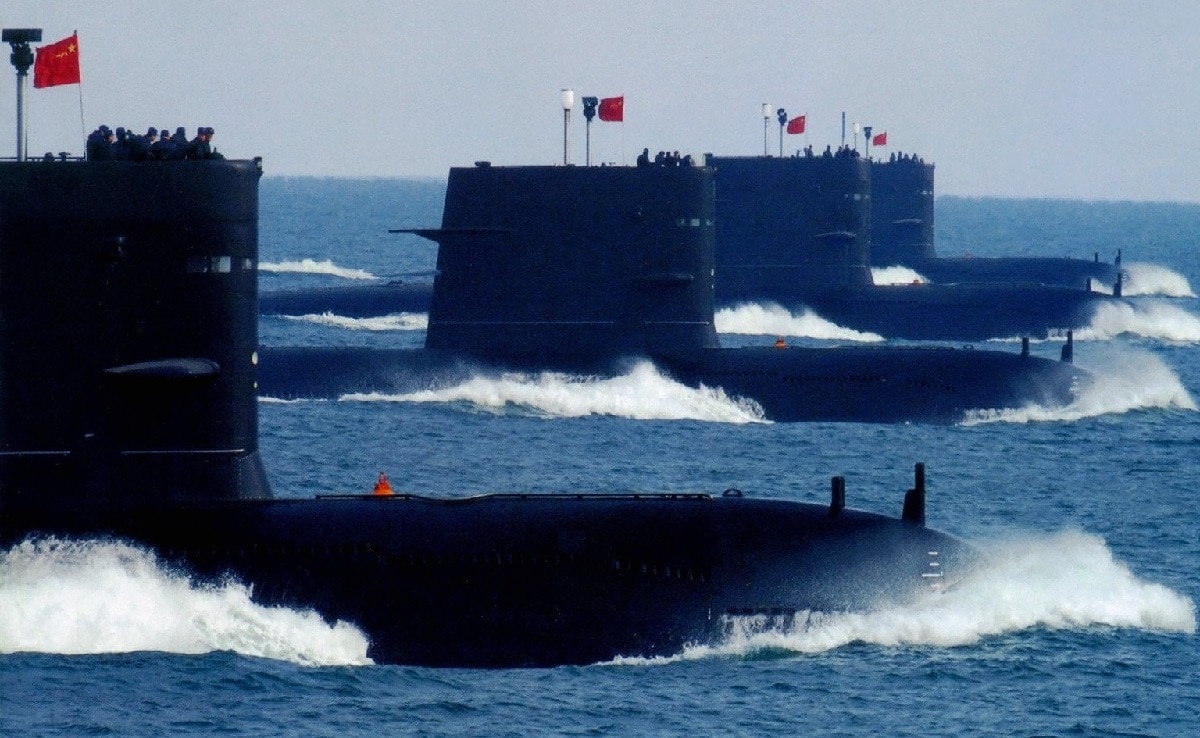
Chinese Navy Submarine and Major Surface Ship Order of Battle

Image: Creative Commons.

Below are some info-graphics provided by Sarah Kirchberger on the CIMSEC Internal Discussions Facebook page. I wanted to share them with you. (Not included in the listings are Chinese aircraft carriers, amphibs, and numerous frigates, corvettes, and other small combatants.) I have also provided her notes included with the three Facebook posts, but first some observations.

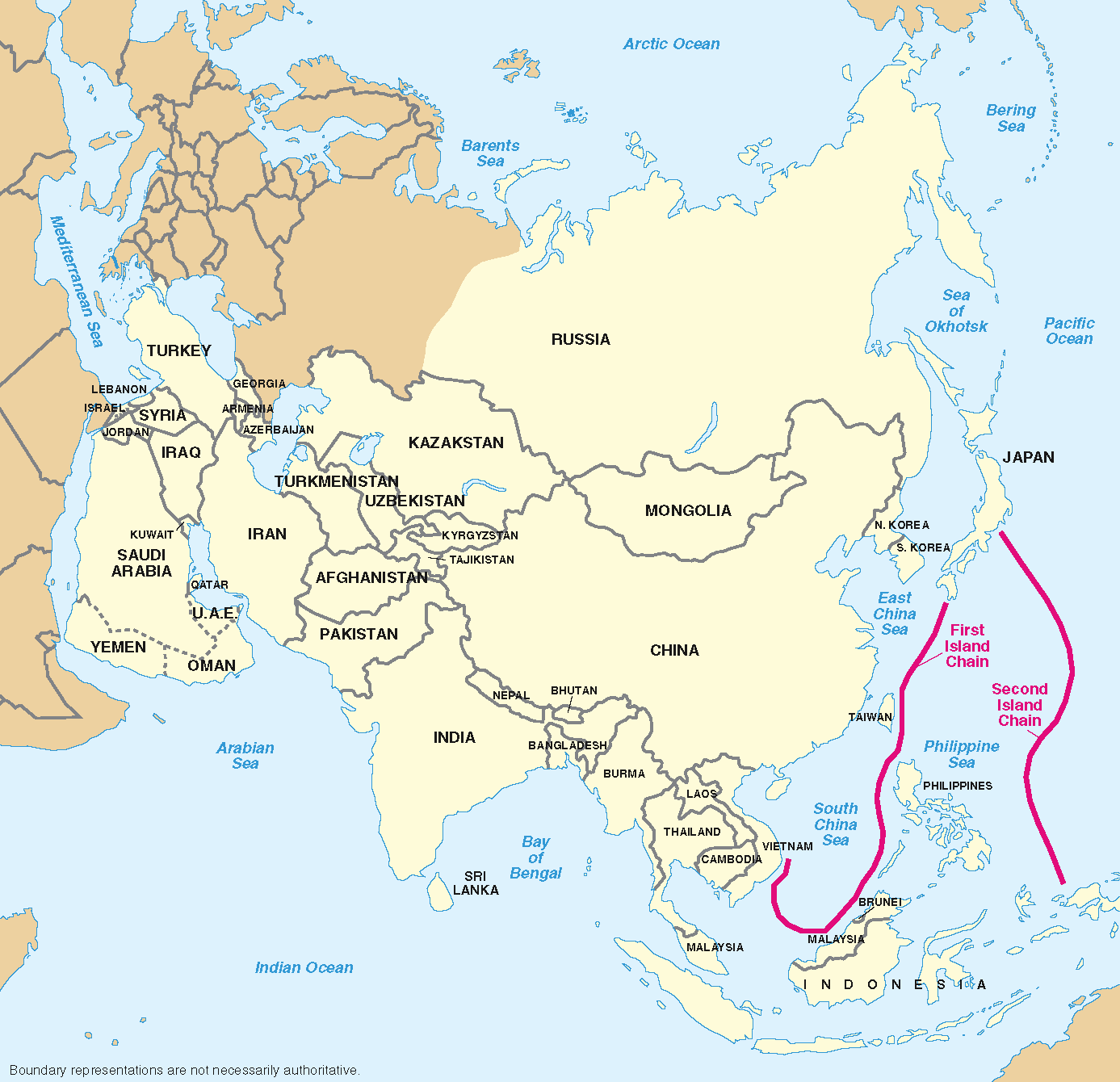
Geographic Boundaries of the First and Second Island Chains. Image:China Report 2006.pdf. DOD.

What does this have to do with the Coast Guard?

My expectation is that, if there is a major prolonged conflict with the Chinese, that the primary theater of operations will be inside and around the “First Island Chain” with Taiwan the critical center (Think Malta in the Mediterranean during WWII). The Chinese surface fleet is not likely to make significant operations outside this area. Chinese conventional submarines will also concentrate in this area but will also operate in the Straits that access the South and East China Seas.

The Chinese will make air and missile attack out to at least the “Second Island Chain,” including Guam.

The Chinese will want to attack US logistics and underway replenishment ships outside the Second Island Chain, both for the direct effect of reducing logistics available and for the secondary effect of drawing off units from the primary theater of action.

In the initial phase, the Chinese merchant and fishing fleets might be used to lay mines or even directly attack unarmed logistics and underway replenishment ships using containerized weapon systems supported by satellite targeting. (They might also launch cruise missiles into US ports as an opening salvo.) The Coast Guard Maritime Domain Awareness systems and cargo tracking programs will have a role in neutralizing the Chinese Merchant and distant fishing fleets.

The Chinese will operate at least some of their nuclear submarines (SSNs) (which would have difficulty dealing with USN SSNs) outside the Second Island Chain, perhaps as far East as the US West Coast. While MSC has been told not to expect escorts, the benefits of cutters with embarked Navy (probably Navy Reserve) ASW helicopters (and ultimately towed array systems) within effective helicopter range of a dispersed group of logistics ships to provide at least minimal ASW protection and rescue for the crews of the ships that are inevitably sunk, will quickly become evident. The cutters would hopefully be aided by Navy P-8 maritime patrol aircraft and any combatants making the transit trans-Pacific.

(None of the above reflects anything official, it is just the logic of the geography and the capability of the participants.)

Incidentally the format use below would be a good way for the Coast Guard to present its plans for major cutters.

Now to the Kirchberger posts:


After a long pause in making these info graphics, here is an overview of the *approximate* type and age structure of Chinese nuclear-powered submarines. I am decidedly less confident than with the surface fleet graphs about the accuracy of the information, which is why it took so long. Basically, I have decided to just visualize the data given in Manfred Meyer’s book ‘Modern Chinese Maritime Forces’ (March 2023 update) with some minor adjustments based on cross-checking with own research in Chinese newspaper reports. Despite the caveat, the graph might be useful to some, therefore posting it. I will periodically update as more information becomes available.

Blue arrow means boat is (most likely) in service as of April 2023, white means not yet or not any more in service, but may already be launched. Striped means: status unknown.

Feel free to use and republish (unaltered) with attribution. In case you find mistakes, I’d appreciate a note so I can make corrections during the next round!

Here is now also a visual overview of the PLA Navy’s conventionally powered submarine fleet. Blue arrow means boat is most likely in service as of April 2023, white arrow means not yet, or not any more, but may already be launched. The teal color indicates boats equipped with a (Stirling) AIP. Does not include test submarines (such as the Type 032), the unknown type sailless submarine, nor midget submarines.

Feel free to use and republish (unaltered) with attribution. In case you find mistakes, I’d appreciate a note so I can make corrections during the next round!

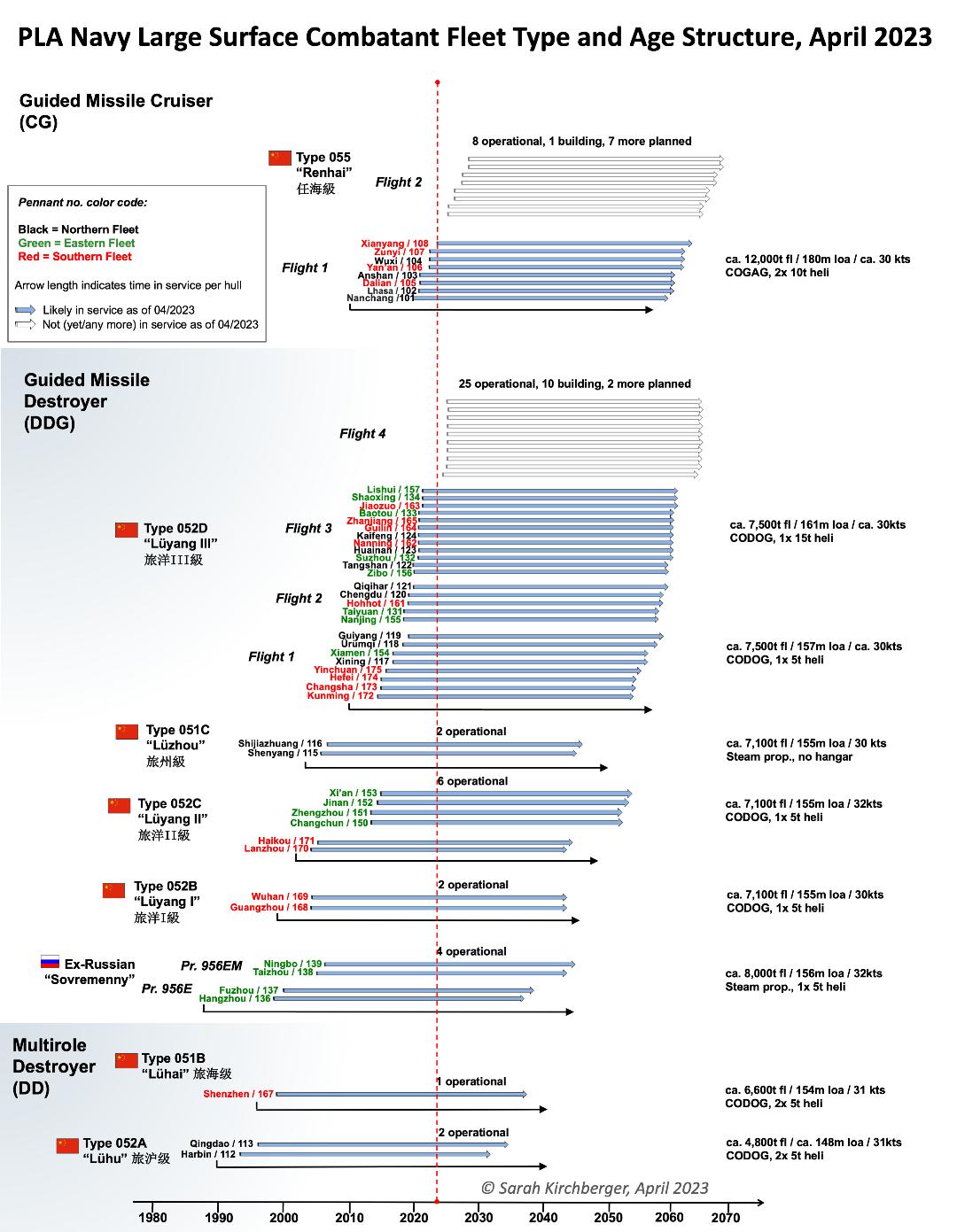
The speed of naval shipbuilding in China is such that it is easy to overlook that China has earlier this year commissioned the eighth and last of Flight 1 of its new cruiser, the Type 055 (never mind that the PLAN refers to it as a destroyer – at >12,000t full load, 180m length, and given its armament, it looks like a cruiser more than a destroyer).

Since the lead ship entered service in early 2020, China has commissioned altogether 8 of these Type 055 cruisers within a timespan of just 3 years! Further, 8 more are apparently already in the works, for a class of at least 16.
Here is an updated graphic overview of the type and age structure of China’s large surface combatants. Arrows indicate maximum time in service from commissioning until decommissioning – program start and build start is therefore not shown. 40 years per hull may be a bit long (30 years is common practice in most advanced navies), but in practice some navies have operated their surface combatants that long, so I choose to give the maximum conceivable length.
It is interesting to see how the arms embargo since 1989 initially disrupted naval shipbuilding, leading to multiple classes of just one or two hulls being built next to a Russian import, and how mass production finally took off from the Type 052D onward.
The Chinese official newspaper Global Times commented on the completion of the Type 055 class here: https://www.globaltimes.cn/page/202304/1289571.shtml
Feel free to use and reproduce this graph for non-commercial purposes (with attribution) and please let me know in case of mistakes so I can make corrections during the next iteration!

“Preserving Alaska’s living marine resources” –D17

USCGC Bertolf class National Security Cutter off Unimak Island, Aleutians, Alaska

Below is a summary of District 17’s Living Marine Resources conservation and management efforts. There is also information about the Magnuson-Stevens Fishery Conservation and Management Act (MSFCMA), 1976, that resulted in the expulsion of foreign fishing vessels from a 200 mile Exclusive Economic Zone even before the United Nations Convention on Law of the Sea and about the North Pacific Regional Fisheries Training Center (NPRFTC) (one of five such centers) that “teaches the enforcement of Conservation and Management Measures on behalf of four international fisheries commissions and 62 signatory nations across North and South America, Asia, Oceania, Europe, and Africa, covering over 80 percent of the Pacific Ocean​.”


April 20, 2023

Preserving Alaska’s living marine resources

ANCHORAGE, Alaska — Alaska supports some of the most abundant and diverse marine ecosystems in the world. With more than 46,000 miles of shoreline – more than all of the lower 48 U.S. states combined – the ocean is an integral part of Alaska’s ecosystems, economy, history and culture. According to National Marine Fisheries Service’s (NMFS) Fisheries of the United States 2020 report, U.S. commercial fisheries landed 8.4 billion pounds of seafood valued at 4.7 billion dollars, 199-million saltwater recreational fishing trips were taken, and recreational anglers caught one billion fish with 65 percent released alive. According to the 2019 report, commercial and recreational saltwater fishing supported 1.8 million. Alaska produces more than half the fish caught in waters off the U.S. coast, provides jobs and a stable food supply for the nation, and supports a traditional way of life for Alaska Natives and local fishing communities. Protection of the state’s 5.7-billion-dollar domestic fishery has never been more crucial.  

The living marine resources (LMR) mission is one of two missions focused on protecting fisheries in and outside U.S. waters. The Coast Guard is responsible for enforcing LMR regulations on domestic, commercial, recreational, and charter fishing vessels. Tasked with enforcing applicable fisheries laws in partnership with the NMFS, the Coast Guard’s goal is to provide the at-sea law enforcement presence necessary to reach national goals for LMR conservation and management. Vessel boardings are a critical component to accomplishing this mission providing an opportunity for teams to inspect a vessel’s catch, gear, and other items to ensure regulatory compliance as well as safety.

“The 17th Coast Guard District’s LMR mission is to promote a level playing field in Alaska’s extremely valuable commercial fisheries, protect resources, and ensure safety of life at sea,” said Lt. Cmdr. Jedediah Raskie, D17’s domestic fisheries enforcement chief. “The LMR enforcement mission is a complex operation requiring in-depth planning, multilateral partnerships and inter-agency collaboration. A continued at-sea presence is crucial, and this is only accomplished through dedication and teamwork with our enforcement partners.”

Those partners include:

Coast Guard – Coast Guard Cutters from Alaska, Washington, Hawaii, and California, Sector Anchorage, Sector Juneau, North Pacific Regional Fisheries Training Center, Maritime Safety and Security Teams (MSSTs)

State – Alaska State Troopers, Alaska Department of Fish and Game (ADF&G), local law enforcement

Other Federal – NOAA’s Office of Law Enforcement (OLE), Department of State, U. S. Drug Enforcement Administration, Customs and Border Protection (CBP)

Collectively in 2022, D17 patrolled 10,723 NMs, conducted 654 federal LMR enforcement boardings (11 on foreign-flagged vessels), detecting 30 violations on 26 vessels, and seizing catch on three fishing vessels. The top five fisheries violations include logbook discrepancies, no Individual Fishing Quota (IFQ) permit onboard, expired or no federal fisheries permit (FFP) onboard, sea-bird avoidance gear not onboard or improperly constructed, and improperly marked buoys on fishing gear.

“Right now, our teams are heavily involved with enforcement surrounding the opening of Pacific halibut and sablefish season,” said Lt. Cmdr. Jedediah Raskie. “The Pacific halibut and sablefish Individual Fishing Quota (IFQ) program is the largest catch share program in the U.S. and comprises 90 percent of D17’s total fisheries boardings.”

With the IFQ program, each fisherman has a catch quota that can be used during the open season from March to November. The North Pacific Fishery Management Council developed this program to address issues associated with the race-for-fish that had resulted from the open-access and effort control management of the halibut and sablefish fisheries. Top IFQ violations include: not having an official logbook onboard, no IFQ permit and/or FFP onboard, illegally retaining and/or mutilating halibut, and failure to retain and/or log retaining Pacific cod and rockfish.

Background

The Magnuson-Stevens Fishery Conservation and Management Act (MSFCMA) is the primary law governing mariner fisheries management in U.S. federal waters. The act’s keys objectives are to prevent overfishing, rebuild overfished stocks, increase long-term social and economic benefits, and ensure a safe and sustainable supply of seafood. Prior to the MSFCMA, waters beyond 12 NM were international waters and fished by fleets from other countries.

This 1976 law created eight regional fishery management councils responsible for the fisheries that require conservation and management in their region. The councils are charged with conserving and managing fishery resources from 3 to 200 miles off the coast while the State of Alaska manages fisheries that occur within 3 NM from shore. To learn more, visit  About the MSA — U.S. Regional Fishery Management Councils (fisherycouncils.org)).

The North Pacific Fishery Management Council (NPFMC) is one of the regional councils established to oversee fisheries in the 200-mile Exclusive Economic Zone (EEZ). With a jurisdiction of approximately 1,025,000 NM, the council manages more than 140 species within 47 stocks and stock complexes, primarily groundfish in the Gulf of Alaska, Bering Sea, and Aleutian Islands, targeting cod, pollock, flatfish, mackerel, sablefish, and rockfish species harvested by trawl, longline, jig, and pot gear. The council also makes allocation decisions for halibut in concert with the International Pacific Halibut Commission that biologically manages the resource for U.S.-Canada waters. Other large Alaska fisheries for salmon, crab, and scallops are managed jointly with the State of Alaska. More at North Pacific Fishery Management Council – Managing Our Nation’s Fisheries Off The Coast Of Alaska (menlosecurity.com).

To better enforce the fishery council’s management plans, the Coast Guard determined that region specific training was necessary to ensure boarding officers received adequate instruction in enforcing the increasingly complex laws that govern our nation’s living marine resources. The Coast Guard’s five fisheries training centers are dedicated to providing training in LMR and protected marine species law enforcement to eliminate natural resource degradation associated with recreational boating, recreational fishing, commercial fishing, and illegal incursions by foreign fishing vessels into our EEZ.

The North Pacific Regional Fisheries Training Center (NPRFTC) in Kodiak trains students operating across the vast and harsh environments of the Seventeenth Coast Guard District, to include the Arctic Ocean, Bering Sea, Aleutian Islands archipelago, Gulf of Alaska, and the Inside Passage, an area that encompasses 3,853,500 SQ NM of sea and more than 47,300 miles of coastline. NPRFTC also teaches the enforcement of Conservation and Management Measures on behalf of four international fisheries commissions and 62 signatory nations across North and South America, Asia, Oceania, Europe, and Africa, covering over 80 percent of the Pacific Ocean​. NPRFTC personnel provide instruction to surface and aviation law enforcement crews, command personnel and supporting staff, and deployable specialized forces units. Upon completion of the training, boarding officers are then charged with carrying out the LMR by performing at-sea boardings to ensure compliance.

The nation’s waterways and their ecosystems are vital to the country’s economy and health. The Coast Guard’s LMR mission is to assist in preventing the decline of marine proteced species populations, promote the recovery of marine protective species and their habitats, partner with other agencies and organizations to enhance stewardship of marine ecosystems and ensure internal compliance with appropriate legislation, regulations, and management practices.

“US First OTH V cutter boat delivered to Coast Guard for operational test and evaluation” –CG-9

A Coast Guard crew tests a newly delivered over the horizon V cutter boat near Cape May, New Jersey. U.S. Coast Guard photo.

The Acquisitions Directorate (CG-9) reports


The Coast Guard on April 18 accepted delivery of its first fifth generation over the horizon (OTH V) cutter boat, which will support fast response cutter Angela McShan, based in Cape May, New Jersey. This is the first of four OTH Vs ordered for operational test and evaluation under a 10-year contract awarded to Inventech Marine Solutions of Bremerton, Washington, in August 2022. The contract supports delivery of up to 194 boats and has a total value of almost $100 million.

The OTH V will be deployed across the Coast Guard fleet of national security cutters, fast response cutters, offshore patrol cutters, polar security cutters and legacy medium endurance cutters. Outfitted with an onboard navigation and communications system, the OTH V will provide a high-speed capability to extend parent cutter capabilities when deployed in support of multiple Coast Guard missions.

OTH Vs will support mission accomplishment in almost all mission areas, with emphasis on search and rescue, drug and migrant interdiction, living marine resources, defense readiness, and ports, waterways and coastal security operations.

For more information: Boat Acquisition Program page

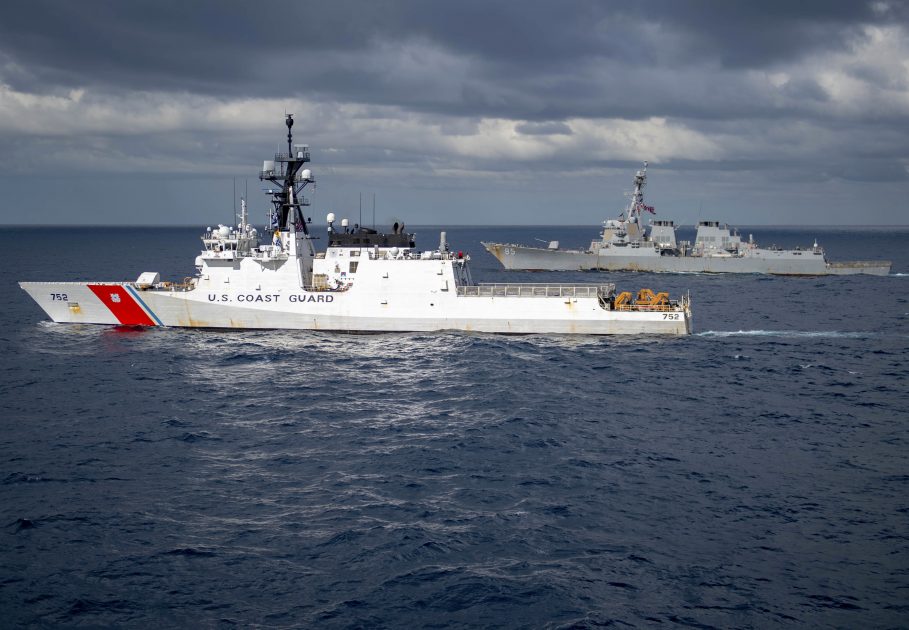
USCGC Stratton Headed for the Western Pacific

USCGC Stratton (WMSL-752), left, and the U.S. Navy Arleigh Burke-class guided-missile destroyer USS McCampbell (DDG-85) maneuver in formation during Talisman Sabre 2019 on July 11, 2019. US Navy Photo

American Military News reports, “Coast Guard cutter changes command in Honolulu en route to South China Sea.”

I don’t think there is anything unexpected or surprising here, but it does provide a good overview and perspective on what the five Pacific Area cutters of this class have been doing.

It also notes another ship of this class, USCGC “Kimball is currently dry-docked at Pacific Shipyards International in Honolulu Harbor for its first maintenance period since it first arrived in Hawaii in 2018.”