“Coast Guard selects builder for next-generation over the horizon cutter boats” –CG-9

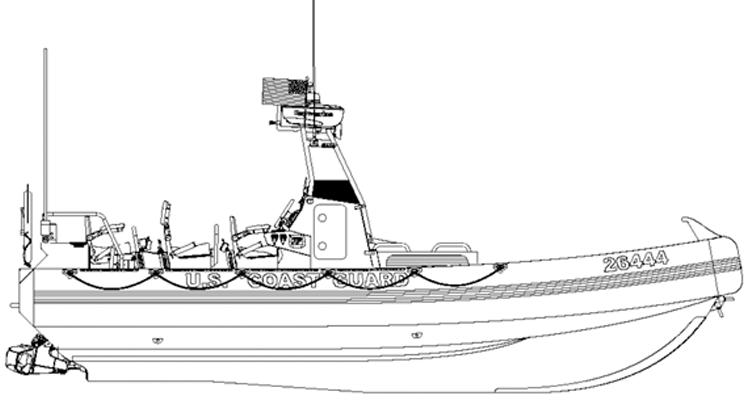
Over the horizon V cutter boat line drawing. Image courtesy of Inventech Marine Solutions.

The Acquisitions Directorate (CG-9) has announced award of a contract for a new class of 8 meter, Over the Horizon Cutter Boats.


The Coast Guard selected Inventech Marine Solutions of Bremerton, Washington, to build the next generation of over the horizon (OTH V) cutter boats. The first delivery order for four OTH Vs was placed Aug. 3 with a value of $1.973 million. These four OTH Vs will be used for operational test and evaluation before the program moves to full production. The 10-year contract supports delivery of up to 200 boats with a total value of approximately $103 million.

Beyond the similarities of speed and weight between the OTH V and the OTH IV it is replacing, the OTH V will include improved waterjet control technology, the second generation Scalable Integrated Navigation System, new generation communications equipment and the Coast Guard’s first boat shock monitoring system, which will provide the crew with real-time information on wave impact severity. The OTH V is powered by a marine diesel engine and waterjet, with a top speed of approximately 40 knots and a range in excess of 170 nautical miles. The dimensions are limited to 26 feet long by 8.5 feet wide, with a maximum performance weight of 8,700 pounds, to ensure compatibility with the various Coast Guard cutters it will support.

The Coast Guard awarded four OTH V indefinite delivery, indefinite quantity contracts in June 2021, purchasing one boat from each contractor. Following delivery of the boats, the Coast Guard detailed five test crews to Norfolk, Virginia, to operate the boats for nearly four months in side-by-side simulated operational events to help identify the best value contract for follow-on production. Naval Surface Warfare Center, Carderock Division, Detachment Norfolk documented particulars of the performance and provided test facilities and support.

The Coast Guard will deploy the OTH V across the Coast Guard’s cutter fleet to national security cutters, fast response cutters, offshore patrol cutters, legacy medium endurance cutters, future polar security cutters and in-service polar icebreakers.

OTH V cutter boats will support almost all mission areas, with emphasis on search and rescue; drug and migrant interdiction; living marine resources; defense readiness; and ports, waterways and coastal security.

For more information: Boat Acquisition Program page

Happy Coast Guard Day

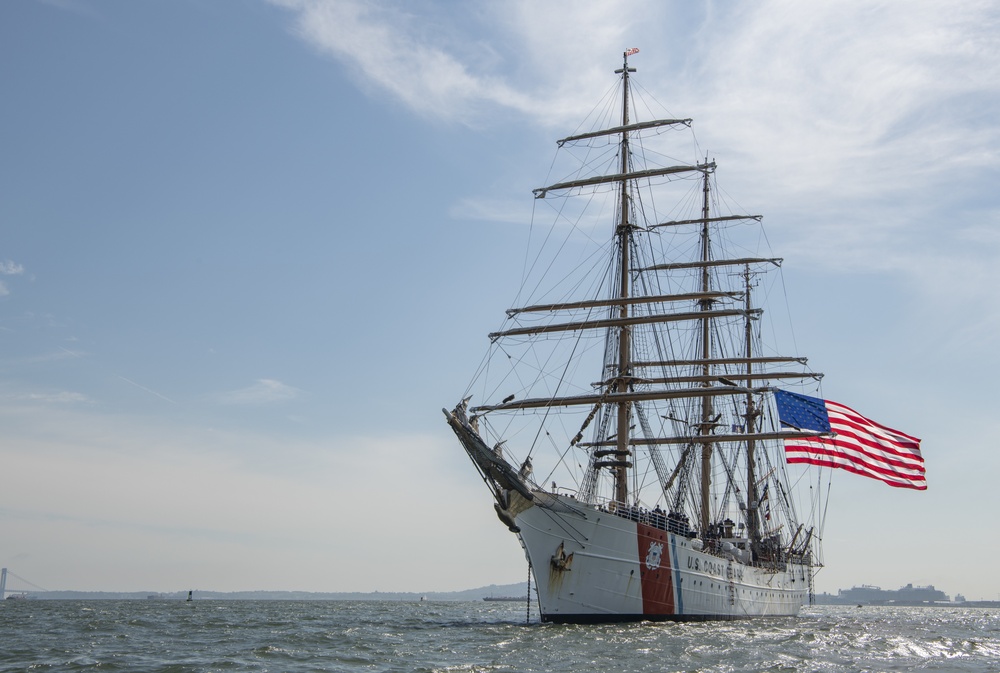
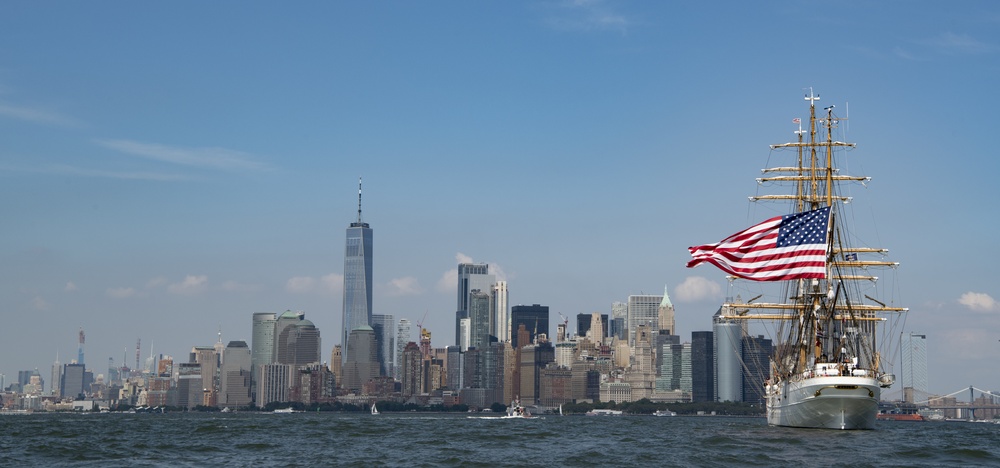
U.S. Coast Guard Barque Eagle (WIX 327), arrives in New York City, N.Y., Aug. 15, 2019. (U.S. Air Force photo by Staff Sgt. Cory D. Payne)
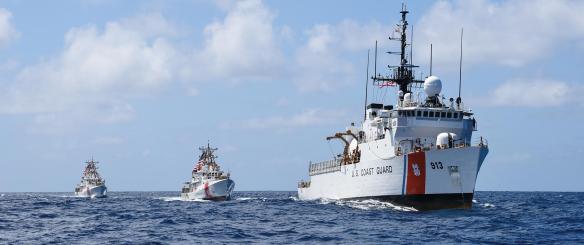
USCGC Mohawk (WMEC-913), Clarence Sutphin Jr. (WPC-1147), and John Scheuerman (WPC-1146)
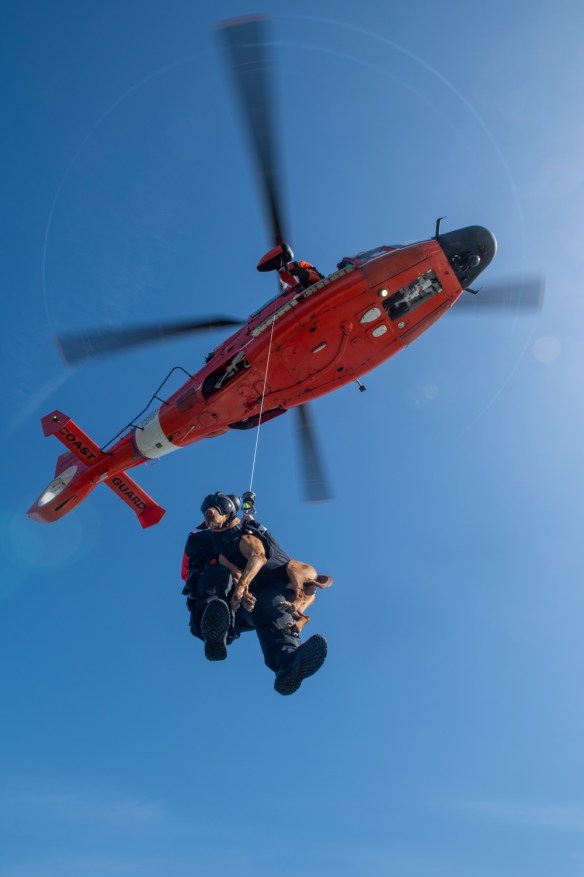
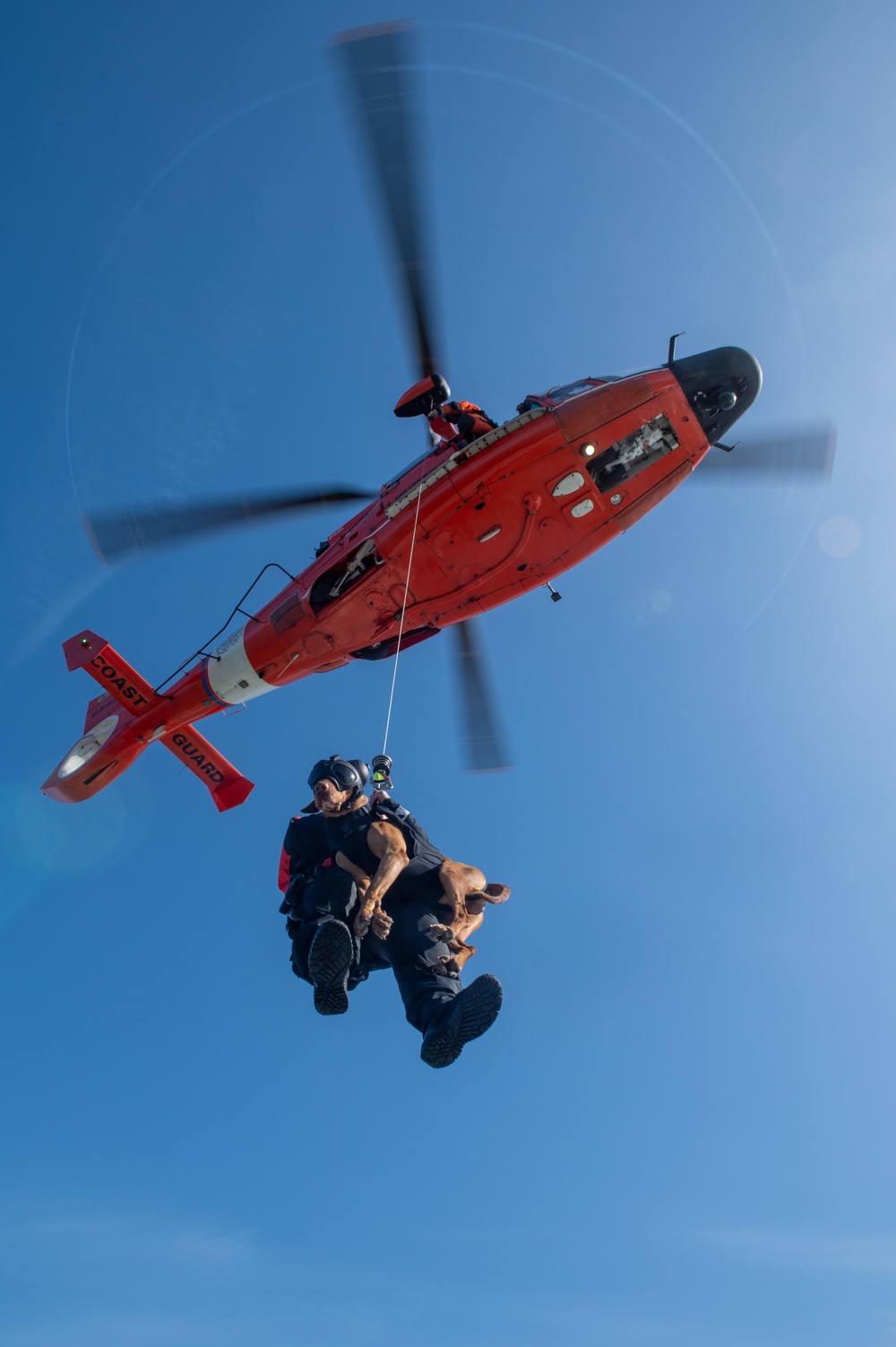
Feco and his handler Petty Officer 1st Class Cory Sumner, members of Maritime Safety and Security Team San Francisco, are being hoisted to an Air Station San Francisco MH-65 Dolphin Helicopter during training in San Francisco Bay, April 13, 2021. Hoist training allows the canine and their handler to get comfortable working in and around aircraft. (U.S. Coast Guard photo by Petty Officer 3rd Class Taylor Bacon)
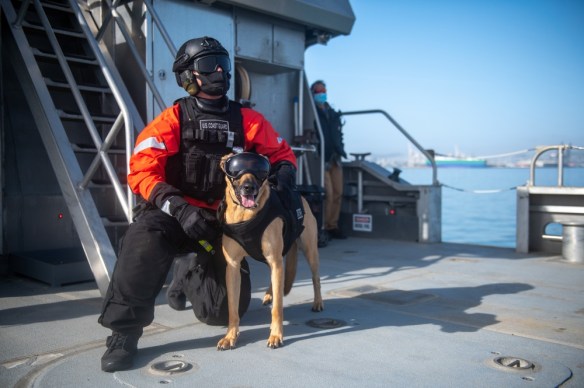
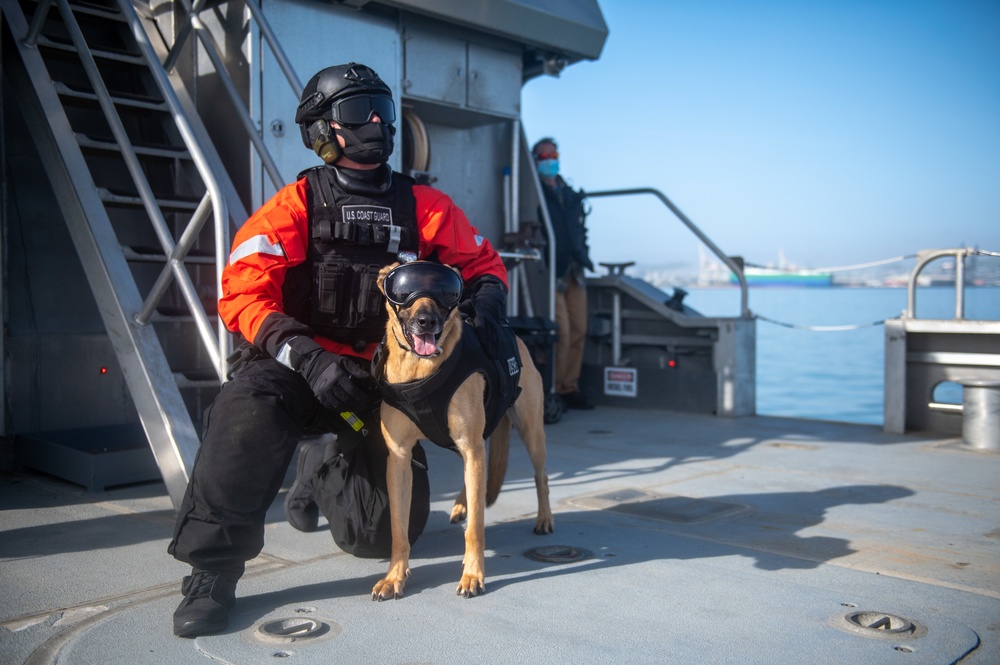
Coast Guard canine Kelly and her handler Petty Officer 2nd Class Jacob Brasker, members of Maritime Safety and Security Team Los Angeles/Long Beach, await a hoisting line from an Air Station San Francisco MH-65 Dolphin Helicopter during training in San Francisco Bay, April 13, 2021. Hoist training allows the canine and their handler to get comfortable working in and around aircraft. (U.S. Coast Guard photo by Petty Officer 3rd Class Taylor Bacon)

USCGC Cushing sails past the Statue of Liberty
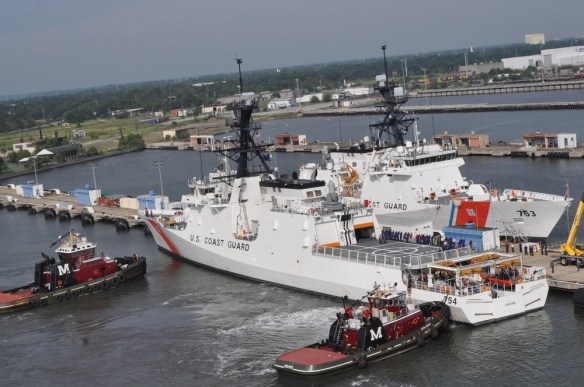
The U.S. Coast Guard Cutter James arrives at its new homeport of Charleston, S.C. Aug. 28, 2015. The James is the fifth of eight planned National Security Cutters – the largest and most technologically advanced class of cutters in the Coast Guard’s fleet. (U.S. Coast Guard photo by Petty Officer 1st Class Melissa Leake)

USCGC Munro (WMSL 755) crewmember Petty Officer 2nd Class Kurt Chlebek, a boatswains mate, is greeted by his dog after Munro returned to their homeport in Alameda, California, Oct. 20, 2021, following a 102-day, 22,000 nautical mile multi-mission deployment. Munro’s crew departed Alameda in July for a Western Pacific patrol and operated in support of United States Indo-Pacific Command, which oversees military operations in the region.
U.S. Coast Guard photo by Chief Petty Officer Matt Masaschi.

A Coast Guard air crew member helps transport a critically injured child from the helicopter to awaiting emergency medical services at Port au Prince, Haiti, Aug. 15. (Lt. David Steele/Coast Guard)
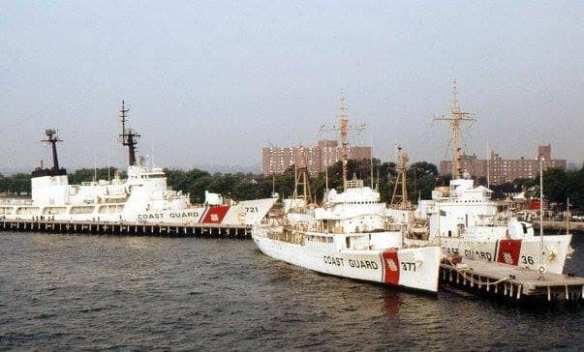
USCGC Gallatin WHEC -721 (378), USCGC Rockaway WHEC-377 (311), and USCGC Spencer WHEC-36 (327)

The Coast Guard Cutter Bridle breaks ice on the Penobscot River in Maine March 17, 2015. Operation renewable energy for Northeast Winters. (U.S. Coast Guard photo by Chief Petty Officer Marc Moore)
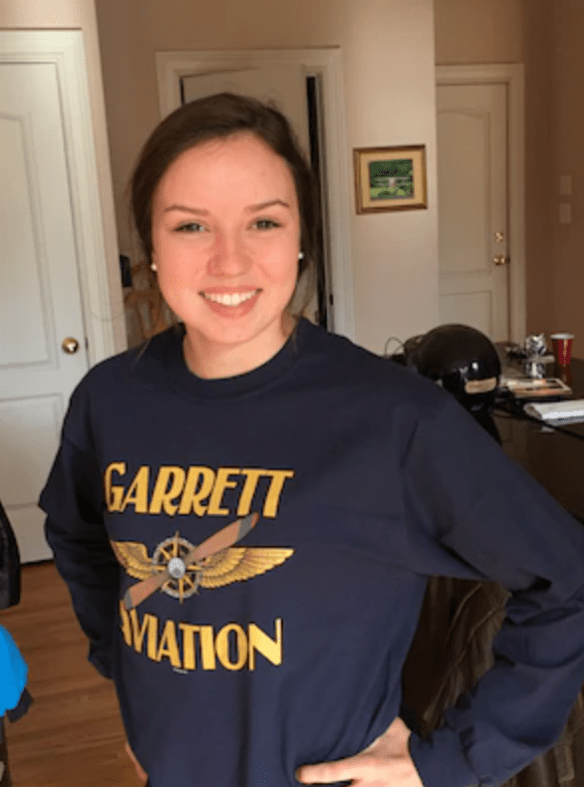
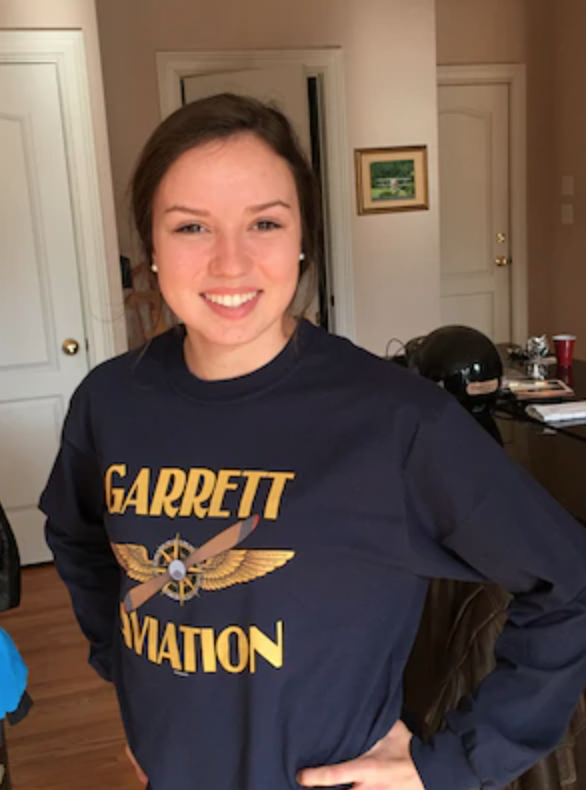
U.S. Coast Guard Ensign Morgan Garrett, 24 years old, from Weddington, N.C., died in an Oct. 23, 2020, crash of a Navy T-6B Texan II trainer aircraft in Foley, Ala. US Navy photo.
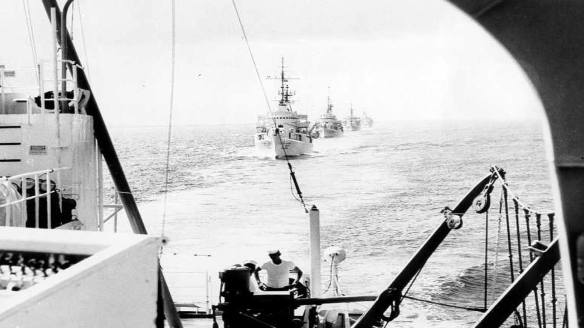
 

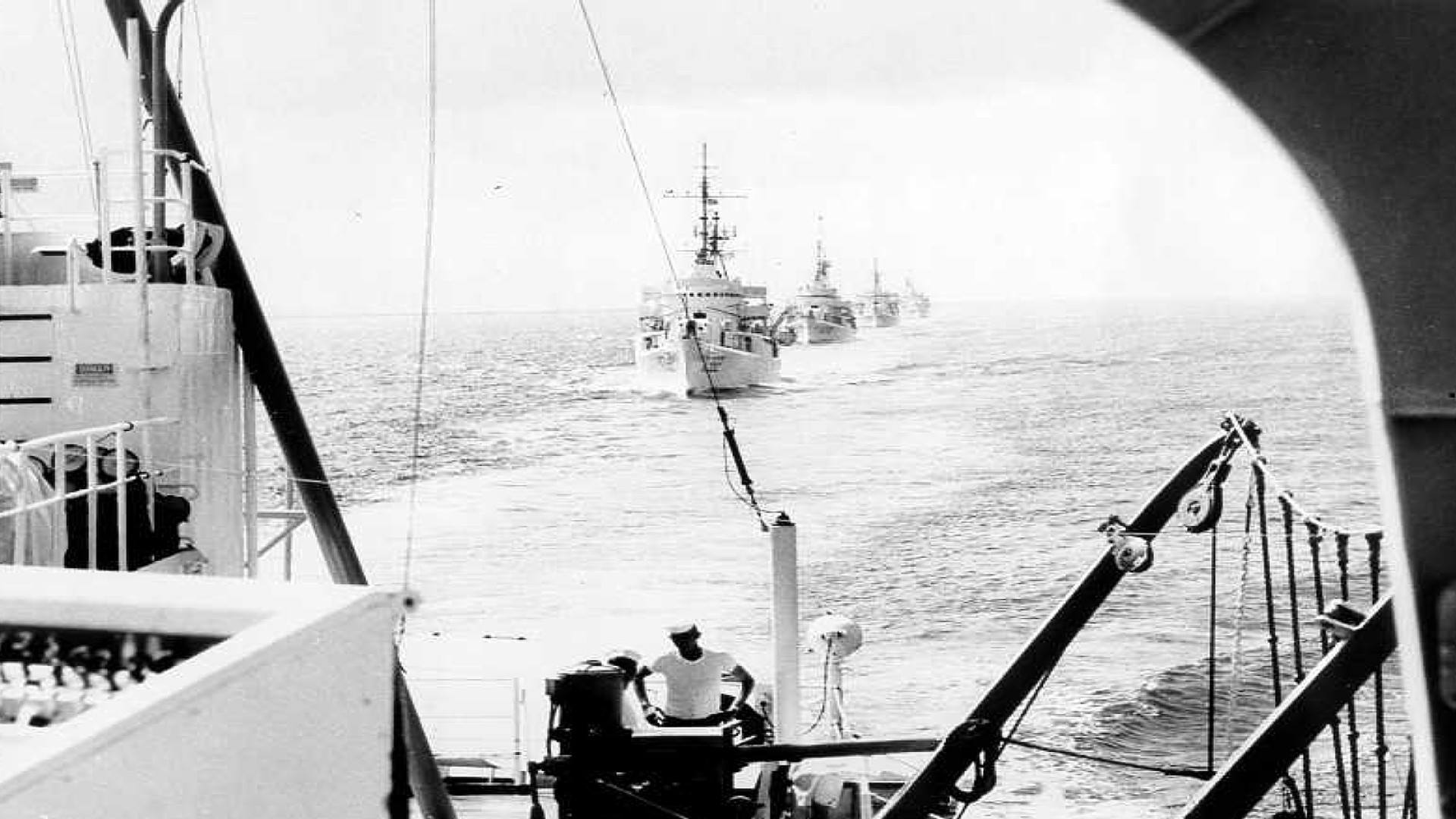
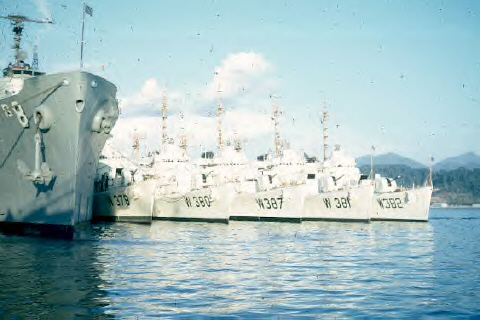
Five 311 foot WHECs en route Vietnam

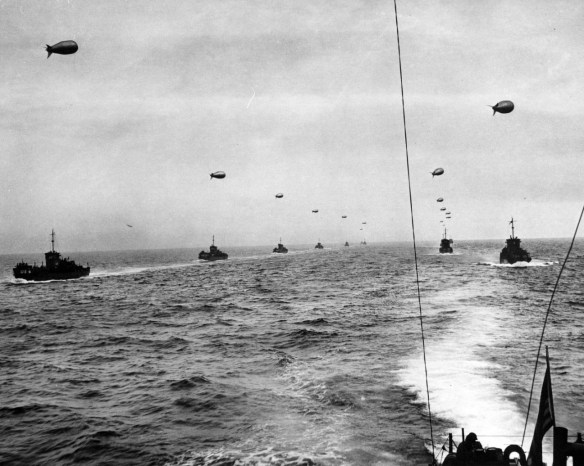
A convoy of Landing Craft Infantry (Large) sails across the English Channel toward the Normandy Invasion beaches on D-Day, 6 June 1944. Each of these landing craft is towing a barrage balloon for protection against low-flying German aircraft. Among the LCI(L)s present are: LCI(L)-56, at far left; LCI(L)-325; and LCI(L)-4. Photograph from the U.S. Coast Guard Collection in the U.S. National Archives.

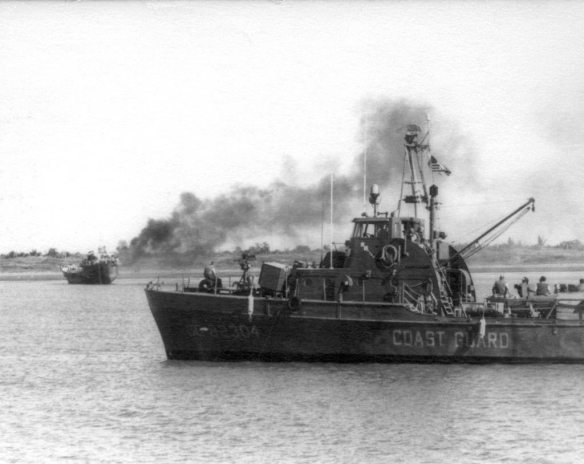
North Vietnamese 100′ Trawler
burns on a South Vietnamese beach after being forced ashore by USCGC POINT LEAGUE, on 20 June 1966. It was carrying an estimated 250 tons of supplies for the Viet Cong. USN 1116663
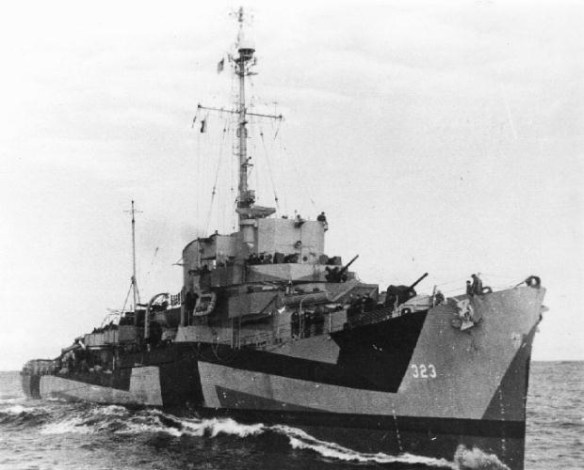
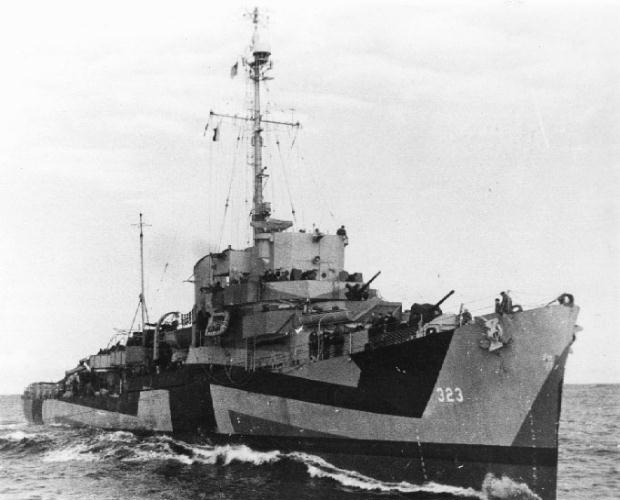
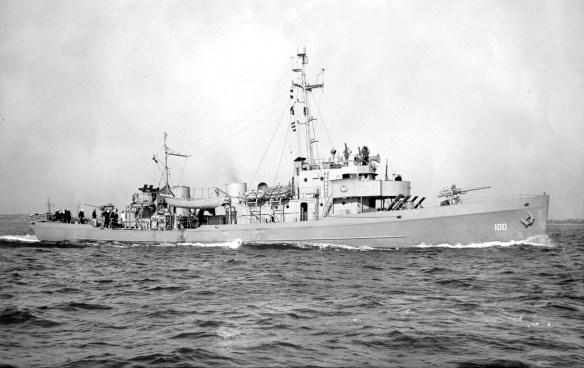
USS Pride (DE-323), Coast Guard manned destroyer escort
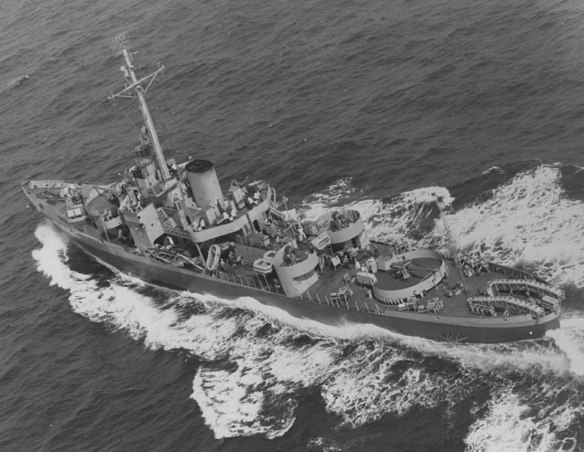
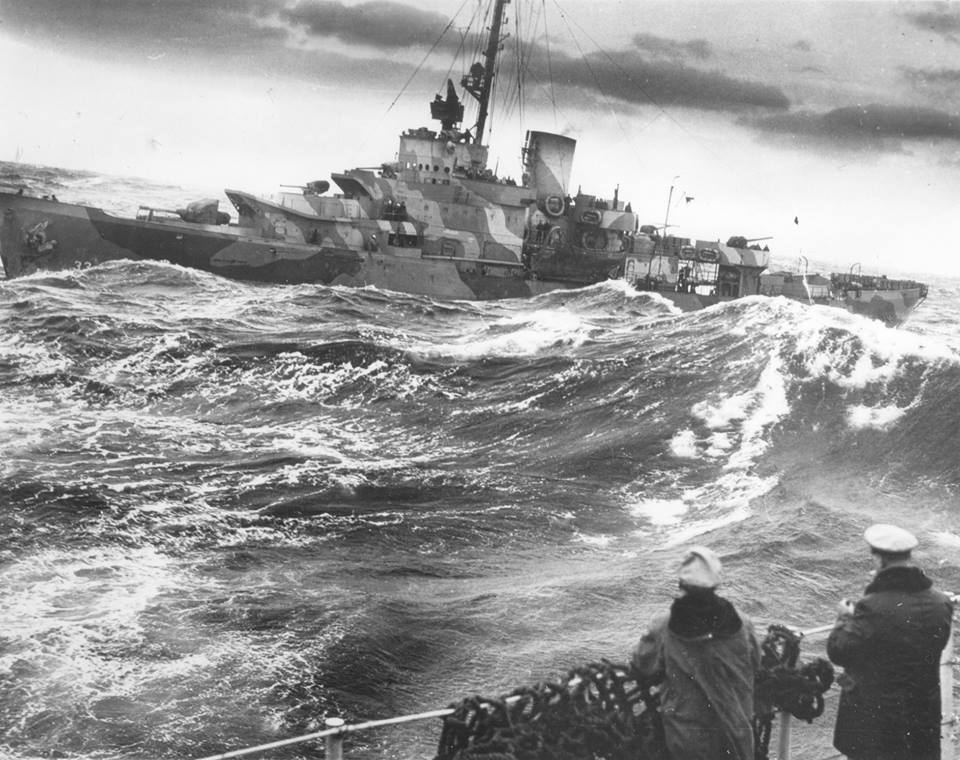
USCGC Campbell (WPG-32) heading to port at Norfolk Navy Yard. 26 July 1943. US National Archives, photo 80-G-76569
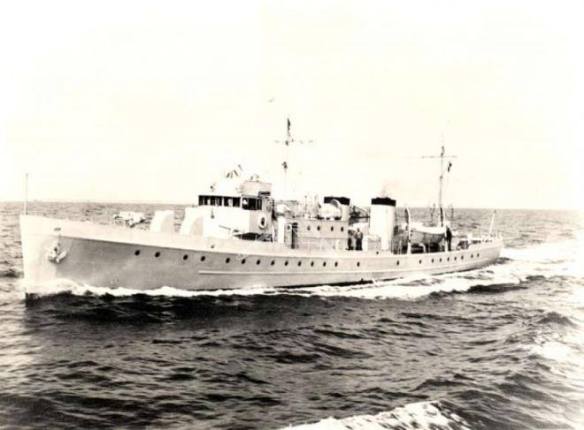
USCGC Thetis (WPC-115)

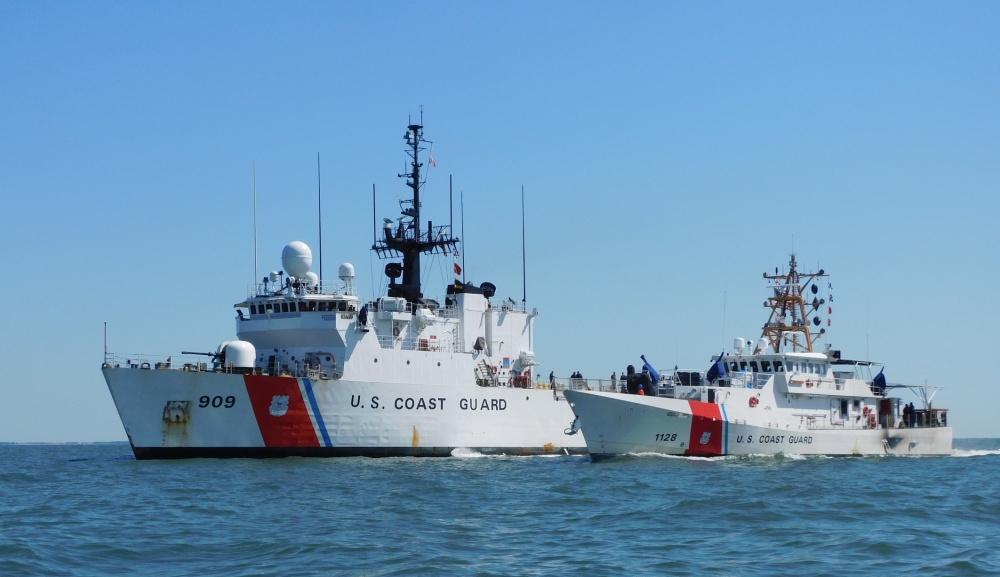
The crew of the Coast Guard Cutter Bruckenthal participates in a fueling exercise with the Coast Guard Cutter Campbell on the Chesapeake Bay, April 11, 2020. The Coast Guard acquired the first Sentinel Class cutter in 2012, with the namesake of each cutter being one of the service’s many enlisted heroes. (U.S. Coast Guard photo by Petty Officer 3rd Class Isaac Cross)
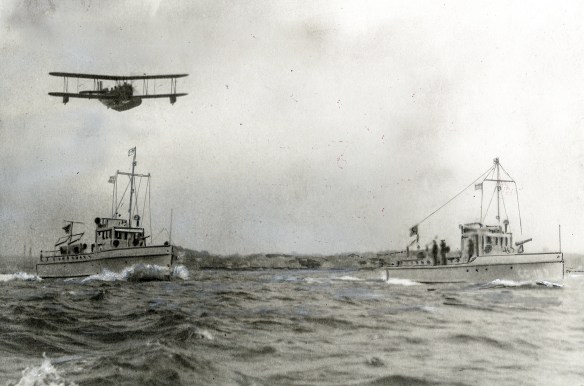
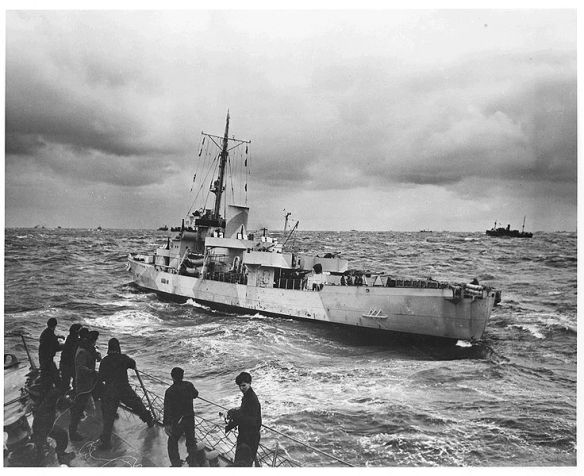
USCGC Spencer (WPG-36) in 1942 or 1943. Spencer sank U-175 with assistance of USCGC Duane, on April 17, 1943.
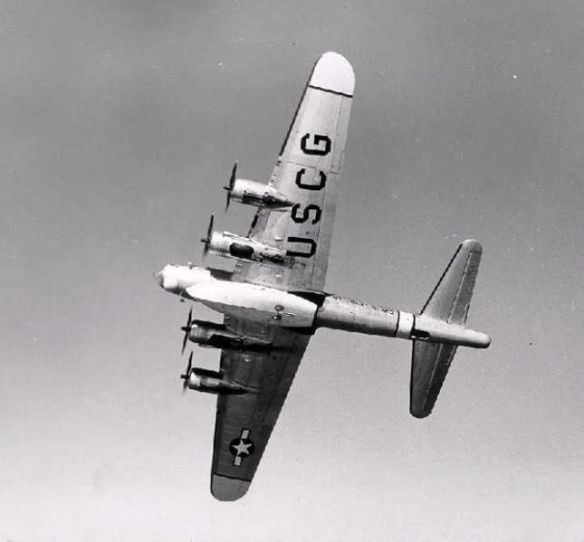
A U.S. Coast Guard Boeing PB-1G Fortress carrying a lifeboat in 1948. The USCG used the PB-1G from 1945 to 1959. US Coast Guard photo 5261

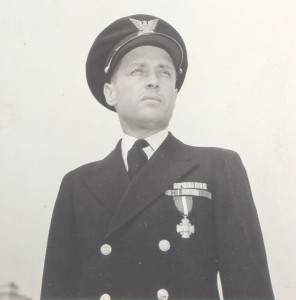
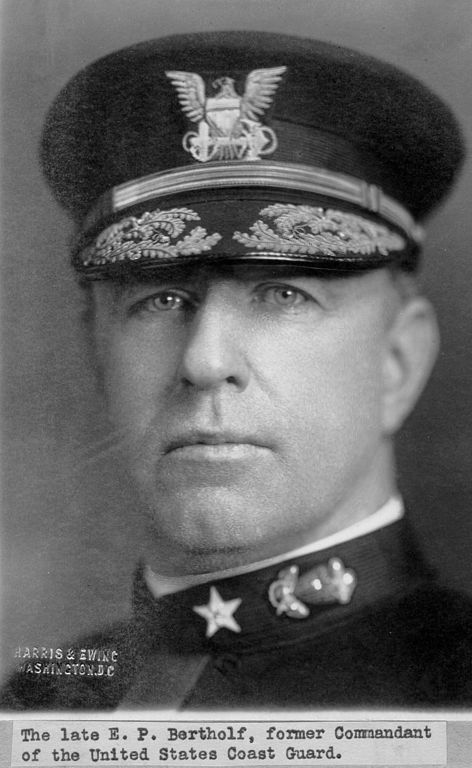
Photograph of Ellsworth P. Bertholf, Commandant of the U.S. Revenue Cutter Service from 1911 to 1915 and Commandant of the U.S. Coast Guard from 1915 to 1919. Coast Guard photo.

“Convoy WS-12: A Vought SB2U Vindicator scout bomber from USS Ranger (CV-4) flies anti-submarine patrol over the convoy, while it was en route to Cape Town, South Africa, 27 November 1941. The convoy appears to be making a formation turn from column to line abreast. Two-stack transports in the first row are USS West Point (AP-23) — left –; USS Mount Vernon (AP-22) and USS Wakefield (AP-21). Heavy cruisers, on the right side of the first row and middle of the second, are USS Vincennes (CA-44) and USS Quincy (CA-39). Single-stack transports in the second row are USS Leonard Wood (AP-25) and USS Joseph T. Dickman (AP-26).”
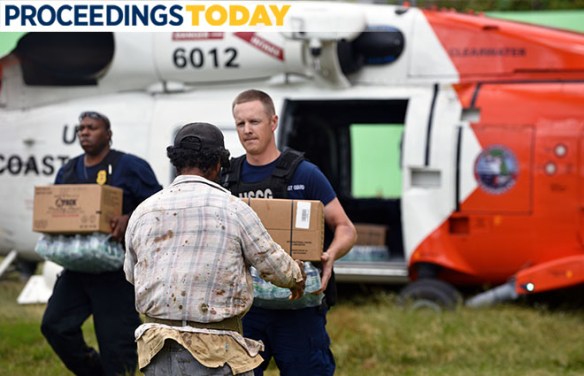
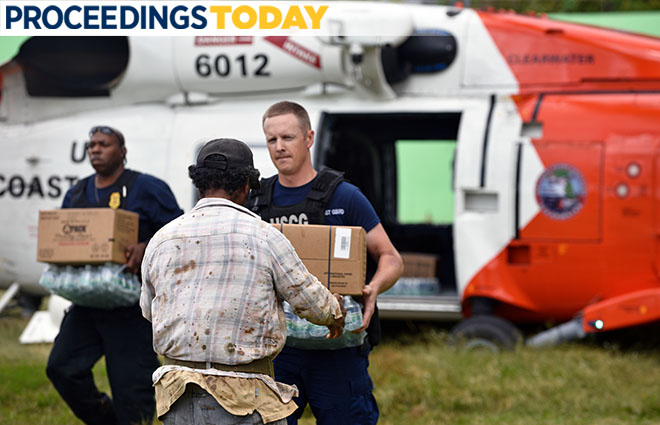
Coast Guard Lieutenant Junior Grade Shane Gunderson and Investigative Service agent Bobby Brisby deliver relief supplies to victims of Hurricane Maria in Puerto Rico. (U.S. Coast Guard photo)
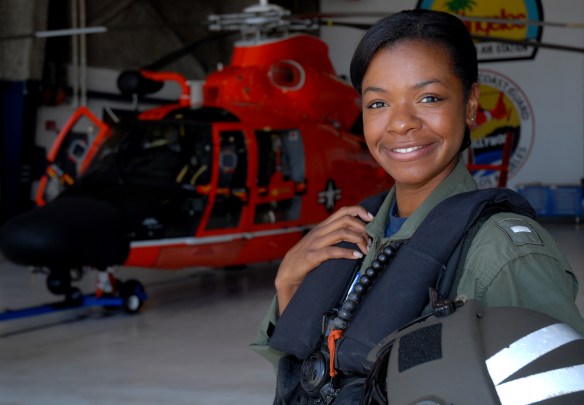
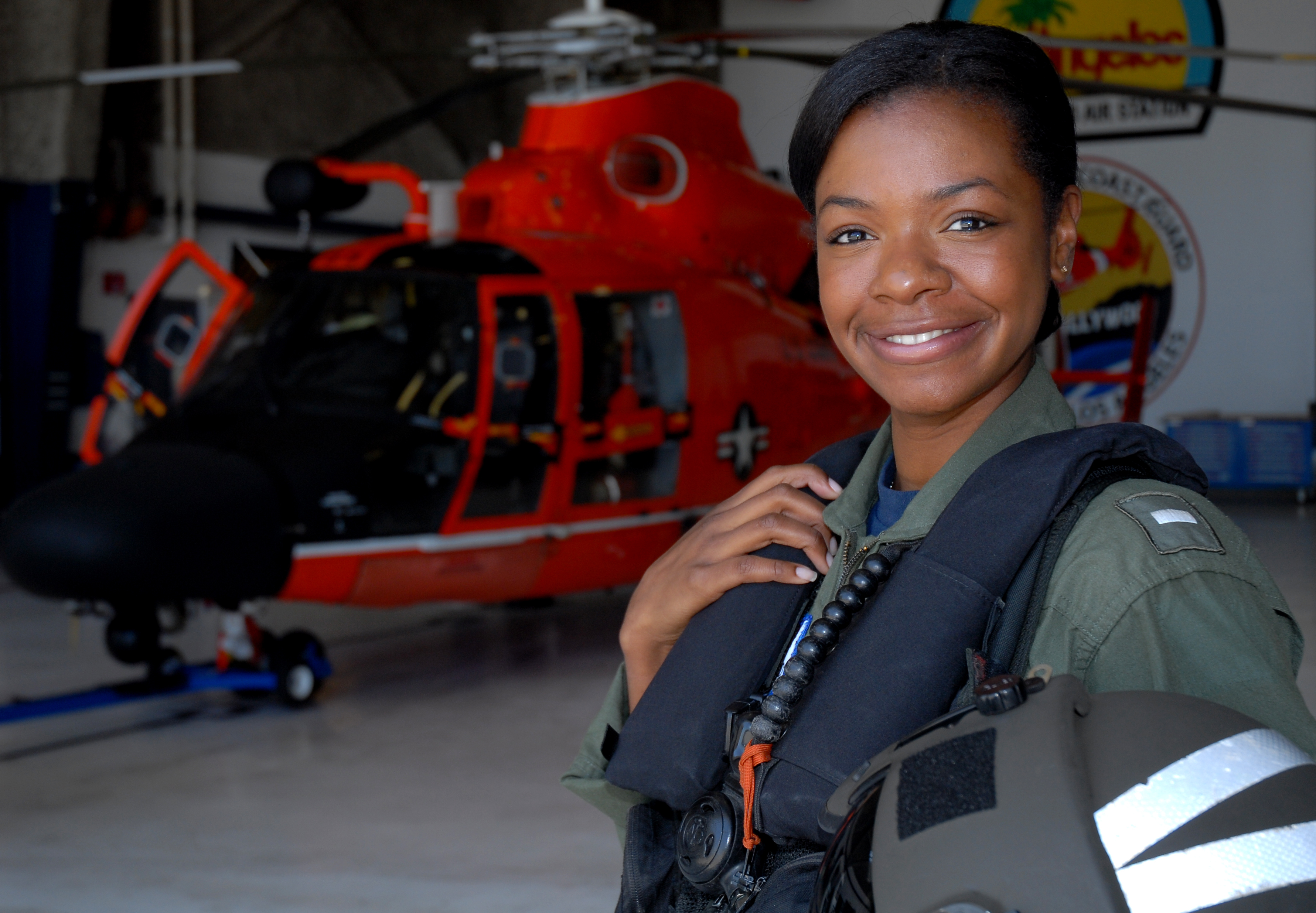
LOS ANGELES – Lt. j.g. Lashanda Holmes stands in front of an MH-65 Dolphin helicopter at Air Station Los Angeles, Aug. 17, 2010. Holmes, from Fayetteville, N.C., is the first female African-American helicopter pilot in the Coast Guard. U.S. Coast Guard photograph by Petty Officer 1st Class Adam Eggers

Miami-class cutter USCGC Tampa photographed in harbour, prior to the First World War. Completed in 1912 as the U.S. Revenue Cutter Miami, this ship was renamed Tampa in February 1916. On 26 September 1918, while operating in the English Channel, she was torpedoed and sunk by the German Submarine UB-91. All 131 persons on board Tampa were lost with her, the largest loss of life on any U.S. combat vessel during the First World War. Official U.S. Navy photo NH 1226 from the U.S. Navy Naval History and Heritage Command

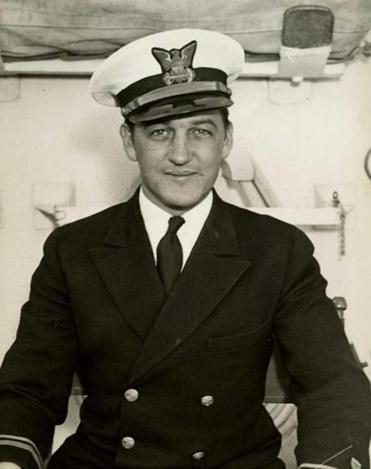
USCG Cmdr Harold S. Berdine of cutter Spencer talking with US Navy Capt Paul Heineman of the Escort Group A-3 after sinking German submarine U-175, North Atlantic, 500 nautical miles WSW of Ireland, 17 Apr 1943. US Coast Guard photo by Jack January
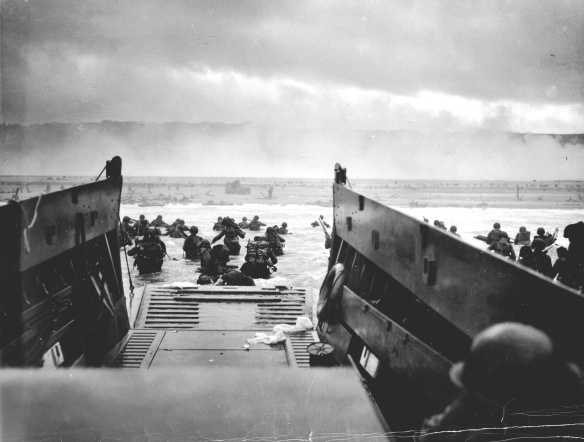
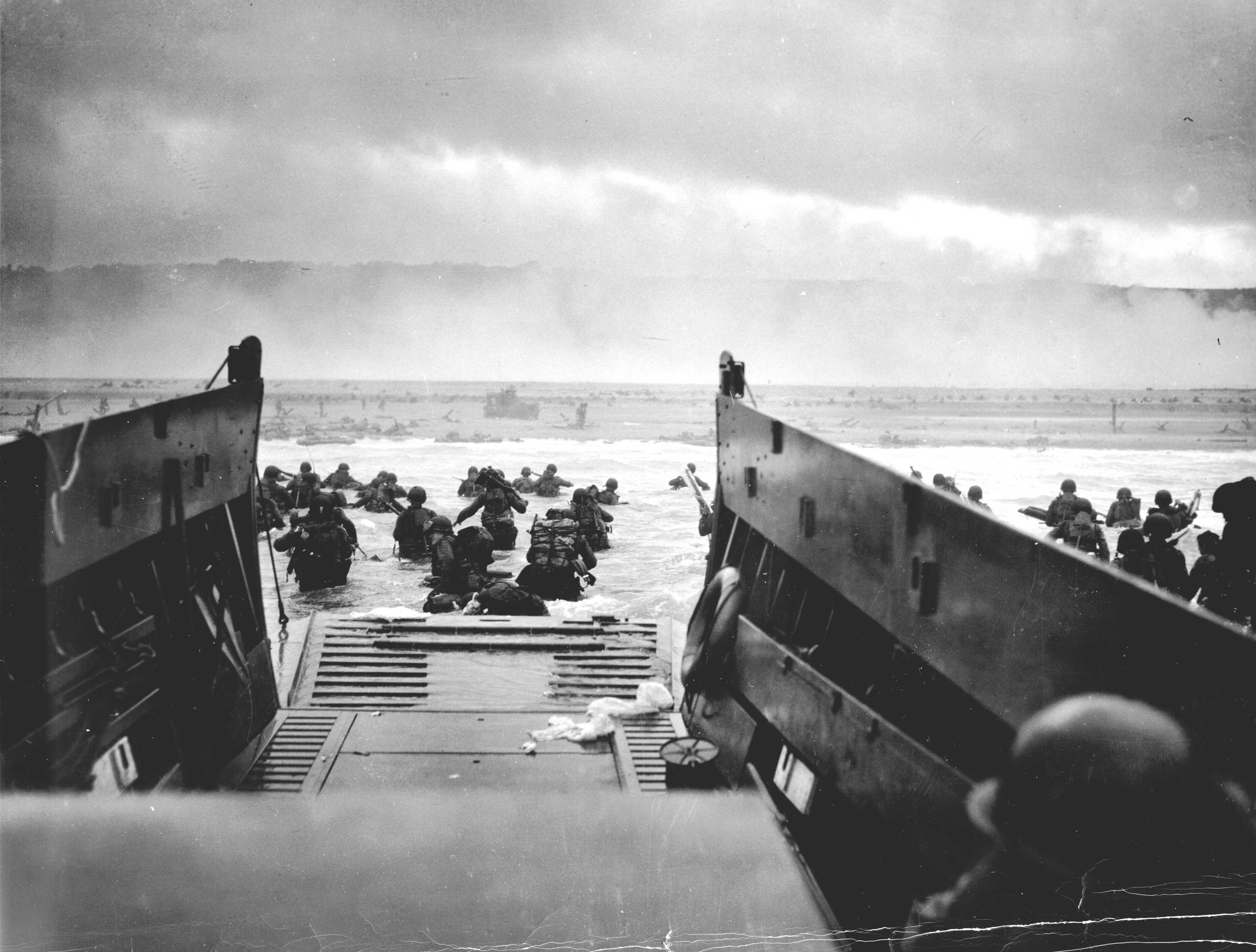
A LCVP (Landing Craft, Vehicle, Personnel) from the U.S. Coast Guard-manned USS Samuel Chase disembarks troops of Company E, 16th Infantry, 1st Infantry Division (the Big Red One) wading onto the Fox Green section of Omaha Beach (Calvados, Basse-Normandie, France) on the morning of June 6, 1944. American soldiers encountered the newly formed German 352nd Division when landing. During the initial landing two-thirds of Company E became casualties.

Lt. Crotty, captured in the Philippines and died in a Japanese POW camp.

USCGC Duane on North Atlantic Convoy Duty
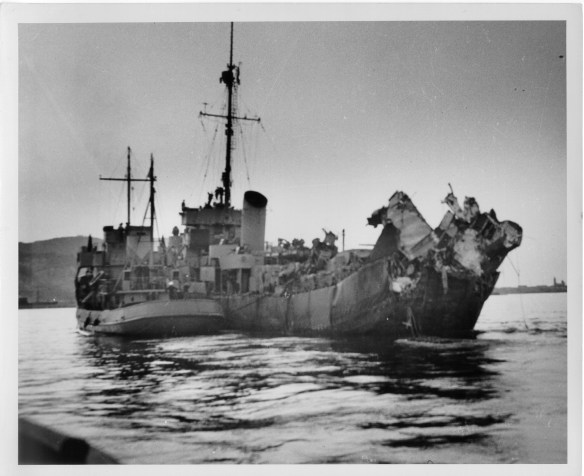
Coast Guard manned Destroyer Escort USS Menges, victim of a German Acoustic Homing Torpedo, May, 1944
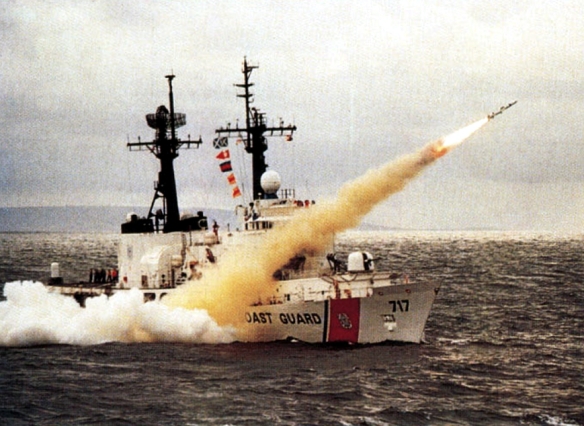
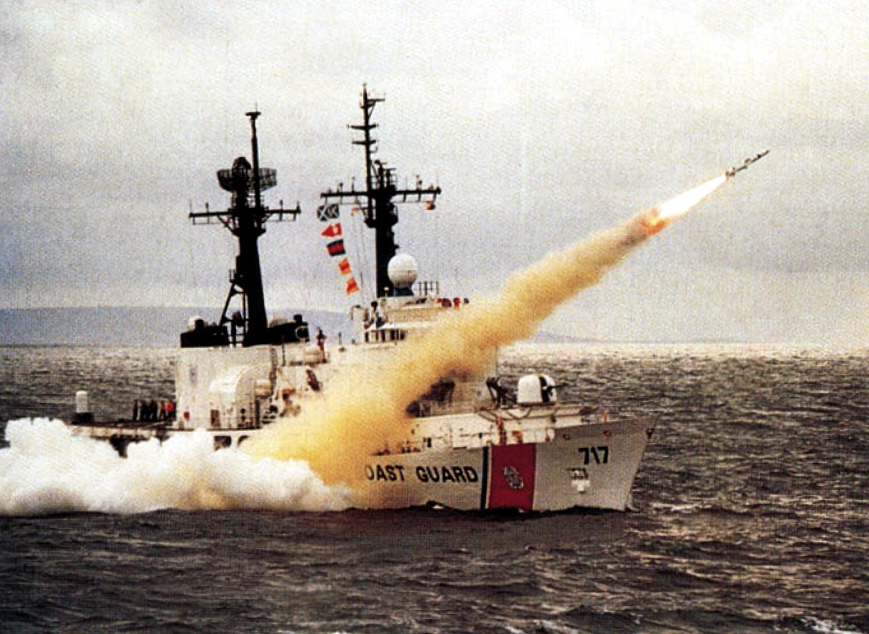
USCGC Mellon seen here launching a Harpoon anti-ship cruise missile in 1990.
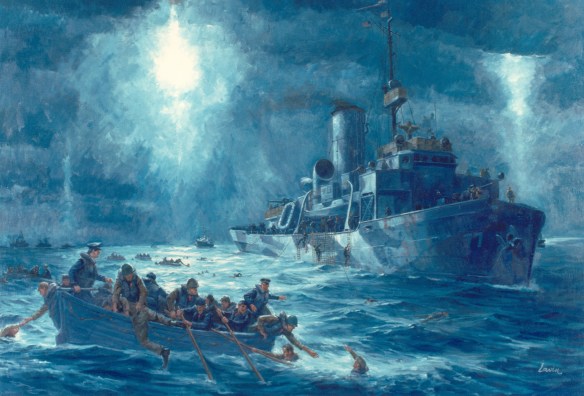
Escanaba rescuing survivors from USAT Dorchester. USCG Image.

The 83-foot Coast Guard cutter USCG 1 off Omaha Beach on the morning of D-Day, tied up to an LCT and the Samuel Chase
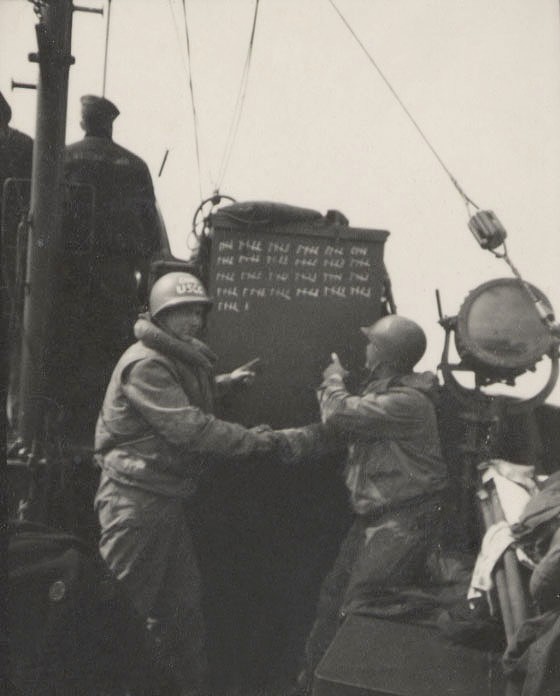
“Crew of CG-16 pointing to the tally board of 126 rescued soldiers.”
Photo courtesy of Terry Hannigan.
(NOT AN OFFICIAL USCG PHOTOGRAPH)
“Blount Boats delivers icebreaking buoy tender” –Marine Log

Marine Log reports,

Delivered earlier this year by the Blount Boats shipyard in Warren, R.I., an icebreaking buoy tender ordered in July 2020, the M/V Eddie Somers, is now in service with the Maryland Department of Natural Resources. Homeported at Somers Cove Marina port at Somers Cove Marina in Crisfield, Md., the 94 x 27 foot vessel will replace the M/V J. Milliard Tawes after nearly 50 years’ service.

There is a better description of the vessel in a 2020 post reporting the construction contract award.

I found this particularly interesting,

Under a cooperative agreement with Virginia and the U.S. Coast Guard, the M/V Somers will also provide this service to Tangier Island in Virginia when requested. During heavy ice seasons, all food, fuel, medicine, and emergency transport going to and from the islands are supplied by the vessel.

Frequently there is talk of the Coast Guard shedding missions. Domestic icebreaking is perhaps one of those that might be considered. Here is a state taking responsibility for at least some elements of domestic icebreaking and at least shallow water buoy tending. Domestic icebreaking might be seen as a Federal subsidy for areas that experience icing.

The Coast Guard, as the agent of domestic icebreaking, makes the most sense when it can be done by vessels that have other missions when icebreaking is not required. Federal funding of domestic icebreaking makes the most sense when it facilitates interstate and international commerce. Like this particular vessel, Coast Guard vessels frequently combine both domestic icebreaking and buoytending capabilities as in the 225 foot buoy tenders and USCGC Mackinaw.

Looking at this vessel, it looks a lot like our proposed Waterways Commerce Cutters. Makes me wonder if an icebreaking capability for at least some of them might be a good idea, if that is not already in the plan?

Thanks to a reader for bringing this to my attention. 

What Ever Happened to the “Six Bitters?”

Port side view of USS Cumberland as a receiving ship, US Naval Academy, Annapolis, MD, 1938 with former USCG 75 foot patrol boats in the foreground.

Just a small footnote in Coast Guard histroy I stumbled across. Apparently, 51 Coast Guard prohibition era 75 foot “six bitter” patrol boats were sold to the Navy in 1933/34 and at least a few of them ended up at the Naval Academy as training ships for midshipmen.

The link above “U.S.C.G. Patrol Craft Built before WWII (Six-Bitters, WPC, WSC)” “…lists the 317 patrol craft built or acquired by the U.S. Coast Guard from its organization in 1915 through the start of WWII.” I have added the link to my Heritage page.

“Coast Guard Cutter Eagle to offer news media embark, public tours, during visit to New York City” –D1

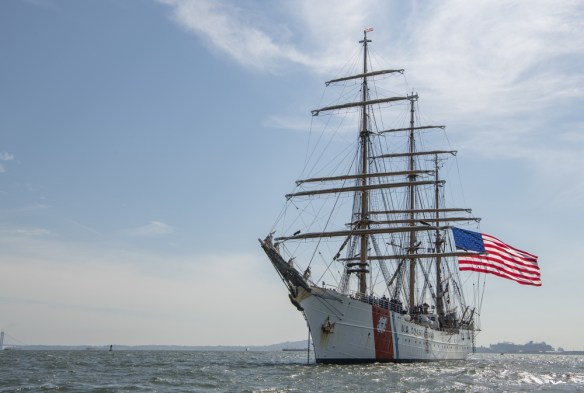
U.S. Coast Guard Barque Eagle (WIX 327), arrives in New York City, N.Y., Aug. 15, 2019. (U.S. Air Force photo by Staff Sgt. Cory D. Payne)

Just passing this along.

Media Advisory U.S. Coast Guard 1st District

Coast Guard Cutter Eagle to offer news media embark, public tours, during visit to New York City

Due to limited space, media interested in attending the availability aboard the Eagle must RSVP with Daniel.L.Henry@USCG.mil no later than Wednesday\, Aug. 3, at 12 p.m. Government-issued identification and media credentials are required. Details on the specific embarking location will be available upon RSVP inquiry to Daniel.L.Henry@USCG.mil. Due to space constraints, media pooling may be required.

Editors’ Note: Click on images to download high resolution version.

WHO: Coast Guard Cutter Eagle crew

WHAT: News media availability aboard the Eagle while anchored near Statue of Liberty.

WHEN: Thursday, 5:30 p.m. to 7:30 p.m.

NEW YORK — The U.S. Coast Guard Cutter Eagle, “America’s Tall Ship,” is scheduled to arrive in New York, Friday.

The Eagle will moor at Pier 86 in Manhattan, adjacent to the Intrepid Air & Space Museum Aug. 5-7, and will be open for free public tours.

Tours will be available the following date and times:

  • Friday (3 p.m. to 6 p.m.)
  • Saturday (11a.m. to 6 p.m.)
  • Sunday (11a.m. to 6 p.m.)

Note: Tours for military and first responders (with valid I.D.) begin one hour prior to posted tour times on Saturday and Sunday.

At 295 feet in length, Eagle is the largest tall ship flying the stars and stripes and the only active square-rigger in United States government service. Eagle has served as a classroom at sea to future Coast Guard officers since 1946, offering an at-sea leadership and professional development experience as part of the U.S. Coast Guard Academy curriculum. This summer, Coast Guard Academy Cadets completed a transatlantic voyage and experienced port calls in Azores, Iceland, and Bermuda.

Eagle is a three-masted barque with more than 22,300 square feet of sail and 6 miles of rigging. The cutter was constructed in 1936 by the Blohm and Voss Shipyard in Hamburg, Germany. Originally commissioned as the Horst Wessel by the German navy, Eagle was a war reparation for the United States following World War II.

Additional information about the Eagle can be found here. The Eagle’s design dimensions can be found here.

For more information about Eagle, including port cities, tour schedules, and current events, follow the “United States Coast Guard Barque EAGLE” Facebook page or on Instagram @barqueeagle. All U.S. Coast Guard imagery is in the public domain and is encouraged to be shared widely.

“U.S. embarks on ‘new chapter’ with Pacific island nations” –Indo-Pacific Defense Forum

Indo-Pacific Defense Forum reports on promised new initiatives…the U.S. will:

  • Establish U.S. embassies in Kiribati and Tonga.
  • Ask the U.S. Congress to commit U.S. $60 million annually for the next 10 years for fisheries assistance. That’s almost triple the current U.S. funding for the South Pacific Tuna Treaty.
  • Appoint a U.S. envoy to the PIF, which White House officials view as the region’s preeminent leadership body.
  • Establish a U.S. strategy on the Pacific Islands, which will complement the nation’s Indo-Pacific Strategy released in February 2022.
  • Return Peace Corps volunteers to the Pacific islands.
  • Work toward reestablishing a Pacific mission of the U.S. Agency for International Development (USAID) in Fiji.
  • Advance the Partners in the Blue Pacific, a multilateral bloc formed in 2022 and comprised of Australia, Japan, New Zealand, the United Kingdom and the U.S., to promote Pacific interests internationally.

(Seems like France should also be a member of Partners in the Blue Pacific.)

The US Coast Guard will certainly have a role in executing these initiatives, including continued cooperation in countering Illegal, Unregulated, Unreported (IUU) fishing, capacity building, and assignment of Coast Guard attaches to facilitate cooperation.

A base in American Samoa is looking more likely all the time.

“Eastern Shipbuilding Protests US Coast Guard Award to Austal USA” –What’s Going On With Shipping Video

The commentator here, Salvatore Mercogliano, has a regular podcast. Usually he talks about the merchant marine, but he has chosen to take a look at the history of the Offshore Patrol Cutter program and the two shipyards that have been contracted to build them. His views are well balanced and informative. It is a worthwhile 15 minutes. 

Thanks to Lee for bringing this to my attention. 


Contracts For “Continued Studies of a Large Unmanned Surface Vessel”

MetalCraft Marine 7 meter “The Watcher” Autonomous Surface Vessel (ASV)

I have to believe that the Navy’s efforts in Unmanned Surface Vessels will ultimately have a significant implact on the way the Coast Guard does its business, so a recent series of contract awards reported in “The US Department of Defense Daily Digest Bulletin, Contracts for July 29, 2022” is of interest. 


Marinette Marine Corp., Marinette, Wisconsin, is awarded a $10,212,620 firm-fixed-price modification to previously awarded contract N00024-20-C-6317 for continued studies of a large unmanned surface vessel. Work will be performed in Marinette, Wisconsin, and is expected to be completed by September 2024. Fiscal 2022 research, development, test and evaluation (Navy) funds in the amount of $149,841 will be obligated at time of award and will not expire at the end of the current fiscal year. The Naval Sea Systems Command, Washington, D.C., is the contracting activity.

Bollinger Shipyards Lockport LLC, Lockport, Louisiana, is awarded a $9,428,770 firm-fixed-price modification to previously awarded contract N00024-20-C-6316 for continued studies of a large unmanned surface vessel. This contract modification includes options which, if exercised, would bring the cumulative value of this contract modification to $13,958,770. Work will be performed in Lockport, Louisiana, and is expected to be completed by September 2024. If all options are exercised, work will continue through September 2024. Fiscal 2022 research, development, test and evaluation (Navy) funds in the amount of $149,933 will be obligated at time of award and will not expire at the end of the current fiscal year. The Naval Sea Systems Command, Washington, D.C., is the contracting activity.

Austal USA LLC, Mobile, Alabama, is awarded a $9,115,310 firm-fixed-price modification to previously awarded contract N00024-20-C-6315 for continued studies of a large unmanned surface vessel. This contract modification includes options which, if exercised, would bring the cumulative value of this contract modification to $13,285,309. Work will be performed in Mobile, Alabama, and is expected to be completed by September 2024. If all options are exercised, work will continue through September, 2024. Fiscal 2022 research, development, test and evaluation (Navy) funds in the amount of $149,878 will be obligated at time of award and will not expire at the end of the current fiscal year. The Naval Sea Systems Command, Washington, D.C., is the contracting activity.

Gibbs & Cox Inc., Arlington, Virginia, is awarded an $8,981,231 firm-fixed-price modification to previously awarded contract N00024-20-C-6318 for continued studies of a large unmanned surface vessel. This contract modification includes options which, if exercised, would bring the cumulative value of this contract modification to $15,071,231. Work will be performed in Arlington, Virginia, and is expected to be completed by September 2024. If all options are exercised, work will continue through September 2024. Fiscal 2022 research, development, test and evaluation (Navy) funds in the amount of $149,899 will be obligated at time of award and will not expire at the end of the current fiscal year. The Naval Sea Systems Command, Washington, D.C., is the contracting activity.

SINKEX RIMPAC 2022

I really like to see the results of SINKEX. They let you see how effective weapons are. I love them because they support my long held contention, that the way Coast Guard Cutters are armed, can provide us absolutely no confidence, we can reliably, forcibly stop anything larger than small ships.

The nearest thing we have had to a Coast Guard SINKEX did not end well. A firehose, it seemed, was more capable of sinking this poorly maintained, unmanned, derelict small vessel than our 25mm gun.

So far there have been two SINKEX exercises in this year’s RIMPAC. The video above is a series of attacks on the former USS Denver (LPD-9).The second video, below, shows attacks on the former USS Rodney M. Davis (FFG 60), a ship about 10% smaller than the Coast Guard’s new cutters (NSC and OPC), that took place on July 12.

The Drive describes the attacks on the former USS Denver. She was a medium sized ship, displacing about 17,000 tons full load, not huge by any means, but larger than most ships used in SINKEX.

 During the exercise,  the Japanese Ground Self-Defense Force fired Type 12 anti-ship missiles and the U.S. Army launched guided rockets from a High Mobility Artillery Rocket System (HIMARS) at the naval target from land. From the air, U.S. Navy F/A-18F Super Hornets assigned to Fighter Attack Squadron 41 shot a long-range anti-ship missile while U.S. Army AH-64 Apache helicopters shot air-to-ground Hellfire missiles, rockets, and 30mm guns.

From the sea, U.S. Navy guided-missile destroyer USS Chaffee (DDG 90) shot its Mark 45 five-inch gun. To top it all off, the U.S. Marine Corps joined in with F/A-18C/D Hornets assigned to Marine Fighter Attack Squadron 232 and Marine Air-Ground Task Force 7, who then fired an air-launched cruise missile, air-to-ground anti-radiation missiles, and Joint Direct Attack Munition guided bombs. Other weapons were likely used, but these were the ones disclosed by the Navy.

The smaller, 4100 ton, USS Rodney M. Davis (FFG 60), also did not go down easily. In addition to being hit by laser guided bombs and probably other weapons, she was hit by at least four anti-ship cruise missiles, two Harpoon from Canadian frigate Winnipeg, one from a P-8 maritime patrol aircraft, and a French-made Exocet Block 2 from Royal Malaysian Navy Kasturi-class frigate KD Lekir (F-26).

The two SINKEX were somewhat unique, in that they did not require a torpedo to finish sinking the ships, as has occured in almost every previous SINKEX.

It is true that the Coast Guard is more concerned about stopping ships than sinking them, but getting a mobility kill is very difficult. First the propulsion systems take up a relatively small part of the length of the ship and more importantly, most of it is below the waterline. Unless you can hole the engineroom hull below the waterline, forcibly  stopping a ship is almost impossible.  Killing steering is similarly difficult. If the target is shooting back, it gets much more difficult.

C-27 Maneuverability

The US Coast Guard now has fourteen C-27Js that were virtually new, but considered excess by the USAF. They fly out of Elizabeth City and Sacramento. This aircraft is not as well known as the C-130, but it does have some unique capabilities. If you happen to catch a ride in one, don’t expect your Coast Guard pilot to fly like this, but it is nice to know what it can do.

The Aviation Geek Club brings us the video above and talks about the aircraft.

A Coast Guard C-27J Spartan crew, assigned to Coast Guard Air Station Sacramento, flies over San Francisco, California, during area of responsibility familiarization training, Monday, Feb. 6, 2018. The C-27Js are outfitted with weather radar and communications equipment capable of supporting transport and other Coast Guard missions. Coast Guard photo by Lt. Scott Handlin

Thanks to Dennis for bringing this to my attention.