“Navy to establish additional unmanned task forces inspired by Task Force 59” –Defense Scoop

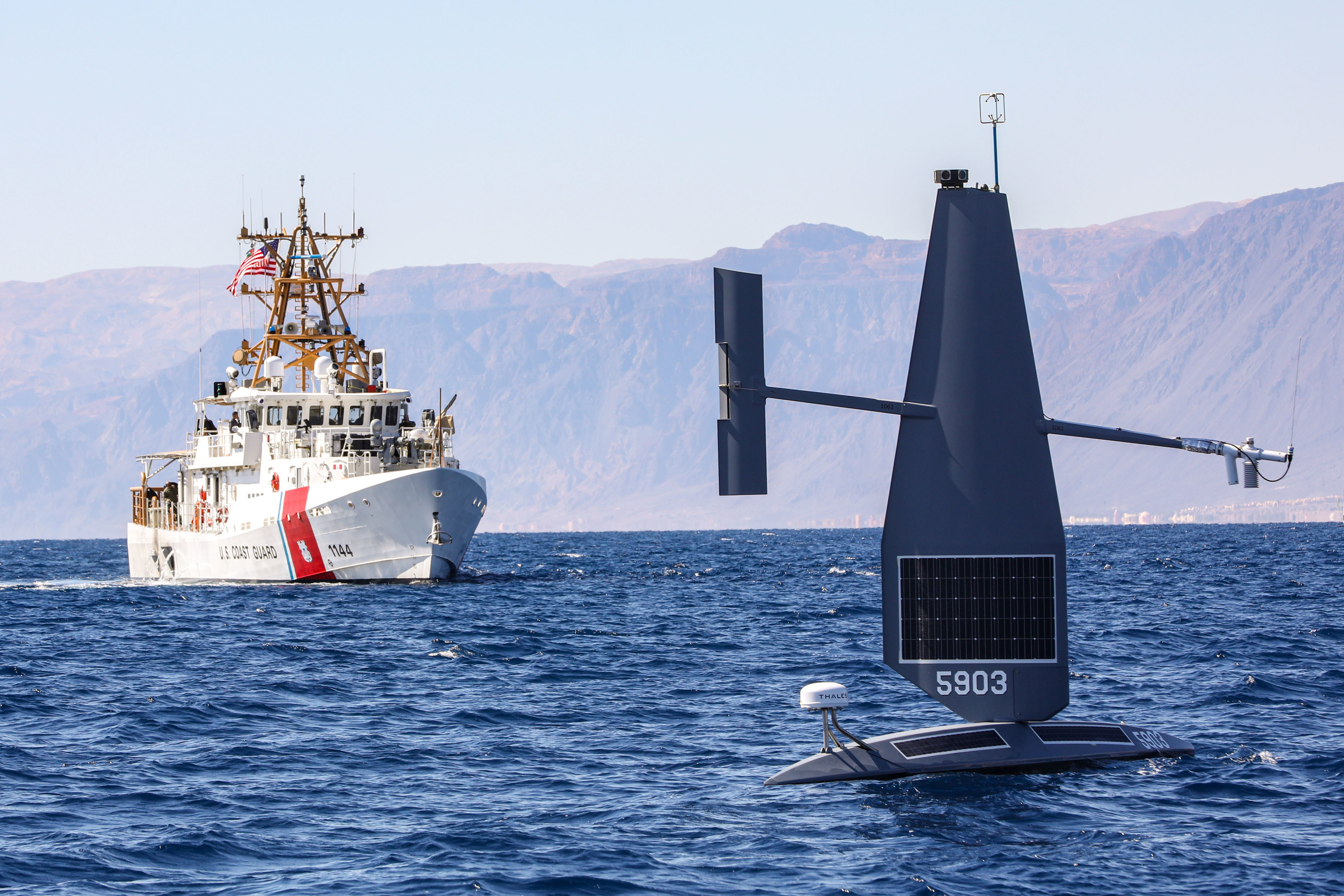
GULF OF AQABA (Feb. 13, 2022) The U.S. Coast Guard Sentinel-class cutter USCGC Glen Harris (WPC 1144) sails near a U.S sail drone explorer during the International Maritime Exercise/Cutlass Express (IMX) 2022, Feb. 13, 2022. IMX/CE 2022 is the largest multinational training event in the Middle East, involving more than 60 nations and international organizations committed to enhancing partnerships and interoperability to strengthen maritime security and stability. (U.S. Army photo by Cpl. DeAndre Dawkins)

Defense Scoop reports:

“The Navy plans to stand up additional unmanned task forces around the globe modeled after Task Force 59 in the Middle East, Navy Secretary Carlos Del Toro told reporters Saturday…“We’ve demonstrated with Task Force 59 how much more we can do with these unmanned vehicles — as long as they’re closely integrated together in a [command and control] node that, you know, connects to our manned surface vehicles. And there’s been a lot of experimentation, it’s going to continue aggressively. And we’re going to start translating that to other regions of the world as well,” Del Toro said during a media roundtable at the Reagan National Defense Forum.”

The report goes on to mention 4th Fleet and Oceana specifically, both regions of intense interest to the Coast Guard in regard to drug interdiction and Illegal, Unregulated, Unreported (IUU) fishing respectively.

This could be a big boost to our Maritime Domain Awareness. In the Eastern Pacific Drug Transit Zone we might need uncrewed surface vessels with passive acoustic sensors since the targets of interest are poor targets for radar and optical sensors. That could lead to practical experience that could improve our ASW capability.

Chinese F/V Attempts to Ram USCGC James –AP

In this photo made available by the U.S. Coast Guard, guardsmen from the cutter James, seen at background right, conduct a boarding of a fishing vessel in the eastern Pacific Ocean, on Aug. 4, 2022. During the 10-day patrol for illegal, unreported or unregulated fishing, three vessels steamed away. Another turned aggressively 90 degrees toward the James, forcing the American vessel to maneuver to avoid being rammed. (Petty Officer 3rd Class Hunter Schnabel/U.S. Coast Guard via AP)

The Associated Press is reporting,

“…a heavily-armed U.S. Coast Guard cutter sailed up to a fleet of a few hundred Chinese squid-fishing boats not far from Ecuador’s Galapagos Islands. Its mission: inspect the vessels for any signs of illegal, unreported or unregulated fishing…But in this case, the Chinese captains of several fishing boats did something unexpected. Three vessels sped away, one turning aggressively 90 degrees toward the Coast Guard cutter James, forcing the American vessel to take evasive action to avoid being rammed.”

Of course there is much more to the story.

“Colombia inks deal that could see Damen build five Sigma frigates” –Defense News

Colombian Navy SIGMA frigate

Defense News reports, one of our primary partners in drug interdiction efforts is expected to significantly upgrade their naval capabilities.

Colombia is launching a $2 billion shipbuilding program that would see its Navy acquire five frigates.

The announcement, made last week, was followed by the signing on Tuesday of an initial contract between local shipbuilder Cotecmar and Dutch company Damen to adapt the latter’s Sigma 10514 design to meet the Colombian Navy’s requirements.

This is a significant step toward self sufficiency in naval construction. It is a step up after Cotemar built three Fassmer 80 meter Offshore Patrol Vessels.

The new ships will replace four smaller 95 meter, 1850 ton full load, German built light frigate/corvettes that were commissioned in 1983/84.

If these new ships are in fact 120 meters in length and at least 2800 tons full load, they will be the largest ships of the SIGMA series. (At one time I expected a SIGMA series ship would have been a contender in the Offshore Patrol Cutter program.)

Apparently they have not made a final choice of weapons and sensors. I would not be surprised if they were equipped much like the Mexican SIGMA frigate, which is armed with weapons sourced from the US, including RGM-84L Harpoon Block II, eight Mk56 VLS for ESSM, MK 54 Mod 0 lightweight torpedoes with two MK 32 Surface Vessel Torpedo Tubes (SVTT) triple tube launchers, Block II Rolling Airframe Missile (RAM) missiles and Bofors 57 mm gun.

It seems likely the additional length compared to the Mexican ship will be to improve some capability, I would guess ASW. Mk41 VLS would allow greater flexibility including launch of ASROC and potentially land attack missiles.

It is widely known Colombia and Venezuela have not been getting along well. Colombia probably considers Venezuela their pacing threat. If that is the case, most, if not all five of the new ships will likely be based on the Caribbean side. These ships should provide an advantage vs the Venezuelan Navy.

Major naval bases of the Colombian Navy (Armada de la República de Colombia – ARC)
Colombian Navy (ARC) Marine Infantry Primary base and training school, Covenas
Source: Iceman0108. Background map: Mapa de Colombia (relieve-ríos) by Milenioscuro

Below, video of the latest SIGMA series ship, Mexican frigate ARM Benito Juárez (F 101), as it arrives for participation in RIMPAC 2022: 

“SouthCom Needs an Oiler” –USNI

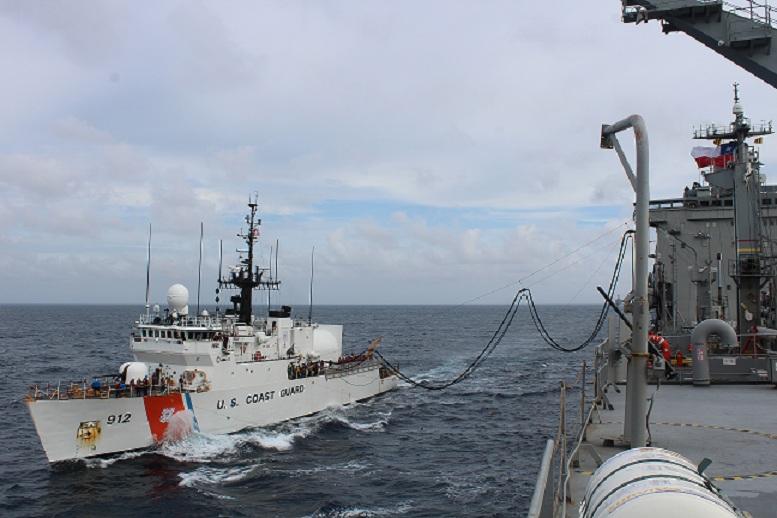
USCGC Legare WMEC-912 refueling from Chilean Navy Oiler Almirante Montt

The October issue of US Naval Institute Proceedings has an article advocating regular assignment of a Navy Underway Replenishment (UNREP) vessel to support drug interdiction operations in the Eastern Pacific. The authors are serving Coast Guard officers,

  • Captain Michael Cilenti, U.S. Coast Guard, a career cutterman, a staff director at the White House Office of National Drug Control Policy, and 

I would say “Amen!”

The article notes this would allow interdiction operations to become less predictable and would reduce time spent in transit to and from station. This could improve and speed handling of detainees. The unrep ships might even conduct some drug enforcement operations themselves.

The authors make a very good point, about the need for more underway replenishment ships,

“Some may push back against additional oiler deployments to SouthCom, citing a lack of available assets. But replenishment at sea—referred to as the Navy’s secret weapon by Admiral Chester Nimitz during World War II—will no doubt be foundational to any future conflict. If the Navy has too few assets to meet steady-state peacetime operations, how would it be able to support even short-term sustained combat operations in the far-flung corners of the globe?”

The title calls for an oiler (T-AO), but the article also mentions ” a T-AKE or allied oiler.” One of the Lewis and Clark class T-AKE dry cargo ships is actually a good option because, even though they carry only “limited quantities of fuel,” their 23,450 barrel capacity is enough to refuel a Bertholf class National Security Cutter more than four time from absolutely empty and they can simultaneously provide virtually every other type of stores that might be required.

Another way to achieve the same objective might be for the US Navy to transfer one or two Henry J. Kaiser class oilers to Colombia as they are replace by newer ships and work cooperatively with them.

I would note that, this would not only help Coast Guard cutters, it would also help Navy ships doing drug interdiction missions, which are typically Freedom class Littoral Combat Ships. They have far less range than the large cutter do. Allied vessels doing drug enforcement in the Eastern Pacific might also benefit.

An underway replenishment ship might also make use of Webber class cutters (FRCs) for drug interdiction more efficient, mitigating their limited endurance. While I would expect methods for replenishment directly from the underway replenishment ship would be developed, their availability would also encourage use of larger cutter to refuel and resupply the patrol craft. The underway replenishment ship might also provide aviation support for the FRCs that have no organic air support.

“Coast Guard offloads more than $475 million in illegal narcotics in Miami” –LANTAREA

HNLMS Groningen’s crew interdicts a suspected drug boat in the Caribbean Sea, Sept. 27, 2020. HNLMS Groningen is a Holland-class offshore patrol vessel operated by the Royal Netherlands Navy. (Royal Netherlands Navy photo)

Below is a news release from USCG Atlantic Area. What I found notable was the participation of a Netherlands OPV and a USN Freedom class LCS. (No not the first time ships of these classes have been used for drug interdiction.)

The Holland class OPVs are very similar, in general terms, to the Offshore Patrol Cutters.

I expect Dutch participation to continue, but if the Navy gets their way, there will be a lot fewer LCSs.

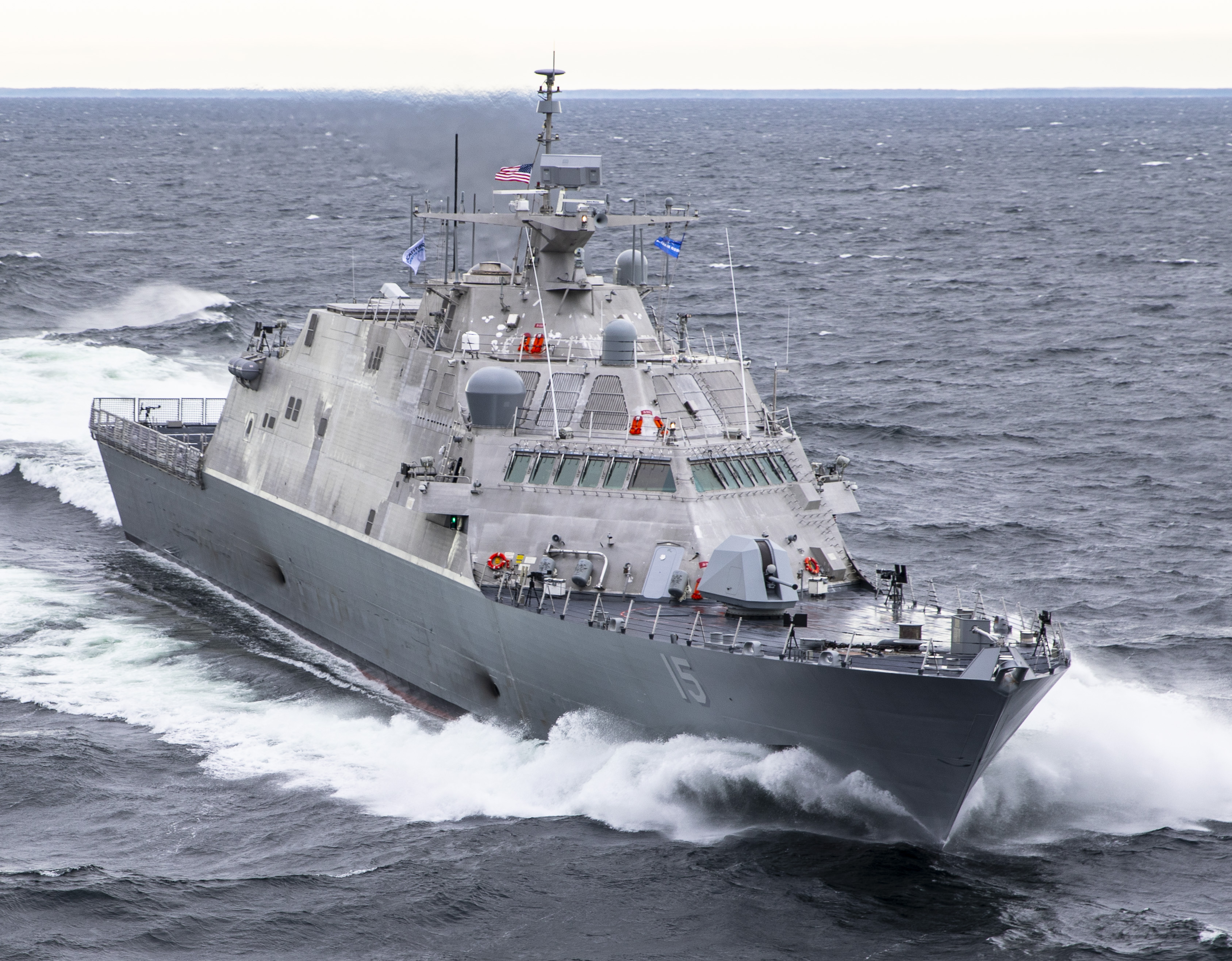
181206-N-N0101-028, MARINETTE, Wis. (Dec. 6, 2018) The future littoral combat ship USS Billings (LCS 15) conducts acceptance trials on Lake Michigan, Dec. 6, 2018. (U.S. Navy photo courtesy of Marinette Marine/Released)

News Release

U.S. Coast Guard Atlantic Area

Coast Guard offloads more than $475 million in illegal narcotics in Miami

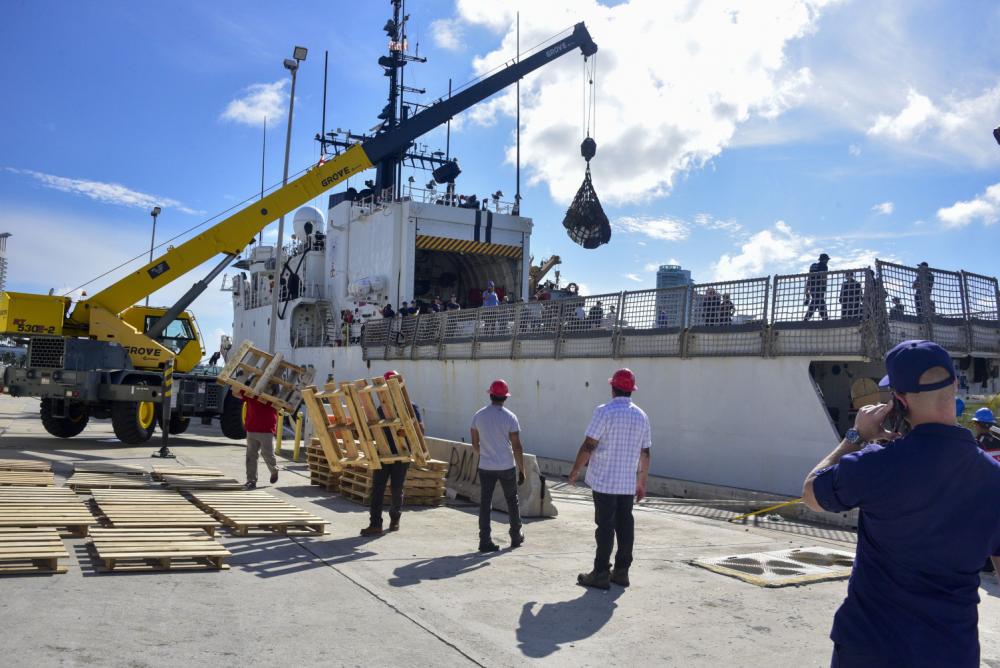
A U.S. Coast Guard member offloads suspected narcotics from USCGC Legare in Miami, FloridaSuspected narcotics are removed via crane from USCGC Legare in Miami, Florida

Editors’ Note: To view more or download high-resolution imagery, click on the photos above.

MIAMI — The crew of the USCGC Legare (WMEC 912) offloaded approximately 24,700 pounds of cocaine and 3,892 pounds of marijuana, worth an estimated $475 million, Thursday at Base Miami Beach.

The drugs were interdicted in the international waters of the Caribbean Sea and the Eastern Pacific Ocean by crews from:

“I am proud of the crew’s continued devotion to duty that made this offload possible,” said Cdr. Jeremy M. Greenwood, commanding officer of Legare. “Through the coordinated efforts of the Legare, the LEDETs, HNLMS Groningen, CGC James, and the USS Billings crews, we significantly contributed to the counter-drug mission and the dismantling of transnational criminal organizations. The drugs seized through this coordinated effort will result in significantly fewer drug-related overdoses.”

The fight against drug cartels in the Caribbean Sea and Eastern Pacific Ocean, and the transnational criminal organizations they are associated with, requires a unity of effort in all phases; from detection and monitoring to interdiction and apprehension, and on to criminal prosecutions by international partners and U.S. Attorneys’ Offices in districts across the nation.

Detecting and interdicting illegal drug traffickers on the high seas involves significant interagency and international coordination. The Joint Interagency Task Force South in Key West, Florida conducts detection and monitoring of aerial and maritime transit of illegal drugs. Maritime interdiction of illicit smuggling activity in the Caribbean Sea is coordinated by the Seventh Coast Guard District, headquartered in Miami. The Dutch Caribbean Coast Guard also coordinates maritime interdiction of illicit smuggling activity with deployed Royal Netherlands Navy ships and their embarked Dutch Fleet Marine Corps squadrons and U.S. Coast Guard LEDETs in the Eastern Caribbean Sea near the Netherlands Antilles and Aruba. Maritime interdiction of illicit smuggling activity in the Eastern Pacific Ocean is coordinated by the Eleventh Coast Guard District, headquartered in Alameda, California. The U.S. Navy and allied foreign ships conduct law enforcement missions under the authority of embarked Coast Guard LEDETs from Tactical Law Enforcement Teams based in Miami and San Diego.

The Legare is a 270-foot Famous-class medium endurance cutter stationed in Portsmouth, Virginia. Legare’s missions include Law Enforcement, Search and Rescue, Protection of Living Marine Resources, Homeland Security and Defense Operations, international training, and humanitarian operations. Legare patrols the offshore waters from Maine to Florida, the Gulf of Mexico, the Eastern Pacific, and the Caribbean.

For information on how to join the U.S. Coast Guard, visit www.GoCoastGuard.com to learn more about active duty and reserve officer and enlisted opportunities. Information on how to apply to the U.S. Coast Guard Academy can be found at www.uscga.edu.

USNI Proceedings Coast Guard Issue

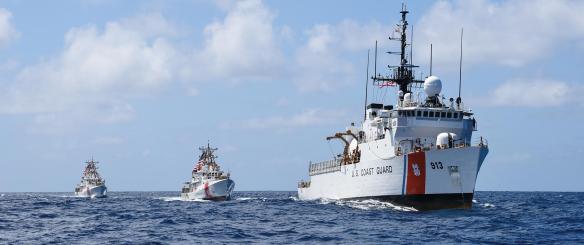
USCGC Mohawk (WMEC-913), Clarence Sutphin Jr. (WPC-1147), and John Scheuerman (WPC-1146)

Sorry this post is going to ramble a bit.

The Prize Winning Essays: 

The August issue of the U. S. Naval Institute Proceedings is again the “Coast Guard Issue,” and includes the three winning essays in their Coast Guard Essay contest.

First prize went to prolific author and repeat winner, Cdr. Craig Allen, Jr., USCG for his “Expeditionary Cutter Deployments Should Not Be a Mission to Mars.” It talks about some of the logistical difficulties encountered. His comments about the integrated C5ISR, navigation, and engineering systems and “controlled parts exchanges (taking working parts from one cutter and installing them in another) to deploy on schedule and/or remain underway” are partiuclarly troubling.

He offered three suggestions about how to make the Coast Guard more deployable.

  • Improved cutter self-sustainability.
  • Forward operating bases
  • Mission support cutter.

I would note that large cutters are probably already have more self-sustainability than their Navy counterparts making extended single ship deployments with minimal support easier for cutters than for Navy ships, but it does sound like we have made some choices that may put those capabilities at risk.

It is probably diplomatically easier to establish a Coast Guard forward operating base than one for the Navy, particularly in Latin America. Realistically we are probably only talking about a base in the Eastern Pacific, near the drug transit zone. To make that happen would probaby require some initiative from SOUTHCOM.

Elsewhere we could probably ride the coat tails of the Navy and our allies including Australia, New Zealand, Japan, the United Kingdom, France, and the Netherlands.

The mission support cutter, or, more generally, a floating base might be addressed in a number of ways. Presumably SOUTHCOM will get their own Expeditionary Sea Base. Wherever it is moored will become a defacto forward operating base. There should be room aboard for priority Coast Guard unique support requirements. Unfortunately I understand, dispite their tanker origins, they don’t carry fuel for tranfer to other ships. That is unfortunate, but probably something that could be fixed. Any kind of forward operating base could make Webber class deployments to the Eastern Pacific drug transit zones much more productive.

Effectively the Coast Guard has already been using buoy tenders as mission support cutters for Webber class in the Western Pacific.

One might think that a Navy owned MSC vessel might make a good mission support vessel, but the underway replenishment vessels they have currently, are far too large to be dedicated to supporting routine Coast Guard operations.

Something  to consider might be a routine teaming of Charleston based National Security Cutters (NSC) with District 7 Webber class Fast Response Cutters (FRCs). A NSC and a pair of FRCs could make a very effective team, with the NSC providing underway replenishment for the FRCs. There are three NSC in based in Charleston now and there are expected to be five when the program is completed. There are currently 20 FRCs based in district 7. These ships are the closest of their type to the Eastern Pacific Drug Transit Zones.

Second prize went to “The World’s Fishermen as a Maritime Sensor Network,” by Lieutenant Holden Takahashi, USCG, that suggest a cell phone based reporting system could provide additional eyes to Maritime Domain Awareness systems.

Third prize went to “Lost At Sea: Teaching, Studying, and Promoting Coast Guard History,” by Lt. Christopher Booth, USCG, and Mark Snell, U.S. Coast Guard Auxiliary contending,

“To foster pride in its heritage and promote its historic accomplishments to the public, the Coast Guard cannot continue to ignore its past. It must make a major shift in how it approaches, teaches, promotes, and preserves its history. The Coast Guard must rescue the history and heritage of “that long line of expert seamen” and their contributions to the nation, so they are no longer lost at sea.”

Other Posts of Interest:

There are also other posts that directly address the Coast Guard or at least would involve the Coast Guard.

A Campaign Plan for the South China Sea,” by Captain Joshua Taylor, U.S. Navy advocates for persistent low-end presence.

A South China Sea campaign that translates these principles into action in a resource- and diplomatically constrained—but feasible and effective—manner should be organized around the following lines of effort and accompanying messages:

  • Beat Cop. Persistent low-end presence—“The United States has skin in the game.”
  • Neighborhood Watch. Build a regional coalition— “We are stronger together.”
  • Vigilance. Information sharing—“We are always watching.”

ln terms of information sharing, also mentioned was this Maritime Domain Awareness program that I was not aware of.

Since 2016, the United States has invested more than $425 million through the Maritime Security Initiative to help Indo-Pacific countries develop the ability to “sense, share, and contribute” to a regional recognized maritime picture (RMP). While some of these funds have purchased secure communication systems, the standout success story has been the U.S. Department of Transportation’s unclassified web-based SeaVision maritime domain awareness and coordination tool. Drawing on government and commercially contracted datastreams, SeaVision fuses information from terrestrial and satellite Automated Identification System data, the satellite Visible Infrared Imaging Radiometer Suite, satellite synthetic aperture radar, and—soon—satellite electronic signal detection to form a high-quality unclassified RMP that could support a countercoercion campaign in the South China Sea. Indeed, naval services throughout Southeast Asia already use it—with the notable exception of the U.S. Navy.

(My own ideas for a persistent low-end presence are here, Combined Maritime Security Task Force Pacific.)

The Coast Guard’s Firefighting Fiction,” by Chief Boatswain’s Mate Phillip Null, U.S. Coast Guard (Retired) suggests the Coast Guard should take a more active role in marine fire fight.

“Recent tragedies have shown the need for the Coast Guard to revisit its stance on firefighting, not to supplant municipalities or absolve them of their responsibilities, but to support them with real capabilities and expertise and to provide capability in unprotected waters to avert tragedy. The Coast Guard trains and equips its cutter crews to combat fires on board their own vessels, the success of which was recently demonstrated on board the cutter Waesche (WMSL-751) during a Pacific transit.8 Now it needs only to increase the capacity and foam-delivery capability of the pumps carried on its boats, expand the training and equipment available to its boat crews who operate in coastal regions where fire poses the greatest threat, and revise policies that limit involvement and inhibit on-scene decision-making even in unprotected waters.

While on the topic of maritime firefighting, take a look at this post by Cdr Sal, “How Many Fireboats Can You Buy for $1.2 Billion?” that discusses the Navy’s lack of fireboats. In so many cases, a less than optimal resourse on scene in a timely manner is far better that the perfect resource arriving late. Perhaps Coast Guard assets could have helped.

Some people in the Coast Guard are thinking about major ship fires, “Coast Guard, Long Beach and LA fire departments train for maritime fires.

“Coast Guard Cutter Diligence returns to homeport after 60-day Eastern Pacific Ocean patrol” –News Release

PHOTOS AVAILABLE: Coast Guard Cutter Diligence returns to homeport after 60-day Eastern Pacific Ocean patrol

09Feb22 DILIGENCE conducting small boat training in the Eastern Pacific Ocean. (Credit: BM3 Cayne Wattigney)

Below is a D8 news release. Sounds like a pretty typical WMEC Eastern Pacific patrol, but I would point out something I think is a bit unusual–they carried no helicopter. Awning over the flight deck and no mention of HITRON in the news release. Was this because of H-65 availability or because adequate air support was available from land bases? Maybe some other difficulty? Without a helicopter there is no armed overwatch and no way to chase down boats that may be faster than ship’s boats.

Looks like they left homeport a few days before Christmas.


News Release

U.S. Coast Guard 8th District Heartland

Coast Guard Cutter Diligence returns to homeport after 60-day Eastern Pacific Ocean patrol

Coast Guard Cutter Diligence returns to homeport after 60-day Eastern Pacific Ocean patrol 2/2 Coast Guard Cutter Diligence returns to homeport after 60-day Eastern Pacific Ocean patrol

Editor’s Note: Click on images to download high-resolution version.

PENSACOLA, Fla. — The crew of Coast Guard Cutter Diligence returned to their homeport of Pensacola Sunday following a 60-day counter-drug patrol in Eastern Pacific Ocean.

Partnering with three other Coast Guard cutters, Diligence interdicted three suspected drug-smuggling vessels resulting in the apprehension of 12 detainees and the interdiction of more than 4,321 lbs of cocaine with a street value of approximately $82 million.

“Diligence’s crew demonstrated professionalism, resilience and perseverance while conducting complex high-speed boat pursuits in the drug transit zone,” said Cmdr. Jared Trusz, Diligence’s commanding officer. “I am honored to serve with and proud of the crew’s superlative efforts that directly support the United States national security interests.”

Numerous U.S. agencies from the Departments of Defense, Justice and Homeland Security cooperated in the effort to combat transnational organized crime. The Coast Guard, Navy, Customs and Border Protection, FBI, Drug Enforcement Administration, and Immigration and Customs Enforcement, along with allied and international partner agencies, play a role in counter-drug operations.

The fight against drug cartels in the Eastern Pacific Ocean requires unity of effort in all phases from detection, monitoring and interdictions, to criminal prosecutions by international partners and U.S. Attorneys’ Offices in districts across the nation. The law enforcement phase of counter-smuggling operations in the Eastern Pacific Ocean is conducted under the authority of the Coast Guard 11th District, headquartered in Alameda, California. The interdictions, including the actual boardings, are led and conducted by members of the U.S. Coast Guard. 

The Diligence is a 210-foot medium-endurance cutter homeported in Pensacola with78 crewmembers. The cutter’s primary missions are counter-drug operations, migrant interdiction, enforcing federal fishery laws and search and rescue in support of Coast Guard operations throughout the Western Hemisphere.

“US Navy helicopters and Coast Guard snipers are firing on suspected drug traffickers ‘daily,’ top admiral says” –Business Insider

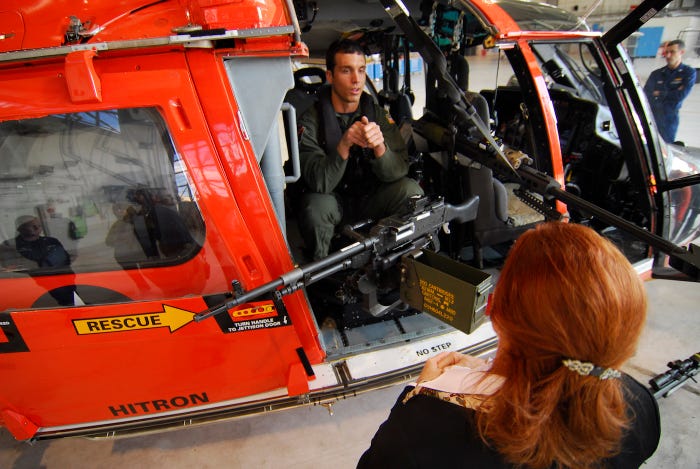
Petty Officer 2nd Class Anthony Phillips, a precision marksman at Helicopter Interdiction Tactical Squadron, displays the weaponry used by a HITRON during missions, February 23, 2010. US Coast Guard/Petty Officer 1st Class Bobby Nash

Business Insider has a story touting the success of the Navy/Coast Guard team effort in drug interdiction. This seems to be a report on Adm. Craig Faller’s (SOUTHCOM) remarks at the Surface Navy Association symposium in mid-January.

There is strong praise for the HITRON personnel.

“Coast Guard HITRON teams, which are sniper teams, have integrated into US Navy helicopters. So our Navy crews are involved in decisions to use … warning shots and disabling fire daily. I mean, it is a daily event,” Faller added. “We average numbers, sometimes large numbers, of events daily, and they’ve done it safely, effectively, completely in compliance with all the law of war and with precision. [I’m] very proud of that.”

I have to believe the “daily” claim is at least a slight exaggeration, since presumably HITRON was involved in all the cases and the report quotes Cmdr. Ace Castle, public affairs officer for US Coast Guard Atlantic Area, as saying they prosecuted 56 in 2020.

In any case, HITRON is getting a workout and proving their value. Worth noting that they and other Coast Guard law enforcement detachments, also serve on foreign ships working for SouthCom, including British, Canadian, Dutch, and French vessels.

“Coast Guard crew to offload more than 26,000 pounds of cocaine, marijuana worth $390 million in San Diego” –D11 News Release

Below is a news release from D11. I like the reference to the previous off-load. That was two weeks earlier and it tends to give a feel for the size of the problem, that a report of a single off-load does not. Plus there are the year to date totals.

So far in fiscal year 2020, the Coast Guard has made more than 171 interdictions, seized more than 282,000 pounds of cocaine, 57,000 pounds of marijuana and detained more than 391 suspected smugglers in drug transit zones of the Eastern Pacific Ocean and the Caribbean Sea.

The video and photos give a good comparison of the 26 foot (8 meter) over the horizon boat and the 35 foot (11 meter) Long Range Interceptor boats.

Also apparent here is the fact that the Navy “surge” is still primarily DDGs rather than LCS.

I am a little surprised we are still intercepting marijuana.

united states coast guard

News Release

U.S. Coast Guard 11th District PA Detachment San Diego
Contact: Coast Guard PA Detachment San Diego
Office: (619) 278-7025
After Hours: (619) 252-1304
PA Detachment San Diego online newsroom

Coast Guard crew to offload more than 26,000 pounds of cocaine, marijuana worth $390 million in San Diego

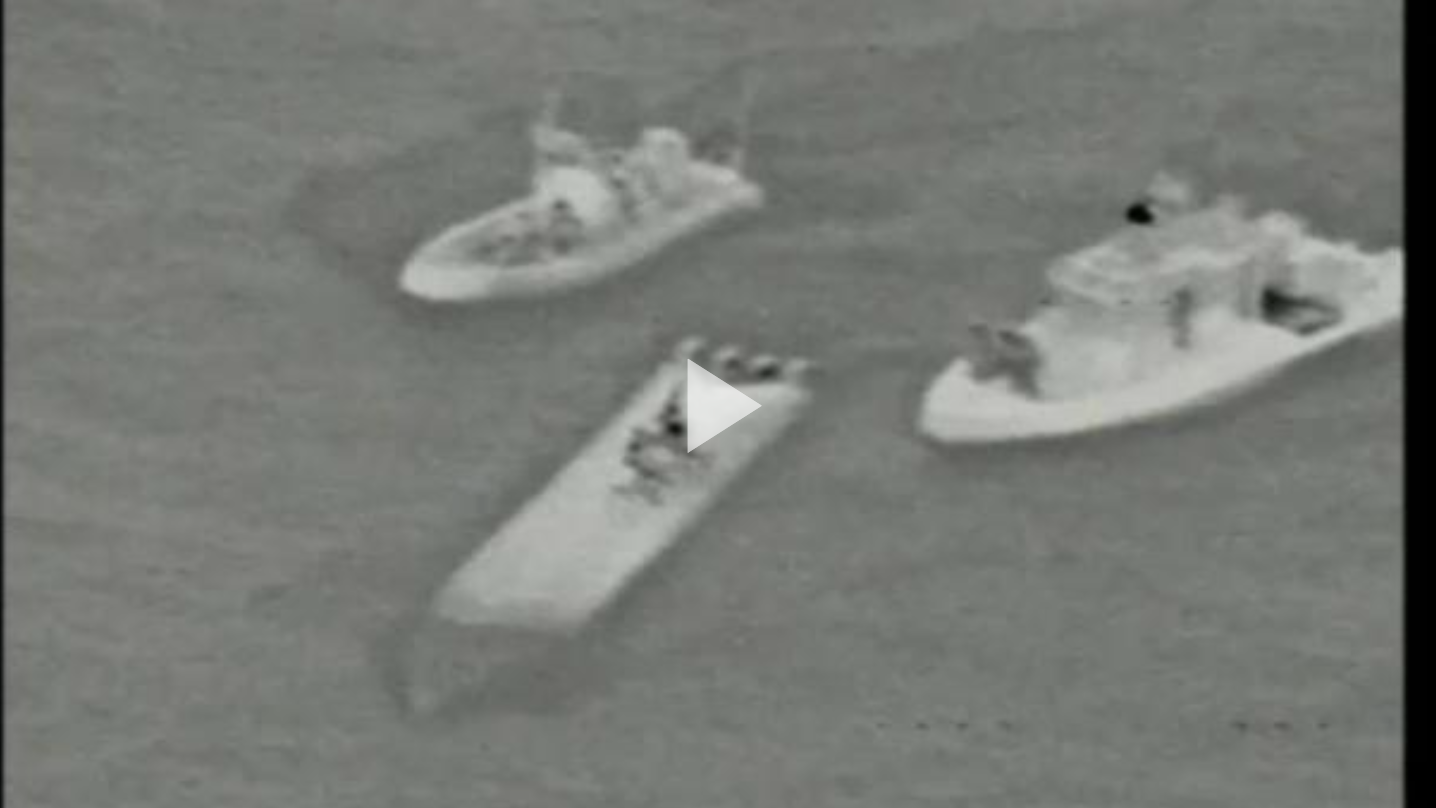
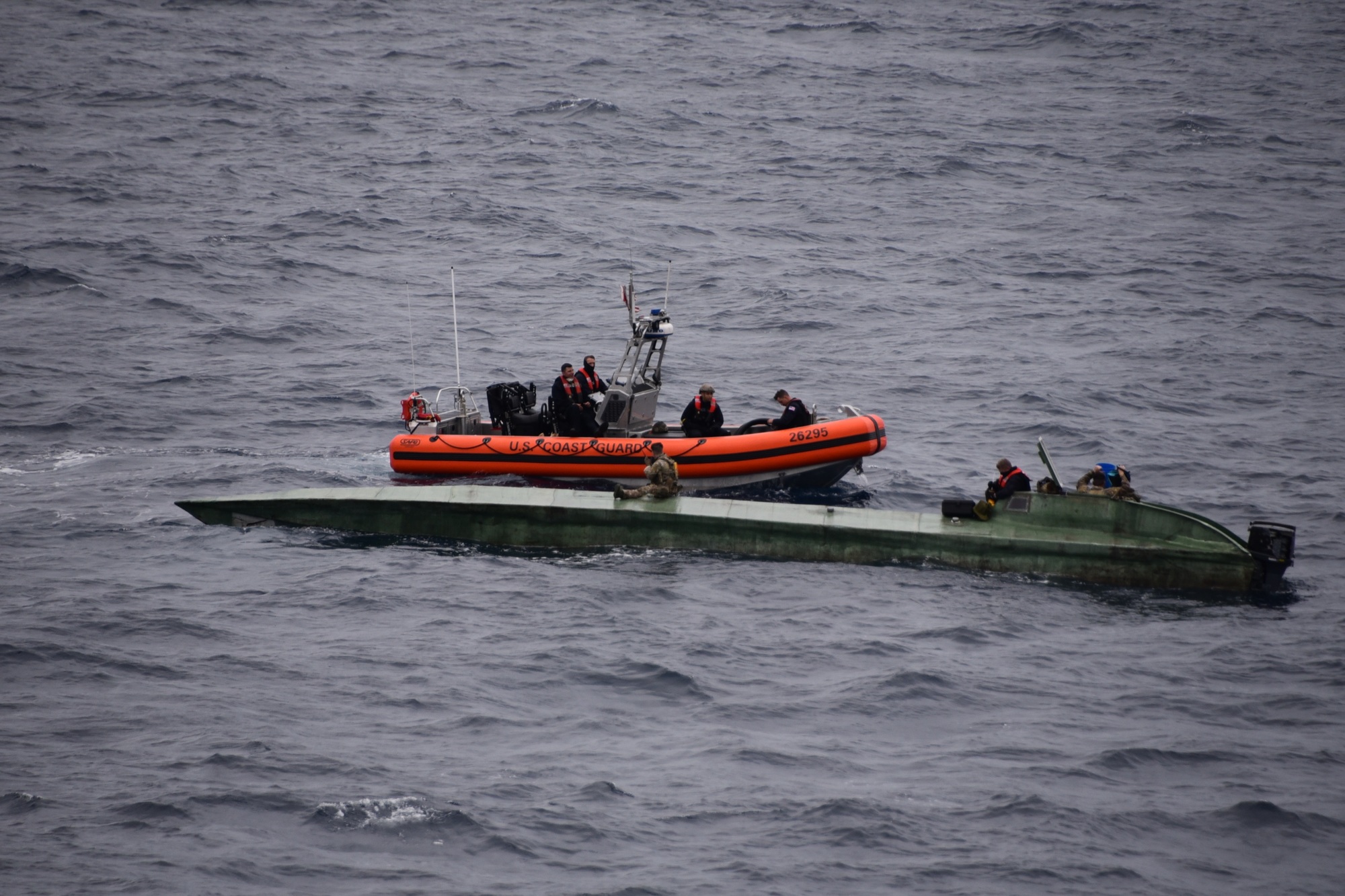
Coast Guard intercepts semi-submersible vessel
Coast Guard intercepts semi-submersible vessel Coast Guard intercepts semi-submersible vessel

Editors’ Note: Click on images above to download full-resolution version.

WHO: Director Jim Carroll, Office of National Drug Control Policy, Mr. Robert Brewer, U.S. Attorney, Adm. Karl Schultz, commandant of the United States Coast Guard, Capt. Brian Anderson, Coast Guard Cutter Bertholf commanding officer, and Bertholf crew.

WHAT: The crew of the Coast Guard Cutter Bertholf is scheduled to offload more than 26,000 pounds of cocaine and marijuana seized from suspected drug smugglers in drug transit zones of the Eastern Pacific Ocean.

WHEN: Thursday at 9:30 a.m.

WHERE: 10th Avenue Marine Terminal at 1150 Terminal St., San Diego, CA 92101

Editor’s Note: Media attending this event must RSVP with Coast Guard Public Affairs Detachment San Diego personnel at (619)252-1304 by 8:00 a.m. All media must have government-issued identification and media credentials to gain access. Entry to the terminal will be allowed to escorted media on the day of the event at 8:30a.m. Masks will be required and physical distancing protocols will be in place.

SAN DIEGO — The crew of the Coast Guard Cutter Bertholf (WMSL-750) is scheduled to offload more than 26,000 pounds of seized cocaine and marijuana in San Diego Friday.

The cocaine, worth an estimated $390 million, was seized in international waters of the Eastern Pacific Ocean. The contraband represents 13 suspected drug smuggling vessel interdictions off the coasts of Mexico, Central and South America between late May and late August by the following Coast Guard and Navy ships:

  • The Coast Guard Cutter BERTHOLF (WMSL-750) crew was responsible for two interdictions seizing approximately 6,700 pounds of cocaine.
  • The Coast Guard Cutter STRATTON (WMSL-752) crew was responsible for three interdictions seizing approximately 6,000 pounds of cocaine.
  • The Coast Guard Cutter CONFIDENCE (WMEC-619) crew was responsible for two interdictions seizing approximately 50 pounds of cocaine.
  • The Coast Guard Cutter DECISIVE (WMEC-629) crew was responsible for one interdiction seizing approximately 1,900 pounds of cocaine.
  • The Coast Guard Cutter VENTUROUS (WMEC-625) crew was responsible for one interdiction seizing approximately 1,100 pounds of cocaine.
  • The Coast Guard Cutter TAMPA (WMEC-902) crew was responsible for two interdiction seizing approximately 1,600 pounds of cocaine and 3,650 pounds of marijuana.
  • The USS KIDD (DDG-100) with embarked Coast Guard Law Enforcement Detachment (LEDET) was responsible for one interdiction seizing approximately 500 pounds of cocaine.
  • The USS PREBLE (DDG-88) with embarked Coast Guard Law Enforcement Detachment (LEDET) was responsible for one interdiction seizing approximately 4,400 pounds of cocaine.

The offload from the Bertholf follows the August 27, 2020, offload of approximately 11,500 pounds of seized suspected cocaine and 17,000 pounds of marijuana from the Coast Guard Cutter Hamilton (WMSL-753) in Port Everglades representing 10 interdictions in the same region. So far in fiscal year 2020, the Coast Guard has made more than 171 interdictions, seized more than 282,000 pounds of cocaine, 57,000 pounds of marijuana and detained more than 391 suspected smugglers in drug transit zones of the Eastern Pacific Ocean and the Caribbean Sea.

On April 1, U.S. Southern Command began enhanced counter-narcotics operations in the Western Hemisphere to disrupt the flow of drugs in support of Presidential National Security Objectives. Numerous U.S. agencies from the Departments of Defense, Justice and Homeland Security cooperated in the effort to combat transnational organized crime. The Coast Guard, Navy, Customs and Border Protection, FBI, Drug Enforcement Administration, and Immigration and Customs Enforcement, along with allied and international partner agencies, play a role in counter-drug operations.

The fight against drug cartels in the Eastern Pacific Ocean requires unity of effort in all phases from detection, monitoring and interdictions, to criminal prosecutions by international partners and U.S. Attorneys’ Offices in districts across the nation. The law enforcement phase of counter-smuggling operations in the Eastern Pacific Ocean is conducted under the authority of the 11th Coast Guard District, headquartered in Alameda. The interdictions, including the actual boardings, are led and conducted by members of the U.S. Coast Guard.

The Bertholf is a 418-foot national security cutter, commissioned in 2008 and homeported in Alameda.

“U.S. Coast Guard, Ecuadorian navy conduct joint patrol off Galapagos Islands” –PAC AREA

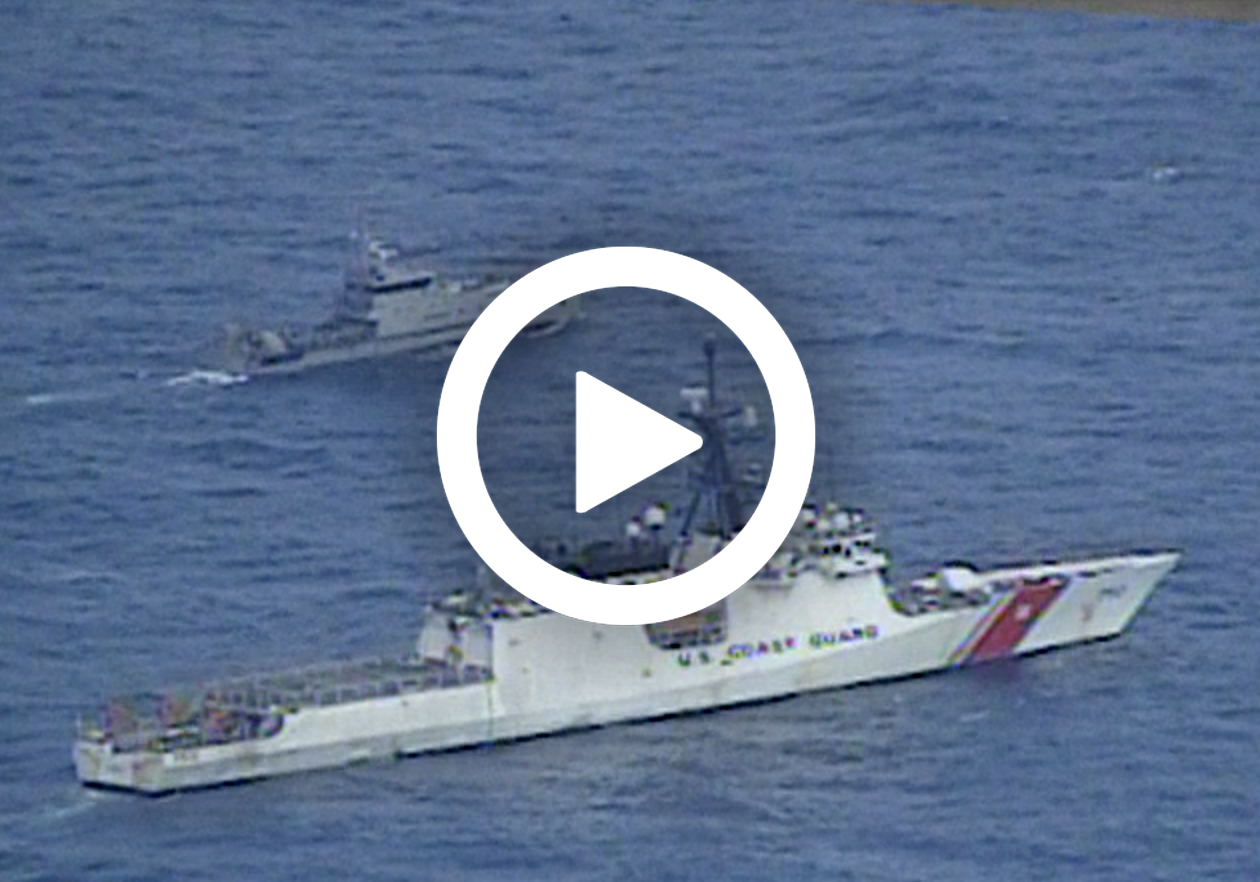
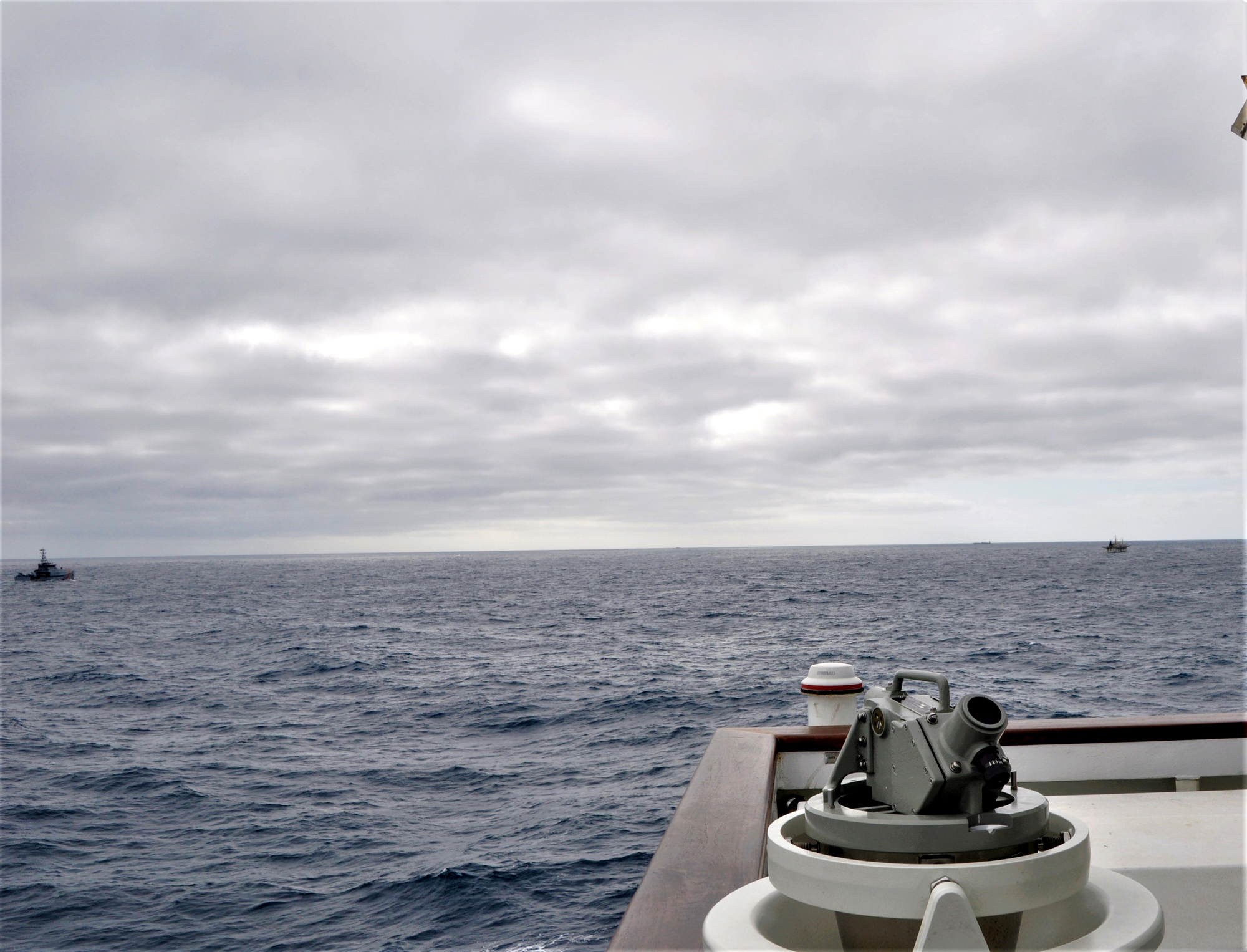
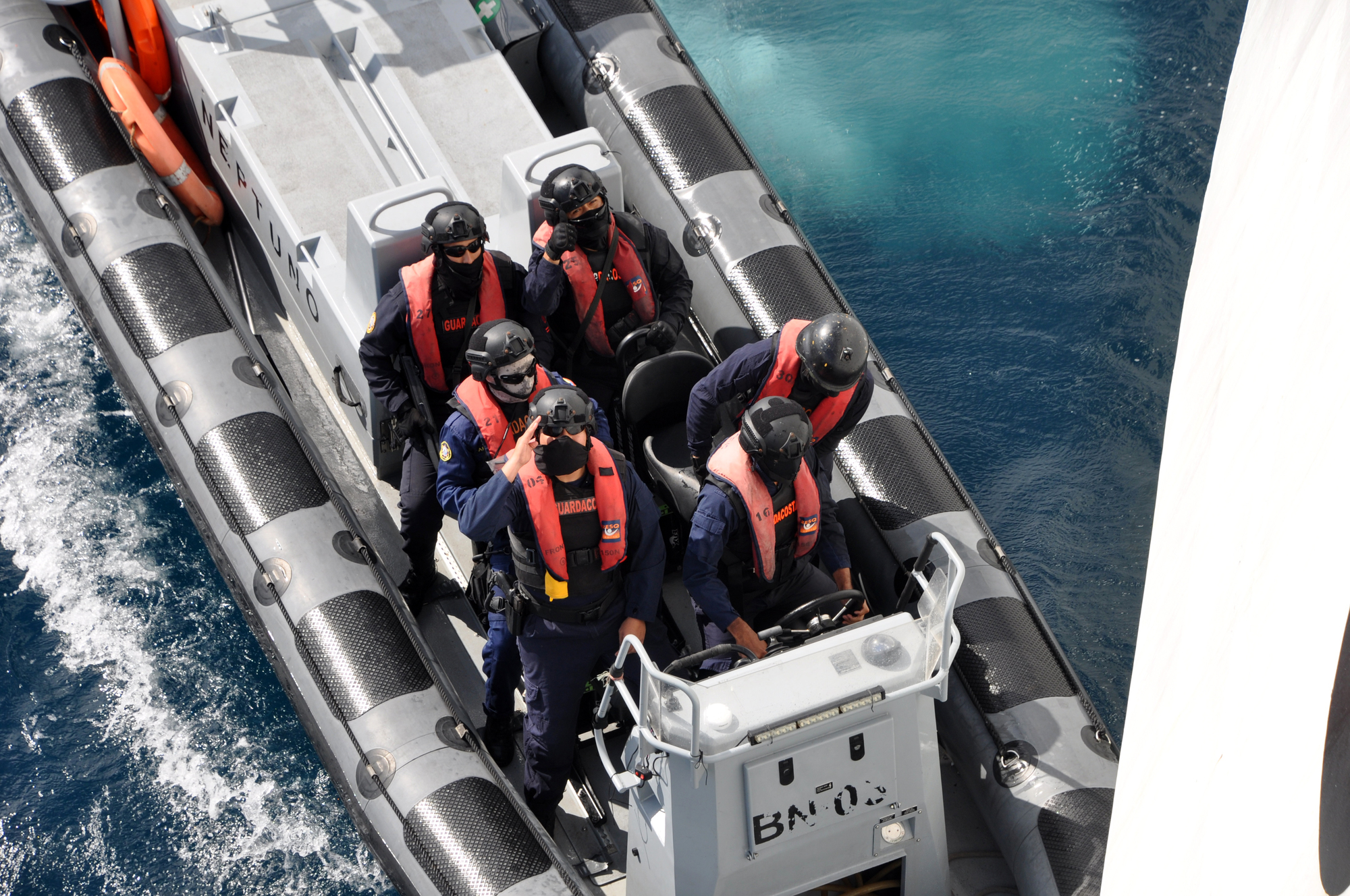
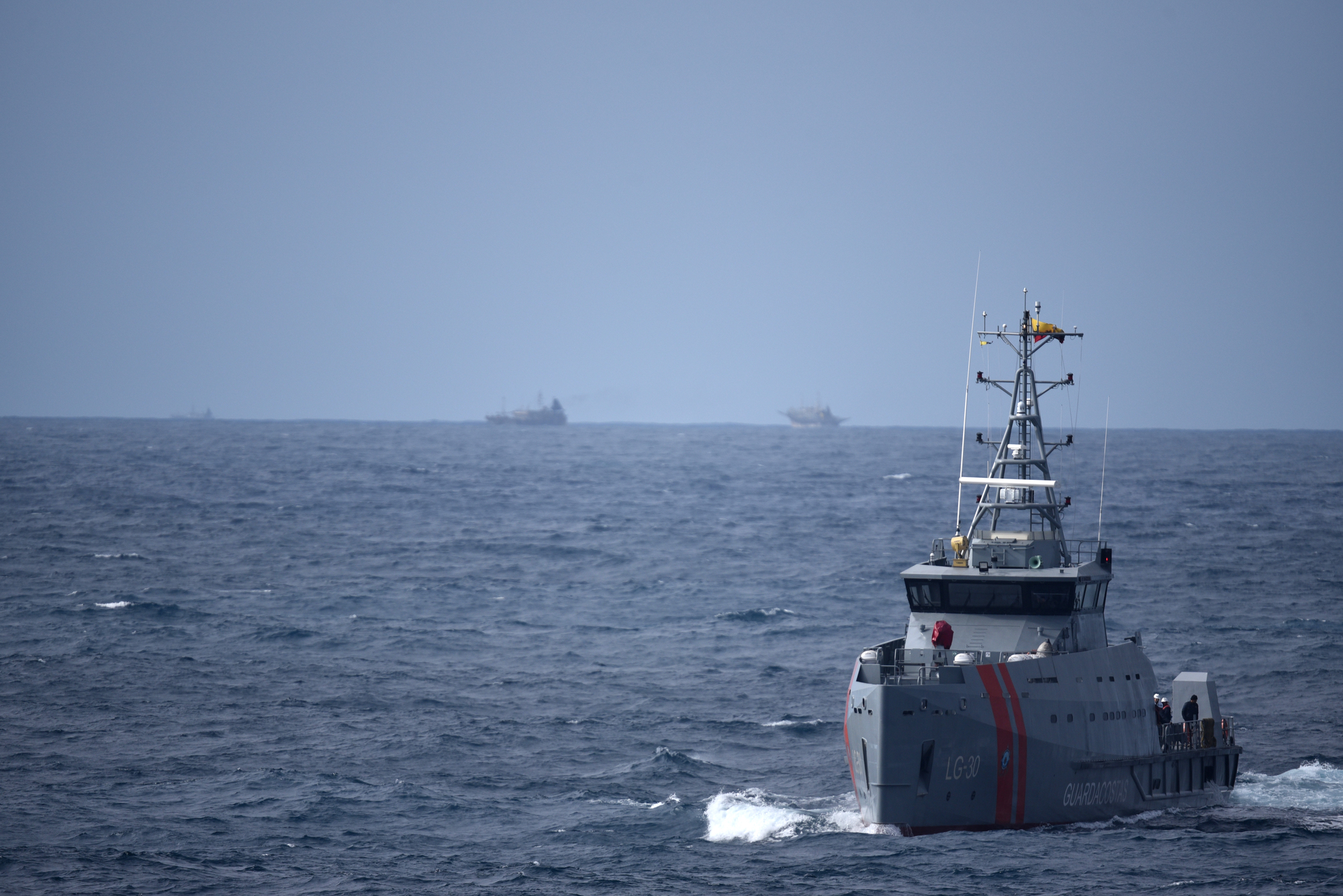
Below is a PAC AREA news release, reproduced in full. To put it into context, a huge fleet of Chinese F/Vs has been operating just outside the Ecuadorian EEZ surrounding the Galapagos Islands. Apparently there was enough concern that some might be engaged in Illegal, Unreported, and Unregulated (IUU) fishing that PAC AREA sent a ship to back Ecuadorian enforcement. It is about 540 nautical miles between the Galapagos Islands and mainland Ecuador. For Bertholf, this is not a great deviation from the Pacific drug transit zones. The Ecuadorian cutter seen in the photographs is a Damen Stan Patrol 5009, 50 meters in length and 9 meters in beam. It has a “axe bow.” It is one of two ships of the class ordered in 2014. For such a small vessel, it has unusual endurance, 30 days, and can accommodate up to 32 people. Max speed is 23 knots.  

united states coast guard

News Release

Sept. 3, 2020
U.S. Coast Guard Pacific Area
Contact: Coast Guard Pacific Area Public Affairs
D11-DG-M-PACAREA-PA@uscg.mil
Pacific Area online newsroom

U.S. Coast Guard, Ecuadorian navy conduct joint patrol off Galapagos Islands

VIDEO: U.S. Coast Guard, Ecuadorian navy conduct joint patrol off Galapagos Islands

 PHOTO: U.S. Coast Guard, Ecuadorian navy conduct joint patrol off Galapagos Islands  PHOTO: U.S. Coast Guard, Ecuadorian navy conduct joint patrol off Galapagos Islands  PHOTO: U.S. Coast Guard, Ecuadorian navy conduct joint patrol off Galapagos Islands

Editors’ Note: Click on images to download high resolution version.

ALAMEDA, Calif. – In coordination with the Ecuadorian navy, the Coast Guard Cutter Bertholf (WMSL 750) recently completed a joint patrol to detect and deter potential Illegal, Unreported, and Unregulated (IUU) fishing in the vicinity of the Galapagos Islands.

From Aug. 25-29, Bertholf patrolled over 3,000 square nautical miles of Ecuadorian and international waters and conducted joint operations with the Ecuadorian naval vessel LAE Isla San Cristobal (LG-30), providing persistent presence and surveillance of fishing activity throughout the region.

The joint operation highlights a significant Coast Guard partnership with a South American country to detect, deter and ensure adherence to international maritime norms for fishing.

Information gathered during the operation was shared with Ecuador to strengthen future compliance efforts and gain greater shared awareness of potential IUU fishing activity.

“It was a unique opportunity to sail together with the Ecuadorian navy, and we were impressed by their professionalism and dedication to the fight against illegal fishing,” said Capt. Brian Anderson, Bertholf’s commanding officer.  “This joint operation demonstrates the effectiveness and importance of our international partnerships.”

IUU fishing is a global security, economic, and environmental threat that undermines national sovereignty and weakens the international rules-based order. 

Up to 27 million tons of fish are caught illegally each year, which accounts for 20-30% of total global annual catch. Economic losses from IUU fishing are estimated to be as much as $23.5 billion per year.

“The United States remains committed to the international effort to combat IUU fishing and the illegal exploitation of the ocean’s fish stocks,” said Vice Adm. Linda Fagan, the Pacific Area commander.  “The U.S. Coast Guard will continue to safeguard our national interests and build lasting international partnerships that promote the rule of law and sovereignty for all nations.”