“Why a small shipyard merger could signal bigger problems for the US military” –Breaking Defense

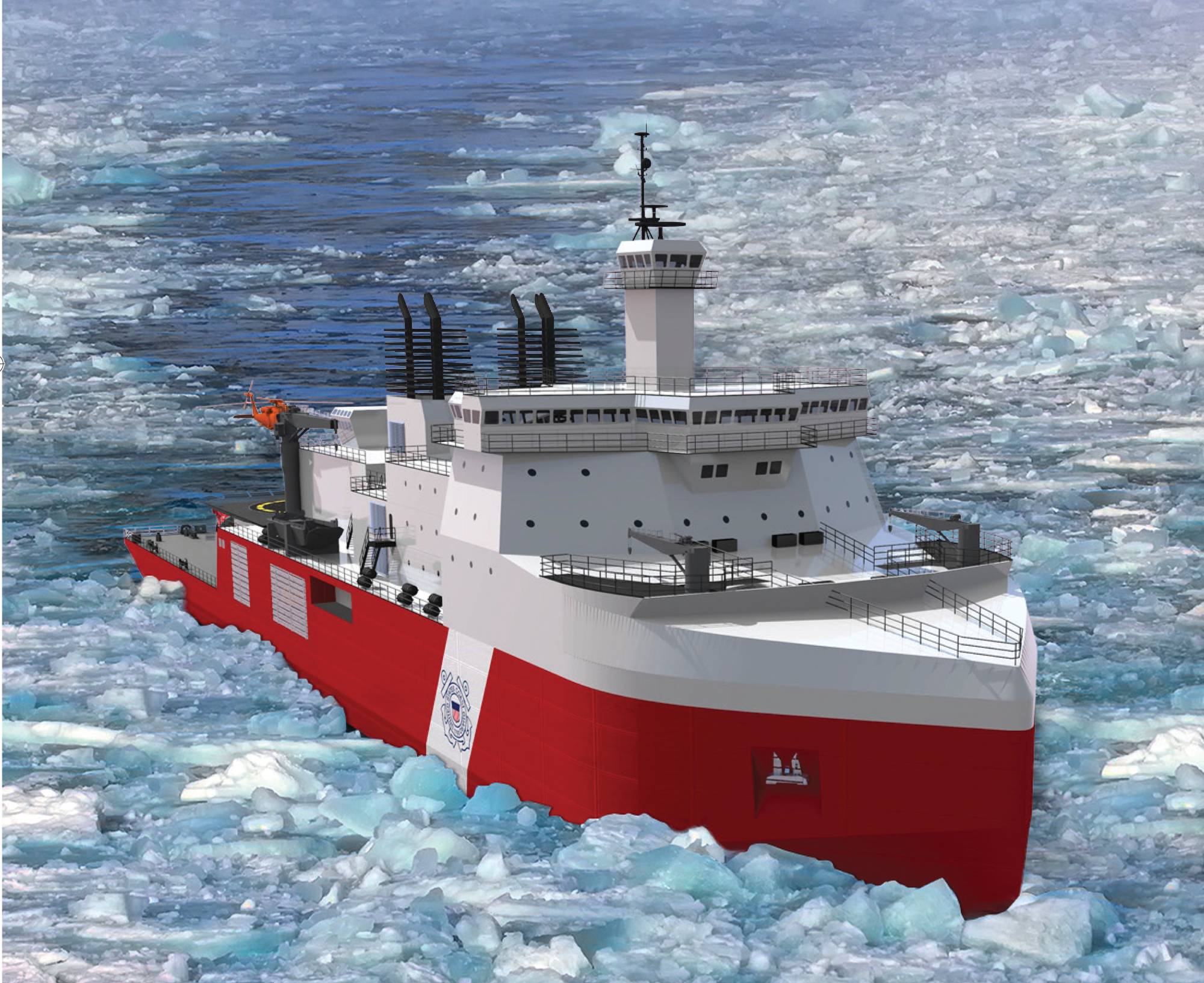
Polar Security Cutter. Image credit VT Halter Marine.

Breaking Defense reports,

“…there are factors specific to Halter Marine that may have made it ripe for takeover. But analysts told Breaking Defense that the merger may be a bellwether for further shipyard consolidation, limiting the Navy’s options at a time when the service is trying to grow its fleet. It’s an eventuality the Navy could forestall, if only it could get its own shipbuilding plans in order.

I would agree that the Navy needs to get their shipbuilding act together. Shipbuilding is an unreliable business in the US unless you are one of the five major shipyards that the Navy regularly deals with, but I believe this particular merger is what it is, a case of a badly managed capability being taken over by a better management team, one that has been delivering cutters like clockwork, on time and on budget, even after being hit by a hurricane. All to the good. There is no loss of building capacity. In fact, included in the deal are two shipyards that are corrently lying dormant.

I don’t see any reduction in capacity. In fact, it is likely to result in increased productivity.

Thanks to Walter for prompting me to respond to this. 

“MEDIA ADVISORY: America’s only heavy icebreaker departs Seattle Wednesday; bound for Antarctica” –PACAREA

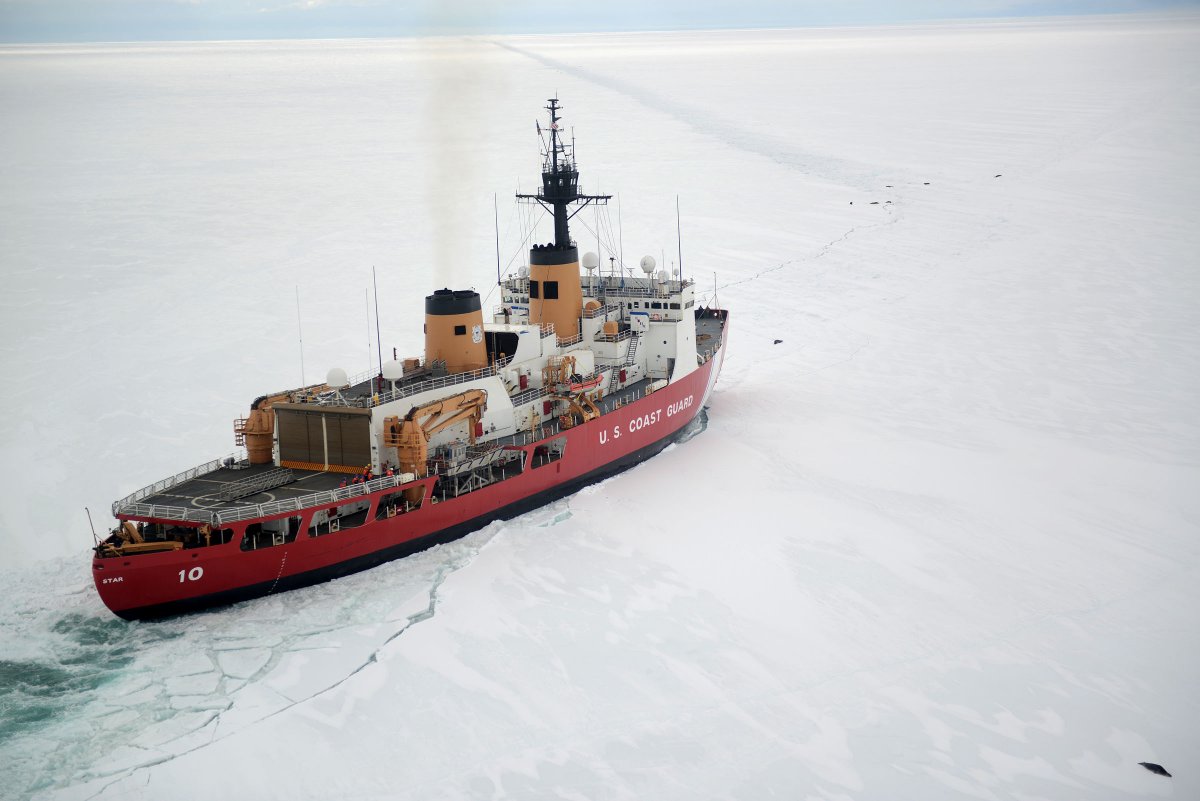
The Coast Guard Cutter Polar Star cuts through Antarctic ice in the Ross Sea near a large group of seals as the ship’s crew creates a navigation channel for supply ships, January 16, 2017. The resupply channel is an essential part of the yearly delivery of essential supplies to the National Science Foundation’s McMurdo Station.US Coast Guard photo by Chief Petty Officer David Mosley

Media Advisory

U.S. Coast Guard Pacific Area

MEDIA ADVISORY: America’s only heavy icebreaker departs Seattle Wednesday; bound for Antarctica

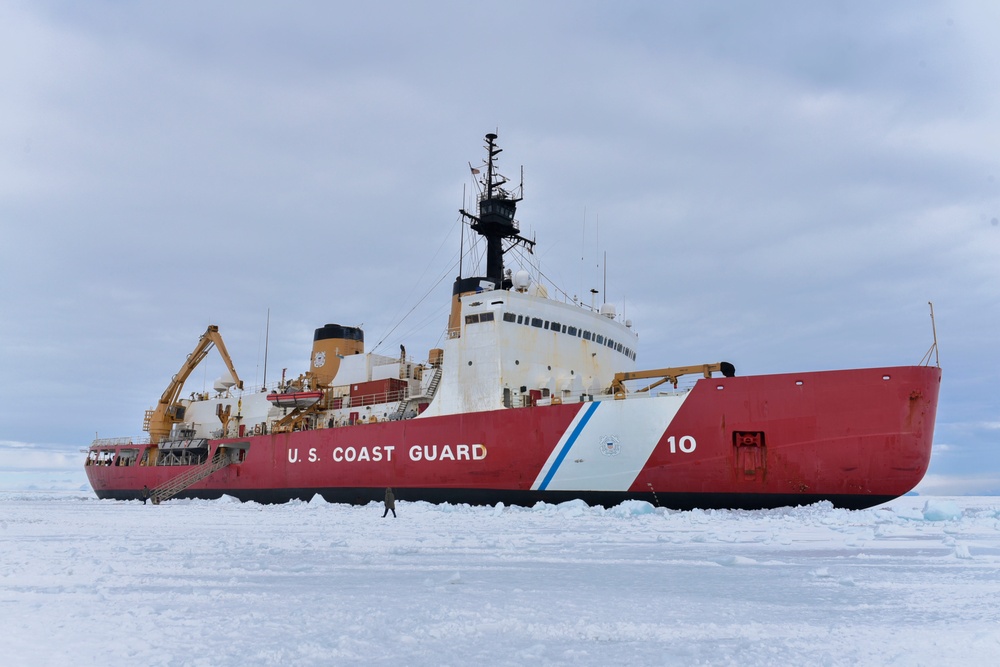
Polar Star and crew in Antarctica

Editors’ Note: Click on images to download high resolution version.

Who: U.S. Coast Guard Cutter Polar Star (WAGB 10) and crew 

What: Polar Star and crew are scheduled to depart Seattle, en route to Antarctica in support of Operation Deep Freeze

When: Wednesday, Nov. 16, 2022 at 2 p.m.

Where: U.S. Coast Guard Base Seattle

SEATTLE — The United States’ only heavy icebreaker, Coast Guard Cutter Polar Star, is scheduled to depart its Seattle homeport, Wednesday.

This annual journey to Antarctica is conducted in support of Operation Deep Freeze, a joint military service mission to resupply the United States Antarctic stations of the National Science Foundation, the lead agency for the United States Antarctic Program.

The Polar Star crew conducts this essential mission to create a navigable path through ice as thick as 21-feet, to allow refuel and resupply ships to reach McMurdo Station, the largest Antarctic station and the logistics hub of the U.S. Antarctic Program.

The U.S. Coast Guard is recapitalizing its polar icebreaker fleet to ensure access to the Polar Regions, project U.S. sovereignty, and to protect the country’s economic, environmental and national security interests. To support this endeavor, the U.S. Coast Guard is exploring options to expand Base Seattle infrastructure to support the growing icebreaker fleet.

Media are encouraged to contact Coast Guard District 13 Public Affairs at 206-251-3237 or uscgd13@gmail.com to arrange an escort at Base Seattle to attend the ship’s departure. The commanding officer of the Polar Star, Capt. Keith Ropella, may be available for interview prior to the ship’s departure.

Indonesia Building Two 90 meter OPVs

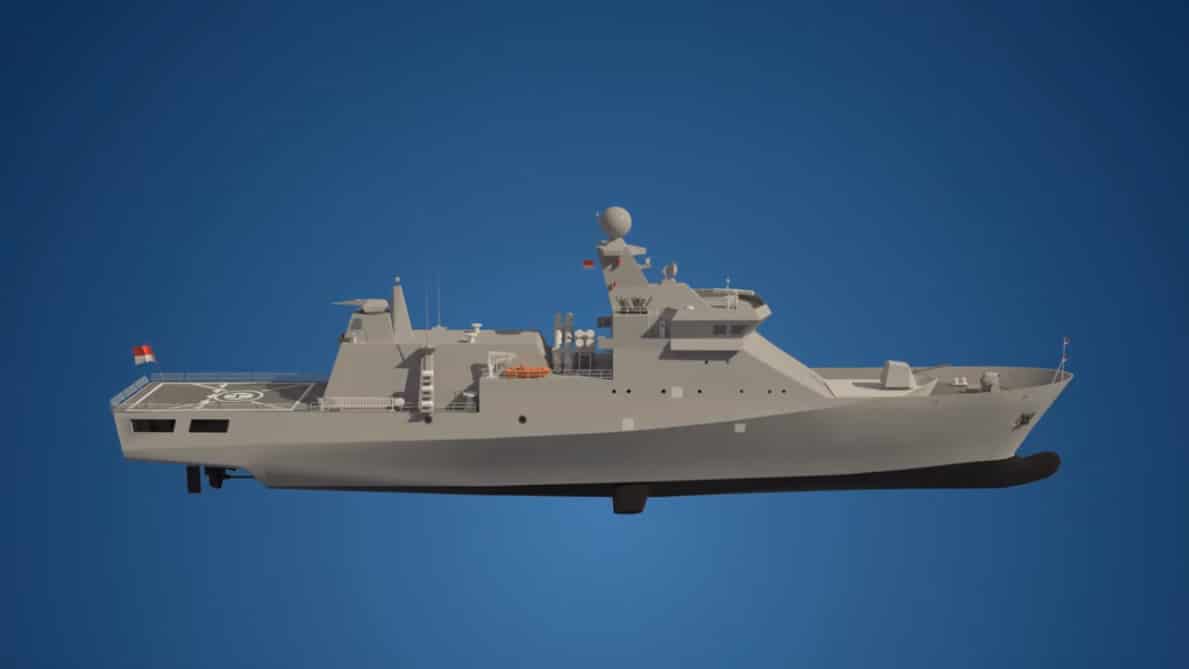
Indonesia 90 meter OPV

A recent Naval News report of the choice of an Electronic Warfare System for new Indonesian OPVs, with the illustration above, prompted me to find out more about these unusually fast and apparently well armed OPVs being built for the Indonesian Navy.

Steel was cut for the first of class on 26 August, 2021. (This report may be a bit confusing in that steel was cut for two OPVs of two different classes.) This report indicates these ships will be powered by four Diesel engines developing 7,280 kW (29,120KW total). That would equate to about 39,000 HP which sounds about right for 28 knots. It is not clear from any of the illustrations where the air intakes and engine exhausts are.

Defense Indonesia provides some specifications:

  • Length: 90 meters
  • Beam: 13.5 meters
  • Draft: 4 meters
  • Speed: 28 knots
  • Accomodations: 70 + 24 troops

A 2021 Janes report provides information on their weapons, combat management system, and ASW capability. If they emerge fully armed as illustrated, with an ASW capability, some would consider them corvettes or even light frigates.

“Spire Launches ‘Dark Shipping’ and ‘Spoofing’ Detection” –gCaptain

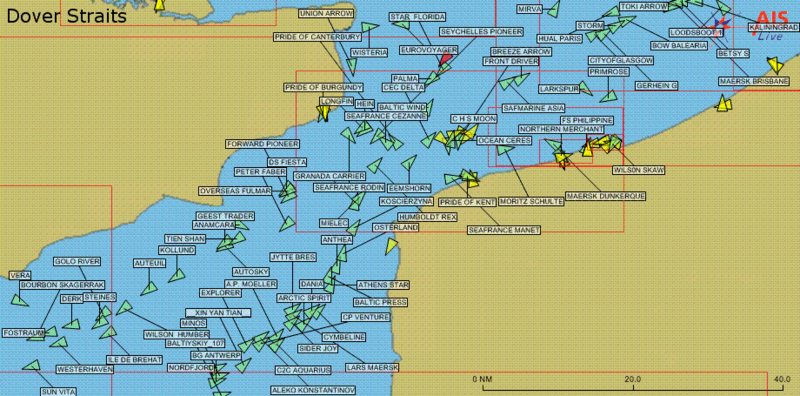
Display of maritime traffic provided by AIS. Only vessels equipped with AIS are displayed, which excludes most fishing boats, pleasure craft, inland navigation and vessels less than 300 tons. Location: Dover Straits/English Channel. Author: fr:User:Pline

gCaptain reports,

Space-based data company Spire Global (NYSE: SPIR) has launched what it describes as a dark shipping detection product to track vessels manipulating their position data in order to conceal nefarious activities such as evading sanctions, illegal fishing and human trafficking.

“The Coast Guard Must Take Action to Send Women Afloat” –USNI

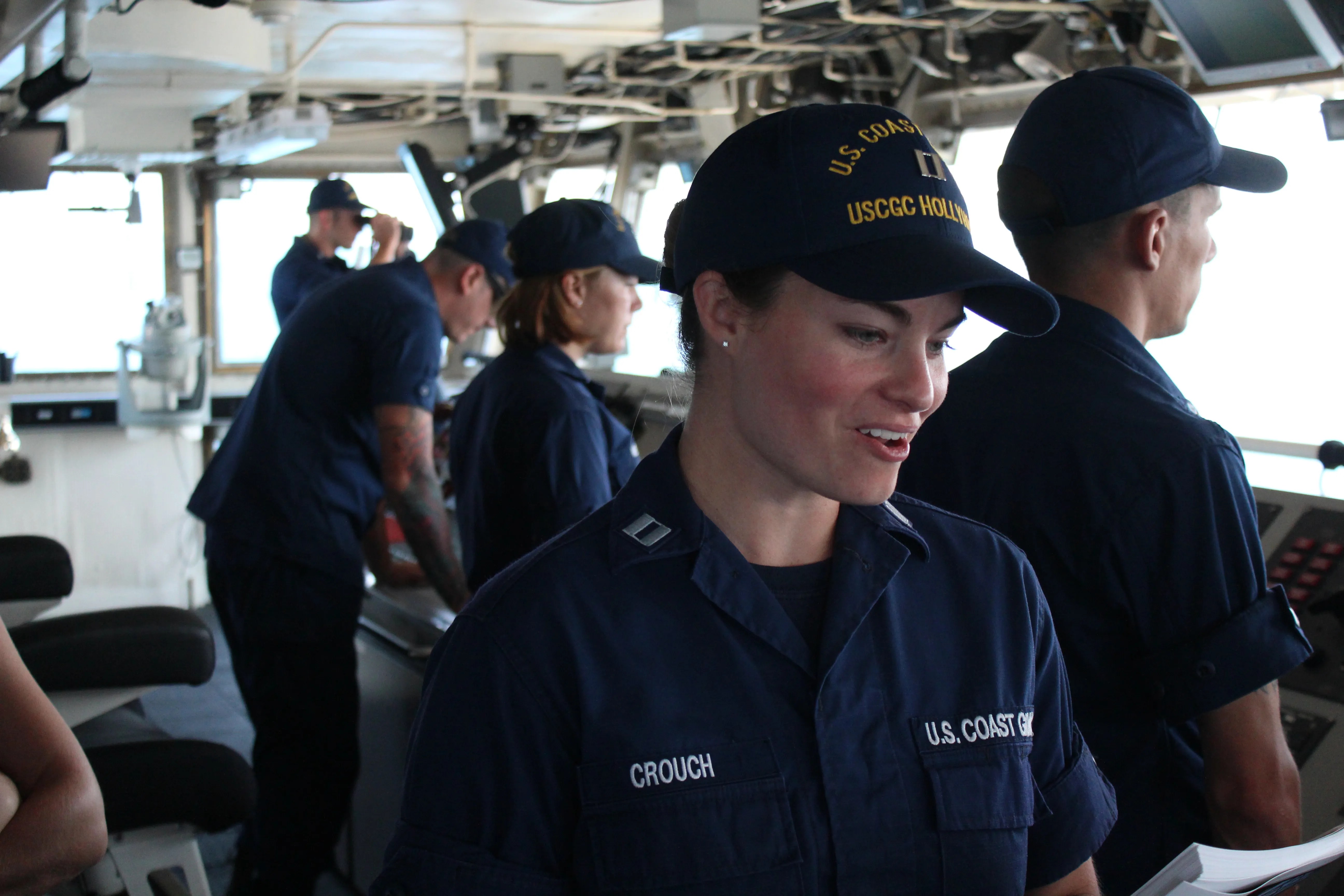
The US Naval Institute blog has a post entitled “The Coast Guard Must Take Action to Send Women Afloat, writen by Cadet Second Class Kyra Holmstrup, U.S. Coast Guard, who said that she was fortunate to spend a long summer cruise on a National Security Cutter but noted her experience was the exception.

Third-class summer is vital to future career selection in the Coast Guard. Without having gone afloat on an NSC, I would not be at CGA today. Seeing the world from the bridge helped me identify the reason why I joined and solidified the leadership lessons I learned as they guide me through my 200-week leadership journey. If this is not addressed now, our service risks losing the diversity and relevance the Coast Guard has so desperately worked to attain. To the senior leaders at CGA and in the Coast Guard: Make it a priority to send female cadets afloat for summer assignments and provide cadets with opportunities to experience different underway platforms. The focus should be on providing prospective female officers with earlier exposure to the afloat community starting at CGA with cadets like me. Not enough female cadets experience adequate time on board cutters early on in their careers; if female cadets did, the Coast Guard would see an increase in the number that go and—more importantly—stay afloat.

Earlier USNI had another post,“Fixing the Coast Guard Academy’s Priorities” that we discussed here. It appears all cadets, not just female cadets, are not getting enough experience afloat with operational units.

Our credibility in all mission areas is predicated on our experience as a seagoing organization. All Coasties, particularly officers, need at least some experience afloat.

“Extremely Ominous Warning About China From US Strategic Command Chief” –The Drive

Image: Creative Commons.

The Drive reports,

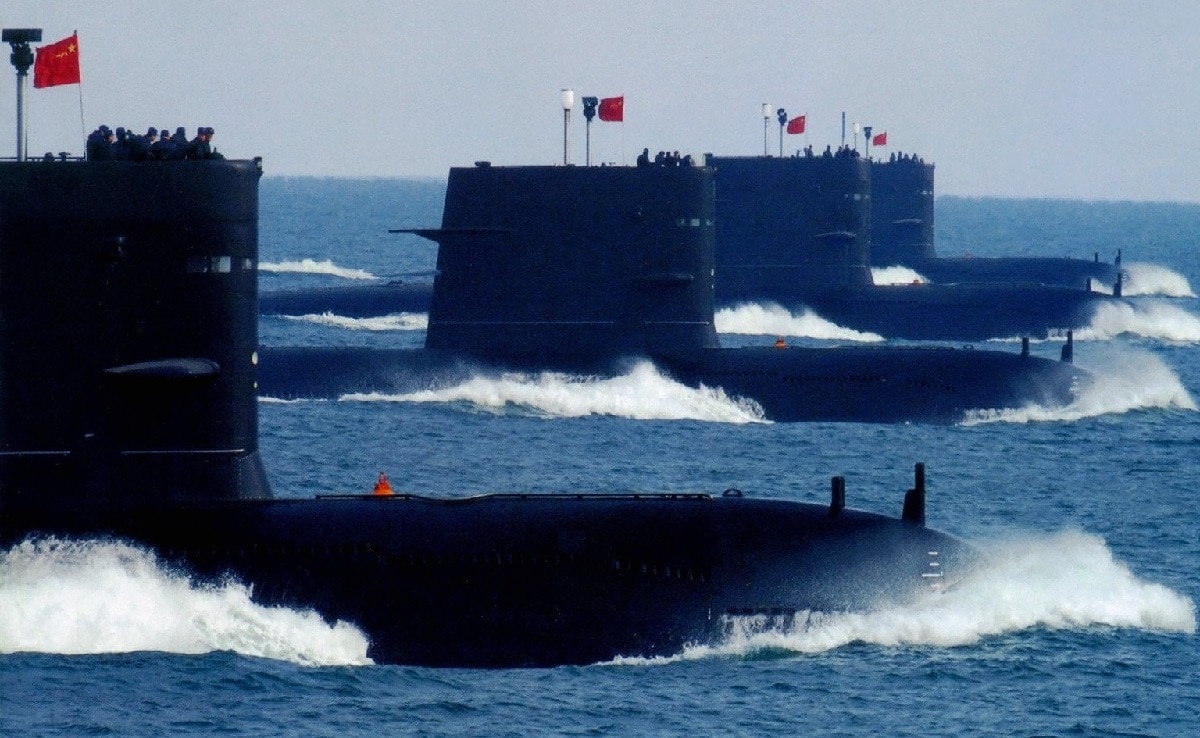
Major conflict with China “is coming,” U.S. Strategic Command’s chief warns outright…Navy Admiral Charles A. Richard, has warned that the U.S. should anticipate, and prepare for, a protracted conflict with China in the near future – which could be triggered by further hostile actions toward Taiwan by Chinese forces.

I will admit, that military commanders always tend to look at the worst case scenarios. That seems to go along with the job, but Admiral Richard may know things we do not.

It is abundantly clear that the Chinese are building ships at an amazing rate (and here) and many of them are extremely impressive. It appears increasingly likely China will attempt to retake Taiwan in the near term.

The Coast Guard has been increasingly active in attempting to shape our international environment in peacetime.

Perhaps it is time for the Coast Guard and our Navy partners to start taking the Coast Guard’s potential war fighting role more seriously.

There are significant oportunities for development of modular weapons and sensors (and here) that could be brought aboard Cutters and operated by Navy Reserve personnel. The Coast Guard could do a lot to protect the logistics train from Chinese submarines.

The Coast Guard’s fixed wing aircraft are a significant potential asset for protection of the homeland from surprise attack.

In terms of nation defense, the Coast Guard is a bargain. For small marginal cost, preexisting Coast Guard platforms can be upgraded to provide significant capablity. The problem is that the upgrades may be needed early in the conflict. We may not have months or years to make changes.

And of course, the future option of upgrades has no deterrent effect.

Updated: “Navy Used 16-Year-Old Law Made to Boost Army Recruiting to Raise Enlistment Age for Sailors” –USNI

The US Naval Institute’s News Service reports,

The Navy will now allow men and women up to age 41 to enlist in the service, a new change in policy for which it has the Army to thank.

Under the change, made by Navy Recruiting Command this month, the new maximum age for Navy recruits is 41, as long as the person enlisting can report to training before their 42nd birthday, according to the new policy.

Don’t think it would hurt the Coast Guard to follow this policy change.

Update: The Coast Guard has raised the age limit. See the Comments.

“MEDIA ADVISORY: U.S. Coast Guard icebreaker to return home after four-month Arctic deployment” –PACAREA

Editors’ Note: Click on images to download high resolution version

Media Advisory

U.S. Coast Guard Pacific Area

MEDIA ADVISORY: Coast Guard icebreaker returns home to Seattle after 124-day Arctic deployment

Who: U.S. Coast Guard Cutter Healy (WAGB 20) commanding officer and crew

What: Returning to Seattle following four-month Arctic deployment

When: Friday, 4 p.m.

Where: Coast Guard Base Seattle, 1519 Alaskan Way S, Seattle, WA 98134

SEATTLE — U.S. Coast Guard Cutter Healy (WAGB 20) is scheduled to return home to Seattle, Friday, following a historic 17,000-mile, 124-day deployment in the high Arctic latitudes that included a transit to the North Pole.

The crew’s efforts demonstrated interoperability in the Polar Region, supported U.S. security objectives, and projected an ice-capable presence in Arctic waters and the Gulf of Alaska.

Commissioned in 2000, Healy is a 420-foot medium icebreaker and a uniquely capable oceanographic research platform. Healy’s crew traversed the ice-packed Arctic Ocean to the top of the world, reaching the geographic North Pole on Sept. 30, 2022. This was only the second time a U.S. vessel had reached 90 degrees north unaccompanied.

Media are encouraged to contact Coast Guard public affairs at 206-251-3237 or uscgd13@gmail.com to arrange an escort at Base Seattle to attend the ship’s arrival. Healy’s Commanding Officer, Capt. Kenneth Boda, will be available for an interview following their arrival.

“U.S. Coast Guard invests time with Oceania partners, initiates Operation Rematau” –D14

The crew USCGC Oliver Henry (WPC 1140) visit Ulithi Atoll on Oct. 31, 2022, the first time a fast response cutter visited the atoll and delivered 20 boxes of supplies, 50 personal floatation devices, and sporting equipment donated by the cutter crew, the extended U.S. Coast Guard Guam family, Ulithi Falalop Community Action Program, Guam Island Girl Power Foundation, and Ayuda Foundation. Ulithi was a central U.S. staging area during World War II, and home to a U.S. Coast Guard Loran-C communications station from 1944 to 1965 before operations relocated to Yap and ultimately shuttered in 1987. (U.S. Coast Guard photo by Petty Officer 3rd Class Zena Suzuki)

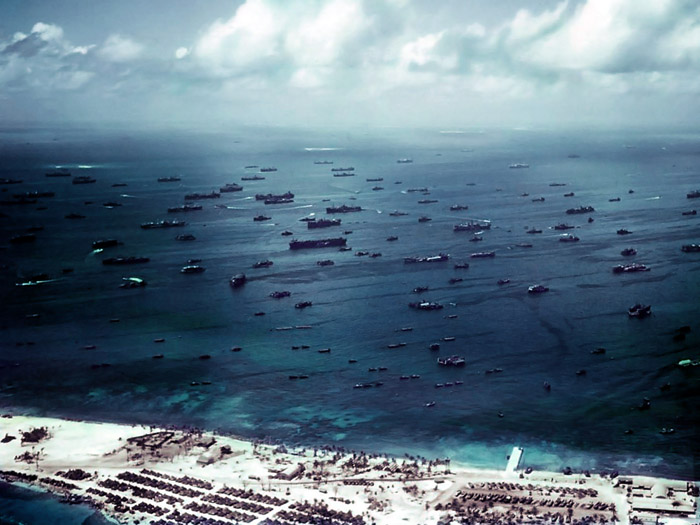
Below is a press release by US Coast Guard Forces Micronesia/Sector Guam, part of District 14. The photo above shows how loaded Oliver Henry was for the trip to Ulithi. I have included a photo of only part of the US Fleet at anchorage in the Ulithi Lagoon in WWII to show how important this location was to us in WWII.  Looks like the crew had quite an adventure.

Ulithi Atoll north anchorage and Sorlen Island, late 1944.

News Release

U.S. Coast Guard Forces Micronesia / Sector Guam

U.S. Coast Guard invests time with Oceania partners, initiates Operation Rematau
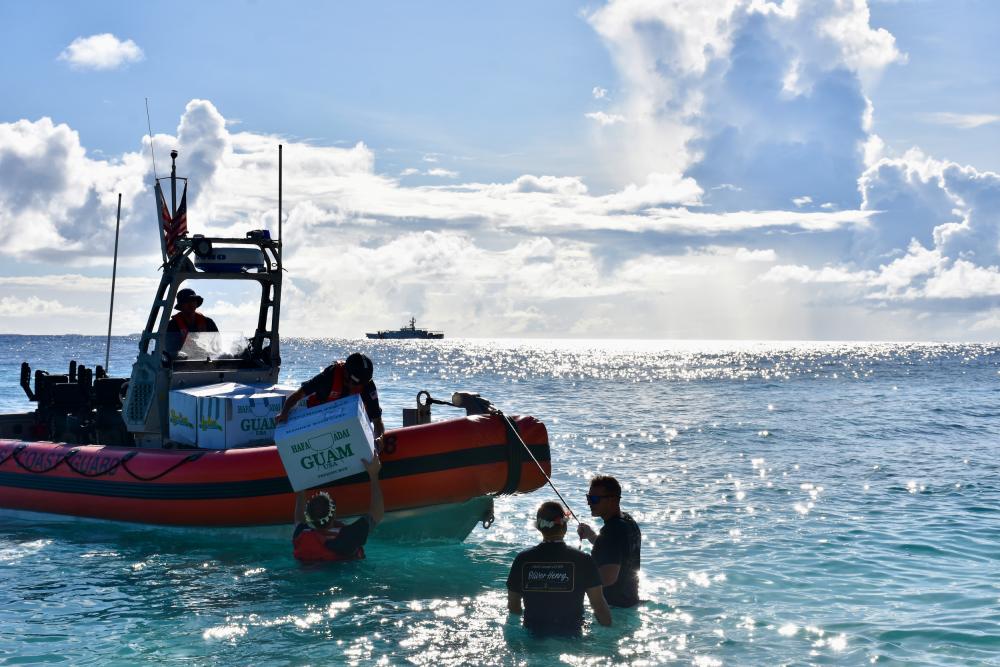
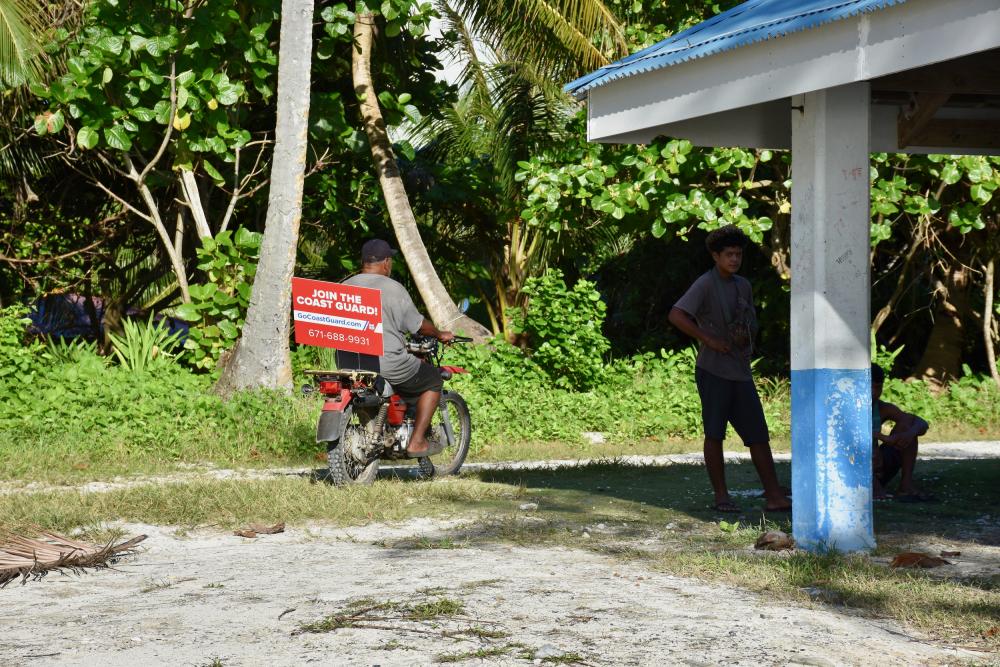
The crew USCGC Oliver Henry (WPC 1140) delivers supplies to Ulithi Atoll The crew USCGC Oliver Henry (WPC 1140) visit Ulithi Atoll A Ulithi Atoll resident departs the beach with a Go Coast Guard sign
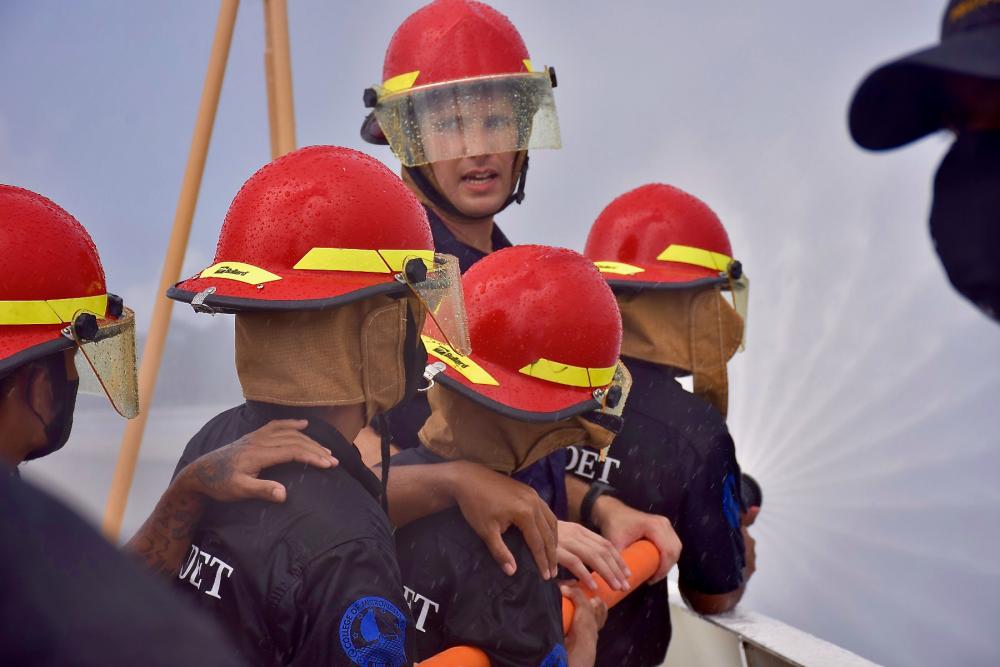
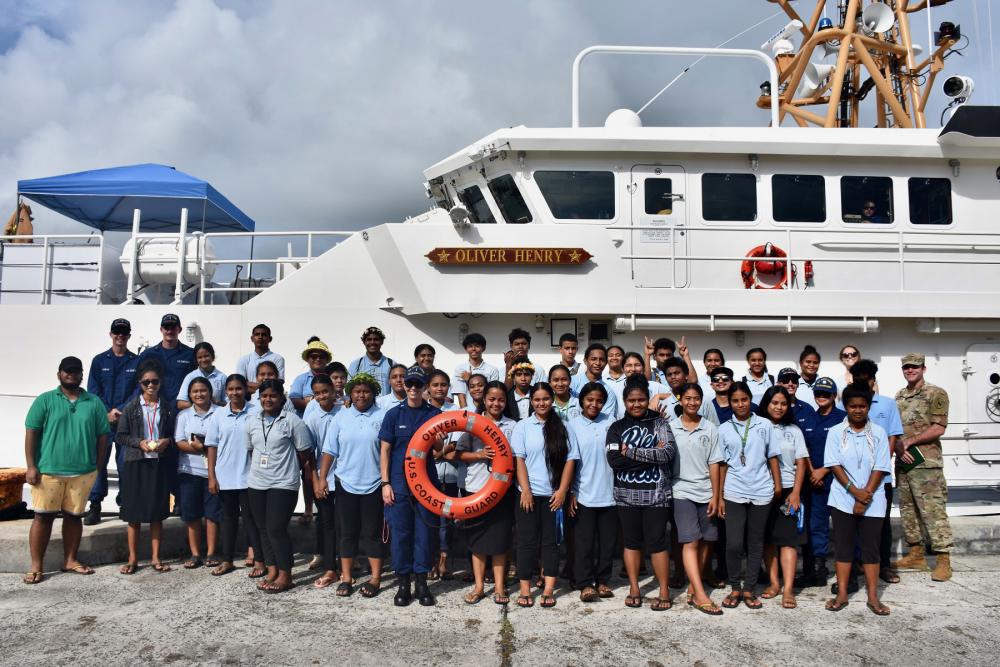
USCGC Oliver Henry (WPC 1140) crew conducts training with FSM Fisheries and Maritime Institute cadets USCGC Oliver Henry crew attend World Coconut Day Yap Catholic High School students stand for a photo with the crew of USCGC Oliver Henry

Editor’s Note: Click on the images above to view more or download high-resolution versions.

SANTA RITA, Guam — The crew USCGC Oliver Henry (WPC 1140) kicked off Operation Rematau conducting a two-week, nearly 2,000 nautical mile deployment to the high seas and the Federated States of Micronesia countering illegal fishing and strengthening partnerships from Oct. 24 to Nov. 6.

“Operation Rematau is how U.S. Coast Guard Forces Micronesia Sector Guam supports the overarching Coast Guard endeavor Operation Blue Pacific to promote security, safety, sovereignty, and economic prosperity in Oceania,” said Capt. Nick Simmons, commander, CGFMSG. “Rematau means people of the deep sea. It recognizes what our Pacific Island Forum leaders know — securing the future requires long-term vision and a carefully considered regional strategy for the Blue Pacific Continent. It reinforces our commitment to working together to advance Pacific regionalism based on the Blue Pacific narrative, action which supports our national security objectives, bolstering maritime governance and security.”

The Oliver Henry crew conducted multiple engagements and patrolled the exclusive economic zone of FSM during the deployment. FSM is a group of more than 600 islands in the North Pacific Ocean spanning a swath of ocean 1,480 nautical miles end to end. It sits about three-quarters of the way from Hawaii to Indonesia, consisting of four states – Pohnpei, Chuuk, Yap, and Kosrae.

“The U.S. Coast Guard, present in the region since before World War II, continues operations in the Federated States of Micronesia, supporting our partners to ensure their sovereignty and resource security,” said Simmons. “I am proud of this team. We consider this a regular patrol for our cutters at Forces Micronesia, but regular still means transiting over 460 nautical miles to reach our partners.”

Oliver Henry’s first stop was Ulithi Atoll, the first time a fast response cutter visited the atoll. Ulithi was a central U.S. staging area during World War II, and home to a U.S. Coast Guard Loran-C communications station from 1944 to 1965 before operations relocated to Yap and ultimately shuttered in 1987. Oliver Henry delivered 20 boxes of supplies to Ulithi, 50 personal floatation devices, and sporting equipment donated by the cutter crew, the extended U.S. Coast Guard Guam family, Ulithi Falalop Community Action Program, Guam Island Girl Power Foundation, and Ayuda Foundation.

Their second stop was Yap. With coordination from the U.S. Department of State and U.S. Army Pacific colleagues, the crew undertook several community engagements and Subject Matter Expert Exchanges, meeting leaders, working with students, and providing tours to interested residents.

“It was a privilege to host Yap’s Council of Pilung – the council of traditional chiefs aboard the cutter,” said Lt. Freddy Hofschneider, commanding officer of Oliver Henry. “The council protects the traditions and customs of the people, and to be welcomed in by them is no small matter. Our visit culminated in our invitation to attend Yap’s first-ever World Coconut Day celebration as honorary guests. It was a whole of community event that included a parade, a large spread of island cuisine, ceremonial dances, and fun activities.”

The SMEE took place with 42 cadets and 28 faculty from FSM’s Fisheries and Maritime Institute, which included shipboard familiarization covering seamanship, navigation, law enforcement, damage control, engineering casualty control, and small boat operations. In addition to the knowledge exchange, the Oliver Henry crew presented FSM FMI with 100 PFDs donated by CGFMSG.

“We appreciate Dean Tioti Teburea’s time and support to make this event a success. The cadets truly enjoyed their time with us, and it is always an honor for the crew to showcase shipboard life and Coast Guard operations across the island communities. It was a mutually beneficial event, where we exchanged nautical knowledge and best practices,” said Hofschneider. “Numerous cadets showed strong interest in maritime work and the Coast Guard. We look forward to expanded engagements and underway opportunities with the cadets.”

The Oliver Henry team held recruiting events in Yap with visits to two local high schools and speaking with juniors and seniors. The crew provided ship tours to interested students from both schools, with 65 students visiting the cutter.

The U.S. and its Allies are trusted partners in Oceania. Regular regional patrols support the shared goals of Indo-Pacific Command and the Pacific Quadrilateral Defence Coordination Group (Australia, France, New Zealand, and the United States) in support of PIF countries to combat the significant threat of illegal, unregulated, and unreported fishing in their EEZs and improve food security. The scope of U.S. Coast Guard activities helps address maritime security concerns expressed by the PIF in the 2018 Boe Declaration, echoed in the recent U.S.-Pacific Island Country Summit held in Washington, D.C.

“Our Service’s capability and reach were noted during the biannual FSM joint committee meeting last month,” said Simmons. “Sending Oliver Henry now and doing further engagements in the country soon delivers on U.S. commitments to our Blue Pacific partners. Our exchanges enhance good maritime governance and build capacity that continues a generational legacy of positive bilateral relations with FSM.”

The Oliver Henry is the 40th 154-foot Sentinel-class fast response cutter named for Oliver T. Henry, Jr., an enlisted African American Coast Guard member first to break the color barrier of a then-segregated Service. During World War II, Henry served under Lt. Cmdr. Carlton Skinner. The latter became the first civilian Governor of Guam and played a critical role in developing the Organic Act in 1950. Henry blazed a trail for minorities in the U.S. military as he climbed from enlisted ranks while serving on ten Coast Guard cutters, finally retiring as a chief warrant officer in 1966.

The U.S. Coast Guard commissioned Oliver Henry, along with sister ships Myrtle Hazard (WPC 1139) and Frederick Hatch (WPC 1143), in Guam in July 2021. These cutters are a vital part of the U.S. Coast Guard’s enduring regional presence serving the people of the Pacific by conducting 10 of the Service’s 11 statutory missions with a focus on search and rescue, defense readiness, living marine resources protection, and ensuring commerce through marine safety and ports, waterways, and coastal security.

For more U.S. Coast Guard Forces Micronesia/Sector Guam news, visit us on DVIDS or subscribe! You can also visit us on Facebook or Instagram at @USCGForcesMicronesia or Twitter @USCGFMSG.