“Media Advisory: Coast Guard cutter to return home following 97-day multi-mission Arctic deployment” –PACAREA

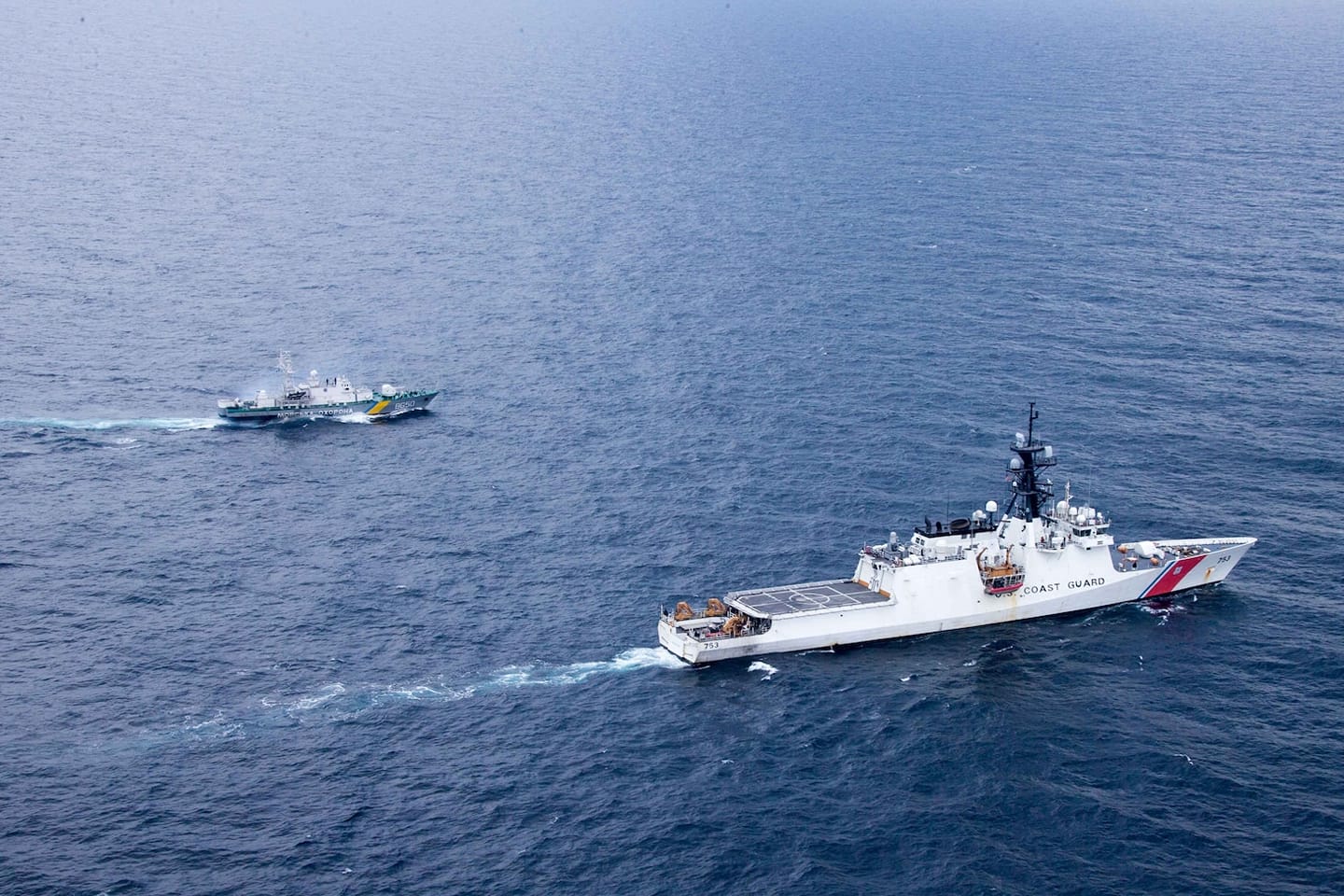
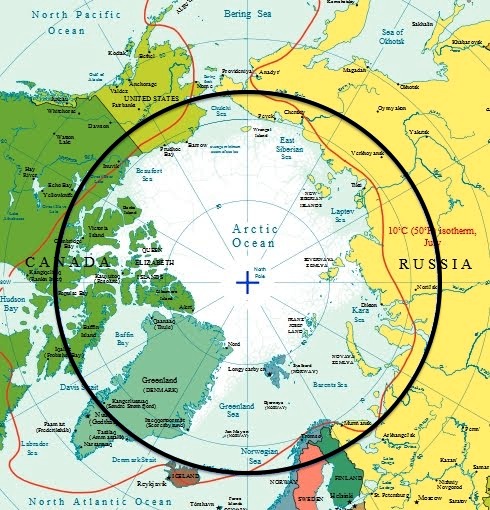
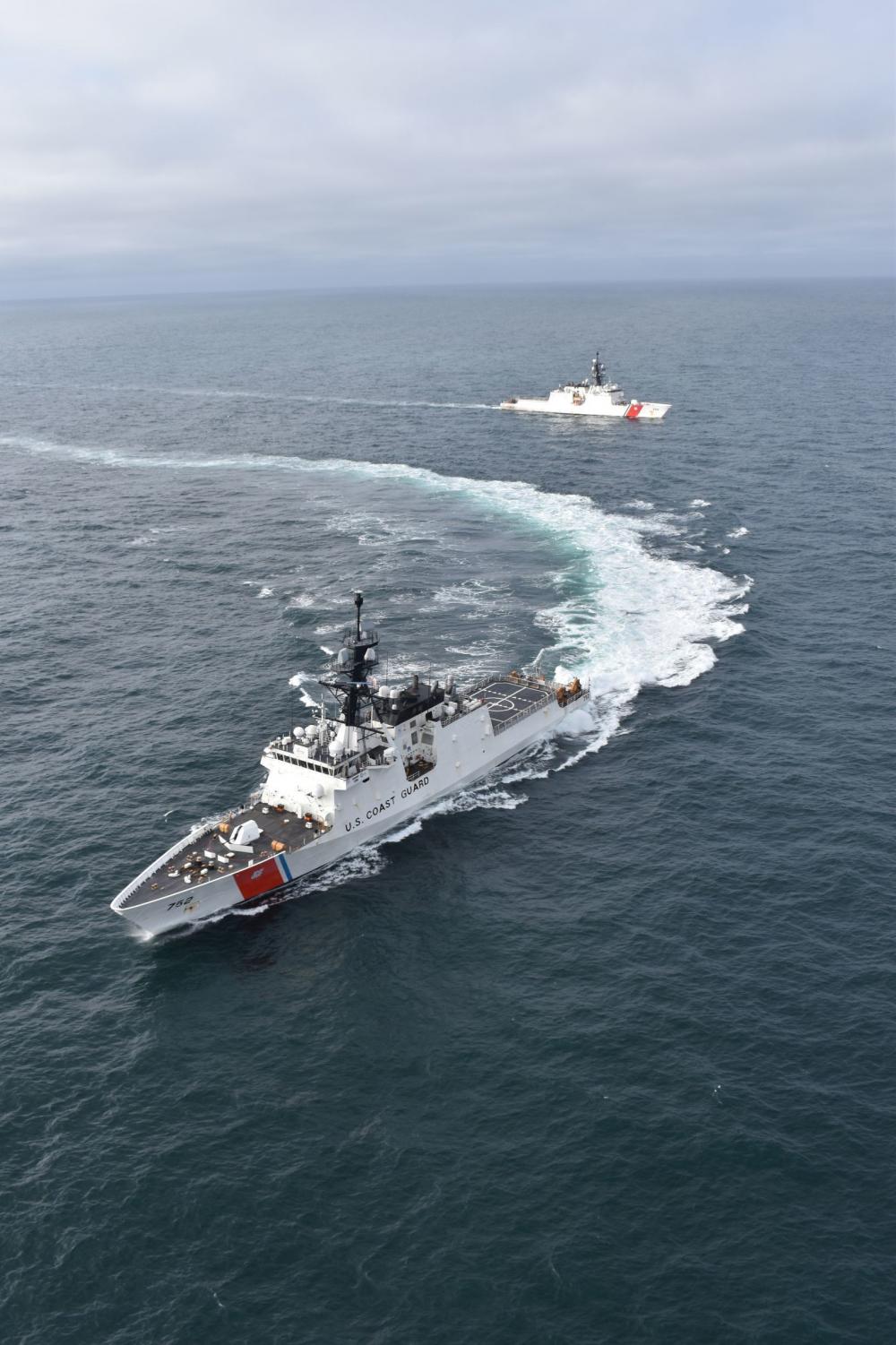
U.S. Coast Guard Cutters Stratton (WMSL 752) and Kimball (WMSL 756) steam in formation while patrolling the U.S.-Russian Maritime Boundary Line (MBL), in the Bering Sea, Sept. 26, 2022. This marked the first time two national security cutters jointly patrolled the MBL above the Arctic Circle. (U.S. Coast Guard courtesy photo).

This isn’t like the Alaska Patrols I went on, which concentrated on the Aleutians/Bering Sea and never went much North of the Arctic Circle. This patrol went across the top of Alaska and apparently, this is getting to be more common.

Media Advisory

Nov. 22, 2022
U.S. Coast Guard Pacific Area

Media Advisory: Coast Guard cutter to return home following 97-day multi-mission Arctic deployment

Coast Guard cutter returns home following 97-day multi-mission Arctic deployment

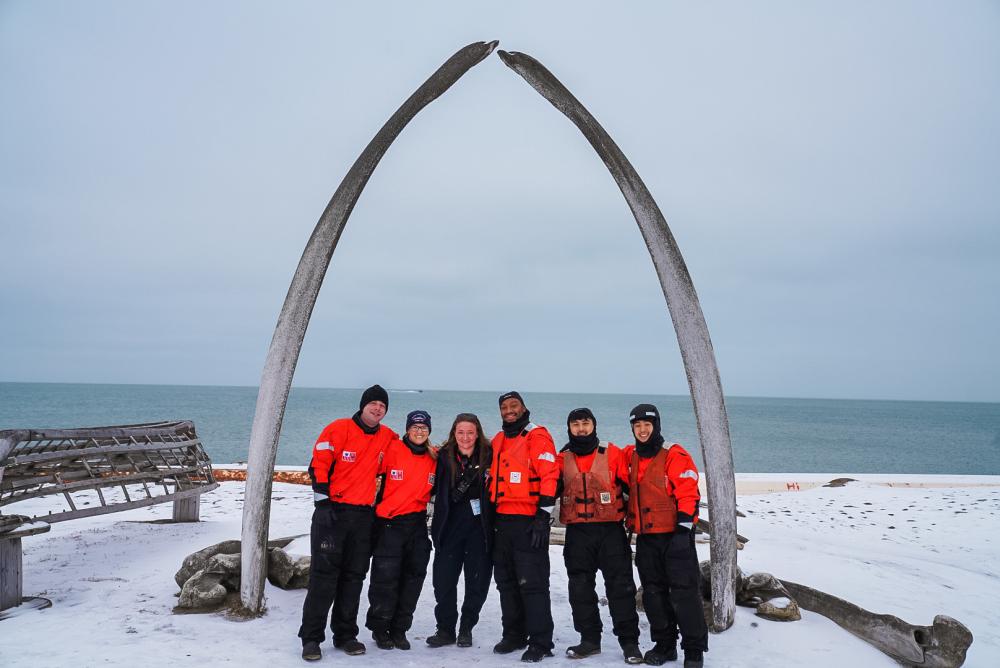
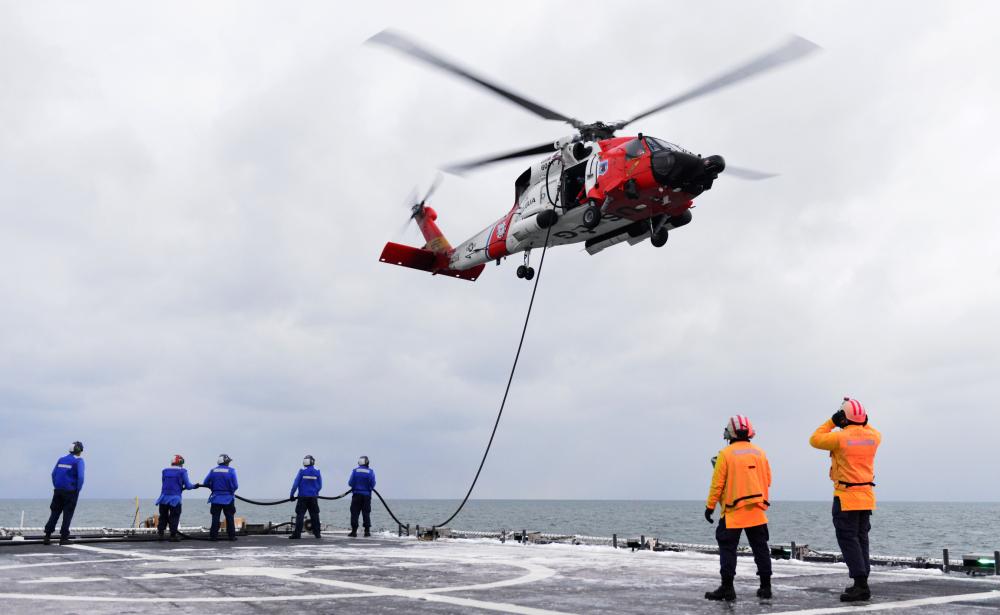
USCGC Stratton conducts operations offshore Little Diomede, Alaska Coast Guard cutter returns home following 97-day multi-mission Arctic deployment USCGC Stratton conducts flight operations while underway in Arctic Ocean

Editors’ Note: Click on images to download high resolution version.

Who: U.S. Coast Guard Cutter Stratton (WMSL 752) and crew

What: Return home from multi-mission Arctic deployment

When: Wednesday, Nov. 23, 2022 at 9 a.m.

Where: Coast Guard Base Alameda, 1 Eagle Rd., Alameda, CA, 94501

ALAMEDA, Calif. — The Coast Guard Cutter Stratton (WMSL 752) and crew are scheduled to return to Alameda, Wednesday, following a 97-day multi-mission deployment to the Arctic Ocean and Bering Sea.

The cutter and crew departed Alameda in August to project U.S. sovereignty throughout U.S. Arctic waters, provide search-and-rescue capabilities in the region, meet with Alaskan communities and conduct an Arctic search-and-rescue exercise with international partners.

Stratton operated along the length of the U.S.-Russian maritime boundary line (MBL) from the Diomede Islands to well above the Arctic Circle, while they patrolled within the U.S. Arctic zone. Stratton also patrolled the U.S.- Canadian MBL in the Beaufort Sea, providing Coast Guard presence in the distant regions of the Arctic.

“I’m extremely proud of this crew and all they have accomplished,” said Capt. Stephen Adler, Stratton’s commanding officer. “The U.S. Coast Guard provides the Nation’s most active and visible maritime presence in the high latitudes, and coordinates with our international partners through joint exercises and professional exchanges to maintain a safe and prosperous Arctic region. The Coast Guard remains ‘Always Ready’ to preserve and protect our northern shores and waters. As more ships and people move into the Arctic, the Coast Guard will be there to ensure safety of navigation and preserve our national sovereignty, as it always has. The crew has truly lived up to our ship’s motto of, ‘We Can’t Afford Not To’ throughout our patrol.”

Stratton is one of four 418-foot national security cutters (NSC) homeported in Alameda. National security cutters are capable of extended, worldwide deployment in support of homeland security and defense missions. These cutters and crews routinely conduct operations from South America to the Arctic, where the combination of range, speed, and ability to operate in extreme weather provides the mission flexibility necessary to conduct vital strategic missions.

Media are encouraged to contact Coast Guard Pacific Area Public Affairs at pacificareapublicaffairs@uscg.mil to arrange an escort on Base Alameda to attend the ship’s arrival. Adler and crew will be available for interviews following the ship’s arrival.

“All American Marine wins order for 74-foot patrol vessel” –Marine Log

California Department of Fish and Wildlife vessel will feature Teknicraft rapid RHIB launch and retrieval system, integrated into the stern

Marine Log reports,

“The California Department of Fish and Wildlife (CDFW) has awarded Bellingham, Wash., based All American Marine Inc. (AAM) a contract for the construction of an aluminum catamaran patrol vessel…Measuring 74 foot long by 27.5 feet wide…The design integrates a Teknicraft hull shape…complemented by Teknicraft’s signature integration of a wave piercer that is positioned between the catamaran sponsons to break up wave action and ensure reduced drag while conducting research missions.”

I did an 2019 post on the Texas Parks and Wildlife patrol boat this craft is based on. Notably that craft was designed to patrol up to 200 nautical miles offshore. A foil between the catamaran hulls reportedly reduces resistance and improves fuel economy.

Notably All American Marine is doing service life extension (SLEP) work on Coast Guard 47 foot MLBs.

Thanks to Lee for bringing this unconventional design to my attention. 

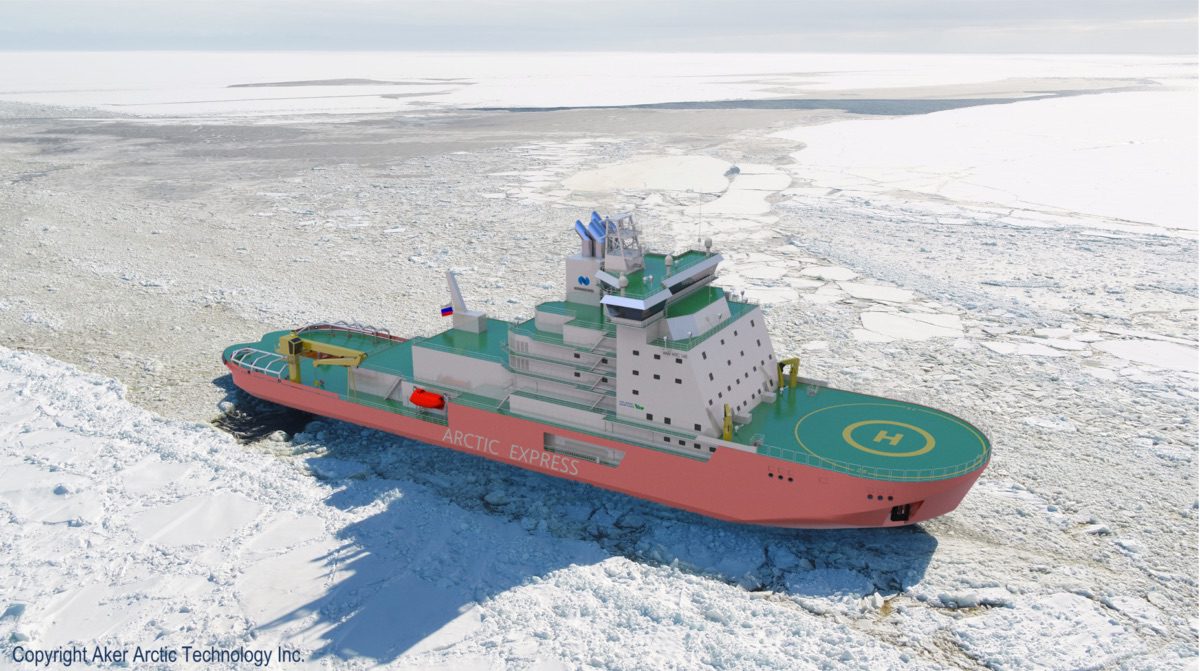
Want to Buy an Icebreaker?

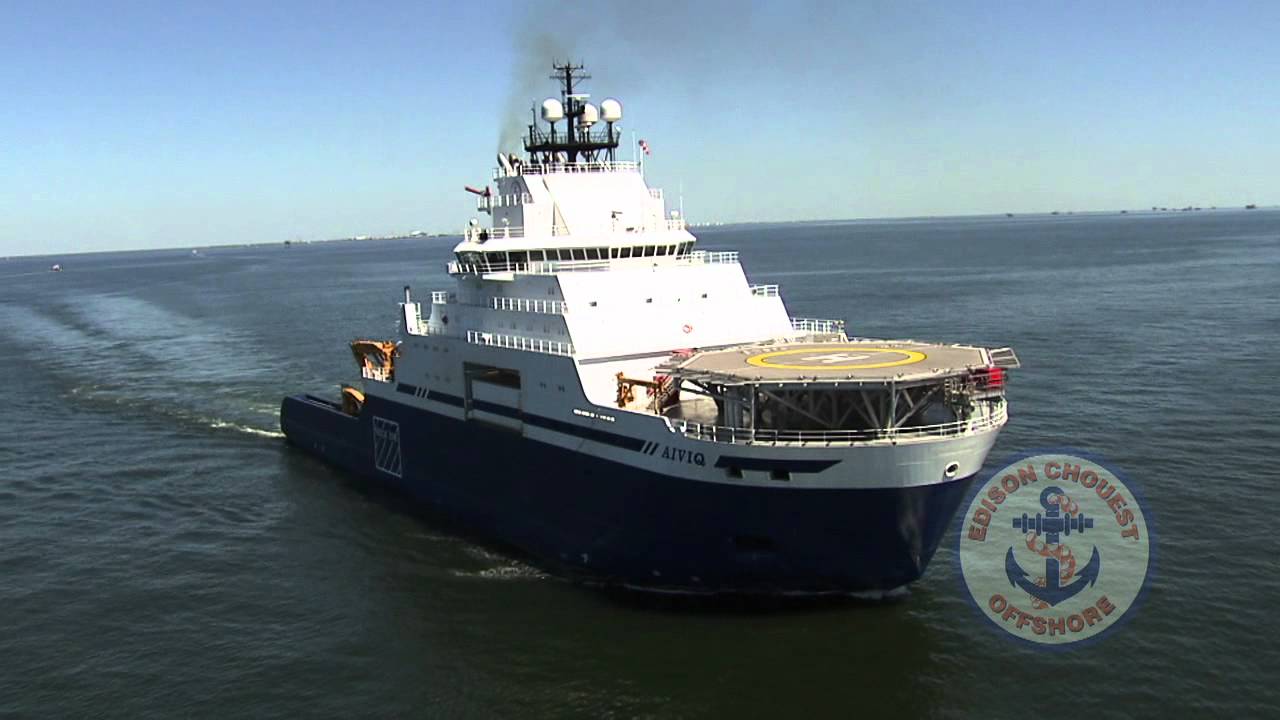
The Wall Street Journal is reporting that the Coast Guard is planning to buy the  icebreaking, anchor-handling tug-supply vessel Aiviq, “U.S. Looks to Buy Private Icebreaker to Help Patrol Contested Arctic.” The Coast Guard has been noncommital, but it seems likely. We have been talking about this ship since 2012. It is ten years old. When attempts to drill in the Arctic ended and the ship went on the open market without a buyer, I suggested the Coast Guard consider purchase. Probably not because of my urging, but the Coast Guard did look at it, and decided it did not meet our needs. Really it probably still does not. (The geared diesel propulsion looked like it might be problematic in the ice.) Buying it would probably help a major Congressional contributor cut his losses. It is going to require a major rework, and its only selling point is that it seems to be the only alternative, but is it?

gCaptain reports,

The Finnish Government is blocking Helsinki Shipyard from delivering an icebreaker to Russian mining company Norilsk Nickel.

The shipyard, which is known for its icebreaker construction, said Wednesday it had received a “negative decision” from Finland’s Ministry of Foreign Affairs on September 30th related to the export license of the vessel, confirming reports in Finnish press. The shipyard’s statement did not go into specifics…the icebreaker was to be largest and most powerful diesel-electric icebreaker ever built in Finland, with an integrated dual-fuel engine that can run on both LNG and low-sulfur diesel oil.

No it is not finished, but the design is complete. “Helsinki Shipyard in January said it had completed purchasing contracts for the vessel’s main machinery and propulsion equipment and construction was expected to start this year.” Delivery had been expected in 2024.

This looks like an opportunity to get a powerful, state of the art icebreaker and help a company that has been hurt because Finland stood up against Russian aggression. Since construction has not begun, there may also be an opportunity to tweek the design to meet CG requirements. It has been less than two months since the Finnish government stopped construction. I suspect Finland could complete the ship promptly, probably by 2025. It should at least be looked at. We would need special dispensation from Congress to buy a foreign built ship, but it has been done before. There would probably still be some fitting out work to be done in an American shipyard.

Icebreaking Anchor Handling Vessel Aiviq

As for the Aiviq, we could still lease it, see how it works out, and buy it later if we like what we have seen.


“Merchant Mariner Shortage Has Gotten Worse, but a Partial Solution Is Available” –Real Clear Defense

“Convoy WS-12: A Vought SB2U Vindicator scout bomber from USS Ranger (CV-4) flies anti-submarine patrol over the convoy, while it was en route to Cape Town, South Africa, 27 November 1941. The convoy appears to be making a formation turn from column to line abreast. Two-stack transports in the first row are USS West Point (AP-23) — left –; USS Mount Vernon (AP-22) and Coast Guard manned USS Wakefield (AP-21). Heavy cruisers, on the right side of the first row and middle of the second, are USS Vincennes (CA-44) and USS Quincy (CA-39). Single-stack transports in the second row are Coast Guard manned USS Leonard Wood (AP-25, later APA-12) and Coast Guard manned USS Joseph T. Dickman (AP-26 later APA-13).”

Real Clear Defense reports,

A mariner shortfall in 2018 was a grave concern. Today, with an escalating conflict in Europe and an increasingly bellicose China, the lack of seasoned merchant mariners is a clear and present danger to our national security.

Four years ago, the nation was about 1,800 mariners short to sustain sealift in a crisis beyond six months. Today that number is only increasing.

The proposed partial solution is to increae the size of the Merchant Marine Academy classes.

Coast Guard Academy graduates know the Merchant Marine Academy primarily as a football rival, but it is also a source of many Coast Guard Officers.

The central point of the post is that we don’t have enough mariners to support a war. The great distances of the Pacific exacerbate the problem. Logistics, as always, are key.

I would note that the shortages of mariners is not just in the officer ranks, so something more would have to be done.

This have anything to do with the Coast Guard? Well, a few months before the US entry into WWII, there was a test of our maritime logistics capabilities, and it found that the merchant marine crews of Army transport ships were unwilling to operate in the manner the military thought best, including darken ship. What happened? The ships were commissioned and crewed by the Coast Guard.

I am not suggesting that today’s merchant crews are unreliable, but if there are shortages, it is not impossible the nation will again turn to the Coast Guard to supply mariners for high priority logistics ships.

“Ukraine’s Maritime Drone Strikes Again: Reports Indicate Attack On Novorossiysk” –Naval News

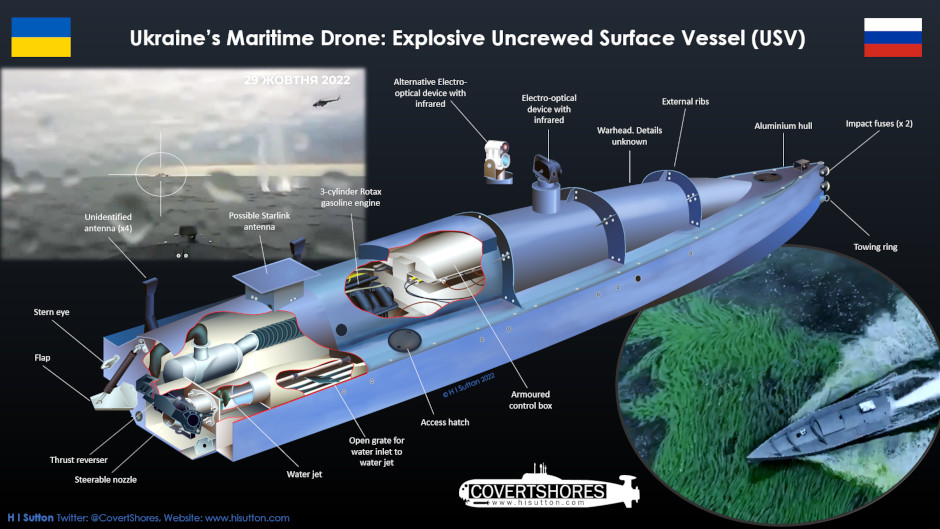
Artist’s Impression of the Ukrainian Navy maritime drone attack on Novorossiysk, November 18 2022

Naval News reports,

It appears that a Ukrainian maritime drone, similar to those using in an attack on Sevastopol, has struck Novorossiysk. This would be strategically important, showing that more of the Russian Navy is under threat. Efforts may be underway to suppress this story in Russian media.

What might be missed in the report is that Novorossiysk, unlike Savastopol, is not in occupied Ukraine. It is in Russia. According to Wikipedia, “Novorossiysk is the biggest Russian seaport. In 2019 cargo turnover amounted to 142,5m tons. In 2021 cargo turnover amounted to 105,2m tons.”

It is too early to say that this is the start of a Ukrainian campaign against Russia’s oil and gas export industry, but it would be one way to apply additional leverage. If the Ukrainians are successful in their crowd funding drive to build 100 of these explosive Uncrewed Surface Vessels, they could make it very dangerous for Russia’s tankers and coastal energy infrastructure.

“US Coast Guard Legend class Hamilton visits Latvia amid tensions with Russia” –NavyRecognition

USCGC Hamilton and Ukraine CG on previous voyage.

Navy Recognition reports,

“According to information published by the US DoD on November 17, 2022, the Legend-class national security cutter (NSC) USCGC Hamilton (WMSL 753) arrived in Riga, Latvia for a port visit…Prior to arriving in Riga, Hamilton conducted multiple operations with allies and partners in the Baltic Sea, including a series of at-sea engagements with Swedish, Finnish, Estonian, and Lithuanian maritime and naval forces.”

“Coast Guard launches new Lateral Entry initiative” –MyCG

Masked members of the cutter James crew and Commandant Adm. Karl L. Schultz (front, center), along with interagency partners, stand among interdicted narcotics at Port Everglades, Florida, on June 9. U.S. COAST GUARD / Petty Officer 3rd Class Brandon Murray

Just passing this along from MyCG. Note that one of the three ratings included in the program is culinary specialists (CS), reflecting the apparent cronic shortage in the rating. Presumably we are short electrician’s mates (EM), and health service technicians (HS) as well.


Coast Guard launches new Lateral Entry initiative

By Zach Shapiro, MyCG Writer, Nov. 17, 2022

The Coast Guard is launching a new Lateral Entry Beta Test initiative to fill key gaps in the workforce. As part of the Commandant’s intent to transform the total workforce, the Lateral Entry Working Group (LEWG) has developed a new, smooth, and streamlined process to recruit, train, and place candidates with matching skillsets and suitable military experience into critical roles in the service in fiscal year 2023 (FY23). The LEWG used the Maritime Operational Threat Response (MOTR) Protocols to develop the Lateral Entry Determination Calls (LEDC) Protocols to govern the process.

“The intent is to bring quality applicants into the Coast Guard at a grade commiserate with their existing skillsets,” said Command Master Chief Petty Officer Edward Lewis of Force Readiness Command (FORCECOM). This new process will create accountability, foster collaboration, and build a tailored training program that will help the Coast Guard meet the challenges of the next decade and beyond.

For Lewis and the Working Group, balancing the need for new recruits with preserving the age-old values of the Coast Guard is paramount. “Our fundamental goal is to protect the culture of the Coast Guard,” Lewis emphasized.  “However, we must seek new methods of accession, training, and managing, talent that preserve our competitive edge as an employer of choice.

The LEWG is focusing on filling key roles to strengthen the service. “We are trying to ensure that our workforce can meet missions. We’re looking hard at places where we are shorthanded,” Lewis added. “The recruiting effort is really going to be driven by critical ratings,” including culinary specialist (CS), electrician’s mate (EM), and health service technician (HS). Depending on the outcome of this pilot program, other ratings may be added to this priority list in the future.

The new lateral entry determination protocols will be evaluated regularly throughout FY23.

If you have any questions, please contact Russell Kirkham at Russell.A.Kirkham@uscg.mil or 202-795-6848.

Resources: 

“U.S. Blames Iran for Drone Attack on Tanker Near Oman” –USNI

Shahed 136 drones. Iranian military photo

US Naval Institute’s News Service reports,

U.S. Central Command and Israeli officials are blaming Iran for a Tuesday attack on an oil tanker linked to an Israeli billionaire off the coast of Oman.

Tanker Pacific Zircon was 150 miles off the coast of Oman when what U.S. officials said was an unmanned aerial vehicle hit the ship at about 3:30 p.m. local time, according to the shipping company.

Interestingly this second attack was on a ship linked to Idan Ofer, brother of the Israeli billionaire, Eyal Ofer, linked to the tanker, Mercer Street, attacked in a similar manner in July 2021.

The latest attack did not result in any injuries, unlike the earlier attack that resulted in the death of two crewmembers. Both attacks occured South of Oman in the Northern Indian Ocean.

“Canada Lacks Ability to Track Increasing Arctic Ship Traffic -Auditor” –gCaptain

gCaptain reports,

The Canadian government’s ability to track foreign vessels through the Arctic is woefully inadequate and the situation may get worse, according to a new report by the Auditor General of Canada.

Domestic surveillance of the region is incomplete, data that’s collected is insufficient, and there is no effective way of sharing information on maritime traffic, the watchdog said. Meanwhile, new icebreakers, aircraft, satellites and infrastructure required to fix these problems have been delayed to the point where some equipment likely will be retired before it can be replaced.

“U.S. Naval Forces Intercept Explosive Material Bound for Yemen” –CENTCOM

USCGC John Scheuerman (WPC-1146) and USCGC Clarence Sutphin Jr. (WPC-1147) enroute PATFORSWA

Below is from the U.S. Naval Forces Central CommandCombined Maritime Forces – U.S. 5th Fleet website

U.S. Naval Forces Intercept Explosive Material Bound for Yemen

By U.S. Naval Forces Central Command Public Affairs | November 15, 2022

MANAMA, Bahrain —

On Nov. 8, U.S. 5th Fleet intercepted a fishing vessel in the Gulf of Oman smuggling lethal aid, including a large quantity of explosive material, from Iran to Yemen.

U.S. Coast Guard ship USCGC John Scheuerman (WPC 1146) (emphasis applied–Chuck) and guided-missile destroyer USS The Sullivans (DDG 68) interdicted the vessel as it transited international waters. Patrol coastal ship USS Hurricane (PC 3) and Navy explosive ordnance disposal technicians from U.S. 5th Fleet’s Task Force 56 also assisted during a weeklong effort to fully search the vessel and verify the type of material found.

U.S. forces discovered more than 70 tons of ammonium perchlorate, a powerful oxidizer commonly used to make rocket and missile fuel as well as explosives. This is U.S. 5th Fleet’s first ever interdiction of ammonium perchlorate.

“This was a massive amount of explosive material, enough to fuel more than a dozen medium-range ballistic missiles depending on the size,” said Vice Adm. Brad Cooper, commander of U.S. Naval Forces Central Command, U.S. 5th Fleet and Combined Maritime Forces. “The unlawful transfer of lethal aid from Iran does not go unnoticed. It is irresponsible, dangerous and leads to violence and instability across the Middle East.”

The search also found more than 100 tons of urea fertilizer. Urea is a chemical compound with agricultural applications that is also known for use as an explosive precursor.

The vessel and its four Yemeni crewmembers were intercepted while transiting from Iran along a route historically used to traffic weapons to the Houthis in Yemen. The direct or indirect supply, sale or transfer of weapons to the Houthis violates U.N. Security Council Resolution 2216 and international law.

U.S. forces sank the vessel Nov. 13 in the Gulf of Oman after determining it was a hazard to navigation for commercial shipping. The four crewmembers were transferred to Yemen for repatriation Nov. 15 when The Sullivans completed an at-sea exchange in the Gulf of Aden with the Yemen Coast Guard.

“Alongside our partner forces, CENTCOM is committed to security and stability of the region and to deterring the illegal and destabilizing flow of lethal material into the region over land, in the air, and the sea,” said Gen. Michael “Erik” Kurilla, U.S. Central Command (CENTCOM) commander.

U.S. 5th Fleet previously seized 40 tons of urea fertilizer Jan. 18 when guided-missile destroyer USS Cole (DDG 67) and patrol coastal ship USS Chinook (PC 9) interdicted a another fishing vessel in the Gulf of Oman that had attempted to smuggle illicit weapons off the coast of Somalia months earlier.

The U.S. 5th Fleet operating area includes 21 countries, the Arabian Gulf, Gulf of Oman, Red Sea, parts of the Indian Ocean and three critical choke points at the Strait of Hormuz, Bab al-Mandeb and Suez Canal.