“USNI News Fleet and Marine Tracker: Oct. 2, 2023”

Royal Navy vessel HMS Spey (P234) (foreground) conducts coordinated ship maneuvers with U.S. Coast Guard Cutter Munro (WMSL 755) Sept. 17, 2023, in the South China Sea. US Navy Photo

Not much new in the US Naval Institute Oct, 2nd Fleet and Marine Tracker. Still only two Navy ships operating under 4th Fleet. I don’t expect that to change much if at all. With Jacksonville based LCS being decommissioned, it may actually get worse. But the Naval Institute did give us a couple of great photos.

USCGC Healy (WAGB-20) and the Norwegian Coast Guard Vessel Svalbard sail in formation while en route to conduct joint exercises in northern Norway in the Barents Sea. US Coast Guard Photo

USCGC Healy has a long way to go to get back to her homeport, Seattle. Incidentally Svalbard, like Healy has made it to the North Pole. In 2020, when Healy was having difficulty, Svalbard took over a mission for Healy.

“Papua New Guinea leads joint maritime operations with U.S. Coast Guard” –Coast Guard News

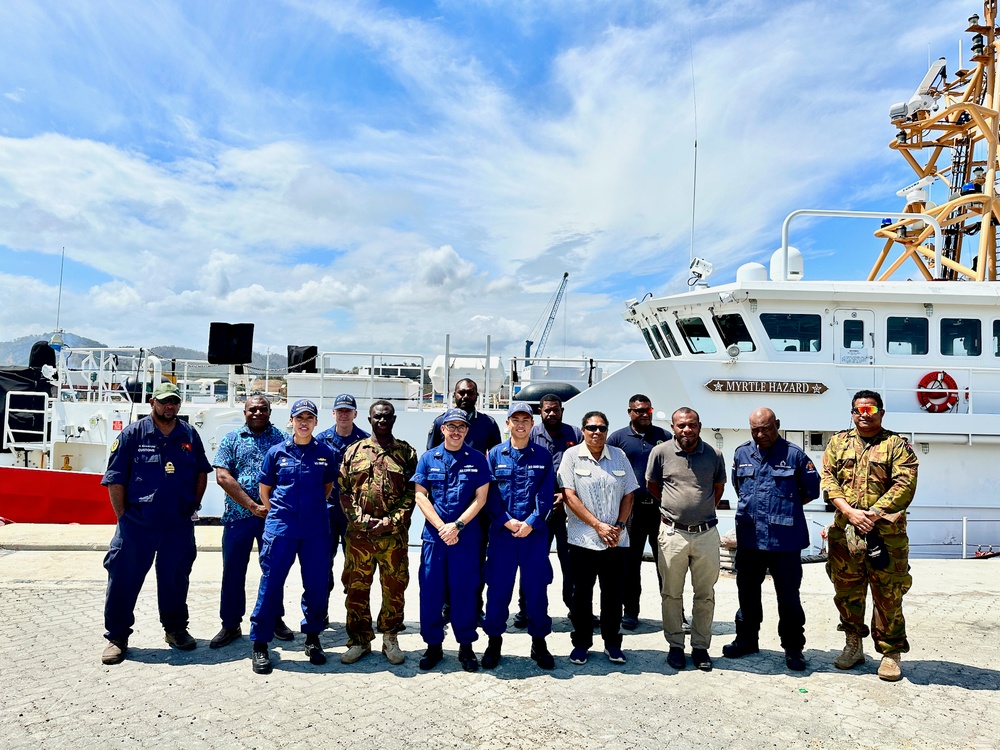
USCGC Myrtle Hazard (WPC 1139) hosts operational planning and subject matter exchange with partners in Port Moresby, Papua New Guinea

The USCGC Myrtle Hazard (WPC 1139) command stand for a photo with partners from the Papua New Guinea Defense Forces, Customs Services, National Fisheries Authority, and Department of Transport’s maritime security division following an operational planning and subject matter exchange with partners in Port Moresby, Papua New Guinea on Aug. 22, 2023. The U.S. Coast Guard is in Papua New Guinea at the invitation of the PNG government to join their lead in maritime operations to combat illegal fishing and safeguard maritime resources following the recent signing and ratification of the bilateral agreement between the United States and Papua New Guinea. (U.S. Coast Guard photo by Chief Warrant Officer Sara Muir) 

Passing along this from Coast Guard News. Like the fact that the Papua New Guinea government is taking the lead on this. We are helping them build capacity not doing the job for them.


Aug. 23, 2023

Papua New Guinea leads joint maritime operations with U.S. Coast Guard

Editor’s Note: For more images, please click here

PORT MORESBY, Papua New Guinea — Papua New Guinea (PNG) has invited the USCGC Myrtle Hazard (WPC 1139) to join their lead in maritime operations to combat illegal fishing and safeguard maritime resources during August 2023.

This collaborative effort marks the first time a joint patrol effort will be executed at sea since the signing and ratification of the recent bilateral defense agreement between PNG and the United States, which allows the U.S. to embark shipriders from PNG agencies aboard the ship to conduct at sea boardings on other vessels operating in the exclusive economic zone (EEZ) under their national agency authority. This is the U.S. Coast Guard vessel deployment first announced during Secretary of Defense Austin’s engagement with Prime Minister James Marape in July.

PNG’s lead in this mission aligns with their sovereign rights to protect the EEZ and emphasizes the country’s commitment to maritime domain awareness, fisheries regulation enforcement, and sovereignty protection. The PNG government requested the U.S. Coast Guard’s participation to utilize the platform and crew of the Guam-based 154-foot Fast Repones Cutter, currently on an expeditionary patrol, to expand coverage of the heavily trafficked maritime EEZ.

“Through our recent operational planning and subject matter exchange, the partnership between the Papua New Guinea Defence Force and the U.S. Coast Guard reached new heights. The spirit of collaboration and shared mission to ensure regional maritime security reflects our nations’ aligned values and commitment. This initiative fosters growth in our bilateral relationship and paves the way for innovative approaches to safeguard our waters and the sustainable use of our ocean resources. Working alongside the U.S. Coast Guard is an honor, and PNGDF eagerly anticipates our cooperative efforts’ continued growth and success,” said Commodore Philip Polewara, the Acting Chief of the PNG Defence Force.

The PNG-led patrol aims to observe activity and conduct boardings to reduce illegal fishing and illicit maritime activities in PNG’s EEZ. It’s part of a long-term effort to counter illegal maritime activity and safeguard the sustainable use of maritime resources.

This collaboration is vital to Operation Blue Pacific and augments ongoing efforts by the Pacific Islands Forum Fisheries Agency and Western and Central Pacific Fisheries Commission. It underscores the recent bilateral agreement, signed in May and ratified in the last few weeks, enabling the Myrtle Hazard crew to work collaboratively within PNG’s legal framework and strengthen relations with agencies with shared objectives.

The USCGC Oliver Henry (WPC 1140) crew was the first U.S. Coast Guard Fast Response Cutter to call on port in Papua New Guinea during their southern expeditionary patrol in the fall of 2022 to build relations, conduct engagements, and resupply.

The USCGC Myrtle Hazard’s crew is building on the work of their colleagues – already engaging with the PNG Defense Force through exchanges in the northern part of the country on this patrol, bolstering cooperation and understanding. This activity included subject matter exchanges with the PNG Defense Force Patrol Vessel Ted Diro crew and a port call in Rabaul, where the team engaged with the local community at the Rabaul Yacht Club. Additionally, the advance team and cutter crew conducted operations planning and subject matter exchanges across agencies in Port Moresby and ship tours for the embassy team and partners.

“We are deeply honored to collaborate with the Papua New Guinea Defense Force, Papua New Guinea Customs Services, Papua New Guinea National Fisheries Authority, and the Department of Transport’s Maritime Security Division at the invitation of the Papua New Guinea Government,” said Lt. Jalle Merritt, commanding officer of the USCGC Myrtle Hazard. “Our shared mission reflects PNG’s leading role in regional security, and we are committed to supporting their goals in this significant undertaking.”

For more information about this patrol and other related activities, please contact Chief Warrant Officer Sara Muir at sara.g.muir@uscg.mil or the respective agencies in Papua New Guinea.

“USNI News Fleet and Marine Tracker: Aug. 21, 2023”

USCGC Munro (WMSL-755) escorts USNS Fisher (T-AKR-301) in the East China Sea on Aug. 12, 2023. US Navy Photo

Looking at the latest US Naval Institute “Fleet and Marine Tracker,” I am a bit surprised to see there are still 3 Navy ships operating under 4th Fleet, presumably doing drug interdiction. This is an uptick.

Again, they report on atypical Coast Guard operations:

  • Legend-class National Security Cutter USCGC Munro (WMSL-755) departed South Korea last week and is in the Korea Strait. (As I mentioned earlier, there is a possibility, cutters may encounter the new North Korean corvettes.)
  • Coast Guard Cutter USCGC Healy (WAGB-20) continues its work in the Beaufort Sea. Healy is on a five-month deployment in partnership with ONR and the National Science Foundation.
  • Coast Guard Cutter USCGC Forward (WMEC-911) is currently supporting Operation Nanook. Operation Nanook is an annual Canadian-led exercise that fosters international cooperation and shared responsibility in the Arctic and the northern Atlantic Regions. The cutter recently made a port call in Nuuk, Greenland.

You can use Control F “USCGC” if you want to quickly find the Coast Guard cutters mentioned in the USNI posts.

PATFORSWA is mentioned again.

The link in the Healy entry, “U.S., Canadian Icebreakers Conduct Operation, Rendezvous en Route to Arctic Ocean” is interesting, plus there is more in the USNI post including an “adorable” polar bear photo.

“U.S. Coast Guard Forces Micronesia Sector/Guam’s Fast Response Cutters bolster Pacific Partnership Strategy and strengthen Pacific Island Country relations” –USCG Forces Micronesia/Sector Guam

The Sentinel-class fast response cutter USCGC Oliver Henry (WPC 1140) crew arriving in Port Moresby for a port visit on Aug. 23, 2022, following a patrol in parts of the Coral Sea, the Solomon Islands and PNG Exclusive Economic Zones. The U.S. Coast Guard was conducting a routine deployment in Oceania as part of Operation Blue Pacific, working alongside Allies, building maritime domain awareness, and sharing best practices with partner nation navies and coast guards. (U.S. Coast Guard photo by USCGC Oliver Henry)

Below is a news release from U.S. Coast Guard Forces Micronesia/Sector Guam. Webber class cutters there are developing a new norm for Coast Guard assistance to Pacific Island nations. It is not clear if this is now the norm, or if this was an unusual period, but from June 21 to August 3, there was only one day (June 17) that they did not have an FRC underway for at least part of the day. This is what I believe should be the norm and probably the reason FRCs are so frequently based in groups of three or six. Typically three ships would be, one underway, one in maintenance, and one in workup/standby (I don’t know if they are employing standby). 

On the other hand, none of these patrols was more than 16 days long and the shortest only five, which suggest why, given the long transit distances, we need some cutters with greater endurance in the Western Pacific (I would say three to have one underway at all times and be able to surge two when needed).

Thanks to Paul for bringing this to my attention.

Aug. 18, 2023

U.S. Coast Guard Forces Micronesia Sector/Guam’s Fast Response Cutters bolster Pacific Partnership Strategy and strengthen Pacific Island Country relations

SANTA RITA, Guam — In a robust display of maritime commitment, U.S. Coast Guard Forces Micronesia/Sector Guam’s Fast Response Cutters conducted four patrols over 44 days, enhancing safety and prosperity in the Pacific Islands region while combatting illicit maritime activity, including illegal, unregulated, and unreported fishing and the illegal and unsafe transport of passengers.

The crews of USCGC Frederick Hatch (WPC 1143), USCGC Myrtle Hazard (WPC 1139), and USCGC Oliver Henry (WPC 1140):

– Conducted seven boardings and five observation reports.
– Completed over 20 training evolutions.
– Qualified 18 new shipboard members.
– Supported the investigation into the transport of 11 people aboard an overloaded vessel transiting to Guam from the Commonwealth of the Northern Mariana Islands on an illegal charter following their rescue by DoD partners.
– Supported operations such as Operation Blue Pacific, Operation Rematau, Operation Nasse, and Operation Koa Moana.

“Our Fast Response Cutter crews exhibit both efficacy and presence as a consistent and trusted partner in the region. Our Pacific Island Country partners’ warmth and regard for the Coast Guard is a testament to the strong connections we have nurtured over the years. It is our commitment to the people of the Pacific Island Countries to protect Oceania and its resources for them from undue strategic competition that would undermine those relationships and destabilize the region,” said Cmdr. Greg Sickels, deputy sector commander of U.S. Coast Guard Forces Micronesia/Sector Guam.

Operational Achievements and Highlights

– USCGC Frederick Hatch (June 21 – July 2 and July 18 – Aug. 3): Enhanced international relations, streamlined boarding processes, qualified new personnel, and improved communication with FSM Maritime Police.

– USCGC Myrtle Hazard (July 3 – 16): Strengthened connection with CNMI, ensured maritime law enforcement presence in less patrolled areas, and enhanced collaboration with customs and public safety departments.

– USCGC Oliver Henry (July 18 – 23): Increased U.S. presence, enforced fishing regulations, and fostered crew readiness with weapons proficiency and collaboration.

These accomplishments underscore the U.S. Coast Guard’s pivotal role in promoting maritime governance, ensuring good relations, and fostering strategic competition in the Pacific Islands region. The U.S. Coast Guard remains a consistent and reliable partner, working collaboratively with Pacific Island Countries to achieve shared objectives and bolster regional security.

Operation Rematau, an integral part of Operation Blue Pacific, is spearheaded by the U.S. Coast Guard Forces Micronesia/Sector Guam. This initiative fosters security, safety, sovereignty, and economic prosperity throughout Oceania. Rematau translates to “people of the deep sea” and embodies the Coast Guard’s unwavering commitment to safeguarding the people of this region.

The U.S. Coast Guard actively exercises 12 bilateral maritime law enforcement agreements with Pacific Island Countries, reinforcing maritime law enforcement operations and domain awareness in the region. In October 2022, the Service, on behalf of the U.S., signed the first enhanced bilateral agreement with the Federated States of Micronesia. This landmark agreement builds on the existing shiprider arrangement, allowing the U.S. Coast Guard to conduct boardings in the FSM’s exclusive economic zone with prior approval working with the FSM National Police, but without an FSM officer physically present. This expansion significantly amplifies the FSM’s capacity to protect its sovereignty and resources across an area spanning 1 million square miles and more than 600 islands. Boardings have already been conducted under this enhanced shiprider agreement, attracting interest in similar arrangements from other nations in the area.

In May 2023, the U.S. signed a new bilateral agreement with Papua New Guinea, richly endowed with natural resources like gold, copper, oil, and natural gas. While its formal sector focuses on exports of these commodities, most of its people rely on subsistence agriculture. As of 2020, agriculture, forestry, and fishing reportedly account for nearly 19 percent of PNG’s GDP. The agreement aligns with the PNG government’s efforts to safeguard their islands and 1.2 million square miles of EEZ, which are vital to their economic well-being. Recently ratified by their parliament, this partnership, at the request of the Papua New Guinea government, further extends the reach and impact of maritime law enforcement efforts. In line with this initiative, a U.S. Coast Guard cutter from Guam will be collaborating with Papua New Guinea to enact their new agreement shortly, continuing to foster security and collaboration across the Pacific.

U.S. Coast Guard Forces Micronesia/Sector Guam comprises more than 300 members based in Guam and the Commonwealth of the Northern Mariana Islands spread across shoreside and afloat units committed to maritime safety, security, and stewardship in Oceania.

For more information on the U.S. Coast Guard Forces Micronesia Sector/Guam’s operations and achievements, please visit the official DVIDS account at https://www.dvidshub.net/unit/USCG-FMSG.

“Icebreakers, Pay Raise, New Cutters: House Adds $430M to Coast Guard Budget” –Military.com

FOUR WEBBER CLASS PATROL CRAFT. 220822-A-KS490-1182 STRAIT OF HORMUZ (Aug. 22, 2022) From the left, U.S. Coast Guard fast response cutters USCGC Glen Harris (WPC 1144), USCGC John Scheuerman (WPC 1146), USCGC Emlen Tunnell (WPC 1145) and USCGC Clarence Sutphin Jr. (WPC 1147) transit the Strait of Hormuz, Aug. 22. The cutters are forward-deployed to U.S. 5th Fleet to help ensure maritime security and stability across the Middle East. (U.S. Army photo by Spc. Noah Martin)

Military.com reports,

The House Appropriations Committee on Wednesday approved an increase to the Coast Guard’s fiscal 2024 budget, forwarding a bill to the full chamber that funds a 5.2% pay raise for members, a commercial icebreaker, four additional fast response cutters, and an extra HC-130J Super Hercules aircraft.

In addition to the projects in the original budget request, the committe has obviously, they have been looking at the Coast Guard’s FY2024 Unfunded Priority List.

The Unfunded Priority List included requests for an additional $1.6B.

The House Appropriations Committee recommendation would fund about $430M, including two big ticket items, four additional Webber class patrol craft and an additional C-130J. The unfunded priority list had listed the total price for the cutters and aircraft as $538.5M, so the markup may not include all the support costs for the cutters and missionization costs for the aircraft included in the Unfunded Priority list.

This still has a way to go before becoming law, but the Coast Guard has been receiving substantial bipartisan support and for the last few years Procurement, Construction, and Improvements budgets have been increased substantially over the requested amounts. There seems to be wide support for additional Webber class cutters to serve in the Western Pacific. As I noted in March,

We shouldn’t expect everything on the list to be approved, but I think we will definitely see the additional C-130 and at least three additional FRCs. Some of the other items will probably be approved as well. Those items not funded in FY2024 will likely be included in the FY2025 budget.

“Indo-Pacific partners lead global fight against IUU fishing” –Indo-Pacific Defense Forum

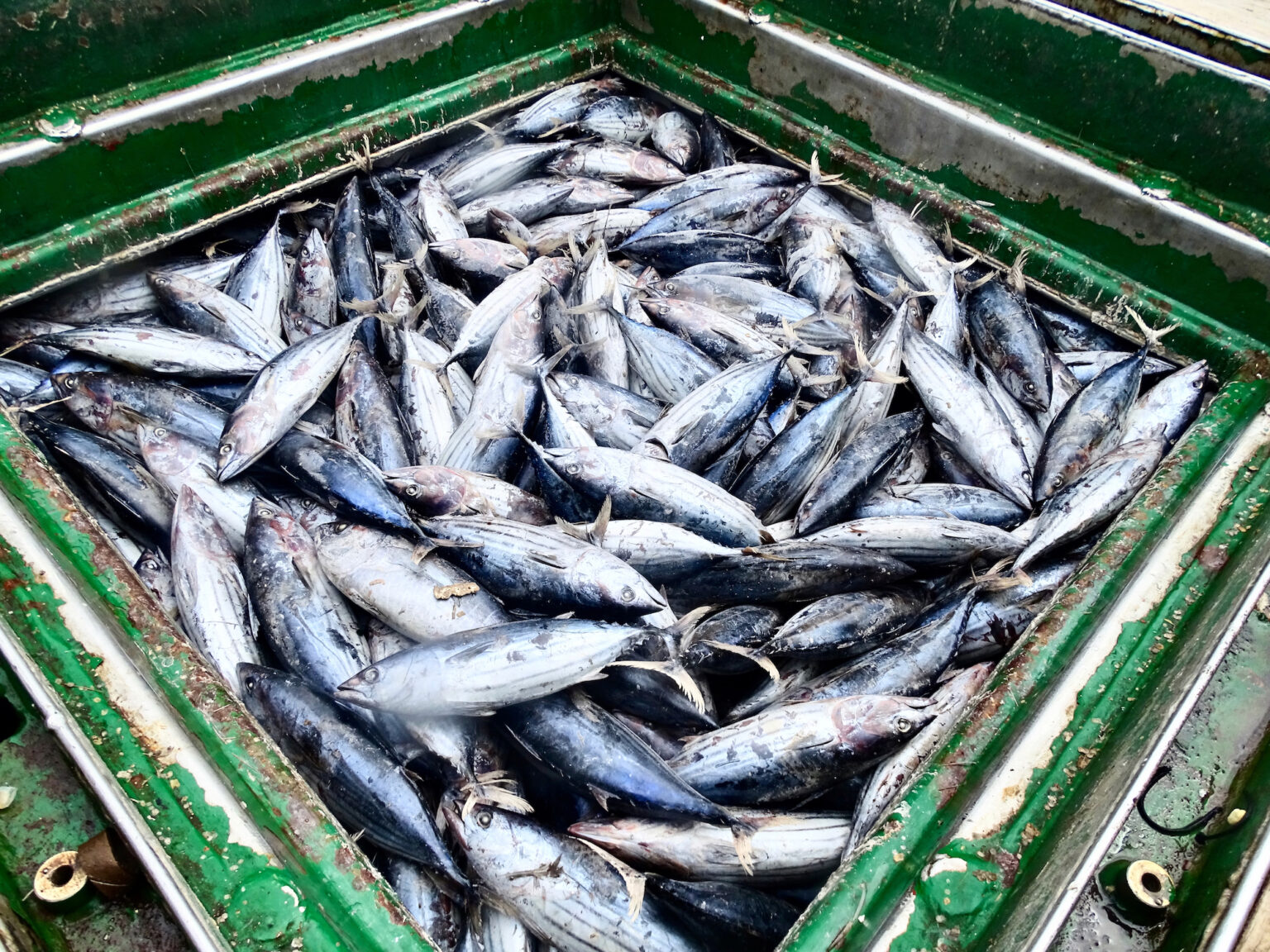
Catch is readied for inspection during a boarding by USCGC Frederick Hatch crew members and a local maritime officer in Micronesia’s EEZ. IMAGE CREDIT: PETTY OFFICER 2ND CLASS BRANDON CHAPLEA/U.S. COAST GUARD

The Indo-Pacific Defense Forum has a nice piece about cooperative efforts to curb Illegal, Unreported, Unregulated (IUU) fishing. USCG gets a lot of credit.

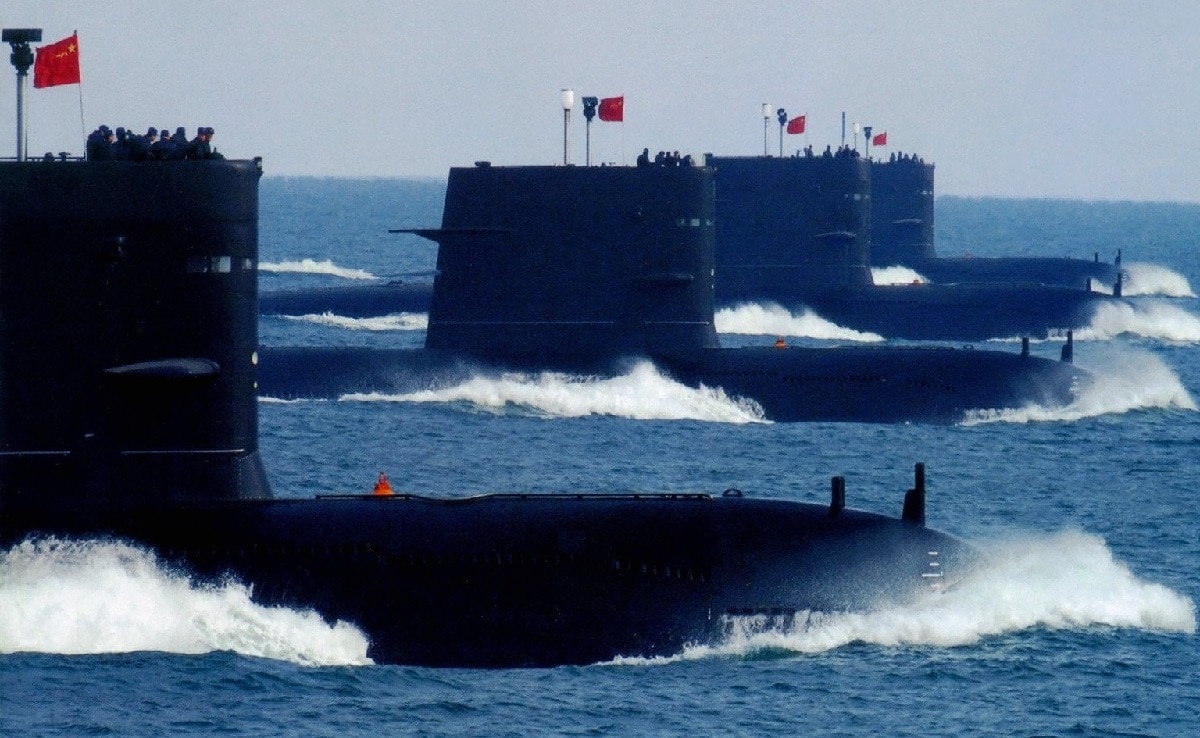
Chinese Navy Submarine and Major Surface Ship Order of Battle

Image: Creative Commons.

Below are some info-graphics provided by Sarah Kirchberger on the CIMSEC Internal Discussions Facebook page. I wanted to share them with you. (Not included in the listings are Chinese aircraft carriers, amphibs, and numerous frigates, corvettes, and other small combatants.) I have also provided her notes included with the three Facebook posts, but first some observations.

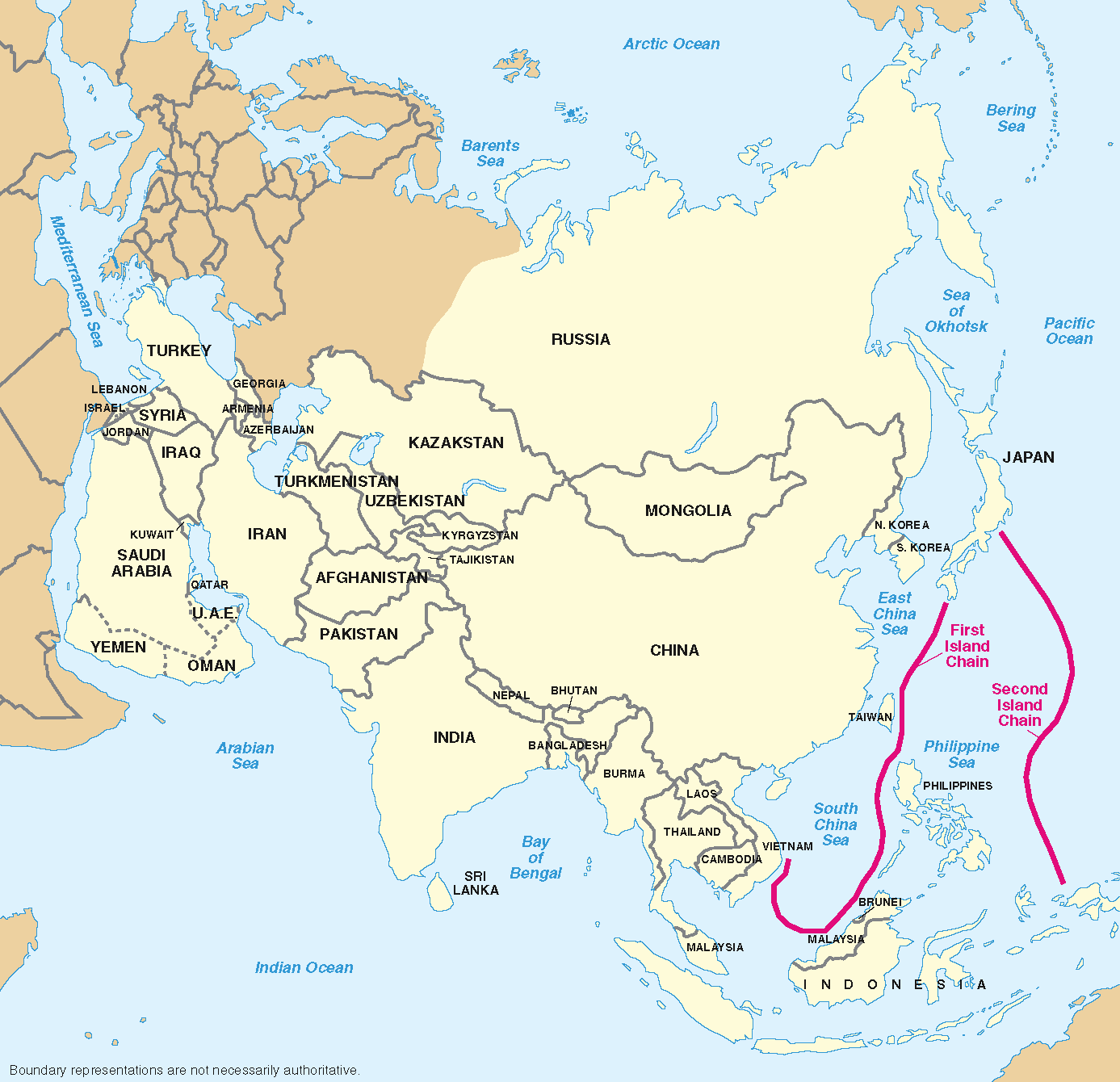
Geographic Boundaries of the First and Second Island Chains. Image:China Report 2006.pdf. DOD.

What does this have to do with the Coast Guard?

My expectation is that, if there is a major prolonged conflict with the Chinese, that the primary theater of operations will be inside and around the “First Island Chain” with Taiwan the critical center (Think Malta in the Mediterranean during WWII). The Chinese surface fleet is not likely to make significant operations outside this area. Chinese conventional submarines will also concentrate in this area but will also operate in the Straits that access the South and East China Seas.

The Chinese will make air and missile attack out to at least the “Second Island Chain,” including Guam.

The Chinese will want to attack US logistics and underway replenishment ships outside the Second Island Chain, both for the direct effect of reducing logistics available and for the secondary effect of drawing off units from the primary theater of action.

In the initial phase, the Chinese merchant and fishing fleets might be used to lay mines or even directly attack unarmed logistics and underway replenishment ships using containerized weapon systems supported by satellite targeting. (They might also launch cruise missiles into US ports as an opening salvo.) The Coast Guard Maritime Domain Awareness systems and cargo tracking programs will have a role in neutralizing the Chinese Merchant and distant fishing fleets.

The Chinese will operate at least some of their nuclear submarines (SSNs) (which would have difficulty dealing with USN SSNs) outside the Second Island Chain, perhaps as far East as the US West Coast. While MSC has been told not to expect escorts, the benefits of cutters with embarked Navy (probably Navy Reserve) ASW helicopters (and ultimately towed array systems) within effective helicopter range of a dispersed group of logistics ships to provide at least minimal ASW protection and rescue for the crews of the ships that are inevitably sunk, will quickly become evident. The cutters would hopefully be aided by Navy P-8 maritime patrol aircraft and any combatants making the transit trans-Pacific.

(None of the above reflects anything official, it is just the logic of the geography and the capability of the participants.)

Incidentally the format use below would be a good way for the Coast Guard to present its plans for major cutters.

Now to the Kirchberger posts:


After a long pause in making these info graphics, here is an overview of the *approximate* type and age structure of Chinese nuclear-powered submarines. I am decidedly less confident than with the surface fleet graphs about the accuracy of the information, which is why it took so long. Basically, I have decided to just visualize the data given in Manfred Meyer’s book ‘Modern Chinese Maritime Forces’ (March 2023 update) with some minor adjustments based on cross-checking with own research in Chinese newspaper reports. Despite the caveat, the graph might be useful to some, therefore posting it. I will periodically update as more information becomes available.

Blue arrow means boat is (most likely) in service as of April 2023, white means not yet or not any more in service, but may already be launched. Striped means: status unknown.

Feel free to use and republish (unaltered) with attribution. In case you find mistakes, I’d appreciate a note so I can make corrections during the next round!

Here is now also a visual overview of the PLA Navy’s conventionally powered submarine fleet. Blue arrow means boat is most likely in service as of April 2023, white arrow means not yet, or not any more, but may already be launched. The teal color indicates boats equipped with a (Stirling) AIP. Does not include test submarines (such as the Type 032), the unknown type sailless submarine, nor midget submarines.

Feel free to use and republish (unaltered) with attribution. In case you find mistakes, I’d appreciate a note so I can make corrections during the next round!

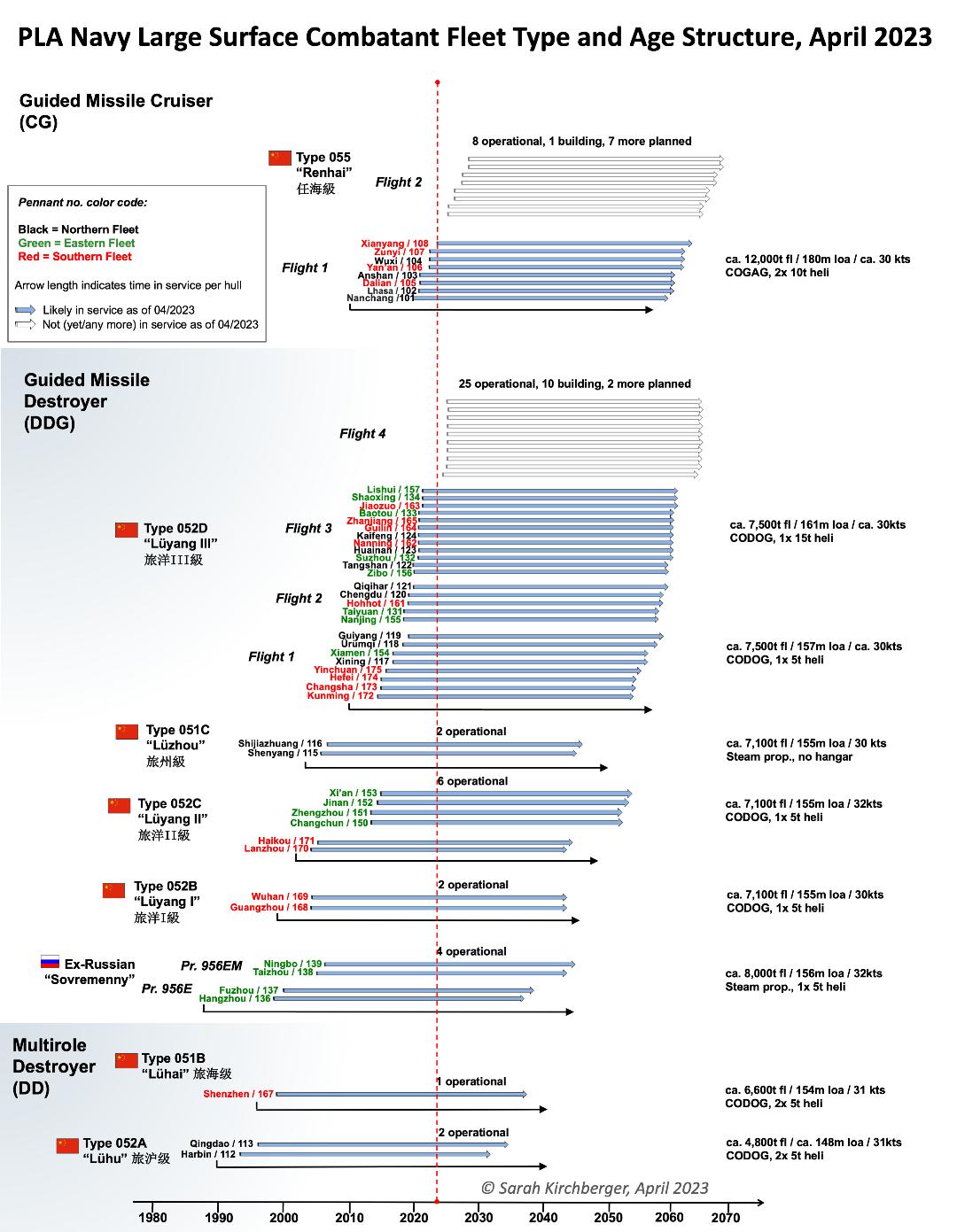
The speed of naval shipbuilding in China is such that it is easy to overlook that China has earlier this year commissioned the eighth and last of Flight 1 of its new cruiser, the Type 055 (never mind that the PLAN refers to it as a destroyer – at >12,000t full load, 180m length, and given its armament, it looks like a cruiser more than a destroyer).

Since the lead ship entered service in early 2020, China has commissioned altogether 8 of these Type 055 cruisers within a timespan of just 3 years! Further, 8 more are apparently already in the works, for a class of at least 16.
Here is an updated graphic overview of the type and age structure of China’s large surface combatants. Arrows indicate maximum time in service from commissioning until decommissioning – program start and build start is therefore not shown. 40 years per hull may be a bit long (30 years is common practice in most advanced navies), but in practice some navies have operated their surface combatants that long, so I choose to give the maximum conceivable length.
It is interesting to see how the arms embargo since 1989 initially disrupted naval shipbuilding, leading to multiple classes of just one or two hulls being built next to a Russian import, and how mass production finally took off from the Type 052D onward.
The Chinese official newspaper Global Times commented on the completion of the Type 055 class here: https://www.globaltimes.cn/page/202304/1289571.shtml
Feel free to use and reproduce this graph for non-commercial purposes (with attribution) and please let me know in case of mistakes so I can make corrections during the next iteration!

USCGC Stratton Headed for the Western Pacific

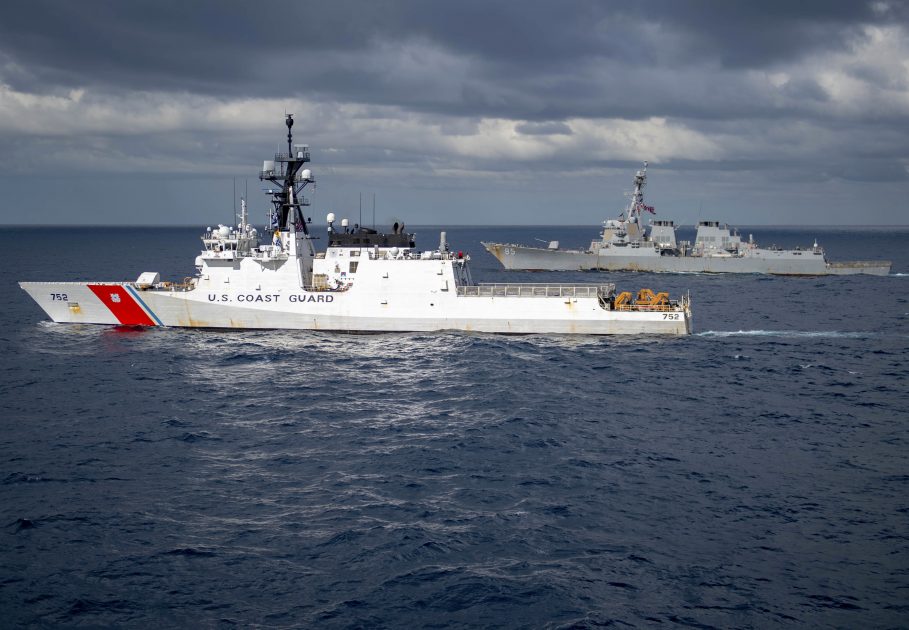
USCGC Stratton (WMSL-752), left, and the U.S. Navy Arleigh Burke-class guided-missile destroyer USS McCampbell (DDG-85) maneuver in formation during Talisman Sabre 2019 on July 11, 2019. US Navy Photo

American Military News reports, “Coast Guard cutter changes command in Honolulu en route to South China Sea.”

I don’t think there is anything unexpected or surprising here, but it does provide a good overview and perspective on what the five Pacific Area cutters of this class have been doing.

It also notes another ship of this class, USCGC “Kimball is currently dry-docked at Pacific Shipyards International in Honolulu Harbor for its first maintenance period since it first arrived in Hawaii in 2018.”

“Coast Guard to Send Additional Cutter to Hawaii” –Military.com

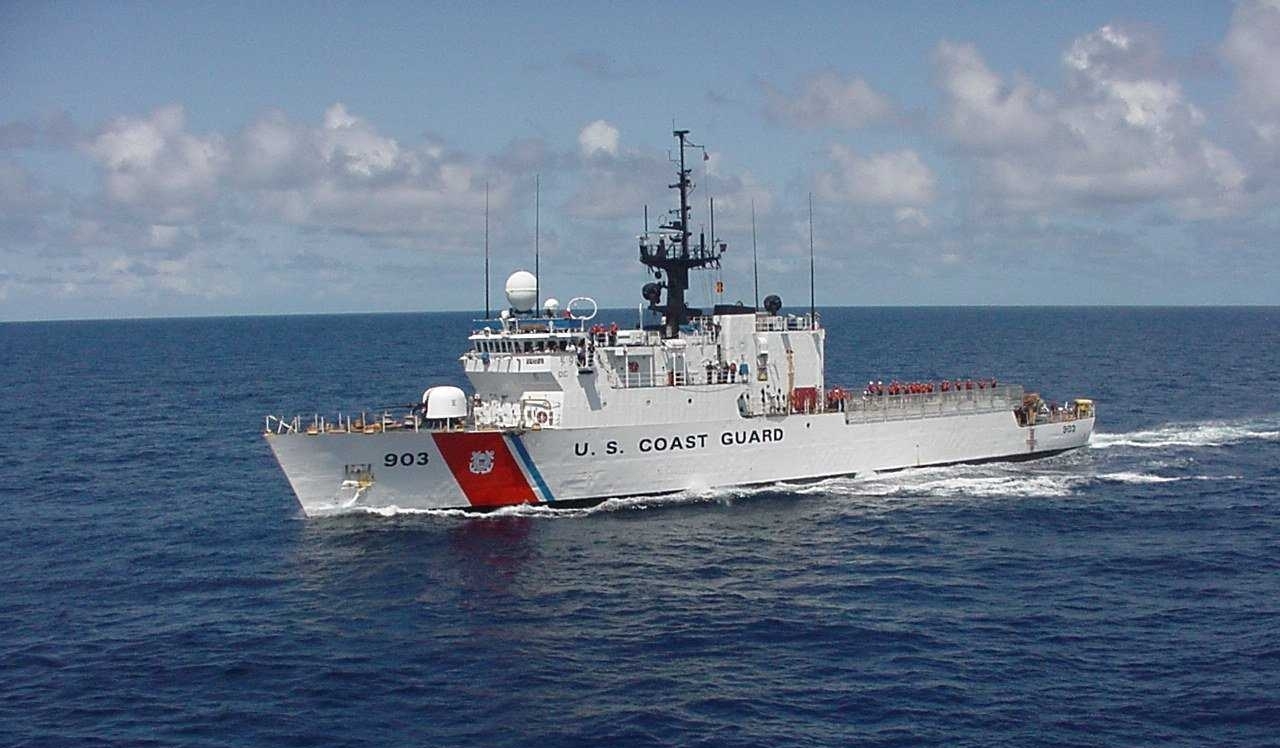
USCGC Harriet Lane (WMEC-903), March 17, 2009. US Coast Guard photo. She may look a little different now having gone through the Service Life Extension Program.

Military.com reports USCGC Harriet Lane is to be the new “Indo-Pacific Support Cutter,” and that she will be based in Honolulu beginning early FY2024. This is a change of homeport from Portsmouth, VA.

We knew this was coming, and Harriet Lane was the likely candidate. She will be the only WMEC 270 in the Pacific and will be used to counter Illegal, Unregulated, Unreported (IUU) fishing in the US EEZ and that of our friends and allies. They will also probably do a lot of training with friendly maritime law enforcement agencies. Her capabilities are a good match for the role. WMEC270s have been doing similar tasks off West Africa for years.

Thanks to Walter, a former dirt dart, for bringing this to my attention.

“A third of New Zealand’s Navy ships are docked over lack of crew” –Defense News

Coast Guard Day in the South Pacific. The command from USCGC Walnut (WLB 205) conduct an exchange with peers on HMNZS Otago (P148) discussing mission, challenges and comparing shipboard life in the region while off Samoa Aug. 4, 2019. The Walnut and Otago crews are in the region combating illegal fishing, a part of promoting maritime governance and a rules based international order that is essential to a free and open Indo-Pacific. (Photo courtesy HMNZ Navy Lt. Samuel Murray/Released)

Defense News reports,

“Three of the Royal New Zealand Navy’s nine ships are now docked at the Devonport naval base indefinitely, due to insufficient personnel.”

Recruiting problems for the US have been in the news, but it is not uncommon. US Coast Guardsmen are helping to man Royal Navy frigates. Japan’s Maritime Self Defense Force is having trouble recruiting. US Navy ships are frequently shorthanded.

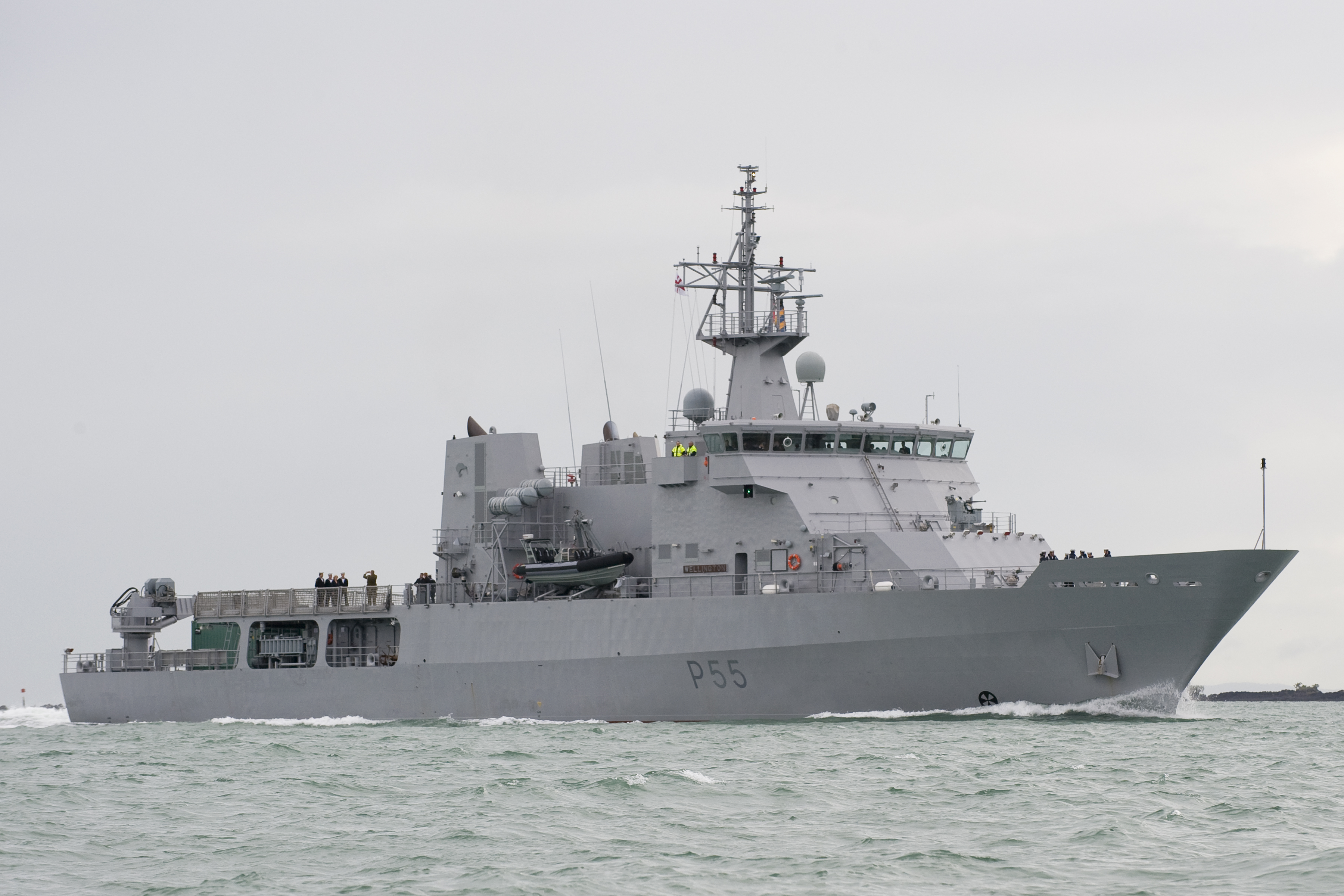
HMNZS Wellington first arrival into Devonport Naval Base

What struck me about the story was the choice of ships laid up. New Zealand has chosen to lay up three of its four patrol vessels, retaining only one of the least capable. The New Zealand Navy is small, and it does coast guard tasks as well as national defense. The entire fleet consist of nine ships:

  • Two 3,600 ton frigates, crew of 178 each
  • Two 1,900 ton Offshore Patrol Vessels, similar to WMECs, crew of 49 each (both Otago and Wellington pictured above are laid up)
  • Two 340 ton Inshore Patrol Vessels, similar to Webber class WPCs, crew of 24 each (HMNZS Hawea pictured below is laid up)
  • One 9,000 ton multirole vessel, a transport, with a crew of 53
  • One 5,741 ton hydrographic and diver support vessel, with a crew of 39
  • One 26,000 ton ice-strengthened underway replenishment ship, with a crew of 75

Inshore patrol boat HMNZS Hawea (P3571) entering Otago Harbour, New Zealand, Aug. 2009. Photo credit: Benchill

New Zealand has been helpful to neighboring Pacific island nations in regard to Illegal, Unreported, and Unregulated fishing and disaster response. Hopefully they will continue in this role, perhaps using their multipurpose vessel and/or their underway replenishment ship which also provide unique capabilities.