“Pentagon Adds 40 Armored Patrol Boats to Latest Ukraine Military Aid Package” –USNI

The 40PB shows its speed in this photo and is armed with a .50cal M2 heavy machine gun at the bow, 7.62mm miniguns and acoustic devices amidships, and a M240B at the stern. The radar, electro-optical camera, and FLIR are visible on the short mast above the cabin. Metal Shark photo.

The US Naval Institute News Service reports,

The United States will send 40 armored riverine boats to Ukraine as part of the latest assistance package.

The riverine boats are part of a $400 million aid package announced Friday. It’s the second time the U.S. is sending riverine boats to Ukraine as part of ongoing assistance in response to the Russian invasion.

The type of boat was not identified. The last boats the US sent to Ukraine were 44 foot patrol boats built by Metal Shark. They are not armored but they can have armor panels installed.
“A Cook Shortage Threatens To Sink U.S. Coast Guard Operations” –Forbes

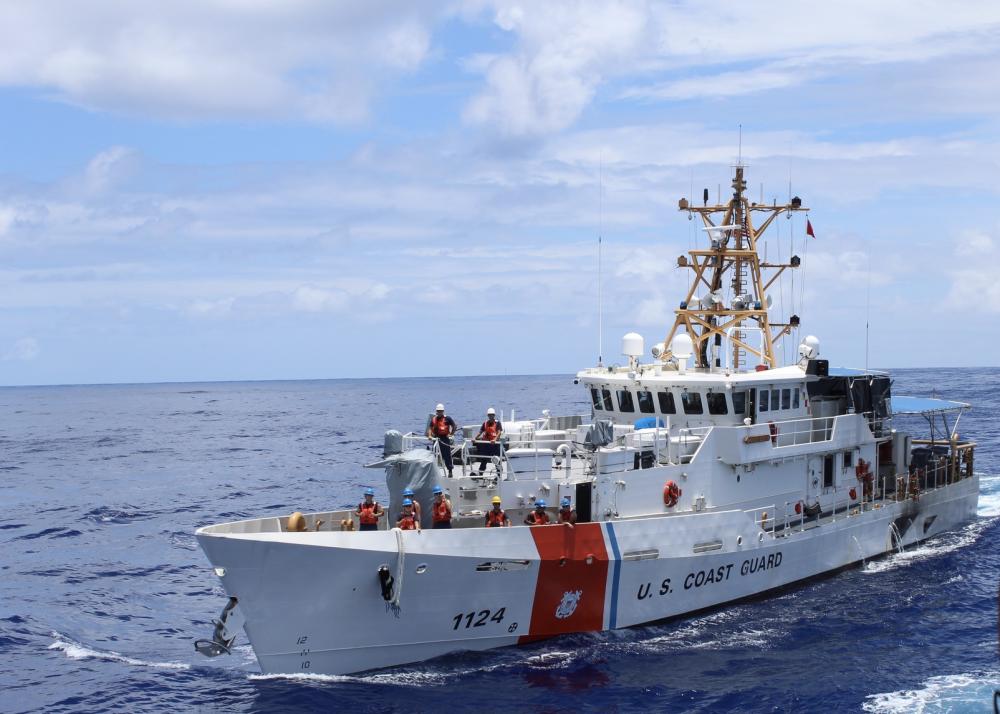
The Coast Guard Cutter Oliver Berry conducts a patrol in and around American Samoa, covering 8,169 nautical miles. The crew sought to combat illegal, unregulated, and unreported fishing and other maritime threats across the Pacific to protect the United States and our partner’s resource security and sovereignty. (U.S. Coast Guard photo courtesy of the CGC Juniper)

Forbes reports on what might be an unexpected problem for the Coast Guard, a shortage of cooks to fill afloat billets. Consequently, there are now high bonuses for those who are qualified and want to cook for the Coast Guard.

Anyone who has spent any time afloat knows how important the cooks are to a ship’s morale.

The article reminds us that contracting out food preparation for shore units adversely affects coastie cooks sea/shore ratio and drive people out of the service.

There is also a bit of insight into what is necessary to allow Webber class WPCs to make those long Pacific deployments.


“US Coast Guard Cutter James’ commanding officer permanently relieved” –LANTAREA

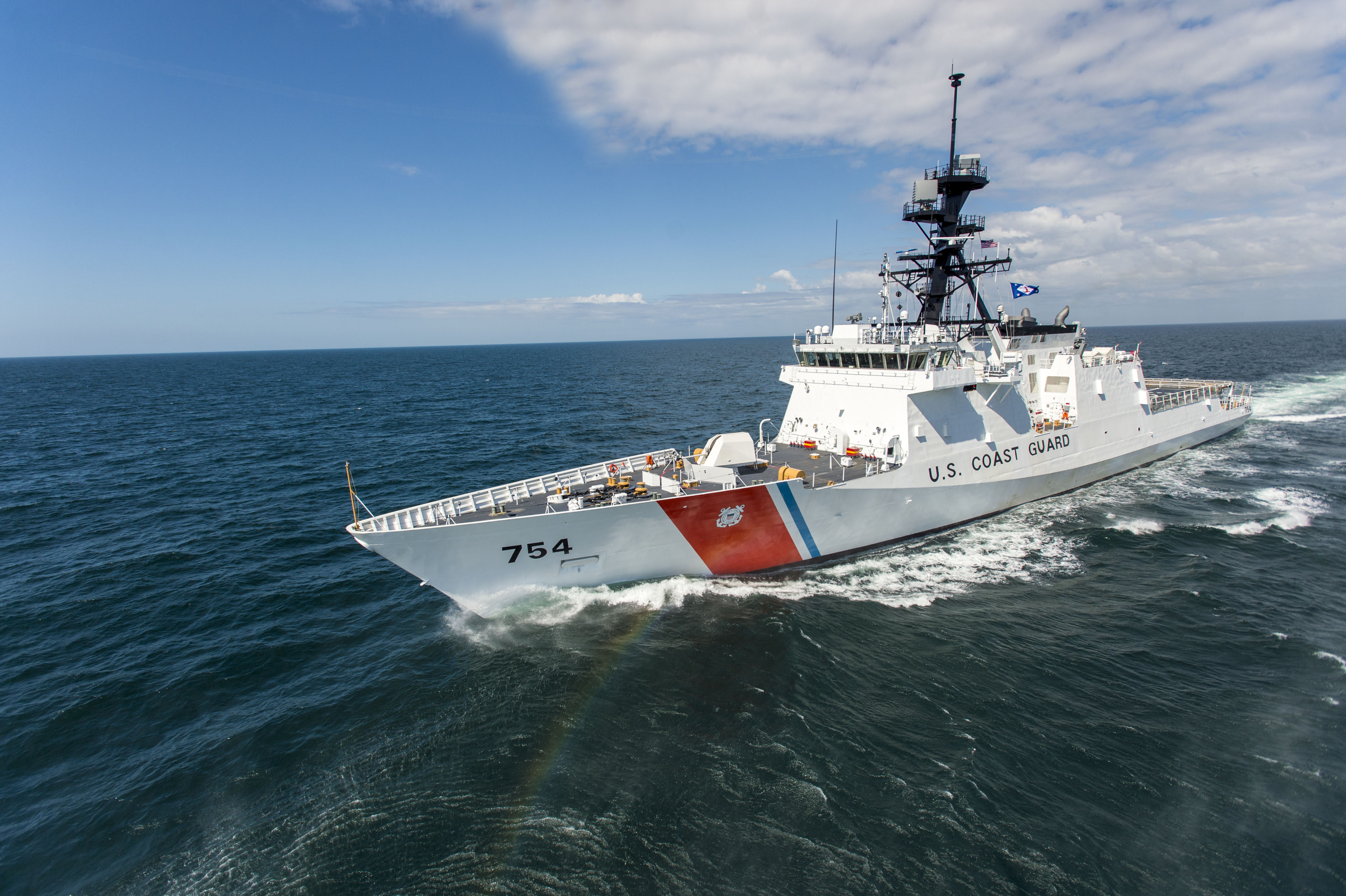
NSC 5 James on builders trials in the Gulf of Mexico March 30, 2015.

Some sad news, and, how badly was the James damaged?

News Release

U.S. Coast Guard Atlantic Area

US Coast Guard Cutter James’ commanding officer permanently relieved

PORTSMOUTH, Va. — Capt. Marc Brandt was permanently relieved of duties as the commanding officer of USCGC James (WMSL 754), Monday.

Vice Adm. Kevin Lunday, commander of Coast Guard Atlantic Area, effected the permanent relief due to a loss of confidence in Brandt’s ability to command the cutter. 

Brandt was temporarily relieved on Aug. 26, 2022, pending the results of an investigation into a mishap. The investigation found that on Aug. 8, 2022, James ran aground while underway causing damage to the cutter. No personnel were injured.

Capt. John Driscoll assumed temporary command of the cutter following Brandt’s relief and will remain in command until a permanent commanding officer is assigned.

Brandt has been temporarily assigned to Coast Guard Atlantic Area.

James is a Legend-class national security cutter (NSC) homeported in Charleston, South Carolina, with a crew of 148 personnel. NSCs are the Coast Guard’s most technologically-advanced cutters in the fleet.

“Bollinger to acquire Halter Marine and STEHMO” –Marine Log/Polar Icebreaker Progam in Trouble?

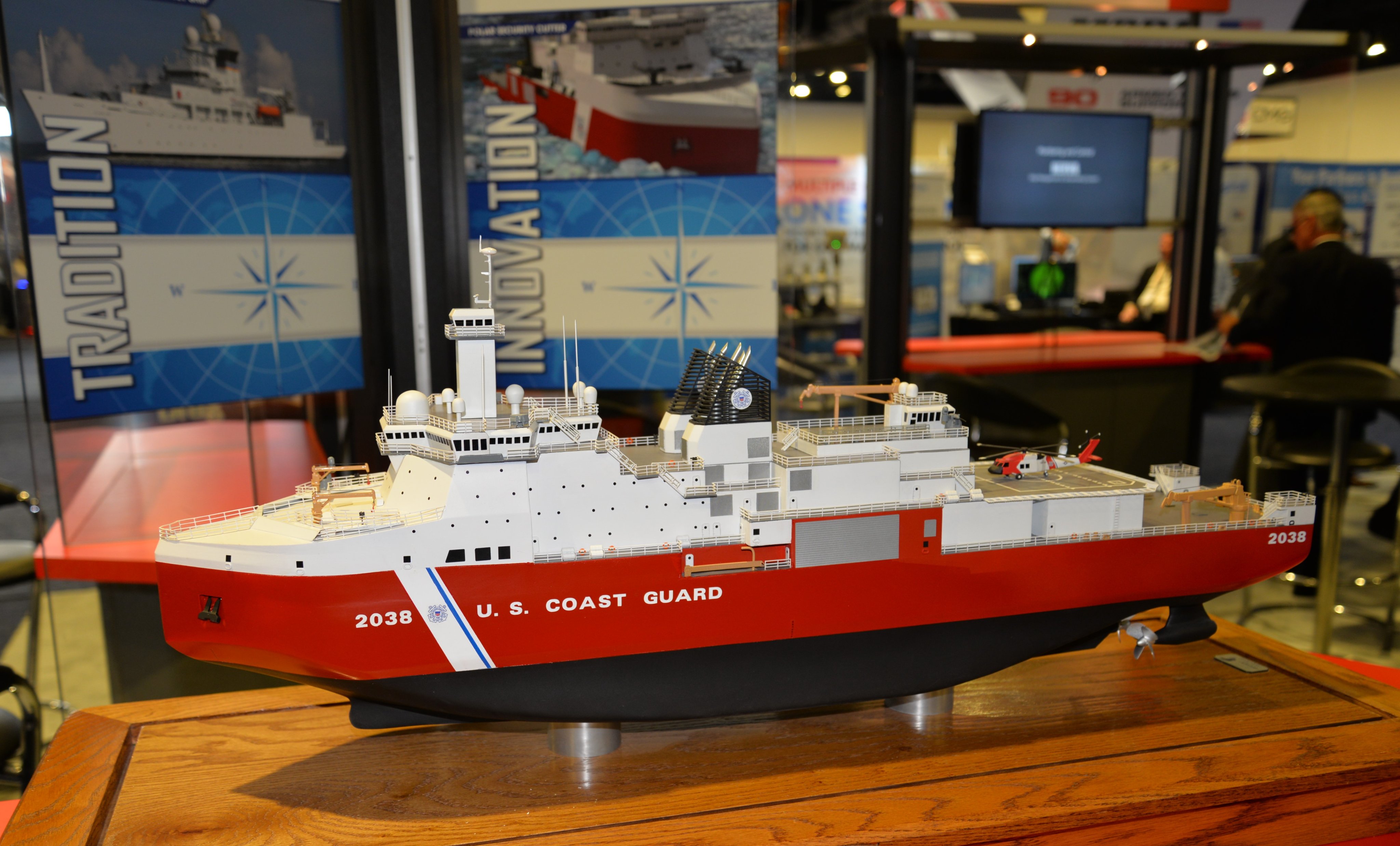
Photo of a model of Halter Marine’s Polar Security Cutter seen at Navy League’s Sea-Air-Space Exhibition have surfaced. Photo credit Chris Cavas.

There are two closely related posts here that are significant for the Polar Security Cutter (heavy icebreaker) program. The first is an announcement that Bollinger is acqiring VT Halter and ST Engineering Halter Marine and Offshore, Inc from Singapore’s STE. The second article is from Forbes by industry observer Craig Hooper, published shortly before the announcement. It reports that, it appears VT Halter underbid the PSC contract and was headed for a disasterous loss. The schedule of delivery has slipped more than once. VT Halter has still not started cutting steel for the ship more than three years after the contract award.

I can’t say this is exactly good news, but solutions begin by recognizing you have a problem. We have had a series of warning signs and at least now there seems to be a change in management to a team with a proven track record.

“Loitering Munition Strikes Ukrainian Gunboat, A First In Naval Warfare” –Naval News

Naval News reports a Ukrainian Gyruza-M-class patrol boat

Gyurza-M-class gunboat. Photo: Ministry of Defense of Ukraine

has been hit by a Russian Lancet Loitering Munition.

ZALA Lancet, side view, Photo by Nickel nitride

The Ukrainian gunboat seems to have been pretty well armed.

We have talked about Loitering Munitions before:

These could be the answer to the Coast Guard’s need to be able to defeat small, highly manueverable, high speed surface threats.

They also extend the range at which non-state actors might be able to engage Coast Guard units.

“Report: Additional Actions Needed to Improve Coast Guard’s Commercial Fishing Vessel Safety Efforts” –GAO, Report by gCaptain

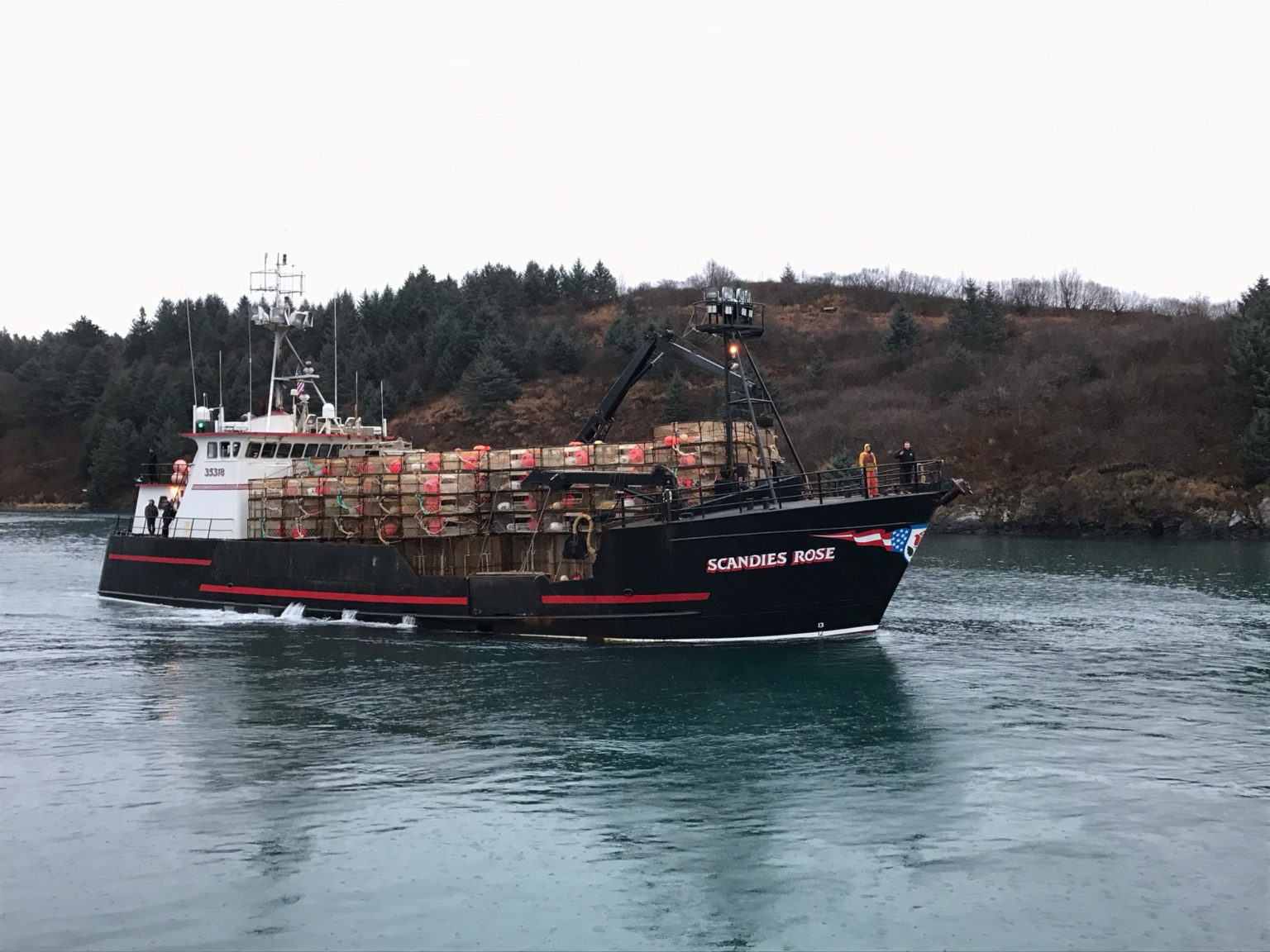
The FV Scandies Rose arriving in Kodiak, Alaska, in an undated photo. The fishing vessel sank off Alaska’s Sutwik Island in 2019, with the loss of five of seven crew members. Source: Gerry Cobban Knagin via NTSB

gCaptain reports,

The GAO report concluded that the while the Coast Guard does make efforts to promote commercial fishing vessel safety, including through conducting dockside exams, engaging with industry, and collaborating with other federal agencies, it has yet to fully implement 17 of 22 statutory requirements enacted over the 10-year timeframe.

Plus there is a lot more.

“Ukraine’s New U.S. Supplied Combat Boats Already Patrolling Black Sea” –Naval News

Metal Shark 40 Defiant

Naval News reports,

6 U.S. Navy type patrol vessels have recently been supplied to Ukraine. These are already active in the Black Sea where they face a much more powerful adversary in the Russian Navy. But the Ukrainian Navy is building a reputation as an effective asymmetric force.

These are the same 44 foot patrol boats the Navy has been buying.

Previous discussion of other boats being transferred to Ukraine here.

How Hard Is It to Sink a Ship With Gunfire?

I have made a point of trying to illustrate how hard it is to sink a ship, even a small ship, with gunfire. My most popular post, “What Does It Take to Sink a Ship?,” takes a statistical look at the USN WWII combat losses, and I have published other posts that have looked at this question.

This was to show how inadequate the armament of Coast Guard cutters is, if they are ever called upon to forcibly stop a mediium or large vessel with a determined crew.

What we have, in the video above, is an illustration of the damage that was done to a very tough, but relatively small US Navy destroyer, with a determined crew, that fought agressively against Japanese destroyers, cruisers, and battleships including the Yamato with its 18″ guns which hit the little ship three times.

In this battle, despite very long odds, actually more than half of the small ships survived. Of the six escort carriers (CVEs), three destroyers (DDs), and four destroyer escorts (DEs), five CVEs, one DD, and three DEs survived the assault by four battleships, six heavy cruisers, two light cruisers, and eleven destroyers.

For comparison, Fletcher class destroyers like USS Johnston typically had a full load displacement of 2,924 tons, less than two thirds the size of the NSCs and OPCs or about 50% larger than a 270.


Chinese F/V Attempts to Ram USCGC James –AP

In this photo made available by the U.S. Coast Guard, guardsmen from the cutter James, seen at background right, conduct a boarding of a fishing vessel in the eastern Pacific Ocean, on Aug. 4, 2022. During the 10-day patrol for illegal, unreported or unregulated fishing, three vessels steamed away. Another turned aggressively 90 degrees toward the James, forcing the American vessel to maneuver to avoid being rammed. (Petty Officer 3rd Class Hunter Schnabel/U.S. Coast Guard via AP)

The Associated Press is reporting,

“…a heavily-armed U.S. Coast Guard cutter sailed up to a fleet of a few hundred Chinese squid-fishing boats not far from Ecuador’s Galapagos Islands. Its mission: inspect the vessels for any signs of illegal, unreported or unregulated fishing…But in this case, the Chinese captains of several fishing boats did something unexpected. Three vessels sped away, one turning aggressively 90 degrees toward the Coast Guard cutter James, forcing the American vessel to take evasive action to avoid being rammed.”

Of course there is much more to the story.

“HMS Medway, U.S. Coast Guard Law Enforcement Detachment Seize Cocaine in Caribbean” –Seapower

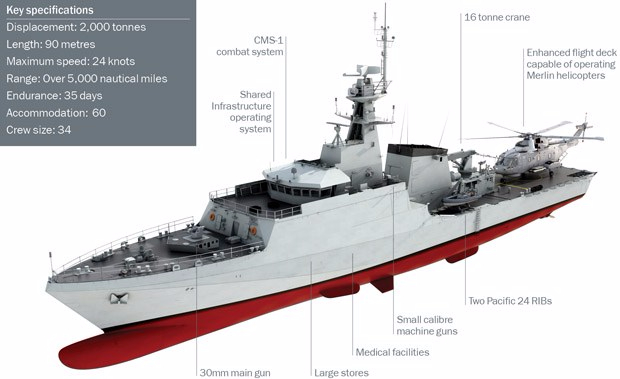
HMS MEDWAY and her embarked US Coastguard Law Enforcement team interdicted a vessel carrying over 400kg of cocaine in the Caribbean Sea, 29 Sep 22. Initially spotted by a US Maritime Patrol Aircraft, the ship chased down the boat before the Coastguard boarding team discovered the drugs and detained three individuals. The operation, which lasted overnight, then concluded with the vessel being sunk by Medway’s weapons systems.

A hat tip to our Royal Navy friends. The Navy League’s on line magazine, Seapower, reports,

A Royal Navy ship and U.S. Coast Guard boarding team seized more than 400 kilograms of cocaine worth around £24m on Britain’s streets from a boat in the Caribbean, the U.K. Ministry Of Defence said in an Oct. 28 release.

HMS Medway is a River Class Batch II Offshore Patrol Vessel. The Coast Guard would probably call her a medium endurance cutter. They have a relatively small crew and are faster than Coast Guard WMECs or the Offshore Patrol Cutters currently building.

There is no indication they operated with an embarked helicopter. Operating in the Caribbean they would have had adequate fixed wing support. They have a large helicopter landing area but no hangar. The helicopter in the illustration is a very large one, a Merlin, with a max take off weight of over 32,000 pounds.

The gun on these ships is the same gun and mount as the new Mk38 Mod4.