“UNITAS LXV Begins in Valparaiso, Chile” –SOUTHCOM

UNITAS LXV commenced today in Valparaiso, Chile, with 17 ships, two submarines, and 23 aircraft operated and supported by more than 4,300 Sailors and Marines from 24 nations. UNITAS is the world’s longest-running multinational maritime exercise, conceived in 1959 and executed without fail since 1960.

Below is a U.S. Naval Forces Southern Command / U.S. 4th Fleet Public Affairs news release. 

Notably there are no Coast Guard floating units or aircraft participating this year but U.S. Coast Guard (USCG) Tactical Law Enforcement Team (TACLET) Pacific Law Enforcement Detachment (LEDET); and USCG Maritime Security Response Team East (MSRTE) Direct Action Section are providing their special expertise.

This exercise is about disaster response and law enforcement as much as war fighting.

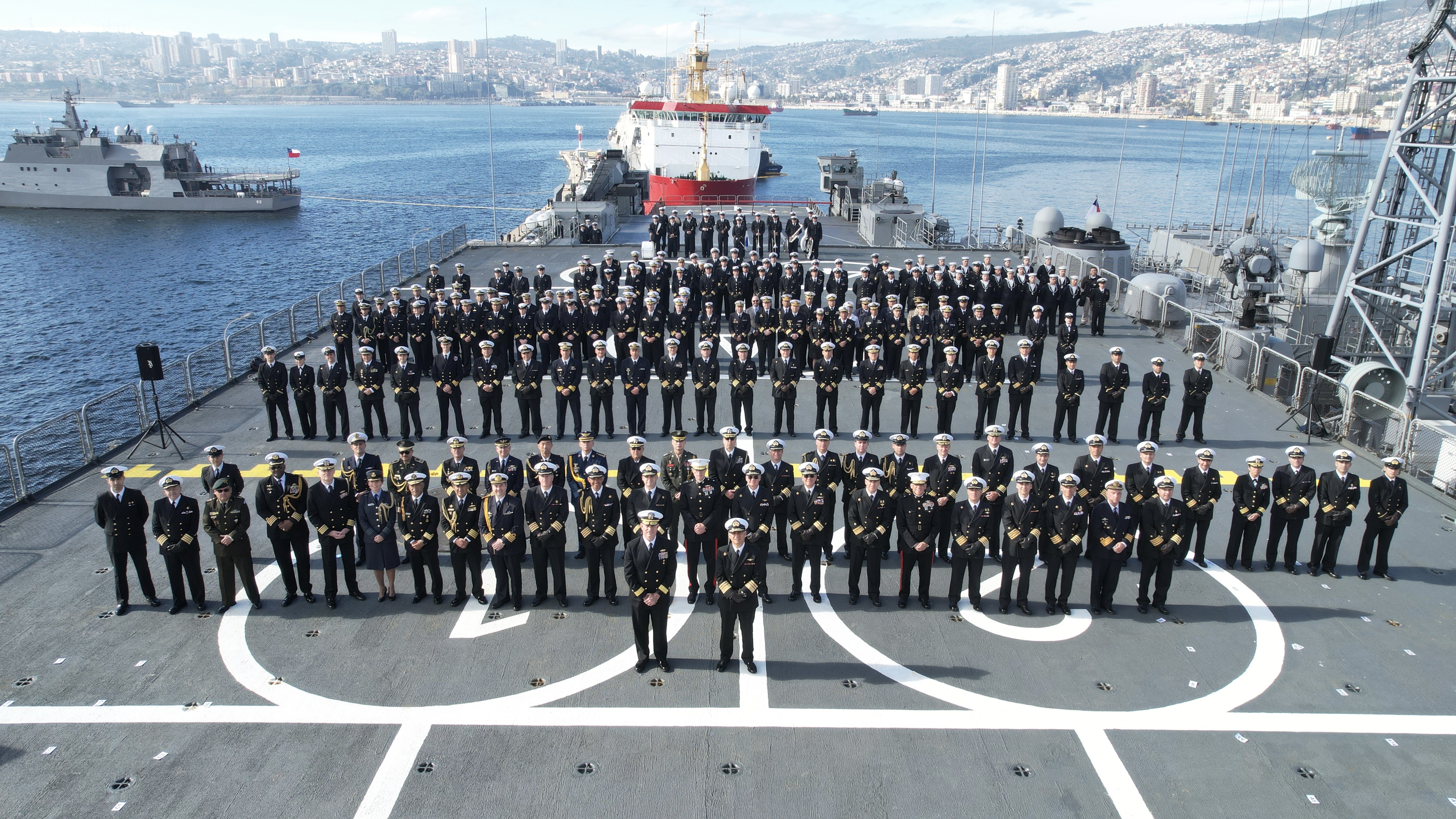
The ship visible in the upper left hand of the photo is a Fassmer designed 80-meter Offshore Patrol Vessel (OPV). It is the Chilean Navy’s Comandante Policarpo Toro (OPV-82). Chile has four ships and Colombia three ships built to this design.

The ship immediately astern (red hull and white superstructure) appears to be an icebreaker, but I don’t recognize it.


Sept. 2, 2024

UNITAS LXV Begins in Valparaiso, Chile

VALPARAISO, Chile – Navy and Marine forces arrived in Valparaiso in support of UNITAS LXV (65), the world’s longest-running multinational maritime exercise in the world, which officially commenced September 2, 2024. 

The Chilean navy is hosting this year’s UNITAS, which will feature 17 warships/vessels, two submarines, 20 aircraft (fixed wing/helicopter), and more than 4,300 personnel from 24 partner nations. Forces will conduct operations off the coast of Valparaiso, Chile, and ashore in the vicinity of Puerto Aldea, Chile, through September 12.

Rear Adm. Rich Lofgren provided opening remarks as U.S. Naval Forces Southern Command/U.S. 4th Fleet Deputy Commander, addressing the opportunities to build relationships ashore, including subject matter exchanges, operations briefs, and a Women, Peace, and Security symposium. Creating these spaces to build relationships on shore will pay dividends at during the at-sea phase of the exercise and beyond.

“Sailors go to sea,” Lofgren added. “I look forward with great excitement to joining you at sea, as we conduct combined and joint operations. We will enhance our capabilities and improve our interoperability in these maritime events – together. Make no mistake, all of us will work hard the next 12 days. But we will communicate effectively – together. We will operate effectively – together. And we will overcome obstacles – together.”

UNITAS, which is Latin for unity, united, or oneness, was conceived in 1959 when representatives at the first Inter-American Naval Conference in Panama agreed to conduct an annual maritime exercise with one another. Prior to UNITAS I in 1960, U.S. Chief of Naval Operations Adm. Arleigh Burke reviewed preparations for the multinational exercise. He commended planners for their progress, especially in building compatible communication systems among navies, and predicted that UNITAS would build strong relationships among Sailors of the Western Hemisphere.

UNITAS I took place in 1960 with forces from Argentina, Brazil, Chile, Colombia, Ecuador, Peru, Uruguay, the United States, and Venezuela. This year marks the 65th iteration of the world’s longest-running annual multinational maritime exercise.

Including the United States, UNITAS LXV will bring together 24 nations from all over the world to train forces in joint maritime operations that enhance tactical proficiency and increase interoperability. Participating nations include Argentina, Brazil, Canada, Chile, Colombia, Dominican Republic, Ecuador, France, Germany, Guatemala, Honduras, Italy, Jamaica, Japan, Mexico, Paraguay, Peru, Portugal, South Korea, Spain, Trinidad and Tobago, United Kingdom, United States, and Uruguay.

Following the UNITAS LXV Opening Ceremony on September 2, the in-port phase of the exercise will feature subject matter expert exchanges, professional symposia, ship rider exchanges, and operations meetings. During this time, Marines and Sailors will conduct training events in Valparaiso to include medical, cyber defense, and diving and salvage operations.

During the UNITAS LXV Underway Phase, forces will participate in events testing all warfare operations, to include live-fire exercises such as a SINKEX and an amphibious ship-to-shore landing and force withdrawal.

Unmanned and hybrid fleet systems will return for a second year to UNITAS with the presence of unmanned undersea vehicles. As part of the U.S. Navy’s future hybrid fleet, the Chief of Naval Operations has tasked U.S. 4th Fleet to scale unmanned platforms to the fleet level.

There are many U.S. forces participating in UNITAS LXV, including USS Germantown (LSD 42), USS St Louis (LCS 19), and USS Hampton (SSN 767). Other U.S. participants include Patrol Squadron Five (VP 5); Mobile Diving and Salvage Unit (MDSU) 2; Explosive Ordnance Disposal Mobile Unit (EOD) 2; Mine Countermeasures Group 2 (MCMGRU TWO); Helicopter Maritime Strike Squadron 50 Detachment 4 (HSM 50 Det 4); 2nd Battalion, 7th Marines (2/7); 1st Battalion, 24th Marine Regiment (1/24); 4th Light Armored Reconnaissance Battalion (4th LAR); 4th Reconnaissance Battalion (4th Recon); Combat Logistic Regiment 4 (CLR 4); 2nd Battalion, 14th Marines (2/14); Marine Aerial Refueler Transport Squadron 234 (VMGR-234); Marine Wing Communications Squadron 48 (MWCS-48); Marine Aircraft Control Group – 48 (MACG-48); Marine Fighter Attack Squadron 112 (VMFA-112); U.S. Coast Guard (USCG) Tactical Law Enforcement Team (TACLET) Pacific Law Enforcement Detachment (LEDET); and USCG Maritime Security Response Team East (MSRTE) Direct Action Section. Operational and tactical level leadership will be provided by Commander, Destroyer Squadron 40, (COMDESRON 40); Commander, Amphibious Squadron Seven (COMPHIBRON SEVEN); U.S Marine Corps Forces South (MARFORSOUTH); USNAVSOUTH/FOURTHFLT; and U.S. Southern Command (USSOUTHCOM).

U.S. Naval Forces Southern Command/U.S. 4th Fleet supports U.S. Southern Command’s joint and combined military operations by employing maritime forces in cooperative maritime security operations to maintain access, enhance interoperability, and build enduring partnerships in order to enhance regional security and promote peace, stability and prosperity in the Caribbean, Central and South American region.

U.S. Marine Corps Forces, South is the Marine Corps component to U.S. Southern Command, is responsible for planning exercises, operations, and overall Marine Corps support for the SOUTHCOM assigned area of responsibility.
“Coast Guard response to Key bridge collapse reveals a strained service” –DefenseNews

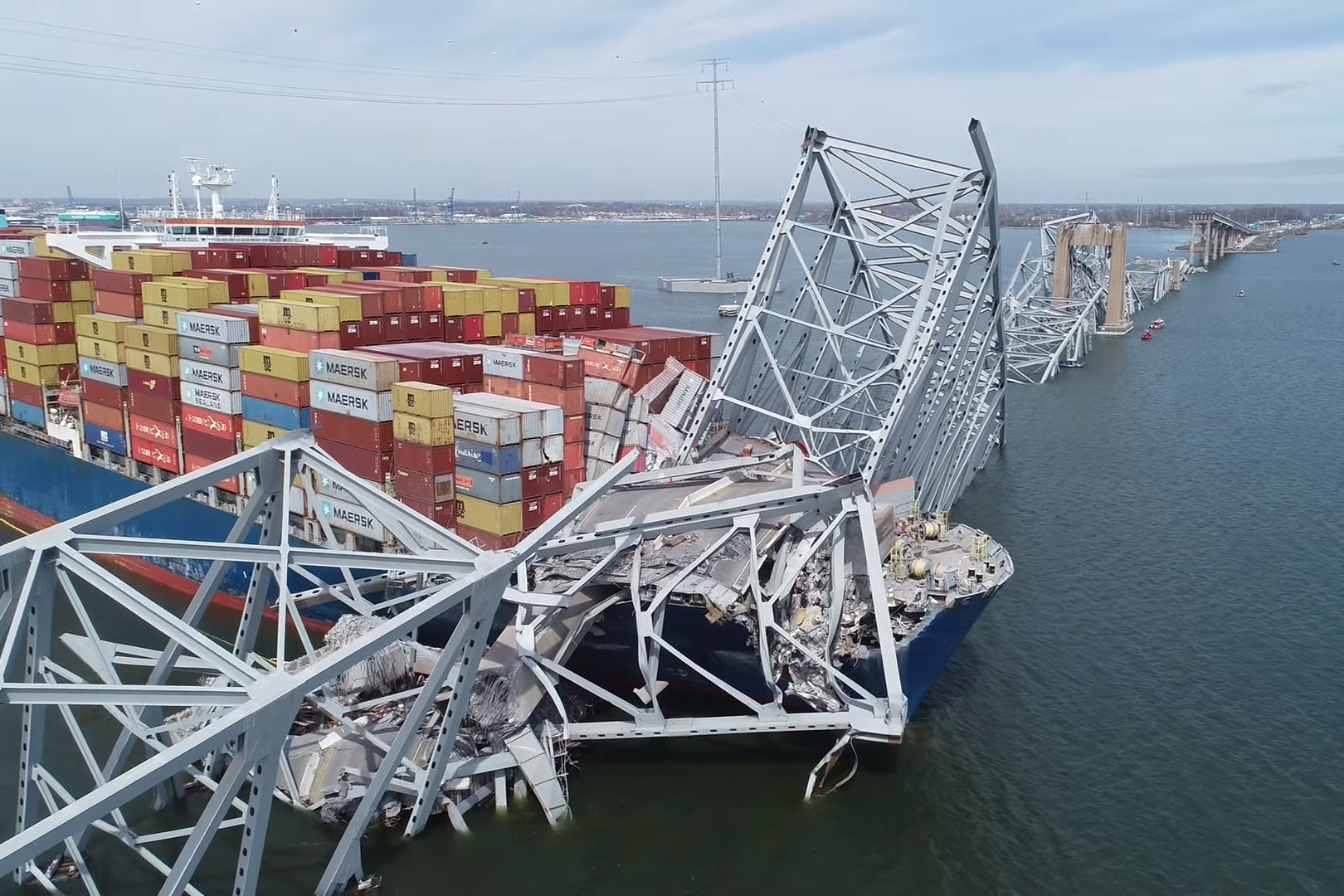
NTSB drone image of Francis Scott Key Bridge and Cargo Ship Dali, 26 March 2024

Defense News reports on the Coast Guard response to the allision that brought down the Key bridge in Baltimore and how it strained the service’s resources.

“…four Coast Guard cutters, at least 10 boats…27 Coast Guard civilians, 23 volunteers, 275 active duty service members and 82 reservists…These employees have been drawn from their home stations all over the country, including some as far as Alaska and California. That also means these stations are donating staff to the recovery effort in Maryland, and the Coast Guard’s operations lead said the service doesn’t have much to spare as it is.”

It is a story of an organization that, while under stress, responded successfully. It is also a cautionary tale that if we had two such emergency operations simultaneously, full response might not be possible.

It should also be seen as a testament to the Coast Guard’s agility, responsiveness, and resilience in spite of current personnel shortages.

There is also some encouraging news about steps being taken to close the Coast Guard’s current personnel shortages.

Congress has shown its intent to take action. The House cleared a bill on May 14 to authorize $12 million to fund recruiters and offices for the Coast Guard Recruiting Command and an additional $9 million for recruiting capability in fiscal 2025. That passed in a 376-16 vote.

The bill also aims to improve quality of life for Coast Guard service members, a factor that, like pay competitiveness and work-life balance, may give the private sector an edge.

With a particularly bad Hurricane season predicted, it’s good to remind the Administration and Congress that we have to be ready to do more than normal day to day operations. The Coast Guard is more than a first responder. The Coast Guard moves resources in anticipation of disaster.

Incidentally the bill linked in the quote above is H.R.7659 – Coast Guard Authorization Act of 2024. It is very interesting as evidence of Congress’s intentions. Take a look but be aware the Authorization is separate from the budget and even if signed into law, the authorization does not mean projects are actually funded.

“Rebrand the Coast Guard Districts” –USNI

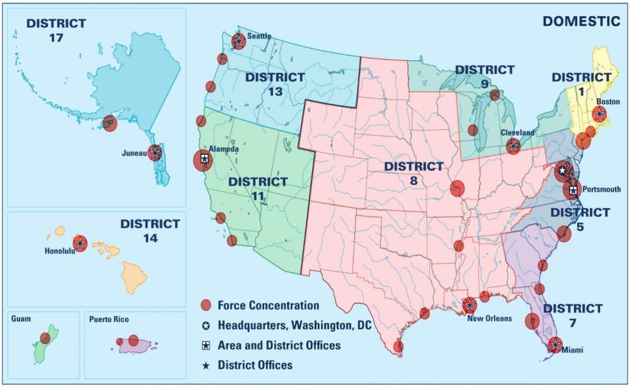
The February edition of US Naval Institute Proceedings has a one page, “No Body Asked Me, But,” article on page 18, by Cdr. Leah Cole, USCG, suggesting that the Coast Guard Districts be given geographic names rather than numbers.

I’ll just list the proposed names without linking them to the existing numbers because, you will find them obvious and intuitive.

  • Forces New England
  • Forces Mid-Atlantic
  • Forces South and Caribbean
  • Forces Heartland and Gulf Coast 
  • Forces California and Southwest Border
  • Forces Pacific Northwest
  • Forces Pacific Islands
  • Forces Alaska and Arctic

I think she pretty much nailed it, though I think Forces Southeast and Caribbean might be more descriptive for D7, and for D11, Forces Pacific Southwest.

Along with these, she would rebrand the Areas Forces Atlantic and Forces Indo-Pacific.  There is a potential glitch here, in that PATFORSWA, which frequently operates in the Indian Ocean, is currently under Atlantic Area. (Both the Combatant Commanders and the Navy’s Fleet structure have the Indian Ocean split up three ways.) Just Forces Pacific should suffice.

She goes on to suggest,

“As an additional step, the Coast Guard could time the renaming to align with a new recruiting initiative for both the active-duty and reserve force that offers candidates the opportunity to serve in their home regions or a region in which they would like to live and serve long-term. This could create a sense of purpose, build belonging, and also reduce barriers to accessions.”

She also suggests how district Reserve programs could be tuned for predicable surge operations–it’s a short read.

As I am sometimes told, this makes too much sense to actually happen, but it is definitely worthy of serious consideration.

“Commander Cole, a permanent cutterman, is executive officer of the USCGC Bertholf (WMSL-750). She is the 2023 recipient of the John G. Witherspoon Award for inspirational leadership.”

“GAO Report on Coast Guard Disaster Preparedness” –USNI

The US Naval Institute’s news service reports a GAO study that looked at the Coast Guard’s provision of emergency food and water for their units.

“GAO is making three recommendations, including that the Coast Guard clarifies (1) emergency food and water requirements, and (2) procurement policies and procedures; and (3) ensures that its field units assess and document their emergency food and water needs. The Department of Homeland Security concurred with these recommendations.”

My thought is that this should be a part of a look by the Department of Homeland Security at where emergency food and water should be stored that would include all their agencies along with a catalog of water making and storage resources like ships that might be used in an emergency.

“Could the LCS fleet be getting a new mission?” –Navy Times

181206-N-N0101-028
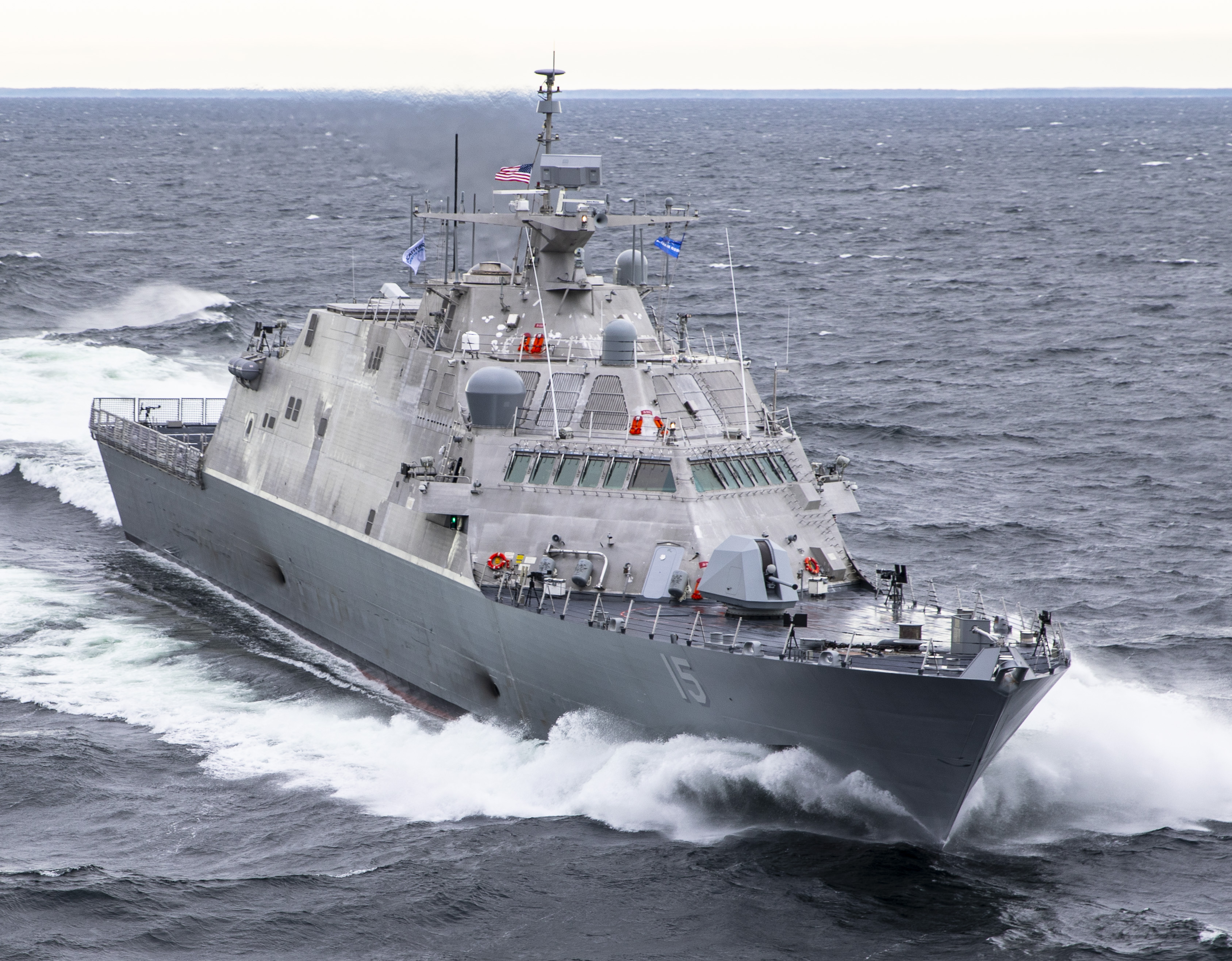
MARINETTE, Wis. (Dec. 6, 2018) The future littoral combat ship USS Billings (LCS 15) conducts acceptance trials on Lake Michigan, Dec. 6, 2018. (U.S. Navy photo courtesy of Marinette Marine/Released)

Navy Times reports,

“… Congress is tasking U.S. Southern Command with studying the feasibility of permanently assigning four to six LCSs to the combatant command.”

Is this likely?

Frequently nothing comes of these Congressionally mandated studies, but I suspect this may happen because it would complement the plan to replicate the 5th Fleets international unmanned effort, Task Force 59, in 4th Fleet.

What will not change?

Assigning up to six LCS to 4th Fleet probably would not increase the number of Navy ships underway in the SOUTHCOM Area of Operations (AOR). As the post points out, LCS are already routinely assigned to SOUTHCOM’s 4th Fleet. Typically, there is at least one and normally two doing drug interdiction with an embarked Coast Guard Law Enforcement Detachment.

Navy combatants are typically deployed less than a third of the time and underway less than 25% of the time, so six would be translate to no more than two regularly deployed. Of course, the Navy could temporarily assign other LCSs to 4th Fleet.

All the LCSs that I have heard of operating under 4th Fleet have been Freedom class monohulls like the Billings pictured above. These ships are based Jacksonville. I would not expect their homeport to change.

What might change?

4th Fleet wants to be the Fleet of Innovation. For evaluating advances in Maritime Domain Awareness, they have the unique advantage of a full time, highly motivated opposition force that is always testing their capabilities in the form of drug smugglers.

Having four to six LCS permanently assigned to 4th Fleet would provide a continuity of experience that the current system does not allow. That continuity would likely enhance both their law enforcement operations and allow progressively more complex experimentation. The vessels might be provided with better accommodations for the Law Enforcement Detachments and additional facilities for detainees and storage of seized contraband. They might operate more frequently with embarked Coast Guard airborne use of force helicopters.

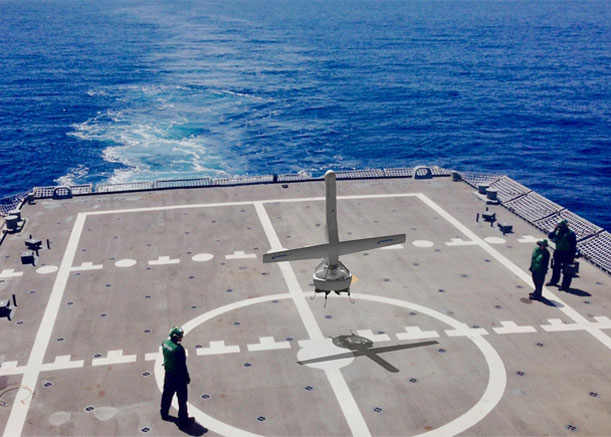
V-Bat from Martin UAV

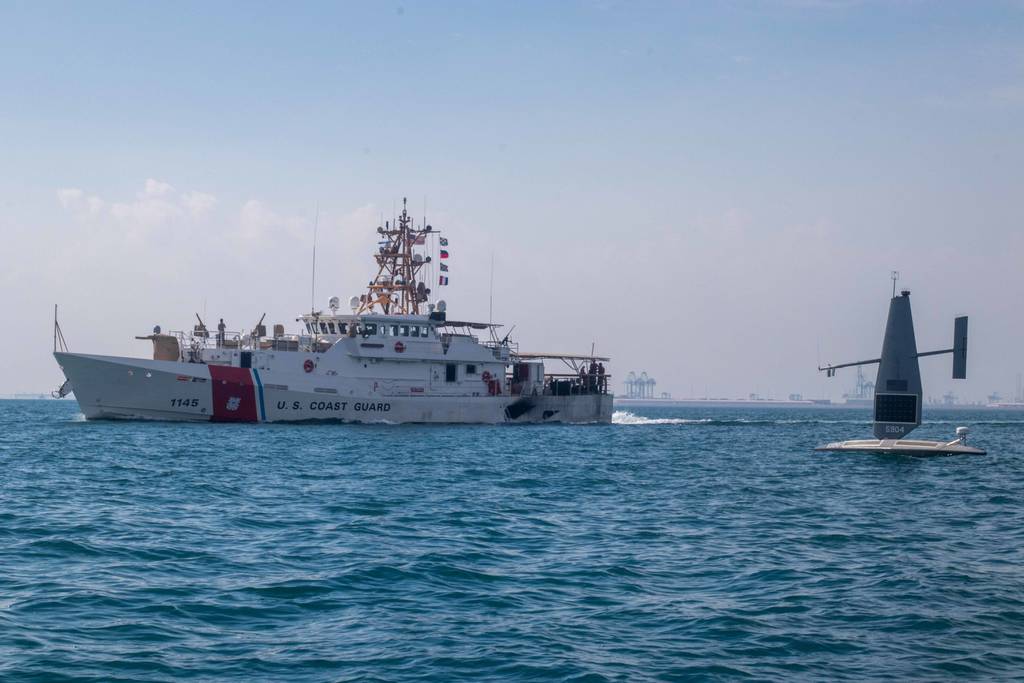
While they have had their problems, LCS are uniquely suited for operating unmanned systems. This might include operations in support of unmanned surface vessels like Saildrones and small unmanned aircraft like V-Bat.

A Saildrone Explorer unmanned surface vessel operates alongside U.S. Coast Guard fast response cutter USCGC Emlen Tunnell (WPC 1145) in the Arabian Gulf, Nov. 29, during Digital Horizon 2022. (Sgt. Brandon Murphy/US Army)

Continuity in 4th Fleet operations might also extend to disaster response and IUU fisheries enforcement, both of which might benefit from use of unmanned systems.

Not called for the study, but a Navy oiler operating in 4th Fleet would be a real plus. The Freedom Class LCSs have relatively short range and can quickly run out of fuel if operated at high speed. An oiler might also make operating Webber class WPCs in the Eastern Pacific more practical.

Thanks to Walter for bringing this to my attention.

Royal Navy OPV Does Mine Countermeasures With USN Team

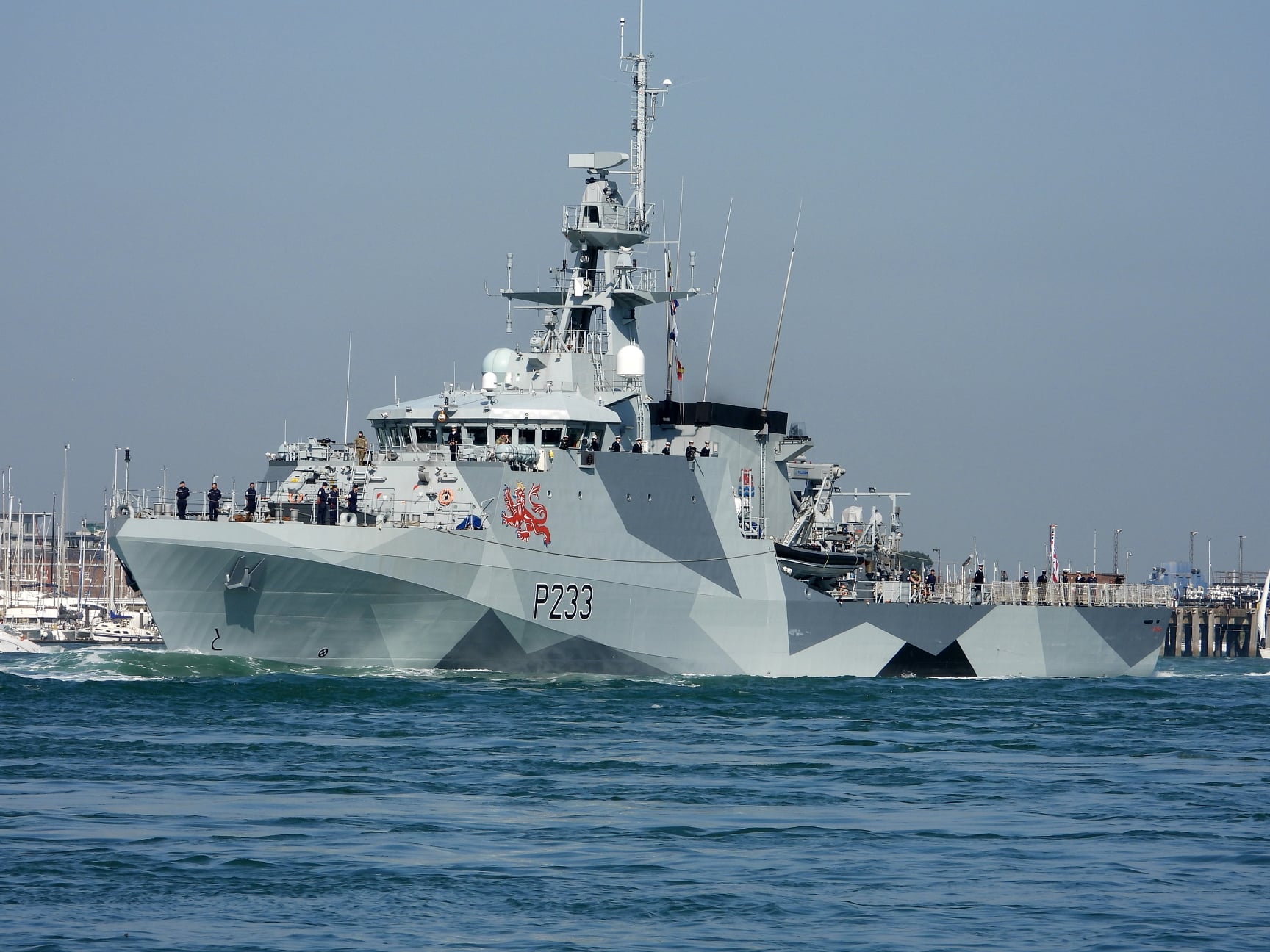
HMS TAMAR

The Royal Navy reports that HMS Tamar participated in an exercise off S. Korea, providing a platform for a US Navy diving/explosive ordnance disposal team equipped with Remus 100 uncrewed underwater vehicles to do mine countermeasures.

Virtually any large Coast Guard cutter could do the same thing, maybe even the Webber class FRCs. HMS Tamar would be an MEC if operated by the Coast Guard.

The Remus 100 would also be useful in reopening ports after a natural disaster, looking for changes in the underwater topography or obstructions.

This goes along with the way I think the Coast Guard should plan to do the Defense readiness mission, that is, that the Coast Guard would provide the platform and USN teams would come aboard, bringing the naval capability, whether it be mine hunting equipment, an ASW towed array and helicopter, or special ops team.

“New Zealand, Australian Navies Deploy for Tongan Disaster Relief” –USNI

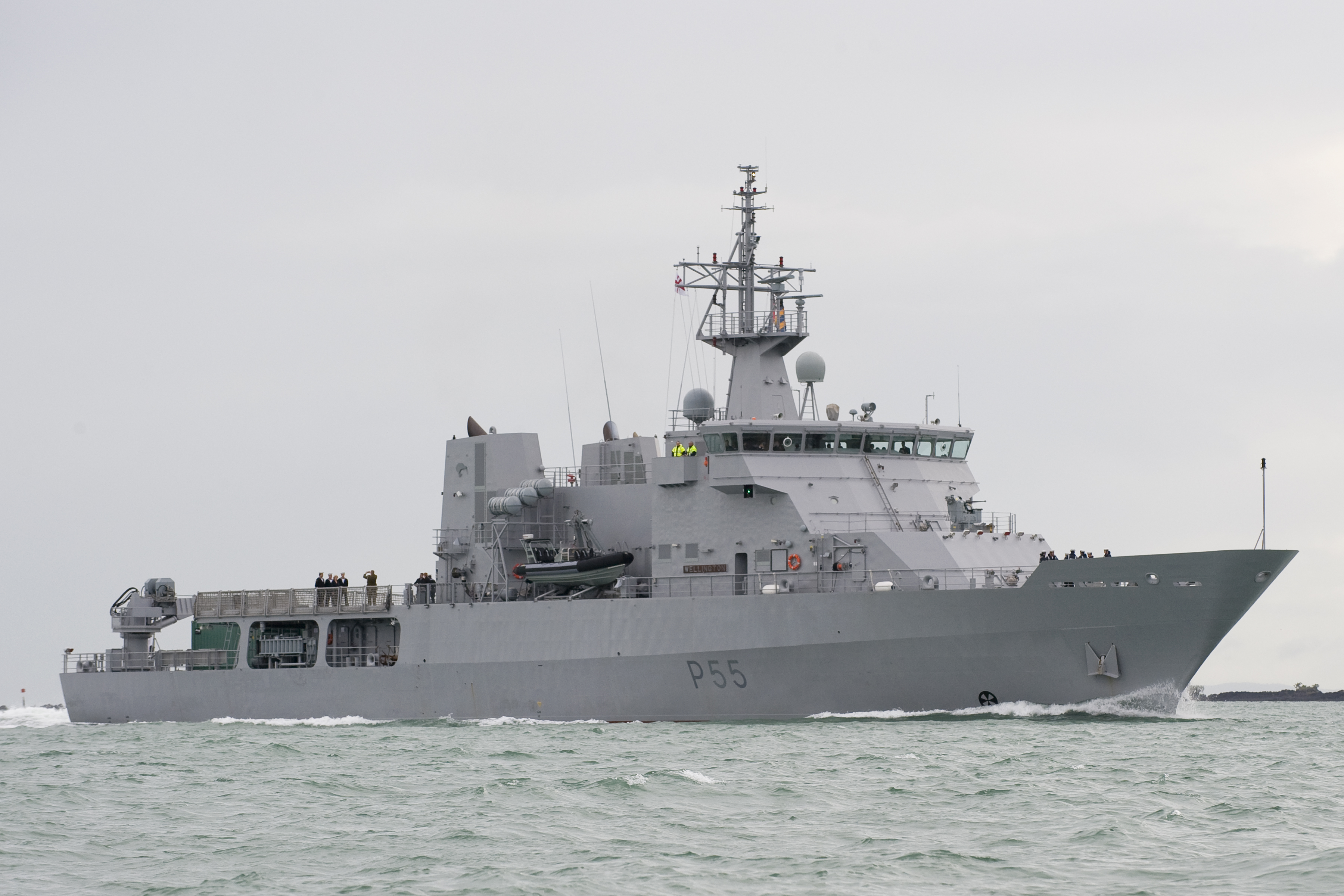
HMNZS Wellington. New Zealand Defence force photo

The US Naval Institute News service reports on the response by the Australian and New Zealand Navies to the tsunami that followed a recent underwater volcanic eruption near Tonga.

Both navies have sent Maritime Patrol Aircraft to survey the damage. New Zealand is taking the initiative to sortie ships even before they receive a request for assistance. Australia is preparing a ship to go.

New Zealand’s response it especially commendable in taking immediate action without waiting for a request for assistance.

Just as in the response to the 2021 earthquake in Haiti, it appears an Offshore Patrol Vessel will be the first ship on scene.

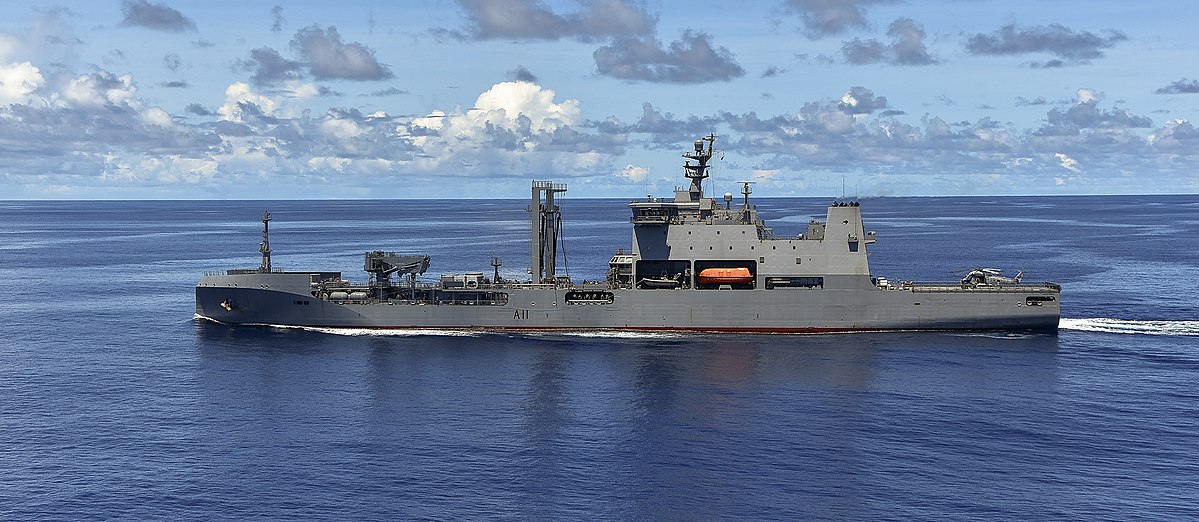
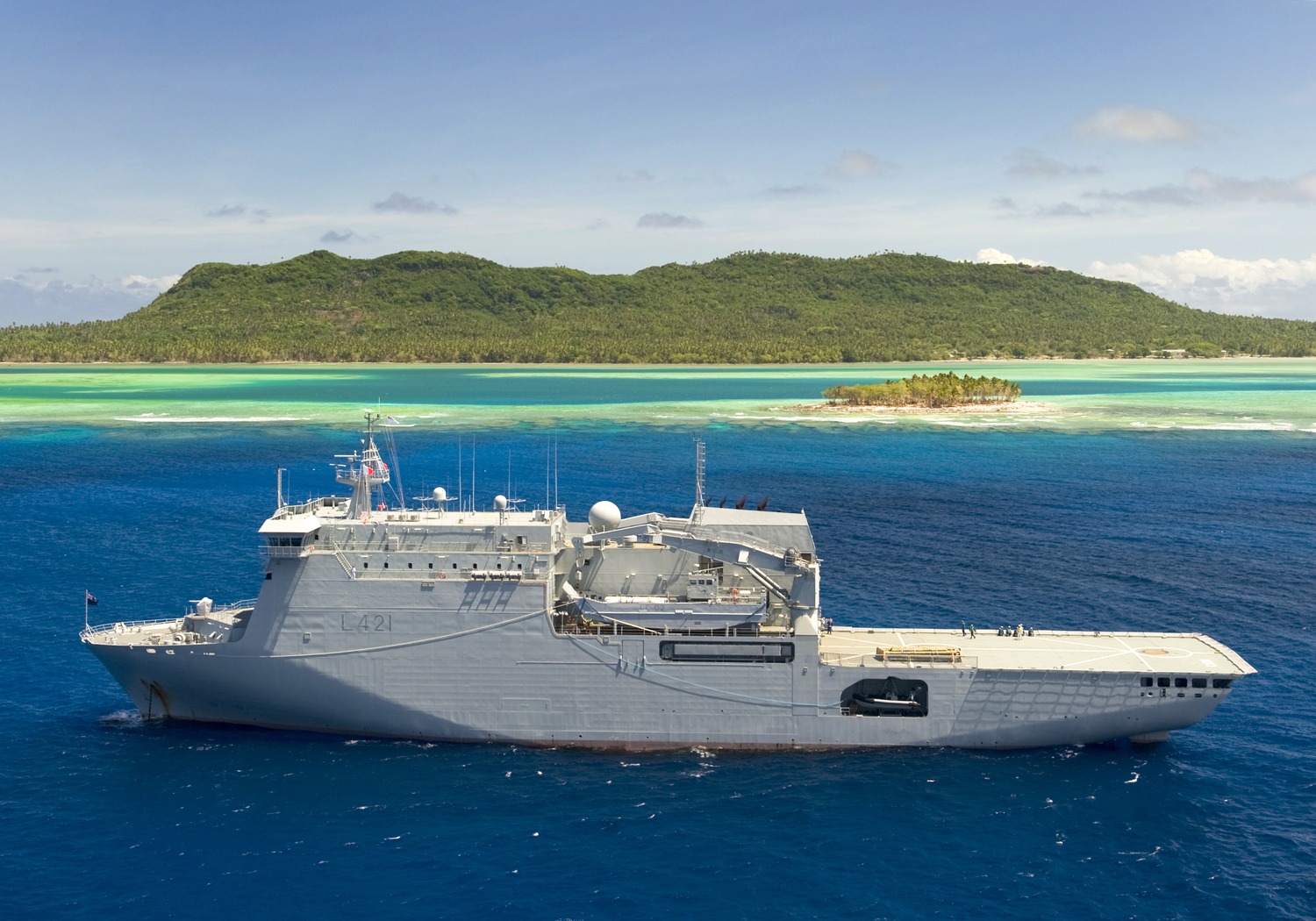
HMNZS Wellington (pictured above) was designed by VARD, same firm that did the design for the Offshore Patrol Cutter.  She is much smaller, but you can see a family resemblance. Photos of the other New Zealand ships mentioned in the below.

 HMNZS Aotearoa (A11) (Photo courtesy of Deck Cadet Natalie Dorsey) For an underway replenishment ship, this ship is unusual in that it is ice-strengthened. 

New Zealand Defence Force – The HMNZS CANTERBURY (L 421) off Samoa coastline


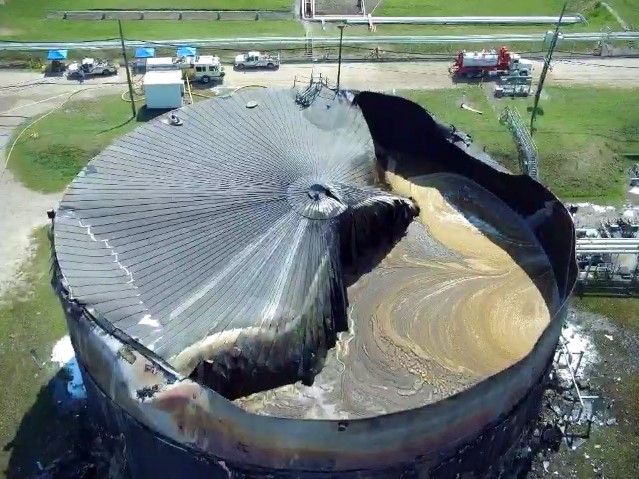
“Coast Guard drones can see underwater and inside vessels during response to hurricanes and extreme weather events” –MyCG

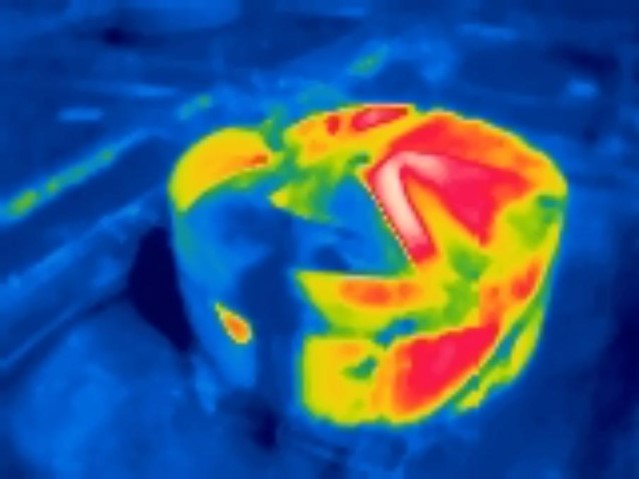
US Coast Guard Photo

US Coast Guard photo

These two photos which accompany the post appear to be of the same tank but taken from opposite sides. 

MyCG has as post about the increasing use of Unmanned Air Systems. In this case primarily concerning the use of small commercially available systems. Take a look.

“Coast Guard conducts Hurricane Ida post-storm overflights along the Gulf Coast” –D8

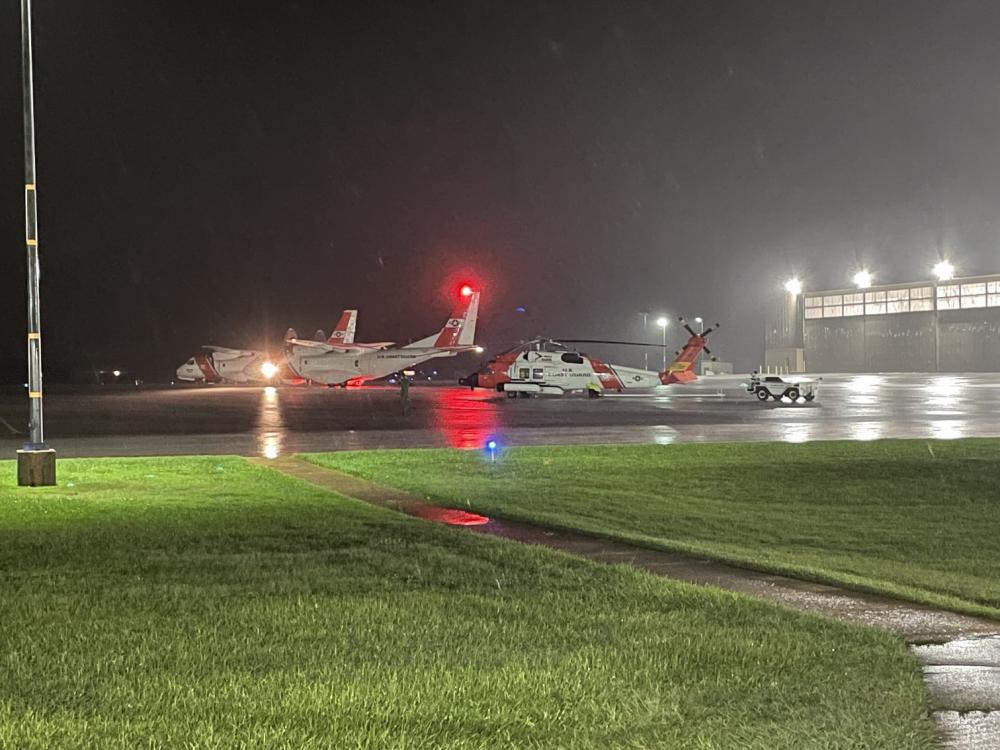
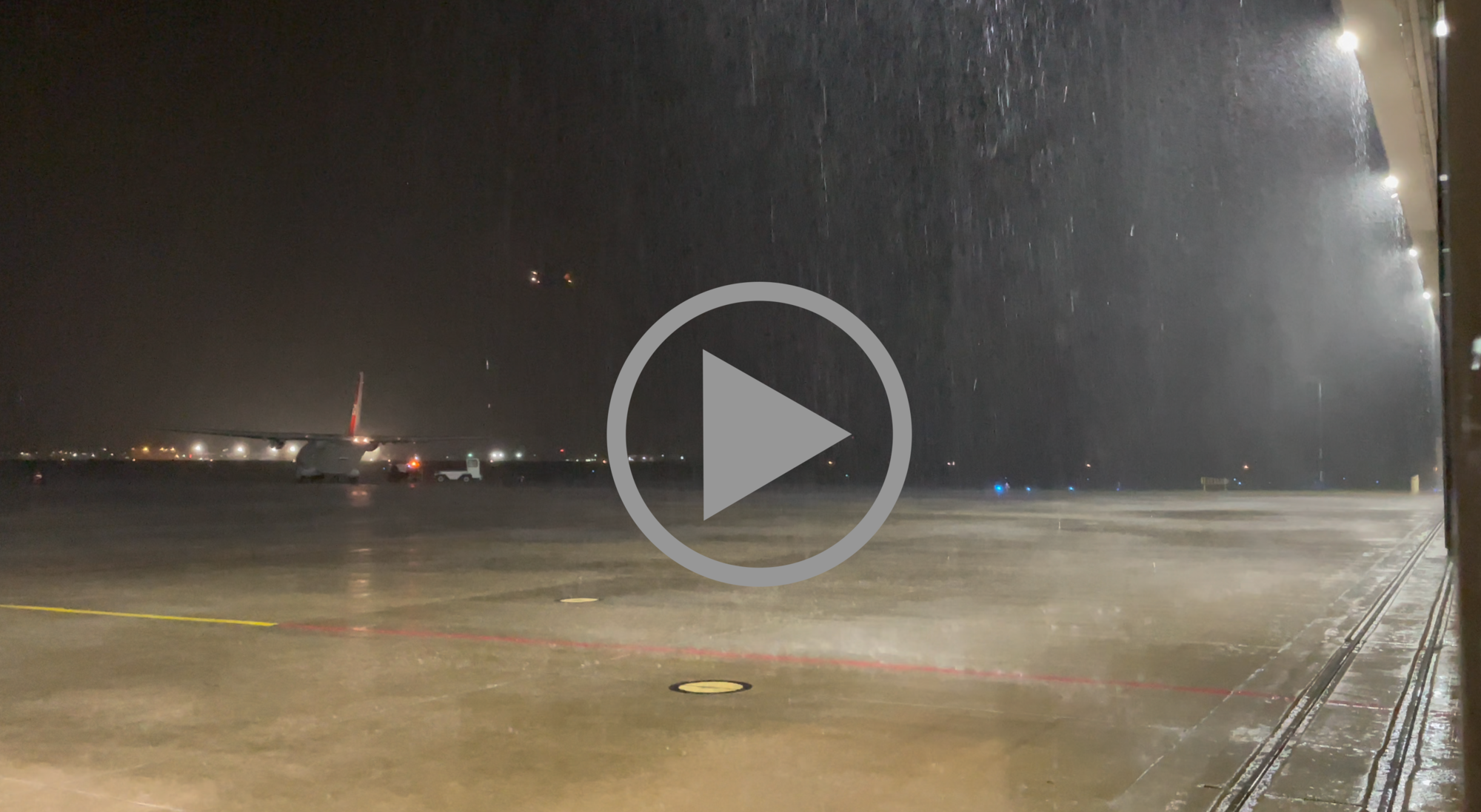
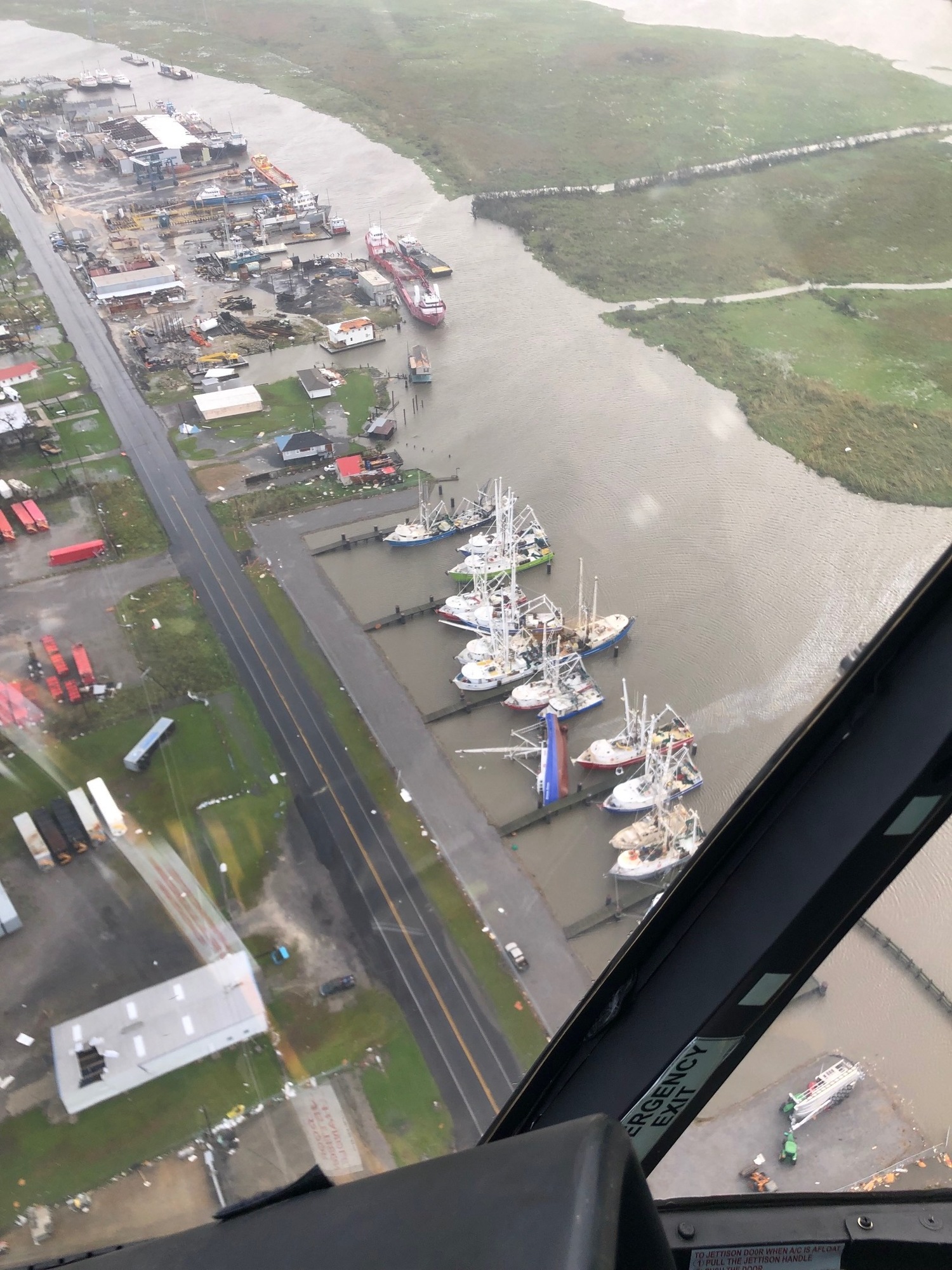
The Coast Guard conducts Hurricane Ida post-storm overflights along the Gulf Coast on August 30, 2020. Assets conducted critical incident search and rescue overflights and assessing for damage along the Gulf Coast Region of Louisiana following Hurricane Ida. (U.S. Coast Guard courtesy photo)

Passing along a Coast Guard District 8 news release.

united states coast guard


News Release

U.S. Coast Guard 8th District Heartland

Coast Guard conducts Hurricane Ida post-storm overflights along the Gulf Coast Image

Image Image 

Image Image 

Editors’ Note: Click on images to download high-resolution versions. 

NEW ORLEANS —The Coast Guard is conducting critical incident search and rescue overflights and assessing for damage Monday along the Gulf Coast Region of Louisiana following Hurricane Ida.

The Coast Guard has brought to bear more than 28 aviation assets and nearly 21 shallow-water response assets to respond to flooded and damaged areas.

“The Coast Guard will continue to provide search and rescue capabilities, assess the damage done by Hurricane Ida, repair aids-to-navigation, and ensure the ports along the Gulf Coast can be safely reopened for the flow of maritime commerce,” said Capt. Tracy Phillips, area commander for the Ida response. 

For more information follow us on Facebook and Twitter.

White Hull Diplomacy, “The Coast Guard and Stability Operations” –Small Wars Journal

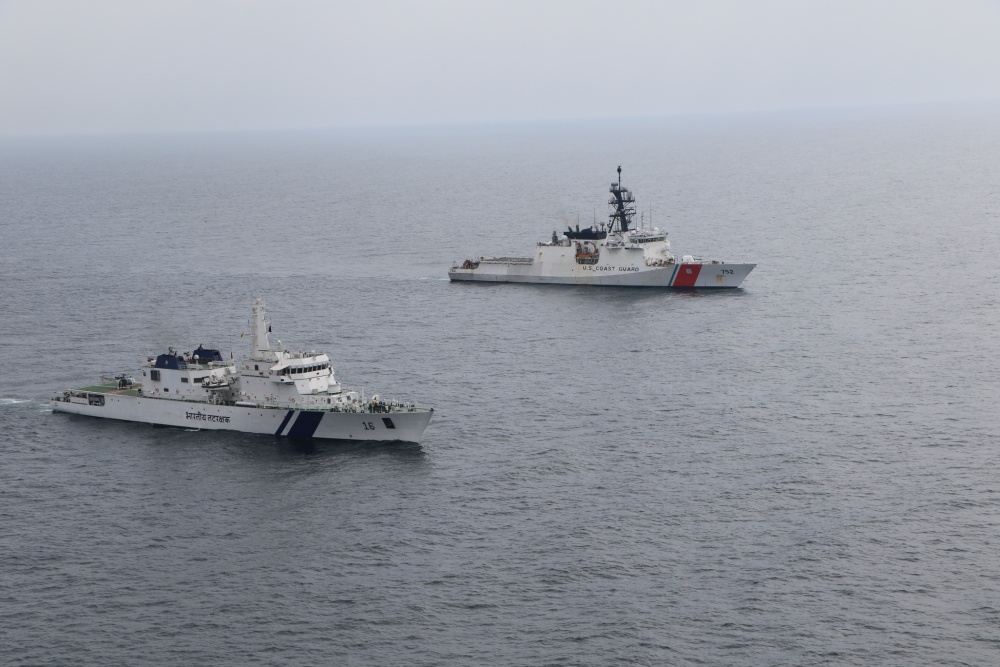
Coast Guard Cutter Stratton (WMSL 752) sales alongside the Indian coast guard ships Abheed and Shaurya (16) Aug. 23, 2019, while transiting in the Bay of Bengal off the coast of Chennai, India. The Stratton is participating in a professional exchange with the Indian coast guard that includes operational exercises at sea and on shore. (U.S. Coast Guard photo by Petty Officer 3rd Class Stephen Esterly)

Small Wars Journal makes the case for designating the Coast Guard to maintain expertise in and conduct maritime stability operations.

Historically, the United States military is regularly involved in some sort of stability operation despite the military preference for high intensity conflict. … The United States risks losing some of the lessons learned if it does not develop a holistic and complementary Joint Force that can both dominate a peer enemy and conduct stability operations at and below the level of armed conflict. Competition means that forces will be employed across the spectrum of operations with equal emphasis. Designating specific services to conduct stability as a primary mission is one means of ensuring a Joint Force that is equally capable across the spectrum. The Coast Guard is uniquely suited to a lead role in maritime focused stability operations. As a military force that is resident within the inter-agency, the Coast Guard provides a presence that is “instantly acceptable because of their worldwide humanitarian reputation.” This forward presence dovetails with the Department of Homeland Security mission of “safeguarding the American people” by pushing the boundaries of U.S. law enforcement into regions and countries where it can mentor and develop partner capabilities in the areas it is needed most.

It quotes the Coast Guard Strategic Plan 2018-2022.

“The Coast Guard plays a critical role in strengthening governance in areas of strategic importance. We mature other nations’ inherent capabilities to police their own waters and support cooperative enforcement of international law through dozens of robust bilateral agreements. Our leadership on global maritime governing bodies and our collaborative approach to operationalize international agreements drives stability, legitimacy and order. As global strategic competition surges, adversaries become more sophisticated and the maritime environment becomes more complex. The Coast Guard provides a full spectrum of solutions, from cooperation to armed conflict.”

The post states,

“At its heart the primary stability tasks fall into seven military missions and activities:  protecting civilians, security sector reform, support to security cooperation, peace operations, foreign humanitarian assistance, counterinsurgency, and foreign internal defense.”

It then goes on to describe how the Coast Guard has done each of these tasks in the past.

What we may be seeing here is a preview of the roles the Coast Guard may be expected to perform when the expected Tri-Service Strategy is published.

Thanks to Geoff for the “White Hull Diplomacy” portion of the title.