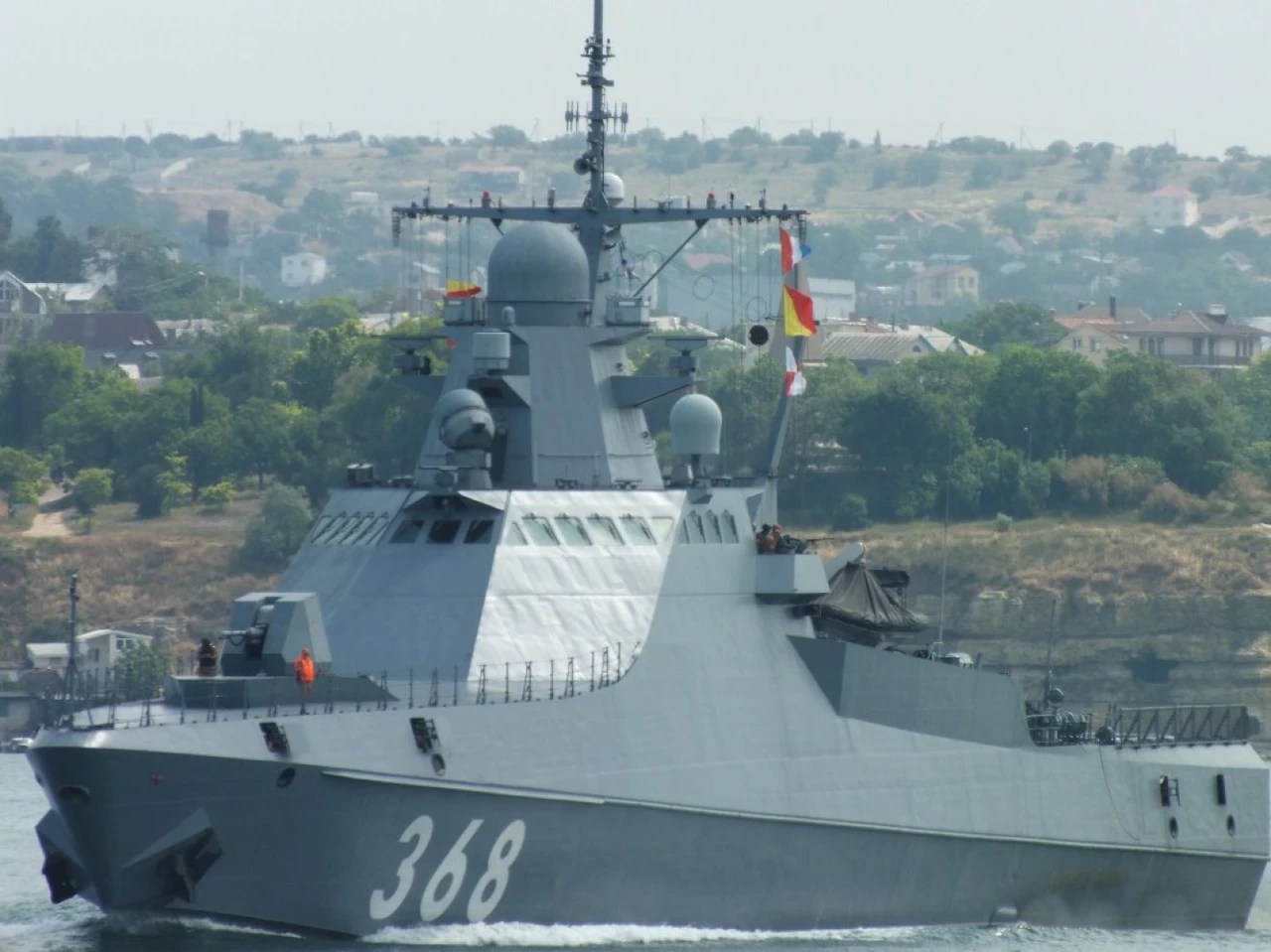
“‘The enemy has retreated again’: Cheering Ukrainian navy hits Russian war ship in Black Sea off Odessa as Kyiv continues to fight back” –Daily Mail

The Daily Mail reports that a Russian Project 22160 corvette has been damaged and possibly sunk.

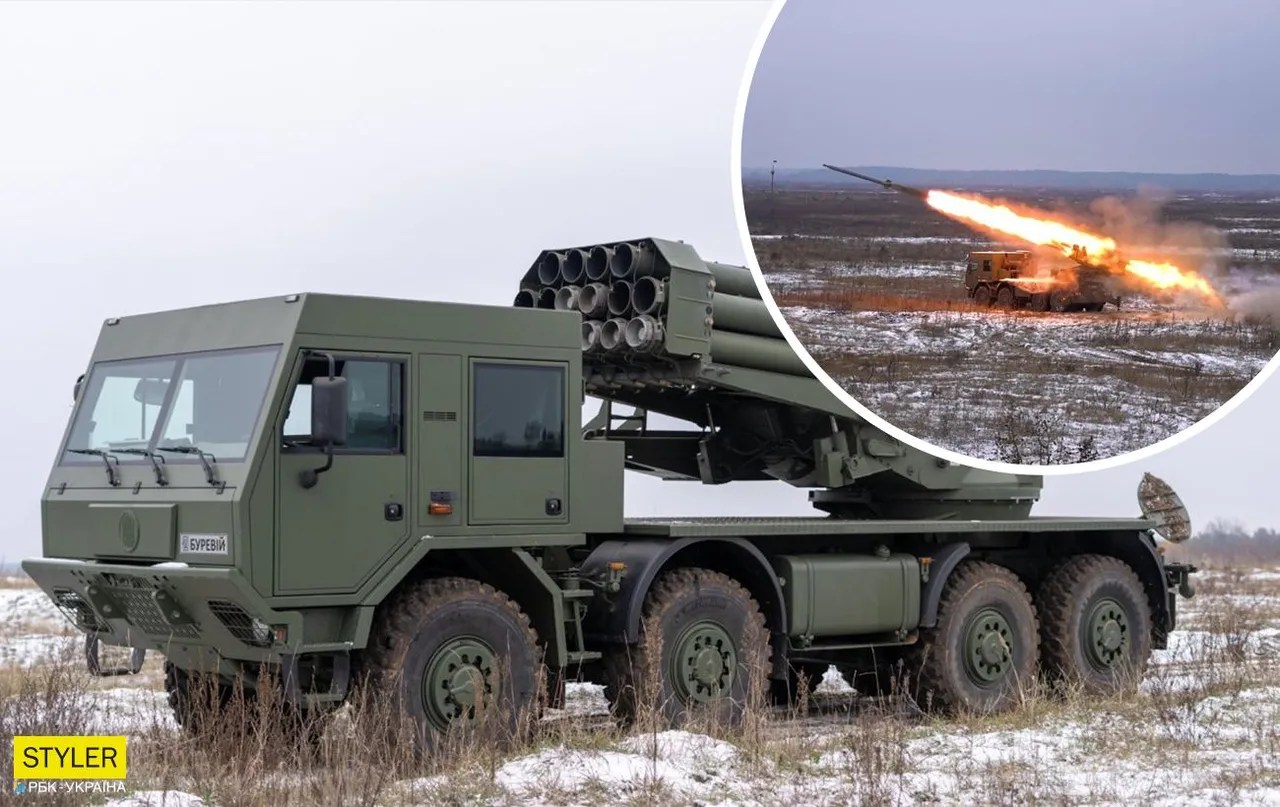
A contact in Ukraine, that I have been corresponding with for several months, has told me this was related to the loss of the Island class patrol boat P190 Slovyansk, former USCGC Cushing. That Island class patrol boats had enticed the corvette to chase them closer to shore where the corvette was ambushed by a Multiple Launch Rocket System. The former USCGC Cushing was lost in the effort.

The Ukrainian report is here.

“The cocaine trade is booming, and smugglers have their eyes on a new market” –Business Insider

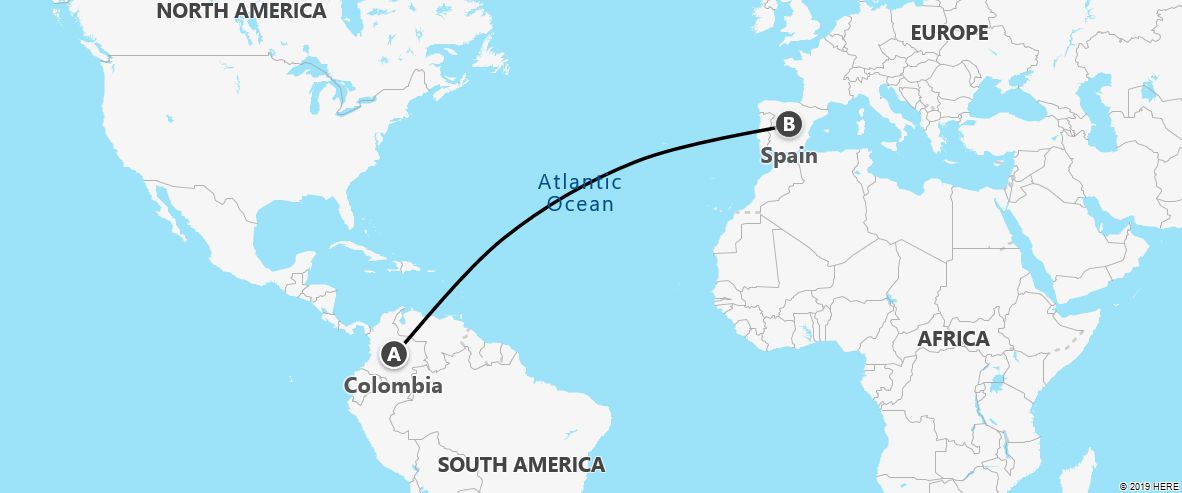
Business Insider reports on the growing market for illegal drugs in Europe that is being supplied by Latin American Cartels.

For the US Coast Guard, this may mean that:

  1. There will be more drug trafficing in the Caribbean, particularly the SE Caribbean.
  2. That we may be seeing more European assets joining the drug interdiction effort.
  3. More drugs will be shipped on container ships.

“Coast Guard Academy Cadets Prepare to Join the Fleet” –Seapower

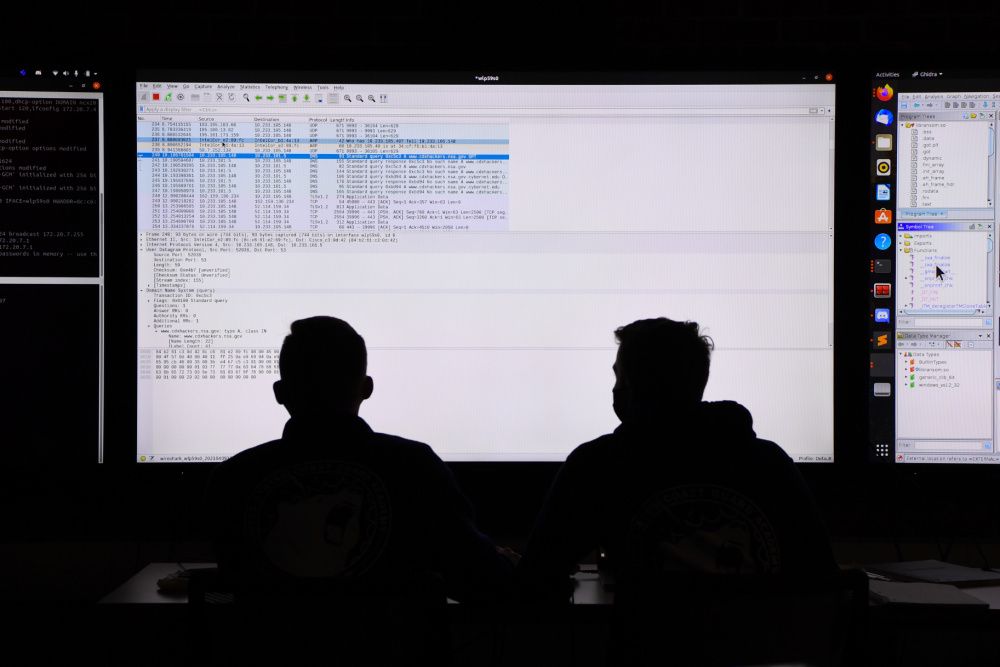
A team from the U.S. Coast Guard Academy participated in the National Security Agency’s 20th annual National Cyber Exercise (NCX), a three-day cyber competition that tests the offensive and defensive cybersecurity skills virtually, April 8-10, 2021. The Coast Guard Academy recently instituted a Cyber Systems degree to meet the needs of the services cyber security strategy of defending cyber space, enabling operations, and protecting infrastructure. (U.S. Coast Guard photo by Petty Officer 2nd Class Hunter Medley)

The Navy League’s on-line magazine “Seapower” reports on “Billet Night” at the Coast Guard Academy, when cadets learn where they will be going after graduation.

The significant news in the report is that while over 200 will go to afloat units and 20 will go directly to flight school,

The remaining graduates will report to various shore units, including the first graduates of the Academy’s Cyber Systems program. The newly established Cyber Systems degree provides graduates with the skills and ability to defend cyberspace, enable operations, and protect critical maritime infrastructure.

“Indonesia spearheading regional cooperation in South China Sea” –Indo-Pacific Defense Forum

Indonesian Maritime Security Agency vessel KN Tanjung Datu, left, sails alongside U.S. Coast Guard Cutter Stratton during joint exercises in the Singapore Strait in August 2019. IMAGE CREDIT: PO1 LEVI READ, USCG

The Indo-Pacific Defense Forum reports,

Indonesia is reaching out to its South China Sea neighbors to foster harmony on maritime sovereignty issues and enhance cooperation among regional coast guards, analysts say. The nation engaged closely with Vietnam in late 2021 and plans to add five countries to the collaborative effort in 2022.

It appears Indonesia is working with its SE Asian neighbors to resolve their bilateral maritime territorial disputes based on UNCLOS and develop multi-lateral agreement.

This would allow the ASEAN nations to present a united front, to push back against China’s expansive claims. It might even lead to something like my proposed Combined Maritime Security Task Force.

“First full rate production cutter boat large delivered to Coast Guard fleet” –CG-9

The first full rate production cutter boat large, hull 22335, is delivered to Coast Guard Cutter Dauntless in Pensacola, Florida, Feb. 7, 2022. U.S. Coast Guard photo.

The Acquisitions Directorate (CG-9) reports,

The Coast Guard accepted the first full rate production cutter boat large (CB-L) with delivery of 22335 to Coast Guard Cutter Dauntless in Pensacola, Florida, Feb. 7.

This is the fifth CB-L delivered. The first four were used to refine the design and configuration and for operational test and evaluation to validate that the vessel meets Coast Guard operational demands. An additional 17 CB-Ls are on order. The program of record is for up to 36 CB-Ls.

These 36 boats are intended to operate from the USCGC Alex Haley (WMEC-39), USCGC Mackinaw (WLBB-30), 14 Reliance class 210-foot medium endurance cutters, 16 Juniper class 225-foot seagoing buoy tenders for a total of 32 ships. So, looks like the intention is to provide only one per ship, even for those that have two ship’s boats positions. Sounds like some ships will end up operating two different types of boats.

We talked about this new boat a couple of times back in 2018 when the contract was initiated, here and here.

It appears this boat is closely related to “The Watcher” unmanned surface vessels that the Coast Guard evaluated.

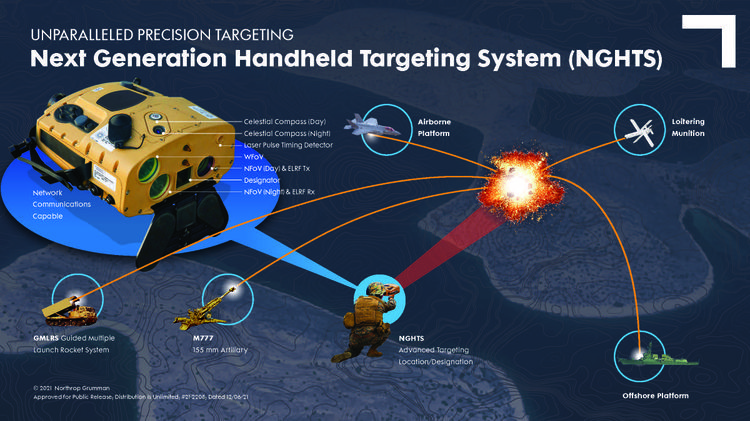
Marines’ Next-gen Handheld Targeting System (NGHTS)–Naval Today

Next Generation Handheld Targeting System (NGHTS) Photo by: Northrop Grumman. 

Naval Today reports,

“US-based aerospace company Northrop Grumman Corporation has been selected to provide the US Marine Corps with the next-generation handheld targeting system (NGHTS).”

As disclosed, NGHTS is capable of performing rapid target acquisition, laser terminal guidance operation and laser spot imaging functions. Its high-definition infrared sensors provide accuracy and grid capability over extended ranges.

So, what does this have to do with the Coast Guard?

If the Coast Guard is to respond to a terrorist attack using a medium to large ship, we have to respond in one of two ways. We either have to stop the ship with Coast Guard systems, or we have to call in help from other armed forces. Either way, something like this could help.

Plus, the device seems to have additional capabilities that might be useful.

In what is likely to be a rapidly developing threat situation, I have little faith, that we can get help in time, but if we do, we are going to need to quickly and effectively identify the target. This can be a lot more difficult than you might think. Army and Air Force pilots are not trained in ship recognition. They are unlikely to be able to recognize a particular ship based on a description. Using a laser designator insures there would be no misunderstanding about which ship is their target.

If Coast Guard are going to forcibly stop a terrorist-controlled vessel, we need accurate weapons that will not result in collateral damage. Laser guided weapons can fill this role.

These systems seem to have capabilities beyond laser designation. Looking at the illustration above, it appears it also can serve as a compass, perhaps capable of taking bearings day or night, and of providing low probability of intercept, line of sight communications.

This could even be used on smaller units like the response boats. Large cutters are getting the Mk20 Electro-Optic Sensor System (It is still not clear to me, if that includes a laser designator but it does seem likely). On a rolling ship we would probably rather have a mounted rather than handheld system, but some kind of mount would probably not be too difficult. Since it is supposed to be network capable, presumably its imaging could be remoted to command positions.

 

“Captain’s Errors Led to Collision Between Offshore Supply Vessel and Coast Guard Cutter: NTSB Report” –gCaptain

Oct. 11, 2020, collision between the offshore supply vessel Cheramie Bo-Truc No. 33 and the Coast Guard cutter Harry Claiborne. NTSB Photo

gCaptain reports the results of an NTSB investigation into collisions (yes two) between an offshore supply vessel and USCGC Harry Claiborne (WLM-561) that resulted in injuries to three Coast Guardsmen and provides a link to the 15 page report.

Spoiler alert, primary fault lies primarily with the OSV skipper, but the cutter was not totally blameless.

New Orleans, LA (Jan. 26, 2013)–A photo of the CGC Harry Claiborne (WLM 561). The Claiborne was in New Orleans for a port call while on its way to its new homeport of Galveston, Texas. USCG photo by PA2 Mark Mackowiak