“Coast Guard conducts Hurricane Ida post-storm overflights along the Gulf Coast” –D8

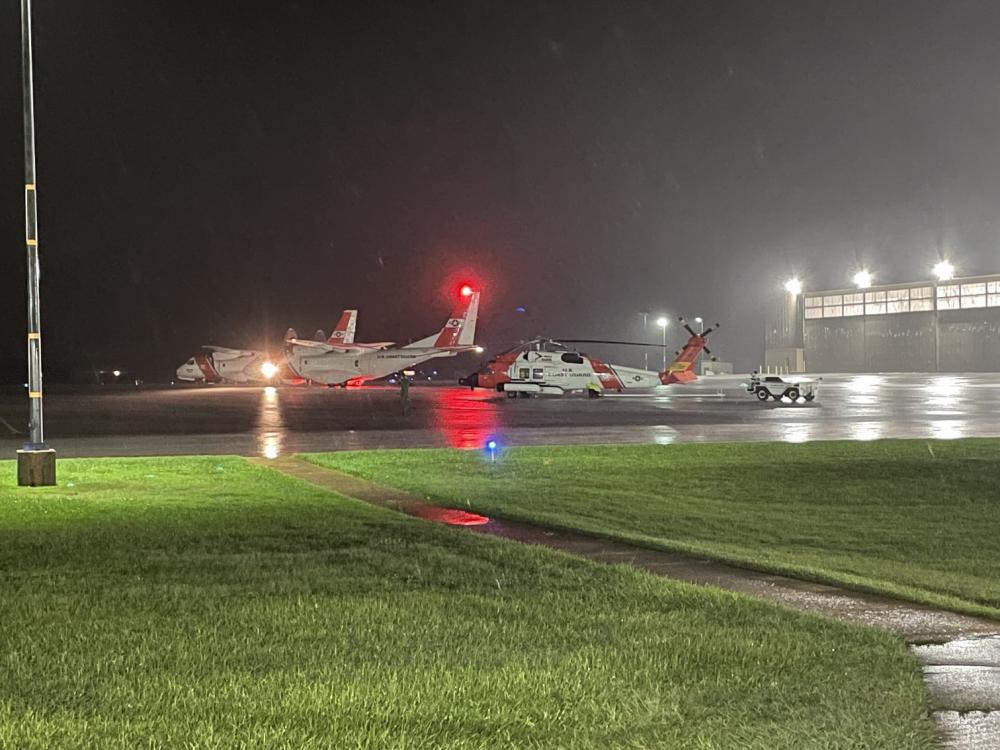
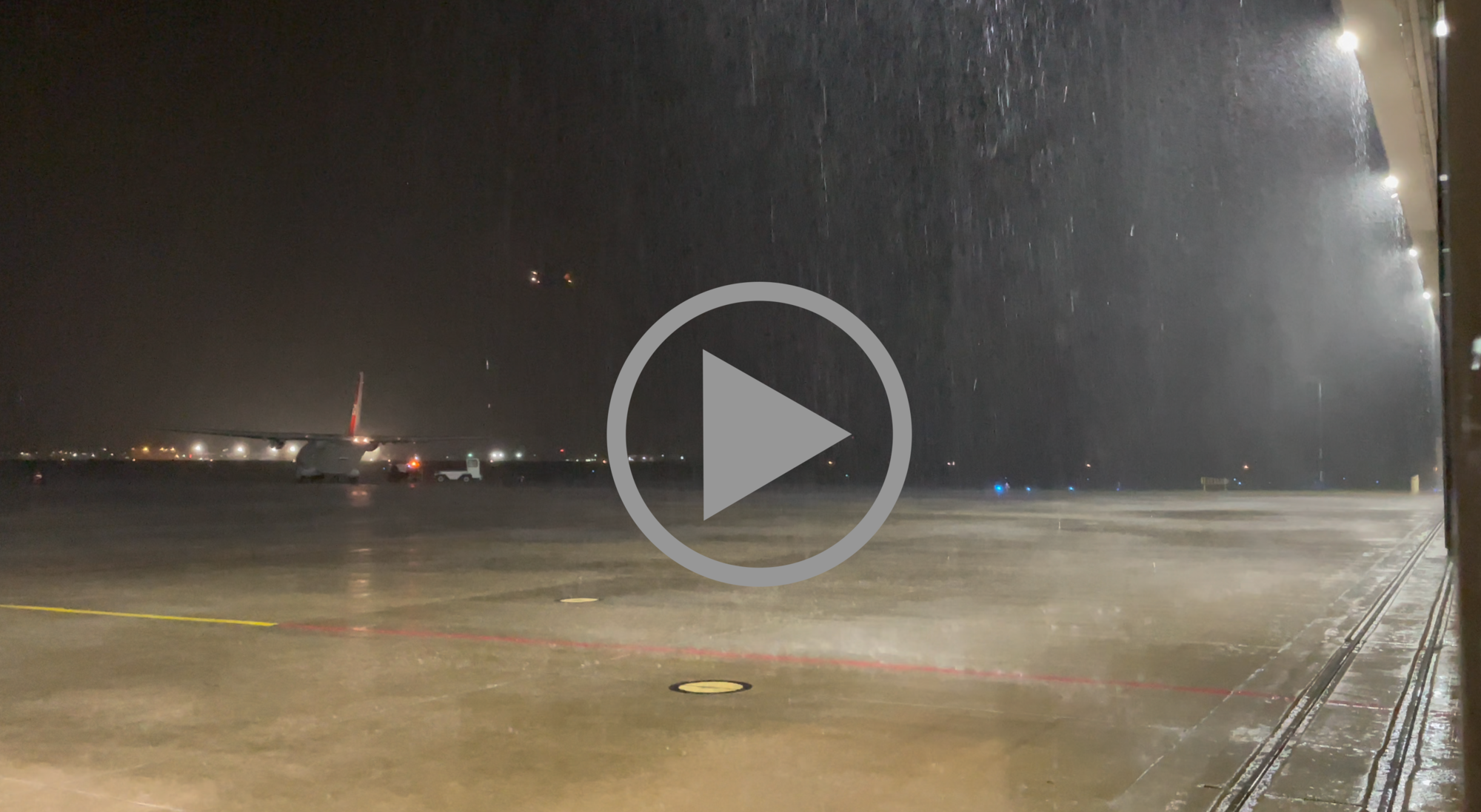
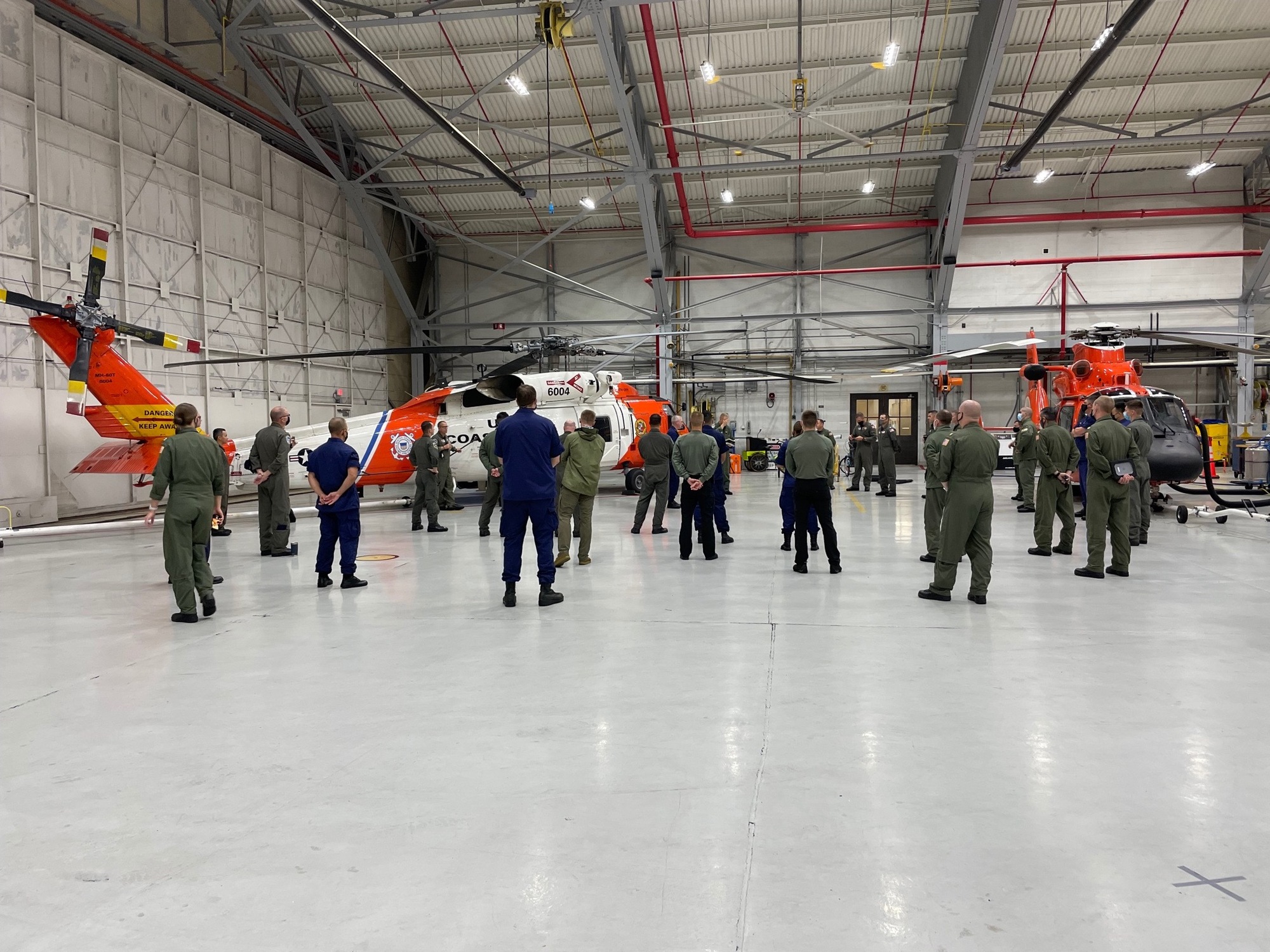
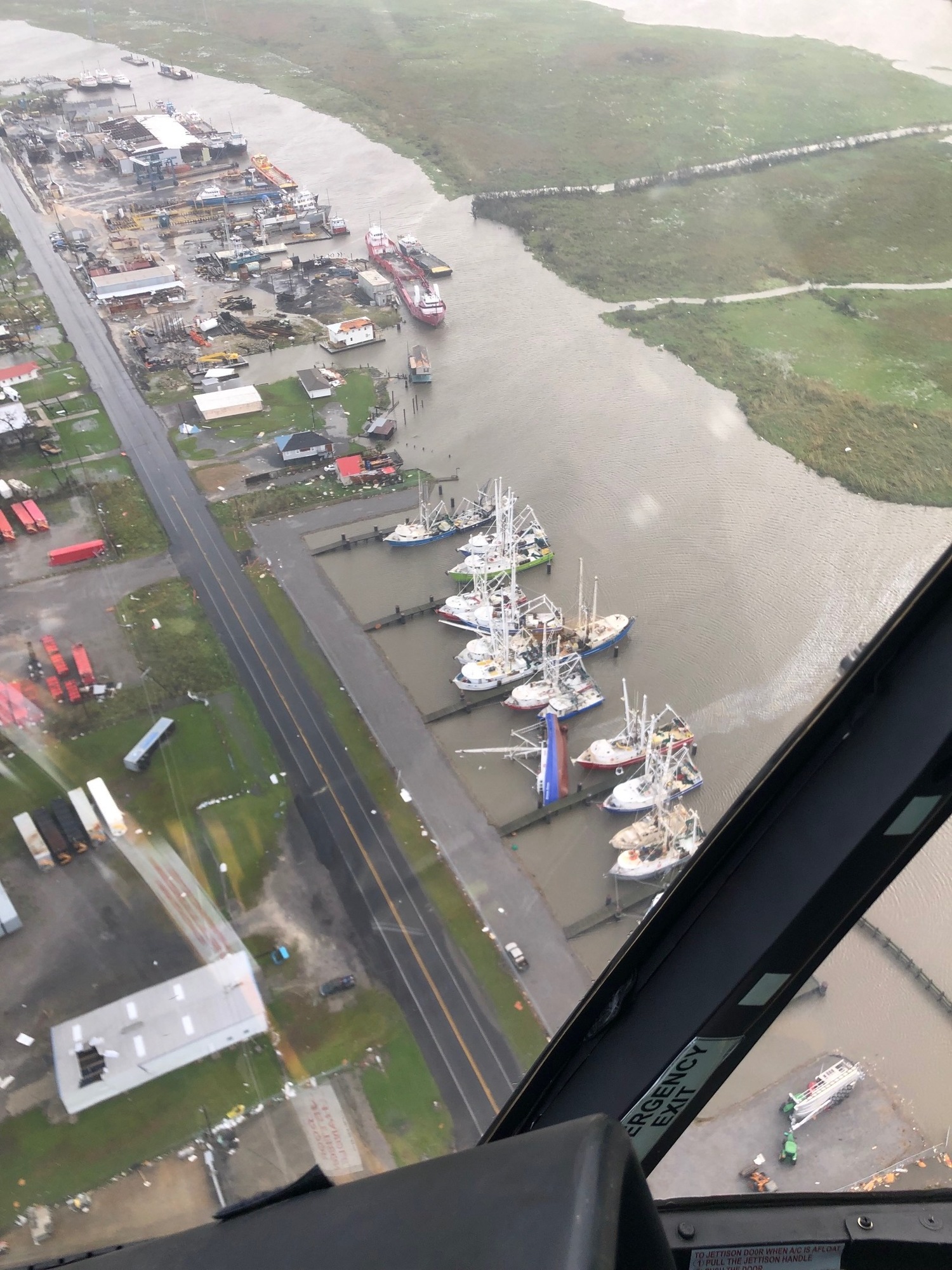
The Coast Guard conducts Hurricane Ida post-storm overflights along the Gulf Coast on August 30, 2020. Assets conducted critical incident search and rescue overflights and assessing for damage along the Gulf Coast Region of Louisiana following Hurricane Ida. (U.S. Coast Guard courtesy photo)

Passing along a Coast Guard District 8 news release.

united states coast guard


News Release

U.S. Coast Guard 8th District Heartland

Coast Guard conducts Hurricane Ida post-storm overflights along the Gulf Coast Image

Image Image 

Image Image 

Editors’ Note: Click on images to download high-resolution versions. 

NEW ORLEANS —The Coast Guard is conducting critical incident search and rescue overflights and assessing for damage Monday along the Gulf Coast Region of Louisiana following Hurricane Ida.

The Coast Guard has brought to bear more than 28 aviation assets and nearly 21 shallow-water response assets to respond to flooded and damaged areas.

“The Coast Guard will continue to provide search and rescue capabilities, assess the damage done by Hurricane Ida, repair aids-to-navigation, and ensure the ports along the Gulf Coast can be safely reopened for the flow of maritime commerce,” said Capt. Tracy Phillips, area commander for the Ida response. 

For more information follow us on Facebook and Twitter.

“U.S., Japan Coast Guards train together in East China Sea” –Pacific Area

U.S. Coast Guard Cutter Munro and Japan Coast Guard Patrol Vessel Large Aso, transit together in formation during a maritime engagement in the East China Sea Aug. 25, 2021. U.S. Coast Guard members aboard the Munro deployed to the Western Pacific Ocean to strengthen alliances and partnerships and improve maritime governance and security in the region. (Photo courtesy of Japan Coast Guard)

Information on the Japanese Cutter, Aso (PL-41), referenced in the PACAREA news release below is available here. Aso is larger than a 210 but smaller than a 270, probably about 1,200 tons full load.  She is propelled by four diesels and four water jets and capable of over 30 knots. She is armed with a 40mm/70 and has a crew of 30. Reportedly Japan is building six similar but slightly larger vessels for the Vietnamese Coast Guard.

united states coast guard

News Release

U.S. Coast Guard Pacific Area

U.S., Japan Coast Guards train together in East China Sea

Photo of Coast Guard ships Photo of Coast Guard ships Photo of Coast Guard ships

Editors’ Note: Click on images to download high resolution versions.

YOKOSUKA, Japan — U.S. Coast Guard members aboard the Alameda-based Coast Guard Cutter Munro (WMSL 755) participated in a cooperative two-day deployment with Japan Coast Guard members aboard the Japan Coast Guard ship Aso in the East China Sea Tuesday and Wednesday.

The engagement followed Munro’s port visit in Sasebo, Japan, Aug. 20-24, and included crew exchanges; two-ship communication, formation, maneuvering and navigation exercises; joint and cooperative maritime presence; maritime law enforcement training and exercises; and several variations of large ship and small boat operations.

“These at-sea engagements with one of our longest-standing partners in the Indo-Pacific region provided excellent opportunities for our crews to train together and learn from each other, further strengthening our alliances and maritime partnerships,” said Munro‘s Commanding Officer Capt. Blake Novak. “Conducting operations and exercises leverages our strong and trusted relationships while expanding our regional security cooperation initiatives and bolstering collaboration in the Indo-Pacific.”

The U.S. and Japan Coast Guards have a long history of cooperation and several recent engagements. In June 2021, the sea services conducted search and rescue training together in Honolulu before teaming up to search for a missing free diver off Kauai, Hawaii. Earlier this year, the U.S. Coast Guard Cutter Kimball and Japan Coast Guard Ship Akitsushima conducted drills together near the Ogasawara Islands of Japan alongside helicopters and unmanned aerial vehicles to practice interdicting simulated foreign vessels operating illegally inside Japanese waters.

“Partnering with like-minded maritime forces to cross train and expand multi-nation expertise in search and rescue, maritime environmental protection and maritime law enforcement allows our nations to promote regional stability, confront malign activities and threats, and uphold the international rules-based-order underpinning our shared security and prosperity,” said Vice Adm. Michael F. McAllister, commander U.S. Coast Guard Pacific Area.

Munro, a 418-foot national security cutter, departed its homeport of Alameda for a months-long deployment to the Western Pacific. Operating under the tactical control of U.S. 7th Fleet, the cutter and crew are engaging in cooperative maritime activities, professional exchanges, and capacity-building exercises with partner nations and will patrol and conduct operations as directed.

As both a federal law enforcement agency and an armed force, the U.S. Coast Guard routinely deploys worldwide its cutters, boats, aircraft and deployable specialized forces.

The Naval Service does not compete, deter, or fight alone. The Navy, Marine Corps and Coast Guard team are an integral part of the Joint Force and work closely with allies, partners, and other government agencies.

More photos from Munro’s Western Pacific deployment are available here. Subscribe here to receive notifications when new photos are added.


Remember the ALaMO?

We have been following the development of the ALaMO guided round for the 57mm Mk110 for some time. This round is expected to equip the National Security Cutters and Offshore Patrol Cutters in addition to the Littoral Combat Ships.

MilitaryLeak.Com reports on the progress of the program. 

“The MK 332 Mod 0 High Explosive 4 Bolt Guided (HE-4G) is a low-cost 57 mm guided smart ammunition intended for use on the Navy’s Littoral Combat Ship and new Fast Frigate, as well as the U.S. Coast Guard’s National Security and Offshore Patrol Cutters. The ALaMO Program qualifies the 57 mm MK 332 Mod 0 High Explosive, 4-Bolt Guided (HE-4G) Cartridge for the United States Navy (U.S. Navy ). Completion of the (Critical Design Report) (CDR) phase allows the program to progress to qualification testing, munition certification and transition to production. L3 Mustang was competing against BAE Systems and its ORKA 57 mm guided smart ammunition.”

The video above accompanied the report. It is from 2018, but still provides good information. Notably the company representative makes no claims for the ALaMO round as an anti-aircraft round, although I have seen claims for its use against UAS. It is primarily intended as an anti-surface round, particularly for use against swarming surface craft.

“Taming Atalanta” –US Naval Institute, Naval History Magazine

Rum Runner Atalanta and Coast Guard Destroyer Ericsson (CG-5)

The US Naval Institute has a nice piece of Coast Guard history available from the latest Naval History magazine. It concerns a very fast, armored rum runner, and how it was ultimately brought to heal.

There is also a story in the same issue of Naval History about Alaska Patrol fisheries enforcement by USCGC Confidence in the 1970s, probably 1975-77. I had left Confidence in 1974.

USCGC Confidence (WMEC619) on Alaska Patrol. Photo by Commander Tom Martin, U.S. Coast Guard (Retired)

Two stories from the “Old Days.”

“SOLVING COMMUNICATIONS GAPS IN THE ARCTIC WITH BALLOONS” –CIMSEC

A NASA long duration balloon is prepared for launch on Antarctica’s Ross Ice Shelf near McMurdo Station in 2004. (NASA photo)

CIMSEC provides a discussion of the possibility of using high altitude balloons as communications links in the Arctic.

Even if balloons are not the answer, the article at least does an excellent job of outlining the difficulties of communicating in the Arctic (or Antarctic).

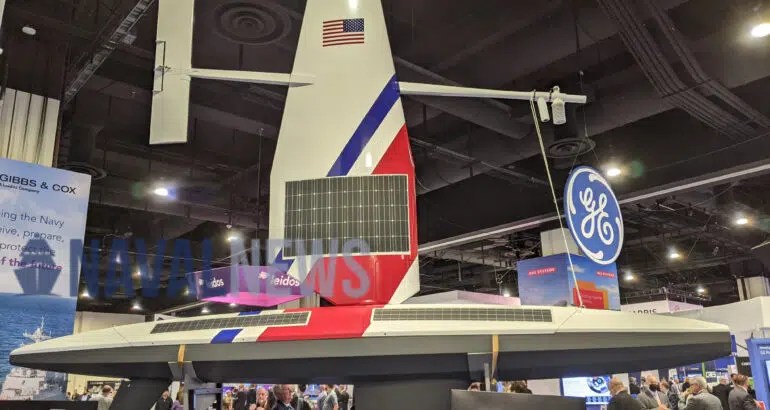
“Saildrone Showcased Its USVs At Sea Air Space 2021 For The First Time” –Naval News

Saildrone is a company that provides Unmanned Surface Vessels, powered primarily by wind and solar. The Coast Guard has already been experimenting with some of the these to provide Maritime Domain Awareness.

Naval News reports on their presence at Sea Air Space 2021, including a new, much larger, 72 foot long class of saildrones.

Meanwhile the US Naval Institute News Service reports these “Uncrewed” surface vessels might be used for ASW, towing passive sensors.

Video: Northrop Grumman Showcases Very Light Weight Torpedo At Sea Air Space 2021″ –Naval News

Our friends at Naval News have an update on the Very Light Weight Torpedo program. It seems to be progressing rapidly. Apparently this is seen as an urgent requirement.

The discussion in the video talked about the anti-torpedo and anti-submarine capabilities, but no discussion of use against surface targets. I suspect this is because those capabilities are the primary selling points for the Navy. It may not be that it is incapable of attacking surface vessels, which should be easier targets.

We talked about this weapon earlier, in greater depth, including potential Coast Guard use.

Full scale production should drive to price down to a point, it might even find its way into the Coast Guard.

(There does seem to be an error in the written portion of the Naval News post in that it says the diameter of the weapon is 121 mm while the video discussion indicates 171 mm. The figures I had seen earlier were:  6.75″ in diameter (171.45mm), about 85″ in length, and weighs about 220 pounds or about 100 kilos).


“Coast Guard Polar Security Cutter (Polar Icebreaker) Program: Background and Issues for Congress” –CRS, Updated August 17, 2021

Photo of a model of Halter Marine’s Polar Security Cutter seen at Navy League’s Sea-Air-Space Exhibition have surfaced. Photo credit Chris Cavas.

The Congressional Research Service has once again updated their look at the Polar Security Cutter (heavy icebreaker) program. (See the latest version here.) My last look at this evolving document was in regard to the July 1,2021 revision.

Changes are few. There is continued concern caused by the late start in construction of the first Polar Security Cutter. There is affirmation of House Appropriations Committee support for the Administrations proposal to fund $170,000,000 for a portion of the long lead time materials for a third PSC. While there was no change to the Administration proposal, there were some interesting comments.

(From p.13/14) “In a letter dated August 16, 2021, the House Transportation and Infrastructure Committee requested the Government Accountability Office (GAO) to review the management of the PSC acquisition program and the Coast Guard’s efforts to address icebreaking capability gaps until the PSCs are fully operational. The letter stated:

“The PSC’s shipbuilder, VT Halter, [has] begun designing the [Polar Security] cutters but challenges, including impacts from the COVID-19 pandemic, have delayed these efforts as well as the start of lead ship construction. To mitigate the effect of these delays, DHS and the Coast Guard may authorize the start of construction before the design is stabilized—a practice that has resulted in poor outcomes, including cost growth, for other shipbuilding programs. Further, with the delivery of the first cutter delayed, the Coast Guard must continue to rely on the aging Polar Star—the U.S.’s only operational heavy icebreaker—and explore other options to address the capability gaps, which could be costly.

“Given the schedule delays and potential for cost growth, continued oversight of the PSC program is critical. As such, the Committee requests that the Government Accountability Office (GAO) review the management of the PSC acquisition program and the Coast Guard’s efforts to address icebreaking capability gaps until the PSCs are fully operational, including but not limited to:

  • The status of the PSC acquisition program and Coast Guard’s efforts to manage schedule delays and cost growth;

  • The status of efforts to maintain and extend the life of the Polar Star; and

  • The status of the Coast Guard’s efforts to explore other icebreaking alternatives.

As for the comments, first there was the perennial attempt to get more icebreaking assets for the Great Lakes.

Great Lakes Icebreaker Program.—The Coast Guard is tasked by Executive Order to carry out icebreaking efforts in support of commerce. The Committee is concerned that in recent years, performance metrics for icebreaking on the Great Lakes has been redefined by the availability of assets, rather than mission requirements, often with severe economic impacts. As the Coast Guard begins to define its requirements for the recapitalization of ice breaking assets in the Great Lakes, the Committee directs the Coast Guard to incorporate historical measures of performance. Not later than 180 days after the date of enactment of this Act, the Coast Guard is directed to brief the Committee on such performance measures and other considerations for planning the recapitalization of assets in the Great Lakes. (p. 28)

Then there was a comment addressed to the Navy,

The Committee understands that the Coast Guard is expanding its fleet of polar icebreakers but is disappointed that the Navy has not also considered purchasing either new or used icebreakers. The Committee directs the Secretary of the Navy to submit a report to the congressional defense committees not later than 60 days after the enactment of this Act which details the Navy’s plan  to address this capability requirement in fiscal year 2022 and the future years defense program.