“Could the LCS fleet be getting a new mission?” –Navy Times

181206-N-N0101-028
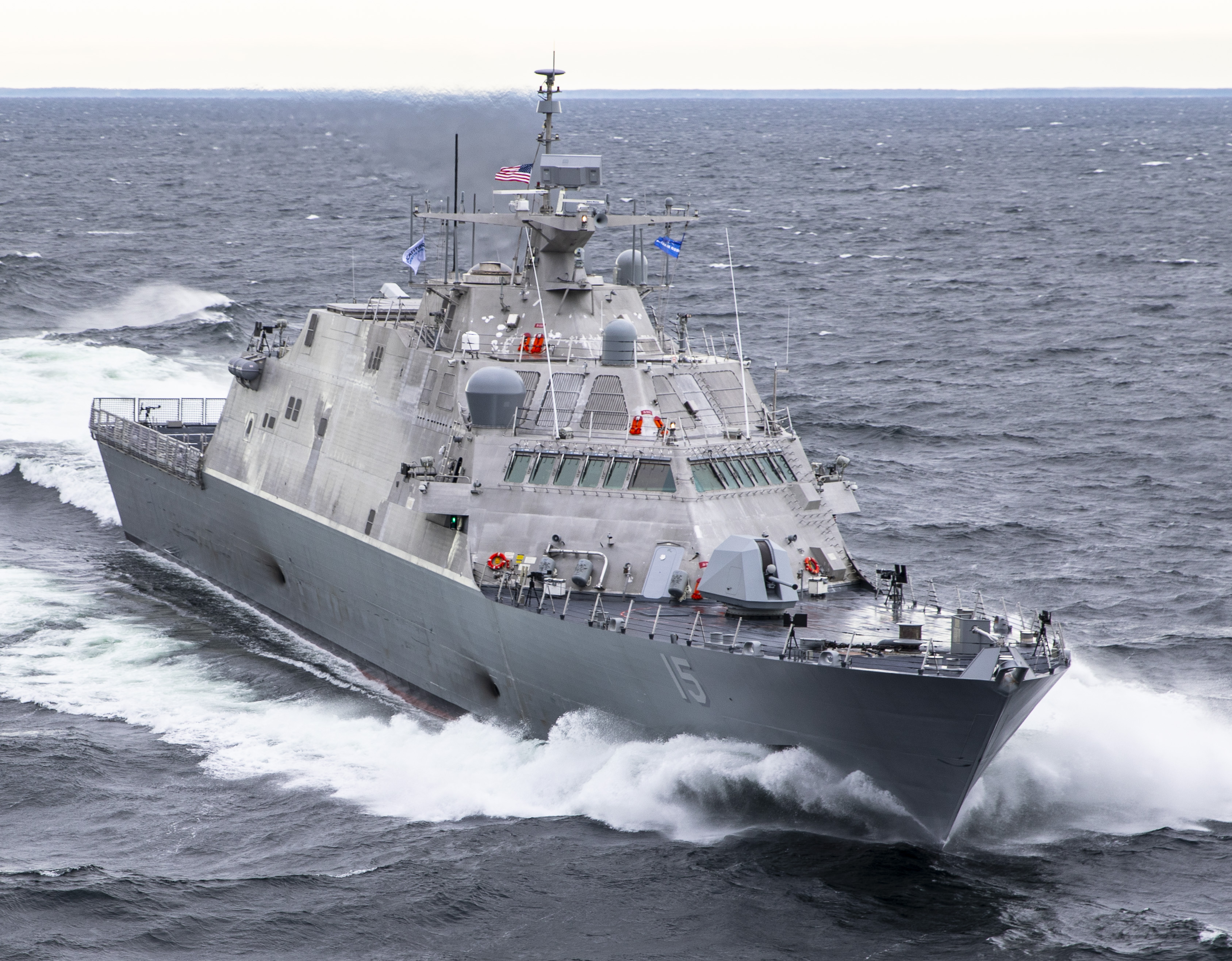
MARINETTE, Wis. (Dec. 6, 2018) The future littoral combat ship USS Billings (LCS 15) conducts acceptance trials on Lake Michigan, Dec. 6, 2018. (U.S. Navy photo courtesy of Marinette Marine/Released)

Navy Times reports,

“… Congress is tasking U.S. Southern Command with studying the feasibility of permanently assigning four to six LCSs to the combatant command.”

Is this likely?

Frequently nothing comes of these Congressionally mandated studies, but I suspect this may happen because it would complement the plan to replicate the 5th Fleets international unmanned effort, Task Force 59, in 4th Fleet.

What will not change?

Assigning up to six LCS to 4th Fleet probably would not increase the number of Navy ships underway in the SOUTHCOM Area of Operations (AOR). As the post points out, LCS are already routinely assigned to SOUTHCOM’s 4th Fleet. Typically, there is at least one and normally two doing drug interdiction with an embarked Coast Guard Law Enforcement Detachment.

Navy combatants are typically deployed less than a third of the time and underway less than 25% of the time, so six would be translate to no more than two regularly deployed. Of course, the Navy could temporarily assign other LCSs to 4th Fleet.

All the LCSs that I have heard of operating under 4th Fleet have been Freedom class monohulls like the Billings pictured above. These ships are based Jacksonville. I would not expect their homeport to change.

What might change?

4th Fleet wants to be the Fleet of Innovation. For evaluating advances in Maritime Domain Awareness, they have the unique advantage of a full time, highly motivated opposition force that is always testing their capabilities in the form of drug smugglers.

Having four to six LCS permanently assigned to 4th Fleet would provide a continuity of experience that the current system does not allow. That continuity would likely enhance both their law enforcement operations and allow progressively more complex experimentation. The vessels might be provided with better accommodations for the Law Enforcement Detachments and additional facilities for detainees and storage of seized contraband. They might operate more frequently with embarked Coast Guard airborne use of force helicopters.
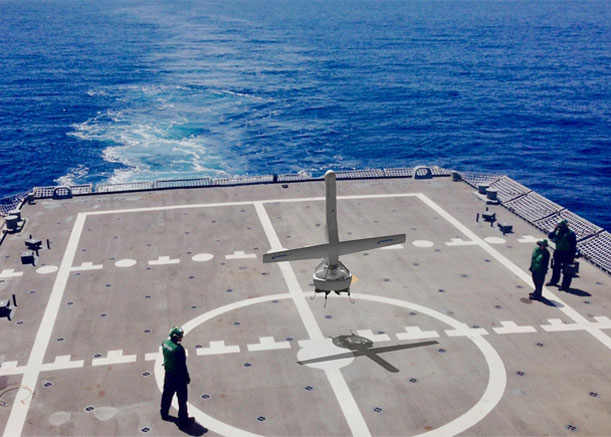
V-Bat from Martin UAV

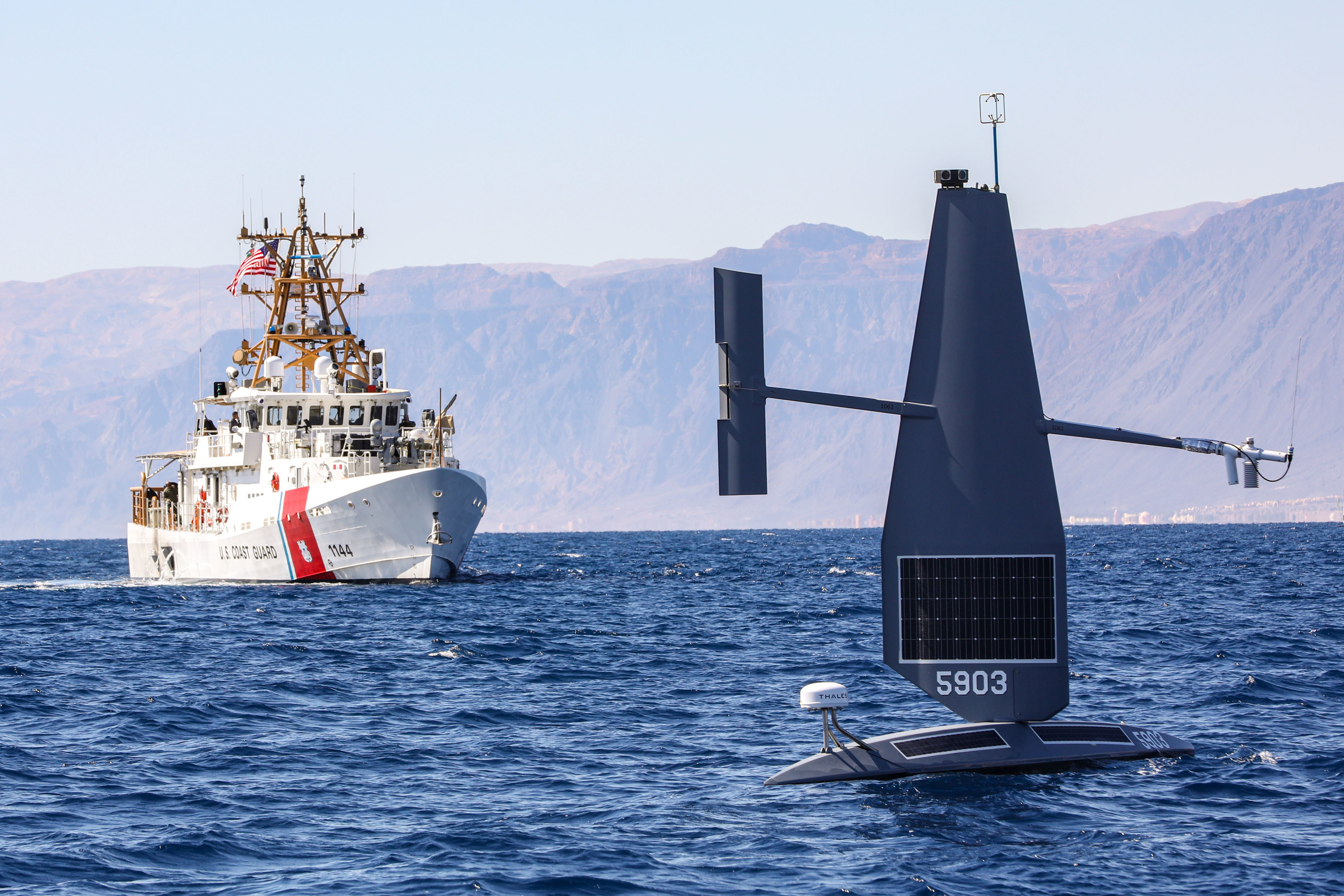
While they have had their problems, LCS are uniquely suited for operating unmanned systems. This might include operations in support of unmanned surface vessels like Saildrones and small unmanned aircraft like V-Bat.
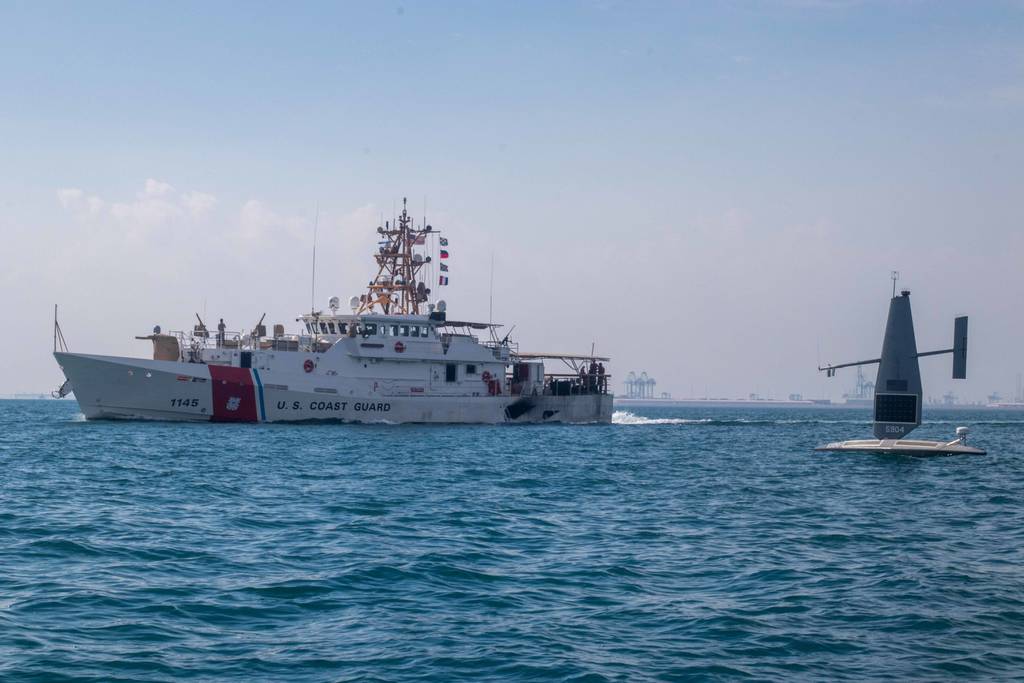
A Saildrone Explorer unmanned surface vessel operates alongside U.S. Coast Guard fast response cutter USCGC Emlen Tunnell (WPC 1145) in the Arabian Gulf, Nov. 29, during Digital Horizon 2022. (Sgt. Brandon Murphy/US Army)

Continuity in 4th Fleet operations might also extend to disaster response and IUU fisheries enforcement, both of which might benefit from use of unmanned systems.

Not called for the study, but a Navy oiler operating in 4th Fleet would be a real plus. The Freedom Class LCSs have relatively short range and can quickly run out of fuel if operated at high speed. An oiler might also make operating Webber class WPCs in the Eastern Pacific more practical.

Thanks to Walter for bringing this to my attention.

“A third of New Zealand’s Navy ships are docked over lack of crew” –Defense News

Coast Guard Day in the South Pacific. The command from USCGC Walnut (WLB 205) conduct an exchange with peers on HMNZS Otago (P148) discussing mission, challenges and comparing shipboard life in the region while off Samoa Aug. 4, 2019. The Walnut and Otago crews are in the region combating illegal fishing, a part of promoting maritime governance and a rules based international order that is essential to a free and open Indo-Pacific. (Photo courtesy HMNZ Navy Lt. Samuel Murray/Released)

Defense News reports,

“Three of the Royal New Zealand Navy’s nine ships are now docked at the Devonport naval base indefinitely, due to insufficient personnel.”

Recruiting problems for the US have been in the news, but it is not uncommon. US Coast Guardsmen are helping to man Royal Navy frigates. Japan’s Maritime Self Defense Force is having trouble recruiting. US Navy ships are frequently shorthanded.

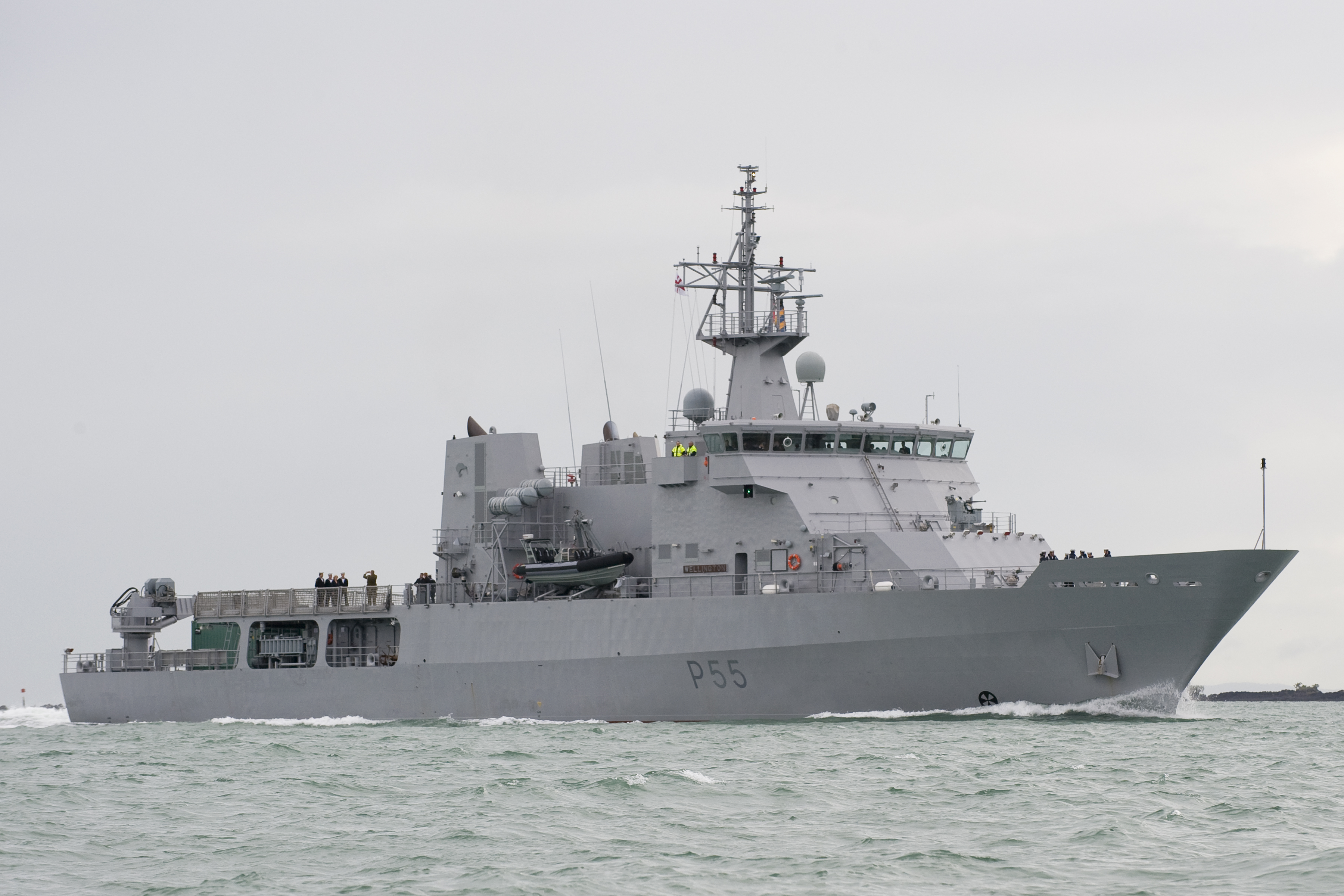
HMNZS Wellington first arrival into Devonport Naval Base

What struck me about the story was the choice of ships laid up. New Zealand has chosen to lay up three of its four patrol vessels, retaining only one of the least capable. The New Zealand Navy is small, and it does coast guard tasks as well as national defense. The entire fleet consist of nine ships:

  • Two 3,600 ton frigates, crew of 178 each
  • Two 1,900 ton Offshore Patrol Vessels, similar to WMECs, crew of 49 each (both Otago and Wellington pictured above are laid up)
  • Two 340 ton Inshore Patrol Vessels, similar to Webber class WPCs, crew of 24 each (HMNZS Hawea pictured below is laid up)
  • One 9,000 ton multirole vessel, a transport, with a crew of 53
  • One 5,741 ton hydrographic and diver support vessel, with a crew of 39
  • One 26,000 ton ice-strengthened underway replenishment ship, with a crew of 75

Inshore patrol boat HMNZS Hawea (P3571) entering Otago Harbour, New Zealand, Aug. 2009. Photo credit: Benchill

New Zealand has been helpful to neighboring Pacific island nations in regard to Illegal, Unreported, and Unregulated fishing and disaster response. Hopefully they will continue in this role, perhaps using their multipurpose vessel and/or their underway replenishment ship which also provide unique capabilities.

“Navy to establish additional unmanned task forces inspired by Task Force 59” –Defense Scoop

GULF OF AQABA (Feb. 13, 2022) The U.S. Coast Guard Sentinel-class cutter USCGC Glen Harris (WPC 1144) sails near a U.S sail drone explorer during the International Maritime Exercise/Cutlass Express (IMX) 2022, Feb. 13, 2022. IMX/CE 2022 is the largest multinational training event in the Middle East, involving more than 60 nations and international organizations committed to enhancing partnerships and interoperability to strengthen maritime security and stability. (U.S. Army photo by Cpl. DeAndre Dawkins)

Defense Scoop reports:

“The Navy plans to stand up additional unmanned task forces around the globe modeled after Task Force 59 in the Middle East, Navy Secretary Carlos Del Toro told reporters Saturday…“We’ve demonstrated with Task Force 59 how much more we can do with these unmanned vehicles — as long as they’re closely integrated together in a [command and control] node that, you know, connects to our manned surface vehicles. And there’s been a lot of experimentation, it’s going to continue aggressively. And we’re going to start translating that to other regions of the world as well,” Del Toro said during a media roundtable at the Reagan National Defense Forum.”

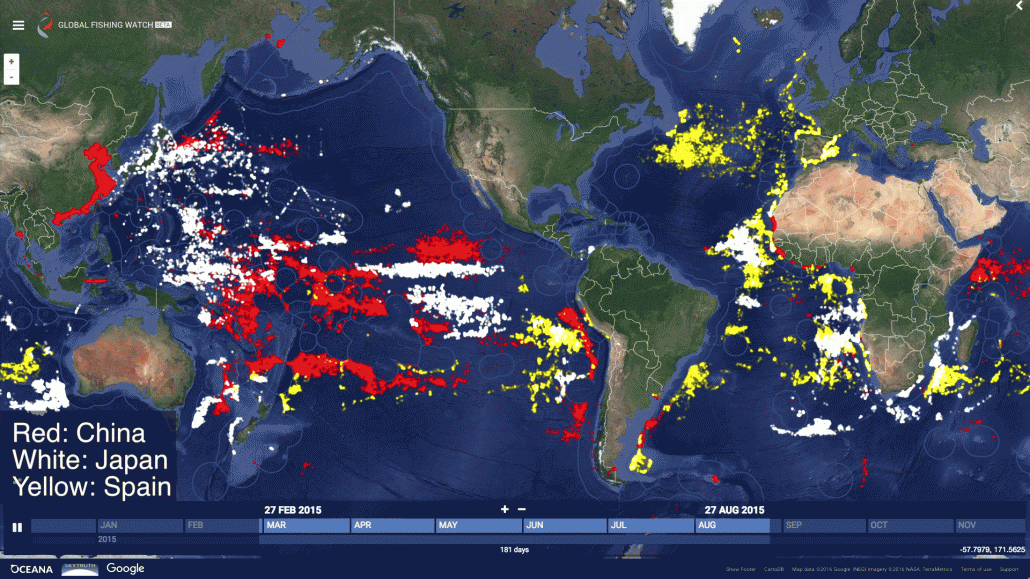
The report goes on to mention 4th Fleet and Oceana specifically, both regions of intense interest to the Coast Guard in regard to drug interdiction and Illegal, Unregulated, Unreported (IUU) fishing respectively.

This could be a big boost to our Maritime Domain Awareness. In the Eastern Pacific Drug Transit Zone we might need uncrewed surface vessels with passive acoustic sensors since the targets of interest are poor targets for radar and optical sensors. That could lead to practical experience that could improve our ASW capability.

“US gov’t pledges more capacity-building programs for PCG” –Manila Bulletin

Certainly this will involve more “capacity building” and possibly more equipment transfers, but, perhaps more importantly, the US is sharing intelligence with the Philippines and other SE Asian nations to enhance maritime domain awareness.

I hope this will be another step toward a law enforcement alliance, a “Combined Maritime Security Task Force, Pacific,” perhaps following the model of the “Combined Maritime Force” in SW Asia.

Thanks to Xavier Ng for bringing this to my attention. 

Chinese F/V Attempts to Ram USCGC James –AP

In this photo made available by the U.S. Coast Guard, guardsmen from the cutter James, seen at background right, conduct a boarding of a fishing vessel in the eastern Pacific Ocean, on Aug. 4, 2022. During the 10-day patrol for illegal, unreported or unregulated fishing, three vessels steamed away. Another turned aggressively 90 degrees toward the James, forcing the American vessel to maneuver to avoid being rammed. (Petty Officer 3rd Class Hunter Schnabel/U.S. Coast Guard via AP)

The Associated Press is reporting,

“…a heavily-armed U.S. Coast Guard cutter sailed up to a fleet of a few hundred Chinese squid-fishing boats not far from Ecuador’s Galapagos Islands. Its mission: inspect the vessels for any signs of illegal, unreported or unregulated fishing…But in this case, the Chinese captains of several fishing boats did something unexpected. Three vessels sped away, one turning aggressively 90 degrees toward the Coast Guard cutter James, forcing the American vessel to take evasive action to avoid being rammed.”

Of course there is much more to the story.

NATIONAL 5-YEAR STRATEGY FOR COMBATING ILLEGAL, UNREPORTED, AND UNREGULATED FISHING (2022-2026) / and the Missing Air Element

Under NOAA auspices, the U. S. Interagency Working Group on IUU Fishing has issued a five year strategy to address IUU fishing.

There are three identified objectives:

  • Promote Sustainable Fisheries Management and Governance
  • Enhance the Monitoring, Control, and Surveillance of Marine Fishing Operations
  • Ensure Only Legal, Sustainable, and Responsibly Harvested Seafood Enters
    Trade

Five nations have been identified as priorities for development of self sufficiency in the prevention of IUU fishing: Ecuador, Panama, Senegal, Taiwan, and Vietnam. These “Priority States” were selected because their “…vessels: “actively engage in, knowingly profit from, or are complicit in IUU fishing” and, at the same time, the priority flag state “is willing, but lacks the capacity, to monitor or take effective enforcement action against its fleet.”

090808-G-3885B-136
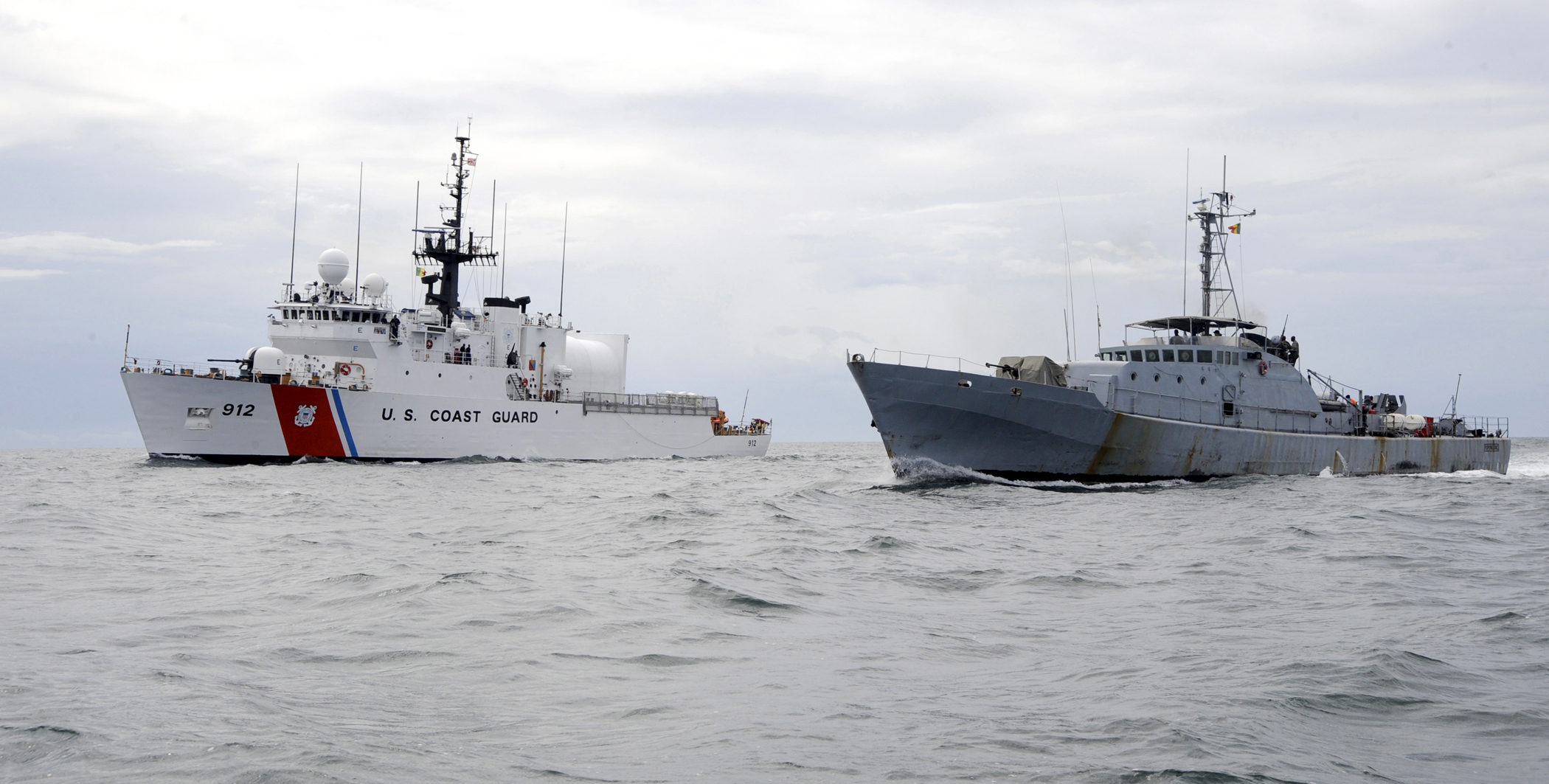
ATLANTIC OCEAN (Aug. 8, 2009) The U.S. Coast Guard Cutter Legare (WMEC 912), left, patrols along side the Senegalese Navy vessel, Poponquine, during joint operations as part of the Africa Partnership Station. The Legare is deployed off the west and central coast of Africa for the six-day joint U.S/Senegalese operation, during which several Senegalese naval vessel boarding team members embarked aboard the Legare and participated in joint boarding and training exercises. (U.S. Coast Guard photo by Petty Officer 2nd Class Thomas M. Blue/ Released)

It is likely the Coast Guard will be spending time helping these states build capacity in their navies, coast guards, or maritime police.

The Missing Air Element  

One of the great strengths of the US Coast Guard is its fleet of fixed wing aircraft. They provide an essential detection capability. An air search capability allows the patrol vessels to do less searching and more boardings. Most smaller nations’ maritime law enforcement agencies have only limited, or in many cases, no comparable organic air search capability. Frequently, if they are to have an air search, they require cooperation of another service.

What I have seen of our capacity building efforts, seem to have been focused on surface operations and boarding team work.

Recognizing fishing vessels is not in the skill set of most air force crews. Frequently communications between surface vessels and air units are not compatible. In many air forces their aircraft virtually never go out over blue water.

The US Coast Guard could certainly help build capacity on the air side, as well as the surface side of the IUU fishing problem.

Land based Unmanned Air Systems now appear to be a way maritime law enforcement agencies might have an organic fixed wing air search capability at a lower cost. Unfortunately the US Coast Guard still is not particularly experienced in this area. The Japanese Coast Guard might be able to provide valuable advice to at least Taiwan and Vietnam in the use of UAS, as they gain experience with their newly acquired MQ-9Bs.

A New Kind of Shiprider Agreement–Virtual / “U.S., Federated States of Micronesia sign expanded shiprider agreement”

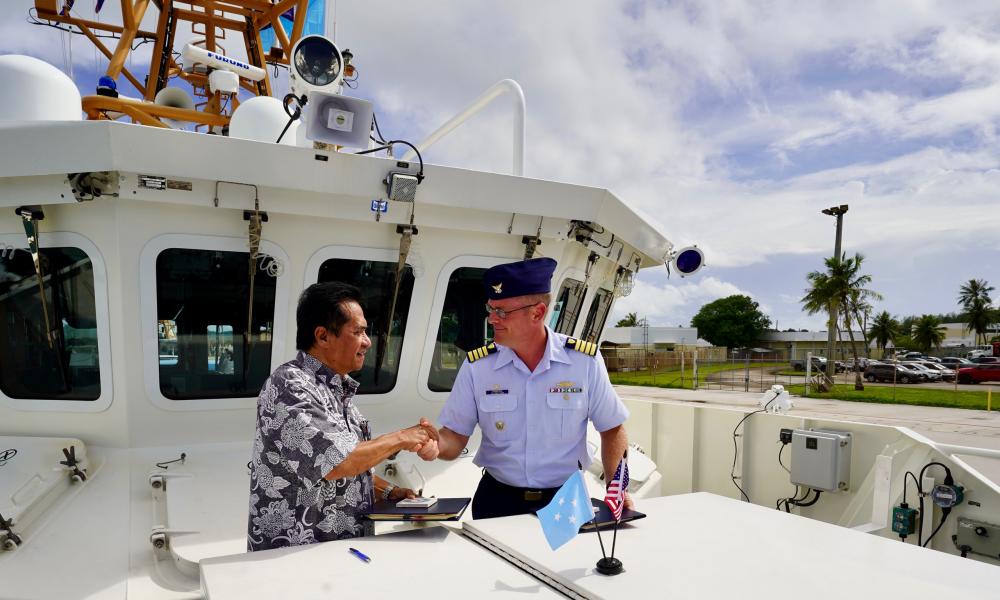
U.S. Coast Guard Forces Micronesia Sector Guam Commander Capt. Nicholas R. Simmons and the Honorable Joses R. Gallen, Secretary of Justice, Federated States of Micronesia, signed an expanded shiprider agreement allowing remote coordination of authorities, the first of its kind aboard the USCGC Myrtle Hazard (WPC 1139) in Guam, on Oct. 13, 2022. The agreement will enable to U.S to act on behalf of the FSM to combat illicit maritime activity and to strengthen international security operations. (U.S. Coast Guard photo by Chief Warrant Officer Sara Muir)

This is a lot more of a leap than it might seem from the news release. It is a huge vote of confidence from the Federated States of Micronesia.

More specifically, the agreement provides a coordinating mechanism and process for U.S. law enforcement personnel to work with the FSM National Police through command centers to receive approval from the FSM to act.

In all previous shiprider agreements, the Coast Guard team enforced the laws of the assisted nation under the authority of an agent of that nation, that accompanied the ship. What we have here is a virtual shiprider (my choice of words). Not only is it easier logistically, it means the decision by the nation assisted is probably being made at a higher level than would have been the case with a dedicated on-scene shiprider.

It also means that a cutter can begin acting on behalf of the Federated States of Micronesia as soon as the cutter enters their EEZ, rather than having to wait until the shiprider comes aboard. The cutter will also not have to drop the shiprider off before departing the area, or arrange other transportation that might delay the agent’s return to duty. It is a win-win.


News Release

U.S. Coast Guard Forces Micronesia / Sector Guam

U.S., Federated States of Micronesia sign expanded shiprider agreement

U.S., Federated States of Micronesia sign expanded shiprider agreement U.S., Federated States of Micronesia sign expanded shiprider agreement

Editor’s Note: Click on the images above to view or download more.

SANTA RITA, Guam — To overcome complex challenges to maritime enforcement in the Federated States of Micronesia (FSM), a nation with over six hundred islands, representatives of the United States and the FSM signed a remote shiprider agreement on Oct. 13, 2022, during a Joint Committee Meeting hosted by Joint Region Marianas.

Through remote coordination, this agreement, the first of its kind, will enable the U.S. to act on behalf of the country to combat illicit maritime activity when an FSM law enforcement officer is not present. More specifically, the agreement provides a coordinating mechanism and process for U.S. law enforcement personnel to work with the FSM National Police through command centers to receive approval from the FSM to act.

Shiprider agreements allow maritime law enforcement officers to observe, board, and search vessels suspected of violating laws or regulations within a designated exclusive economic zone (EEZ) or on the high seas. These law enforcement activities bolster maritime law enforcement operations and maritime domain awareness and provide a mechanism to conduct integrated operations within the Pacific.

“We’re thrilled to cooperate with our Federated States of Micronesia partners on this initiative that will reap benefits for FSM’s economic, environmental, and national security in the maritime domain,” said Alissa Bibb, Chargé d’affaires at the U.S. Embassy in Kolonia.

The dynamic nature of detecting, deterring, and suppressing illegal activity in the Pacific, like fisheries offenses and illicit maritime drug trafficking, requires creative and collaborative solutions. This agreement builds on the enduring partnership and long-standing shiprider agreement between the two nations by providing a new framework to conduct maritime operations and relies on the professionalism and expertise of U.S. and FSM maritime law enforcement officers.

The U.S. Coast Guard regularly exercises 13 bilateral fisheries law enforcement agreements with countries throughout the Pacific islands. These agreements enable U.S. Coast Guard personnel and U. S. Navy vessels with embarked U.S. Coast Guard law enforcement personnel to work with host nations to protect critical regional resources. Shiprider efforts greatly enhance host-nation sovereignty by enabling Pacific Island Nation partners to enforce their laws and regulations using U.S. assets.

The U.S. Coast Guard maintains strong partnerships with the maritime forces in the region through extensive training and subject matter expert exchanges. FSM, also known as the Big Ocean State, has one of the world’s largest EEZs, with waters rich in sea life. FSM consists of four states — Pohnpei, Chuuk, Yap, and Kosrae — each with a mix of unique peoples, languages, and cultures. FSM is a signatory to a Compact of Free Association with the United States. They are also a Pacific Islands Forum Fisheries Association member and a party to the South Pacific Tuna Treaty.

“This historic agreement significantly strengthens presence and enforcement options to counter illicit maritime activity in the region. It is only made possible by the deep and abiding relationships and respect between the Coast Guard and our FSM partners, “Capt. Nick Simmons, Commander of U.S. Coast Guard Forces Micronesia. “FSM has the 14th largest EEZ in the world and only two patrol boats. Our crews spend ample time within the region but getting a shiprider aboard our vessels can be a real logistical challenge. This agreement dramatically increases the capacity of available resources to act on FSM’s behalf to protect their living marine resources and sovereignty. We appreciate their continued trust and confidence as we work together.”

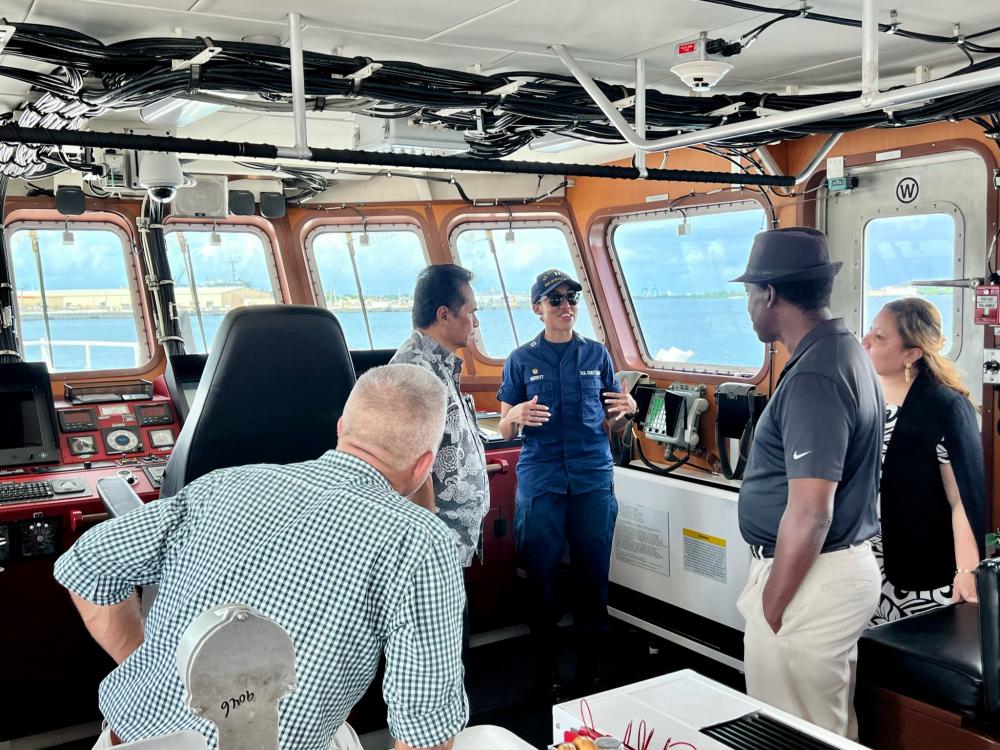
The USCGC Oliver Henry (WPC 1140) hosted Chargé d’affaires Bibb and her team aboard in Pohnpei in September. They met with several key officials, and members of the cutter’s engineering team conducted a subject matter exchange with the crew of FSS Palikir, the last active Pacific-class patrol boat, on shipboard repairs and assisting with preventative maintenance.

In May, USCGC Myrtle Hazard (WPC 1139) made a contactless crew rest and re-fueling stop in FSM during their expeditionary patrol across Oceania. In December 2021, USCGC Sequoia (WLB 215), working alongside the Navy’s Underwater Construction Team Two (UCT-2), conducted operations to widen the channel at Kapingamarangi Atoll. U.S. Coast Guard Forces Micronesia/Sector Guam also provides search and rescue support to FSM, with several successful cases in the last year, resulting in ten lives saved.

The shiprider program supports regional coordination and aligns with the National Security Strategy, U.S. Indo-Pacific Command efforts, and the U.S. Coast Guard’s Operation Blue Pacific. The bilateral agreements enacted in the Pacific are the bedrock of regional maritime law enforcement partnership. They convey the United States’ ongoing investment in protecting shared resources and interest in maritime safety and security, including fair and reciprocal trade, while standing against a current of aggressive and coercive influence in the region.

The U.S. is devoted to ensuring greater unity and a free and open Indo-Pacific for all nations who observe the rule of law. The U.S. Coast Guard continues to demonstrate our enduring presence in the Pacific and help facilitate increased regional stability, security, and resilience for U.S. partners.

For more U.S. Coast Guard Forces Micronesia/Sector Guam news, visit us on DVIDS or subscribe! You can also visit us on Facebook or Instagram at @USCGForcesMicronesia.

“U.S. Coast Guard conducts port visit in Federated States of Micronesia” –CG Forces Micronesia

USCGC Oliver Henry hosts U.S. Embassy team in Pohnpei

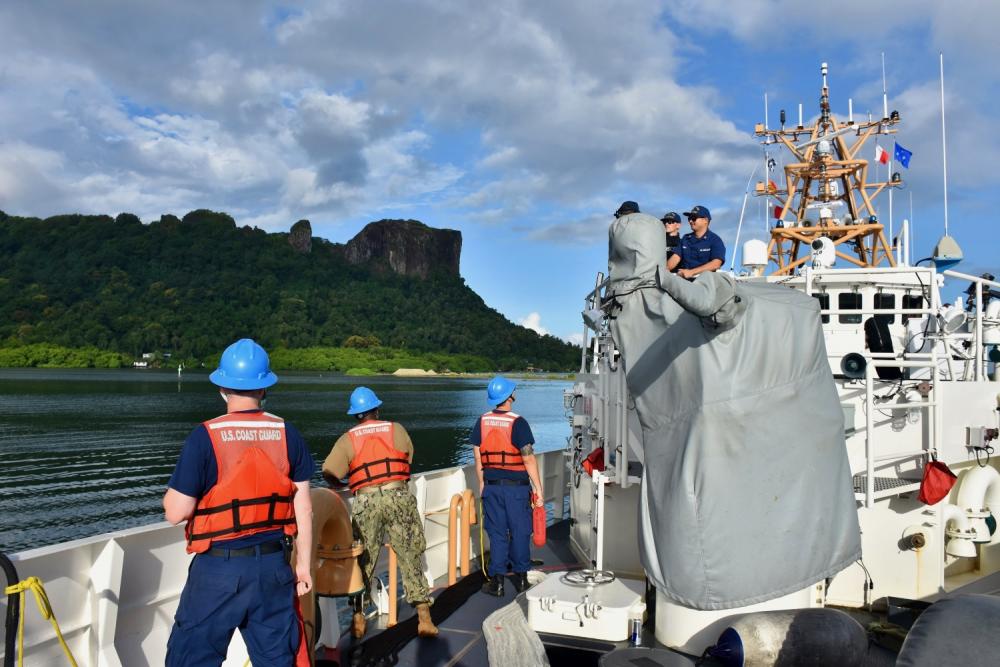
The crew of USCGC Oliver Henry (WPC 1140) host Chargé d’affaires Alissa Bibb and her team aboard upon arrival in Pohnpei, Federated States of Micronesia, on Sept. 14, 2022. Following stops in Australia and Papua New Guinea, we’ve been patrolling to deter illicit maritime activity — most recently, to counter illegal, unregulated, and unreported fishing in the territorial waters of the Federated States of Micronesia to assist in ensuring FSM’s sovereignty, resource security, and the rule of law. (U.S. Coast Guard photo by USCGC Oliver Henry)

Passing along this news release from Forces Micronesia/Sector Guam. It includes some history of previous operations in the area and illustrates connections made through the Academy.

News Release

U.S. Coast Guard Forces Micronesia / Sector Guam

U.S. Coast Guard conducts port visit in Federated States of Micronesia

USCGC Oliver Henry arrives to Pohnpei USCGC Oliver Henry hosts Charge d'Affairs FSM USCGC Oliver Henry hosts FSM National Oceanic Resource Management Authority – Fisheries Compliance Division Assistant Director

Editor’s Note: Click on the images above to view or download more.

POHNPEI, Federated States of Micronesia — The Sentinel-class fast response cutter USCGC Oliver Henry (WPC 1140) crew conducted a port visit in Kolonia on Sept. 14 – 16, following a patrol across Oceania encompassing the Coral Sea and the exclusive economic zones of Papua New Guinea and Federated States of Micronesia.

This port visit marks the sixth stop while conducting operations in the Indo-Pacific theater, following several stops across Papua New Guinea and one in Australia, part of Operation Blue Pacific.

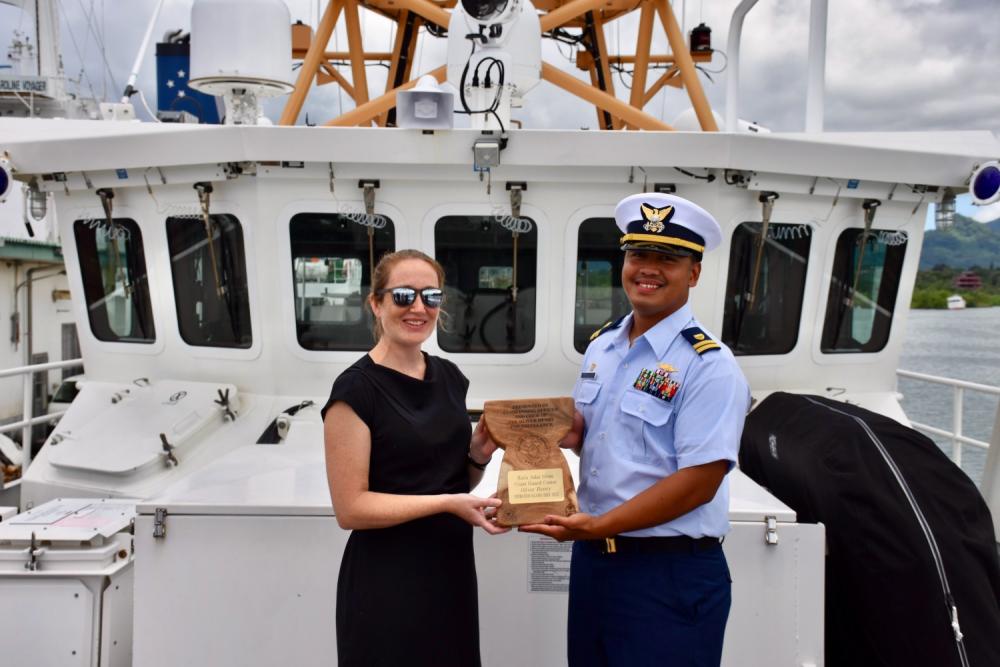
During their stop in Pohnpei, Oliver Henry’s crew hosted Chargé d’Affairs Alissa Bibb and her team and Assistant Director Youky Susaia Jr. of the FSM National Oceanic Resource Management Authority – Fisheries Compliance Division. Thye covered patrol highlights and discussed future opportunities. Susaia Jr. is also a 2020 graduate of the U.S. Coast Guard Academy and a classmate of Oliver Henry’s executive officer.

The Oliver Henry commanding officer visited the FSM National Police Maritime Wing headquarters for an office call with Cmdr. Steward Peter to discuss multilateral efforts. Finally, members of the cutter’s engineering team conducted a subject matter expert exchange with the crew of FSS Palikir, the last active Guardian-class patrol boat, on shipboard repairs and preventative maintenance.

“We appreciate the time and support from our Federated States of Micronesia partners and look forward to furthering our shared commitment towards living marine stewardship and maritime security,” said Lt. Freddy Hofschneider, Oliver Henry’s commanding officer. “As a proud Micronesian, it was an honor and privilege to revisit Pohnpei, especially knowing that the crew truly enjoyed their time around the island to immerse themselves in the deeply rooted culture and experience such a beautiful place.”

The U.S. Coast Guard maintains strong partnerships with the maritime forces in the region through extensive training and subject matter expert exchanges. FSM, also known as the Big Ocean State, has one of the world’s largest exclusive economic zones, with waters rich in sea life. FSM consists of four states —Pohnpei, Chuuk, Yap, and Kosrae—each has a mix of unique peoples, languages, and cultures and a total of more than 600 islands. FSM is a signatory to a Compact of Free Association with the United States. They are also a Pacific Islands Forum Fisheries Association member and a party to the South Pacific Tuna Treaty.

The U.S. Coast Guard’s cutter fleet was last in the FSM in May, when the USCGC Myrtle Hazard (WPC 1139) made a contactless crew rest and re-fueling stop during their expeditionary patrol across Oceania. In December 2021, USCGC Sequoia (WLB 215), working alongside the Navy’s Underwater Construction Team Two (UCT-2), conducted operations to widen the channel at Kapingamarangi Atoll, which narrowed due to marine overgrowth. U.S. Coast Guard Forces Micronesia/Sector Guam also provides search and rescue support to FSM.

The U.S. Coast Guard is conducting a routine deployment in Oceania as part of Operation Blue Pacific, working alongside Allies, building maritime domain awareness, and sharing best practices with partner nation navies and coast guards. Op Blue Pacific seeks to strengthen partnerships and execute a mission to support maritime governance and the rule of law in the region. To this, we must understand, measure, and articulate regional influences and relationships and provide our crews with the best operational assets and support to get the mission done safely and return.

The 154-foot Oliver Henry is the 40th Sentinel-class fast response cutter. The ship was commissioned along with its sister ships, Myrtle Hazard and Frederick Hatch, in Guam in July 2021. In the time since, the crew has participated in several search and rescue cases, completed a counternarcotics patrol off Guam with the Japan Coast Guard patrol vessel Mizuho, and conducted sovereignty and fisheries patrols in the Forces Micronesia/Sector Guam area of responsibility.

For more U.S. Coast Guard Forces Micronesia/Sector Guam news, visit us on DVIDS or subscribe! You can also visit us on Facebook at @USCGForcesMicronesia.

“Coast Guard could see more funding in new Senate legislation to help face Arctic challenges from Russia and China” –Stars and Stripes

USCG Cutter Bear transits out of Torngat National Park, Canada, on Aug. 9, 2022. The Bear was partaking in the Tuugaalik phase of Operation Nanook, an annual exercise that allows the United States and multiple other partner nations to ensure security and enhance interoperability in Arctic waters. (Matthew Abban/U.S. Coast Guard)

This isn’t through the budgeting process, but it is more indication of the Congress’ bipartisan support for the Coast Guard. Seems likely much of this will be incorporated in the final budget.

Stars and Stripes reports on action by the Senate Committee on Commerce, Science and Transportation, that would provide money for the third Polar Security Cutter, establish an Arctic Security Cutter program, and provide “more options for child care, better access to affordable housing and expanded medical care and education opportunities…”

The bill would authorize $14.94 billion for the service for fiscal 2023, which begins Oct. 1. It would amount to a 21.5% budget increase from fiscal 2021.

The bill would support greater Arctic presence, combat IUU fishing, and improve polution response.

“U.S. Coast Guard conducts high seas boarding for first time in the South Pacific Regional Fisheries Management Organization Convention Area” –District 11

A U.S. Coast Guard member raises the South Pacific Regional Fisheries Management Organization (SPRFMO) flag on the Coast Guard Cutter James (WSML 754) in the Eastern Pacific, July 29, 2022. The Coast Guard completed a counter-illegal, unreported and unregulated (IUU) fishing operation for the first time under the SPRFMO. (U.S. Coast Guard photo)

Below is a news release from District 11 (HQ Alameda, CA). This looks like it may be the leading edge of new major commitment.

SPRFMO covers a huge area, “about a fourth of the Earth’s high seas areas.” See page 6 and the chart on page 50: Convention on the Conservation and Management of High Seas Fishery Resources in the South Pacific Ocean

There are currently sixteen members of the South Pacific Regional Fisheries Management Organisation:

– Australia                                                – Republic of Chile
– People’s Republic of China                   – Cook Islands
– Republic of Cuba                                  – Republic of Ecuador
– European Union                                    – Kingdom of Denmark  in
respect of  the Faroe Islands
– Republic of Korea                                 – New Zealand
– Republic of Panama                             – Republic of Peru
– Russian Federation                              – Chinese Taipei
– The United States of America              – Republic of Vanuatu

Since the EU is a member, the number of states represented is actually much higher.

News Release

U.S. Coast Guard 11th District Pacific Southwest

U.S. Coast Guard conducts high seas boarding for first time in the South Pacific Regional Fisheries Management Organization Convention Area

Editor’s Note: Click on images above to download full-resolution version.

ALAMEDA, Calif. — The Coast Guard recently completed an operation to counter illegal, unreported, and unregulated (IUU) fishing, within the South Pacific Regional Fisheries Management Organization (SPRFMO) Convention area.

The SPRFMO Convention area covers nearly a fourth of the Earth’s high seas. The SPRFMO Commission consists of 16 members from Asia, Europe, the Americas, and Oceania as well as three cooperating non-contracting parties. In 2015, the members adopted a high seas boarding and inspection measure, which allowed the United States and all SPRFMO Members to board and inspect other SPRFMO Members fishing vessels, and record any suspected violations of SPRFMO conservation measures. The results of any such boarding by the U.S. Coast Guard, including any suspected infractions, are submitted to the SPRFMO Secretariat and the flag state of the boarded vessel for further investigation and action, as appropriate.

The Coast Guard has carried out counter-IUU fishing operations in other regional fisheries management organization areas for years. IUU Fishing has replaced piracy as the leading global maritime security threat. The recent operation against IUU fishing in the Eastern Pacific Ocean marked the first time in which the Coast Guard conducted high seas boardings and inspections under SPRFMO.

This effort also demonstrated the successful use by the United States of the high seas boarding and inspection procedures outlined in the 1995 United Nations Fish Stocks Agreement – which SPRFMO adopted in 2015 – to ensure the long-term conservation and sustainable use of straddling fish stocks.

“U.S. Coast Guard presence south of the Galapagos Islands beyond Ecuador’s EEZ provided an effective presence in a difficult to reach region,” said Capt. Jim O’Mara, chief of enforcement, Coast Guard Eleventh District. “The planning and execution of the mission represented a whole-of-government approach to countering IUU fishing. Moving forward, we will build on the success of this operation and continue expanding cooperation with all our partners.”  

The areas beyond any country’s exclusive economic zone are areas often exploited by fishermen engaged in IUU fishing, as they fish beyond the reach of most law enforcement entities. The Coast Guard’s operation directly supported Central and South American partnerships and their desires to monitor and enforce sustainable fishing activity near their exclusive economic zones, and expanded maritime domain awareness and information sharing throughout the newly expanded Eastern Tropical Pacific Marine Corridor.

The Coast Guard’s actions ensured law enforcement presence among a substantial fleet of more than 400 fishing and transshipment vessels. Much of the fishing in the Eastern Pacific is accomplished by distant water fishing vessels, in many cases supported by transshipment vessels. These large-scale operations traverse the world’s oceans, and can involve forced labor, human trafficking, and other human rights abuses, as well as maritime pollution. With their vast numbers operating in close proximity to one another, these distant water-fishing fleets may also have a significant impact on such environmentally sensitive waters as those of the Galapagos Islands, home to a vulnerable ecosystem.

Enforcing the rules of regional fisheries management organizations is about sharing the responsibility for protecting vulnerable fish stocks, the economic stability of coastal nations, the livelihoods of small-scale and artisanal fishermen, and protecting our ocean resources that feed global populations and fuel economies.

“Deploying our most capable national security cutters to the Eastern Pacific to detect and deter IUU fishing in the SPRFMO Convention Area for the second time this year is a clear signal of the U.S. commitment to support what is truly a global mission,” said Rear Adm. Andrew Sugimoto, commander, Coast Guard Eleventh District. We will continue to build on these partnerships, and leverage our unique authorities and capabilities to advance stability, security, and order in the maritime domain.”