“US Coast Guard and Space Force Partner on R&D” –Marine Link

The Coast Guard Research, Development, Test, and Evaluation Program, in partnership with the Department of Homeland Security Science and Technology Directorate, launched two 6U CubeSats from Vandenberg Air Force Base, California, as part of the Polar Scout project. Photo courtesy of SpaceX.

Marine Link reports,

“A memorandum of understanding (MOU) inked by the U.S. Space Force Science, Technology, and Research Directorate and U.S. Coast Guard Research and Development Center on January 19 will expand Space Force access to USCG Research and Development Center facilities, infrastructure and personnel.”

“Photos: U.S. Coast Guard Icebreaker Reaches Antarctica’s McMurdo Station” / “Russian Antarctic Vessel Docks In South Africa As Green Groups Protest”–gCaptain

The heavy ice breaker USCGC Polar Star (WAGB 10) moves the ice pier at McMurdo Station, Antarctica so the U.S. Army 7th Transportation Brigade (Expeditionary) can build a modular causeway system for offloading cargo from resupply ships. U.S. Navy Photo

gCaptain reports the arrival of USCGC Polar Star at McMurdo Station, Antarctica.

Meanwhile, gCaptain also reports,

“A Russian research vessel which has been prospecting for oil and natural gas in the Antarctic docked in South Africa on Saturday following protests by green campaigners who say its operations in the region violate a treaty banning mineral exploration.”

I have to see this as more evidence that mineral exploitation of Antarctica is inevitable and that it will bring with it at least some forms of conflict between claimants.

A member of Extinction Rebellion holds up a placard as the Akademik Alexander Karpinsky, a Russian polar explorer ship, arrives in Cape Town harbour, South Africa, January 28, 2023. REUTERS/Shelley Christians

“Operation Vigilant Sentry: Stopping illegal migration at sea” –CG HQ

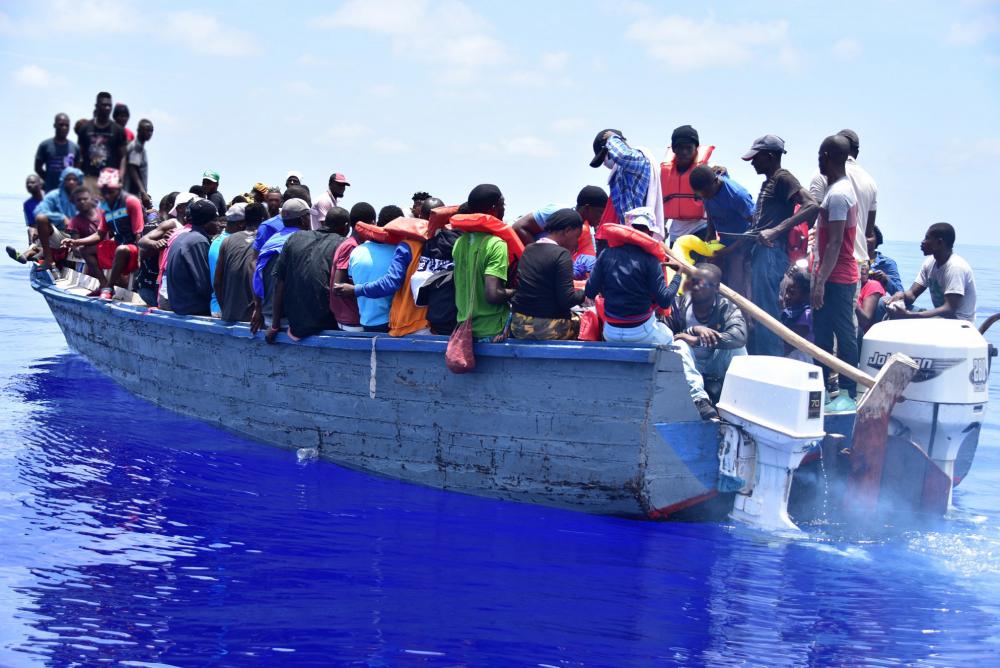
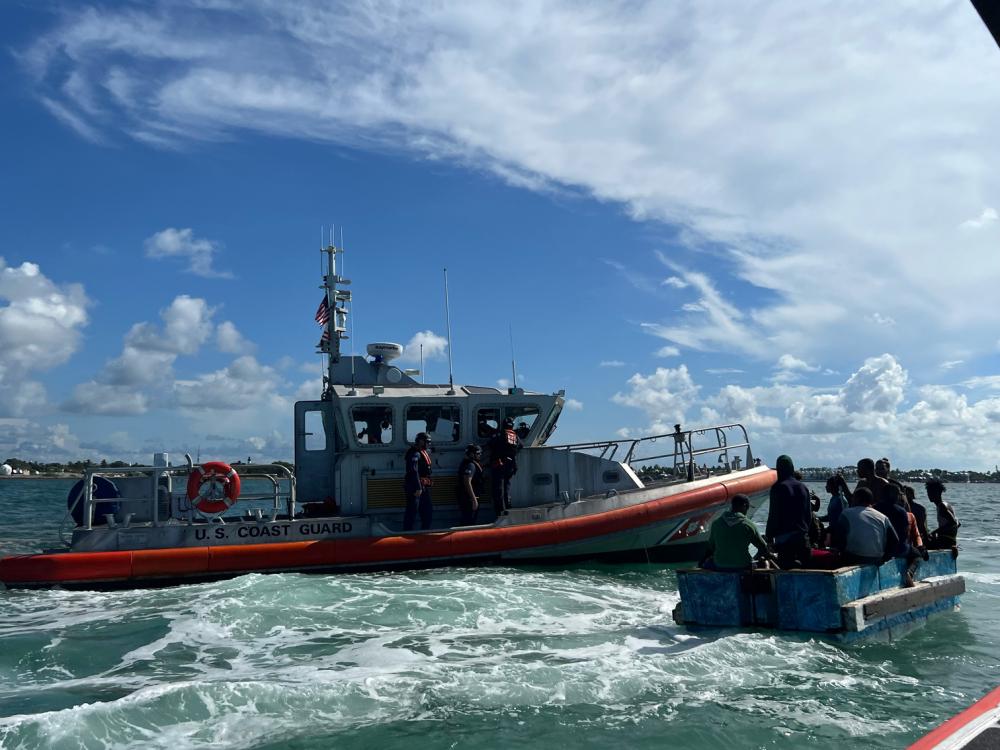
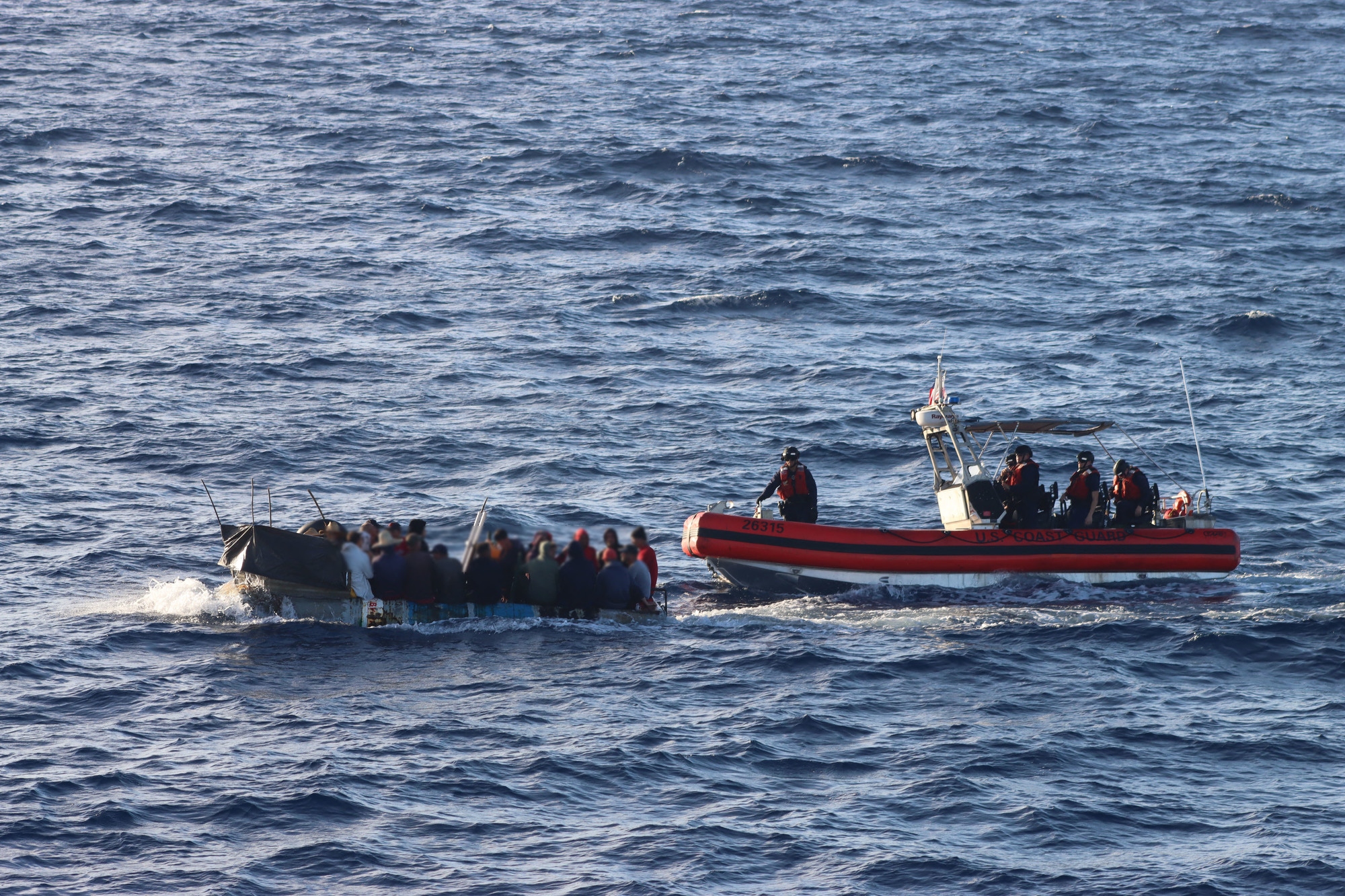
A Coast Guard Cutter Campbell law enforcement crew stopped a grossly overloaded, unsafe vessel near Turks and Caicos, May 9, 2022. (U.S. Coast Guard photo by Petty Officer 3rd Class Erik Villa-Rodriguez)

Below is a news release from Coast Guard Headquarters discussing the history and current situation of the Homeland Security Task Force – Southeast and of Operation Vigilant Sentry, a D7 lead Department wide Alien Migrant Interdiction Operation.

I have also included the text of the DHS Secretary’s remarks that were referenced in the release.

This release got wide distribution. I got it from HQ, LANTAREA, and PACAREA.


Jan. 27, 2023

Operation Vigilant Sentry: Stopping illegal migration at sea

By Petty Officer 1st Class Nicole J. Groll

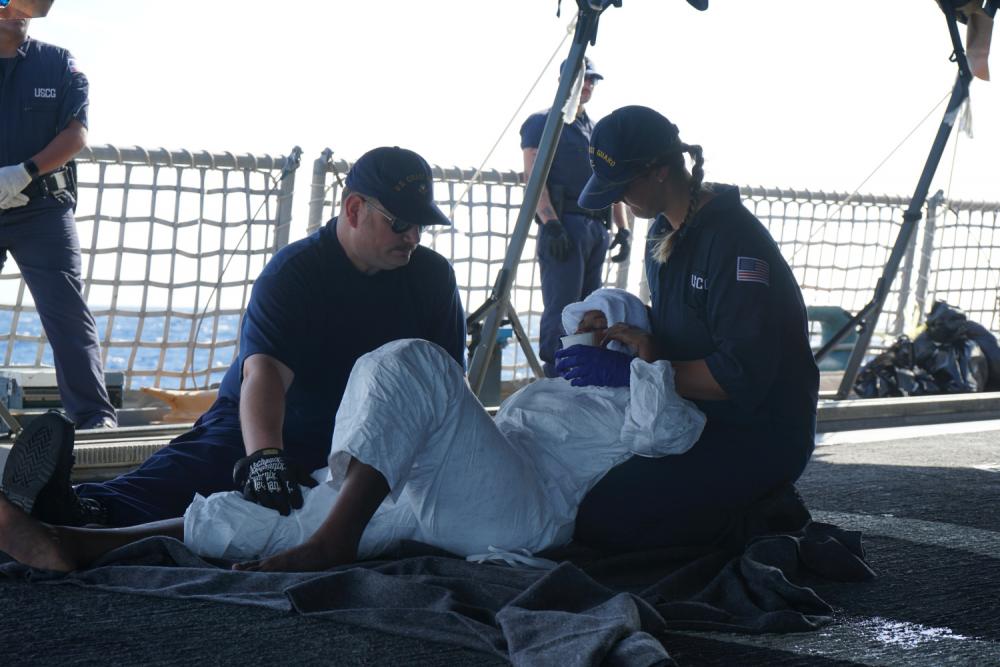
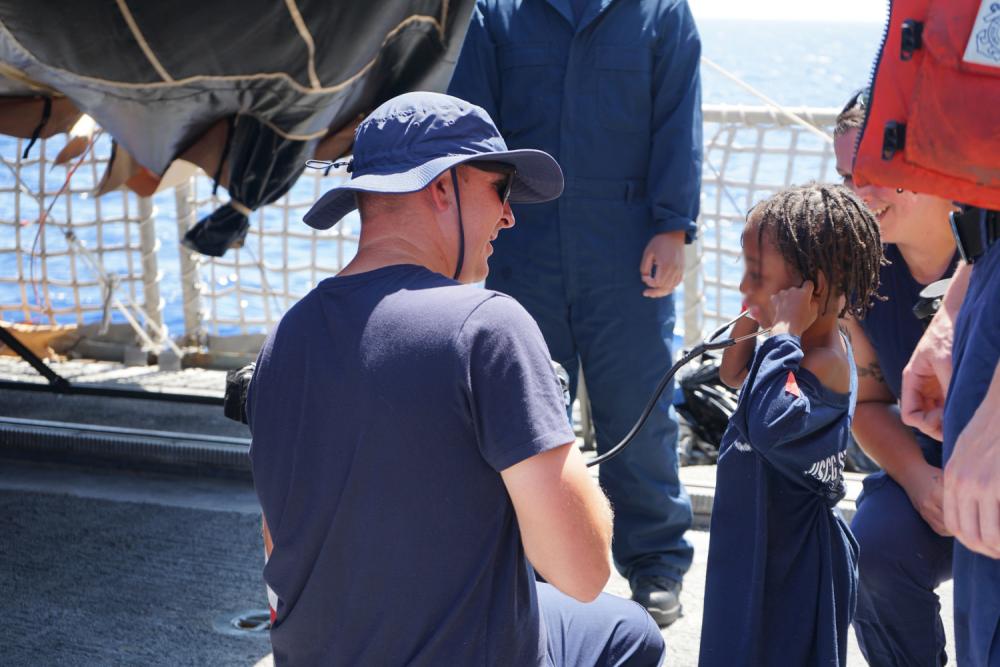
A Coast Guard Cutter Campbell law enforcement crew stopped a grossly overloaded, unsafe vessel near Turks and Caicos, May 9, 2022. Coast Guard Cutter Campbell is homeported in Kittery, Maine. (U.S. Coast Guard photo by Petty Officer 3rd Class Erik Villa-Rodriguez) Two Coast Guard Cutter Campbell crew members assist a person suffering dehydration symptoms in the Windward Passage, April 30, 2022. Coast Guard Cutter Campbell is homeported in Kittery, Maine. (U.S. Coast Guard photo by Campbell's crew) A Coast Guard Cutter Campbell medical crew member lets a child listen to his heart using a stethoscope in the Windward Passage, May 9, 2022. The people were repatriated to Haiti on May 11, 2022. (U.S. Coast Guard photo by Petty Officer 3rd Class Erik Villa-Rodriguez) 

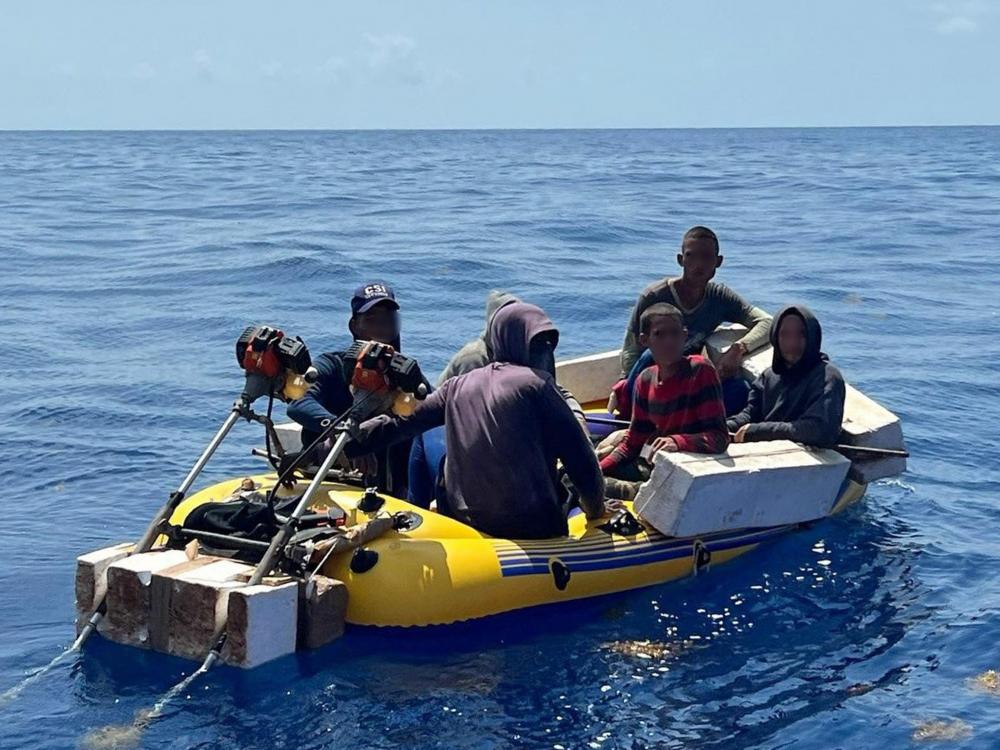
A Coast Guard Air Station Clearwater C-130 aircrew alerted Sector Key West of a wooden vessel 25 miles south of Sugarloaf Key, Florida, Jan. 23, 2023. The people were repatriated on Jan. 25, 2023. (U.S. Coast Guard photo) A good Samaritan notified Coast Guard Sector Key West watchstanders of a rustic vessel about 13 miles south of Marquesas Key, Florida, June 12, 2022. The people were repatriated to Cuba on June 17, 2022. (U.S. Coast Guard photo) A Coast Guard Station Key West law enforcement crew alerted Sector Key West watchstanders of this migrant vessel about 3 miles south of Key West, Florida, July 6, 2022. The people were repatriated to Cuba on July 8, 2022. (U.S. Coast Guard photo by Station Key West) 

Editor’s note: Click on images to download high-resolution version.

Homeland Security Task Force – Southeast was established in 2003 by the Department of Homeland Security. This interagency task force is comprised of resources and assets from the U.S. Coast Guard, the departments of Homeland Security, State, Defense, Health and Human Services, as well as those from state and local agencies. These agencies provide the organizational framework to monitor migration trends to detect and respond to a maritime mass migration.

Operation Vigilant Sentry was first approved in 2004. It is the arm of the task force that deploys joint air and surface assets and personnel to address illegal maritime migration in the Caribbean corridor of the United States. The primary objective: to protect the safety of life at sea, and to deter and dissuade a maritime mass migration with our federal, state and local partners.

The director of Homeland Security Task Force – Southeast is the commander for the Seventh Coast Guard District. Migrant interdiction is one of the 11 statutory missions assigned to the Coast Guard by Congress, giving the military service the authority to take the lead role in the ongoing and historic migrant surge.

OVS is also not country specific, but it is a framework for any Caribbean country. The most common nationalities trying to illegally migrate to Florida by sea are Cuban and Haitian. Despite the unique challenges faced by each country, the rationale for illegal migration can occur for any number of various reasons.

“The risk migrants are willing to take are unfathomable to most Americans: escaping poverty, violence, human trafficking, and persecution are a few realities,” said Cmdr. Ray Caro, chief of intelligence for Operation Vigilant Sentry. “Although change is gradual across nations in the Western Hemisphere, the frequency at which these challenges present themselves is certainly increasing. Politics, migration policies and natural disasters amplify those realities and trigger migration. As a result, maritime migration has been a lifesaving priority for the Coast Guard for more than 40 years.”

The weather, the possibility of drowning, the general unpredictability of the maritime domain all stand as barriers not just to the goals of illegal migrants, but also as threats to their very lives.

“These individuals are ignoring real risks,” said Chief Warrant Officer Matthew James, Coast Guard Station Islamorada’s commanding officer. “Just about every vessel we encounter in these voyages were constructed haphazardly with improvised materials and were taking on water. The few vessels that appeared to be well built were dangerously overloaded and capsizing was imminent when we arrived on scene. It’s very dangerous to try and cross the Florida Straits this way.”

In 2022, the Coast Guard saw one of the deadliest years for illegal migration in recent history with approximately 65 people dying trying to make it to the U.S. In 2020, the Coast Guard recorded 17 deaths and five in 2021. Despite the increased numbers and risk, the service remains dedicated to the preservation of life, imploring those who would see illegal maritime migration as an option.

“The Coast Guard and our partners are working to stop senseless migration-related deaths at sea by rescuing people in rustic, unsafe vessels,” said Capt. Benjamin Golightly, incident commander, Operation Vigilant Sentry. “Help us by not paying smugglers and instead, encourage safe, legal migration.”

Historically, Florida is no stranger to illegal migration. According to the Department of Homeland Security and U.S. Citizen and Immigration Services, the Cuban Adjustment Act of 1966 was established to allow Cuban natives and citizens living in the U.S. at least two years to apply to become lawful permanent residents by getting a Green Card. This applied to the Cuban arrivals who were paroled into the U.S. fleeing communism. In 1995, the so-called Wet Foot/Dry Foot policy was adopted. This meant if illegal migrants were stopped at sea, they were returned to their country of origin or departure. If they were stopped on land, they would eventually be paroled and able to apply for the Cuban Adjustment Act. In 2017, former President Obama repealed the Wet Foot/Dry Foot policy.

After the repeal, illegal migration by sea declined for several years, but Coast Guard crews are seeing an increase once again.

Haitians started coming to the U.S. at the end of 1972 fleeing communism, according to the University of Texas’ history department. In 1998, the Haitian Refugee Immigration Fairness Act was enacted by Congress for eligible Haitian nationals in the U.S. to become legal permanent residents.

“As Haiti’s overall situation continues to erode, our crews have witnessed an alarming uptick in maritime migration; we see spikes in this dangerous activity following natural disasters or socio-economical events,” said Capt. Robert Kinsey, operations chief for Operation Vigilant Sentry. “These vessels are shockingly overloaded; when you see it firsthand, it’s almost unbelievable. Smugglers are coercing desperate people to endure unthinkable conditions for long periods of time. Many of our crews arrive just in time to rescue them from peril.”

The typical 40 to 50-foot Haitian sail freighter intercepted by Coast Guard assets have anywhere from 150 to 300 people aboard these overcrowded, unsafe vessels. A typical safe sailboat can safely hold about 30.

Back in July 2021, Department of Homeland Secretary Alejandro N. Mayorkas told Cubans and Haitians in a press conference not to come to the U.S. by sea, noting the clear threats posed by the maritime domain.

“The time is never right to attempt migration by sea,” said Alejandro N. Mayorkas, DHS Secretary. “To those who risk their lives doing so, this risk is not worth taking. Allow me to be clear: if you take to the Sea, you will not come to the United States.”

Cubans and Haitians who take to the sea and try to land in the U.S. may be ineligible for the parole process and will be placed in removal proceedings, he said.

People interdicted at sea will be repatriated to their country of origin or departure.

Illegal migration at sea is not only dangerous for the people attempting it, but it causes their family members unnecessary distress due to not knowing if their loved ones are alive or not.

“Family members call our command center all the time,” said Lt. Paul Benyovszky, a Sector Key West enforcement officer. “It can be a struggle to maintain our emotional balance when family members are crying and begging for information we don’t have.”

This isn’t an easy mission, and illegal migration isn’t going to go away, he said.

Since the new fiscal year started in October, crews interdicted 5,321 Cubans and 1,766 Haitians at sea. The service increased manpower and assets to the area to stop illegal migration at sea and rescue those in distress before the sea claims their lives. The Coast Guard continues to be the lead federal agency charged with this mission, and the crews and partner agencies are doing their very best to ensure people go home alive at the end of the day.


“USCGC Mohawk returns home following 46-day Caribbean Sea patrol” –LANT AREA-

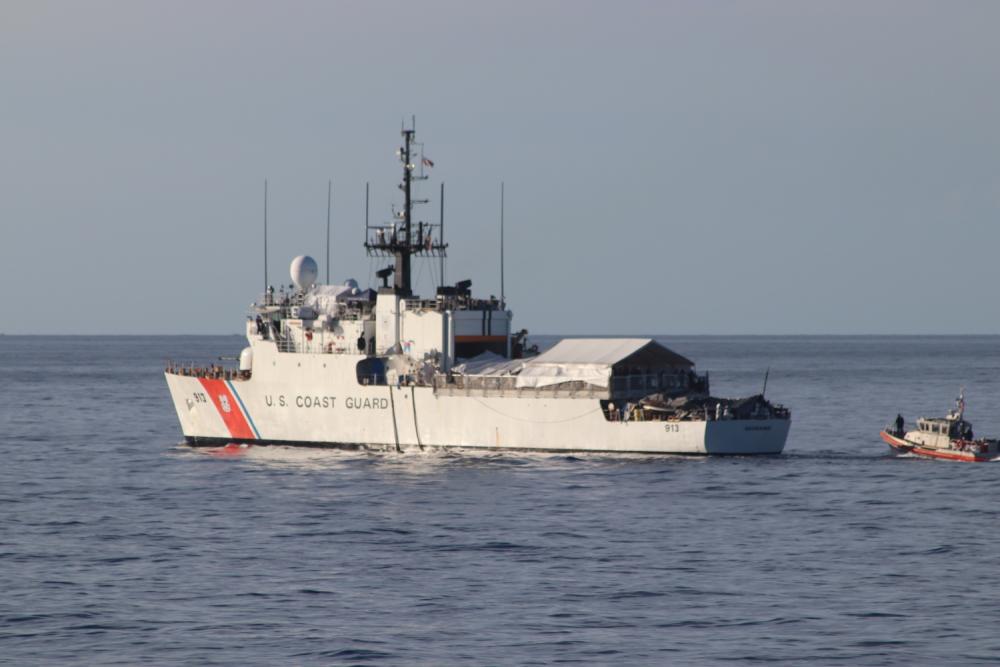
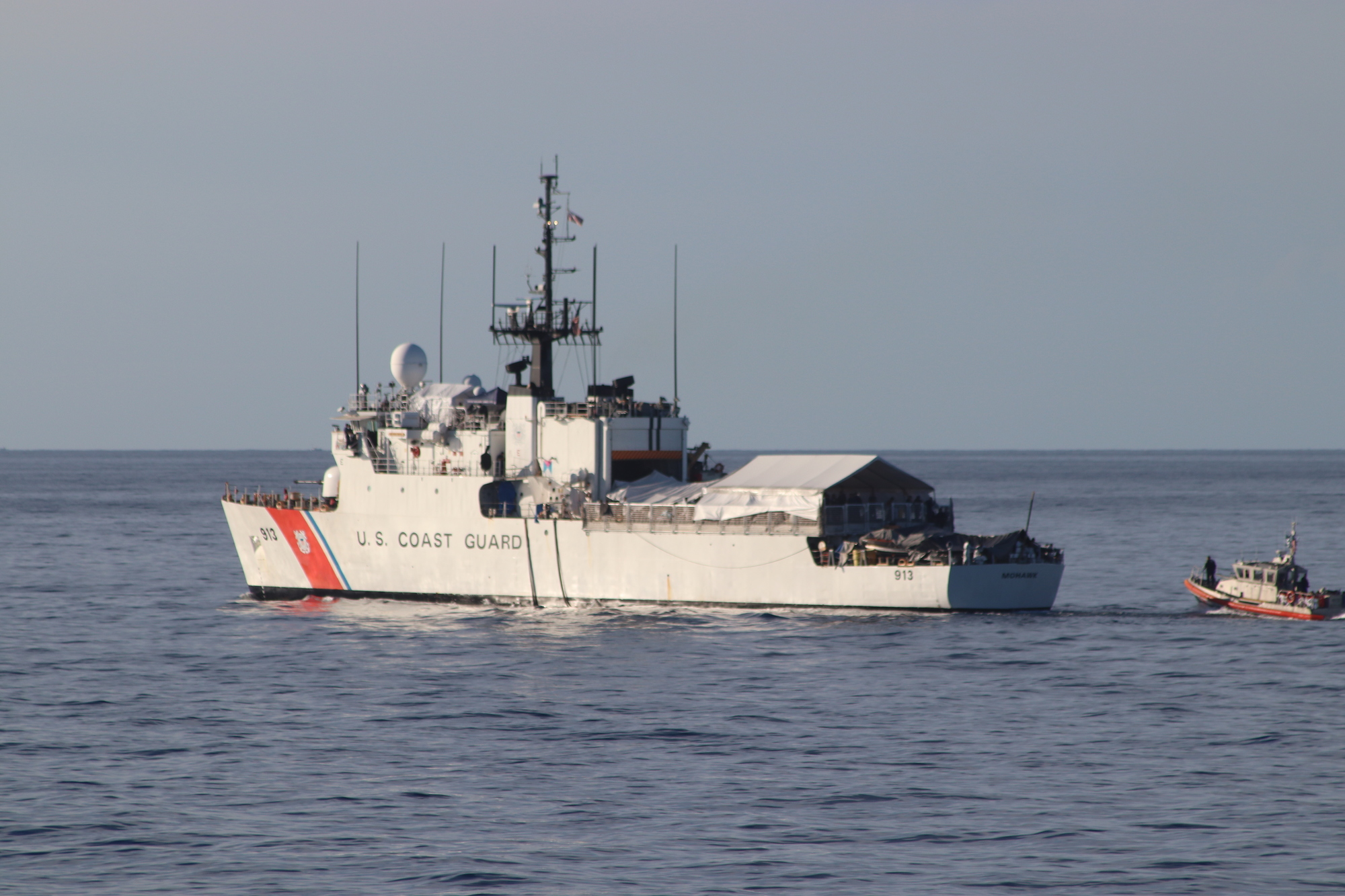
USCGC Mohawk’s (WMEC 913) crew patrols the South Florida Straits during Operation Vigilant Sentry, Jan. 5, 2023. Mohawk’s crew patrolled the Florida Straits and Caribbean Sea in support of Homeland Security Task Force—Southeast and Operation Vigilant Sentry in the Coast Guard Seventh District’s area of operations for a 46-day patrol. (U.S. Coast Guard photo by USCGC Legare (WMEC 912)

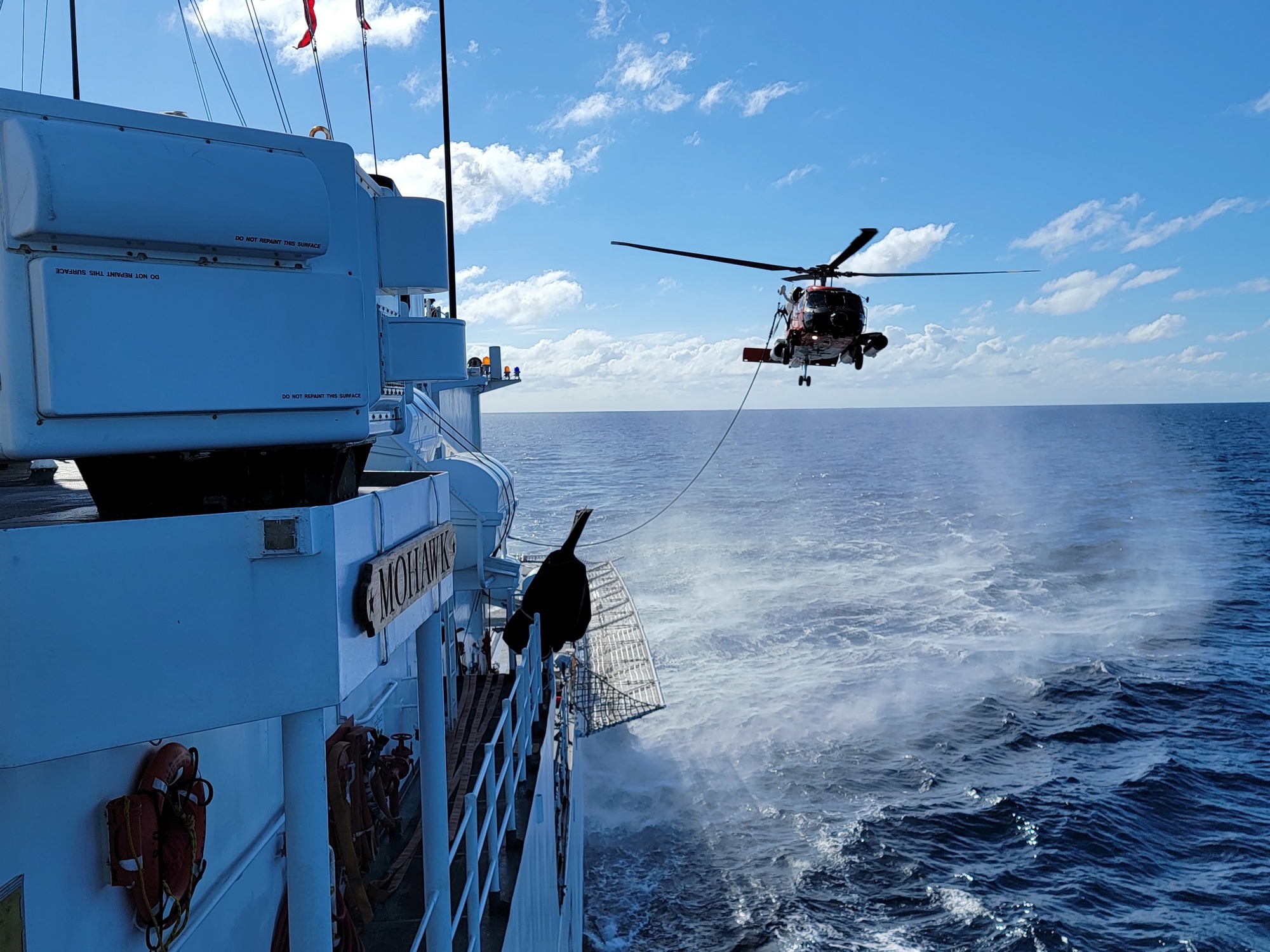
I don’t normally publish a news release like this, it is relatively routine, but I particularly wanted to highlight the photo above and provisions made to shelter migrants which have precluded helicopter operation. We have noted that the migrant traffic has increased substantially. The photo was taken by USCGC Legare, meaning that there were probably at least two 270 foot WMECs, that I would expect to be doing drug interdiction or fisheries, were engaged in Alien Migrant interdiction, in addition to the FRCs and 210 foot WMECs that are more commonly assigned to this mission. Note the large number of migrants interdicted and repatriated. I presume it means Mohawk had at least 273 migrants aboard at one time, out numbering the crew almost three to one.

News Release

U.S. Coast Guard Atlantic Area

Download Image Link Here Download Image Link  Download Image Link Here

Editor’s note: Click on images to download

KEY WEST, Fla.—The crew of the USCGC Mohawk (WMEC 913) returned to their home port in Key West, Monday, after a 46-day deployment in the Florida Straits and Caribbean Sea.

Mohawk patrolled the Florida Straits and Caribbean Sea in support of Homeland Security Task Force—Southeast and Operation Vigilant Sentry in the Coast Guard Seventh District’s area of operations. While underway, Mohawk’s crew conducted counter drug and maritime safety and security missions while working with other Coast Guard cutters and air assets to detect, deter and intercept unsafe and illegal migrant ventures bound for the United States.

During the patrol, Mohawk’s crew cared for 670 migrants interdicted at sea and rescued personnel from seven different unseaworthy vessels. Notably, Mohawk’s crew assisted with the repatriation of 110 Haitian migrants to Cap-Haitien, Haiti, and 273 Cuban migrants to Matanzas, Cuba.

Mohawk’s patrol efforts highlight the Coast Guard’s critical mission of maintaining safety at sea and preventing the potential for loss of life by deterring migrants from taking to the sea in dangerously overcrowded vessels while attempting to enter the United States through non-legal channels.

“It’s never easy being deployed over the holidays, away from family members,” said Cmdr. Andrew Pate, Mohawk’s commanding officer. “I am incredibly proud of the women and men aboard who continue to position Mohawk for success – their role in this historic effort, alongside our state and local partners as well as other Coast Guard units, is nothing short of heroic.”

Mohawk is a 270-foot, Famous-class medium endurance cutter with a crew of 100. The cutter’s primary missions are counter drug operations, migrant interdiction, enforcement of federal fishery laws and search and rescue in support of U.S. Coast Guard operations throughout the Western Hemisphere.

For information on how to join the U.S. Coast Guard, visit GoCoastGuard.com to learn about active duty and reserve, officer and enlisted opportunities. Information on how to apply to the U.S. Coast Guard Academy can be found here.

For more, follow us on FacebookInstagram and Twitter.

“Coast Guard delivers 14th Minotaur-missionized HC-144 to fleet” –CG-9

New Minotaur operator workstations are being installed on all HC-144Bs. Minotaur provides dramatically improved data fusion and integrates installed sensors and radar. U.S. Coast Guard photo by Aviation Engineering Warrant Officer 3 Randy Jopp.

Below is a story from the Acquisitions Directorate (CG-9). 14 of 18 HC-144s have been missionized with Minotaur. The statement, “The aircraft will be based at Air Station Cape Cod, Massachusetts, the first of three to be stationed there” refers only to the “B” model with Minotaur. Three HC-144As were already there and are being replaced by the upgraded aircraft.


The Coast Guard completed work on its 14th HC-144B Ocean Sentry medium range surveillance aircraft outfitted with both the Ocean Sentry Refresh (OSR) modifications and the Minotaur mission system Jan. 17. Modifications to CGNR 2318 were completed at the Aviation Logistics Center in Elizabeth City, North Carolina. The aircraft will be based at Air Station Cape Cod, Massachusetts, the first of three to be stationed there.

The OSR project upgrades the aircraft with a new flight management system, which manages communication control, navigation and equipment monitoring. After the OSR upgrade is completed, each aircraft is redesignated as an HC-144B.

Minotaur integrates installed sensors and radar and provides dramatically improved data fusion as well as information processing and sharing capabilities.

Completion of missionization and upgrade of a 15th HC-144 is scheduled for later this year. Air Station Miami completed transition to the upgraded aircraft in 2022 and Air Station Corpus Christi, Texas, transitioned in 2019. The service plans to upgrade each of the service’s 18 HC-144s by the end of 2024, with transition of Air Station Cape Cod and Aviation Training Center Mobile, Alabama.

For more information: Medium Range Surveillance Program page and Minotaur Program page

RFI: “Coast Guard seeks information on UAS capabilities” –CG-9

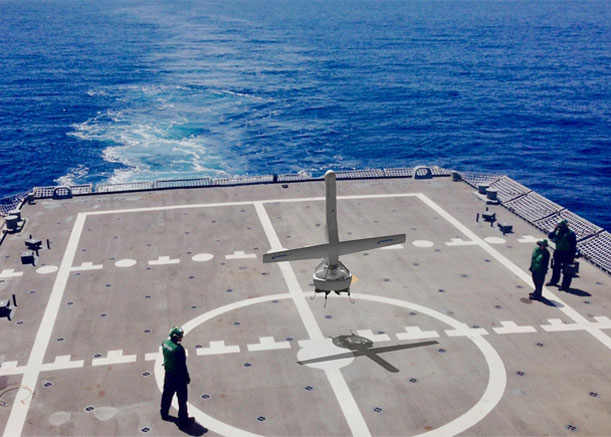
V-Bat from Martin UAV

The following information about a “request for information” appeared on the Acquisitions Directorate website. The FRI is six pages found here. Good to know the Coast Guard is still looking.

This is an extremely broad request. Group II and III extends from 21 to 1320 pounds (about 10 to 600 kilos). There is one particular revealing question (page 5, para. 13c) that may show more specifically what they are looking for, but it may not be limited to this.

“How many personnel will be required to support your system onboard a host cutter for a 90-day maritime deployment operating at 12 continuous flight hours per day?”

The list of “sensor capabilities available for Government use” is long and may include some surprises (page 2 and 3).

a. EO/IR target detection?
b. Surface search radar?
c. Sub-surface target detection?
d. High resolution bioluminescence detection?
e. Maritime Wide-Area Search (MWAS) radar?
f. Synthetic Aperture Radar (SAR)?
g. Light and or Visual Detection and Ranging?
h. Chemical, Biological, and Radiological (CBR) sensors or other sensors to detect hazardous materials and/or toxic industrial chemicals?
i. Radio Frequency and Radio direction finding (covering at least 406 MHz EPIRB and marine band VHF-FM frequencies)?
i. An ability to relay audio communications to the host cutter?
j. Does your system utilize lasers?
i. If so, what is the classification of the laser (Class 1, 2, 3A/R, 3B, or 4)?
ii. Does the laser meet the performance requirements of Title 21 CFR §1040.10, Performance Standards for Light Emitting Products also known as the Federal Laser Product Performance Standard (FLPPS)?
iii. What is the Food and Drug Administration (FDA) accession number for the laser system?
iv. If your laser cannot fully comply with the FLPPS, have you sought a variance through the FDA?
k. A sensor to detect lasers pointed at the UAS?
l. A multi-spectral or hyper-spectral sensor?
m. An automated object alerting and detection capability?
n. Any other sensor that would be relevant and beneficial to the USCG’s ability to conduct its statutory missions?
o. What are the standards for the sensors listed above? Please list what they are based on (Example: Joint Interface Control Document (JICD), Institute of Electrical and Electronic Engineers (IEEE), and Intelligence Community Directive (ICD)).
p. What are the data formats of each sensor listed above?


Coast Guard seeks information on UAS capabilities

The Coast Guard is conducting additional market research on Group 2 and Group 3 unmanned aircraft system (UAS) capabilities, sensors and payloads through a request for information (RFI) released Jan. 19.

The Coast Guard continues to respond to new challenges and threats in the maritime domain, so it is critical to have a comprehensive understanding of capabilities that are potentially available through the UAS commercial marketplace. The goal of this market research is to learn about the most recent advancements pertaining to system and service commerciality, performance and sensor capabilities.

The RFI is open to all vendors. Vendors who did not respond to an August 2022 RFI seeking information on the ability of small businesses to meet specific Coast Guard UAS requirements may provide that information as part of their response to this RFI.

The RFI is available here. One question needs to be answered by 1 p.m. EST Feb. 3; the rest of the responses are due by 1 p.m. Feb. 21.

For more information: Unmanned Aircraft Systems Program page

“Coast Guard Expands Nation-Wide JROTC Program” –USCG HQ

Just passing this along. Unfortunately, opportunities to participate are still extremely limited geographically. What the country probably needs is a service agnostic, or perhaps sea service, JROTC program so that it could reach more than this very limited population.

Jan. 25, 2023

Coast Guard Expands Nation-Wide JROTC Program

USCG HQ, Washington, DCWASHINGTON — The Coast Guard is establishing four new Junior Reserve Officers’ Training Corps units for the 2023-2024 school year, bringing the national total from six to ten.

The new units will be located at:

  • Saraland High School in Saraland, Ala.
  • Aspira Business and Finance High School in Chicago
  • Clinton High School in Clinton, Miss.
  • Mission Bay High School in San Diego

The addition of the four JROTC units is the largest expansion in the program’s history, and the first time the Coast Guard will establish more than two of these units in a single year.

The Coast Guard established the JROTC program in 1989 at the MAST Academy in Miami. The program currently includes approximately 500 cadets across six high schools in the states of Delaware, North Carolina, South Carolina and Florida.

“Adding these JROTC units in four additional states demonstrates the nation-wide impact of our JROTC program,” said Rear Admiral Megan Dean, director of governmental and public affairs. “Our JROTC program provides a framework for personal and citizenship development, and the character formation we are seeing in these cadets is good for our schools, communities, the Coast Guard, and our nation as a whole.”

To participate in JROTC, students must be in grades 9-12, with some exceptions for eighth graders. They must be citizens, nationals of the United States or those lawfully admitted to the United States for permanent residence. Cadets must also maintain physical fitness, academic and personal conduct standards.

“The Coast Guard JROTC develops cadets using the COAST model, an acronym for our 5-fold pillars of Citizenship, Operations, Advancement, Service, and Teamwork,” said Cmdr. Clay Cromer, Coast Guard JROTC program manager. “These pillars guide our program mission of ‘Developing Service-Minded Citizens of Character’ and help our cadets achieve success both in the classroom and in their daily lives.”

The National Defense Authorization Act 2023 provided specific direction for the program’s future – the Coast Guard must establish and maintain at all times a JROTC unit in every Coast Guard District by December 31, 2025. The six JROTC units are currently located in only two of the Coast Guard’s nine Districts, with this year’s expansion adding three for a total of five Districts with active JROTC units.

For more information about the JROTC program visit https://www.uscg.mil/community/JROTC.

“Sri Lankan CARAT 2023 Completed” –SeaWaves

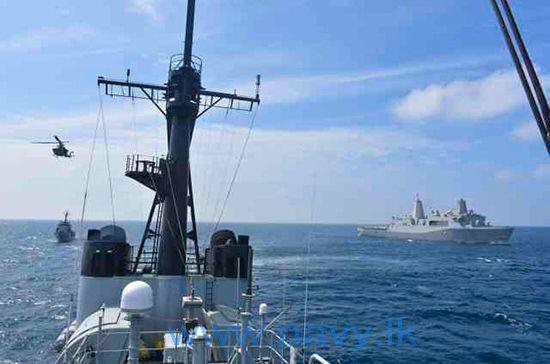
USS Anchorage seen from Sri Lanka’s SLNS Gajabahu. CARAT 2023

SeaWaves Magazine reports,

“Taking part in the sea phase of Cooperation Afloat Readiness and Training (CARAT) exercise 2023, SLNS Gajabahu and SLNS Samudura of the Sri Lanka Navy and ‘USS Anchorage’ of the U.S. Navy successfully conducted a series of naval exercises off Negombo on 22nd and 23rd January 2023.”

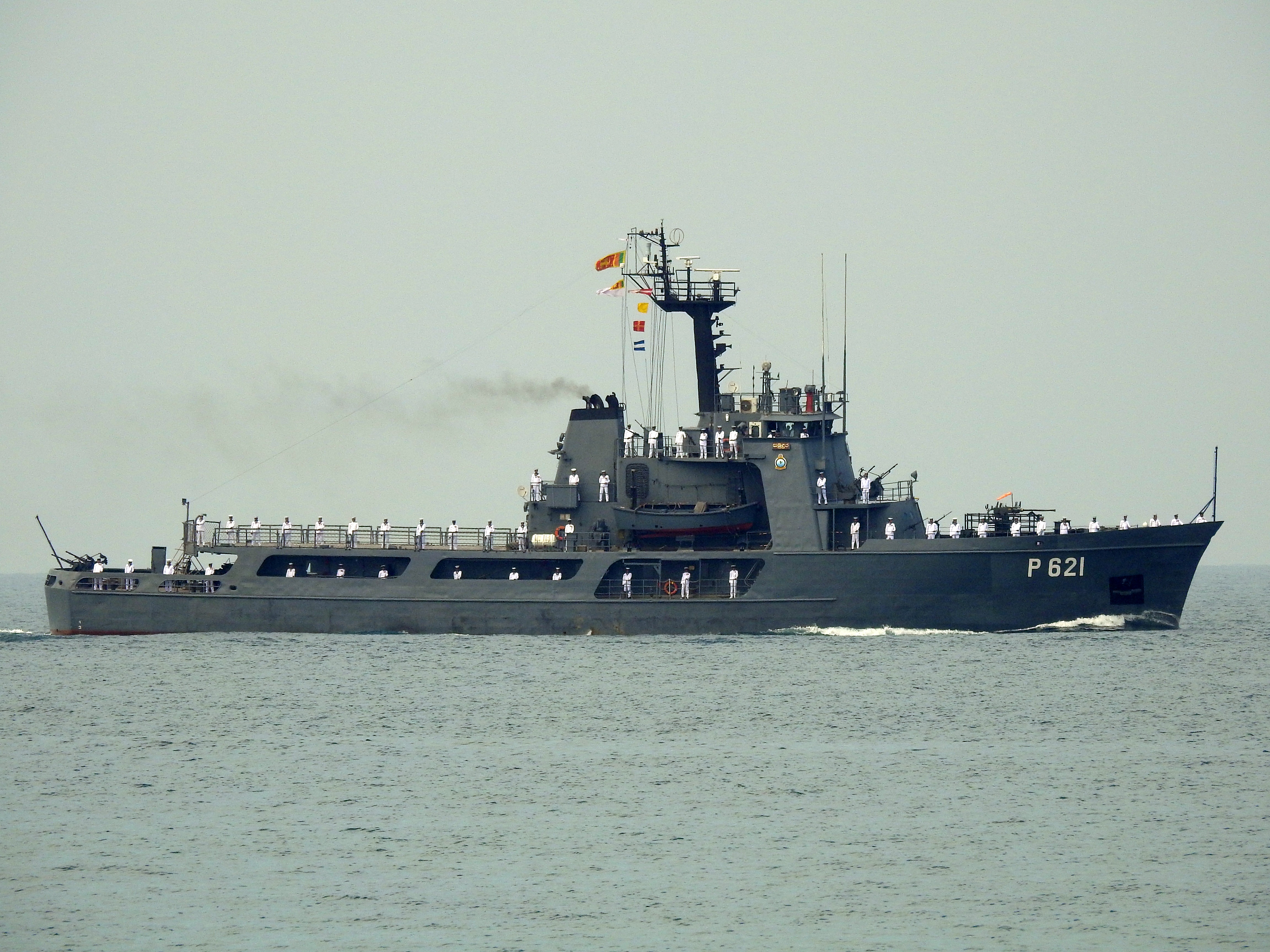
I had to point this out because both Sri Lankan ships mentioned are former US Coast Guard Cutters. SLNS Samudura is the former USCGC Courageous (WMEC-622) transferred to Sri Lanka in 2004 and SLNS Gajabahu is the former USCGC Sherman (WHEC-720) transferred to Sri Lanka in 2018.

Former USCGC Courageous, now SLNS Samudura P621. Photo by Rehman Abubakr

SLNS Gajabahu (P626), SLNS Sayurala (P623) and SLNS Sindurala (P624) during 2022 Colombo Naval Exercise. SLNS Samudura (P261) also visible in the distance. Photo defence.lk

“China Pressures Argentina to Build Naval Base” –dialogo-americas.com

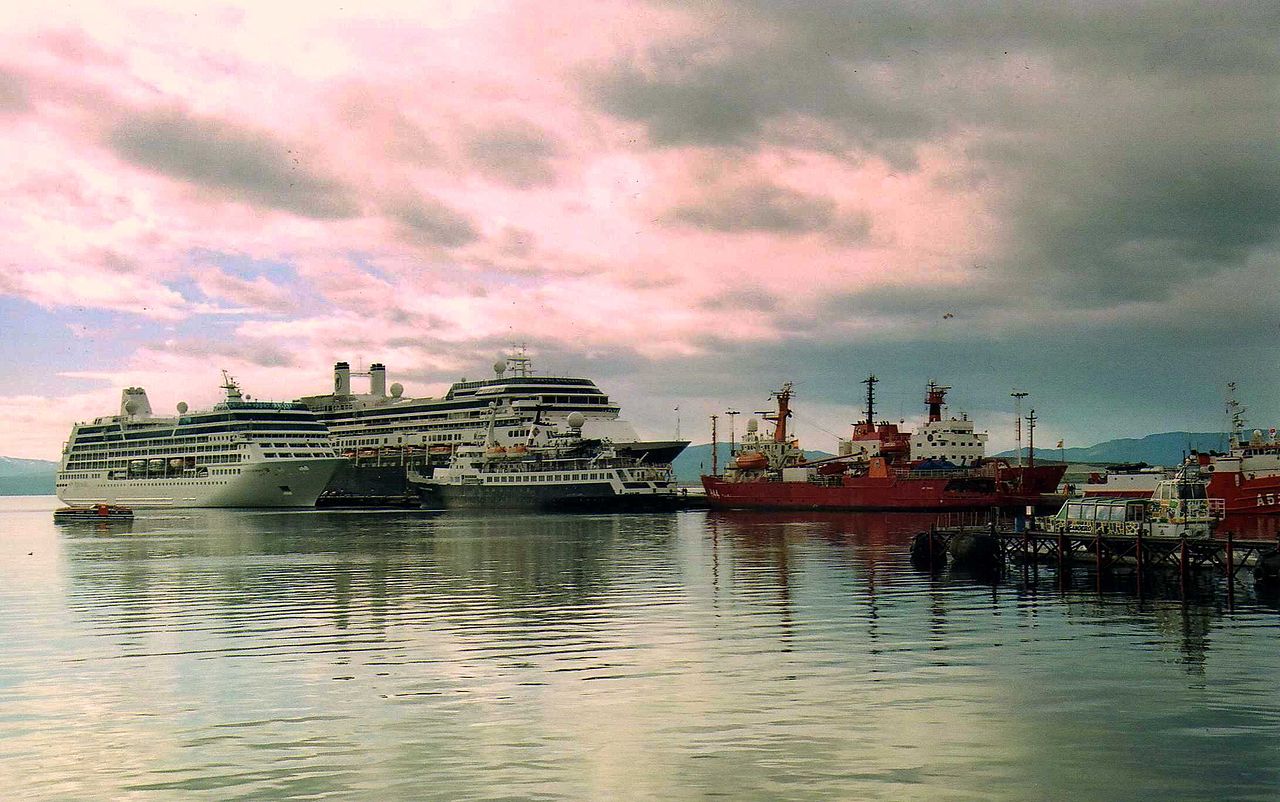
Cruise ships at dock, Ushuaia, Tierra del Fuego, Argentina. Photo Credit: Rodolfo Pace

Dialogo Americas reports China is once again pressuring Argentina to build a naval base in Ushuaia, Tierra del Fuego, at the Southern tip of South America.

There is no indication that Argentina is accepting the Chinese offer, but I can understand both why the Chinese are making the offer and why it would be attractive to Argentina.

The current Antarctic treaty is set to expire in 2048. It seems unlikely it will be renewed. Too many want to exploit mineral wealth that is believed to be there. There are already known conflicting claims on the continent, including overlapping claims by Argentina, Chile, and the UK. Even Japan has stated an intention to make a claim

Neither the US nor China has made a claim yet, but they are likely to. The US has a strong basis for claims, and China has been investing heavily in Antarctic exploration and research.

Argentina has few friends likely to support their claim. Relations with the UK and the US have never fully recovered since the Falklands War. Relations with Chile have always been strained. Argentina’s military is now much weaker relative to the UK than it was at the time of the Falklands War, but they still claim the Falkland (Malvinas) and South Georgia, both of which are under UK administration. Argentina might want to have China on their side.

“Navy Wants Independence LCS in Bahrain for Mine Countermeasure Mission” –USNI / “Navy considers non-LCS option for mine countermeasures in 5th Fleet” –Defense News

191227-N-PY805-1005
SOUTH CHINA SEA (Dec. 27, 2019) The Independence-variant littoral combat ship USS Gabrielle Giffords (LCS 10) receives fuel from the Henry J. Kaiser-class fleet replenishment oiler USNS Pecos (T-AO 197) during a replenishment-at-sea. Gabrielle Giffords is on a rotational deployment to INDOPACOM, conducting operations, exercises and port visits throughout the region and working hull-to-hull with allied and partner navies to provide maritime security and stability, key pillars of a free and open Indo-Pacific. (U.S. Navy photo by Nicholas J. Beihl/Released)

Two reports, one from US Naval Institute and one from Defense News. They appear to disagree, but they both were based on the same presentation. Really it is good news that both 5th and 7th Fleet want Independence class LCS. Trouble is, they don’t think they have enough to go around, if they are all based in San Diego, as they currently are. So, the Navy is looking at alternatives including forward basing or using other assets to provide the required Mine Counter Measures capability to 5th Fleet.

Their decision has potential consequences for Coast Guard forces’ efforts in the Eastern Pacific drug transit zone, Western Pacific IUU fisheries enforcement, and Southwest Asia.

The US Naval Institute report basically says the current plan is to supply 5th Fleet’s MCM requirement by using Independence class LCS operating from their base in San Diego, but they are looking at alternatives including forward basing or perhaps letting Freedom class LCS fill in.

The Defense News report tells us why the Navy wants an alternative solution.

The U.S. Navy is considering alternatives to deploying littoral combat ships to the Middle East for a mandatory mine countermeasures mission, hoping to instead maintain LCS deployments to the Western Pacific. (2)

“We’re trying to leverage that as much as we can and see how that fits into the mix,” he said. “There’s several different things going on, but right now I think the plan of record as it stands would be an Independence-variant MCM capability out there — but … we are working on several other options to see how we can fill that, and I personally think the answer is going to be something that is forward-deployed to Bahrain.” (Emphasis applied–Chuck)(2)

The Independence class (trimaran) LCSs in the Western Pacific are, or at least could be, helping to counter Illegal, Unreported, and Unregulated (IUU) fishing.

Once expected to go to the 5th Fleet/CENTCOM, the remaining Freedom class (mono-hull) LCSs are now expected to support 4th Fleet/SOUTHCOM including drug interdiction with embarked Coast Guard Law Enforcement Teams. If they are diverted to 5th Fleet to fill in, it could potentially hurt the drug interdiction effort.

An Alternative: As MCM can now be modularized, there appears to be less reason to have dedicated MCM ships or that all the elements have to be collocated on a single ship.

The service plans to buy 24 packages to equip 15 of the Independence-class LCS. That leaves nine mine countermeasure packages for potential use on “vessels of opportunity,” as Capt. Mike Egan, branch head for mine warfare in the Office of the Chief of Naval Operations, said last May at the 2022 International Mine Warfare Technology Symposium of the Mine Warfare Association. (3)

The aviation components and the Uncrewed Surface Vessel and its mine hunting sonar could be operated from shore or from an Expedition Base Ship. The Lionfish Unmanned Underwater Vehicle is the Remos 300. It is relatively small.

Part of the Navy’s planned family of systems, Lionfish’s main role will be intelligence gathering with the Navy’s expeditionary mine countermeasures company. As its name suggests, the SUUV is only 150 pounds and requires just a few sailors to deploy it. It will be based on HII’s Remus 300, a “man-portable UUV” that is “designed for modularity… [and] can be reconfigured with a range of sensors and payloads to meet mission requirements,” according to a statement the company published last year when announcing the government of New Zealand had ordered four UUVs. (4)

It could be operated from shore, from Expeditionary MCM Company RHIBs, or from Webber class WPBs.

More Reading: Good article on the state of US Navy Mine Warfare here.

Naval Strike Missile: Incidentally, there is affirmation that the Freedom class LCS, in addition to the Independence class LCS, will be equipped with Naval Strike Missile. From the USNI post,

“As of right now, the Navy still plans to put the Naval Strike Missile on the remaining Freedom-class hulls, Rear Adm. Fred Pyle, the director of surface warfare on the chief of naval operations’ staff (OPNAV N96), told reporters.” (1)

Sources: 

  1. Navy Wants Independence LCS in Bahrain for Mine Countermeasure Mission
  2. Navy considers non-LCS option for mine countermeasures in 5th Fleet
  3. Navy Mine Warfare Teeters Between Present, Future
  4. Navy moving ahead with HII for small UUV program