“Steer Clear of the Polar Regions” –USNI

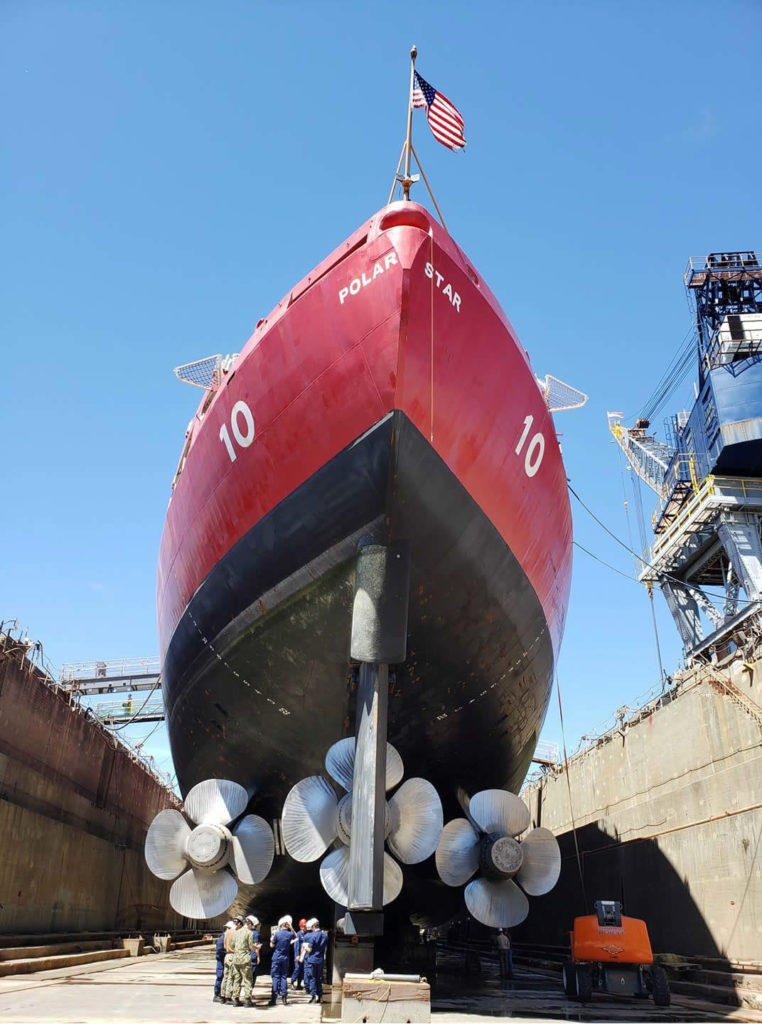
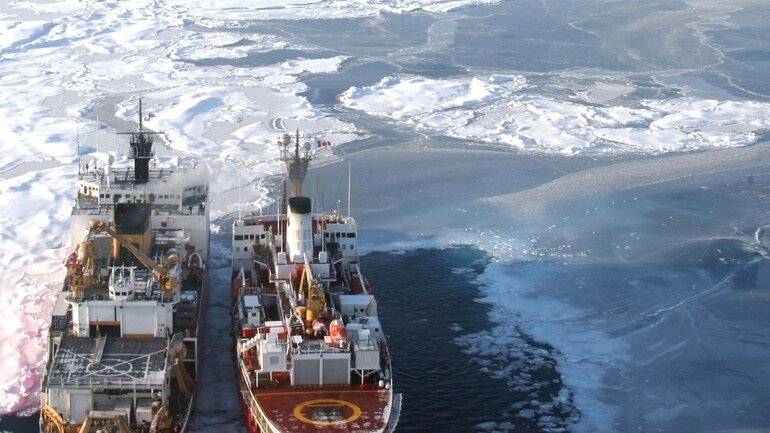
 Photo: Official USCG Polar Star Facebook

The US Naval Institute Blog has a new post. Its bottom line,

For Semper Paratus to move beyond a mere slogan, the Coast Guard should steer clear of the Poles, decommission the two heavy icebreakers, and redirect resources toward coastal operations to better secure the homeland. As the smallest armed force, the Coast Guard must proactively roll back the nefarious reach of transnational human smuggling and narcoterrorism for the sake of national security. Leave the Poles to the Navy and to private sector research-and-development firms.

I am not going to comment, but I am sure someone will.

“Countering Drugs: Communicate the ‘Why’” –USNI Proceedings

US Naval Institute Proceedings web site has a well argued case for attempting to better explain the rationale for the Coast Guard’s drug enforcement operations to both its members and to the public. It was written by By Lieutenant Commander Jeff Garvey, USCG.

As a law enforcement and military arm, it is imperative that the Coast Guard fight violent TCOs, enforce our sovereign border, and maintain the rule of law that holds our society together. We cannot rest, as the work will never be finished. If the nation decides to alter our drug laws, that may change but not end the overall effort. As Plato pronounced, we are the guardians of the Republic, but guardians are humans who need a visceral understanding of the “why” behind their mission. Coast Guardsmen need to understand they are fighting transnational criminals, protecting our borders, and upholding the law.

There was one paragraph that, I thought particularly interesting.

Unfortunately, many Coast Guard and law enforcement partners are still focused on drug busts as the end result. Tactical questioning and intelligence collection for boarding teams is often a side effort and not a key line of effort. If we have information on a maritime drug shipment, the best course of action may not be to interdict it at sea, but rather to follow it or turn a crew member to get a more complete understanding of the network. This requires a change in mindset and how we build and share information across the interagency. Our measures of success should focus on how we are building an understanding of networks and dismantling them, not just the quantity of drugs seized. Understanding networks is harder to quantify and will take longer, but it will yield a more significant and lasting impact.

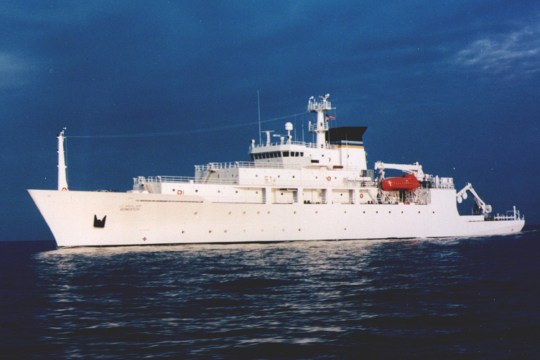
“US Bans Marine Scientific Research in its Waters Without Consent” –Global Security

Global Security reports,

“The United States has updated its policy on marine scientific research, requiring foreign ships to request permission before entering U.S. waters. It is the latest step by Washington to align U.S. law with the United Nations Convention on the Law of the Sea as it seeks to champion a rules-based order despite criticism from China for not ratifying the convention.”

This is expressly about the EEZ, not the territorial sea. What I find really remarkable here is,

According to the U.S. Office of Ocean and Polar Affairs, marine scientific research only includes “those activities undertaken in the ocean to expand knowledge of the marine environment and its processes.”

Hydrographic surveys – including those for military purposes — and resource exploration, which China’s research fleet is known for, are instead considered “marine data collection,” and thus are not affected under the updated policy.

OK, I can understand wanting to keep the door open for our hydrographic research in potential adversaries’ EEZ to inform submarine and anti-submarine operations, but EEZs are about “economic” pursuits. I would think that would include resource exploration.

Several of the South East Asian nations have objected to Chinese resource exploration in their EEZ, based on their interpretation of UNCLOS. Our statement seems to give cover for what most countries see as Chinese misbehavior.

The EEZ is supposed to allow the coastal state to regulate economic activity in adjacent waters. Why would we object to “those activities undertaken in the ocean to expand knowledge of the marine environment and its processes.” 

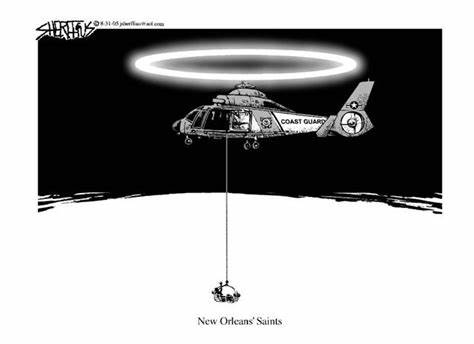
Hurricanes and Urban Search and Rescue

The US Naval Institute Proceedings had a recent post, “Hurricanes: The Coast Guard’s Growing Responsibility” By Lieutenant Noah Miller, U.S. Coast Guard, September 2020.

This led me to an earlier article, “The Coast Guard Needs Urban SAR Assets” by Boatswain’s Mate First Class Michael Buchanan, U.S. Coast Guard, August 2019; then to “Now Hear This—Coast Guard on the Crest of Climate Change” by Lieutenant Angel Kwok, U.S. Coast Guard, January, 2019.

Two appeals like this from the deck plates suggests we probably need to do something more about urban search and rescue.

Apparently there is some action being taken: “New Flood Response Training Finishes Its Inaugural Course”

“Guam’s first Coast Guard Fast Response Cutter arrives at Apra Harbor” –D14

Below is a press release from D14. This is significant as the first FRC homeported in the Western Pacific. The ability of these little ships to self deploy to the Western Pacific is impressive. The crew has every reason to be proud, but we really should not be too surprised. Flat bottomed Landing Craft Infantry (LCI), 28 of which were Coast Guard manned, transited similar distances during World War II. They were essentially the same size (160 ft loa and 385 tons full load) and also had a crew of 24, but they usually did these transits in groups.

united states coast guard

News Release

U.S. Coast Guard 14th District Hawaii and the Pacific
Contact: 14th District Public Affairs
Office: (808) 535-3230
After Hours: HawaiiPacific@uscg.mil
14th District online newsroom

Guam’s first Coast Guard Fast Response Cutter arrives at Apra Harbor

Myrtle Hazard Myrtle Hazard Myrtle Hazard

Editors’ Note: Click on images to download a high-resolution version.

HONOLULU — The Coast Guard Cutter Myrtle Hazard (WPC 1139) arrived at its new homeport in Santa Rita, Guam, Thursday.

The crew of the Myrtle Hazard traveled from Key West, Florida to Guam, covering a distance of over 10,000 nautical miles during the two month journey.

The new Fast Response Cutter (FRC) is the first of three scheduled to be stationed on Guam and replaces the 30-year old 110-foot Island-class patrol boats. FRCs are equipped with advanced command, control, communications, computers, intelligence, surveillance, and reconnaissance systems and boast greater range and endurance.

“FRC’s in Guam strengthen and affirm the U.S. Coast Guard’s operational presence in Oceania,” said Lt. Tony Seleznick, commanding officer of the Myrtle Hazard. “We increase the fleet’s range, endurance, and capabilities to deter illegal behavior, support Search and Rescue, promote maritime stability, and strengthen partnerships.”

The FRCs represent the Coast Guard’s commitment to modernizing service assets to address the increasingly complex global Maritime Transportation System. Like the Island-class patrol boats before them, the Myrtle Hazard will support the people of Guam, the Commonwealth of the Northern Mariana Islands, and our international partners throughout Oceania.

FRC’s are designed for various missions including drug interdiction, defense operations, maritime law enforcement, search and rescue, marine safety, and environmental protection. FRC’s can reach speeds of up to 28 knots and endure 5 days out at sea while covering over 2,500 nautical miles.

“Myrtle Hazard will significantly increase the capabilities of the Coast Guard throughout the region,” said Capt. Chris Chase, commander, Coast Guard Sector Guam. “I am excited to welcome the crew of the Myrtle Hazard home and look forward to them conducting operations with our partners in the near future.”

Myrtle Hazard, the cutter’s namesake, was the first female to enlist in the Coast Guard. Enlisting in January, 1918, she became a radio operator during World War I. She ended her service in 1919 as an Electrician’s Mate 1st Class.

Each FRC has a standard 24-person crew. This will bring over 70 new Coast Guard members to Guam, along with a projected 100 family members. In addition to the crews of the three ships additional Coast Guard support members and their families will also be in Guam.

Coast Guard cutter arrives in Japan following an onboard fire” –Pacific Area

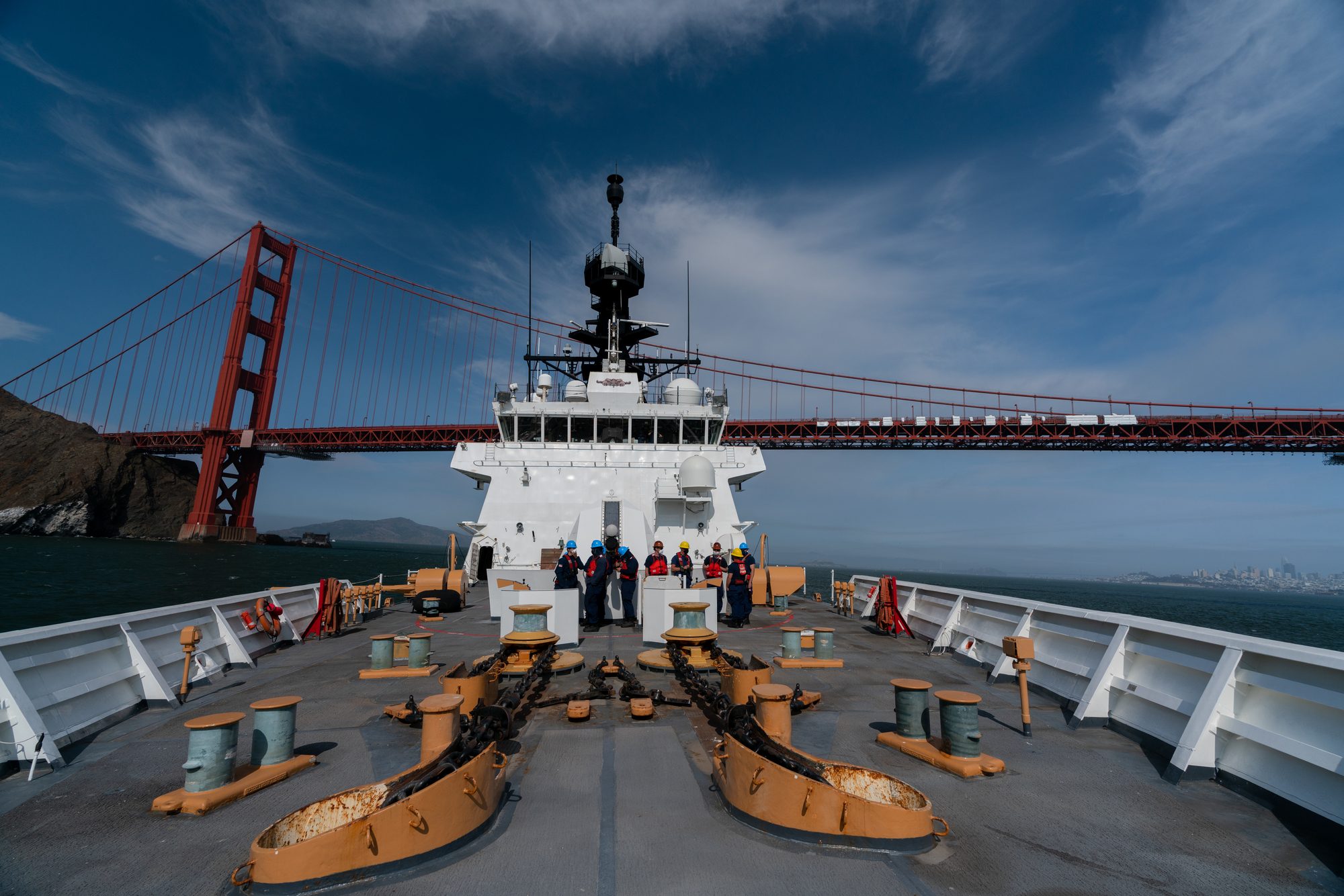
Below is a Pacific Area news release. A couple of interesting things about this. First of course is that one of our ships had a fire. But there is more. Waesche was well on her way. Based on a photo caption, she left Alameda on Aug. 22. Unlike the last time a National Security Cutter went to the Western Pacific, there was no public announcement of departure. The lack of publicity may have something to do with the COVID 19 pandemic. It might be that, it is now considered a routine deployment. Maybe something else?

united states coast guard

News Release

Sep. 22, 2020
U.S. Coast Guard Pacific Area
Contact: Coast Guard Pacific Area Public Affairs
D11-DG-M-PACAREA-PA@uscg.mil
Pacific Area online newsroom

Coast Guard cutter arrives in Japan following an onboard fire

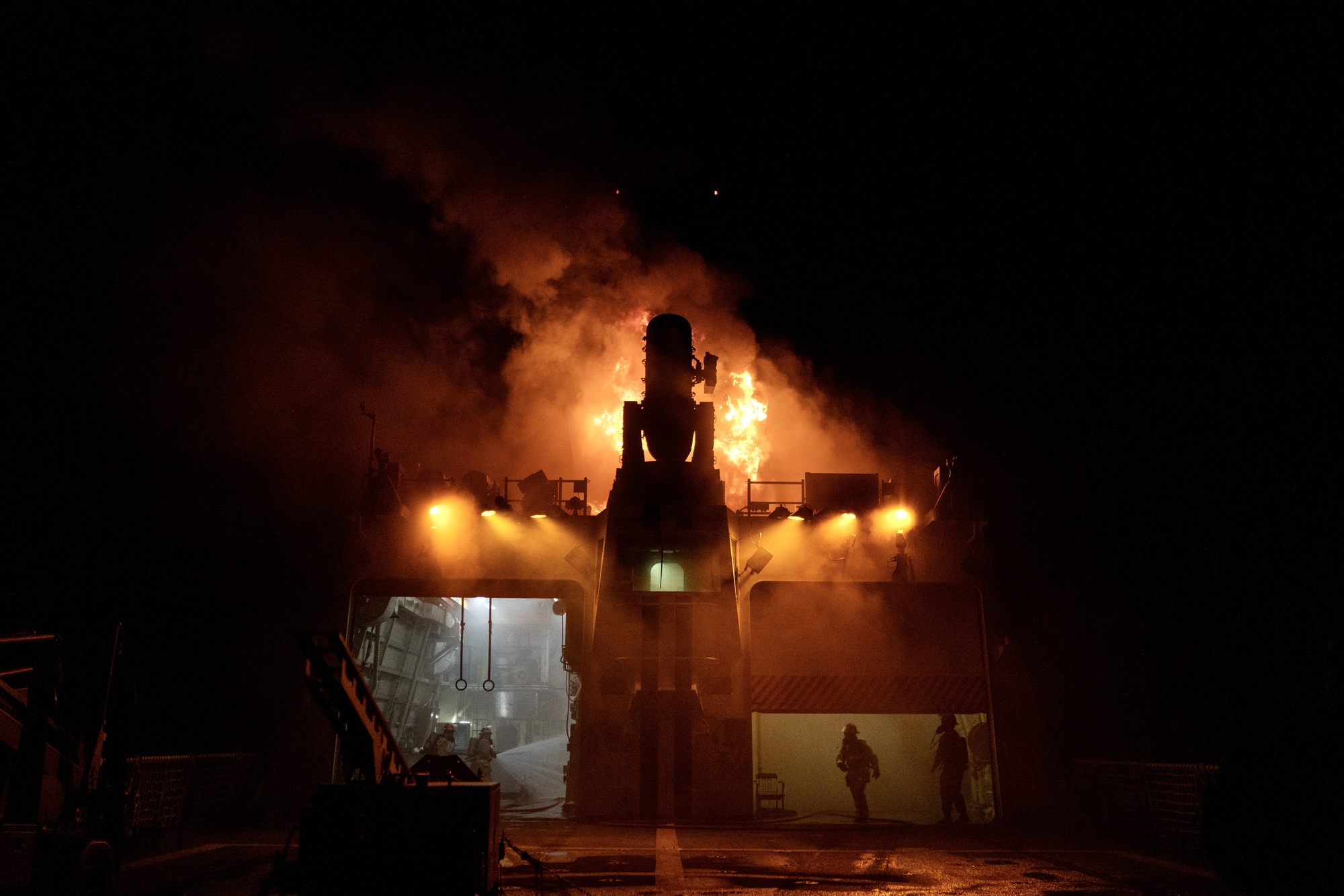
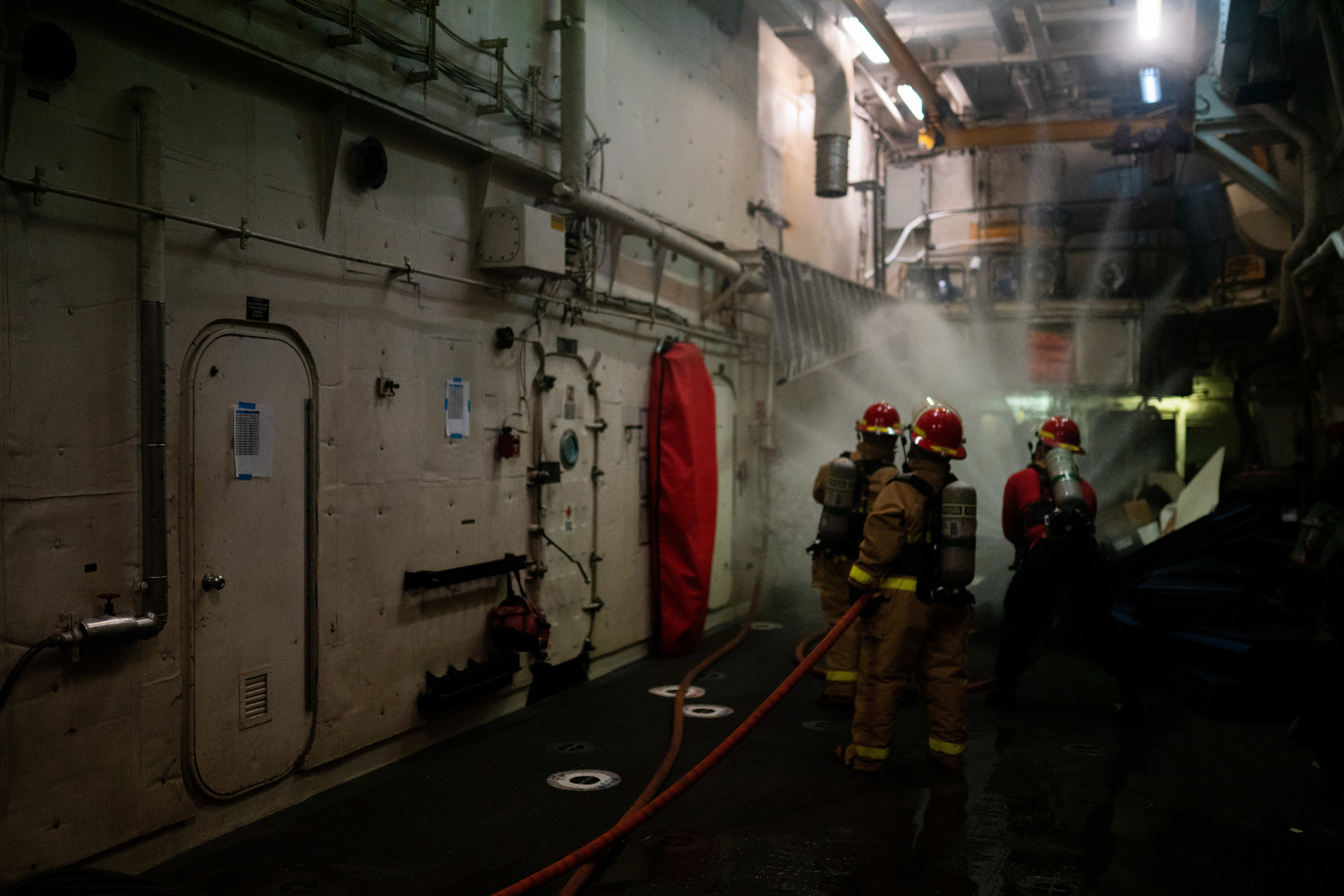
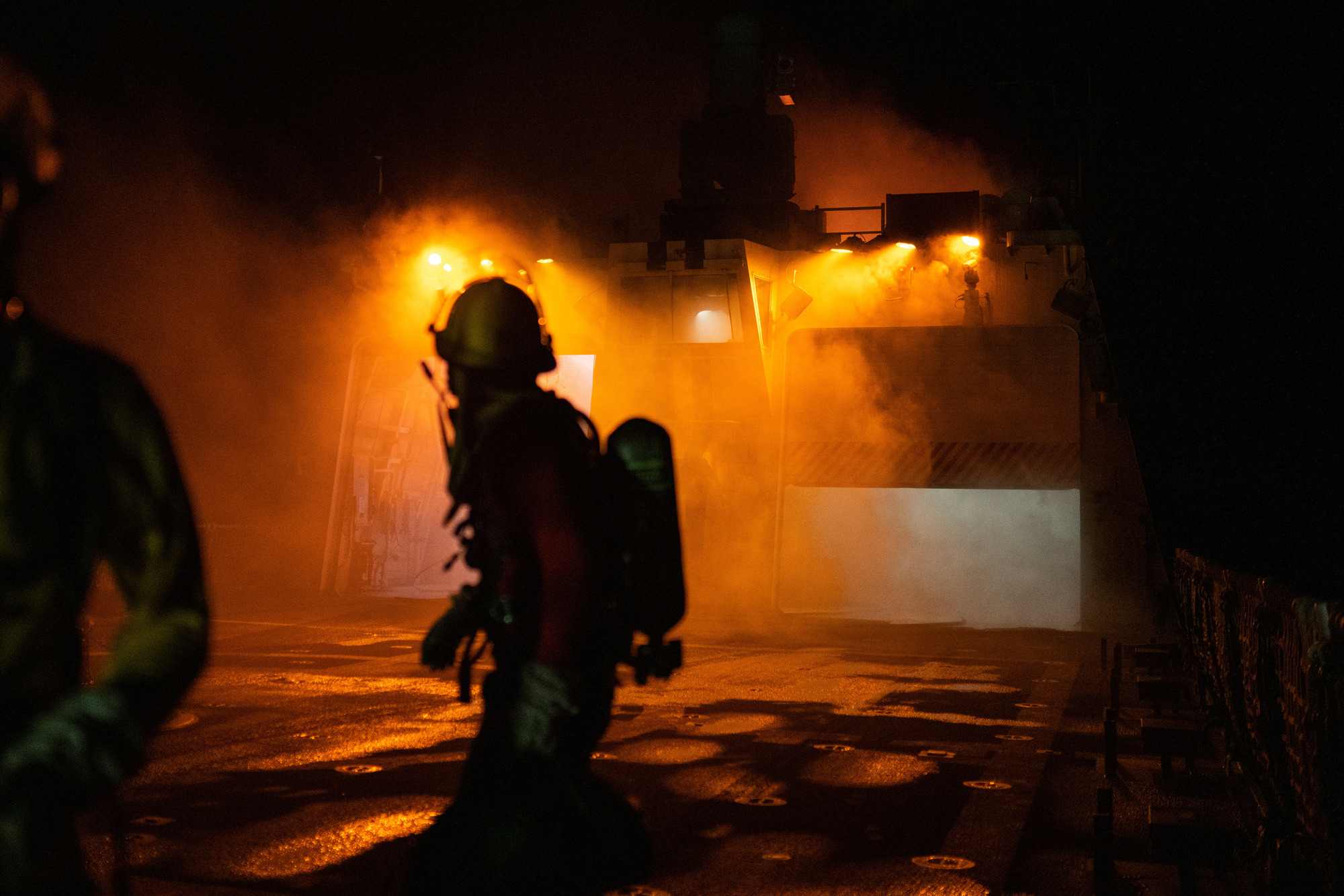
Photo: Crews battle fire onboard Coast Guard Cutter Waesche 

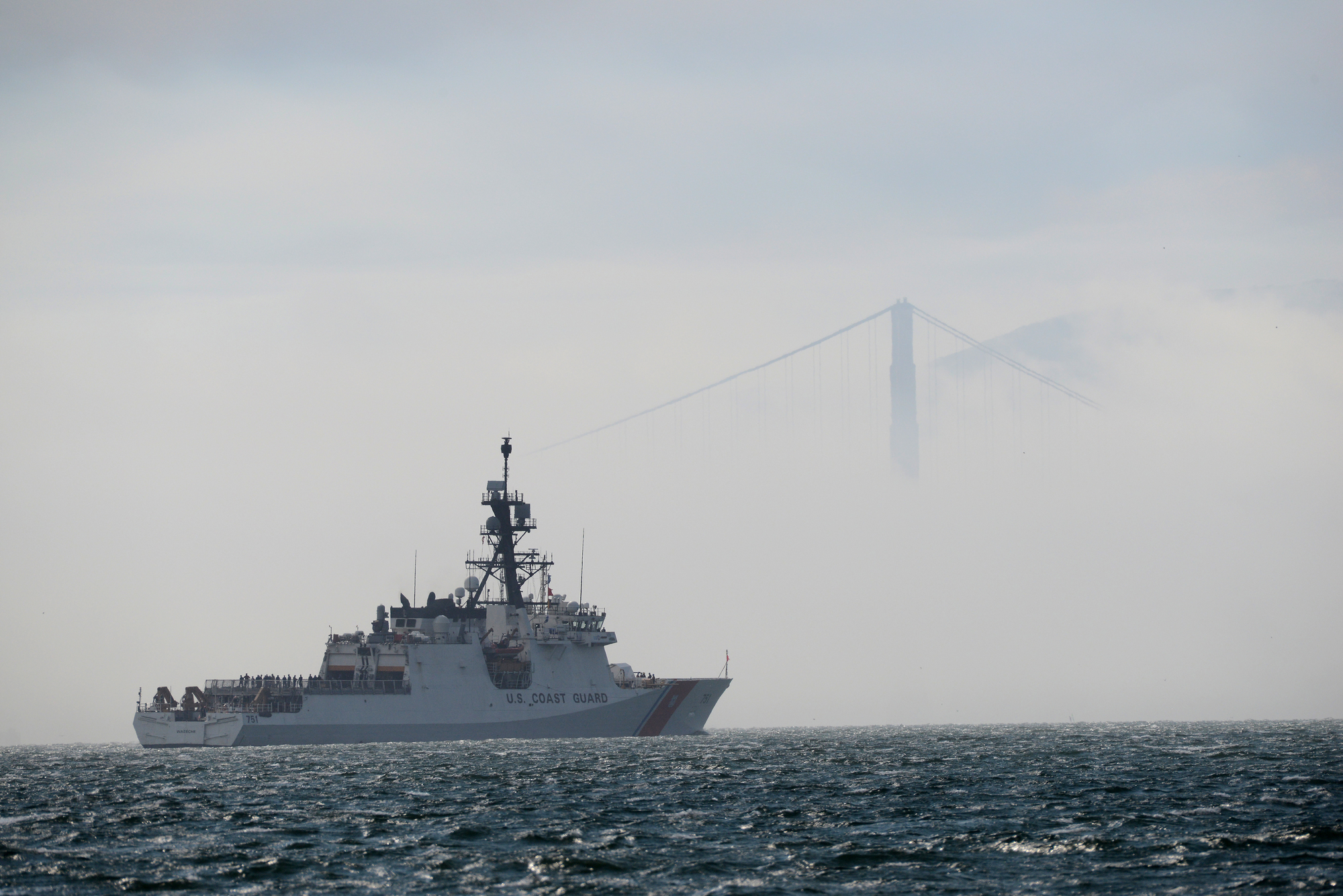
Photo: Crews battle fire onboard Coast Guard Cutter Waesche PHOTO: Alameda, California-based Coast Guard cutter departs for Western Pacific patrol Photo: Crews battle fire onboard Coast Guard Cutter Waesche
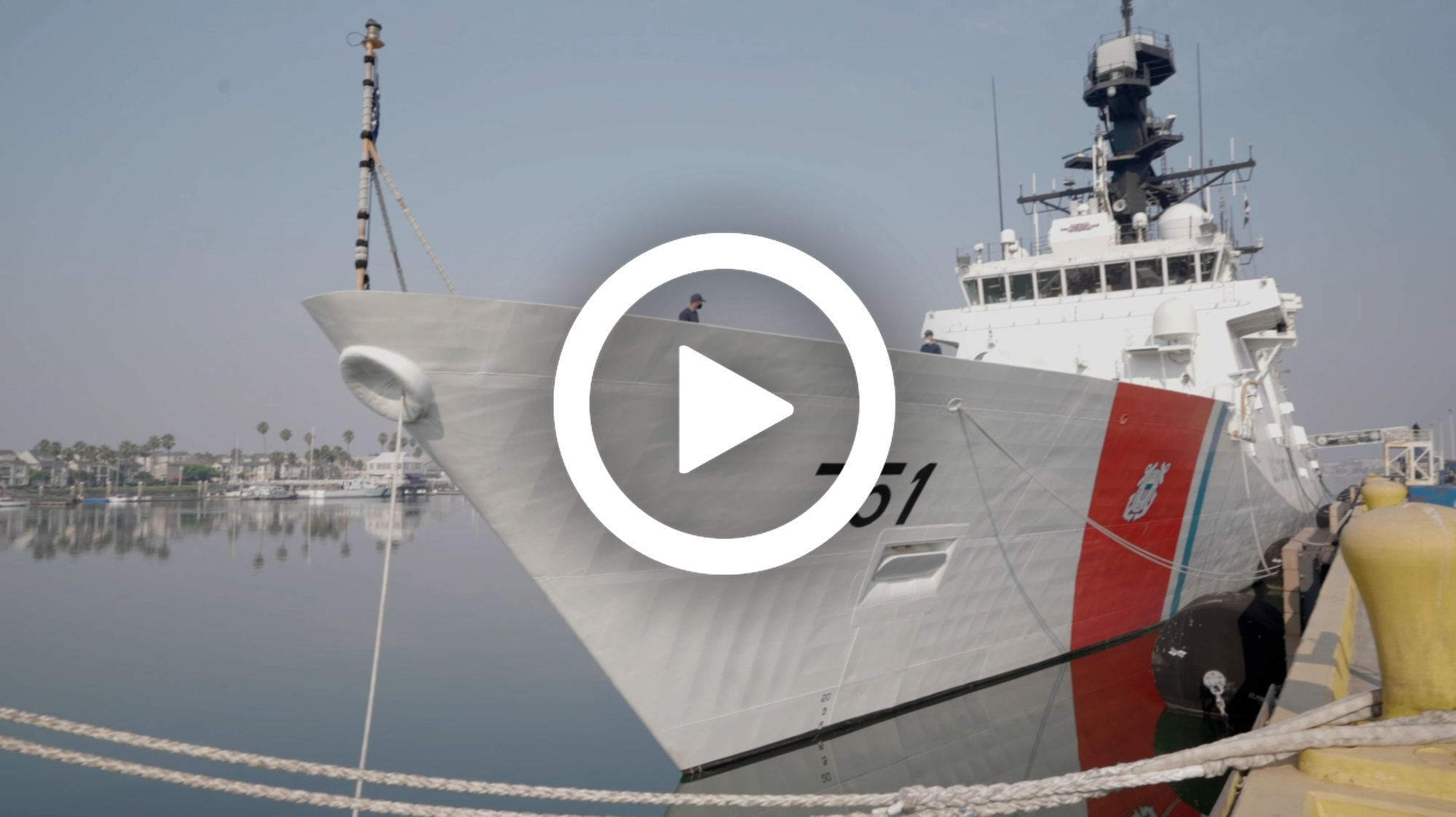
PHOTO: Alameda, California-based Coast Guard cutter departs for Western Pacific patrol VIDEO: Alameda, California-based Coast Guard cutter departs for Western Pacific patrol PHOTO: Alameda, California-based Coast Guard cutter departs for Western Pacific patrol

Editors’ Note: Click on images to download high resolution version.

ALAMEDA, Calif. — The U.S. Coast Guard Cutter Waesche (WMSL 751) arrived at Yokosuka, Japan today after combatting a shipboard engineering fire on Sept. 20, during a scheduled deployment to the U.S. 7th Fleet’s area of operations.

Black smoke was reported at 5:18 p.m. (local time) Sunday, and investigations revealed fires in the exhaust stack and nearby spaces.

After 90 minutes of firefighting, the fires were confirmed extinguished.

Five crew members reported minor injuries sustained during firefighting efforts and were treated by the onboard medical team.

The extent of the damages and cause of the fire are currently under investigation. While at Fleet Forces Yokosuka, the cutter will undergo further inspection and potentially repairs.

“The rapid response and courageous efforts from the crewmembers aboard Waesche to quickly contain and extinguish the fire are a testament to the bravery and skill of this crew,” said Capt. Jason Ryan, Waesche’s commanding officer.

The cutter is under the tactical control of U.S. 7th Fleet as part of routine presence operations in support of the United States’ commitment to a free and open Indo-Pacific.

In 2019, Coast Guard Cutter Bertholf and Stratton deployed for a combined 326 days to the Western Pacific.

Both cutters enforced United Nations Security Council resolutions against the Democratic People’s Republic of Korea by monitoring and gathering intelligence on vessels conducting ship-to-ship transfers in the East China, South China, and Yellow Seas.

Bertholf and Stratton also engaged in professional exchanges and capacity-building exercises with partner navies and coast guards while visiting ports in Japan, South Korea, Hong Kong, Singapore, Fiji, Australia, Indonesia, Malaysia, and the Philippines.

Bertholf made history during their patrol as the first Coast Guard cutter to transit the Taiwan Strait March 24-25, 2019.

Stratton’s crew combated illegal fishing by conducting seven high seas fisheries boardings under the authority of the Western and Central Pacific Fisheries Commission while transiting between the Philippines and Guam.

The Coast Guard’s ongoing deployment of resources to the Indo-Pacific directly supports U.S. foreign policy and national security objectives. The service’s unique capabilities, mission sets, and longstanding partnerships strengthen maritime governance, security, and the rule of law throughout the region.

Waesche is the Coast Guard’s second 418-foot Legend-class national security cutter and one of four homeported in Alameda. National security cutters have a crew of more than 150 and are among the largest and most technologically sophisticated vessels in the Coast Guard’s fleet.

“Coast Guard exercises contract option for FRCs 57-60” –CG-9

Below I have reproduce an announcement from the Acquisitions Directorate, CG-9. Names for FRCs #55-64 were announced earlier along with a brief summary of the namesake’s accomplishments. Wikipedia lists the names for all 64 and reported homeports for the first 47.  The last four FRCs, #61-64 have not been funded, and no request for funding was in the Administration’s FY2021 budget request. Hopefully Congress will see fit to add them. 

I would not be surprised to see Congress decide we need to replicate PATFORSWA in the Western Pacific. That would require additional FRCs, #65-70 if all are in addition, #65-67 if it incorporated the three already planned for Guam. If they are going to do that, they need to fund 61-64 in FY2021 to keep the hot production line going. 


Coast Guard exercises contract option for FRCs 57-60

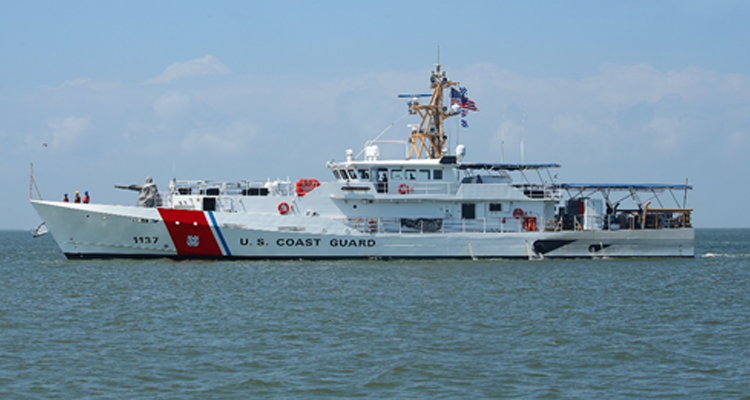
Coast Guard fast response cutter (FRC) Edgar Culbertson, commissioned June 11, 2020, is the 37th FRC delivered to the Coast Guard. The service awarded a contract option Sept. 22, 2020, for production of four more Sentinel-class FRCs and associated deliverables. U.S. Coast Guard photo.


The Coast Guard today exercised a contract option for production of four more Sentinel-class fast response cutters (FRCs) and associated deliverables worth just over $222 million with Bollinger Shipyards of Lockport, Louisiana.

This option brings the total number of FRCs under contract with Bollinger to 60 and the total value of the contract to approximately $1.48 billion. The FRCs built under this option will be delivered beginning late-2023 into mid-2024. The FRC contract was recently modified to increase the maximum number of cutters to 64 FRCs and total potential value to $1.74 billion if all options are exercised. This change was needed to maintain the domestic program of record of 58 FRCs while also providing for the replacement of six 110-foot patrol boats assigned to Patrol Forces Southwest Asia.

To date, there are 38 FRCs in operational service.

FRCs have a maximum speed of over 28 knots, a range of 2,500 nautical miles and an endurance of five days. The ships are designed for multiple missions, including drug and migrant interdiction; ports, waterways and coastal security; fishery patrols; search and rescue; and national defense. They feature advanced command, control, communications, computers, intelligence, surveillance and reconnaissance equipment; over-the-horizon cutter boat deployment to reach vessels of interest; and improved habitability and seakeeping.

For more information: Fast Response Cutter program page

Vice Commandant testifies before Congressional hearing focused on Arctic

USCGC Healy and CCGC Louis S St.Laurent (Photo by Jessica Robertson, US Geological Survey)

From the MyCG web site.

Vice Commandant testifies before Congressional hearing focused on Arctic

Watch live Tuesday, Sept. 22, 2020, as Vice Commandant, Adm. Charles Ray testifies before a Congressional Hearing focused on the Arctic.

The details and an internet link to a live-webcast of the hearing are contained below:

Date/Time:         Tuesday – September 22, 2020 (Time: 2:30 p.m. E.D.T.)
Hearing Title:    “U.S. Coast Guard Capabilities for Safeguarding National Interests and Promoting Economic Security in the Arctic”
Before the:         Senate Commerce, Science, and Transportation – Security Subcommittee (S.CST-S)

Coast Guard
Witness:
              Admiral Charles Ray, Vice Commandant, U.S. Coast Guard

If you wish to view this Congressional Hearing via “Live-Webcast” a video-feed will be available shortly before the hearing begins (approx. 2:25 p.m. E.D.T.) at this website:

Please e-mail Mr. Joseph Bowes at joseph.r.bowes@uscg.mil if you have any questions regarding this information.

“US, Guyana to Launch Joint Maritime Patrols Near Venezuela” –Marine Link

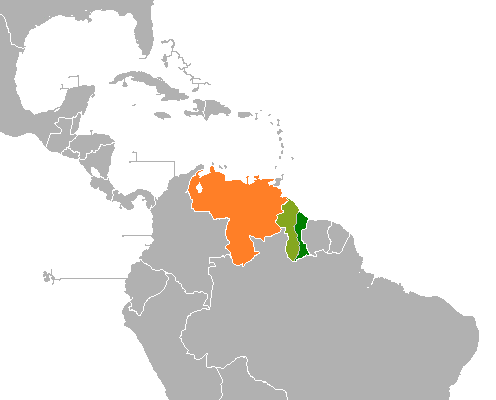
Disputed Guayana Esequiba in light green with the rest of Guyana in dark green; Venezuela shown in orange. Illustration by Aquintero82 from Wikipedia.

Marine Link reports,

“The United States and Guyana will begin joint maritime patrols aimed at drug interdiction near the South American country’s disputed border with crisis-stricken Venezuela, the U.S. secretary of state and Guyana’s new president said on Friday.”

I presume this is going to involve the US Coast Guard, given that it is about drug enforcement and cutters still comprise the majority of 4th Fleet ships.

Venezuela and Guyana have a long standing territorial dispute, with Venezuela claiming about two thirds of Guyana. This, of course, extends into the offshore waters in regard to EEZ.

Venezuela’s armed forces are about 50 times more powerful than those of Guyana. Guyana has no combat aircraft and no navy. They do have a very small coast guard. Venezuela has a respectable navy including two submarines, three frigates and six well armed OPVs.

Discovery of oil in the disputed offshore areas is also an issue. The USCG has had a hand in this dispute already. Venezuela may still be mad at us because of this apparent misunderstanding. When the President announced a surge in counter drug ops back in April, Venezuela was specifically mentioned. In June the Navy did a Freedom of Navigation operation off Venezuela because Venezuela is claiming a 15 mile territorial sea.

Hopefully things will not get too interesting down there.

“U.S. Coast Guard’s VADM Linda Fagan (Pacific Command) answers why the Large Coast Guard Cutters Do Not Up-Arm” by Peter Ong

We have a guest author, Peter Ong. He reports on the response to a question he asked during the Surface Navy Association 2020 virtual meeting. Peter forwarded a draft copy of this to PACAREA to confirm that they had no issues with the post and received an affirmative response. 

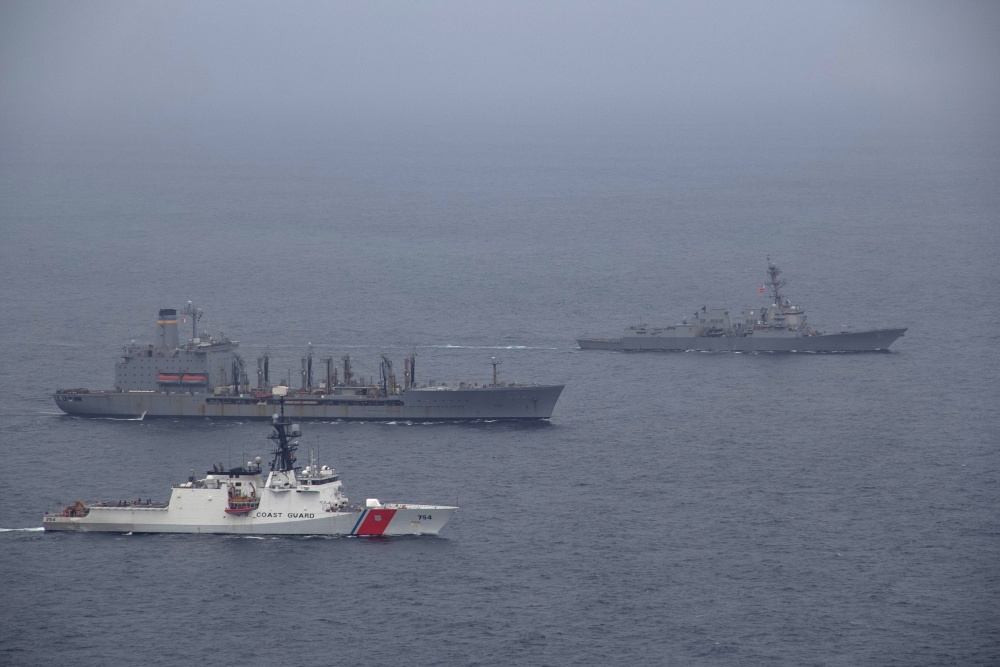
PACIFIC OCEAN (May 3, 2020) U.S. Coast Guard Cutter, James (WSML 754), front, fleet replenishment oiler USNS Laramie (T-AO 203), middle, and U.S. Navy Arleigh Burke-class guided-missile destroyer USS Pinckney (DDG 91) transit the Pacific Ocean during a vertical replenishment-at-sea May 3, 2020. James, Laramie and Pinckney are deployed to the U.S. Southern Command area of responsibility to support Joint Interagency Task Force South’s mission, which includes counter illicit drug trafficking in the Caribbean and Eastern Pacific. (U.S. Navy photo by Air Crewman (Helicopter) 2nd Class Aaron Malek)

In recent years, up-arming suggestions about changing and upgrading the weapons’ fit aboard United States Coast Guard Cutters (USCGC) have been increasing on certain naval, Coast Guard, and Defense blogs and websites, including Chuck Hill’s Coast Guard Blog.  Posters and public commentators suggest that the 57mm Bofors cannons on the National Security Cutters and Offshore Patrol Cutters should be swapped out with a 76mm cannon and that lightweight torpedoes, Longbow Hellfire missiles, and long-range Anti-Ship missiles be installed to increase the range and firepower of the Cutters’ armaments.  Since the USCG Cutters use U.S. Navy weapons, these up-arming ideas seem very plausible.

At the Surface Navy Association 2020 held virtually on August 27th due to the Coronavirus pandemic, Vice Admiral Linda Fagan, USCG, Pacific Command Theater, answered my question as to why the U.S. Coast Guard does not up-arm its large Cutters with guided smart missiles, torpedoes, missiles, larger caliber guns, and other more powerful and lethal weapons to counter peer nations and future threats.

“The Navy…they forward deploy; they Force Project; this is about lethality and National Defense,” VADM Fagan said over the screen. “The Coast Guard’s role as a Law Enforcement, regulatory, Maritime security agency is different. There is no intention to turn the Coast Guard into the [U.S.] Navy with that same lethality because there is that differentiation.  The White-Hull, [the red] racing stripe, the Humanitarian ability to help nations increase [and to] protect their own sovereignty and enforce their own laws is the place where the Coast Guard brings the most value at and provides the most benefit.  I think that the reaction might be different if the Coast Guard were to sort of look like the Navy combatant.”1

VADAM Fagan goes on to say that it is important for the USCG Cutters to seamlessly integrate with the U.S. Navy, RIMPAC, and NATO ships to share the same systems, communications, and sensors to maintain and generate a level of integration, Readiness, and interoperability as part of the U.S. National Fleet strategy.  Ensuring that the White-Hull with red stripe is a symbol of the Humanitarian Mission is critical to the United States Coast Guard and complements with the U.S. Navy’s peers in the region.

Often, a USCG National Security Cutter that is deployed far overseas is escorted by a well-armed U.S. Navy AEGIS destroyer armed with long-range Anti-Ship, Anti-Air, and Anti-Submarine missiles and torpedoes through International Waters of contention.  An example would be the USCGC Bertholf’s (WMSL-750) deployment to the Indo-Pacific region where the Bertholf linked with the Arleigh Burke-class guided-missile destroyer, USS Curtis Wilbur (DDG-54), based in Yokosuka, Japan.  Together, the two ships transited the roughly 110-mile wide Taiwan Strait in March 24-25, 2019 with the Curtis Wilbur riding armed shotgun.2

Is the weapons fit onboard these National Security Cutters (NSCs) and Offshore Patrol Cutters (OPCs) ironclad for the foreseeable future?  For the present time, the U.S. Coast Guard is satisfied with keeping the current “gun and no missiles” weapons fit the same and exercising the White-Hull Humanitarian symbol of Search and Rescue and Maritime Law Enforcement wherever and whenever the large Coast Guard Cutters sail into far off seas.

References:

1 Surface Navy Association 2020. Thursday, August 27th, 2020.  10:35 A.M. – 11:35 A.M. VADM Linda Fagan, USCG, Pacific Command. Virtual Streaming of Keynote Address.

2 Werner, Ben. USNI News. March 25, 2019. Referred from: https://news.usni.org/2019/03/25/42133